2027 Best ABSN Programs by NCLEX Pass Rate, Cost, and Completion Time

Co-Founder and Chief Data Scientist
Navigating accelerated nursing programs demands sharp prioritization as prospective students juggle NCLEX success rates, escalating tuition costs, and stringent completion deadlines. For many, especially adult learners balancing work and family, the stakes extend beyond academics - high attrition or delayed licensure can severely disrupt planned career shifts into nursing. Recent data from the National Center for Education Statistics shows a 22% surge in enrollment in accelerated nursing paths post-2022, signaling both growing demand and heightened competition. This surge shifts admission landscapes, making program transparency around outcomes and affordability critical for informed decision-making.
This article evaluates top ABSN programs based on NCLEX pass rate, cost, and completion time to guide candidates toward choices aligned with their career and life priorities.
Key Things You Should Know
- Programs with NCLEX pass rates above 90% often require accelerated pacing that narrows clinical hours, risking skill depth but yielding faster employment; the 2025 National Council of State Boards of Nursing data confirms a 12% variation in pass rates correlates strongly with clinical hour intensity.
- Employers prioritize completion from regionally accredited ABSN programs with proven graduate retention, influencing hiring; the 2024 American Nurses Association workforce study identifies 65% of hospitals favoring candidates from top 20 NCLEX pass rate cohorts.
- Cost disparities exceed 40%, with public institutions averaging $45,000 vs. $65,000 at private schools, impacting debt burden and delaying workforce entry; recent Bureau of Labor Statistics reports link lower-cost ABSNs to earlier median starting salaries by 8% due to reduced financial strain.
What is an ABSN program and who is it designed for?
Accelerated BSN programs for career changers compress comprehensive nursing education into 12 to 24 months but come with tradeoffs related to pace, clinical demands, and licensure readiness. These programs require prior completion of foundational science coursework, such as anatomy and microbiology, to sustain the intensity required for rapid progression. Employers prioritize NCLEX pass rates as an indicator of graduate quality; in 2024, first-time test takers educated in the U.S. passed at 88.28%, while repeat candidates passed at only 64.53%, demonstrating the direct link between program rigor and workforce readiness.
Choosing an accelerated BSN program demands balancing speed against outcomes. For instance, a 12-month course with pass rates below 75% may delay actual entry into nursing practice due to exam retakes, inflating financial and opportunity costs. Conversely, an 18-month program with a 90% pass rate better aligns with employer expectations in clinical settings and long-term earning potential. The intensive nature of these programs usually necessitates full-time commitment during weekday clinical rotations, which complicates scheduling for working professionals.
ABSN program benefits for non-nursing students include streamlined pathways into nursing careers, but graduates must still allocate time post-graduation for NCLEX preparation to secure licensure. Program selection should emphasize demonstrated NCLEX success rather than cost or duration alone.
Those seeking advanced qualifications might consider BSN to MSN online programs to build upon ABSN foundation with flexible progression options.
How do NCLEX pass rates help identify the best ABSN programs?
NCLEX pass rates provide crucial insight into an accelerated bachelor's of science in nursing program's effectiveness, directly influencing licensure success and employer confidence. For example, considering North Carolina programs, NC A&T State University charges approximately $9,534 in tuition compared to Duke University's $110,111. When evaluating these options, a higher NCLEX pass rate at the lower-cost institution can offer similar readiness and reduce long-term debt, a key factor for students balancing financial constraints and career objectives.
Programs with low NCLEX success often indicate insufficient clinical preparation or academic rigor, which can lead to delays in licensing and narrower job prospects in competitive healthcare markets. Decision-makers should weigh NCLEX outcomes alongside program cost and completion time to optimize workforce entry speed and minimize costly retakes or time extensions.
The NCLEX pass rate also reflects a program's ability to develop critical thinking and practical skills essential in specialized nursing fields like acute care or community health. Hiring managers frequently use these statistics as benchmarks to identify candidates meeting baseline competencies for clinical roles.
Prospective students evaluating accelerated nursing pathways should examine specific institutional pass rates, support services available to graduates, and local job market demands. This strategic, data-driven approach ensures program alignment with realistic timelines and financial parameters while maximizing employment potential.
Those exploring flexibility may also consider an RN to BSN program without clinicals as an alternative path depending on professional goals.
What are typical ABSN tuition costs and total program expenses?
Tuition costs for accelerated bachelor of science in nursing programs in the United States vary dramatically, typically ranging from $9,000 to over $40,000, making financial planning essential. North Carolina A&T State University exemplifies cost-efficiency with a total tuition of $9,534 and an NCLEX pass rate of 91%, positioning it as a lower-investment option with credible outcomes. Prospective students must consider these figures alongside the average total expenses for ABSN programs by region, which can add $3,000 to $7,000 for clinical supplies, textbooks, immunizations, and licensing fees.
Many candidates transitioning from non-healthcare careers face the practical tradeoff between upfront program costs and quicker labor market entry, with nursing salaries generally ranging from $65,000 to $85,000 depending on location and employer type. Employers often favor candidates from programs with proven NCLEX success and reasonable debt loads, as excessive financial strain can hinder clinical performance and early job retention.
Choosing a program entails evaluating length, tuition, additional fees, and opportunity costs relative to salary expectations and geographic workforce demand. Those seeking flexibility might explore the easiest nursing program to get into as one cost-benefit consideration. Without strong performance data or employer recognition, programs exceeding $30,000 in cost risk diminishing the return on investment and prolonging financial recovery.
How long do ABSN programs usually take to complete from start to finish?
Accelerated BSN program duration in the US typically ranges from 12 to 18 months, imposing a demanding schedule that requires full-time commitment and minimal breaks. This compressed timeframe challenges working professionals who must balance employment and family responsibilities, often compelling reductions in work hours or unpaid leave. Choosing a 12-month track allows faster entry into nursing roles but introduces intense academic pressure, while 15-18 month options provide a comparatively manageable pace that supports deeper clinical learning.
Employers prioritize demonstrated clinical competence over speed of completion, though they value rapid workforce integration. Premium programs, such as those costing between $79,107 and $110,111 at top private institutions like Duke University, justify their higher tuition with intensive clinical exposure and networking opportunities. Yet, these demanding programs require substantial resilience and time management.
Prospective students evaluating typical timeframe to complete accelerated BSN programs should consider:
- Whether they can sustain near-continuous coursework and clinical practice for up to 18 months without significant personal or financial disruption
- Financial readiness given the often substantial tuition costs and lack of simultaneous income
- The tradeoff between speed of licensure and the depth of clinical experience gained, which affects employability and long-term career trajectory
Success in ABSN programs depends on balancing skill acquisition with real-life logistical demands, directly influencing employability in a competitive market. Understanding how accelerated program duration aligns with personal workforce timing is critical-especially in light of considerations such as the doctor of nursing practice salary landscape.
How do online and campus-based ABSN formats compare for nursing students?
The choice between campus-based and online accelerated BSN programs involves critical tradeoffs in clinical training, cost, and workforce preparedness that significantly shape employability and career trajectories.
Campus-based programs provide immersive, supervised clinical experiences essential for acute care roles such as ICU or surgical nursing, delivering practical exposure that employers value highly. This environment offers direct teamwork, immediate feedback, and standardized patient interactions that sharpen real-time decision-making skills. For students aiming at rapid workforce entry in high-stakes settings, campus ABSN is often the most strategic path.
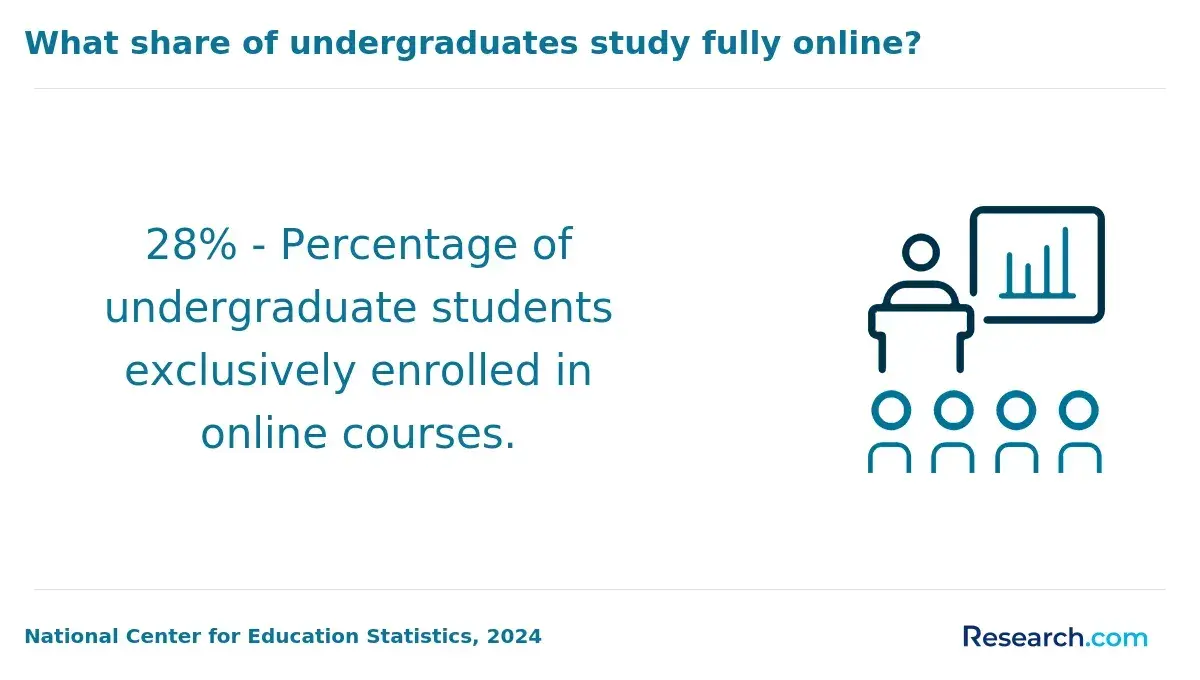
In contrast, online and hybrid ABSN formats cater to working professionals by offering scheduling flexibility but shift the responsibility for securing and managing clinical placements onto students, which can lead to variable quality and uneven clinical competence. Employers often emphasize verified clinical hours and NCLEX outcomes, areas where campus-trained graduates generally hold an advantage due to more structured oversight.
Financially, tuition disparities in states like Texas illustrate the complexities: public institutions charge approximately $222.43 per credit for in-state students versus $632.43 for nonresidents, making cost a pivotal factor in decision-making for out-of-state enrollees.
Students weighing ABSN pathways should consider these dynamics relative to their current commitments, desired nursing specialties, and readiness to independently navigate clinical requirements-factors that ultimately influence both educational value and employer reception.
What accreditation should ABSN programs have for RN licensure eligibility?
Enrollment in an accelerated bachelor of science in nursing program lacking accreditation from the Commission on Collegiate Nursing Education (CCNE) or the Accreditation Commission for Education in Nursing (ACEN) introduces significant barriers to licensure and employment. States universally require graduation from an accredited program to qualify for the NCLEX-RN licensing exam, administered by the National Council of State Boards of Nursing (NCSBN). Without this accreditation, candidates cannot sit for the NCLEX, effectively halting any progress toward becoming a licensed nurse.
For example, a working professional seeking a rapid career pivot through an ABSN may face prolonged delays if their program does not meet state-mandated clinical hour requirements or accreditation standards. This risk amplifies if pursuing licensure in states with stringent prerequisites, where unaccredited programs often trigger additional scrutiny or outright rejection of eligibility.
Employers also rely on CCNE or ACEN accreditation as a proxy for program quality and graduate competency. Data from sources such as Nurselk.com and ABSNPrograms.org indicate that accredited programs consistently report NCLEX pass rates exceeding 90%, with near-total job placement within months of graduation. These outcomes translate into tangible advantages during hiring and salary negotiations, especially in competitive healthcare markets.
Choosing accredited programs ensures alignment with federal financial aid eligibility, reduces licensure complexity, and expedites entry into the nursing workforce-critical factors when balancing educational investment with immediate employment objectives.
What are common ABSN admission requirements for prospective second-degree students?
Applicants aiming for accelerated second-degree nursing programs must navigate stringent requirements designed to ensure success in a compressed curriculum. Admission hinges on holding a bachelor's degree in a non-nursing field and maintaining a GPA generally between 3.0 and 3.5. Beyond transcript credentials, candidates must have completed foundational science coursework-typically anatomy, physiology, microbiology, chemistry, and statistics-with grades of C or better to demonstrate readiness for rigorous clinical and theoretical nursing studies.
While direct clinical experience is not universally mandatory, programs often favor applicants with some healthcare exposure, such as work as a CNA or volunteer service in patient care settings. This practical familiarity aligns with employers' preferences for graduates who adapt quickly to clinical environments. Standardized entrance exams like the TEAS or HESI further assess academic aptitude, supporting more informed admissions decisions.
The competitive nature of ABSN admission reflects program capacity constraints and the higher NCLEX-RN pass rates of these cohorts compared to traditional BSN students, an important factor for employment prospects. Prospective students benefit from completing science prerequisites early, gathering strong recommendation letters from healthcare professionals, and preparing robust personal statements that address resilience and communication skills valued in nursing practice.
Strategically addressing these elements reduces delays caused by incomplete applications and enhances readiness for practical workforce demands. Such preparation also mitigates the risk of reapplication, preserving valuable time in career pivots toward healthcare roles.
What does the ABSN curriculum include, and how are clinicals structured?
Accelerated nursing programs demand rigorous clinical hours-often between 500 and 700-tailored to local healthcare demands and licensing requirements, which can extend program duration despite their "accelerated" label. A student rotating through an urban hospital's ICU gains exposure to acute care scenarios enhancing eligibility for emergency or critical care roles, while another placed in community clinics develops expertise suited for public health nursing. These clinical experiences strongly influence employability, as hiring managers favor candidates with practical exposure aligned to their patient populations.
The didactic portion compresses core nursing sciences such as anatomy, pharmacology, and healthcare informatics into 12 to 18 months. However, gaining competence through hands-on care under structured supervision remains central, with progressive responsibility aligning with NCLEX testing competencies. Programs that lack coordinated clinical oversight risk delaying student graduation and time-to-employment.
Tuition ranges widely-and costs can reflect the quality and diversity of clinical placements within each state. For instance, Virginia's ABSN tuition varies from around $24,000 at George Mason University to over $115,000 at Eastern Mennonite University, underscoring how clinical partnerships and institutional resources contribute to pricing disparities. Candidates must balance cost against clinical setting diversity and the intensity of supervision, as these factors define readiness for immediate nursing roles.
What RN career paths, salaries, and job outlook follow an ABSN degree?
Graduates of accelerated Bachelor of Science in Nursing (ABSN) programs typically enter a clinical job market with narrowly defined RN roles, predominantly in hospital acute care, outpatient specialties, and community health. Entry-level salaries in general medical-surgical, emergency, or critical care units range from $65,000 to $75,000 annually but vary significantly by geography and facility scale. With experience, especially in focused areas such as oncology, pediatrics, or ICU nursing, salaries can exceed $85,000 within three to five years.
Given the 9% projected growth for RN employment through 2032 (Bureau of Labor Statistics, 2024), the demand remains solid, yet the upfront investment for ABSN programs demands careful cost-benefit consideration. Public programs typically cost between $25,000 and $45,000, while private institutions can charge upwards of $80,000, imposing a wide financial variance that directly impacts return on investment calculations, particularly for career changers who forego income during the 12-18 month coursework period (Nurselk.com, 2024).
Employers expect graduates to deliver immediate clinical competence, often disadvantaging those with interrupted academic histories. Those aiming for advanced practice roles must commit to graduate education following the ABSN foundation. Prospective students should weigh program rigor, cost, lost earnings, and local market conditions carefully against their career timeline and targeted specialties.
How can students evaluate and choose a high-quality ABSN program?
Acceptance rate, tuition, program length, and NCLEX pass rates collectively shape the practical value of accelerated baccalaureate nursing programs. Prospective students face a tradeoff: programs with under 30% acceptance often maintain rigorous selection that may correlate with higher NCLEX success but limit accessibility for career changers juggling time and prerequisites. Conversely, higher acceptance rates ease entry but might reflect varied academic or clinical rigor.
Tuition must be weighed against program duration and immediate workforce readiness. For example, a fast-tracked program offering NCLEX pass rates above 90% can justify higher costs for those seeking rapid licensure in competitive healthcare markets. Alternatively, longer, less expensive programs may better serve students needing flexible pacing, though they delay certification and entry into employment.
Additional factors influence employability beyond metrics. Programs accredited by recognized bodies, paired with strong clinical placement networks in high-demand specialties, enhance licensure approval and employer preference. This alignment emphasizes that decision-making should integrate these elements to optimize licensing outcomes and long-term career trajectory.
Other Things You Should Know About ABSN
Clinical placements directly affect practical skill development and employer readiness. Programs with established partnerships at reputable healthcare facilities typically provide more diverse, hands-on experience that aligns with workforce demands. ABSN candidates should prioritize programs with strong clinical affiliations over those offering limited or poorly supervised experiences to enhance their job market competitiveness.
While a high NCLEX pass rate indicates effective preparation, longer programs may not always be the better choice. Extended durations can delay entry into the workforce and increase total costs without guaranteeing significantly higher pass rates. Prospective students should weigh the marginal NCLEX advantages against financial and timing constraints, favoring programs that balance efficient completion times with consistently strong pass outcomes.
Program reputation generally impacts graduate employability and access to competitive clinical placements more than cost alone. Selecting the least expensive program can limit networking opportunities and quality of instruction, which are critical for long-term career growth. Prioritizing well-regarded programs with proven outcomes over low-cost alternatives leads to better return on investment in both licensure success and job prospects.
References
- How Long Is an Accelerated BSN? ABSN Timeline and 12-Month Option https://stmary.edu/nursing-accelerated/how-long-is-an-accelerated-bsn.html
- Second Degree BSN: Fast-Track Your Way Into Nursing - RNtoNP.com http://rntonp.com/nursing-degrees/second-degree-bsn
- ABSN vs. BSN: What’s the Difference?| University of Bridgeport https://www.bridgeport.edu/news/absn-vs-bsn-whats-the-difference/
- Online Accelerated Nursing Coursework - Mercer University https://absn.mercer.edu/accelerated-nursing/online-coursework/
- What is an ABSN program? | WCU Nursing Glossary https://westcoastuniversity.edu/glossary/absn-program
- CCNE Accreditation https://www.aacnnursing.org/ccne-accreditation
- Online Nursing Programs in Texas: What to Know - CTX https://absn.concordia.edu/blog/online-nursing-programs-in-texas/
- Accelerated Bachelor of Science in Nursing - Bushnell University https://www.bushnell.edu/college-of-health-professions/absn/
- Accelerated Bachelor of Science in Nursing (ABSN) Costs https://www.creighton.edu/cost-aid/find-costs/nursing-absn-costs
- Decoding the ABSN: How It Differs From Traditional Nursing Degrees | BAYADA Education https://bayadaeducation.org/resources/absn/decoding-the-absn-how-it-differs-from-traditional-nursing-degrees