2027 Best ABSN Careers for Graduate School Preparation

Co-Founder and Chief Data Scientist
Selecting the right accelerated nursing program to prepare for graduate school is a high-stakes decision for career-focused nursing graduates confronting a competitive landscape. Post-ABSN graduates face constrained clinical practicum opportunities amid growing demand, with the U. S. Department of Education reporting a 28% enrollment increase in online nursing programs since 2022, reflecting shifting access and time-flexibility needs.
This trend reshapes how applicants weigh program delivery modes, pacing, and state licensing compatibility-all critical for optimizing readiness and minimizing delays toward advanced credentials. This article details the top ABSN careers explicitly aligned with graduate school pathways, guiding learners to navigate the practical trade-offs affecting career mobility and educational outcomes.
Key Things You Should Know
- Accelerated BSN programs produce 40% faster workforce entry versus traditional RN pathways, yet students face compressed clinical hours risking depth of hands-on proficiency, impacting initial job performance evaluations (National Council of State Boards of Nursing, 2024).
- Employers increasingly prioritize ABSN graduates for leadership fast-tracking due to evidence of enhanced critical thinking and adaptability, with 63% reporting preference in competitive hiring cycles (American Nurses Association Workforce Report, 2024).
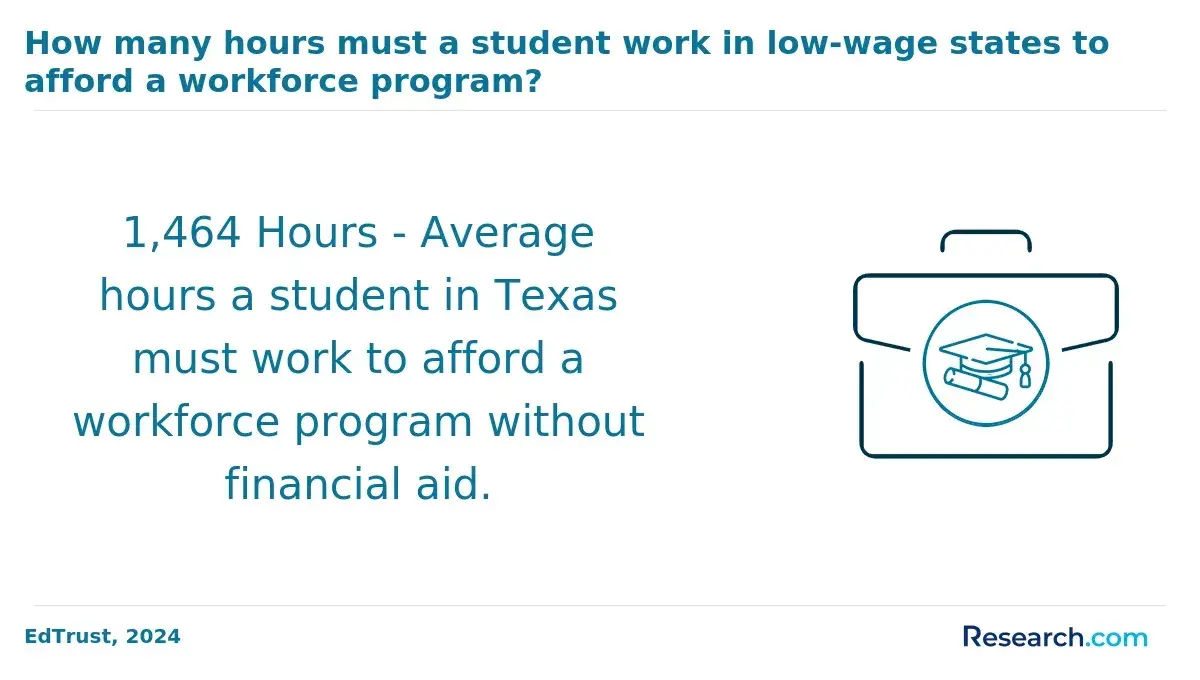
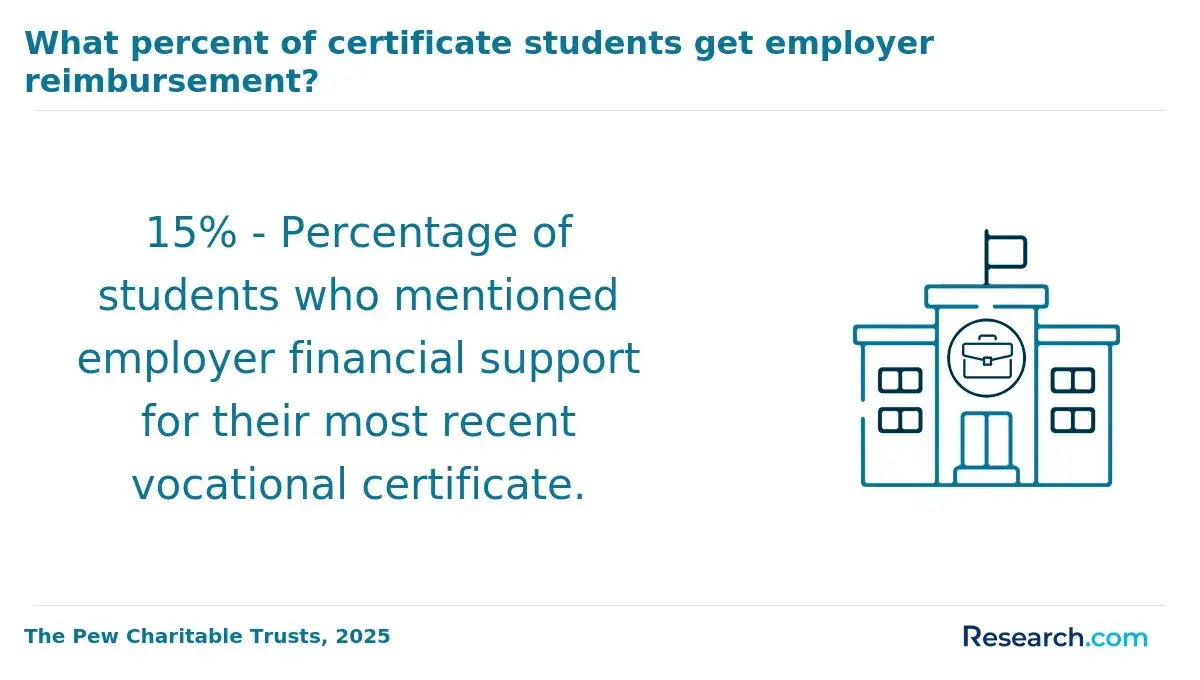
- Upfront ABSN tuition averages $38,000, 25% higher than standard BSN, demanding significant financial planning; combined with full-time study requirements, this limits access for working professionals without employer tuition support (National Center for Education Statistics, 2024).
What is an ABSN degree and how can it strengthen preparation for graduate nursing programs?
Accelerated bachelor of science in nursing (ABSN) programs compress traditional BSN coursework into 12 to 18 months, demanding rapid mastery of clinical and theoretical competencies. This compact schedule presents a practical tradeoff: students gain eligibility for graduate nursing programs faster but face intensified challenges such as limited clinical placement options and high-pressure time management.
For example, aligning ABSN completion with graduate application windows is critical, given that many graduate programs require a bachelor's degree earned within five years.
The practical value of an ABSN degree lies not only in expedited entry into advanced nursing education but also in maintaining clinical relevance. Nurses entering master's or doctoral programs from accelerated routes typically bring fresher evidence-based practice experiences than those who followed longer, more traditional paths.
Registered nurses with a BSN-whether from accelerated or standard tracks-average annual salaries around $99,000, signaling substantial labor market acceptance of this qualification. Navigating the rigors and logistical constraints of ABSN programs demands strategic foresight and resilience.
Accounting for regional variability in clinical site availability and cohort pacing is essential for ABSN candidates seriously pursuing graduate nursing studies. Candidates weighing options should examine ABSN programs with high acceptance rates, as these may afford more flexible scheduling or better alignment with clinical opportunities, smoothing the path to graduate school.
Overall, the ABSN degree benefits for graduate nursing programs derive from its condensed curriculum that prioritizes practical readiness, but its accelerated nature requires candidates to orchestrate multiple academic and clinical factors efficiently. This balance influences long-term employability and success in increasingly competitive graduate nursing admissions.
Which ABSN career paths best position nurses for master's and doctoral study?
Career trajectories following an Accelerated Bachelor of Science in Nursing (ABSN) significantly influence eligibility and preparedness for master's and doctoral programs. Clinical specialties such as nurse practitioners or clinical nurse specialists lead the list of best ABSN specialties for master's and doctoral programs because they embed practitioners in evidence-based practice and advanced care delivery, aligning tightly with graduate admissions criteria.
Nurse educator pathways serve as practical bridges to academia by fostering early competencies in teaching and research-an asset for graduate nursing students seeking seamless transitions into advanced degrees. Leadership roles in nursing management introduce administrative skills and strategic perspectives crucial for higher-level healthcare policy or administrator roles.
Hospitals increasingly value ABSN graduates in roles demonstrating a commitment to evidence-based outcomes; 25.0% require a bachelor's degree for new nurses, while 69.8% prefer BSN credentials. This reality positions ABSN holders for opportunities, yet it also underlines a tradeoff: purely bedside positions lacking research or teaching duties may complicate pathways to graduate-level nursing programs.
A typical illustrative scenario is an ABSN graduate who gains a nurse educator assistant role within a university hospital, benefiting from both instructional experience and academic references critical for graduate applications. Strategically selecting employers endorsing continuing education and offering flexible schedules supports part-time study and leadership documentation, which are key to navigating ABSN career paths for advanced nursing degrees.
For those weighing educational options, detailed program comparisons like Capella vs WGU RN to BSN provide focused analysis on degree pathways supporting these strategic career moves.
How does choosing an ABSN program influence admission competitiveness for advanced practice roles?
Accelerating admission competitiveness through ABSN programs hinges on their ability to deliver intensive clinical training within a condensed timeframe, directly impacting acceptance into advanced practice roles. The accelerated clinical hours-often surpassing 500-offer practical readiness that exceeds many traditional BSN pathways, preparing graduates for demanding environments such as acute care internships that advanced practice admission committees scrutinize closely.
These programs prioritize foundational nursing skills and immediate clinical application, which employers value as indicators of a nurse's adaptability and competence in specialized settings like nurse practitioner or clinical nurse specialist roles.
Labor market data reflect the impact of ABSN education on advanced practice role acceptance, with AACN's recent survey reporting that 96% of entry-level BSN graduates secure employment within 4-6 months. This rapid placement underscores the program's alignment with workforce demands and signals graduate programs of candidate resilience and efficiency in skill acquisition under time pressure.
However, the compressed curriculum frequently results in less exposure to diverse nursing electives, which can affect specialty preparation. To compensate, students should consider targeted certifications or clinical electives that enhance specialty-specific readiness.
For those evaluating pathways, cost remains a critical factor. Exploring the cheapest online nursing programs may offer viable alternatives for supplementing education without incurring prohibitive expenses, especially when bridging gaps left by accelerated formats.
What accreditation and state licensing requirements must ABSN programs meet for future graduate study?
Accelerated bachelor of science in nursing (ABSN) programs with accreditation from the Commission on Collegiate Nursing Education (CCNE) or the Accreditation Commission for Education in Nursing (ACEN) are essential gatekeepers for professional licensure and graduate study eligibility.
Without these accreditations, students risk credit non-transferability and barriers to pursuing advanced nursing degrees. This represents a critical operational constraint for those targeting graduate nursing education, as unaccredited programs often fail to meet state board licensing standards.
Licensing requirements vary notably by state, affecting the readiness of ABSN graduates to sit for the National Council Licensure Examination (NCLEX-RN). These differences include prerequisites such as minimum clinical hours and specific coursework, which influence both licensure timing and graduate admission potential. Prospective students should evaluate these disparities carefully, as misalignment between program content and state licensing expectations can delay professional progression.
In practice, this means confirming an ABSN program's fit with both state board policies and the prerequisites of targeted graduate programs. For example, variations in accepted clinical hours often require additional study or delay NCLEX-RN eligibility, impacting workforce entry timelines. A 2025 study in Nurse Education Today shows students entering ABSN programs with GPAs above 3.5 consistently outperform others in rigorous accelerated curricula, reinforcing the importance of academic preparation beyond meeting basic admission benchmarks.
Given these complexities, those considering an accelerated nursing pathway alongside future graduate study should consider programs aligned with their geographic licensure plans and academic goals. Exploring options like the 1 year MSN to DNP program online may offer strategic advantages if timed carefully. Navigating ABSN program accreditation and state licensing requirements with these nuances in mind is vital for avoiding costly delays and optimizing workforce outcomes.
How do online, hybrid, and campus-based ABSN formats compare for grad school preparation?
Choosing between online, hybrid, and campus-based ABSN formats requires more than evaluating NCLEX-RN pass rates, which top public institutions report as high as 97.4%. Each format presents distinctive tradeoffs that directly influence graduate school readiness and workforce positioning.
For working nurses, online ABSN programs offer unmatched scheduling flexibility but demand rigorous self-management and face limitations in clinical placement diversity, particularly in states with strict licensing laws. For example, a nurse juggling acute care shifts may benefit from online coursework but struggle to secure rotations that bolster competitive graduate applications.
Hybrid programs blend remote theory with on-site clinical training, offering critical hands-on experience and fostering stronger interdisciplinary mentorship. This format often aligns better with graduate admissions' emphasis on applied skills and research readiness.
Full campus-based ABSN delivers immersive clinical exposure and ready access to faculty and resources, arguably better suiting those targeting highly technical roles like surgical nursing where nuanced competencies matter.
Regardless of format, employers and graduate committees prioritize demonstrated clinical competence and research involvement over instructional delivery mode. Strategic enhancement through volunteering, research projects, or certifications remains essential.
Key considerations include:
- Personal learning discipline and time availability.
- Licensure requirements that vary by state and clinical placement options.
- Long-term career goals demanding specific clinical proficiencies or networking opportunities.
Which ABSN curriculum features and clinical experiences most support success in graduate nursing?
Accelerated baccalaureate programs (ABSN) demand upfront investment in clinical immersion and academic rigor that directly affects graduate readiness and employability. Students benefit from dense clinical hours-typically 600 to 800-across diverse settings like acute care and mental health, which expand competencies beyond typical ADN clinical exposure capped near 500 hours.
This hands-on depth enables rapid adaptation to specialty roles such as nurse practitioners, where early engagement with diagnostic reasoning in primary care sharpens decision-making skills critical for advanced practice.
Comparatively, ABSN tuition commonly exceeds $40,000, reflecting curriculum intensity and clinical infrastructure, starkly contrasting ADN programs with lower overall costs but limited clinical breadth. For prospective students, weighing this tradeoff means assessing not only financial outlay but also the practical development of leadership, research integration, and evidence-based practice skills embedded in ABSN programs-elements that align with graduate school expectations and employer preferences.
Additional program features like structured mentorship, simulation labs using high-fidelity technology, and interprofessional collaboration significantly influence job market transitions and graduate program acceptance.
Time management challenges arise from balancing accelerated clinical requirements with graduate application deadlines, emphasizing the need for proactive academic advising and support services. Prioritizing ABSN curriculums that offer comprehensive clinical reasoning exercises alongside research projects improves outcomes such as quality improvement initiatives and peer-reviewed publications, providing measurable professional differentiation.
What are typical ABSN admission requirements and timelines for students targeting graduate programs?
Admission to accelerated bachelor of science in nursing programs requires a bachelor's degree in a non-nursing field, typically with a minimum GPA near 3.0. Competitive programs often demand higher academic standards due to their linkage with graduate nursing tracks. Critical prerequisites-anatomy, physiology, microbiology, chemistry, and statistics-must be recent, usually completed within the last five to seven years, to ensure currency and relevancy.
Applicants must also pass standardized tests such as the TEAS, which assess core competencies essential for nursing studies. Missing application deadlines that precede program start dates by six to nine months can delay entry into graduate-level nursing education, potentially costing a year of clinical and financial opportunity. For example, a candidate targeting a nurse practitioner master's program immediately after ABSN must align timelines carefully or risk postponement.
Clinical hours, often exceeding 700 in ABSN programs, represent a non-negotiable foundation for advanced practice eligibility. Without documented experience, graduate programs may impose additional supervised clinical requirements or deny admission outright. According to the U.S. Bureau of Labor Statistics, the median registered nurse salary of $93,600 reflects substantial return on the time-intensive ABSN pathway.
Finally, logistics including NCLEX-RN exam scheduling, immunization records, background checks, and CPR certification require advance preparation. These operational factors can bottleneck progression from ABSN completion to licensure and graduate enrollment, demanding precise, program-specific planning for candidates intent on efficient workforce transition.
What ABSN-related roles offer the best salary, experience, and advancement toward graduate nursing careers?
Pursuing advanced roles after an accelerated bachelor of science in nursing (ABSN) often requires strategic decisions balancing immediate earning potential, credential timelines, and long-term influence within healthcare. Nurse practitioner positions offer the fastest route to six-figure salaries, with median wages above $120,000 driven by persistent primary care shortages and expanded practice authority. However, these roles demand prompt enrollment in master's-level programs that can impose significant time and financial costs upfront.
Nurse educators comprise a smaller but essential workforce segment facing faculty shortages. Their salaries range from $85,000 to $110,000 depending on institutional and regional factors. This path typically necessitates doctoral study and accrues slower financial returns but provides stable, tenure-track academic opportunities and influence over nursing curriculum development.
Leadership roles such as nurse managers and clinical supervisors blend administrative responsibility with clinical expertise and yield salaries between $95,000 and $115,000. Advancing here often requires certifications like NE-BC and cultivating managerial competencies to navigate complex health system structures.
Key operational tradeoffs include:
- The balance between clinical shifts versus academic or administrative advancement.
- Timing and feasibility of graduate program applications alongside work and clinical placement demands.
- The potential for retention and compensation growth linked to degree alignment with targeted advanced roles.
Federal labor data underscores that graduates who align their ABSN pathway with nurse practitioner, educator, or leadership credentials experience higher retention and salary growth than those remaining in staff nurse positions. These choices deeply affect employability trajectories and workforce integration.
What is the long-term job outlook for nurses who use an ABSN as a springboard to graduate degrees?
Employment for nurses leveraging an ABSN as a foundation for graduate degrees is expanding at an unprecedented rate, with advanced practice registered nurse roles expected to grow 40% from 2022 to 2032 according to the Bureau of Labor Statistics. Yet, the financial realities of this pathway are complex.
ABSN program costs vary widely-from approximately $40,000 at regional public universities to nearly $87,569 at Northeastern University-affecting how soon graduates can pursue further credentials. For instance, a nurse graduating from a high-cost ABSN program may delay or forgo a master's or doctoral degree to manage loan repayment, impacting their ability to access specialized clinical roles or leadership positions.
Employers' valuation of graduate education differs by sector; nurses aiming for primary care or education roles must navigate varying certification standards and tuition reimbursement policies by state and organization. Balancing part-time graduate studies with clinical duties often requires compromises such as reduced hours or unpaid leave, making program flexibility a critical factor in choice.
- ABSN graduates should strategically evaluate cost against career timing to minimize debt-related delays in advanced credentials.
- Choosing programs with graduate school partnerships and flexible schedules can ease transitions into specialized roles.
- Understanding employer priorities regarding advanced clinical experience and certifications informs realistic career planning.
How can prospective students evaluate and choose a reputable ABSN program for graduate school goals?
Choosing an accelerated bachelor of science in nursing program requires weighing its direct impact on both immediate employment and graduate school trajectories. An 84% job offer rate at graduation reported by the Advisory Commission on Academic Nursing (AACN) for BSN-prepared nurses, including accelerated graduates, confirms that these programs can expedite entry into the workforce.
However, the nuances of program design-such as accreditation by CCNE or ACEN and curriculum focus-significantly affect readiness for advanced degrees.
For example, those aiming to become nurse practitioners should prioritize programs integrating pharmacology and advanced clinical rotations over generalist tracks that may inadequately prepare for specialized graduate education. Programs offering diverse clinical site experiences and faculty skilled in graduate mentoring tend to produce graduates better equipped for complex roles.
Practical challenges include managing the intensive schedules accelerated formats demand, which can limit the time available for graduate application preparation. Programs that provide support services like graduate admissions counseling can ease this transition, but many require deliberate post-graduation planning.
When evaluating programs, drill down on metrics beyond employment rate, such as graduate school acceptance rates, alumni networks, and research access. Direct engagement with alumni can reveal how well a program aligns with career and academic goals, balancing rapid workforce entry against longer-term specialization ambitions.
Other Things You Should Know About ABSN
ABSN programs in 2027 are typically more intensive than traditional BSN programs, condensing coursework into a shorter timeframe. This demands significant time management skills, often challenging students to balance academic commitments with work or family responsibilities effectively.
High-acuity clinical environments expose ABSN students to complex patient cases that sharpen critical thinking and intervention skills vital for advanced practice roles. However, these settings often have faster pace and higher stress, which can overwhelm some students and reduce learning retention. Prioritizing rotations that align with specific graduate program goals or employer expectations optimizes competence development and signals preparedness for specialty tracks during graduate admissions.
Programs offering integrated bridges to graduate studies reduce application redundancies and streamline academic progression, which benefits students committed to advanced degrees. Yet, these pathways might limit exposure to diverse schools or specializations, potentially narrowing career options. Students should choose integrated tracks only if their graduate goals are certain; otherwise, independent applications create flexibility to reassess and choose the best fit based on evolving interests and labor market changes.
Prior healthcare experience, even if non-nursing, tends to strengthen graduate school applications by demonstrating patient care familiarity and professional maturity. However, its benefit depends on relevance and recency; older or unrelated experience adds less value. Candidates should weigh the tradeoff between entering an ABSN program early to expedite their pathway versus gaining several years of clinical exposure that can enhance graduate program competitiveness and employer readiness.
References
- 5 Tips on How to Survive an Online ABSN Program https://onlinedegrees.elmhurst.edu/blog/tips-surviving-accelerated-nursing-programs
- What Is a Hybrid BSN Program? How Online and Clinical Nursing Education Work https://stmary.edu/nursing-accelerated/what-is-a-hybrid-bsn-program.html
- 10 Great Master's Degrees for Nurses in 2026 https://credenzahealth.com/career-advice/10-great-masters-degrees-for-nurses
- How to Get Into an Accelerated Nursing Program | University of Bridgeport https://www.bridgeport.edu/news/how-to-get-into-an-accelerated-nursing-program/
- Top Non-Bedside Nursing Jobs: 20 to Consider - UMSV ABSN https://absn.mountsaintvincent.edu/blog/alternative-nursing-careers/
- Accelerated BSN Programs: Who Qualifies | Betternurse.org https://betternurse.org/accelerated-bsn-program-guide/
- Advanced Nursing Careers: BSN to DNP Career Options | Maryville Nursing https://nursing.maryville.edu/blog/advanced-nursing-careers-for-bsn-to-dnp-graduates
- Accelerated BSN Admission - MSMU https://www.msmu.edu/admission--aid/nursing-admission/absn-admission/