2027 Online Forensic Science Degrees for Students Who Want Coroner Investigator Roles

Co-Founder and Chief Data Scientist
For professionals targeting coroner investigator roles, reconciling work schedules with rigorous degree requirements often stalls crucial career advancement. The Bureau of Labor Statistics projects a 17% rise in demand for forensic specialists over the next decade, intensifying competition and pressuring candidates to seek flexible yet credible education pathways. Despite this, traditional on-campus forensic science programs frequently lack the adaptability needed by adult learners juggling employment or family responsibilities.
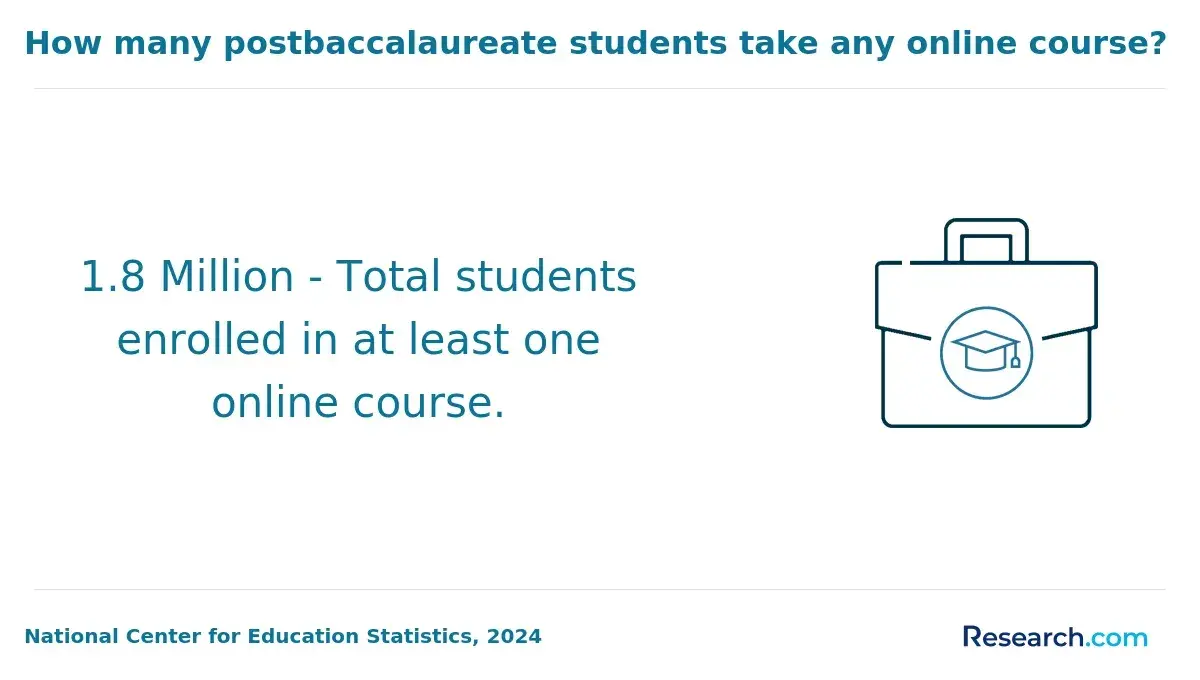
A National Center for Education Statistics report showing a 30% growth in online STEM enrollments since 2023 signals a pivot toward accessible, career-aligned training. This article examines online forensic science degree options tailored to coroner investigators, evaluating how these programs address real-world scheduling constraints, accreditation standards, and skill development to optimize employability and career mobility.
Key Things You Should Know
- Online forensic science degree completions dropped 12% between 2022-2024 as programs reduce practical lab hours, forcing students to choose costly in-person intensives or risk credential limitations affecting coroner hiring competitiveness.
- Employer surveys by the National Association of Medical Examiners in 2024 show 68% prioritize candidates with hands-on death investigation internships, pressuring online students to secure hybrid or external placements for coroner roles.
- Median program costs for accredited online forensic science degrees rose 15% in 2024, outpacing inflation, with extended completion times-averaging 5.2 years-delaying workforce entry and affecting lifetime earnings for career switchers.
What is forensic science and how does it prepare you for coroner investigator roles?
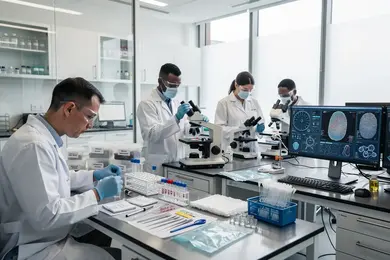
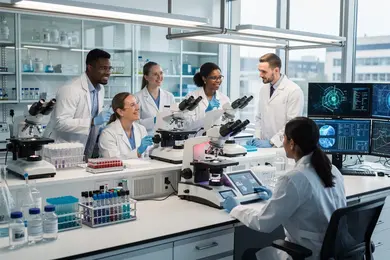
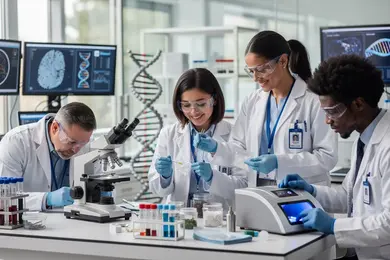
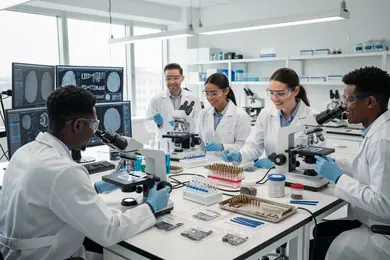
Coroner investigator roles demand precision in death scene analysis and practical knowledge not always emphasized in generic science degrees. Online forensic science degree programs for coroner investigator careers must prioritize hands-on experience with biometric evidence, toxicology, and pathology to meet employer standards. Graduates lacking forensic-specific methodologies, such as autopsy assistance or cause-of-death analysis, often face a steep learning curve in applying their education to real-world investigations.
Programs incorporating simulated death investigations enable students to practice critical tasks like determining time of death or identifying chemical agents, bridging theory to medico-legal realities. This practical exposure fosters capabilities in evidence admissibility and contamination control, which are vital in courtroom testimony and interagency collaboration with law enforcement and medical examiners.
The U.S. Bureau of Labor Statistics projects 13% employment growth for forensic science technicians from 2024 to 2034, creating about 2,900 annual openings. Prospective students should critically evaluate whether curricula and faculty expertise align with the digital case management systems and certification standards typical in coroner offices. Graduates poorly prepared in these areas risk delayed job entry and diminished employability.
Given these workforce demands, students researching training options should assess accredited programs that integrate such practical elements. For those exploring top programs, the best online colleges for forensic science offer targeted pathways relevant to coroner investigator responsibilities.
What degrees do you need to qualify for coroner investigator positions in the U.S.?
Eligibility for coroner investigator roles in the U.S. heavily depends on acquiring a bachelor's degree that combines scientific rigor with practical death investigation skills. Degrees specifically titled forensic science-with a focus on medicolegal death investigation-align closest to employer expectations because they offer coursework in pathology, toxicology, and crime scene analysis. In contrast, degrees solely in biology or chemistry often require supplemental certificates or field experience to remain competitive.
States and local agencies enforce varying standards, commonly requiring certification from bodies like the American Board of Medicolegal Death Investigators. This usually entails both an appropriate scientific degree and documented hands-on experience, such as internships or practicum placements within medical examiner offices. Populous states with tighter hiring criteria push candidates toward programs that integrate these applied components rather than purely theoretical curricula.
Data shows a slower 4% growth projection for medicolegal death investigator roles compared to a 13% increase for forensic science technicians, indicating broader employment opportunities for candidates with comprehensive forensic science degrees. For example, in a large metropolitan coroner's office, applicants without forensic science degrees face heightened competition from those with specialized forensic credentials, affecting employability and career trajectory.
Students weighing degrees required for coroner investigator jobs in the U.S. should consider programs blending scientific depth with practical experience. Those contemplating graduate options may explore the best online data science masters as a complementary pathway to enhance analytical and investigative skills for forensic applications.
How can an online forensic science degree lead to a coroner investigator career path?
The practical value of an online forensic science degree as a pathway into coroner investigator roles hinges on acquiring technical expertise alongside navigating local certification demands. A candidate transitioning from a healthcare background can effectively leverage these programs to gain investigative skills through rigorous virtual labs and curated internship partnerships, sidestepping the logistical challenges of traditional in-person training. Still, securing necessary hands-on experience locally remains a critical hurdle that impacts eligibility for licensure in many states.
Employers in medical examiner offices and law enforcement agencies place strong emphasis on analytical skills, forensic technology proficiency, and knowledge of death investigation legal frameworks. Accredited online forensic science programs typically integrate state-specific legal content, aligning with these expectations for coroner investigator roles. The median annual wage of $67,440 for forensic science technicians indicates a stable demand, with top earners exceeding $110,000, balancing the rigor of fieldwork and documentation.
Students evaluating educational pathways for coroner investigator roles through online forensic science programs should weigh flexibility against the challenge of arranging localized practical experiences needed for certification. Prospective learners, especially working professionals, benefit from programs that combine academic rigor with realistic workforce preparation.
For those exploring related fields or complementary studies, resources on animal science degrees online offer additional perspectives on online education costs and structures.
What should you look for in accreditation of online forensic science programs?
Regional or national accreditation recognized by the U.S. Department of Education or the Council for Higher Education Accreditation is essential when assessing any online forensic science program accreditation standards. Employers and licensure boards rely on such validation to ensure candidates meet minimum quality benchmarks. For example, forensic science technicians aiming for coroner investigator roles need at least a bachelor's degree, as reflected in Bureau of Labor Statistics 2024 data. Programs lacking recognized accreditation risk leaving graduates with degrees that do not satisfy baseline employment qualifications.
Beyond general accreditation, specialized endorsements from bodies like the Forensic Science Education Programs Accreditation Commission (FEPAC) are critical. Such professional accreditation confirms curricula emphasize forensic investigative techniques and lab procedures applicable to death investigation-areas often absent in general science programs. Graduates from non-accredited courses may face practical skill gaps when entering coroner or forensic technician roles.
For working professionals, regional accreditation also affects credit transferability. Many roles demand cumulative training; without this, career pivots or credential enhancements can be delayed or complicated. Equally important is verifying whether program fieldwork or clinical internships align with these accreditation standards to avoid subpar experiential learning.
Those comparing educational investments might find it informative to review comparable degree paths, such as a library sciences degree, to gauge practical cost-benefit ratios across fields.
How do online forensic science degrees compare to campus programs for coroner work?
Online forensic science degrees deliver theoretical knowledge comparable to campus-based programs but fall short in providing essential hands-on experience critical for coroner investigator roles. Campus programs embed supervised laboratory training and direct involvement in autopsy observations or crime scene exercises, offering tangible skills in biological sample analysis, toxicology, and death scene protocols-areas where online formats often rely on limited virtual simulations. Employers expect these practical competencies to be demonstrable, which largely shapes hiring decisions.
For working professionals pivoting careers, hybrid forensic science programs that combine remote coursework with local clinical placements create a meaningful solution to bridge the practice gap. Without such integration, fully online students face delayed development of procedural confidence and weaker networking opportunities within medical examiner circles, both essential for securing internships or government positions. Supplementing an online education with volunteer or paid fieldwork in forensic or medical examiner environments is necessary but demands proactive effort.
Employment outlooks reinforce the need to weigh program format against evolving labor market realities. Forensic science technician roles are expected to grow about 13% nationally through 2034, but complementary skill sets in digital forensics within information security positions show faster growth nearing 29%. Prospective coroners must therefore assess programs for a balance between traditional forensic pathology skills and emerging digital investigation techniques relevant to complex death investigations.
- Campus programs offer direct, hands-on exposure to autopsy and crime scene work critical for coroner readiness.
- Online degrees require supplemental field experience to meet employer expectations in practical skills.
- Hybrid models provide the best mix of flexibility and experiential learning for career changers.
- Integrating digital forensic competencies aligns with faster-growing job markets related to forensic investigation.
What core courses and concentrations are typical in forensic science programs?
Forensic science programs demand an integration of rigorous scientific knowledge with procedural and legal proficiency, reflecting the sector's dual requirement for accuracy and regulatory compliance. Core curricula focus on forensic biology, chemistry, toxicology, forensic pathology, and anthropology, equipping students to interpret autopsy findings and postmortem data essential in coroner investigation roles.
A practical challenge lies in translating laboratory and theoretical skills into legally defensible conclusions. For example, preparing forensic reports for court often requires precise communication that balances scientific certainty with judicial standards. This interplay necessitates specialized coursework in forensic ethics and courtroom testimony, underlining the profession's inherent tension between science and law.
Online or hybrid programs incorporate virtual labs simulating blood spatter analysis and toxicology screening, critical for skill development in remote learning environments. Despite these advances, physical hands-on training remains a variable element influencing employability and certification eligibility across states.
Employment prospects align with high technical competence; forensic science technicians earn a median wage of $67,440, outpacing the general workforce in related fields. Career-focused students should assess program concentration options and ensure curricula meet current state certification standards and practical report-writing demands.
Key decision factors include:
- Program emphasis on applied labs versus theoretical study
- Alignment with state-specific coroner certification requirements
- Depth in forensic toxicology or anthropology based on career objectives
- Integration of criminal law and forensic statistics for comprehensive case analysis
- Navigating the legal environment through ethics and testimony training
Such factors distinctly influence workforce readiness and long-term career trajectories in forensic science fields.
What are common admission requirements for online forensic science bachelor's and master's programs?
Admission criteria for online forensic science degrees reflect the field's technical demands and labor market realities. Bachelor's applicants typically need a high school diploma with solid science and math grades and often a GPA around 2.5 to 3.0. While some programs still request SAT or ACT scores, test-optional policies are increasingly common, helping to broaden access.
Master's candidates must hold a bachelor's, preferably in forensic science or a related science, with a minimum GPA near 3.0. Applications often require letters of recommendation, a focused statement of purpose, and sometimes GRE scores. Practical experience in law enforcement or criminalistics can offset weaker academic qualifications and improve candidacy.
Prerequisite courses in biology, chemistry, or statistics may be mandated if previous study was outside STEM fields, reflecting the analytical foundation forensic roles demand. Students must weigh these prerequisites against time and cost, as fulfilling them post-degree may delay workforce entry.
Career outcomes vary geographically; for example, urban medicolegal death investigators in New York can earn $86,544-$157,376 annually, substantially exceeding the national range of $57,765-$67,440. This disparity suggests that selecting programs with strong regional ties and skill relevancy can directly influence earning potential and employment opportunities.
How long do online forensic science degrees take and what do they cost?
Choosing the right online forensic science degree requires weighing program length against the realities of workforce entry and educational cost. Associate degrees, typically completed in about 2 years, can serve working professionals targeting quicker transitions into roles like coroner investigators, especially when combined with relevant certifications or internships. Bachelor's degrees take roughly 4 years and align with positions demanding broader forensic competencies and advanced responsibilities, as supported by a projected 13% job growth in these fields from 2024 to 2034.
Tuition costs vary significantly, with public state universities charging approximately $8,000 to $15,000 annually for in-state students and private schools often exceeding $30,000 per year. Hidden expenses for lab kits and specialized software can increase financial burdens beyond base tuition. Accelerated programs exist but usually require full-time commitment, limiting income opportunities during study.
Employers increasingly expect formal forensic science education paired with applied experience. However, without a bachelor's degree, options for upward mobility, particularly beyond entry-level technician roles, narrow considerably. Prospective students must critically assess whether the degree structure matches their career horizon and practical constraints, including the need for hands-on training components mandated by industry standards.
- Associate degrees suit rapid workforce entry but may restrict long-term advancement.
- Bachelor's degrees demand greater time and investment but offer access to expanded roles.
- Cost differences between public and private institutions significantly affect overall educational outlay.
What are the typical duties, work settings, and career progression for coroner investigators?
Coroner investigators operate at the intersection of rigorous evidence collection and collaborative legal processes, often managing intense workloads that vary with case urgency and jurisdiction size. Entry into this role typically demands balancing formal forensic science education with tangible field experience-a tradeoff that influences employability and long-term career options. For example, investigators in smaller counties may take on broader responsibilities but face limitations in advancement without targeted academic credentials.
An online forensic science degree can broaden access to specialized state or federal roles that command higher wages and complex caseloads. Bureau of Labor Statistics data indicates forensic science technicians earn a median annual wage of $67,440, with senior coroner investigators exceeding $110,710-well above the national median of $48,060. This wage disparity highlights the financial justification for investing in a program that fuses practical skills with legal and procedural rigor.
Employers in this field prioritize candidates who demonstrate both academic competence and evidence of hands-on proficiency, often acquired through internships or cooperative work arrangements. Moreover, the role's emotionally demanding nature requires a high degree of resilience and precision, qualities reinforced by curricula emphasizing real-world scenarios and procedural adherence.
Ultimately, prospective students must evaluate their readiness to meet these dual demands alongside the variable hours and legal pressures inherent in coroner investigation work.
What salary ranges, job outlook, and certification or licensing requirements exist for coroner investigators?
Salaries for coroner investigators range substantially based on location, experience, and specialization, typically from $50,000 for entry-level roles in smaller counties up to $90,000 or more in urban or forensic-specialized units. This salary gradient reflects the complexity of duties, including strict adherence to chain-of-custody protocols and courtroom testimony, which demand a blend of investigative rigor and practical skill.
Employers consistently prioritize candidates with formal education such as bachelor's degrees in forensic science or criminal justice, supplemented increasingly by certifications like those from the American Board of Medicolegal Death Investigators (ABMDI). Without recognized credentials, candidates often encounter stalled career growth and reduced earning potential.
State certification and licensing requirements vary, typically mandating postsecondary qualifications. Advanced roles require focused training in forensic pathology or death investigation, which are increasingly accessible via fully online graduate programs from institutions such as the University of Florida. These online pathways offer working professionals necessary flexibility but must be carefully evaluated against the practical demands of hands-on forensic work and employer preferences.
Budget restrictions in coroner offices encourage hiring professionals with diverse forensic competencies and adaptable training backgrounds. Prospective students should weigh the tradeoffs between accredited online degrees that enable continuous employment and traditional in-person training, assessing how each aligns with their career trajectory in this evolving field.
Other Things You Should Know About Forensic Science
Not all online forensic science degrees offer direct specialization or coursework focused on coroner investigator tasks such as autopsy procedures, death certification, or medico-legal death investigation. Students aiming specifically for coroner roles should verify whether programs include modules on pathology, death scene analysis, or legal aspects of death investigation. Prioritizing programs with partnerships or practicum options that provide supervised fieldwork in medical examiner or coroner offices significantly enhances readiness for this career.
Online forensic science degrees are designed to fit working students' schedules, but balancing rigorous scientific coursework, lab simulations, and case study analyses requires sustained effort. Coroner-focused content often involves intensive reading on anatomy and legal procedures, which may demand more time than programs oriented toward digital forensics or chemistry. Prospective students should assess their time availability realistically and consider programs with flexible pacing or asynchronous delivery to minimize burnout while maintaining performance standards.
Many do, especially programs tied to medicolegal death investigation. Typical requirements include 80 to 120 hours of field placement in a coroner, medical examiner, or crime laboratory office, plus a supervisor evaluation and documented case observations before graduation.
In 2027, online forensic science degrees for coroner investigators include courses in death investigation techniques, forensic pathology, legal aspects, and evidence analysis. These programs may also offer virtual labs and case studies to simulate real-world scenarios, providing practical skills essential for coroner investigator roles.
References
- 13 Reasons To Become A Forensic Scientist https://www.openstudycollege.com/blog/3-reasons-become-forensic-scientist
- European Forensic Institute Bachelor's and Masters programmes https://eufor.eu/programmes/
- Deputy Coroner Requirements https://www.madisoncountyil.gov/departments/county_coroner/deputy_coroner_requirements.php
- The Forensic Investigator Role: Skills and Responsibilities | Splunk https://www.splunk.com/en_us/blog/learn/forensic-investigator-role.html
- Medicolegal Death Investigator | Multnomah County https://multco.us/job-profiles/medicolegal-death-investigator
- Criminal Justice Careers in Forensic Science and Investigations https://www.shawnee.edu/blog/criminal-justice-careers-in-forensic-science-and-investigations
- Forensic Science Education Programs Accreditation Commission https://www.aafs.org/FEPAC
- Forensic Medicine Careers: Job Paths and Outlook | PCOM https://www.pcom.edu/academics/programs-and-degrees/forensic-medicine/news/forensic-careers.html
- Guide To Forensic Science Careers | LearnHowtoBecome.org https://www.learnhowtobecome.org/career-resource-center/forensic-science-careers/