2027 Return on Investment of an Online Kinesiology Bachelor's Degree: Salary vs Cost

Co-Founder and Chief Data Scientist
Consider a working professional with a non-related bachelor's degree exploring a career shift into kinesiology through an online program. The key concern is whether the financial investment, tuition, fees, and potential lost income, justifies the expected salary increase after graduation.
Recent data shows that the median annual wage for kinesiology-related occupations increased by 8% over five years, indicating growing market demand. However, costs for accredited online kinesiology degrees vary widely, complicating the decision.
This article analyzes salary prospects versus educational expenses to help readers assess the true return on investment of an online kinesiology bachelor's degree.
Key Things to Know About the Return on Investment of an Online Kinesiology Bachelor's Degree
- Real tuition costs for online kinesiology bachelor's degrees average $20,000 to $35,000, offering affordable access compared to traditional programs, with flexible schedules reducing opportunity costs for working students.
- The median annual salary for kinesiology graduates is approximately $57,000, reflecting a solid income boost relative to the costs and supporting favorable return on investment within five to seven years.
- Non-financial returns include enhanced career advancement prospects, increased job security in growing health fields, and continuous professional development through specialized electives and certifications.
What Is the True Cost of Earning an Online Kinesiology Bachelor's Degree From Enrollment to Graduation?
Prospective students should consider both direct and indirect expenses when calculating the total cost of earning an online kinesiology bachelor's degree.
According to data from IPEDS and the National Center for Education Statistics, sticker prices can vary significantly between institutions, but net costs are often lower due to financial aid and scholarships.
- Tuition Fees: Tuition is the largest component, ranging from $15,000 to $35,000 for an online kinesiology program. These figures differ depending on whether the institution is public or private, though most students pay less after grants and scholarships.
- Technology Fees: Many universities charge mandatory technology fees to support online learning platforms, typically between $200 and $800 per academic year.
- Textbooks and Materials: Over four years, students should budget roughly $1,200 to $2,000 for textbooks, digital subscriptions, and necessary course materials, including specialized equipment or software.
- Proctoring and Exam Fees: Online exams often require third-party proctoring services, which cost $30 to $100 per exam, totaling approximately $500 to $800 for the entire program.
While these are typical expenses, many students benefit from financial aid, employer tuition assistance, or payment plans, lowering the actual sticker price. Thus, the net price for most online kinesiology bachelor's degrees generally falls between $12,000 and $30,000.
This range offers a realistic baseline for evaluating the total cost of earning an online kinesiology bachelor's degree and helps students assess their return on investment when compared to potential salary gains and career advancements.
Those interested in related affordable healthcare education options may consider exploring affordable medical billing and coding programs, which sometimes present an alternative pathway with different financial implications.
How Does the Starting Salary for Kinesiology Bachelor's Degree Graduates Compare to the Total Cost of the Degree?
Entry-level positions for kinesiology bachelor's degree graduates often include fitness trainers, physical therapy assistants, and athletic trainers, with median annual salaries typically between $40,000 and $50,000 according to the Bureau of Labor Statistics (BLS) Occupational Outlook Handbook.
When evaluating the starting salary for online kinesiology bachelor's degree graduates, understanding the relationship between these salaries and degree costs is essential.
The total tuition cost versus salary for kinesiology degree holders shows wide variation. Tuition for an online kinesiology bachelor's degree can range from approximately $15,000 with financial aid and scholarships to upwards of $40,000 at institutions with less aid.
This discrepancy greatly influences how quickly graduates can recoup their investment through earnings. For example, a student paying $15,000 and earning a $50,000 starting salary offsets their degree cost in about 3.6 months of gross income.
Conversely, a $40,000 degree cost against a $40,000 starting salary equates to roughly 12 months' worth of income. These comparisons help first-generation college students and career changers understand the financial timeline of their investment.
Starting salary is just one factor in assessing return on investment. BLS data projects salary growth over time, highlighting the potential for increased earnings through experience, certifications, and career advancement. Beyond salary, considerations such as job security and professional development opportunities add meaningful value.
Students seeking flexible healthcare degrees may also explore related options like best online RN to BSN programs to diversify their qualifications and career paths.
What Is the Average Return on Investment (ROI) for an Online Kinesiology Bachelor's Degree Over a 10-Year Career?
Return on investment (ROI) in higher education compares the total financial benefits gained over 10 years to the expenses incurred in obtaining a degree. Specifically, it subtracts the full cost of earning the degree from the additional cumulative income earned by graduates relative to peers with only a high school diploma or an associate degree in the same field.
Data from the Georgetown University Center on Education and the Workforce and PayScale's College ROI Report show that bachelor's degrees generally provide significantly higher earnings, though the ROI varies depending on the major.
For an online kinesiology bachelor's degree, median wages from the U.S. Bureau of Labor Statistics indicate annual earnings around $50,000. Factoring in an average 3% annual salary increase, total earnings over a decade sum to approximately $540,000.
After deducting typical degree costs ranging between $30,000 and $60,000, the net financial gain is roughly $480,000 to $510,000 versus non-degree holders. This ROI for kinesiology degrees surpasses the national average return of $300,000 to $400,000 for all bachelor's degree holders over the same period.
Such comparisons help students gauge the long-term value of investing in online kinesiology education despite upfront tuition expenses.
A professional who recently completed an online kinesiology bachelor's degree shared how vital assessing the cost versus return was to his decision. Though juggling work and family commitments was challenging, he carefully researched tuition fees and projected salaries before enrolling. "It wasn't just about the price tag. I needed assurance this degree would advance my career and provide financial stability," he explained.
Balancing coursework with a full-time job required persistence, but he found online learning flexible and supportive. Reflecting on his experience, he noted the peace of mind that came from knowing his investment was likely to pay off in the decade ahead, reinforcing the importance of informed ROI calculations before committing to higher education.
How Do Online Kinesiology Program Tuition Rates Compare Across Public, Private, and For-Profit Institutions?
- Public Institutions: Online kinesiology programs at public universities usually provide the most affordable tuition, especially for in-state students, with many offering flat-rate pricing regardless of residency. This consistency helps students on a budget predict their educational costs clearly.
- Private Nonprofit Universities: These schools typically charge higher tuition than public options but may offer enhanced academic support, stronger alumni connections, and better career service resources. These factors can contribute to improved job prospects and professional advancement over time.
- For-Profit Colleges: Often the lowest upfront tuition makes these programs appealing for those seeking immediate affordability. However, these institutions frequently report lower graduation rates and encounter skepticism from employers, which can limit salary growth and career advancement after graduation.
- Outcomes Considerations: Lower tuition does not guarantee a better return on investment for degrees. Degree completion rates and employer recognition significantly affect long-term salary and job security. Graduation rates tend to be higher at public and private nonprofit programs, which can translate into better employment opportunities. Employers usually prefer degrees from accredited public or private nonprofit universities, which enhances professional credibility.
Choosing an online kinesiology program involves balancing the average cost of online kinesiology degrees by institution type with graduation success and career benefits that influence long-term ROI.
For a practical approach to affordability without sacrificing quality, consider a self paced accredited online college.
What Long-Term Salary Growth Can Kinesiology Bachelor's Degree Holders Expect Over a 20- to 30-Year Career?
Salary growth for kinesiology bachelor's degree holders typically follows a steady upward trend spanning 20 to 30 years, supported by data from the Bureau of Labor Statistics and additional sources like the American Community Survey and PayScale. Salary increases often correspond with distinct career milestones, each marking an inflection point in earnings.
- Early Career Growth: During the first five years, professionals see moderate salary gains of about 5% to 10% as they gain relevant experience and develop core competencies in roles such as fitness trainers, rehabilitation assistants, or health educators.
- Mid-Career Acceleration: Around the 10-year mark, many move into specialized or supervisory roles like clinical exercise physiologists, sports coaches, or wellness program managers. This stage frequently brings a 15% to 25% salary increase compared to entry-level wages.
- Senior-Level Advancement: After 15 years, individuals often transition into leadership positions including directors, academic instructors, or senior consultants. Salary growth may slow but remains higher, reflecting seasoned expertise and influence in the field.
- Mid-Career Median Salary: According to PayScale, median salaries for mid-career kinesiology graduates generally range from $55,000 to $70,000 annually, varying with location and employment sector.
- Cumulative Lifetime Earnings Premium: Over a 30-year span, degree holders can expect a lifetime earnings advantage of approximately $300,000 to $500,000 compared to non-degree workers in similar roles.
A professional who built her career after completing an online kinesiology bachelor's degree shared that the journey demanded balancing full-time work, coursework, and family responsibilities. She recalled feeling overwhelmed at times but found that the flexible program schedule allowed her to steadily gain skills relevant to advancing in her field.
Reflecting on her growth, she noted, "The knowledge I gained and the credentials I earned opened doors to supervisory positions I wouldn't have reached otherwise." Her experience highlights how dedicated effort and formal education can significantly impact career trajectory and earning potential over the long term.
How Does the ROI of an Online Kinesiology Bachelor's Degree Compare to an Associate Degree or a Professional Certificate?
Return on investment varies widely between an online kinesiology bachelor's degree, an associate degree, and professional certificates, depending on personal goals and resources.
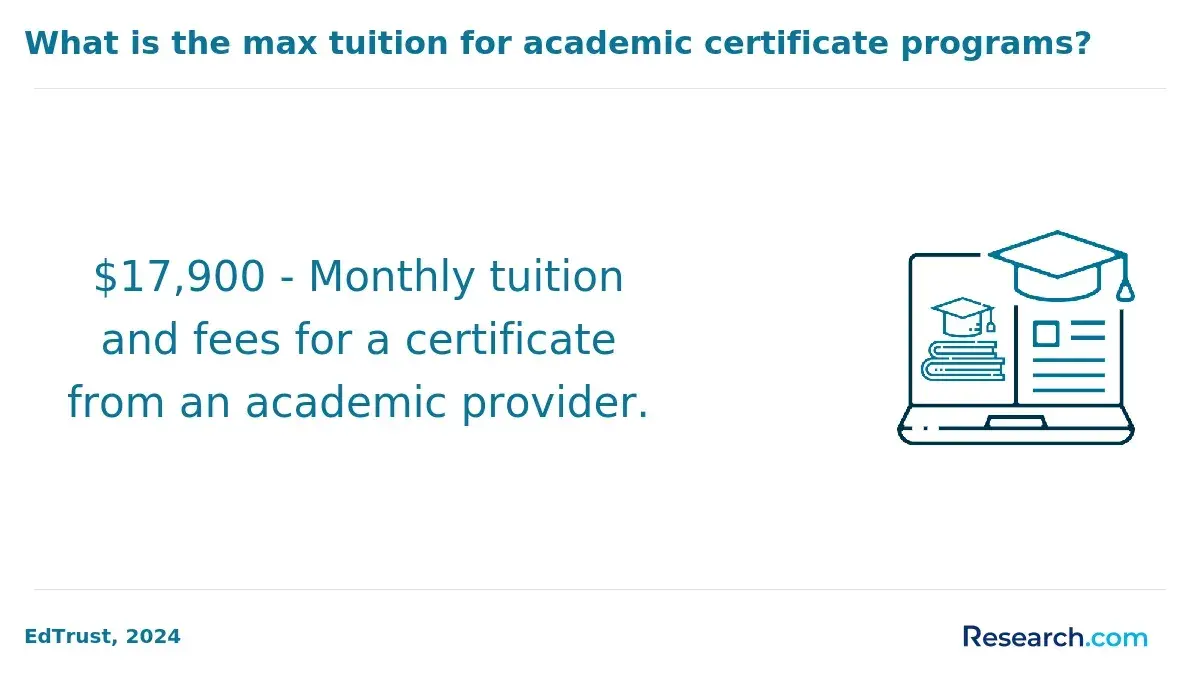
- Cost: Bachelor's programs generally require $20,000 to $60,000 in tuition, while associate degrees range from $6,000 to $15,000. Certificates are the most affordable, often costing $1,000 to $5,000.
- Median Salary: Those with a bachelor's in kinesiology typically earn $60,000 to $75,000 annually. Associate degree holders make between $40,000 and $50,000, and certificate recipients often start under $40,000 but benefit from quicker workforce entry.
- Time to Credential: Certificates can be completed within months to a year; associate degrees usually take about two years, while bachelor's degrees require around four years of full-time study. This affects both earning potential and income interruption.
- Short-term ROI: For individuals seeking fast employment or managing limited finances, certificates or associate degrees offer lower costs and a quicker path to earning, minimizing debt.
- Long-term ROI: Bachelor's degrees generally lead to higher salaries and advanced roles-such as exercise physiologist or rehabilitation specialist-with greater job stability over 10 to 20 years, offsetting initial expenses.
- Non-Financial Returns: Bachelor's credentials often provide wider career development, better job security, and opportunities in healthcare or academia, while certificates and associate degrees focus more narrowly on immediate skill acquisition.
- Decision Framework: Consider one's available resources, career timeline, and willingness to invest time and money.
Which Online Kinesiology Specializations or Concentrations Yield the Highest Earning Potential After Graduation?
Choosing the optimal specialization within an online kinesiology bachelor's program significantly impacts earning potential and return on investment. Data from the Bureau of Labor Statistics (BLS) reveals distinct salary differences depending on the chosen concentration, with specialized graduates generally earning more than those with a general kinesiology focus.
- Exercise Physiology: Median salaries range from $50,000 to $60,000 annually. Careers often involve clinical and rehabilitative roles. Certification such as the Certified Clinical Exercise Physiologist is typically required, adding to upfront costs but improving job prospects and salary growth.
- Sports Medicine and Athletic Training: Median earnings fall between $48,000 and $55,000. This specialization necessitates additional licensure, such as the Board of Certification for Athletic Trainers, increasing time and financial investment but enhancing job security within healthcare settings.
- Health Promotion and Wellness: Salaries generally range from $45,000 to $55,000. This track focuses on preventive care and community health, with certifications like the Certified Health Education Specialist recommended. It offers a balance of moderate costs and career flexibility.
- Biomechanics and Human Movement Science: Graduates can earn over $60,000, especially when combined with graduate education or technical credentials. Roles often include research, product design, or ergonomics, making this a more specialized but lucrative pathway.
- General Kinesiology: Median salaries typically range from $40,000 to $50,000. This path requires fewer certifications and less initial financial outlay but generally results in slower salary growth and fewer specialized job opportunities.
Prospective students should weigh these earnings against the cost and time commitments of certifications and graduate study. Working professionals with prior experience might find faster salary premiums by pursuing certification-heavy tracks, while first-generation students or career changers on tight budgets may prioritize affordability and available financial aid.
Considering both financial and non-financial returns, such as job security and professional development, ensures a well-rounded investment decision for an online Kinesiology degree.
How Do Employer Tuition Reimbursement and Financial Aid Reduce the Net Cost of an Online Kinesiology Bachelor's Degree?
Employer tuition reimbursement programs can greatly reduce the out-of-pocket cost of earning an online Kinesiology bachelor's degree. Under IRS Section 127, employers may provide up to $5,250 annually in tax-free tuition assistance. This benefit often covers a significant portion of tuition and related educational expenses, lessening financial strain.
According to the Society for Human Resource Management (SHRM), nearly half of U.S. employers offer tuition assistance or reimbursement-especially in industries that prioritize continuing education and skill growth. Understanding employer tuition reimbursement programs for online kinesiology degrees is essential for students balancing work and study.
Many employers cover either the full tuition amount or a fixed percentage, usually requiring employees to meet academic standards and commit to remain employed for a certain period after completing courses. This alignment ensures that employees gain both educational value and career advancement from the tuition benefits.
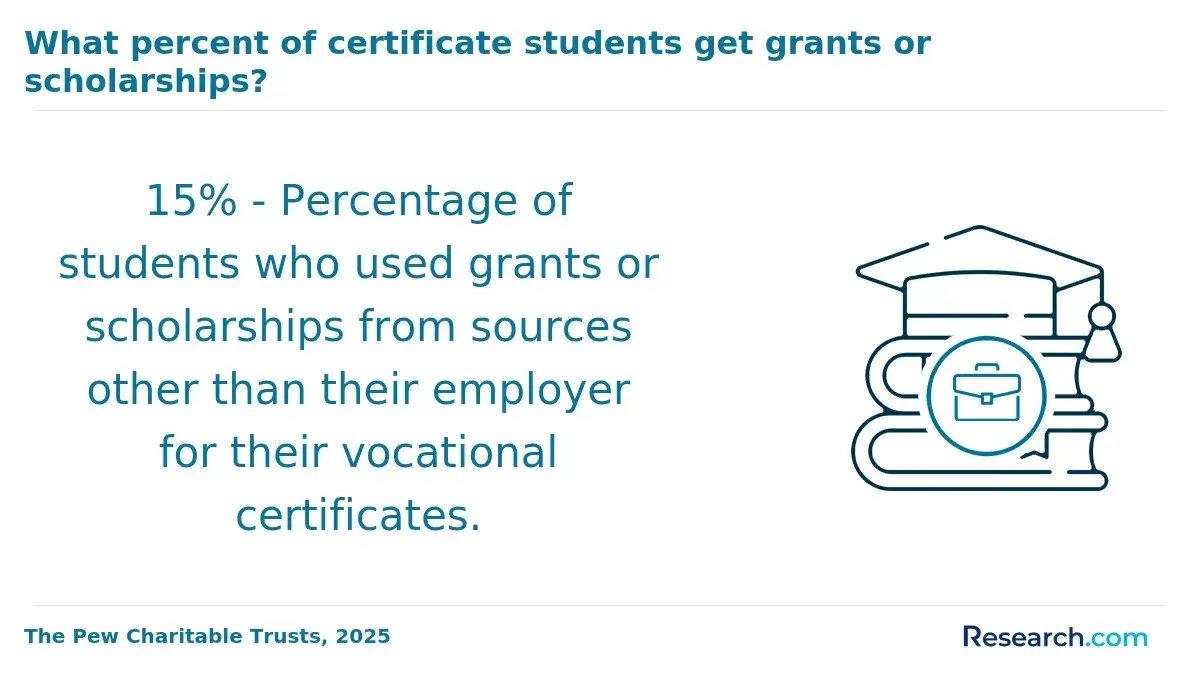
Along with employer help, federal and institutional financial aid can further reduce costs. Grants and scholarships require no repayment, and subsidized loans offer low interest rates for students with financial need, together bringing net tuition costs down dramatically.
For example, a student with a $20,000 yearly tuition bill might receive $5,250 tax-free from their employer and $8,000 in federal grants and scholarships, lowering their out-of-pocket to $6,750. Adding subsidized loans can make earning a degree affordable even for those on tight budgets.
This combined approach vastly improves the return on investment for online Kinesiology degrees by reducing debt and enhancing post-graduation opportunities, which can be compared effectively with the verified salary outcomes available through sources like the Bureau of Labor Statistics.
Working professionals and career changers can also benefit from understanding certification options related to kinesiology and healthcare careers. Exploring differences between certifications, like the CCS vs CPC credentials, helps clarify career pathways and salary prospects connected to their education and training.
What Hidden Costs Should Students Factor Into the Total Investment of an Online Kinesiology Bachelor's Degree?
Students budgeting for an online kinesiology bachelor's degree often focus on tuition but can underestimate the hidden expenses that significantly affect the total investment. These additional financial burdens for online kinesiology students include technology fees, proctoring services, and graduation costs not reflected in advertised tuition rates.
For example, technology fees generally range from $100 to $300 per semester to support online platforms. Proctoring services, especially those involving remote monitoring, typically add $30 to $60 per exam. Graduation and application fees may add another $100 to $200 to final costs.
Specialized software licenses or database access required for kinesiology coursework can cost up to $150 for the entire program. Students might also choose to join professional organizations that offer networking and career advancement benefits, with annual fees between $50 and $150.
When combined, these hidden expenses can add $1,000 to $2,000 on top of tuition, potentially extending the degree's return on investment break-even timeline by several months. Understanding these costs is crucial for students with limited budgets who must plan wisely.
Requesting a full cost-of-attendance breakdown-including all ancillary fees-from admissions advisors ensures clearer expectations and better financial planning. This transparency enables decision-makers to evaluate comprehensive expenses and avoid surprises after enrollment.
Comparing true costs alongside verified salary outcomes and job security improves long-term investment assessments. Students interested in healthcare-related advancement might also consider programs like the fastest online master's in healthcare management, which offers insights into balancing education investment with career goals.
How Does the Accreditation Status of an Online Kinesiology Program Affect Graduate Salary and Employability?
Regional accreditation assesses entire colleges for overall academic quality and operational standards, while programmatic accreditation specifically evaluates kinesiology programs to ensure they meet industry benchmarks.
Employers prioritize degrees from regionally accredited institutions because these signal thorough academic rigor and reliable training, enhancing graduates' job prospects and salary negotiation leverage.
Surveys by the National Association of Colleges and Employers and the Society for Human Resource Management reveal hiring managers often trust credentials from regionally accredited schools more than those from non-accredited or nationally accredited-only programs, which can hinder career opportunities and pay potential.
Lack of proper accreditation may restrict a graduate's eligibility to take licensure exams or enroll in advanced degree programs, especially in healthcare and government fields, limiting career growth.
Prospective students should verify kinesiology program accreditation status using the U.S. Department of Education's and the Council for Higher Education Accreditation's databases before committing to a program.
What Entry-Level Job Titles and Salary Ranges Are Available to Graduates of Online Kinesiology Bachelor's Programs?
Graduates holding an online kinesiology bachelor's degree frequently begin their careers in roles blending health, fitness, and rehabilitation. Entry-level salaries vary depending on the sector and location, shaping the financial return on education.
- Physical Therapy Assistant: Median starting wages range from $45,000 to $55,000 annually, with healthcare environments typically offering the most competitive pay due to certification requirements and demand.
- Exercise Physiologist: Earnings usually fall between $40,000 and $50,000, with hospitals and sports medicine providers leading in compensation.
- Wellness Coach: Initial salaries typically span $38,000 to $48,000, often found in corporate wellness programs and private practices.
- Strength and Conditioning Specialist: Median pay ranges from $40,000 to $52,000, with collegiate and professional sports organizations offering higher earnings.
- Rehabilitation Specialist: Entry salaries generally lie between $42,000 and $54,000, with government healthcare and veterans' facilities paying competitively.
- Health Educator: Starting pay is usually $39,000 to $49,000, especially within government and nonprofit sectors.
- Sports Coach or Trainer: Median ranges from $35,000 to $47,000, influenced by associations with schools and athletic clubs.
- Fitness Trainer: Entry-level pay varies from $33,000 to $45,000, with higher incomes possible through upscale gyms and certifications.
Internships and certifications such as certified personal trainer (CPT) or strength conditioning (CSCS) elevate starting salaries and improve career trajectories. Specializing in fields like athletic training or occupational health also accelerates return on investment, ensuring both stronger employability and long-term financial benefits.
What Graduates Say About the Return on Investment of Their Online Kinesiology Bachelor's Degree
- Collin: "Choosing the online kinesiology bachelor's degree was a calculated decision-I carefully weighed the program's affordable cost against the potential for career growth and found the return on investment to be very promising. The flexibility of online learning allowed me to maintain a part-time job, which eased financial pressure. Since graduating, I've noticed significant career advancement opportunities and greater job security that justify every dollar spent."
- Wanda: "The non-financial returns of my online kinesiology degree truly surprised me-beyond salary increases, the program opened doors to leadership roles and networking possibilities in the health industry. I often reflect on how gaining this qualification enhanced my confidence and professional reputation. This degree added lasting value to my career, making the investment worthwhile both personally and professionally."
- Jocelyn: "From a professional standpoint, pursuing the online kinesiology bachelor's degree was one of the smartest moves I made. Even though the upfront costs were moderate, the impact on my career trajectory has been profound-higher earning potential and greater job stability followed within months of graduation. The program delivered measurable returns that far exceeded my expectations and helped me stand out in a competitive field."
Other Things You Should Know About Kinesiology Degrees
Location plays a significant role in salary levels, with urban and coastal areas generally offering higher wages than rural regions. Similarly, graduates working in healthcare, rehabilitation, or sports performance sectors tend to earn more than those in academic or community health settings. Understanding these variations helps graduates target opportunities that maximize return on investment.
Employer surveys report steady demand for kinesiology graduates, particularly in roles related to physical therapy support, fitness training, and wellness coaching. Labor market data confirms positive employment growth trends and salary increases for graduates, indicating strong value and relevance of the degree. Employers frequently emphasize the importance of degree holders' practical skills and knowledge.
Students should compare tuition and fees against projected salaries and potential financial aid using online ROI calculators designed for higher education. These tools factor in variables like completion time, job placement rates, and regional employment prospects. Applying cost-benefit analysis helps ensure program selection aligns with both financial capacity and career objectives.
References
- Bachelor’s Degrees Offering the Highest and Lowest Return on Investment Revealed https://www.investopedia.com/bachelors-degrees-offering-the-highest-and-lowest-return-on-investment-revealed-11929932
- Online Bachelor’s in Kinesiology and Exercise Science Programs https://teach.com/online-ed/healthcare-degrees/online-bachelors-kinesiology-exercise-science/
- ROI in Higher Education - FREOPP https://freopp.org/roi-in-higher-education/
- Managing Hidden Online Learning Costs: Budgeting and Financial Aid Tips https://www.collegevaluesonline.com/financial-aid/online-learning-costs/
- Kinesiology and Exercise Science Colleges https://www.collegetuitioncompare.com/search/
- Cost of an Online Degree: Calculate the Cost of Your Higher Education https://www.edumed.org/articles/cost-of-an-online-degree/