2027 Synchronous vs Asynchronous Online MSW Learning: Pros and Cons

Co-Founder and Chief Data Scientist
Choosing an online MSW format is not just a scheduling question. It affects how you participate in class, practice clinical skills, build relationships with faculty, complete fieldwork, and stay motivated through a demanding graduate program. With licensed clinical social workers earning a median salary of over $94,000, an MSW can be a meaningful career investment, but only if the program structure fits your life well enough for you to finish successfully.
The main choice many students face is synchronous versus asynchronous online MSW learning. Synchronous programs require live online attendance at set times. Asynchronous programs let you complete most coursework on your own schedule, usually within weekly deadlines. Both formats can be rigorous, accredited, and career-relevant; the better option depends on your work hours, family responsibilities, learning style, and need for interaction or flexibility.
This guide explains how the two formats differ, where each one works best, what challenges to expect, and how to choose the online MSW learning model that supports your goals without weakening the quality of your education.
Key Things You Should Know About Synchronous vs Asynchronous Online MSW Learning
- Synchronous programs offer a structured experience with live, scheduled classes that allow for real-time interaction with professors and peers.
- Asynchronous programs provide the most flexibility, allowing you to complete coursework on your own schedule around work and family commitments.
- The investment can lead to significant earning potential, with the median salary for licensed clinical social workers reaching $94,158.
- Job security in the field is strong, as employment for social workers is projected to grow by 6% over the next decade.
- Ultimately, employers value a degree from a CSWE-accredited institution, making a program's accreditation far more important than its online format.
How does synchronous learning differ from asynchronous learning?
Synchronous and asynchronous online MSW programs differ mainly in when learning happens. Synchronous learning is live and scheduled. Asynchronous learning is flexible and self-paced within course deadlines. Both can include readings, papers, group projects, exams, field education requirements, faculty feedback, and clinical skill practice, but they create very different weekly routines.
What is synchronous learning?
Synchronous learning works most like a traditional classroom delivered online. You log in at specific times for live lectures, seminars, case discussions, role-playing exercises, and group activities. Faculty and classmates are present at the same time, so questions, feedback, and discussion happen immediately.
In an online MSW program, synchronous sessions may include breakout rooms, live polls, student presentations, clinical simulations, and small-group analysis of social work scenarios. This format is especially useful for students who learn through conversation and benefit from a predictable schedule.
What is asynchronous learning?
Asynchronous learning gives students more control over when they complete coursework. Instead of attending a live class every week, you typically access recorded lectures, readings, assignments, discussion boards, case materials, and quizzes through a learning management system. You still have deadlines, but you can usually decide whether to study before work, after work, on weekends, or in several shorter sessions throughout the week.
Asynchronous does not mean isolated or unstructured. Faculty still set expectations, grade assignments, answer questions, and guide discussion. The difference is that communication usually happens through written posts, recorded feedback, email, office hours, or scheduled meetings rather than a required live class session.
| Feature | Synchronous online MSW | Asynchronous online MSW |
| Class meetings | Live sessions at set times | No regular live class required, or limited live requirements |
| Best for | Students who want structure, discussion, and immediate interaction | Students who need maximum scheduling flexibility |
| Feedback style | Often immediate during class | Often written, recorded, or delayed |
| Main risk | Schedule conflicts | Procrastination or disconnection |
| Student responsibility | Attend and participate at fixed times | Plan study time and meet deadlines independently |
Why should you choose a synchronous online MSW program?
You should consider a synchronous online MSW program if you want the structure and interaction of a live classroom but need the geographic flexibility of online study. This format is often a strong fit for students who learn best through discussion, want regular contact with faculty, and prefer a weekly schedule that keeps them accountable.
Social work education depends heavily on communication, ethical reasoning, self-reflection, and applied practice. Synchronous learning can support those skills because students are not just absorbing information; they are responding to classmates, asking questions, practicing professional language, and learning how to think through complex client and community situations in real time.
Key advantages of synchronous online MSW learning
- Real-time discussion. Live sessions let you ask questions as they arise and hear how faculty and classmates analyze the same case, policy issue, or clinical dilemma.
- Immediate feedback. Instructors can correct misunderstandings, clarify assignments, and respond to role-play exercises during class instead of days later.
- Stronger cohort connection. Seeing and hearing classmates regularly can make it easier to build trust, form study groups, and feel part of a professional community.
- Built-in accountability. Required class meetings create external structure, which can help if you struggle to stay on pace in a fully self-directed format.
- Closer match to campus learning. Students who want an online degree without giving up the feel of a live seminar may prefer synchronous instruction.
Who benefits most from this format?
A synchronous program may be the better choice if your work schedule is predictable, you can protect specific weekly class times, and you value active participation. It can also be helpful if you are new to graduate study and want frequent guidance while adjusting to MSW-level reading, writing, and applied practice expectations.
What challenges should you expect in a synchronous MSW program?
The main challenge in a synchronous MSW program is limited scheduling flexibility. Live classes can provide structure, but they also require you to be available at specific times regardless of work demands, caregiving responsibilities, commuting schedules, or time zone differences.
Before enrolling, look beyond the program’s general promise of “online flexibility.” A synchronous online MSW may still require evening classes, weekend sessions, group meetings, mandatory residencies, or field seminar attendance. Those requirements can be manageable, but they need to fit your actual weekly life.
Common challenges in synchronous programs
- Rigid class times. You may need to rearrange work shifts, childcare, family routines, or personal commitments to attend live sessions consistently.
- Time zone complications. If the university operates in a different time zone, a reasonable evening class for some students may fall very late or very early for others.
- Less control over pacing. You move through live discussions with the group, which may feel too fast in some areas and too slow in others.
- Technology pressure. A weak internet connection, shared household space, or unreliable device can interfere with participation in a way that would be less disruptive in an asynchronous course.
- Video fatigue. Several hours of live online discussion can be mentally draining, especially after a full workday or field placement.
How to decide if the schedule is realistic
Ask the program for sample schedules before you apply or enroll. Confirm how many live sessions are required each week, whether attendance is mandatory, how missed classes are handled, and whether group work must happen outside class. A synchronous program can be excellent, but only if you can attend regularly without putting your job, health, or family obligations under constant strain.
Why should you choose an asynchronous online MSW program?
You should consider an asynchronous online MSW program if flexibility is your top priority. This format is designed for students who need to fit graduate coursework around full-time employment, caregiving, military service, irregular shifts, or other responsibilities that make fixed class times difficult.
Asynchronous learning can be especially practical for adult learners. With the average age of social workers with a master's degree being 34, many MSW students are not building their schedule around school alone. They are balancing coursework with professional and personal obligations, and asynchronous classes can make that balance more realistic.
Key advantages of asynchronous online MSW learning
- Greater schedule control. You can watch lectures, complete readings, and contribute to discussions when your schedule allows, as long as you meet deadlines.
- Better fit for full-time work. Students who cannot attend live classes because of work hours may still be able to progress through the program.
- More time to reflect. Written discussion boards and recorded lectures allow you to pause, review, and think carefully before responding.
- Flexible study rhythm. You can spend more time on difficult topics and move more quickly through material you already understand.
- Location independence. Students in different time zones or rural areas may find asynchronous coursework easier to manage than live online meetings.
Many strong online MSW programs use asynchronous components because the format expands access without automatically lowering academic expectations. The key is to choose a program that combines flexibility with clear deadlines, responsive faculty, strong advising, and well-organized field placement support.
What challenges should you expect in an asynchronous MSW program?
The biggest challenge in an asynchronous MSW program is that flexibility shifts more responsibility to the student. Without weekly live class meetings, you must create your own study routine, track deadlines carefully, and take the initiative to ask questions before small problems become major setbacks.
This format can work very well for disciplined, independent learners. It can be difficult, however, for students who rely on external structure, immediate feedback, or frequent real-time interaction to stay engaged.
Common challenges in asynchronous programs
- Isolation. Without scheduled live sessions, it may take more effort to feel connected to classmates, faculty, and the larger program community.
- Delayed feedback. Questions posted by email or discussion board may not receive an immediate response, which can slow your progress on assignments.
- Procrastination risk. Flexible deadlines can create a false sense of extra time until assignments, readings, and discussion posts pile up.
- Heavy written communication. Many asynchronous courses rely on discussion posts, papers, reflections, and written peer responses, which can be demanding if writing is not your strength.
- Less spontaneous discussion. Online forums can be thoughtful, but they may not capture the energy or nuance of live conversation.
How to succeed in this format
Treat asynchronous coursework like scheduled coursework, even if the program does not require live attendance. Block recurring study times, check the course platform several times a week, write down all deadlines at the start of each term, and contact instructors early when expectations are unclear. The students who do best in asynchronous programs usually build structure before they need it.
How do you match your learning style to an online MSW format?
To match your learning style to an online MSW format, start by identifying how you stay engaged, process difficult material, and manage deadlines. The best format is not the one that sounds most convenient on paper; it is the one that helps you complete demanding graduate work consistently while preparing for social work practice.
Think about your past academic and professional experiences. Did you perform better in classes with regular meetings and active discussion, or in courses where you could read, reflect, and work independently? Did you need reminders to stay on track, or did you prefer being left alone to organize your own work?
Who thrives in a synchronous environment?
You are more likely to thrive in a synchronous online MSW program if you are energized by live discussion and learn well through conversation. This format may be a strong match if you like hearing multiple perspectives, asking questions in the moment, and receiving immediate clarification from instructors.
Synchronous learning is also useful if you need external accountability. Fixed class times can help you stay connected to the course and prevent assignments from drifting behind other responsibilities. Students who want a strong sense of cohort identity often find this format more satisfying than a mostly self-paced model.
Who thrives in an asynchronous environment?
You are more likely to thrive in an asynchronous online MSW program if you are independent, organized, and comfortable learning through reading, recorded lectures, written discussion, and self-directed study. This format can be especially effective if you prefer to process information before responding or if your schedule changes from week to week.
Asynchronous coursework can also support students comparing pace and completion options. If you are exploring a fast track social work degree online, pay close attention to how the program structures deadlines, field placement expectations, and course sequencing. Faster does not always mean easier; it usually means you need stronger time management.
Quick fit check
| If this sounds like you | Consider this format |
| I want live discussion and immediate answers. | Synchronous |
| My work schedule changes often. | Asynchronous |
| I need a set class time to stay accountable. | Synchronous |
| I prefer to reflect before participating. | Asynchronous |
| I want a stronger real-time cohort experience. | Synchronous |
| I need to study early mornings, late nights, or weekends. | Asynchronous |
How do you learn clinical skills in an online MSW program?
Online MSW programs teach clinical skills through a combination of coursework, supervised practice activities, faculty feedback, peer interaction, simulations, and field education. The online classroom can introduce and assess core skills, but field placement remains essential because social work practice requires supervised experience with real clients, agencies, systems, and communities.
This concern is understandable. Skills such as assessment, active listening, crisis response, documentation, ethical decision-making, and therapeutic communication are interpersonal and practice-based. Strong online MSW programs address that challenge by using structured exercises rather than relying only on recorded lectures or readings.
Programs may use video case studies, simulated client interviews, recorded role-play, live breakout rooms, skills demonstrations, reflective journals, and instructor-reviewed practice assignments. With 74% of clinical social workers involved in mental and behavioral health and another 17% in family services, students need more than theoretical knowledge. They need repeated opportunities to practice, receive feedback, and improve.
Clinical skill-building in synchronous programs
In synchronous programs, clinical skills are often practiced live. Students may work in breakout rooms to conduct mock intake interviews, practice motivational interviewing, respond to crisis scenarios, or analyze ethical dilemmas. Faculty can observe, pause the exercise, ask follow-up questions, and provide immediate coaching.
The main advantage is real-time correction. If your tone, questioning style, or assessment approach needs adjustment, you may hear that feedback during the session. This can make synchronous learning especially valuable for students who want active coaching and interactive practice.
Clinical skill-building in asynchronous programs
In asynchronous programs, clinical skills are often developed through recorded demonstrations, written case analysis, and instructor-reviewed assignments. For example, you might record a mock client interview, upload it, and receive detailed feedback on your engagement skills, documentation, or assessment approach.
The main advantage is reflection. You can review your own performance before submitting it and revisit faculty feedback later. This can help students notice patterns in their communication and improve over time. The trade-off is that feedback is usually not immediate, so you need to plan ahead and avoid waiting until the deadline to complete practice-based assignments.
How do you build a professional network in an online MSW program?
You build a professional network in an online MSW program by being intentional. In a campus program, some relationships develop through hallway conversations, events, and informal study groups. Online students can build the same kind of network, but they usually need to create those touchpoints deliberately.
Your MSW network can include classmates, faculty, field supervisors, alumni, agency staff, guest speakers, and professional association contacts. These relationships can help you learn about specializations, field placements, supervision, licensure steps, job openings, and future graduate study.
Practical ways to network online
- Participate beyond the minimum. Thoughtful discussion posts and strong peer responses help classmates and instructors remember you as an engaged future professional.
- Use office hours. Faculty office hours are not only for academic problems. They are also a place to ask about career paths, research interests, licensure, and field opportunities.
- Form study groups. Small groups can help you prepare for exams, discuss cases, review policy material, and maintain accountability.
- Stay connected after group projects. If you work well with classmates, exchange contact information and continue the relationship beyond the assignment.
- Engage in field placement professionally. Your field site may become one of your strongest sources of references, mentorship, and job leads.
Networking strategies for synchronous students
Use live sessions to become visible in a professional way. Turn your camera on when possible, contribute to discussion, ask concise questions, and engage respectfully with classmates. Breakout rooms are especially useful because they create smaller spaces where real relationships can form.
After a meaningful class discussion, follow up with a peer or instructor. A short message such as “I appreciated your point about that case example” can open the door to a study group, professional conversation, or longer-term connection.
Networking strategies for asynchronous students
For asynchronous students, discussion forums, email, group chats, and optional virtual events become more important. Do not treat discussion boards as a box to check. Ask thoughtful questions, connect course concepts to practice, and respond in ways that move the conversation forward.
You can also suggest an informal communication channel for classmates if the program allows it. A class chat, virtual study session, or peer accountability group can reduce isolation and help you build relationships. These connections may matter later if you pursue advanced study, including online DSW programs.
How do employers view online MSW degrees in 2027?
Employers generally focus less on whether an MSW was completed online and more on whether the program was properly accredited, whether the graduate completed appropriate field education, and whether the candidate meets licensure requirements for the role. The format matters far less than the credibility of the program and the applicant’s readiness for practice.
The most important factor is accreditation by the Council on Social Work Education (CSWE). For MSW students, CSWE accreditation is central because it signals that the program meets recognized standards for social work education. It is also commonly tied to licensure eligibility, which is why students should verify accreditation before enrolling in any online or campus-based MSW program.
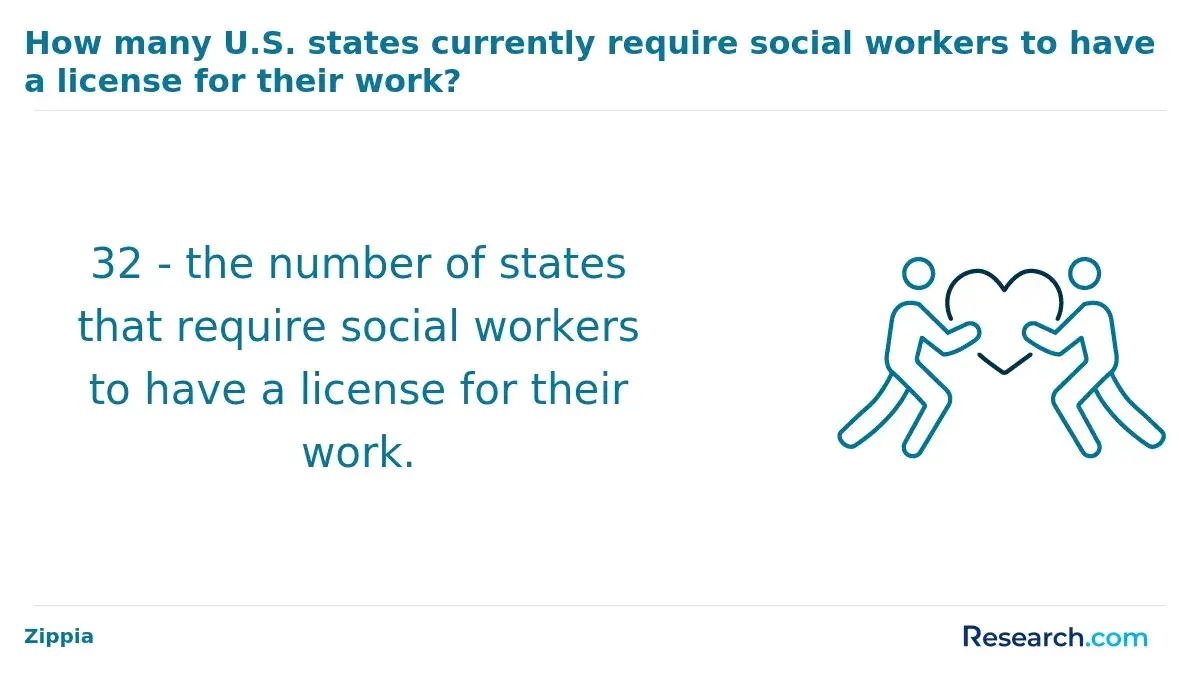
With 32 states requiring a license for social workers, the path to practice is highly regulated. Employers hiring for clinical, healthcare, school, government, nonprofit, or community-based roles often care about whether you can become licensed, whether you completed relevant fieldwork, and whether your training matches the population or setting they serve.
What employers are likely to evaluate
- Accreditation. A CSWE-accredited MSW is typically the baseline requirement for many professional opportunities and licensure pathways.
- Field placement quality. Employers may value practicum experience in settings related to the job, such as mental health, family services, healthcare, schools, or community organizations.
- Licensure progress. Candidates who understand their state’s licensing process may be more competitive for roles that require supervised clinical hours or future independent practice.
- Skills and specialization. Coursework, certificates, fieldwork, and prior experience can help show readiness for a specific practice area.
- Professional references. Faculty, supervisors, and field instructors can help validate your competence and work habits.
The outdated assumption that online degrees are automatically weaker is not the standard employers should be using. A better question is whether the program prepares you for licensure, ethical practice, and the type of social work role you want. That is also central to deciding is a social work degree worth it for your specific career goals.
How do you decide which online MSW learning format is right for you?
To decide which online MSW learning format is right for you, compare your schedule, learning style, support needs, and career goals against the demands of each format. There is no universally best option. A strong synchronous program can be the wrong fit for a student who cannot attend live classes. A flexible asynchronous program can be the wrong fit for a student who needs real-time structure to stay engaged.
Start with your non-negotiables. If your work schedule changes weekly, asynchronous coursework may be more realistic. If you can protect class time and want a stronger live learning community, synchronous coursework may be worth the reduced flexibility. Also review field placement requirements, because practicum schedules may be less flexible than online coursework in either format.
Questions to ask before choosing
- How much flexibility do I truly need? Be honest about work hours, caregiving, commuting, health needs, and other commitments. Occasional flexibility is different from needing full control over your study schedule.
- Can I attend live sessions consistently? If missing class would be common, a synchronous program may create stress and academic risk.
- How do I learn difficult material? Choose synchronous if live discussion helps you understand. Choose asynchronous if you learn better by pausing, reviewing, and reflecting.
- How strong are my time management skills? Asynchronous programs require you to create structure. Synchronous programs provide more built-in rhythm.
- How important is cohort connection? If peer interaction is a major priority, look closely at how each program creates community.
- What support does the program provide? Advising, field placement assistance, faculty access, tutoring, and career services matter in both formats.
A quick decision guide
| Choose synchronous if... | Choose asynchronous if... |
| You want live class discussion and immediate feedback. | You need to study around unpredictable work or family demands. |
| You can attend class at fixed times each week. | You cannot reliably attend scheduled live sessions. |
| You need external accountability to stay on track. | You are disciplined and comfortable managing your own schedule. |
| You want a more traditional classroom feel. | You prefer to review lectures and materials at your own pace. |
| You value real-time role-play and group interaction. | You prefer written discussion and reflective assignments. |
Cost should also be part of the decision, but it does not automatically determine format. Affordable options can exist in both synchronous and asynchronous models, including some of the cheapest online MSW programs available. Compare total tuition, fees, residency costs, technology fees, travel requirements, and field placement logistics before deciding.
The safest choice is an accredited program that fits your real life, not your ideal week. If you choose a format you can sustain, you are more likely to participate fully, complete fieldwork successfully, and graduate prepared for the next step in your social work career.
Is an online MSW a good investment for your career in 2027?
An online MSW can be a good investment if it is accredited, affordable for your financial situation, aligned with your licensure goals, and structured in a format you can complete. The degree can open doors to advanced social work roles, clinical training pathways, leadership opportunities, and specialized practice areas, but the return depends on program cost, debt, location, licensure requirements, and the type of role you pursue.
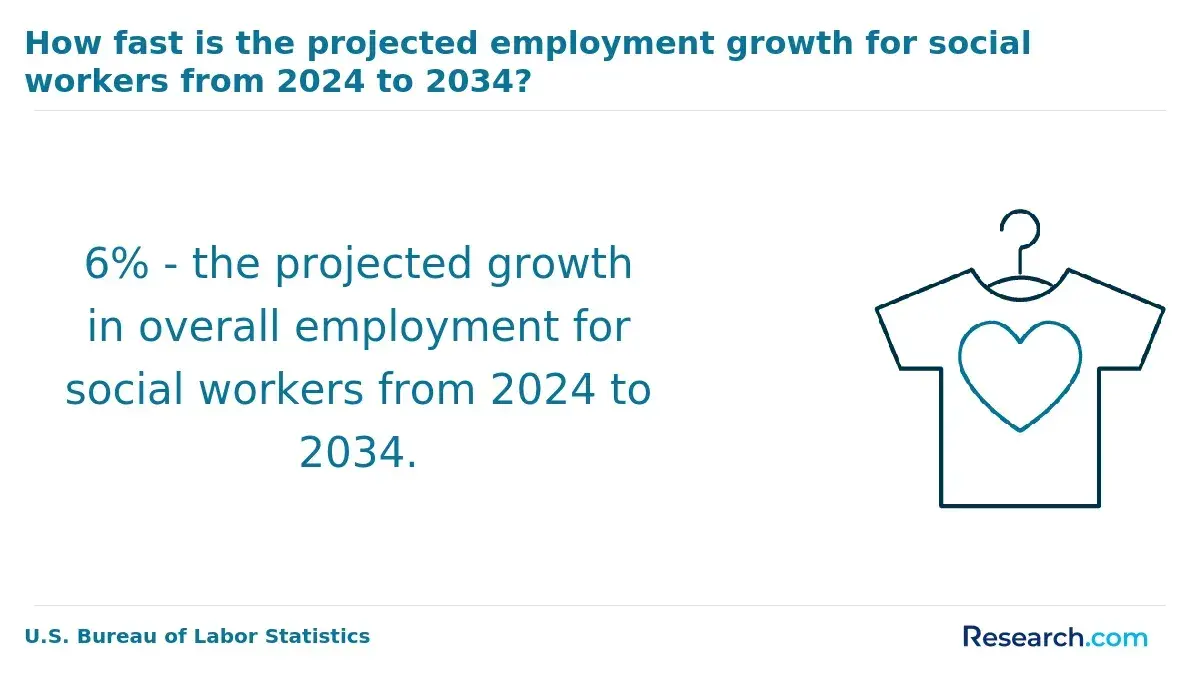
The labor market case is meaningful. The social work field is projected to grow by 6% over the next decade, adding thousands of new jobs to the approximately 810,900 that exist today. Pay varies by role and setting. The median pay for healthcare social workers is around $68,090, and for licensed clinical social workers, that figure jumps to a median of $94,158.
When the investment is more likely to pay off
- You choose an accredited program. Accreditation is essential for credibility and for many licensure pathways.
- You understand licensure requirements early. Clinical social work often requires supervised experience and state-specific steps after graduation.
- You control total cost. Tuition, fees, books, travel, technology, and potential lost work hours all affect return on investment.
- You use fieldwork strategically. A strong field placement can build experience, references, and job connections in your target area.
- You choose the right format. A program that fits your schedule reduces the risk of burnout, delayed graduation, or stopping out.
The bottom line on your MSW investment
An accredited online MSW can support a stable and meaningful career path, especially for students who want to move into advanced practice, healthcare, mental health, family services, community work, policy, administration, or clinical licensure. The degree is not automatically “worth it” for every student at every price, but it can be a strong investment when the program quality, cost, format, and career outcome line up.
Before enrolling, compare programs carefully and estimate the likely financial outcome in your location. Salaries can vary widely by state, employer, specialization, and licensure level, so reviewing a guide to social worker salary by state can help you make a more realistic decision.
Other Things You Should Know About Synchronous vs Asynchronous Online MSW Learning
Synchronous online MSW programs typically require a stable internet connection and a device capable of video conferencing for live classes. Asynchronous programs may only need access to a learning management system, where lectures can be downloaded and viewed at any time.
Most CSWE-accredited online MSW programs require 900 to 1,200 supervised field placement hours. Advanced-standing tracks often require fewer hours than traditional tracks. Placements must be completed in approved settings under qualified supervision, and many programs require documentation and site approval before students begin.
References
- Data USA. (2025). Social work. Retrieved October 26, 2025, from Data USA.
- Hung, C. T., Wu, S. E., Chen, Y. H., Soong, C. Y., Chiang, C. P., & Wang, W. M. (2024). The evaluation of synchronous and asynchronous online learning: student experience, learning outcomes, and cognitive load. BMC Medical Education, 24(1), 326. https://doi.org/10.1186/s12909-024-05311-7
- Mount Vernon Nazarene University. (2022, December 13). The benefits of an online social work degree. Retrieved October 26, 2025, from MVNU.
- Singh, L. (2024, November 27). The advantages of enrolling in online MSW programs in New York. River Journal. Retrieved October 26, 2025, from RiverJournalOnline.
- U.S. Bureau of Labor Statistics. (2025). Social workers. Occupational Outlook Handbook. Retrieved October 26, 2025, from BLS.