2027 MSW Careers in Hospice and Palliative Care

Co-Founder and Chief Data Scientist
Choosing hospice and palliative care social work is not just a degree decision; it is a career decision about how you want to support people during serious illness, family crisis, grief, and end-of-life planning. MSW-trained professionals in this field help patients clarify goals, connect families with resources, navigate healthcare systems, and communicate with physicians, nurses, chaplains, and care teams.
This guide explains how MSW careers in hospice and palliative care work, what education and licensure are typically required, how online and flexible MSW options fit into the path, and what to consider when comparing programs, certifications, salaries, and job prospects. It is especially useful for career changers, bachelor’s degree holders from unrelated fields, and current human services professionals who want a healthcare-focused social work role.
Key Things You Should Know
- MSW careers in hospice and palliative care in 2026 focus on providing emotional, psychosocial, and ethical support to patients and families facing life-limiting illnesses, with a growing demand driven by an aging U.S. population.
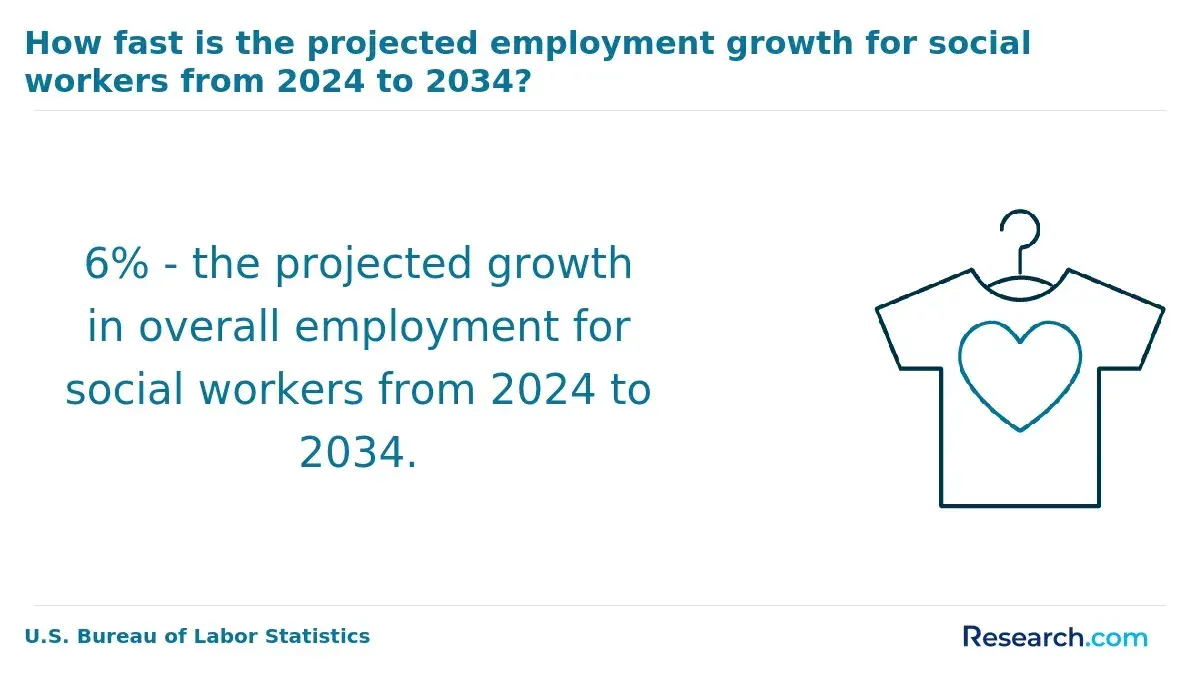
- Employment for hospice and palliative social workers is projected to grow 12% from 2024 to 2034, exceeding the average for all occupations due to expanded healthcare services and insurance coverage.
- Advanced skills in interdisciplinary collaboration, grief counseling, and cultural competence are essential, with median annual salaries around $60,000, varying by region and setting.
What Are MSW Careers in Hospice and Palliative Care?
MSW careers in hospice and palliative care focus on the psychosocial, emotional, family, cultural, and practical needs of people living with serious or life-limiting illness. These roles are different from general healthcare social work because they often involve end-of-life decision-making, anticipatory grief, bereavement support, advance care planning, and frequent collaboration with interdisciplinary clinical teams.
Common job titles include hospice social worker, palliative care social worker, palliative care coordinator, bereavement counselor, medical social worker, and psychosocial care specialist. Depending on the employer and state licensure rules, MSW professionals may provide counseling, crisis intervention, care coordination, discharge planning, family meetings, resource referrals, and advocacy around patient rights and care preferences.
| Role | Typical focus | Common work settings |
| Hospice social worker | End-of-life support, family counseling, care planning, resource coordination, grief support | Hospice agencies, homes, inpatient hospice units, nursing facilities |
| Palliative care social worker | Quality-of-life support for serious illness, goals-of-care conversations, family meetings | Hospitals, outpatient clinics, specialty care teams, community health programs |
| Bereavement counselor | Grief counseling and follow-up support for families and caregivers | Hospice agencies, nonprofits, counseling centers, health systems |
| Palliative care coordinator | Care navigation, communication among providers, patient and family education | Hospitals, integrated care networks, home-based care programs |
The field is expanding as more healthcare organizations recognize the need for specialized support around serious illness. Medicare spending over $27 billion on hospice care, serving nearly 1.8 million beneficiaries according to CMS data, shows the scale of hospice services in the United States. For social workers, this creates opportunities in direct practice, program coordination, supervision, policy, and healthcare leadership.
Strong candidates usually bring clinical judgment, cultural humility, crisis intervention skills, ethical decision-making, and the ability to communicate clearly in emotionally charged situations. Licensure and supervised clinical experience can significantly improve access to independent practice roles and leadership positions. Students who later want advanced research, administrative, or teaching roles may also compare options such as an online doctorate of social work.
What Education Is Required for MSW in Palliative Care?
The main educational requirement for palliative care social work is a Master of Social Work from a program accredited by the Council on Social Work Education (CSWE). CSWE accreditation matters because it is commonly tied to licensure eligibility, field education standards, and employer recognition. A typical MSW takes two years of graduate study, although timing can vary by enrollment format and prior social work education.
Students interested in hospice and palliative care should look beyond the degree title. The strongest preparation usually combines a clinical or healthcare-focused MSW curriculum with field placements in hospice, hospitals, oncology, geriatrics, long-term care, community health, or serious illness programs.
Core preparation to look for
- Clinical assessment and intervention with individuals, families, and groups
- Ethics, autonomy, informed consent, and decision-making capacity
- Grief, loss, trauma, bereavement, and caregiver stress
- Healthcare systems, policy, reimbursement, and discharge planning
- Cultural competency in illness, death, dying, and family decision-making
- Interdisciplinary collaboration with physicians, nurses, chaplains, therapists, and case managers
Field education is central. Many MSW programs require 900 to 1,200 hours of supervised clinical placements, giving students direct experience with patient communication, family support, resource coordination, and advocacy. For students entering from unrelated undergraduate majors, field placement quality can be just as important as course titles because it helps build healthcare fluency and professional references.
Independent clinical practice usually requires state licensure as an LCSW or equivalent. That process generally involves passing a standardized exam and completing 2 to 3 years of supervised post-MSW clinical work. Requirements vary by state, so prospective students should verify whether a program meets the licensure rules where they plan to practice.
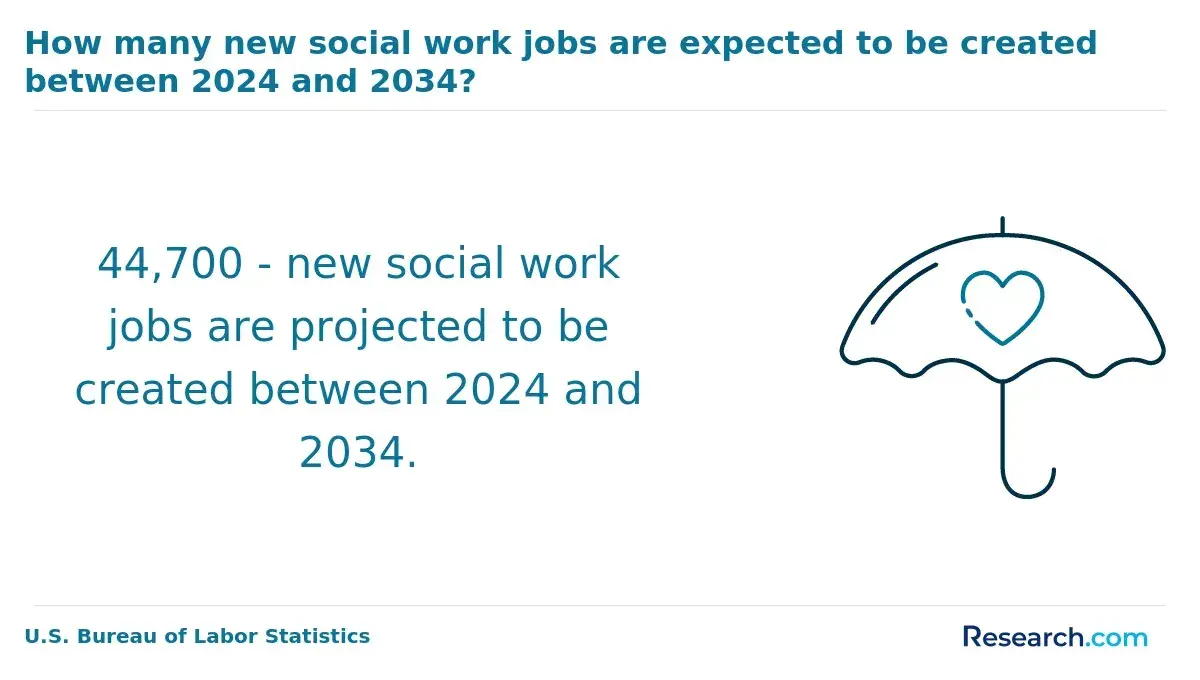
Job growth for healthcare social workers in hospice and palliative care is projected to increase by 8%, reflecting rising demand for professionals who can support patients and families through complex illness. Cost-conscious students can compare accredited options, including cheap MSW online programs, but should confirm CSWE accreditation, field placement support, and licensure alignment before enrolling.
How Do You Become a Hospice Social Worker with an MSW?
To become a hospice social worker with an MSW, you typically need to complete a CSWE-accredited Master of Social Work program, gain relevant healthcare or hospice field experience, meet your state’s licensure requirements, and build specialized skills in grief, family systems, ethics, and end-of-life care. The exact path depends on state law and employer expectations.
- Earn a bachelor’s degree. Your undergraduate major does not always have to be social work, but coursework or experience in psychology, sociology, human services, healthcare, or counseling can strengthen your application.
- Complete a CSWE-accredited MSW. Choose clinical, healthcare, aging, or hospice-related electives when available.
- Use field placements strategically. Prioritize internships in hospice agencies, hospitals, nursing homes, oncology, palliative care teams, or community-based serious illness programs.
- Apply for state licensure. Many states use credentials such as Licensed Master Social Worker (LMSW) or Licensed Clinical Social Worker (LCSW). Licensure typically requires passing a national exam administered by the Association of Social Work Boards and completing 2,000 to 4,000 supervised clinical hours.
- Build hospice-specific competence. Employers value experience with advance directives, family meetings, bereavement support, crisis intervention, and interdisciplinary care documentation.
- Consider specialty certification. Credentials such as the Advanced Hospice and Palliative Social Work Certification (AHP-SW) can demonstrate focused expertise.
Hospice employers often look for candidates who can balance compassion with clinical boundaries. The work can involve home visits, urgent family meetings, sudden changes in patient condition, conflict among family members, and frequent exposure to death and grief. Strong preparation includes not only counseling skills but also comfort with medical terminology, care team communication, and ethical decision-making.
Salary can vary widely by state, employer type, licensure level, and experience. The median wage for healthcare social workers was $68,090 according to recent labor statistics. Candidates who pursue clinical licensure, specialized hospice experience, supervision responsibilities, or advanced certification may have stronger prospects than those with only generalist experience.
Students balancing work, caregiving, or relocation constraints may compare online MSW options. Before choosing one, confirm that the program is CSWE-accredited, supports local field placements, and prepares graduates for licensure in the state where they plan to work.
An MSW curriculum for palliative care prepares students to support people facing serious illness, disability, chronic pain, terminal diagnoses, and end-of-life decisions. The goal is not to train social workers to provide medical treatment, but to help them assess psychosocial needs, reduce distress, support family communication, advocate for patient preferences, and coordinate resources across healthcare and community systems.
Typical curriculum areas
| Curriculum area | Why it matters in palliative care |
| Clinical assessment | Helps identify depression, anxiety, caregiver strain, family conflict, safety concerns, and unmet social needs |
| Grief and bereavement | Prepares students to support anticipatory grief, complicated grief risk, and family adjustment after death |
| Ethics and decision-making | Covers autonomy, informed consent, decision-making capacity, advance directives, and conflicts over care goals |
| Healthcare policy and systems | Helps social workers navigate Medicare hospice benefits, insurance barriers, discharge planning, and community resources |
| Interdisciplinary practice | Builds communication skills for working with physicians, nurses, chaplains, therapists, and case managers |
| Cultural competency | Supports respectful care across different beliefs about illness, death, family roles, spirituality, and medical decision-making |
Coursework often includes communication techniques for prognosis discussions and advance care planning, psychosocial assessment, crisis intervention, trauma-informed practice, caregiver support, and family systems. Students may practice facilitating family conferences, documenting care plans, helping patients complete advance directives, and managing ethical dilemmas related to life-sustaining treatments.
Field placements are where much of the learning becomes practical. A placement in hospice or palliative care may involve observing interdisciplinary team meetings, supporting patients at home or in inpatient units, helping families access benefits, coordinating with community agencies, and participating in bereavement follow-up. These experiences help students decide whether they are suited to emotionally intense healthcare environments.
Programs also respond to workforce shortages in palliative and hospice care through specialized training models such as the ESPEC training initiative. Graduates need to be ready for common patient and family questions about coping, symptom-related distress, care transitions, caregiver fatigue, and available community resources.
Students still weighing the broader value of the profession can review is a degree in social work worth it for additional context on social work education and career outcomes.
MSW admission requirements vary by school, but most programs expect applicants to show academic readiness, commitment to social work values, and evidence that they understand the demands of graduate-level practice. For hospice and palliative care interests, admissions committees may also value healthcare exposure, volunteer work, caregiving experience, crisis support experience, or work with older adults, people with disabilities, or medically vulnerable populations.
Common MSW admission requirements
- A bachelor’s degree from an accredited institution
- A minimum undergraduate GPA of around 3.0, with some flexibility at certain schools
- Official transcripts
- Two or three letters of recommendation, often from faculty, supervisors, or professional mentors
- A statement of purpose explaining career goals, social work values, and relevant experience
- Resume or CV showing employment, volunteer work, internships, research, or service experience
- Prerequisite coursework in areas such as psychology, sociology, or human development when required
- GRE scores if required, although many programs waive or no longer require them
- English proficiency documentation such as TOEFL or IELTS for international applicants
- Background checks, immunization records, health clearances, or drug screening for field placement eligibility
Applicants from unrelated undergraduate majors should use the statement of purpose to connect their prior experience to social work practice. For example, work in healthcare administration, education, ministry, caregiving, crisis lines, nonprofits, public health, or community advocacy can all help demonstrate readiness if clearly tied to social work ethics and client-centered service.
Part-time and online MSW programs may offer more flexible scheduling, but admissions standards should still be taken seriously. A less competitive admission process does not necessarily mean a weaker program, but applicants should confirm CSWE accreditation, field placement support, licensure preparation, and access to relevant electives or placements.
According to SMUMN.edu, palliative and hospice social workers earn an average salary of $61,819 annually. Salary should not be the only reason to enter this field, but it is an important planning factor when comparing tuition, financial aid, loan borrowing, and expected career path.
The best MSW programs for hospice careers are not always the most famous programs. The strongest fit is usually a CSWE-accredited MSW that offers healthcare-relevant coursework, strong field placement support, faculty or agency connections in serious illness care, and clear preparation for licensure in the student’s intended state.
What to prioritize when comparing programs
| Program feature | Why it matters for hospice careers |
| CSWE accreditation | Supports licensure eligibility and signals that the program meets recognized social work education standards |
| Healthcare, aging, or clinical concentration | Provides a stronger foundation for hospice, palliative care, gerontology, hospital, and serious illness roles |
| Hospice or palliative care field placements | Gives direct experience with patients, families, interdisciplinary teams, documentation, and care coordination |
| Grief and bereavement coursework | Builds skills for supporting families before and after death |
| Interdisciplinary training | Prepares students to work effectively with medical, nursing, chaplaincy, rehabilitation, and case management teams |
| Licensure support | Helps students understand state-specific requirements, exams, supervised hours, and clinical pathways |
Helpful curriculum elements include psychosocial assessment techniques specific to terminal illnesses, ethical decision-making, cultural sensitivities around death and dying, family systems, trauma-informed care, and communication during high-stress medical decisions. Programs with partnerships with local hospices, hospitals, palliative care teams, and nursing facilities can make it easier to secure relevant field experience.
Online and hybrid MSW options can be appropriate for hospice careers when they are accredited and provide well-supported local field placements. Some programs use synchronous virtual simulations or live seminars to build practical readiness, but students should not assume online coursework alone is enough. Hospice work requires supervised, in-person experience with patients, families, and care teams.
Entry-level palliative care social workers earn an average of $69,104 annually, which can make the field financially viable for some graduates. However, students should compare tuition, field placement logistics, licensure pass support, employer partnerships, and total debt before deciding that a program is the “best” choice.
Yes. Several accredited universities offer online MSW options that can prepare students for palliative care, especially when the program includes clinical, healthcare, aging, grief, or serious illness coursework. Online MSW programs are often designed for working adults, career changers, parents, and students who cannot relocate for graduate school.
The key point is that “online” usually refers to coursework, not the entire professional preparation. Students must still complete field placements or internships in approved agencies, often in settings such as hospices, hospitals, community health agencies, long-term care facilities, or outpatient care programs. These placements are essential for building competence and meeting licensure expectations.
Questions to ask before enrolling online
- Is the MSW program accredited by the Council on Social Work Education (CSWE)?
- Does the program prepare students for licensure in the state where I plan to work?
- Who finds and approves field placements: the school, the student, or both?
- Can I complete a hospice, palliative care, hospital, gerontology, or healthcare-related placement?
- Are live classes, case discussions, supervision seminars, or simulations included?
- What technology, residency, or campus visit requirements apply?
- How much flexibility is available for part-time students or working professionals?
State rules can affect both education and employment. For example, New York State requires LMSW or LCSW licensure for hospice social worker roles, along with at least one year of healthcare experience, as noted by MJHS via career.eoss.asu.edu. Requirements vary, so students should check their state licensing board and prospective employers before choosing a program.
Online MSW programs can be a strong route into palliative care when they combine accreditation, rigorous coursework, responsive field placement support, and clear licensure preparation. They are less suitable when students must arrange complex placements without help or when the curriculum lacks clinical and healthcare relevance.
What Certifications Do MSW Hospice Professionals Need?
MSW hospice professionals usually need state social work licensure first; specialty certification comes after or alongside experience. The foundational credential depends on the state and role, but common examples include Licensed Master Social Worker (LMSW) and Licensed Clinical Social Worker (LCSW). Employers often require or prefer an LCSW for independent clinical counseling, diagnosis-related responsibilities where permitted, supervision, and advanced practice roles.
Specialty certification can help demonstrate hospice and palliative care competence, but it does not replace state licensure. The American Academy of Hospice and Palliative Social Work (AAHPSW) offers the Hospice and Palliative Care Social Worker Certification (HPCS), a highly regarded credential. This requires MSW licensure and documented clinical hours in hospice environments, proving skills in grief counseling, symptom management, and interdisciplinary collaboration.
Credentials and training to consider
- LMSW or equivalent: Often an early post-MSW credential used for supervised practice, depending on the state.
- LCSW or equivalent: Commonly required for independent clinical practice and preferred for advanced hospice counseling roles.
- HPCS: A specialty hospice and palliative care credential that can signal focused expertise to employers.
- Grief and bereavement training: Useful for direct work with families before and after a patient’s death.
- Trauma-informed care training: Important when patients and families are coping with crisis, medical trauma, or complicated loss.
- Cultural competency continuing education: Essential because beliefs about illness, death, family roles, and decision-making vary widely.
Continuing education is also necessary for maintaining licensure and staying current with ethics, documentation, care models, and evidence-informed interventions. Because rules vary, candidates should verify specific state licensure requirements before choosing a certification path or accepting a role.
With hospice care demand rising alongside aging populations, employers increasingly favor candidates who can show both general clinical competence and hospice-specific readiness. According to socialwork.pacific.edu, high-demand social work roles in 2026 include hospice and palliative care, highlighting the value of credentials that demonstrate preparation for complex emotional, ethical, and family-centered work.
Other Things You Should Know About Social Work
In 2027, MSW social workers in hospice and palliative care face challenges like managing emotional stress from patient and family interactions, navigating complex healthcare systems, and addressing diverse cultural and ethical considerations. Additionally, staying updated with evolving policies and procedures remains critical to providing effective care.
MSWs specializing in hospice and palliative care in 2027 must complete training in grief counseling, pain management, and end-of-life care. Requirements include courses in ethical practices and interdisciplinary collaboration, often amounting to 15-30 credit hours, depending on the institution.
Most MSW programs require at least 900 supervised fieldwork hours, with many adding a specialized clinical placement in healthcare, aging, or end-of-life care. For hospice and palliative care roles, students should seek placements with hospitals, hospices, or community palliative teams to build direct practice experience.
Cultural competence is essential for hospice social workers to provide respectful and effective care to diverse patient populations. Understanding cultural beliefs about death, dying, and family roles helps tailor support and interventions. It ensures that care plans align with patients' values and enhances trust between social workers, patients, and families.
- APHSW-C | SWHPN https://www.swhpn.org/aphsw-c
- Job Experiences, Stakeholder Expectations, and Policy Challenges of Early-Career Social Workers in Hospice and Palliative Care: A Qualitative Study https://www.e-jhpc.org/journal/view.html
- Hospice & Palliative Care Social Work: A Guide https://www.onlinemswprograms.com/careers/hospice-palliative-social-work/
- Admission requirements https://socialwork.wayne.edu/msw/requirements
- Smumn https://smumn.edu
- Socialwork https://socialwork.pacific.edu
- What Do Hospice Social Workers Do? https://www.vitas.com/hospice-and-palliative-care-basics/the-hospice-care-team/what-do-hospice-social-workers-do
- Find MSW programs that teach hospice social work | edX https://www.edx.org/masters/online-msw-programs/hospice-social-work
- Joblink https://joblink.socialworkers.org
- APHSW-C® | HPNA https://www.advancingexpertcare.org/hpcc/credentials/aphsw-c/