2027 Best Online MSW Programs for Non-BSW Majors

Co-Founder and Chief Data Scientist
If you want to become a social worker but your bachelor’s degree is in another field, the main question is not whether the path exists. It does. The harder question is which online MSW programs are built for non-BSW students, meet licensure expectations, provide credible field placement support, and fit your budget and schedule.
A Master of Social Work can prepare career changers for clinical practice, community leadership, policy work, healthcare roles, school-based services, and nonprofit management. However, students without a Bachelor of Social Work usually need a traditional or foundation-track MSW rather than an advanced standing program. That difference affects admissions, course load, practicum hours, total cost, and time to graduation.
This guide explains how online MSW programs for non-BSW majors work, what accreditation means, how online study compares with campus-based programs, what admissions committees look for, and how to evaluate costs, licensing requirements, career outcomes, and salary potential before enrolling.
Key Things You Should Know
- Online MSW programs for non-BSW majors typically offer bridge or advanced standing options, allowing students to complete the degree in 2 to 3 years with foundational course requirements.
- Accreditation by the CSWE remains essential; over 70% of graduates from online programs secure employment within six months, reflecting strong industry acceptance.
- Tuition varies widely, from $15,000 to $45,000 total, but many programs provide financial aid and flexible part-time study to accommodate working professionals.
What is an MSW degree and why pursue one without a BSW background?
An MSW degree is a graduate-level professional degree that prepares students for advanced social work practice. For students without a BSW, it provides the academic foundation and supervised field experience needed to enter the profession responsibly. This route is common for career changers from psychology, education, public health, criminal justice, healthcare, nonprofit work, and other people-centered fields.
Non-BSW students typically enroll in a traditional MSW track rather than an advanced standing track. Traditional tracks begin with foundation coursework in social work ethics, human behavior, social welfare policy, research, generalist practice, and work with diverse communities. After that, students move into advanced practice courses that may focus on clinical social work, community practice, child welfare, healthcare, mental health, or policy advocacy.
The value of pursuing an MSW without a BSW is that it opens a regulated professional pathway. Depending on the state and specialization, an MSW can support eligibility for master’s-level or clinical social work licensure, qualify graduates for more specialized roles, and prepare them for leadership responsibilities in agencies, hospitals, schools, community organizations, and government programs.
Data from the CSWE 2025 Annual Statistics Report reveals an 18% rise in non-BSW graduates entering MSW programs, indicating that this pathway is becoming more accepted among schools and employers. Still, applicants should understand that a non-BSW pathway usually requires more coursework and field education than an advanced standing option designed for BSW graduates.
Students who later want to move into senior practice, teaching, research-informed leadership, or high-level administrative work may also compare doctoral options, including affordable online DSW programs.
What are the accreditation standards for online MSW programs?
For U.S. students, CSWE accreditation is the key quality marker for an MSW program. The Council on Social Work Education evaluates whether a program’s curriculum, faculty qualifications, field education, assessment process, and student learning outcomes meet professional standards. This matters because state licensing boards and many employers use CSWE accreditation as a baseline requirement.
Online delivery does not remove these expectations. A properly accredited online MSW must meet the same educational standards as a campus-based program. Students should confirm accreditation directly with the school and, when possible, through CSWE’s official directory before applying or paying a deposit.
What CSWE accreditation usually confirms
- The curriculum covers core social work competencies, including ethics, human behavior, social welfare policy, research, diversity, and practice with individuals, families, groups, organizations, and communities.
- Faculty have appropriate academic preparation and professional experience in social work.
- Field education is supervised, structured, and connected to the student’s learning goals.
- Assessment methods show that students are developing the competencies expected of MSW graduates.
Programs for non-BSW majors often include additional foundation coursework before advanced study. Regardless of format, CSWE standards require substantial field education. The original data for this guide notes that bridge or advanced standing programs incorporate comprehensive field placements totaling at least 900 hours, with experiences that may combine virtual preparation and in-person agency-based work depending on program design and state rules.
Accreditation is especially important for students who plan to pursue licensure. Graduating from a non-accredited program can create serious barriers to state licensure, clinical supervision, and competitive employment. With a projected 7% job growth in social work from 2023 to 2033 and approximately 63,400 new positions annually in areas such as mental health and healthcare, choosing an accredited program is a practical career safeguard. Students comparing cost-conscious options can start with affordable accredited online MSW programs.
How do online MSW programs differ from campus-based options?
Online and campus-based MSW programs can lead to similar academic and professional outcomes when both are properly accredited. The main differences are delivery format, schedule flexibility, interaction style, and field placement logistics.
Online MSW programs are often more accessible for students who work full time, have caregiving responsibilities, live far from a university, or need to remain in their local community. Many programs use asynchronous coursework, allowing students to complete lectures, readings, and assignments on a weekly schedule rather than attending class at a fixed time. Some programs also include live online sessions, residencies, or synchronous seminars.
Campus-based MSW programs provide more face-to-face interaction with faculty and classmates. They may be a better fit for students who prefer structured class meetings, direct campus resources, and in-person networking. However, they can be harder to manage for students who cannot relocate or commute regularly.
Key differences to compare
| Factor | Online MSW programs | Campus-based MSW programs |
| Schedule | Often more flexible, with asynchronous or hybrid coursework | Usually tied to set class times and campus attendance |
| Field placement | Often completed locally with school approval and coordination | Often supported through established university-agency relationships near campus |
| Learning style | Requires strong self-direction, time management, and comfort with technology | Provides more immediate in-person discussion and campus engagement |
| Best fit | Working adults, remote learners, caregivers, and students staying in their community | Students who value in-person learning, campus services, and local networking |
Field education is required in both formats. Online students should pay close attention to how the school helps identify, approve, and monitor local practicum sites. A flexible online format is not helpful if a student cannot secure a qualifying placement in their area.
Career outcomes can be comparable when programs are accredited and students complete appropriate fieldwork. The National Association of Social Workers 2025 Salary Survey reports that MSW graduates earn a median starting salary of $62,000, about 25% higher than bachelor's-level social workers. Because pay varies substantially by location and specialization, students should also review social work salary by state.
Non-BSW applicants usually apply to a traditional MSW track. Most programs require a bachelor’s degree from an accredited institution and often expect a minimum GPA around 3.0. A BSW is not usually required for these tracks, but schools still look for evidence that the applicant understands the profession and can succeed in graduate-level study.
Common admission materials include transcripts, a statement of purpose, a resume, and two to three letters of recommendation. Some schools may request prerequisite coursework in psychology, sociology, human development, statistics, or related subjects. Others integrate this content into the foundation year so that students can enter from a broader range of academic backgrounds.
What admissions committees often evaluate
- Academic readiness: Prior grades, writing ability, research exposure, and ability to manage graduate coursework.
- Professional fit: Motivation for social work, understanding of ethical practice, and commitment to serving communities.
- Relevant experience: Work or volunteer experience in human services, healthcare, schools, advocacy, counseling support, nonprofits, or community programs.
- Recommendation quality: Letters from supervisors or faculty who can speak specifically about judgment, reliability, communication skills, and readiness for graduate training.
- Communication and reflection: Personal statements, supplemental essays, or interviews that show maturity, cultural humility, and realistic career goals.
GRE requirements have become less common, but some competitive programs may still request or accept scores. Applicants should not assume that test-optional means less selective. Strong writing, relevant experience, and clear alignment with the program’s mission can matter more than a standardized test score.
Many programs value one to two years of professional experience in human services, healthcare, counseling, education, community organizing, or nonprofit work. Such experience can help offset the absence of a formal social work background because it shows exposure to client systems, service delivery, documentation, crisis response, or interdisciplinary collaboration.
The original data for this guide states that an online MSW degree for non-BSW students offers an average ROI of 215% over 10 years, reflecting tuition investment versus career earnings growth. Applicants weighing cost against long-term benefit can use this context while also asking whether an MSW is worth it financially for their goals, state, and intended license level.
An online MSW curriculum for non-BSW students usually has two stages: foundation coursework and advanced specialization. The foundation stage builds the social work knowledge that BSW graduates would normally bring into graduate study. The advanced stage develops deeper skills in a concentration such as clinical practice, community leadership, healthcare, child welfare, mental health, or policy.
Foundation coursework
Foundation courses usually cover social work values and ethics, human behavior in the social environment, social welfare policy, research methods, diversity and cultural competence, generalist practice, and work with individuals, families, groups, organizations, and communities. These courses help non-BSW students understand the profession’s person-in-environment perspective and prepare for field education.
Advanced coursework
Advanced courses vary by program and concentration. A clinical pathway may emphasize assessment, diagnosis, treatment planning, trauma-informed practice, and evidence-based interventions. A macro or community pathway may focus on program evaluation, policy analysis, grant writing, advocacy, organizational leadership, and community development. Healthcare, school, child welfare, and substance use pathways may include population-specific electives and practice simulations.
Field education
Field education is not optional. Students apply classroom learning in approved agencies under supervision. Online MSW programs for non-BSW students commonly include 900 to 1,200 practicum hours, depending on program structure and licensure expectations. Students should ask when placements begin, whether evening or weekend placements are possible, and how the school handles placement challenges in rural or underserved areas.
Research literacy and policy analysis are also important parts of the degree. Even students focused on clinical practice need to interpret evidence, evaluate interventions, document outcomes, and understand how policy affects clients’ access to care.
The original data for this guide states that tuition for online MSW programs for non-BSW majors has dropped by 12% to an average of $28,500, improving affordability due to growing competition and state funding. When comparing programs, students should look beyond tuition alone and assess whether the curriculum includes:
- competency in core social work areas
- field education with extensive practicum hours
- focus on research and policy analysis
- option to customize electives online
Online MSW programs for non-BSW majors typically take two to three years to complete. Full-time students often finish in about 24 months. Part-time students may need 36 months or more, especially if they are balancing employment, caregiving, and practicum requirements.
The timeline depends on several factors: whether the program has a foundation year, how many credits are required, whether courses are offered year-round, and how quickly a student can complete field education. Students without a BSW should be cautious about unusually short programs. A faster timeline is only useful if the program still meets accreditation and licensure expectations.
Tuition varies by institution, residency status, public or private control, and total credit load. The original data for this guide places total program tuition generally between $15,000 and $40,000 for the entire degree. Public universities often provide lower in-state rates, while private institutions may charge more. Students should also budget for technology fees, textbooks, background checks, liability insurance, transportation to practicum sites, and other field-related expenses. Additional expenses such as technology fees, textbooks, and practicum costs may add $1,000 to $3,000 annually.
Cost questions to ask before enrolling
- Is tuition charged per credit, per term, or as a flat program rate?
- Are online students charged out-of-state tuition or separate distance-learning fees?
- How many total credits are required for non-BSW students?
- Are foundation courses included in the quoted tuition estimate?
- What financial aid, scholarships, graduate assistantships, military benefits, or employer tuition assistance may apply?
- Will practicum hours affect the student’s ability to work full time?
Accreditation remains a cost issue as well as an academic issue. Only programs accredited by the Council on Social Work Education (CSWE) are generally positioned to support licensure pathways. According to the CSWE 2025 Graduate Outcomes Survey, 95% of online MSW graduates from non-BSW tracks find social work employment within six months-5% higher than on-campus graduates. Students should treat that employment context as one part of a broader decision that also includes debt, local licensing rules, and target salary.
Licensing after an MSW depends on the state, the type of role, and whether the graduate plans to practice clinically. Students should check their state social work board before enrolling, not after graduation, because requirements can affect program choice, field placement, supervision plans, and job eligibility.
Most graduates pursuing licensure must pass an Association of Social Work Boards (ASWB) exam at the level required by their state. Common credentials include Licensed Bachelor Social Worker (LBSW), Licensed Master Social Worker (LMSW), and Licensed Clinical Social Worker (LCSW), though exact titles differ by state. For individuals without a BSW background pursuing the LMSW credential, supervised post-degree clinical hours-typically between 2,000 and 4,000-are required, depending on state regulations.
Clinical licensure usually involves additional supervised practice after the MSW. This period may focus on assessment, diagnosis, psychotherapy, treatment planning, documentation, risk management, and ethical decision-making. The original guide notes that clinical certification often requires two to three years of supervised clinical experience.
Common post-MSW licensing steps
- Graduate from a CSWE-accredited MSW program.
- Apply to the state board for the appropriate license level.
- Complete any required jurisprudence exam or state-specific coursework.
- Pass the required ASWB exam.
- Complete supervised post-degree hours if pursuing clinical or independent practice authority.
- Submit documentation and renew the license according to state rules.
Some social workers also pursue specialized certification in areas such as school social work, gerontology, substance use, healthcare, or clinical practice. These credentials may require additional experience, continuing education, and renewal.
Non-BSW MSW students should pay close attention to supervision settings, approved supervisor credentials, telehealth supervision rules, and documentation formats. Small errors in supervision tracking can delay licensure.
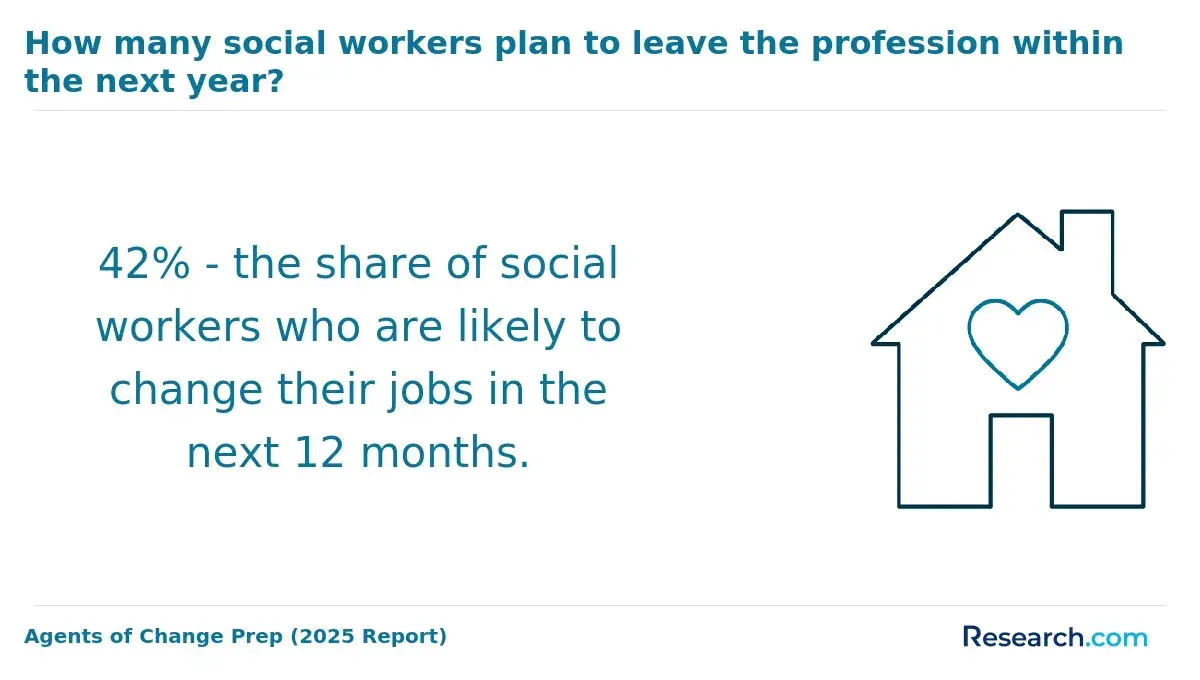
- Social work workforce diversity initiatives increased non-BSW enrollment from 35% to 42% between 2023 and 2025
- Diversity efforts support equitable practices and cultural competence among licensed social workers
MSW graduates can work in clinical, community, administrative, school, healthcare, policy, and nonprofit roles. The best path depends on the student’s concentration, field placement experience, license level, and state requirements. For non-BSW students, practicum selection is especially important because it helps translate prior experience into social work credentials and job-ready skills.
Common roles include clinical social worker, school social worker, healthcare social worker, child welfare specialist, behavioral health case manager, substance abuse counselor, community organizer, policy analyst, and program coordinator. Work settings may include hospitals, mental health clinics, schools, child protective services, community agencies, correctional settings, government offices, advocacy organizations, and nonprofit programs.
Clinical and direct practice roles
Clinical and direct practice roles focus on assessment, case management, counseling, crisis response, care coordination, and support for individuals and families. These jobs often require licensure and may require post-MSW supervised hours for independent clinical practice.
Macro, policy, and leadership roles
Macro roles focus on systems rather than only individual clients. Graduates may work in program evaluation, policy advocacy, community development, grant management, nonprofit administration, or agency leadership. These positions can be a strong fit for students who bring prior experience in education, public health, management, communications, law, or public administration.
Research from the NASW 2025 Career Pathways Study shows that MSW graduates without BSW backgrounds reach supervisory roles 30% faster than peers, with 68% in leadership roles within five years. Typical leadership positions include program director, clinical supervisor, nonprofit manager, and agency administrator.
Career planning should begin before the first practicum. A student aiming for school social work should seek school-based field experience if available. A student pursuing clinical licensure should prioritize placements with strong supervision and exposure to assessment and treatment planning. A student interested in policy should look for agencies involved in advocacy, research, or program administration.
- Specialized areas include geriatrics, forensic social work, and nonprofit social entrepreneurship.
- These require combining social work knowledge with leadership and strategic skills developed during MSW training.
- Graduates should choose programs offering practicum experiences aligned with their career goals to enhance job prospects and salary growth.
How should prospective students evaluate and compare accredited online MSW programs?
Prospective students should compare online MSW programs by licensure fit first, convenience second, and price third. A low-cost or flexible program is not a good investment if it does not meet accreditation standards, cannot support required field placements, or does not align with the license needed for the student’s intended career.
Start with accreditation and licensure alignment
Confirm that the program is accredited by the Council on Social Work Education (CSWE). Then ask whether graduates from the program meet educational requirements for licensure in the state where you plan to practice. This is especially important for online students who may enroll in a school located in another state.
Evaluate support for non-BSW students
Programs designed for non-BSW applicants should clearly explain foundation coursework, bridge requirements, advising, writing support, and field readiness preparation. If the program assumes prior social work knowledge that you do not have, the transition can be difficult.
Scrutinize field placement support
Field education is often the hardest part of an online MSW to manage. Ask whether the school finds placements, helps students find placements, or expects students to secure their own sites. Also ask about placement availability in your area, evening or weekend options, supervision requirements, and what happens if a site falls through.
By 2026, many MSW programs will use AI-driven placement matching, which, according to the Council on Social Work Education 2025 Technology in Education Report, will cut placement delays for non-BSW students by 40%, speeding up practicum start times for those without prior field experience.
Compare delivery format and student services
Some students do best in fully asynchronous courses because they need maximum scheduling control. Others prefer live online sessions because they provide accountability and interaction. Also compare faculty access, advising, career counseling, library resources, mental health support, disability services, and technology requirements.
Calculate the full cost
Look at total tuition, fees, residency charges, books, technology, travel to practicum sites, lost work hours, and any required campus visits. Financial aid can reduce the burden, but students should understand the likely debt load in relation to expected salary and licensing timeline.
Here are the steps you need to take note of:
- Confirm CSWE accreditation and licensure eligibility
- Check for curriculum support addressing non-BSW foundations
- Evaluate agency partnerships and AI-based placement help
- Compare online delivery formats and faculty credentials
- Analyze comprehensive costs and available financial aid
Other Things You Should Know About Social Work
Most online MSW programs require 900 to 1,200 supervised field hours for students without a BSW. These hours are completed in approved agencies, usually after a practicum placement is arranged by the program’s field office and supervised by a licensed social worker.
Yes, virtually all accredited online MSW programs require field placements regardless of prior degrees. These supervised practicum experiences are crucial for applying classroom knowledge to real-world social work settings. Programs usually assist students in securing local placements that meet educational and licensing standards.
In 2027, online MSW programs for non-BSW students offer specializations like Clinical Social Work, Community and Social Systems, and Health Care Social Work. These focus areas allow students to tailor their education to specific career interests within the social work field.
In 2027, top online MSW programs offering strong support to students from non-social work backgrounds include the University of Southern California, Fordham University, and Boston University's programs. These schools provide resources like personalized advising and bridging courses to help students from diverse academic backgrounds succeed.
- Online MSW Programs https://socialworklicensemap.com/social-work-degrees/online-msw-programs/
- Full-time online MSW programs https://www.onlinemswprograms.com/online-social-work-degrees/full-time-online-msw-programs/
- 15 Best 1-Year MSW Online with No BSW Requirement - College Educated https://collegeeducated.com/online-degrees/social-work-degrees/best-1-year-msw-online-no-bsw/
- University of Victoria - Human and Social Development, School of Social Work - Prospective students - Master of Social Work (MSW) - Non-BSW entry MSW program - University of Victoria https://www.uvic.ca/health/socialwork/future/msw/nbswmsw/index.php
- After Your MSW: A State-by-State Guide to Social Work Licensing https://www.onlinemastersdegrees.org/student-resources/social-work/license-requirements/
- 1-Year Online MSW Programs: Compare Accelerated Degrees https://www.degreesforgood.org/online-degrees/social-work-programs/masters-msw/1-year-accelerated/
- Social Work Masters Prerequisites: Discover 7 Critical Pieces - Prereqcourses https://www.prereqcourses.com/social-work-masters-prerequisites/
- Types of Social Work Degrees https://www.socialworkers.org/Careers/Career-Center/Explore-Social-Work/Types-of-Social-Work-Degrees
- Online Master’s in Social Work Programs https://onlinecounselingprograms.com/online-counseling-degrees/cswe-accredited-online-msw-programs/
- What CSWE Accreditation Tells You About an MSW Program https://www.chamberlain.edu/blog/what-is-cswe-accreditation-and-what-are-its-benefits