2027 Part-Time Online MSW Programs for Working Professionals

Co-Founder and Chief Data Scientist
A part-time online Master of Social Work is built for people who need graduate training without leaving their job, relocating, or pausing family responsibilities. The key question is not simply whether an online MSW is convenient, but whether the program is accredited, manageable with your work schedule, aligned with your licensure goals, and realistic financially.
This guide explains how part-time online MSW programs work, how they compare with campus-based options, what timelines and admissions requirements to expect, and how to evaluate coursework, field placements, funding options, and career outcomes. It is designed for working professionals who want to move into clinical practice, social service leadership, policy, healthcare, school-based work, or advanced community practice while continuing to earn an income.
Key things you should know about part-time online MSW programs
- Part-time online MSW programs let you balance your studies with work and personal commitments through asynchronous or hybrid formats.
- Most part-time options take about 2.5 to 4 years to complete, depending on your course load and field placement schedule.
- Choosing a CSWE-accredited program ensures your degree meets professional standards and qualifies you for social work licensure.
Why are part-time online MSW programs becoming popular among working professionals?
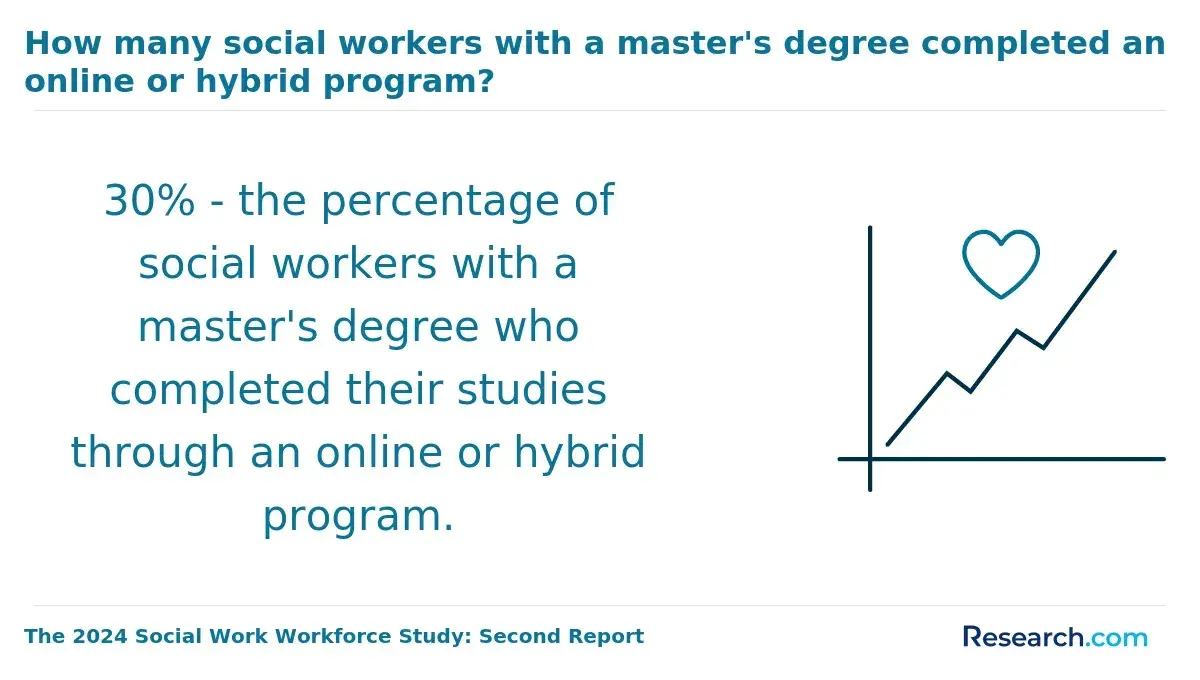
Part-time online MSW programs are popular because they solve one of the biggest barriers to graduate social work education: time. Many prospective MSW students already work in social services, healthcare, education, nonprofit organizations, public agencies, or related fields. They may want the credential for clinical licensure, supervisory roles, better mobility, or specialized practice, but a full-time campus program may not fit their life.
The online part-time format lets students spread coursework over a longer period, keep working, and complete class activities from home or another stable learning environment. For working adults, that can mean fewer commuting hours, more control over weekly study time, and a better chance of staying enrolled through busy seasons at work or at home.
Quality is another reason interest has grown. Accredited online MSW programs are not “lighter” versions of campus programs. When properly accredited, they must cover graduate-level social work competencies and include supervised field education. For students who plan to pursue licensure, accreditation and field placement quality matter more than whether courses are delivered online or in person.
Cost is also a major driver. Students comparing the most affordable online MSW programs can find options with significantly lower tuition while still looking for full accreditation and scheduling flexibility. Some programs list annual tuition under $9,000, which can make the degree more attainable for students who cannot afford to stop working.
Still, flexibility does not mean the program is easy. Part-time online MSW students must manage graduate reading, writing, live sessions when required, group work, and field placement hours. The best fit is usually a program that matches your weekly availability, licensure plans, and preferred learning style—not simply the program with the most flexible advertising.
How do online MSW programs differ from on-campus programs?
Online and on-campus MSW programs generally aim for the same outcome: preparing students for professional social work practice through coursework, skills development, ethics training, and supervised field education. The main differences are in delivery, scheduling, peer interaction, and how field placements are coordinated.
- Class delivery: Online MSW programs use learning platforms for lectures, readings, assignments, discussion boards, exams, and sometimes live video classes. On-campus programs require students to attend class in person on a set schedule.
- Schedule flexibility: Online programs may include asynchronous coursework, synchronous evening sessions, or a hybrid of both. On-campus programs are usually less flexible because class meetings happen at fixed times and locations.
- Student interaction: Online students build relationships through video meetings, online discussions, group projects, messaging tools, and field seminars. Campus students interact more naturally before and after class, during in-person group work, and through campus events.
- Field education: Both formats require supervised fieldwork. Online programs often help students identify placements in or near their local communities, while campus-based students may use a school’s regional agency network.
- Learning environment: Online programs require strong self-direction, reliable technology, and comfort communicating in writing and on video. On-campus programs may be better for students who learn best through face-to-face discussion and structured weekly routines.
- Relocation and commuting: Online study can reduce or eliminate relocation and commuting for coursework, but students still need to plan for in-person field placement requirements.
The better option depends on your constraints. Choose online if you need geographic flexibility, want to keep working, and can manage independent study. Choose on-campus if you value in-person learning, already live near a strong program, or want deeper access to campus-based networking and support.
After earning an MSW, some graduates later pursue doctoral-level education. For MSW professionals who want advanced practice leadership, policy influence, teaching, or administrative roles, affordable online DSW programs may be worth comparing after they have clarified their long-term goals.
Top Part-Time Online MSW Programs for Working Professionals
Strong part-time online MSW programs share a few important traits: recognized accreditation, a realistic schedule, clear field placement support, transparent tuition and fees, and tracks that match the student’s background. Traditional MSW students usually need more coursework than advanced standing students, while students with a qualifying BSW may be able to move through a shorter path.
The programs below are examples of universities that offer part-time online MSW options designed with working professionals in mind. Before applying, confirm the current program format, state authorization, field placement process, licensure alignment, and any live attendance requirements directly with the school.
Rutgers University
Rutgers University offers a 100% Online MSW with a three-year part-time option. The program follows the same academic standards as its campus-based counterpart and includes specialization options in Clinical Social Work or Management & Policy. This makes it a practical choice for students who want a recognized public university program without relocating.
University of Southern California (USC)
USC offers an online Master of Social Work with part-time options within its Traditional and Advanced Standing tracks. The program may include flexible online classes, sometimes with synchronous evening hours, and combines virtual learning with community-based fieldwork. It can suit students who want preparation for clinical or macro practice but need a schedule that can fit around employment.
Boston University (BU)
The BU School of Social Work offers an Online MSW with a part-time Traditional Track that takes about 3 years to complete. Its seven-week course format and weekly required live online classroom sessions, often on Sunday or Monday evenings, give students a predictable structure. Applicants should make sure those live sessions work with their job and caregiving schedule before enrolling.
University at Buffalo (SUNY)
The Online Traditional MSW at the University of Buffalo (SUNY) is offered only part-time and takes three years. That structure can be helpful for students who want a planned, extended pace rather than choosing their course load term by term. Courses may combine synchronous evening sessions with asynchronous work, which can support flexibility while still preserving regular interaction.
Arizona State University (ASU)
ASU Online offers a part-time track for its MSW program, which prepares graduates for advanced generalist practice. The program is CSWE-accredited and uses 7.5-week courses, creating a steady pace for adults managing work and school. Students considering ASU should review whether the advanced generalist focus fits their intended practice area and licensure path.
A part-time online MSW typically takes 2.5 to 4 years, depending on the program structure, course load, field placement schedule, and whether the student qualifies for advanced standing. Students with a Bachelor of Social Work from a CSWE-accredited program may be able to finish faster because they can receive credit for foundational social work coursework. Some advanced standing pathways can be completed in as little as two years.
Traditional part-time students usually take fewer courses each term and complete foundational, advanced, and field requirements over a longer period. This slower pace can be a better fit for working professionals, but it also means staying motivated and financially prepared for multiple years of enrollment.
Field education is often the factor that makes the schedule feel most demanding. Programs may require around 900–1,200 hours of supervised field education, and those hours must usually be completed during agency operating times. For students working full time, this can create scheduling pressure even if the coursework itself is flexible.
When comparing program timelines, ask admissions staff three practical questions: how many hours per week students typically spend on coursework, when field placement hours are usually scheduled, and whether the program allows students to slow down or pause if work or family demands change.
Part-time online MSW programs usually have admission standards similar to campus-based programs. Schools want evidence that applicants can handle graduate-level writing, understand the social work profession, and show readiness for ethical practice with individuals, families, groups, organizations, or communities.
- Bachelor’s degree: Applicants generally need a bachelor’s degree from an accredited institution. A social work, psychology, sociology, public health, criminal justice, or related background may help, but many traditional MSW programs accept students from a wide range of undergraduate majors. Many programs expect a minimum GPA of around 3.0.
- Advanced standing eligibility: Students seeking advanced standing typically need a BSW from a CSWE-accredited program. This route is not the same as the traditional MSW pathway and may have stricter recency, GPA, and recommendation expectations.
- Official transcripts: Schools use transcripts to evaluate undergraduate performance, prerequisite preparation, and academic patterns. If your GPA is lower than the preferred threshold, strong recent coursework or relevant professional experience may help your application.
- Resume or CV: A resume should highlight paid work, internships, volunteer service, case management, advocacy, community work, crisis response, research, or other human services experience.
- Letters of recommendation: Most programs ask for two or three recommendation letters from academic or professional references. Strong letters should speak to your judgment, communication skills, maturity, reliability, and potential for social work practice.
- Personal statement: The essay is often one of the most important parts of the application. It should explain why you want an MSW, how your experience shaped your goals, what populations or systems you hope to serve, and how you understand social work values.
- Interview or supplemental materials: Some schools may request a virtual interview, writing sample, additional essay, or explanation of academic history before making an admission decision.
Students who are concerned about competitiveness can compare online MSW programs with accessible admissions pathways, but admission ease should not be the only factor. Accreditation, field placement support, affordability, and licensure alignment are more important for long-term value.
A part-time online MSW covers the same major knowledge areas as a full-time MSW, but the courses are spread across more terms. Students typically begin with foundational content and then move into advanced practice courses, electives, specialization requirements, and field education.
- Human Behavior and the Social Environment: This course examines how biological, psychological, social, cultural, economic, and environmental factors shape people across the lifespan. It helps students understand clients within families, communities, institutions, and broader systems.
- Social Work Practice and Methods: Students learn how to engage clients, conduct assessments, plan interventions, document services, and evaluate progress. Courses may cover work with individuals, families, groups, organizations, and communities.
- Social Welfare Policy and Services: This area focuses on the history, design, and consequences of social welfare policies. Students analyze how laws, funding structures, and public programs affect vulnerable and marginalized populations.
- Research Methods in Social Work: Students learn to read research critically, understand quantitative and qualitative methods, evaluate programs, and use evidence to improve practice. Ethical research standards are usually emphasized.
- Diversity, equity, and social justice: Many MSW programs include coursework on oppression, privilege, cultural humility, structural inequality, and ethical practice across difference.
- Ethics and professional practice: Students study social work values, boundaries, confidentiality, mandated reporting, professional decision-making, and ethical dilemmas that arise in real practice settings.
- Field Education or Practicum: Field education is where students apply classroom learning in supervised agency settings. It is central to MSW training and often requires careful coordination for students who are also employed.
Students interested in a shorter route may compare accelerated online MSW programs, but speed should be weighed against workload. Compressed courses can be difficult for students balancing employment, family responsibilities, and practicum hours.
Yes, many part-time online MSW programs offer some room to tailor coursework, pacing, assignments, and field experiences to a student’s professional context. The level of flexibility varies by school, so students should look beyond the word “online” and ask exactly how scheduling works.
Coursework may be asynchronous, synchronous, or a mix of both. Asynchronous classes allow students to watch lectures, contribute to discussions, and complete assignments within weekly deadlines. Synchronous classes require attendance at specific times, which can be valuable for live discussion but harder for students with evening shifts, rotating schedules, or caregiving responsibilities.
Some programs allow students to adjust their course load by term. This can help working professionals take fewer credits during demanding work periods and add credits when their schedule is lighter. However, reducing course load can extend the time to graduation and may affect financial aid eligibility, so students should confirm the consequences before making changes.
Students may also be able to connect class projects to their current work environment. For example, a student employed in a nonprofit agency might analyze program outcomes, study a policy issue affecting clients, or design an intervention relevant to their organization. This can make coursework more useful and immediately applicable.
Field placement is more complicated. Some programs may permit an employment-based field placement if the student’s job site can provide new learning opportunities, appropriate supervision, and duties that differ from the student’s regular paid role. Approval is not automatic. Students should ask early whether employment-based placements are allowed and what documentation is required.
Part-time does not mean low commitment. A working professional in an online MSW must protect time for reading, writing, live sessions, field placement, supervision, group assignments, and recovery. The students who manage the degree most successfully usually plan their week before the term begins and treat school obligations as fixed commitments.
- Map the real weekly workload: Before enrolling, estimate class time, reading, assignments, discussion posts, field hours, commuting to placement if required, and supervision. A realistic schedule prevents overcommitment.
- Use one calendar for everything: Put work shifts, class meetings, assignment deadlines, field hours, family responsibilities, and personal commitments in the same calendar. Separate calendars make conflicts easier to miss.
- Create recurring study blocks: Choose consistent weekly times for schoolwork and protect them like work appointments. Short, regular blocks are usually better than relying on one long session before a deadline.
- Plan field placement early: Field education can be the hardest part for full-time employees. Ask about evening, weekend, or employment-based placement possibilities before choosing a program.
- Communicate with your employer: If possible, discuss your program schedule, field placement needs, and busy academic periods. Some employers may offer schedule flexibility, supervision support, or tuition assistance.
- Set boundaries with family and friends: Explain when you will be unavailable and when you can reconnect. Clear expectations reduce guilt and interruptions.
- Break large assignments into steps: Divide papers, case analyses, and research projects into topic selection, outline, source review, draft, revision, and final edit. This reduces last-minute work.
- Protect rest: Social work education often involves emotionally heavy material. Sleep, meals, exercise, counseling, peer support, and downtime are not optional if you want to avoid burnout.
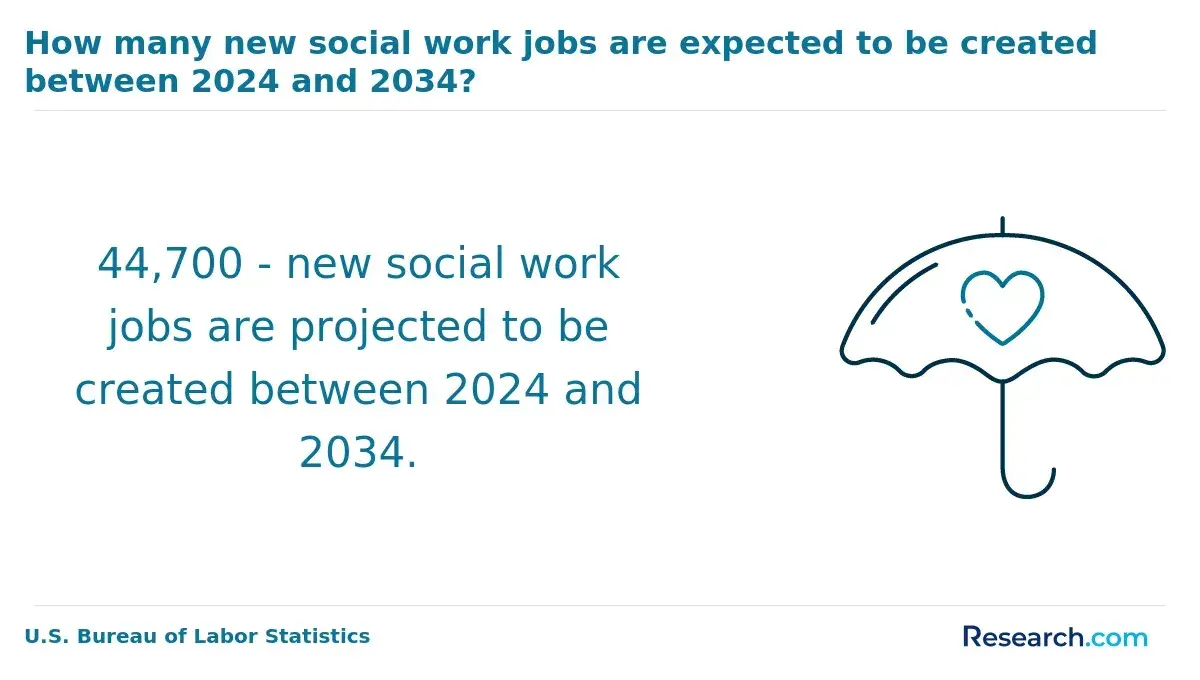
If you are still deciding whether the commitment makes sense, consider your career goal first. The question “is a degree in social work worth it” has different answers for different people. For those pursuing licensed clinical roles, social service leadership, healthcare practice, school social work, or policy-focused careers, an MSW can be an important or necessary credential. For others, the cost and time may not be justified unless the degree clearly advances their intended path.
Yes. Part-time online MSW students may have access to scholarships, employer tuition assistance, federal financial aid, payment plans, and service-based funding opportunities. The availability and amount vary widely, so students should build a funding plan before enrolling rather than assuming aid will cover the full cost.
- School-based scholarships: Many universities offer scholarships based on financial need, academic performance, professional background, community commitment, or intended practice area. Ask whether part-time and online students are eligible for the same awards as campus students.
- Social work organization awards: Professional associations, community foundations, and advocacy organizations may offer scholarships for students committed to specific populations or practice areas.
- Employer tuition assistance: Employers in healthcare, education, government, behavioral health, and nonprofit settings may reimburse part of tuition for employees pursuing an MSW. Read the policy carefully; some benefits require a minimum grade, continued employment, or repayment if you leave the organization too soon.
- Federal financial aid: Students enrolled at least half-time in an accredited program can submit the Free Application for Federal Student Aid (FAFSA). Graduate students commonly use federal loans, while grant options may be limited compared with undergraduate aid.
- Payment plans: Some schools allow students to divide tuition into installments. This does not reduce the total cost, but it may help with cash flow.
- Loan forgiveness and service programs: Some social work roles in public service, government, nonprofit, or shortage-area settings may connect to loan forgiveness or repayment programs. Eligibility rules are specific, so confirm requirements before relying on them.
When comparing programs, look at total cost rather than tuition alone. Fees, textbooks, technology requirements, travel to field placement, reduced work hours, and licensure exam costs can affect affordability. A program with slightly higher tuition may still be the better value if it offers stronger placement support, better schedule compatibility, or more reliable progression to graduation.
What career paths are available after earning an MSW degree?
An MSW can lead to clinical, administrative, policy, healthcare, school, child welfare, community, and nonprofit roles. The right path depends on your specialization, field placements, state licensure requirements, and whether you pursue clinical supervision after graduation. Some roles require an MSW alone, while others require additional supervised experience, exams, or state licensure.
- Clinical Social Worker: Provides therapy, assessment, crisis intervention, treatment planning, and mental health support for individuals, families, couples, or groups. Independent clinical practice typically requires state licensure after the MSW and supervised post-graduate experience.
- School Social Worker: Supports students facing academic, emotional, behavioral, family, attendance, housing, or safety challenges. These professionals collaborate with teachers, counselors, administrators, and families. State education or school social work requirements may apply.
- Medical or Healthcare Social Worker: Helps patients and families navigate illness, hospitalization, discharge planning, treatment decisions, resource access, and care coordination. Settings may include hospitals, clinics, hospice, rehabilitation centers, and long-term care facilities.
- Child and Family Social Worker: Works with children, parents, caregivers, and agencies to address safety, permanency, family support, foster care, adoption, and service coordination. Roles may be found in public child welfare agencies or family service nonprofits.
- Substance Abuse and Mental Health Counselor: Supports clients with addiction, mental health conditions, or co-occurring disorders through counseling, case management, relapse prevention, and recovery planning. Licensing requirements vary by state and role.
- Community Organizer or Advocate: Builds coalitions, mobilizes residents, addresses systemic barriers, and advocates for changes related to housing, poverty, discrimination, health access, public safety, or community resources.
- Policy Analyst or Researcher: Studies social programs, evaluates outcomes, analyzes legislation, prepares reports, and helps organizations or public agencies make evidence-informed decisions.
- Nonprofit Program Manager: Oversees service delivery, budgets, staff, grants, compliance, partnerships, and program outcomes. This path can fit MSW graduates who want leadership roles without providing direct clinical services.
Pay varies by role, employer, location, licensure level, and experience. For example, a hospital social worker salary can differ based on education level, years of experience, location, and the size of the healthcare facility. Students who want the strongest return on investment should compare the cost of the MSW with the roles they are targeting, the licensure steps required, and the salary range in the state where they plan to practice.
Other things you should know about part-time online MSW programs for working professionals
Yes. Most CSWE-accredited MSW programs require field education, usually 900 to 1,200 supervised hours, even for part-time online students. Working professionals may qualify for employment-based placements or advanced standing arrangements, but placements must still meet program and council requirements.
- Council on Social Work Education. (2025). Directory of Accredited Programs. CSWE
- Fordham University. (n.d.). Master of Social Work | MSW Program. Fordham
- Payscale. (2025). Master of Social Work (MSW) Degree. Payscale
- U.S. Bureau of Labor Statistics. (2025). Occupational Outlook Handbook: Social Workers. U.S. BLS
- Walden University. (n.d.). Online Master of Social Work (MSW) Program. Walden