2027 Online Healthcare Administration Degrees That Help Build Healthcare Operations Skills

Co-Founder and Chief Data Scientist
Choosing an online healthcare administration degree is really a decision about whether you want to manage the systems behind patient care. Demand is strong: the U.S. Bureau of Labor Statistics projects medical and health services manager employment to grow 29% from 2023 to 2033, much faster than average.
This guide is for prospective students comparing online programs, career changers, and working healthcare staff seeking advancement. You will learn how these degrees build operations skills, what accreditation matters, what programs cost, and how to judge whether the investment fits your career goals.
Key Things You Should Know
- Online healthcare administration degrees are best for students who want nonclinical leadership roles in hospitals, clinics, insurance, long-term care, public health, or healthcare technology rather than direct patient-care licensure.
- The strongest programs combine business, healthcare law, finance, quality improvement, data analytics, and supervised projects so students can practice solving staffing, workflow, compliance, and budget problems.
- BLS data updated in 2024 reports a $110,680 median annual wage for medical and health services managers, but pay varies widely by degree level, experience, employer, region, and scope of responsibility.
What is an online healthcare administration degree and how does it build operations skills?
An online healthcare administration degree is a business and management program focused on how healthcare organizations operate. Instead of preparing students to diagnose or treat patients, it trains them to coordinate people, budgets, regulations, information systems, quality initiatives, and service delivery. Students who want a flexible route into this field often compare a health administration degree online with broader business, public health, or healthcare management options.
The "operations" part matters because healthcare organizations are complex service systems. A clinic manager, for example, may need to reduce patient wait times, adjust staffing schedules, prepare for an audit, manage vendor contracts, and track quality measures at the same time. A good program teaches students to connect financial, clinical, regulatory, and human factors rather than treating management as a purely administrative function.
Online healthcare administration degrees are available at several levels. The right level depends on whether you are entering the field, trying to move from a clinical role into management, or preparing for senior leadership.
| Degree level | Best fit | Operations skills emphasized | Typical career direction |
| Associate degree | Students seeking entry-level administrative support roles or a transfer pathway | Medical office procedures, billing basics, records management, customer service | Medical office assistant, patient services representative, unit coordinator |
| Bachelor's degree | Students seeking entry-level management or supervisory roles | Healthcare finance, human resources, compliance, quality improvement, operations planning | Clinic supervisor, department coordinator, practice manager, operations analyst |
| Master's degree | Working professionals seeking leadership, strategy, or system-level roles | Strategic planning, analytics, policy, organizational leadership, population health, executive decision-making | Healthcare administrator, service line manager, operations director, health system manager |
| Graduate certificate | Professionals who already hold a degree and want targeted healthcare management knowledge | Focused study in compliance, finance, informatics, or leadership | Career pivot, promotion support, specialization add-on |
The degree is usually worth considering if you like solving process problems, communicating across teams, and using data to make services safer and more efficient. It may not be the best fit if your primary goal is hands-on clinical practice, because healthcare administration programs usually do not qualify graduates for nursing, therapy, physician assistant, or similar clinical licensure.
How do online healthcare administration programs compare with campus-based options for flexibility and outcomes?
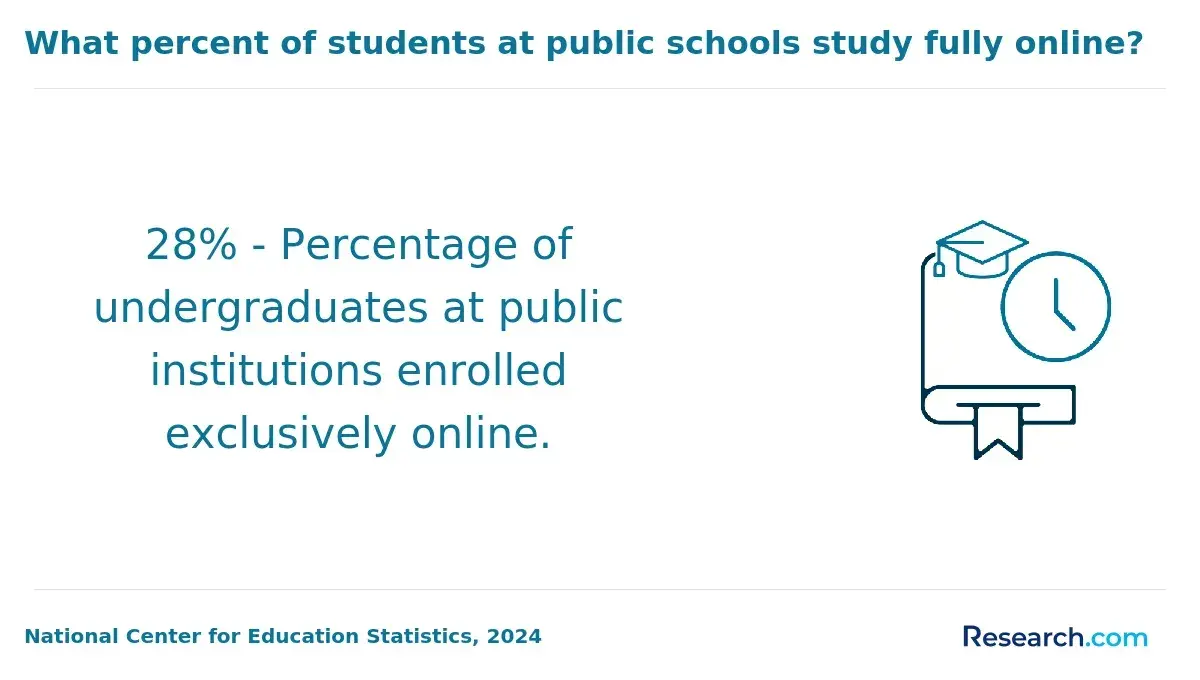
Online and campus-based healthcare administration programs can lead to similar academic credentials when they are offered by accredited institutions and use comparable curricula. The main difference is not the degree title; it is how students access classes, interact with faculty, complete projects, and build professional networks.
Online learning is especially useful for working adults because many programs use asynchronous coursework, evening sessions, compressed terms, or part-time pacing. Campus programs may offer more face-to-face networking, structured schedules, and easier access to local internships. The better choice depends on how much flexibility you need and how you learn best.
| Comparison factor | Online program | Campus-based program | Decision point |
| Schedule | Often asynchronous or hybrid, with greater control over study time | Usually tied to fixed class times and campus attendance | Online is often better for full-time workers or caregivers |
| Networking | May rely on virtual cohorts, discussion boards, webinars, and local professional associations | Often includes in-person events, campus career fairs, and local employer connections | Campus can help students who want a local network quickly |
| Field experience | May allow projects or practicums near the student's location | May have established relationships with nearby healthcare employers | Ask how placements are arranged before enrolling |
| Learning style | Requires self-direction, time management, and comfort with digital platforms | Provides more structured in-person routines | Students who need frequent live support should compare advising access carefully |
| Employer perception | Generally strongest when the school is accredited and the program includes applied projects | Generally strongest when the school has a strong local reputation and employer ties | Accreditation, outcomes, and experience usually matter more than delivery format alone |
Outcomes depend heavily on student engagement. An online student who completes a capstone with a healthcare employer, earns strong references, and builds analytics skills may be more competitive than a campus student who finishes coursework without practical experience. Conversely, a campus program with deep hospital partnerships may be more valuable than a low-support online program with limited career services.
A common mistake is choosing online study only because it sounds convenient. Online programs still require weekly deadlines, group projects, reading-heavy courses, and sometimes synchronous sessions. Before enrolling, ask for a sample course schedule and estimate whether you can realistically protect study time each week.
What accreditation should online healthcare administration degrees have for reputable U.S. programs?
Accreditation is one of the most important quality checks for an online healthcare administration degree. At minimum, the institution should hold recognized institutional accreditation from an accreditor accepted by the U.S. Department of Education or the Council for Higher Education Accreditation. This affects transfer credit, financial aid eligibility, employer recognition, and graduate school options.
Programmatic accreditation can also matter, especially at the graduate level. In healthcare management education, the Commission on Accreditation of Healthcare Management Education is the most recognized specialized accreditor for many master's-level healthcare management and administration programs. Not every reputable bachelor's program has programmatic accreditation, but the absence of institutional accreditation is a major red flag.
Use accreditation as a first screen, not the only screen. A program can be accredited and still be a poor fit if it lacks healthcare-specific coursework, field experience, career support, or transparent outcomes.
| Accreditation or approval type | Why it matters | What to verify |
| Institutional accreditation | Supports federal financial aid eligibility, transferability, and broad academic recognition | Confirm the institution appears in recognized accreditation databases |
| Programmatic healthcare management accreditation | Signals that a graduate program meets field-specific standards for curriculum, faculty, and outcomes | Check whether the specific program, not just the university, is accredited |
| State authorization for online education | Determines whether a school can enroll students in your state | Ask admissions if your state is eligible for enrollment and any field placement requirements |
| Professional alignment | Shows whether coursework reflects current employer expectations | Look for advisory boards, healthcare employer partnerships, and applied learning projects |
Also be careful with programs that overstate accreditation. Phrases such as "nationally recognized," "career approved," or "industry aligned" are not substitutes for recognized accreditation. If you plan to pursue graduate study later, confirm in writing that your credits and degree type are acceptable for your intended next program.
What courses and learning experiences develop healthcare operations and management skills in these programs?
Healthcare operations skills are built through a mix of management theory, healthcare-specific regulation, quantitative analysis, and applied problem-solving. The strongest programs do not simply teach students about hospitals; they ask students to diagnose operational problems and recommend practical solutions.
Many programs include courses that resemble business administration but apply them to healthcare settings. Students may also benefit from project management training because administrators often lead facility upgrades, technology rollouts, quality initiatives, and workflow redesigns. If you want a broader operations credential outside healthcare, comparing a fastest online project management degree can help you understand how project-based training differs from healthcare-specific administration study.
Common coursework usually falls into several skill areas. These areas are important because they map directly to the kinds of problems healthcare managers handle on the job.
- Healthcare finance and reimbursement: Students learn how budgets, insurance payments, revenue cycles, cost controls, and resource allocation affect organizational decisions.
- Healthcare law, ethics, and compliance: Courses cover privacy, fraud and abuse prevention, patient rights, risk management, and regulatory responsibilities.
- Quality improvement and patient safety: Students study performance measures, root-cause analysis, process redesign, and continuous improvement methods.
- Human resources and workforce planning: Programs address staffing, supervision, conflict management, labor shortages, training, and employee retention.
- Health informatics and analytics: Students learn how electronic health records, dashboards, data governance, and reporting support better operational decisions.
- Strategic planning and leadership: Coursework develops decision-making, communication, organizational change, and long-term planning skills.
Applied learning is especially valuable. A capstone, practicum, simulation, case competition, or employer-sponsored project can help students translate concepts into evidence of skill. For example, a student might analyze appointment no-show patterns, redesign a patient intake process, or evaluate staffing costs for a clinic expansion.
AI and automation are also changing what administrators need to understand. Healthcare organizations increasingly use scheduling tools, revenue-cycle automation, predictive staffing models, and analytics dashboards. A modern program should help students ask the right questions about data quality, privacy, bias, workflow impact, and human oversight rather than treating technology as a simple plug-in solution.
What are the typical admission requirements for online healthcare administration degrees?
Admission requirements vary by degree level and school selectivity. Bachelor's programs usually focus on prior academic preparation, while master's programs often review professional experience, undergraduate performance, goals, and leadership potential. Some graduate programs prefer healthcare experience, but many also admit students from business, public service, social science, or clinical backgrounds.
Applicants comparing healthcare leadership options may also look at an online masters healthcare management program, which can overlap with healthcare administration but may place more emphasis on strategy, organizational leadership, or management across healthcare settings.
Before applying, check whether the program is designed for beginners, experienced healthcare workers, or current managers. This affects admissions expectations and the level of professional discussion in class.
| Program level | Common admission requirements | What applicants should watch for |
| Associate degree | High school diploma or GED, placement assessments, basic application materials | Confirm transfer pathways if you plan to complete a bachelor's later |
| Bachelor's degree | High school transcript or transfer credits, minimum GPA, application form, sometimes a personal statement | Ask how many credits can transfer and whether healthcare prerequisites are required |
| Master's degree | Bachelor's degree, transcripts, resume, statement of purpose, recommendations, sometimes work experience | Check whether GRE or GMAT scores are required, optional, or waived |
| Graduate certificate | Bachelor's degree, transcript, professional resume, short goal statement | Ask whether certificate credits can later apply to a master's degree |
To strengthen an application, focus on evidence that you understand healthcare operations or are ready to learn them. Admissions committees often value applicants who can explain why they want to manage healthcare systems, not just why they want a higher salary or a flexible program.
- Request an unofficial transcript review before applying if you have prior college credits.
- Update your resume to highlight scheduling, customer service, budgeting, compliance, data reporting, training, or team leadership experience.
- Use the personal statement to connect your career goal with the program's curriculum, practicum options, or faculty expertise.
- Ask whether the program supports students who are new to healthcare if you are changing fields.
- Confirm technology requirements, required live sessions, and fieldwork expectations before paying an enrollment deposit.
A common red flag is an admissions process that feels too vague. Fast admissions are not automatically bad, but reputable programs should still be clear about prerequisites, transfer policies, tuition, academic expectations, and student support.
How long do online healthcare administration programs take, and what do they cost?
Program length depends on degree level, transfer credits, enrollment intensity, and term structure. An associate degree often takes about two years of full-time study, a bachelor's degree about four years for first-time students, and a master's degree about one to three years depending on whether the student attends full time or part time. Accelerated formats can shorten the calendar, but they usually require heavier weekly workloads.
Cost is harder to compare than sticker tuition because online students may pay technology fees, course materials, proctoring fees, graduation fees, or field placement costs. College Board's 2024 pricing data reported average published tuition and fees of $11,610 for in-state students at public four-year institutions and $43,350 at private nonprofit four-year institutions for 2024-25. Those figures are not online-program prices, but they provide a useful benchmark when judging whether a quoted tuition rate is unusually low, typical, or expensive.
The table below summarizes common time and cost drivers. Use it to compare total investment rather than focusing only on the per-credit rate.
| Factor | How it affects time or cost | What to ask the school |
| Transfer credits | Can shorten time to completion and reduce total tuition | How many credits will be accepted, and will they apply to major requirements? |
| Enrollment pace | Full-time study can finish faster; part-time study can be easier to manage while working | What is the recommended course load for working adults? |
| Tuition model | Per-credit, per-term, and flat-rate tuition can lead to different total costs | What is the estimated total program cost, including fees? |
| Residency status | Public institutions may charge different rates for in-state and out-of-state students | Do online students pay a separate online rate? |
| Field experience | Practicums may add travel, background check, immunization, or placement expenses | Are field placements required, and who arranges them? |
| Books and technology | Digital resources, software, and equipment can add to the budget | Are course materials included in tuition? |
To reduce cost, start with transfer credit and employer benefits. Many healthcare employers offer tuition assistance for employees pursuing relevant degrees, but policies often require minimum grades, approved schools, or a work commitment after reimbursement. Students should also complete the FAFSA if eligible and compare grants, scholarships, loans, and payment plans.
The best value is not always the cheapest program. A slightly higher-cost program may be a better investment if it offers strong transfer credit, healthcare employer connections, responsive advising, and an applied capstone that helps you build a portfolio. On the other hand, paying a premium for a program with limited support or unclear outcomes is risky.
What healthcare operations and administration careers can you pursue with this degree?
A healthcare administration degree can support many nonclinical roles, but the level of responsibility usually depends on your degree, experience, location, and employer. Entry-level graduates may begin in office coordination, patient access, billing operations, or department support. Experienced professionals and graduate degree holders may move into practice management, operations leadership, compliance, or system-wide administration.
This path is different from clinical advanced practice. If your goal is to diagnose and treat patients in mental health settings, for example, a fastest psych NP program would be a clinical nursing route rather than an administration route.
The table below shows common career directions and how they connect to healthcare operations. Job titles vary widely by employer, so use the responsibilities column to match roles to your interests.
| Role | Typical responsibilities | Common preparation | Good fit for |
| Medical office manager | Oversees scheduling, front-office staff, billing workflows, patient communication, and daily practice operations | Associate or bachelor's degree plus office or healthcare experience | Students who enjoy hands-on supervision and patient-facing operations |
| Healthcare operations coordinator | Tracks projects, prepares reports, coordinates departments, monitors service metrics, and supports managers | Bachelor's degree, spreadsheet skills, project coordination experience | Early-career graduates building management experience |
| Practice manager | Manages clinic performance, staffing, budgets, compliance, vendor relationships, and patient experience | Bachelor's degree with healthcare experience; master's preferred by some employers | Professionals who want responsibility for a clinic or specialty practice |
| Quality improvement specialist | Analyzes performance data, supports process improvement, tracks safety initiatives, and documents outcomes | Bachelor's or master's degree with analytics and quality training | Students who like data, process mapping, and measurable improvement |
| Compliance or risk management analyst | Reviews policies, monitors regulatory requirements, supports audits, and helps reduce organizational risk | Bachelor's or master's degree plus compliance knowledge | Detail-oriented students interested in law, ethics, and policy |
| Health services manager | Plans, directs, and coordinates services for a department, facility, program, or healthcare organization | Bachelor's degree for some roles; master's degree common for advancement | Experienced professionals seeking broader leadership responsibility |
Students should also understand role-specific requirements. Nursing home administrators, for example, typically need state licensure, and requirements vary by state. Some compliance, coding, or quality roles may prefer professional certifications, though those requirements depend on the employer and job level.
A smart career strategy is to build experience while studying. Even part-time work in patient access, revenue cycle support, medical records, scheduling, or clinic coordination can help you understand real operational constraints and make your degree more marketable.
What salary ranges and earning potential are common in healthcare administration roles?
Salary potential in healthcare administration varies significantly by role, education, experience, setting, and geography. The clearest national benchmark is the BLS medical and health services managers category, which reported a median annual wage of $110,680 in data updated in 2024. This is a useful midpoint for management roles, not a guaranteed outcome for new graduates.
Entry-level administrative roles may pay substantially less than the BLS management median, especially when they involve coordination rather than department leadership. Higher earnings are more common in roles with budget authority, staff supervision, multi-site responsibility, specialized compliance knowledge, or advanced analytics requirements.
The table below provides a practical way to think about earning potential by career stage rather than treating one salary figure as universal.
| Career stage | Common role types | Salary context | What can improve earning potential |
| Entry level | Patient services coordinator, medical office assistant, administrative coordinator | Often below healthcare manager median because responsibility is narrower | Healthcare experience, billing knowledge, EHR familiarity, customer service strength |
| Early management | Clinic supervisor, operations coordinator, department lead | Can rise as staff supervision and workflow accountability increase | Bachelor's degree, reporting skills, project experience, measurable process improvements |
| Mid-level management | Practice manager, quality specialist, compliance analyst, service line coordinator | Often closer to professional management ranges, depending on employer size | Master's coursework, certifications, budget experience, data analytics |
| Senior leadership | Operations director, health services manager, administrator, executive leader | More likely to exceed median benchmarks when responsibility spans departments or facilities | Graduate degree, strategic leadership record, financial accountability, strong employer network |
When evaluating return on investment, compare expected salary movement with total program cost and time away from other priorities. Be cautious of schools that advertise high salaries without explaining whether those figures reflect experienced managers, local labor markets, or graduates in specific roles.
What is the job outlook and demand for healthcare administrators and operations managers?
The job outlook for healthcare administrators is strong because healthcare organizations must manage growing service demand, complex regulations, workforce constraints, technology adoption, and cost pressure. BLS data updated in 2024 projects 29% employment growth for medical and health services managers from 2023 to 2033, which indicates much faster growth than the average for all occupations.
For students, this outlook suggests that healthcare operations skills are likely to remain relevant across multiple settings. However, strong demand does not mean every graduate will enter management immediately. Employers often look for a combination of education, healthcare experience, communication skills, and proof that candidates can improve processes in real settings.
Several trends are shaping demand for administrators and operations managers. Understanding these trends can help you choose electives, internships, and projects more strategically.
- Aging population and chronic care demand: More services are needed across hospitals, outpatient clinics, home health, long-term care, and care coordination programs.
- Shift toward outpatient and value-based care: Managers need to improve quality, reduce avoidable costs, and coordinate care beyond traditional hospital walls.
- Workforce shortages: Administrators must manage staffing models, retention, scheduling, burnout prevention, and cross-training.
- Digital health and analytics: Employers increasingly need leaders who can interpret dashboards, manage technology projects, and protect patient data.
- Regulatory and payer complexity: Compliance, documentation, reimbursement, and reporting requirements create ongoing need for skilled operational oversight.
The best preparation is to pair the degree with evidence of applied skill. A student who can discuss a quality improvement project, budget analysis, staffing redesign, or data dashboard will usually have a stronger story than someone who can only list completed courses.
How can you choose the best online healthcare administration program for your goals?
The best online healthcare administration program is the one that matches your career target, schedule, budget, experience level, and need for support. Rankings can be a useful starting point, but they should not replace your own fit analysis. A program that is excellent for experienced hospital supervisors may be too advanced for a career changer, while a beginner-friendly program may not offer enough depth for someone seeking executive advancement.
Start by defining the role you want after graduation. If you want to supervise a medical office, a bachelor's degree with practice management and revenue cycle coursework may be enough. If you want system-level leadership, a master's degree with strategy, finance, analytics, and a capstone may be more appropriate. If you already hold a graduate degree, a certificate may be a more efficient way to add healthcare-specific knowledge.
Use a structured review process before committing to a program. These steps help you avoid common mistakes that can increase cost or limit career options.
- Verify institutional accreditation and, for graduate programs, check whether relevant programmatic accreditation is available or important for your goals.
- Compare total program cost, not just tuition per credit, including fees, books, technology, travel, and fieldwork expenses.
- Ask for a degree plan showing how transfer credits will apply before you enroll.
- Review the curriculum for healthcare finance, law, quality improvement, analytics, human resources, and applied operations projects.
- Confirm whether the program offers career services for online students, including resume support, interview preparation, employer events, and alumni networking.
- Ask how practicums, capstones, or projects are arranged for students outside the school's local area.
- Check whether faculty have healthcare leadership, policy, finance, informatics, or operations experience.
- Compare pacing options and withdrawal policies in case work or family obligations change.
There are also situations where a different path may be smarter. If you want to become a licensed clinician, choose a clinical degree. If you want to work in data-heavy roles, compare health informatics or analytics programs. If you want general business leadership outside healthcare, an MBA or project management program may provide broader flexibility.
Before making a final decision, ask admissions advisors specific questions and request written answers when possible. Important questions include: What is the total estimated cost? How many credits will transfer? What support is available after business hours? What employers have hosted student projects? What career outcomes are tracked? What happens if I need to slow down or stop out temporarily?
A strong program should make these answers easy to find. If a school pressures you to enroll quickly, avoids accreditation questions, cannot explain fieldwork expectations, or advertises salary outcomes as if they are guaranteed, treat that as a warning sign.
Other Things You Should Know About Healthcare Administration
Yes, certifications can be a significant asset after earning a degree in healthcare administration in 2027. Credentials like the Certified Healthcare Administrative Professional (CHAP) or Fellow of the American College of Healthcare Executives (FACHE) can enhance professional credibility and open up advanced career opportunities by demonstrating specialized knowledge and commitment to the field.
Clinical experience is helpful but not always required. Many administrators come from business, public administration, finance, human resources, or customer service backgrounds. However, understanding clinical workflows can make you more effective and credible.
No. Healthcare administration focuses on managing healthcare organizations and services, while public health focuses more on population health, prevention, epidemiology, policy, and community-level interventions. Some careers overlap, especially in government, nonprofit, and population health programs.
References
- What You’ll Learn in a Healthcare Management Program – Allen School https://www.allenschool.edu/what-youll-learn-in-a-healthcare-management-program/
- Online MHA Programs Ranked by Affordability (2025) https://www.mhaonline.com/blog/affordable-online-mha-programs-ranked
- Online Health Administration Degree Program | University of Phoenix https://www.phoenix.edu/online-healthcare-degrees/health-administration-bachelors-degree.html
- Healthcare administration vs. healthcare management | edX https://www.edx.org/resources/healthcare-administration-vs-healthcare-management
- Operations Management in Healthcare Course in Dubai | NST-Dubai https://noveltyskillstraining.com/programs/advanced-healthcare-training/
- Online vs Hybrid vs Campus Learning in Healthcare: Which Is Right for You? https://www.edumed.org/articles/online-vs-hybrid-vs-campus/
- Online Healthcare Administration Bachelor Degree | Indiana Wesleyan University https://www.indwes.edu/program/bs-healthcare-administration/
- Five Healthcare Management Careers With an Excellent Job Outlook - Healthcare Management Degree Guide https://www.healthcare-management-degree.net/list-articles/five-healthcare-management-careers-with-an-excellent-job-outlook/
- Healthcare Administration Schools - Healthcare Administration Degree Programs https://www.healthcare-administration-degree.net/schools/
- Top Skills You’ll Learn in a Healthcare Management Course - Oxford Training Centre https://oxfordcentre.uk/resources/healthcare-management/top-skills-youll-learn-in-a-healthcare-management-course/