2027 Online Healthcare Administration Degrees With Real-World Applied Healthcare Projects

Co-Founder and Chief Data Scientist
Choosing an online healthcare administration degree is really a question of career fit, cost, credibility, and practical experience. The field is expanding quickly: the U.S. Bureau of Labor Statistics projects medical and health services manager employment to grow 29% from 2023 to 2033, much faster than average.
This guide is for working adults, transfer students, career changers, and healthcare employees who want a flexible degree with real applied projects. You will learn how programs compare, what they cost, which credentials matter, and how to choose a degree that supports your goals.
Key Things You Should Know
- Online healthcare administration degrees can lead to supervisory, operations, compliance, finance, and practice management roles, but advancement depends heavily on experience, accreditation, employer needs, and the level of degree completed.
- Applied healthcare projects matter because they let students practice budgeting, quality improvement, workflow redesign, data analysis, policy interpretation, and patient-experience problem solving before entering management roles.
- The strongest labor-market signal is for medical and health services managers: BLS data published in 2024 reports a $117,960 median annual wage and 29% projected employment growth from 2023 to 2033.
What is an online healthcare administration degree with real-world applied healthcare projects?
An online healthcare administration degree is a business-focused healthcare program that prepares students to manage people, budgets, operations, quality standards, compliance processes, and patient-service systems in healthcare settings. Unlike clinical degrees, it usually does not train students to diagnose or treat patients. Instead, it focuses on how hospitals, clinics, long-term care facilities, insurers, public health agencies, and healthcare technology organizations operate.
The phrase "real-world applied healthcare projects" refers to assignments that mirror workplace problems. These may include building a staffing plan for a clinic, analyzing patient wait-time data, creating a compliance checklist, designing a revenue-cycle improvement plan, or presenting a quality improvement proposal. The best projects are not just essays about healthcare; they require students to use data, make trade-offs, document decisions, and communicate recommendations to a nonacademic audience.
This type of degree is usually a good fit for people who want management or operations roles in healthcare but do not necessarily want a clinical license. It can also work well for nurses, medical assistants, billing specialists, military healthcare personnel, and office managers who already understand patient-care environments and want to move into leadership.
It may be a weaker fit if your goal is direct patient care, licensure as a nurse or therapist, medical school prerequisites, or highly quantitative health economics research. In those cases, a clinical, public health, data analytics, finance, or health informatics pathway may be more aligned with your target role.
How do online healthcare administration programs compare to campus-based options?
Online and campus-based healthcare administration degrees often cover similar academic content, especially when offered by the same accredited institution. The main differences are usually format, schedule flexibility, access to local networking, and how applied learning is delivered.
The table below compares common decision factors. Use it to identify which format better fits your work schedule, learning style, and need for local healthcare connections.
| Factor | Online healthcare administration degree | Campus-based healthcare administration degree | Best fit |
| Schedule | Often asynchronous or evening-friendly, with weekly deadlines | Usually fixed class meeting times | Online works well for working adults and caregivers |
| Applied projects | Often completed through simulations, local employer projects, case studies, or capstones | May include local site visits, campus labs, or regional partnerships | Either can be strong if projects are specific and evaluated by faculty with healthcare experience |
| Networking | Requires more intentional outreach through virtual events, alumni networks, and local internships | May offer easier face-to-face access to faculty, classmates, and nearby employers | Campus can help students who need structured networking |
| Cost control | May reduce commuting, relocation, and lost work time | May add transportation, parking, or housing costs | Online can be more practical when staying employed matters |
| Learning style | Requires self-management, written communication, and comfort with digital tools | Provides more in-person structure and immediate classroom interaction | Campus may suit students who need frequent live support |
Online programs are not automatically easier. In many programs, students must participate in discussions, complete team projects, submit recorded presentations, and meet capstone milestones. The trade-off is flexibility: you may have fewer commute barriers, but you need stronger time management.
Campus-based programs may be better if you are early in your career and want routine face-to-face contact with faculty, classmates, and local healthcare employers. Online programs may be better if you are already employed, need to keep earning income, or want to apply coursework directly to a current healthcare workplace.
What types of accredited healthcare administration degrees are available online?
Online healthcare administration programs are available at several levels, from associate degrees to doctorates. The right level depends on your current education, work experience, target role, and how quickly you want to move into management.
The table below summarizes common online degree options and the situations where each tends to make the most sense.
| Degree level | Typical purpose | Common applicant profile | Career direction |
| Associate degree | Introduces healthcare systems, medical terminology, billing, supervision, and office operations | New college students or healthcare support workers | Medical office support, patient services, billing coordination, entry-level administrative roles |
| Bachelor's degree | Builds broad management, finance, HR, quality, ethics, and healthcare policy skills | Transfer students, working adults, and aspiring department supervisors | Clinic operations, practice management, healthcare project coordination, administrative supervision |
| Master's degree | Develops advanced leadership, strategy, analytics, finance, and organizational management skills | Professionals with a bachelor's degree and some work experience | Department management, service-line leadership, healthcare consulting, operations leadership |
| Doctoral degree | Focuses on executive leadership, applied research, policy, or organizational change | Experienced leaders seeking senior leadership, teaching, or consulting roles | Executive administration, policy leadership, senior consulting, academic or applied research roles |
| Graduate certificate | Adds targeted knowledge without completing a full degree | Professionals who already hold a degree | Compliance, health informatics, quality improvement, long-term care administration, or leadership specialization |
A bachelor's degree is often the broadest entry point for students who want a management-oriented healthcare credential without going directly to graduate school. If you are comparing options, a healthcare administration bachelor's degree online may be especially relevant if you have transfer credits and want a faster route to completion.
Students who are unsure whether they want healthcare-specific management should compare healthcare administration with broader business degrees. A general business degree can offer more industry flexibility, while a healthcare administration degree gives more exposure to healthcare policy, reimbursement, compliance, and patient-service operations.
What courses and hands-on healthcare projects are included in these programs?
Most online healthcare administration degrees combine business fundamentals with healthcare-specific systems knowledge. Applied projects are especially important because employers often look for evidence that candidates can solve operational problems, not just understand terminology.
The table below connects common courses with the kinds of applied projects students may complete. This helps you evaluate whether a curriculum builds practical workplace skills.
| Course area | What students learn | Example applied healthcare project |
| Healthcare systems and policy | How U.S. healthcare organizations, payers, regulators, and delivery models interact | Compare how a policy change affects a hospital, clinic, and long-term care provider |
| Healthcare finance | Budgeting, reimbursement, revenue cycle, cost control, and financial reporting | Create a department budget or analyze a revenue-cycle bottleneck |
| Quality improvement and patient safety | Performance measures, root-cause analysis, safety culture, and process improvement | Design a quality improvement plan to reduce patient wait times or readmission risk |
| Health information systems | Electronic health records, data governance, privacy, and reporting tools | Build a dashboard concept for tracking access, satisfaction, or operational performance |
| Human resources in healthcare | Staffing, labor laws, workforce planning, training, and conflict management | Develop a staffing plan for a growing clinic or service line |
| Healthcare law and ethics | Compliance, privacy, informed consent, fraud prevention, and ethical decision-making | Draft a compliance response to a privacy or documentation scenario |
| Strategic planning | Market analysis, service expansion, organizational goals, and leadership communication | Present a business case for a new outpatient service or telehealth workflow |
Strong applied learning should be visible in the curriculum, not hidden behind vague language. Before enrolling, look for assignments that require students to produce workplace-style deliverables.
Useful applied learning features may include the following:
- Capstone projects based on a healthcare operations, quality, compliance, or finance problem
- Case studies using realistic data from hospitals, clinics, insurers, or public health agencies
- Team-based projects that simulate cross-functional healthcare leadership meetings
- Recorded presentations where students defend recommendations to a management audience
- Optional internships, practicums, employer-sponsored projects, or local field experiences
Project management is also becoming more valuable in healthcare administration because clinics and health systems frequently implement new software, workflows, quality initiatives, and regulatory processes. Students who want to specialize in implementation work may also compare healthcare administration with the best online accelerated project management degree options, especially if they want to manage projects across industries rather than only in healthcare.
What are the typical admissions requirements for online healthcare administration degrees?
Admissions requirements vary by school and degree level, but most online healthcare administration programs evaluate academic readiness, prior credits, work experience, and fit with the program. Selective graduate programs may also look for leadership potential or healthcare experience.
The table below gives a practical overview of common requirements. Always confirm details with the specific school because GPA minimums, transfer rules, and test policies can change.
| Program level | Common admissions requirements | What applicants should prepare |
| Associate degree | High school diploma or GED, placement requirements, basic application | High school transcript, prior college records if any, financial aid documents |
| Bachelor's degree | High school diploma or transfer credits, transcripts, minimum GPA, possible personal statement | Official transcripts, transfer-credit review, resume if healthcare experience is relevant |
| Master's degree | Accredited bachelor's degree, transcripts, resume, statement of purpose, references, possible minimum GPA | Examples of leadership, healthcare experience, analytical skills, and career goals |
| Doctoral degree | Master's degree or strong graduate record, leadership experience, writing sample or research interest, references | Professional accomplishments, applied research interests, and evidence of executive-level readiness |
| Certificate | Prior college degree or current enrollment, depending on level | Proof that the certificate aligns with a job function or specialization |
Transfer credit can make a major difference for adult learners. If you have prior college coursework, military training, professional certifications, or healthcare employer training, ask whether the school evaluates it for credit. A generous transfer policy can reduce both time and cost, but only if the remaining courses still match your career goal.
Applicants should avoid three common mistakes before submitting applications:
- Applying before checking whether prior credits will transfer into major requirements, not just electives
- Choosing a program based only on speed without checking academic support, graduation expectations, or applied project quality
- Assuming healthcare work experience replaces degree requirements when the school clearly requires specific coursework or credentials
If you are comparing healthcare administration with broader management options, an online BA business administration may be worth reviewing because it can support management roles outside healthcare as well. The better choice depends on whether you want healthcare-specific knowledge or maximum industry flexibility.
How long do online healthcare administration programs take, and what do they cost?
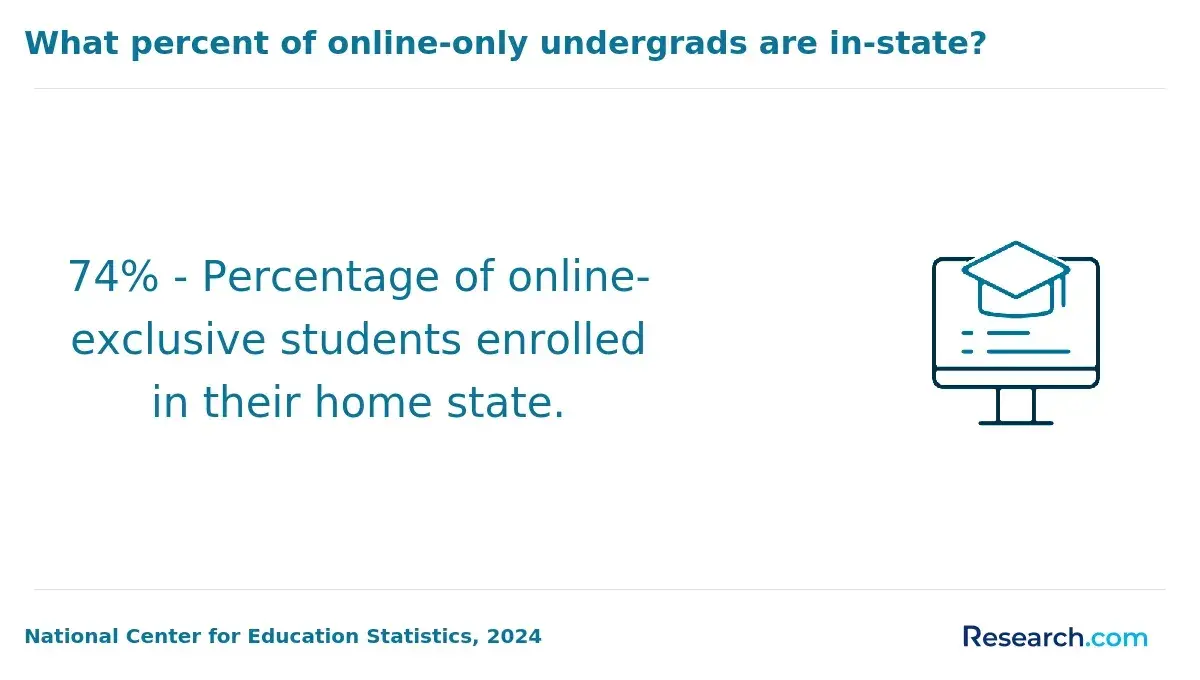
Program length depends on degree level, transfer credits, enrollment intensity, and whether courses are offered in standard semesters or accelerated terms. Cost depends on tuition, fees, books, technology requirements, residency rules, and how many credits you must complete after transfer review.
College Board data published in 2024 reported average published tuition and fees of $11,610 for in-state students at public four-year institutions and $43,350 at private nonprofit four-year institutions for the 2024-2025 academic year. Those figures are not specific to healthcare administration or online programs, but they show why comparing total program cost matters more than looking at one course price.
The table below summarizes typical timelines. Actual completion time can be shorter or longer depending on your transfer credits and course load.
| Program type | Typical full-time timeline | Typical part-time timeline | Cost factors to compare |
| Associate degree | About 2 years | About 2.5 to 4 years | Community college tuition, online fees, books, transferability to bachelor's programs |
| Bachelor's degree | About 4 years from first enrollment | About 4 to 6 years | Transfer credits, upper-division tuition, residency requirements, technology fees |
| Bachelor's completion program | About 1 to 2 years after transfer credits | About 2 to 3 years | Accepted credits, remaining major courses, pace of accelerated terms |
| Master's degree | About 1.5 to 2 years | About 2 to 4 years | Per-credit graduate tuition, capstone or practicum fees, employer tuition assistance |
| Doctoral degree | About 3 to 5 years | Often 4 or more years | Dissertation or applied doctoral project fees, residency requirements, continuation fees |
When schools publish prices, compare the full cost of attendance instead of only tuition. Online students may avoid commuting and housing costs, but they may still pay technology, graduation, assessment, proctoring, or course-material fees.
Common cost items to request from admissions or financial aid include:
- Tuition per credit and the number of credits required after transfer evaluation
- Mandatory online, technology, student service, graduation, and course-specific fees
- Books, software, exam proctoring, background checks, or field experience costs
- Scholarships, grants, employer tuition assistance, military benefits, and payment plans
- Whether tuition changes for out-of-state online students
Fast programs can be worthwhile when you already have credits and a clear goal. They can be risky if the pace leaves little time for applied projects, faculty feedback, or career preparation. A cheaper program can also become expensive if credits do not transfer, courses are unavailable when needed, or the degree lacks recognized accreditation.
How do accreditation and institutional quality affect healthcare administration career outcomes?
Accreditation matters because it signals that a school or program has been reviewed against recognized quality standards. It can affect transfer credit, graduate school eligibility, employer tuition reimbursement, federal financial aid, and professional credibility. For most students, the first step is confirming that the institution is accredited by an agency recognized by the U.S. Department of Education or the Council for Higher Education Accreditation.
Programmatic accreditation can also matter, especially for graduate healthcare management programs. Some master's programs seek accreditation from healthcare management education accreditors, while business-oriented programs may hold business accreditation. Not every good program has the same specialized accreditation, but the school should be transparent about its status and outcomes.
Institutional quality is broader than accreditation. A reputable online healthcare administration program should have qualified faculty, responsive advising, clear transfer policies, meaningful applied projects, career support, and transparent student outcomes. Accreditation is a starting point, not a complete guarantee of career value.
Before enrolling, verify quality using a practical checklist:
- Confirm institutional accreditation through an official accreditation database, not only the school's marketing page
- Ask whether the healthcare administration program has specialized accreditation or industry-aligned curriculum review
- Review faculty backgrounds for healthcare leadership, finance, policy, quality improvement, compliance, or operations experience
- Request examples of capstone projects, practicum options, employer partnerships, or healthcare case assignments
- Compare graduation support, career services, alumni outcomes, and internship guidance for online students specifically
- Read the catalog for transfer limits, academic progression rules, course availability, and withdrawal policies
Be cautious of schools that pressure you to enroll immediately, refuse to provide total cost estimates, make salary promises, or use unclear accreditation language. A legitimate program should be able to explain exactly who accredits the institution, what the curriculum includes, and how online students receive support.
What healthcare administration careers can you pursue with these online degrees?
Healthcare administration careers vary by degree level, prior experience, employer type, and local labor market. Many graduates begin in coordinator or supervisor roles and move into management after proving they can handle budgets, teams, compliance requirements, and operational performance.
The table below connects common roles with typical responsibilities and education levels. It is not a guarantee of eligibility, because employers may require healthcare experience, specific software skills, or a graduate degree for advanced roles.
| Role | Typical responsibilities | Common education path |
| Medical office manager | Supervise front-office staff, scheduling, billing coordination, patient communication, and office workflow | Associate or bachelor's degree plus healthcare office experience |
| Healthcare administrator | Coordinate operations, staffing, budgets, compliance tasks, and service delivery in a department or facility | Bachelor's degree for some roles; master's degree often preferred for larger organizations |
| Practice manager | Manage physician practice operations, revenue cycle, staffing, patient access, and vendor relationships | Bachelor's degree plus experience in ambulatory care or medical group operations |
| Patient services manager | Improve patient access, communication, satisfaction, complaint resolution, and service processes | Bachelor's degree with customer service, healthcare, or operations experience |
| Quality improvement coordinator | Track performance measures, support audits, analyze workflow problems, and document improvement plans | Bachelor's degree with coursework in quality, data, or healthcare systems |
| Compliance coordinator | Support privacy, documentation, billing compliance, policy training, and internal monitoring | Bachelor's degree with healthcare law, ethics, or compliance coursework |
| Health information or operations analyst | Use operational data to support reporting, workflow improvement, and management decisions | Bachelor's degree plus data, EHR, spreadsheet, or reporting skills |
| Department or service-line manager | Oversee staff, budgets, performance, strategic goals, and cross-functional projects | Bachelor's degree with substantial experience or a master's degree |
Healthcare administration is not limited to hospitals. Employers may include outpatient clinics, physician groups, behavioral health organizations, rehabilitation facilities, long-term care organizations, insurance companies, telehealth providers, government agencies, nonprofit health organizations, and healthcare technology firms.
Students who want maximum mobility should build skills that transfer across healthcare settings. These include budgeting, workforce planning, data interpretation, compliance communication, process improvement, project coordination, and stakeholder management.
What is the salary potential and job outlook for healthcare administration roles?
Salary potential in healthcare administration varies widely by role, degree level, region, employer size, and experience. The most commonly cited national benchmark is the medical and health services manager category, which includes many leadership roles in healthcare delivery organizations.
According to U.S. Bureau of Labor Statistics data published in 2024, medical and health services managers had a median annual wage of $117,960. The same occupational outlook projects 29% employment growth from 2023 to 2033, which reflects continued demand for healthcare services, aging populations, and increasingly complex healthcare operations.
The table below places common healthcare administration roles into a practical career ladder. Use it to think about progression rather than treating one salary number as a guaranteed outcome.
| Career stage | Example roles | Typical value employers look for | Degree relevance |
| Entry-level administrative support | Patient access representative, billing assistant, medical office coordinator | Reliability, customer service, medical terminology, scheduling, documentation accuracy | Associate degree or early bachelor's coursework may help |
| Coordinator or specialist | Quality coordinator, compliance assistant, operations coordinator, referral coordinator | Workflow knowledge, reporting skills, policy awareness, problem solving | Bachelor's degree often strengthens competitiveness |
| Supervisor or office manager | Front-office supervisor, practice supervisor, patient services manager | Staff supervision, process improvement, conflict resolution, basic budgeting | Bachelor's degree plus experience is commonly useful |
| Department manager | Clinic manager, department administrator, service-line operations manager | Budget ownership, performance improvement, regulatory awareness, leadership communication | Bachelor's or master's degree may be expected depending on employer |
| Senior leadership | Director, administrator, executive operations leader | Strategic planning, financial accountability, organizational change, cross-functional leadership | Master's degree and significant experience are often preferred |
Technology is changing the skill mix for healthcare administrators. Employers increasingly need leaders who can work with electronic health record data, telehealth workflows, cybersecurity expectations, AI-supported scheduling or documentation tools, and analytics dashboards. This does not mean every administrator must become a programmer, but it does mean digital fluency is becoming part of healthcare leadership.
To improve career value while enrolled, students should document applied projects in a professional portfolio. A short portfolio can include a budget model, quality improvement plan, compliance memo, workflow map, dashboard mockup, or capstone presentation. These artifacts help translate coursework into evidence of job-ready skills.
How can you choose a reputable online healthcare administration program with strong applied learning?
The best program is not always the fastest, cheapest, or highest ranked. A reputable online healthcare administration degree should fit your career goal, accept your legitimate transfer credits, provide strong academic support, and require applied work that resembles real healthcare management tasks.
Use the following steps to compare programs before you enroll:
- Start with your target role, then work backward to the degree level and specialization employers commonly request
- Verify institutional accreditation through an official database and ask whether any specialized accreditation applies
- Request a written transfer-credit evaluation before committing, especially if you have prior college credits
- Ask for examples of capstone projects, simulations, practicums, internships, or employer-connected assignments
- Compare total program cost, not just tuition per credit, including fees, books, software, and remaining credits
- Review online student support, including advising, tutoring, library access, career services, and technical help
- Ask how the program teaches current topics such as telehealth operations, data privacy, AI tools, quality metrics, and value-based care
- Check whether faculty have practical healthcare leadership, compliance, finance, analytics, or operations experience
- Look for flexible pacing, but avoid programs that sacrifice meaningful feedback or applied learning for speed
- Speak with admissions, financial aid, and academic advising before making a final decision
Also compare healthcare administration with other management fields if you are not fully committed to healthcare. For example, a construction management degree online is a better fit for students who want to manage budgets, teams, compliance, and timelines in the built environment rather than healthcare settings. The right degree should match the industry where you want your management skills to grow.
Red flags include unclear accreditation claims, limited faculty information, no examples of applied projects, vague career outcomes, high-pressure enrollment tactics, and unwillingness to provide a full cost estimate. If a school cannot explain how online students practice healthcare management skills, keep comparing options.
A strong final shortlist should include programs that meet three tests: the credential is recognized, the curriculum is practical, and the cost is reasonable for your expected career path. If one of those is missing, the degree may still be legitimate, but it may not be the smartest investment for your goals.
Other Things You Should Know About Healthcare Administration
Most healthcare administration roles do not require a general administrator license, but some settings are different. Nursing home administrators, for example, typically must meet state licensing requirements. Always check the rules for your state and target facility type.
No. Healthcare administration focuses on managing organizations, people, budgets, compliance, and operations. Health informatics focuses more on health data, information systems, reporting, and technology-supported decision-making. Some programs overlap, but they lead to different skill profiles.
Yes, but clinical or healthcare office experience can help you understand workflows, terminology, patient needs, and regulatory pressures. If you lack healthcare experience, look for internships, volunteer roles, entry-level administrative jobs, or applied projects with healthcare organizations.
In 2027, real-world applied healthcare projects in online healthcare administration degrees provide students with practical experience, bridging theoretical knowledge with industry application. These projects enhance critical thinking and problem-solving skills, preparing graduates to adeptly manage complex challenges in modern healthcare settings.
References
- Online MHA Program | Brookline's Accelerated MHA Program https://www.brooklinecollege.edu/programs/healthcare/master-of-healthcare-administration/
- Online vs Hybrid vs Campus Learning in Healthcare: Which Is Right for You? https://www.edumed.org/articles/online-vs-hybrid-vs-campus/
- Top 20 Online Master's in Healthcare Administration and Healthcare Management - Healthcare Management Degree Guide https://www.healthcare-management-degree.net/best/online-masters-programs-healthcare-administration-healthcare-management/
- Bachelors in Healthcare Administration: Roles and Outlook https://aicef-chirurgiaplasticafacciale.it/bachelors-in-healthcare-administration-roles-and-outlook
- Online Healthcare & Medical Certification Training Programs https://medcerts.com/programs/healthcare/
- How Do You Compare MHA Programs Online? - ThoughtLab https://thoughtlab.lynchburg.edu/college-search/mha-programs-online-what-to-look-for-when-choosing-the-right-healthcare-administration-degree/
- The Power of Accreditation in Healthcare Education https://esl.aquinasnetwork.com/blog/the-power-of-accreditation-in-healthcare-education/
- Best Colleges for Online MHA Programs in 2025 https://www.onlinemastersdegrees.org/best-programs/healthcare-administration-mha/
- The Impact of Accreditation on Level of Healthcare Quality and the Most Efficient Ways to Achieve Accreditation https://aaa-accreditation.org/the-impact-of-accreditation-on-level-of-healthcare-quality-and-the-most-efficient-ways-to-achieve-accreditation/