2027 Best Online Bachelor's in Healthcare Administration for Adults Over 40

Co-Founder and Chief Data Scientist
Returning to college after 40 is often a practical career decision, not just a personal milestone. Healthcare employers need managers who understand operations, compliance, finance, and patient-centered systems; the U.S. Bureau of Labor Statistics projects medical and health services manager employment to grow 29% through 2033.
This guide is for working adults comparing online bachelor's programs in healthcare administration. You'll learn how accreditation, transfer credits, cost, online format, career outcomes, and licensure rules affect your decision before you enroll.
Key Things You Should Know
- An online bachelor's in healthcare administration usually requires about 120 credits, but adults over 40 may shorten the timeline with transfer credits, prior learning assessment, military training, or healthcare work experience.
- Institutional accreditation is essential for federal financial aid, credit transfer, employer recognition, and graduate school; bachelor's programs usually do not require CAHME accreditation, which primarily applies to graduate healthcare management programs.
- The BLS reported a May 2024 median annual wage of $117,960 for medical and health services managers, but entry-level administrative roles can pay less, and outcomes vary by region, employer, experience, and specialization.
What is an online bachelor's in healthcare administration?
An online bachelor's in healthcare administration is an undergraduate degree that prepares students to help manage healthcare organizations rather than provide direct clinical care. The curriculum usually blends business, public health, healthcare law, finance, data systems, ethics, human resources, quality improvement, and organizational leadership.
For adults over 40, the degree often makes the most sense when it connects past experience to a clearer advancement path. A medical assistant, billing specialist, office coordinator, military medic, caregiver, or department supervisor may use the degree to move toward practice management, compliance, patient services leadership, health information operations, or administrative analyst roles.
This degree is different from a general business degree because it focuses on healthcare-specific rules, reimbursement systems, privacy laws, patient safety, and regulated operations. If you want broader management training outside healthcare, an online administration degree may offer more flexibility across industries.
The table below summarizes common degree paths so you can match the credential to your goal instead of choosing based only on title or convenience.
| Program type | Best fit | Common trade-off |
| Bachelor's in Healthcare Administration | Adults seeking management, operations, compliance, or administrative roles in healthcare settings | Less clinical depth than nursing or allied health degrees |
| Bachelor's in Health Services Management | Students interested in department-level supervision, service coordination, or healthcare operations | Program names vary, so course content matters more than the label |
| Bachelor's in Public Health | Students drawn to community health, prevention programs, health education, or population health | May be less focused on facility management and revenue cycle operations |
| Bachelor's in Business Administration with Healthcare Concentration | Students wanting business mobility with some healthcare specialization | May include fewer healthcare-specific courses than a dedicated healthcare administration major |
A good program should help you build decision-making skills, not just memorize terminology. Look for coursework that asks students to analyze budgets, interpret healthcare data, write policy recommendations, evaluate quality metrics, and solve staffing or patient access problems.
Is an online healthcare administration degree accredited?
Yes, many online healthcare administration degrees are accredited, but you need to check the right type of accreditation. For a bachelor's degree, the most important requirement is institutional accreditation from an accreditor recognized by the U.S. Department of Education or the Council for Higher Education Accreditation. This affects federal financial aid eligibility, transferability, employer confidence, and graduate school options.
Programmatic accreditation works differently in healthcare administration. CAHME is widely recognized in healthcare management education, but it primarily accredits graduate programs. At the bachelor's level, some programs may be associated with AUPHA or meet other quality standards, but institutional accreditation is the baseline you should not compromise on.
Before applying, use this checklist to avoid one of the most expensive mistakes adult learners make: enrolling in a program whose credits or degree may not be accepted where they need them.
- Confirm the school's institutional accreditation through the school's accreditation page and a recognized accreditor database.
- Ask whether the exact online program is offered by the accredited institution, not by an unrelated third-party training provider.
- Verify that transfer credits from your previous colleges will be evaluated before you commit whenever possible.
- Ask whether graduates are eligible for the graduate programs, employer tuition benefits, or certifications you may want later.
- Be cautious if a school pressures you to enroll immediately, avoids direct accreditation questions, or promises guaranteed jobs or salaries.
Accreditation is not a ranking. A school can be accredited and still be a poor fit if it has weak advising, limited transfer acceptance, high fees, or little career support. Use accreditation as the first screen, then compare curriculum, cost, schedule, and outcomes.
What are the admission requirements for adults over 40?
Admission requirements for adults over 40 are usually similar to those for other bachelor's students, but many online programs are designed with transfer students and working professionals in mind. Requirements vary by school, but applicants typically need a high school diploma or equivalent and official transcripts from any colleges previously attended.
The table below shows common requirements and why each one matters for an adult applicant who may have been out of school for years.
| Requirement | What schools may ask for | Why it matters for adults over 40 |
| Prior transcripts | High school, GED, community college, military, or previous university records | These determine transfer credits and whether you can skip general education courses |
| Minimum GPA | A stated GPA threshold or conditional admission option | Older academic records may be reviewed alongside work history or recent coursework |
| Application essay or statement | Career goals, motivation, or explanation of prior academic gaps | This can help you connect healthcare experience to your degree plan |
| Resume | Work, military, volunteer, supervisory, or healthcare experience | Some schools use this for prior learning assessment or advising |
| Placement or readiness checks | Math, writing, or technology readiness review | This helps identify whether you need refresher support before taking upper-level courses |
Standardized tests are often not required for adult-focused online bachelor's programs, especially for transfer students. If you have been away from college for a long time, the bigger issue is usually not admission itself but how many credits will transfer and whether the schedule is realistic.
Before choosing a school, ask admissions and advising staff specific questions that affect time and cost.
- How many of my prior credits will apply to the healthcare administration major, not just to elective credit?
- Do you award credit for military training, professional certifications, employer training, or portfolio-based prior learning?
- Can I start with one course to test the workload before committing full time?
- Are courses asynchronous, or do I need to attend live sessions at fixed times?
- What happens if I need to stop out for a term because of work, caregiving, or health obligations?
A common mistake is assuming that being admitted means you are close to graduating. Always request a written or official degree plan that shows remaining credits, estimated completion time, and total cost.
Can you earn a healthcare administration degree fully online?
Yes, many healthcare administration bachelor's degrees can be completed fully online. Because healthcare administration is not a hands-on clinical major, programs can usually deliver lectures, discussions, projects, exams, and advising through a learning management system. Some programs include a capstone, practicum, internship, or applied project, but these are often completed remotely, at a local site, or through a workplace-based project.
The real question is not whether a program is online, but what kind of online learning it uses. Adults over 40 often balance work, caregiving, commuting, and health responsibilities, so format details can make or break completion.
The comparison below can help you decide whether fully online, hybrid, or campus-based study fits your life and learning preferences.
| Format | Best fit | Potential drawback |
| Fully online asynchronous | Students who need maximum schedule flexibility and can manage deadlines independently | Less real-time interaction unless the program provides strong advising and faculty access |
| Fully online synchronous | Students who want live class interaction but cannot commute to campus | Fixed meeting times can conflict with work shifts or family responsibilities |
| Hybrid | Students near campus who want some face-to-face networking or structured support | Travel requirements may be difficult if work or caregiving schedules change |
| Campus-based | Students who prefer in-person instruction and local networking | Less convenient for adults with full-time jobs or unpredictable schedules |
Online learning in healthcare administration increasingly includes simulation exercises, electronic health record concepts, data dashboards, telehealth operations, and quality improvement projects. These experiences can be useful because many healthcare organizations now expect administrators to understand digital workflows, not just staffing and budgets.
Before enrolling in a fully online program, confirm the practical details in writing.
- Ask whether any orientation, exams, presentations, or capstone activities require campus visits.
- Check whether internships or applied projects can be completed at your current workplace.
- Review technology requirements, including webcam, proctoring software, spreadsheet tools, and reliable internet access.
- Ask how quickly faculty and advisors respond to online students.
- Confirm whether online students receive the same career services as campus students.
A red flag is a program that advertises "100% online" but hides required campus visits, daytime meetings, or site placements until after enrollment. Ask direct questions before paying an application or enrollment deposit.
What courses are in a healthcare administration curriculum?
A healthcare administration curriculum teaches students how healthcare organizations operate, how decisions are regulated, and how managers use data, budgets, staffing plans, and quality standards to improve performance. Most bachelor's programs combine general education, business foundations, healthcare-specific courses, electives, and a capstone.
The table below shows the kinds of courses you are likely to see and how they connect to workplace responsibilities.
| Course area | Typical topics | Career relevance |
| Healthcare systems | U.S. healthcare delivery, providers, payers, access, and policy | Helps administrators understand how hospitals, clinics, insurers, and public agencies interact |
| Healthcare finance | Budgeting, reimbursement, revenue cycle, cost control, and financial reporting | Supports roles involving department budgets, billing operations, or resource planning |
| Law and ethics | HIPAA, patient rights, compliance, risk, fraud and abuse, and ethical decision-making | Prepares students to work in regulated environments where mistakes can carry serious consequences |
| Health information systems | Electronic records, data privacy, analytics, reporting, and workflow technology | Builds fluency with the systems administrators use to track performance and patient services |
| Human resources and leadership | Staffing, supervision, conflict resolution, training, and organizational behavior | Useful for office managers, department coordinators, and future supervisors |
| Quality improvement | Patient safety, performance metrics, process improvement, and accreditation standards | Connects directly to healthcare operations, compliance, and service improvement roles |
Adults over 40 should look closely at assignments, not just course titles. A strong program should include applied projects such as budget memos, compliance audits, case analyses, process maps, staffing plans, and data-based recommendations.
Important skills to develop during the degree include both technical and interpersonal abilities. These are the skills that often separate administrative support roles from management-track roles.
- Healthcare communication, including writing clear policies, emails, reports, and patient-facing materials
- Spreadsheet and data interpretation skills for budgets, staffing, quality metrics, and operational reports
- Regulatory awareness, especially privacy, billing compliance, workplace safety, and documentation standards
- Leadership skills such as coaching, scheduling, conflict management, and cross-functional coordination
- Technology fluency with electronic health records, telehealth workflows, dashboards, and cybersecurity basics
AI and automation are changing administrative work in healthcare. Scheduling tools, claims review systems, patient communication platforms, and analytics dashboards can reduce repetitive tasks, but they also increase demand for managers who can interpret outputs, protect privacy, and make ethical decisions. Choose a program that treats technology as part of healthcare operations, not as an afterthought.
How long does a healthcare administration degree take?
A bachelor's in healthcare administration typically takes four years for first-time, full-time students because most programs require about 120 credits. Adults over 40 often follow a different timeline because they may transfer credits, study part time, pause when life demands it, or use prior learning credit.
The table below shows common completion scenarios. Use it as a planning tool, not a guarantee, because your actual timeline depends on transfer evaluation, course availability, prerequisites, and how many credits you can handle each term.
| Student situation | Likely timeline pattern | What to watch |
| No prior college credit | Usually closest to the traditional four-year path if studying full time | General education requirements will make up a large part of the degree |
| Associate degree completed | Often closer to two years of full-time upper-division study | Not all associate credits may apply to the major |
| Some college, no degree | Highly variable depending on credit age, grades, and course match | Ask for a transcript evaluation before committing |
| Working adult studying part time | May take longer but can be more sustainable | Taking too many credits while working full time can increase stop-out risk |
| Competency-based or accelerated pathway | Can move faster for self-directed students with relevant experience | Requires strong time management and comfort with independent learning |
Speed is not always the best measure of value. An accelerated program can be worthwhile if you already have healthcare experience, strong writing skills, and predictable study time. A slower part-time plan may be better if you are changing careers, rebuilding academic confidence, or managing heavy family responsibilities.
To build a realistic timeline, take these steps before enrollment.
- Request an official or preliminary transfer credit evaluation.
- Ask which courses are offered every term and which are offered less often.
- Identify prerequisites that could delay progress in upper-level courses.
- Decide how many hours per week you can consistently study, not just during an ideal week.
- Build a backup plan for work schedule changes, caregiving needs, or health interruptions.
A common mistake is choosing the fastest advertised program without considering workload. For many adults, the best program is the one they can finish without draining savings, damaging job performance, or sacrificing essential responsibilities.
How much does an online healthcare administration degree cost?
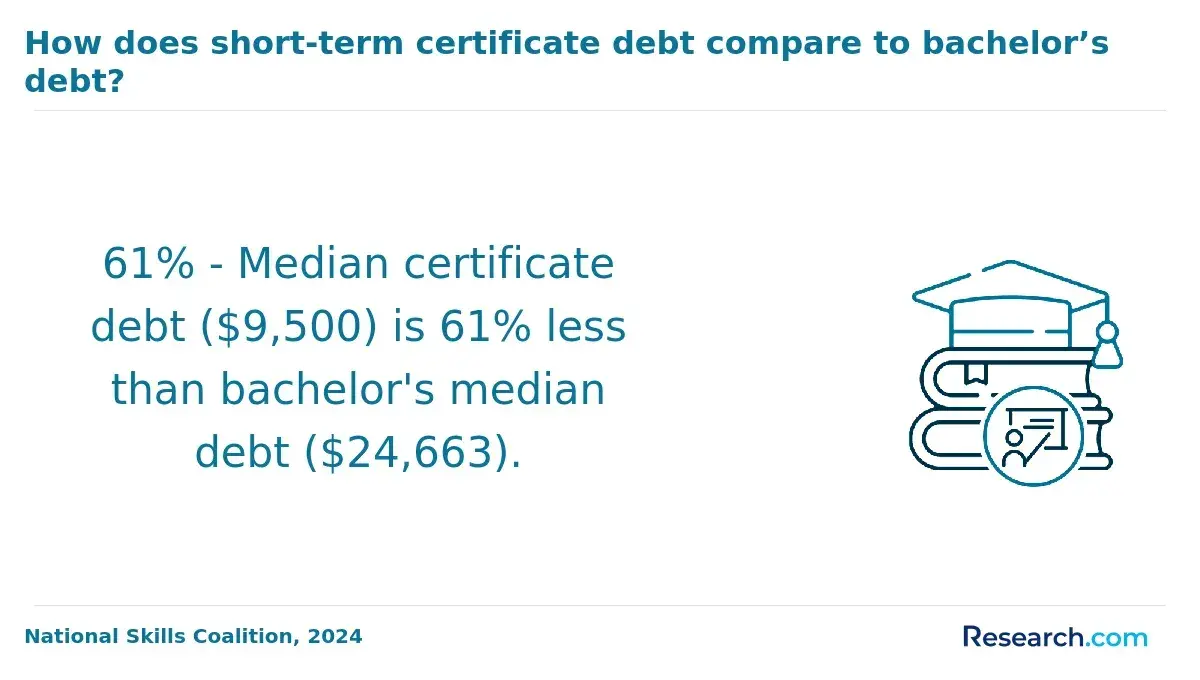
The cost of an online healthcare administration bachelor's degree depends on tuition, fees, transfer credits, residency rules, books, technology, and time to completion. Published tuition is only one part of the total cost, so adults over 40 should compare the full degree price after transfer credits and aid.
Recent national pricing data helps set expectations. College Board's 2024 Trends in College Pricing reported these average published tuition and fee figures for full-time undergraduates:
- $11,610 for in-state students at public four-year institutions
- $30,780 for out-of-state students at public four-year institutions
- $43,350 at private nonprofit four-year institutions
These are national averages, not online healthcare administration prices. Still, they show why transfer credits, employer tuition assistance, public university options, and program length can matter as much as the sticker tuition rate. If cost is your main filter, start by comparing affordable online healthcare degrees and then verify total program cost directly with each school.
The table below explains the cost factors that can change what you actually pay.
| Cost factor | Why it matters | Question to ask |
| Transfer credits | Accepted credits can reduce both tuition and time | How many credits apply to the major and degree requirements? |
| Online fees | Some schools charge technology, distance learning, or course fees | Are fees included in the tuition quote? |
| Residency pricing | Some public universities charge different rates for in-state and out-of-state online students | Is online tuition the same for all students? |
| Books and materials | Healthcare law, finance, and technology courses may require paid resources | Are open educational resources used? |
| Prior learning credit | Work, military, or certification-based credit may reduce remaining requirements | Is there a fee for portfolio or prior learning assessment? |
| Time away from work | Intensive schedules may reduce overtime or shift flexibility | Can I study part time without losing aid eligibility? |
Financial aid may be available if the school is eligible for federal student aid and you meet aid requirements. Adults should also check employer tuition reimbursement, union education benefits, military or veteran benefits, state grants, scholarships for returning students, and payment plans.
To evaluate return on investment, avoid relying on a single tuition number. Compare the degree's total cost against your current income, realistic target roles, local job demand, transfer credit award, and whether the credential is required for the roles you want. A lower-cost program with weak support may not be a bargain, while a higher-cost program may not be worth it if it does not improve your career options.
What jobs can you get with this degree?
With a bachelor's in healthcare administration, graduates may pursue administrative, operations, compliance, revenue cycle, patient services, and management-track roles in healthcare settings. The degree is especially relevant for hospitals, physician practices, long-term care organizations, outpatient clinics, insurance companies, public health agencies, behavioral health organizations, and healthcare technology vendors.
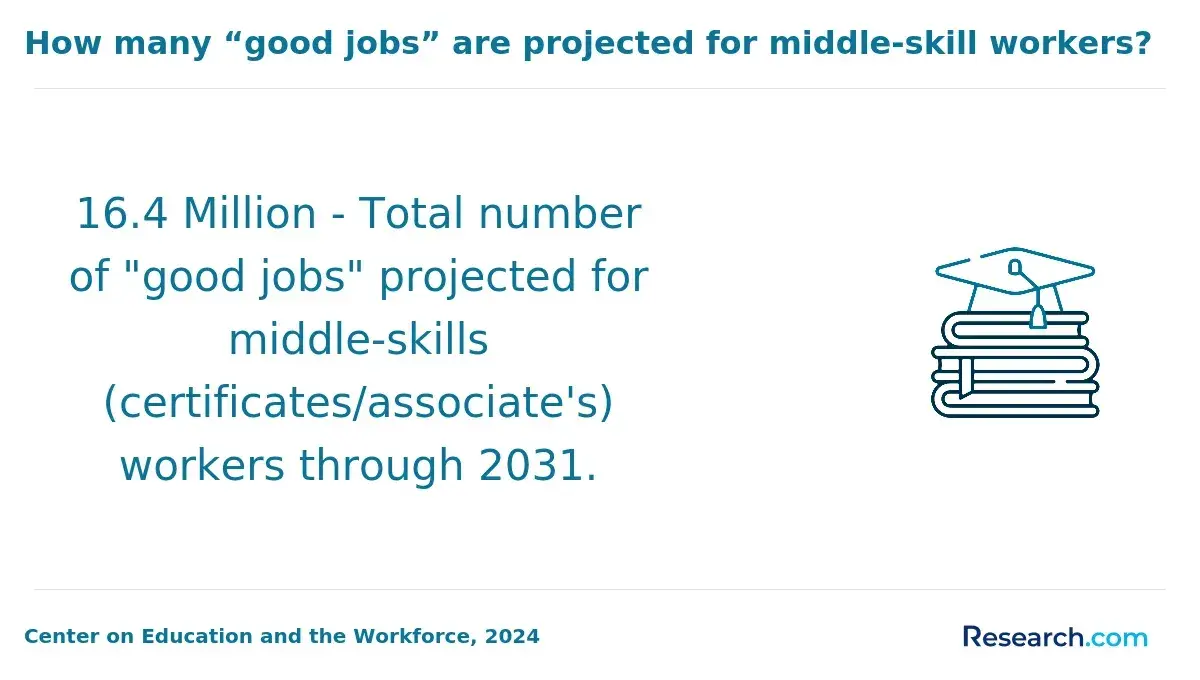
The BLS projects medical and health services manager employment to grow 29% through 2033, much faster than the average for all occupations. For adults over 40, this does not mean every graduate will move directly into management; it means the broader healthcare system is expected to need more people who can coordinate services, manage teams, and improve operations.
The table below outlines roles commonly connected to healthcare administration training. Actual job titles vary widely by employer size and local market.
| Role | Typical responsibilities | Best fit |
| Medical office manager | Supervises scheduling, front office staff, billing workflows, patient communication, and daily operations | Students with clinic, administrative, or customer service experience |
| Healthcare operations coordinator | Tracks workflows, supports process improvement, prepares reports, and coordinates departments | Students who like problem-solving, spreadsheets, and cross-team communication |
| Patient services manager | Improves patient access, service quality, complaint resolution, and staff coordination | Students with strong communication and service leadership skills |
| Revenue cycle analyst or coordinator | Supports billing, claims, reimbursement tracking, denial management, and documentation workflows | Students interested in finance, coding, billing, or payer operations |
| Compliance coordinator | Helps monitor policies, training, documentation, privacy, and regulatory processes | Students who are detail-oriented and comfortable with rules and documentation |
| Long-term care administrator pathway role | Supports operations in nursing homes, assisted living, or senior care settings | Students willing to meet state-specific licensure or administrator-in-training requirements |
Healthcare administration can also pair well with project management because healthcare organizations regularly implement new software, workflow redesigns, compliance initiatives, and patient access improvements. If you already manage projects or want a broader operations credential, an online project management degree accelerated program may be worth comparing with a healthcare-focused bachelor's path.
Adults changing careers should plan for a bridge role if they do not already have healthcare experience. Good stepping-stone roles include patient access representative, billing coordinator, administrative assistant in a clinic, care coordination support specialist, or department scheduler. These roles can help you learn healthcare workflows while completing the degree.
The smartest career strategy is to align electives and projects with a target function. For example, choose finance-heavy assignments if you want revenue cycle work, data-heavy projects if you want operations analysis, and compliance-focused work if you want privacy or quality roles.
How much do healthcare administration graduates earn?
Healthcare administration salaries vary widely because the degree can lead to entry-level office roles, mid-level coordinator roles, or management positions, depending on experience. The most cited salary benchmark is for medical and health services managers; according to the BLS May 2024 wage data, the median annual wage for this occupation was $117,960.
That figure is useful, but it should not be treated as an expected starting salary for every bachelor's graduate. Many medical and health services manager roles require several years of healthcare experience, supervisory responsibility, or specialized knowledge in areas such as finance, compliance, health information, or operations.
The table below explains how salary potential often changes by career stage rather than implying a guaranteed outcome.
| Career stage | Typical role pattern | Salary interpretation |
| Entry-level transition | Patient access, scheduling, billing support, administrative assistant, or coordinator roles | Often below manager-level benchmarks, especially for career changers without healthcare experience |
| Experienced coordinator or specialist | Revenue cycle, compliance, quality, operations, or department coordination roles | Pay may rise as responsibilities become more technical or cross-departmental |
| Supervisor or office manager | Team supervision, workflow ownership, staffing, reporting, and service improvement | Compensation depends heavily on facility size, location, and budget responsibility |
| Medical and health services manager | Department, clinic, practice, facility, or service-line management | BLS median wage data is most relevant to this occupational category |
Location can also change earnings. Large metro areas, hospital systems, specialty practices, and high-cost regions may pay more, while smaller clinics or rural employers may offer lower salaries but broader responsibilities. Benefits, schedule stability, tuition reimbursement, retirement contributions, and promotion potential should be part of your compensation comparison.
To improve salary mobility, build evidence of measurable impact while in school and at work. Examples include reducing appointment backlogs, improving billing documentation, training staff on privacy practices, creating dashboards, or helping implement a new patient communication process. Employers often value proof that you can solve operational problems, not just hold a credential.
Do healthcare administration jobs require certification or licensure?
Most healthcare administration jobs do not require a universal license, but some roles and settings do. Licensure rules are especially important in long-term care. Nursing home administrators, for example, generally must meet state licensure requirements, which may include education, supervised experience, exams, background checks, and continuing education. Requirements vary by state, so you should confirm rules with the relevant state board before choosing a program.
Certifications are different from licenses. They are usually voluntary credentials that may help demonstrate specialized knowledge, but they do not replace a required state license. The right certification depends on your target function.
The table below summarizes common credential categories and the situations where they may matter.
| Credential area | Examples of focus | When it may help |
| Healthcare quality | Quality improvement, patient safety, performance measurement | Useful for quality coordinator or process improvement roles |
| Revenue cycle | Billing, reimbursement, claims, denial management, patient financial services | Useful for revenue cycle or healthcare finance support roles |
| Health information | Records, coding, privacy, data governance, documentation | Useful when roles involve medical records or information management |
| Compliance and privacy | Regulations, HIPAA, auditing, risk management, training | Useful for compliance assistant or coordinator roles |
| Project management | Planning, scheduling, stakeholder communication, implementation | Useful for healthcare technology rollouts, workflow redesign, and operations projects |
If you are deciding between a healthcare administration degree and a project-focused path, review whether a project management degree worth it analysis that it matches your career goals. Healthcare employers often need project skills, but a project credential alone may not cover healthcare law, reimbursement, patient privacy, or clinical operations context.
Before paying for any certification, take these practical steps.
- Search job postings in your target city and role to see which certifications employers actually request.
- Check whether the credential requires a specific degree, work experience, exam, renewal fee, or continuing education.
- Ask your employer whether it reimburses certification costs.
- Confirm whether the credential is recognized in healthcare, not just in general business settings.
- Prioritize credentials that support your target role instead of collecting certificates without a plan.
The biggest mistake is assuming that a bachelor's degree automatically qualifies you for every healthcare administration role. For regulated settings, verify licensure rules; for specialized jobs, verify experience and certification expectations; for management roles, build supervisory and operations experience as early as possible.
Other Things You Should Know About Healthcare Administration
It can be worth it if the degree helps you move from support work into supervisory, operations, compliance, revenue cycle, or management-track roles. It may be less worthwhile if you do not want to work in healthcare settings or if your target job only requires a short certificate.
Online programs offer flexibility, allowing adults over 40 to balance studies with existing commitments such as jobs or family. Many programs recognize prior experience and provide tailored support services, ensuring mature learners can transition smoothly into their studies while leveraging their professional background.
Refresh writing, spreadsheet, basic math, and time-management skills. Healthcare administration courses often require reports, budget analysis, data interpretation, discussion posts, and case studies rather than only exams.
Do not rely only on rankings. Compare accreditation, transfer credit policy, total cost, course format, student support, faculty access, career services, capstone options, and whether the curriculum matches your target role.
References
- The Best Certifications for Healthcare Administrators | 2025-26 Guide https://masterspublichealth.com/healthcare-administrator-certifications/
- Do I Need To Be Certified To Be a Healthcare Administrator? - Healthcare Administration Degree Programs https://www.healthcare-administration-degree.net/faq/do-i-need-to-be-certified-to-be-a-healthcare-administrator/
- Healthcare Administration Certifications https://www.publichealthdegrees.org/careers/healthcare-administrator/certification/
- I have a degree, now what? https://targetjobs.co.uk/careers-advice/career-ideas/i-have-degree-now-what
- 2025 Most Affordable Healthcare Administration Degrees Online https://www.onlineu.com/most-affordable-colleges/healthcare-administration-degrees
- What is the Timeline for Obtaining a Degree in Healthcare Management? - Healthcare Management Degree Guide https://www.healthcare-management-degree.net/faq/what-is-the-timeline-for-obtaining-a-degree-in-healthcare-management/
- Healthcare Administrator https://ace.edu/student-success/career-guides/healthcare-administration/
- Online Health Administration Degree Program | University of Phoenix https://www.phoenix.edu/online-healthcare-degrees/health-administration-bachelors-degree.html
- Online Bachelor's Degree in Healthcare Administration | CSU Global | Accredited https://csuglobal.edu/academic-programs/undergraduate-degrees/bachelors-degree-healthcare-administration-management
- Healthcare Administration and Management - Course Requirements https://www.holyfamily.edu/healthcare-administration-and-management-course-requirements