2027 Transformational Coach Careers: Guide to Career Paths, Options & Salary

Co-Founder and Chief Data Scientist
Becoming a transformational coach is not just a question of whether you enjoy helping people. It is a career decision that requires you to understand the scope of coaching, the limits of the role, the credibility clients expect, and the business realities of finding and retaining paying clients.
Transformational coaching focuses on deep personal change: the beliefs, identity patterns, values, habits, and emotional blocks that shape how people make decisions and pursue goals. Interest in coaching has grown alongside workplace change, leadership development, career transitions, and personal development. Survey results indicate that 85% of employers plan to prioritize workforce upskilling initiatives, which helps explain why coaching skills are increasingly relevant in business, wellness, education, and personal growth settings.
This guide explains what transformational coaches do, how the career differs from therapy and other coaching fields, what training and certifications can improve credibility, how long the path may take, where coaches work, how income can vary, and what ethical, legal, cultural, and business issues you should consider before entering the field.
Quick Answer: Is Transformational Coaching a Good Career Path?
Transformational coaching can be a strong career path for people who are skilled listeners, comfortable with emotional conversations, committed to ethical practice, and willing to build a business or work in coaching-adjacent roles. A degree is generally not required, but recognized coach training and certification can make you more credible. Success depends heavily on specialization, client trust, marketing, referrals, professional boundaries, and ongoing learning.
Key Things You Should Know About Transformational Coach Careers
- Certification is not always legally required, but it matters. Credentials from recognized organizations, including the International Coaching Federation, can help clients and employers evaluate your training, ethics, and coaching competence.
- The role is built on human skills. Active listening, empathy, emotional intelligence, thoughtful questioning, and clear communication are central to transformational coaching.
- Most independent coaches must also become business builders. A professional website, referral strategy, niche positioning, content marketing, and client follow-up process are often as important as coaching ability.
- Continuing education is part of the job. Coaching methods, workplace needs, behavioral science, digital tools, and client expectations continue to evolve.
- Ethics and boundaries protect both the coach and the client. Confidentiality, informed consent, appropriate referrals, clear contracts, and scope-of-practice awareness are essential.
- What transformational coaching means
- How transformational coaching compares with other coaching fields
- Whether you need a degree
- Qualifications that help coaches build credibility
- How long certification may take
- Whether certification is necessary
- Career paths in transformational coaching
- How coaches track client progress
- Industries that hire transformational coaches
- Salary expectations for transformational coaches
- How advanced education can support a coaching career
- Ethical standards transformational coaches should follow
- Common challenges in the field
- How to attract and retain clients
- How to build a resilient coaching business
- Legal and regulatory issues to consider
- How academic research improves coaching practice
- How accelerated education models can strengthen practice
- How to develop cultural competence
- Related education and career comparisons
What is transformational coaching?
Transformational coaching is a coaching approach designed to help clients make deep and durable changes in how they think, act, relate, lead, and define success. Instead of focusing only on a single external outcome, such as getting a promotion or improving productivity, transformational coaching examines the inner patterns behind a client’s choices.
A coach may help a client identify limiting beliefs, clarify personal values, notice repeated behavior patterns, strengthen self-awareness, and turn insight into practical action. The work may involve career decisions, leadership identity, relationships, confidence, life transitions, personal purpose, or emotional resilience.
Some clients seek a holistic approach that includes meaning, values, and spirituality. Readers interested in a path that blends personal growth work with spiritual guidance can compare this field with the spiritual counseling career guide.
Transformational coaching is commonly used in personal development, leadership growth, wellness behavior change, career reinvention, and major life transitions. It is not a substitute for licensed mental health treatment, but it can support clients who are ready to move forward, make decisions, and create new patterns.
Core features of transformational coaching
- Whole-person focus: Coaches look at values, beliefs, goals, relationships, work, identity, and behavior rather than treating one isolated issue.
- Self-discovery: The coach helps the client understand what drives their choices and what they want to change.
- Belief and mindset work: Clients are encouraged to challenge assumptions that may be limiting action or confidence.
- Sustainable change: The aim is not only short-term progress but also patterns the client can maintain.
- Client ownership: The coach supports reflection and accountability while the client remains responsible for decisions and action.
How does transformational coaching differ from other coaching types?
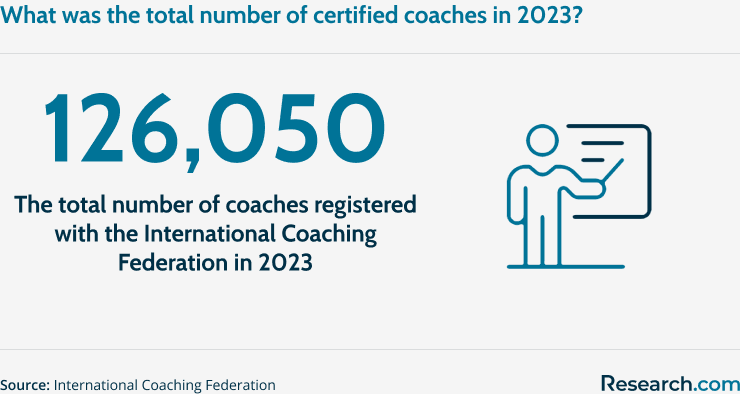
The total number of coaches reached approximately 126,050 in 2023, rising from the 109,200 reported for the previous year. As the field expands, it is important to understand what makes transformational coaching distinct. The key difference is that transformational coaching centers on internal change, while many other coaching models focus more narrowly on goals, performance, or skills. A useful discussion of coaching change versus coaching transformation explains this distinction in practical terms.
| Approach | Main focus | How it differs from transformational coaching |
| Executive or performance coaching | Leadership outcomes, productivity, team results, decision-making, and measurable workplace goals | Transformational coaching may include workplace goals, but it goes deeper into identity, beliefs, emotional patterns, and self-awareness. |
| Life coaching | Personal goals, habits, relationships, confidence, and life direction | Transformational coaching usually places more emphasis on core beliefs, values, and lasting inner change. |
| Mentoring or consulting | Advice, expertise, recommendations, and problem-solving based on the mentor’s or consultant’s experience | Transformational coaches generally avoid telling clients what to do. They use reflection, questions, and structured exercises to help clients generate their own answers. |
| Therapy or counseling | Mental health assessment, diagnosis, trauma treatment, emotional healing, and clinical care | Transformational coaching is not clinical treatment. Those interested in licensed psychological work may want to explore accelerated psychology programs online. |
| Skills coaching | Specific competencies such as sales, interviewing, presentation, or career search skills | Transformational coaching may improve skills indirectly, but its primary purpose is changing the underlying beliefs and behaviors that shape performance. |
Do I need a degree to be a transformational coach?
A degree is generally not required to call yourself a transformational coach, but education can strengthen your credibility, judgment, and understanding of human behavior. Many coaches enter the field from psychology, counseling, business, leadership, education, human resources, wellness, or ministry-related backgrounds.
If you want academic preparation in behavior, motivation, and mental processes, an option such as a cheap online psychology degree may be useful. However, a degree alone does not make someone a qualified coach. Clients typically look for relevant training, clear specialization, ethical practice, testimonials or referrals, and evidence that the coach can guide a structured process.
What usually matters more than having a specific degree
- Recognized coach training: A reputable coaching program can teach core methods, ethics, session structure, questioning, assessment, and client accountability.
- Supervised practice: Feedback from experienced coaches helps new practitioners improve faster and avoid common errors.
- Emotional maturity: Coaches need self-awareness and the ability to stay grounded during difficult conversations.
- Professional boundaries: Coaches must understand when a client’s needs are outside coaching and may require a licensed professional.
- Continuous learning: Transformational work benefits from ongoing study in coaching methods, psychology, communication, leadership, and behavior change.
What qualifications are needed to become a transformational coach?
There is no single universal qualification that applies to every transformational coach. The strongest candidates usually combine formal coach training, practical experience, emotional intelligence, ethical awareness, and a clear niche. If you plan to work with companies, executives, healthcare-adjacent populations, or education organizations, clients may expect more structured credentials than individual private clients do.
Foundational skills
- Active listening: You must hear not only what clients say, but also patterns, contradictions, values, and emotional cues.
- Powerful questioning: Strong coaches ask questions that help clients examine assumptions and make meaning, not questions that push a predetermined answer.
- Empathy with boundaries: Compassion matters, but coaches must avoid overidentifying with clients or trying to rescue them.
- Clear communication: Clients need simple explanations, direct reflections, and agreed-upon next steps.
- Emotional intelligence: Coaches need to manage their own reactions while helping clients explore sensitive material.
- Ethical judgment: Confidentiality, informed consent, conflict-of-interest awareness, and referral judgment are nonnegotiable.
Training and education options
- Coach training programs: Programs focused on transformational coaching can teach session design, coaching frameworks, ethics, and supervised practice.
- Specialized methods: Additional study in Neurolinguistic Programming, Cognitive Behavioral Coaching, Motivational Interviewing, Positive Psychology, leadership development, or mindfulness can help coaches serve a clearer niche.
- Academic study: Psychology, counseling, organizational leadership, education, communication, and human resources can all support coaching practice. Readers comparing psychology-related outcomes may also review highest paying jobs with a psychology degree.
Practical experience
New coaches often begin with practice clients, peer coaching, supervised sessions, group facilitation, workshops, or pro bono work. This stage helps you develop confidence, refine your niche, test your tools, and learn how clients respond in real conversations.
| Qualification area | Why it matters | How to evaluate it |
| Coach training | Builds core skills and introduces ethical standards | Look for curriculum depth, practice hours, feedback, trainer qualifications, and alignment with recognized coaching bodies. |
| Certification | Signals commitment to professional standards | Check whether the certifying body is known in the coaching field and whether renewal or continuing education is required. |
| Experience | Demonstrates that you can support real clients, not just understand theory | Track session hours, client outcomes, testimonials, case reflections, and supervisor feedback. |
| Niche expertise | Helps clients understand why they should choose you | Define your audience, the problem you help solve, and the transformation clients can reasonably expect. |
| Business skills | Independent coaches must attract clients and manage operations | Build a marketing plan, intake process, pricing model, client agreement, and referral system. |
How long does it take to become a certified transformational coach?
The timeline depends on the certification program, your schedule, prior experience, required coaching hours, and whether the program is self-paced or cohort-based. Some short programs can be completed in a few weeks or months, while more comprehensive programs may take six months to a year or more.
Some training programs are intensive and structured in a way that may feel similar to top 6-month master’s degree online formats, though coach certification and graduate degrees are different credentials. If you want deeper academic study of human behavior, you may also compare masters in psychology online programs.
| Path | Typical structure | Best for |
| Short coaching course | Focused training in selected tools, methods, or introductory coaching skills | People testing the field or adding coaching tools to an existing role |
| Comprehensive certification program | Broader curriculum, coaching practice, ethics, feedback, and possible assessment | People planning to market themselves as professional coaches |
| Certification plus supervised practice | Training followed by client hours, mentor coaching, assessment, or exam preparation | Coaches seeking stronger credibility and long-term professional development |
| Academic degree plus coaching credential | College-level study combined with coach-specific training | People who want broader options in psychology, education, leadership, research, or consulting |
Are certifications necessary for transformational coaching?
Certifications are not mandatory for most transformational coach careers, and a behavioral psychology degree is also not required for all coaching roles. Still, certification is often worth considering because coaching is a trust-based field with few universal entry barriers.
Why certification can be valuable
- Credibility: A recognized credential helps prospective clients understand that you completed structured training.
- Skill development: Certification programs can strengthen coaching presence, listening, questioning, ethics, goal-setting, and client accountability.
- Professional standards: Many credentialing bodies require codes of ethics, continuing education, or documented practice.
- Employer preference: Organizations that hire coaches may prefer certified practitioners, especially for executive, leadership, or internal coaching work.
- Network access: Certifying bodies often provide learning communities, events, resources, and peer connections.
When certification matters most
- You want to work with corporate clients, executives, schools, or healthcare-adjacent organizations.
- You are entering the field without a related professional background.
- You plan to charge premium rates and need to reduce client uncertainty.
- You want a structured framework for ethics, practice hours, and continuing education.
What are the different career paths available in transformational coaching?
Those who pursue transformational coach careers typically maintain a client load of 12 to13, a number that has held steady or slightly increased in recent years. Data from 2024 indicates that approximately 92% of certified coaches are engaged in active practice, reflecting a significant level of professional commitment.
Transformational coaching can be practiced independently, inside organizations, in wellness settings, in education, or as part of consulting and training work. If you are interested in using coaching skills in schools, college advising, or learning environments, compare this path with how to become an educational consultant.
Common transformational coaching career paths
| Career path | Typical clients | Common focus areas | Good fit for |
| Personal development coach | Individuals seeking greater confidence, clarity, purpose, or personal growth | Self-awareness, limiting beliefs, life balance, emotional intelligence, values alignment | Coaches who enjoy one-on-one reflective work and broad personal growth topics |
| Executive and leadership coach | Managers, executives, founders, and high-potential employees | Leadership identity, communication, influence, decision-making, change management, team culture | Coaches with business, HR, organizational development, or leadership experience |
| Health and wellness coach | Clients working on stress, habits, lifestyle change, and holistic well-being | Mindset, motivation, behavior change, resilience, mindfulness, mind-body awareness | Coaches with wellness, health education, psychology, or behavior-change training; an online degree in psychology may support this foundation |
| Career and transition coach | Professionals changing jobs, returning to work, retiring, or redefining career direction | Purpose, values, career identity, confidence, decision-making, transition planning | Coaches with HR, recruiting, workforce development, or career advising experience |
| Spiritual coach | Clients exploring meaning, purpose, faith, values, or inner alignment | Reflection, meditation, purpose, values, spiritual identity, emotional healing | Coaches who can work respectfully with diverse beliefs while maintaining clear boundaries |
How do transformational coaches measure client success?
Client success in transformational coaching is not always as simple as checking off a task. Because the work often involves identity, beliefs, and behavior patterns, coaches need both measurable goals and reflective evidence of change.
A practical coaching plan may include SMART-aligned objectives, progress reviews, client self-assessments, behavior tracking, session reflections, and feedback surveys. Coaches can also document changes in decision-making, communication, confidence, boundaries, emotional regulation, or follow-through. For coaches interested in deeper research and evaluation methods, doctoral-level education such as cheapest EdD programs can provide exposure to structured inquiry and applied assessment.
Useful ways to evaluate coaching progress
- Baseline and follow-up reflections: Ask clients to describe where they are at the start, then revisit the same questions later.
- Behavior indicators: Track observable changes such as holding difficult conversations, setting boundaries, applying for roles, delegating, or following a wellness plan.
- Goal progress: Use clearly defined milestones without reducing transformation to a checklist.
- Client-reported outcomes: Use surveys or reflection prompts to understand confidence, clarity, stress, self-trust, or purpose.
- Review sessions: Schedule periodic conversations to decide whether the coaching approach should continue, change, or conclude.
What industries employ transformational coaches?
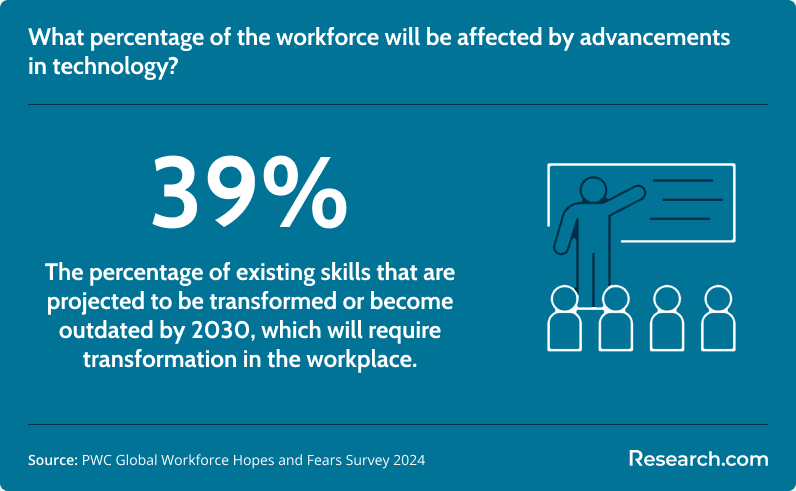
Over the five-year period from 2025 to 2030, 39% of workers' existing skills are projected to be transformed or become outdated. This kind of workplace disruption increases interest in coaching, reskilling, leadership development, and applied behavior-change support. Coaches who understand applied psychology may be better prepared to work with motivation, behavior, learning, and change.
Some coaching professionals also compare transformational coaching with values-based helping roles such as how to become a spiritual counselor, especially when they want to support meaning, purpose, and life direction.
| Industry | How transformational coaches may be used | What employers or clients may look for |
| Corporate and business | Leadership development, executive coaching, culture change, team resilience, communication, and organizational transitions | Business experience, leadership credibility, confidentiality, measurable outcomes, and professional certification |
| Healthcare and wellness | Behavior change, stress management, wellness goals, patient or employee support, and holistic well-being | Clear scope boundaries, health literacy, referral awareness, and ethical practice |
| Education and academia | Student success, faculty leadership, career development, emotional resilience, and advising support | Understanding of learning environments, youth or adult development, and institutional goals |
| Nonprofit and social impact | Leadership support, burnout prevention, mission alignment, volunteer engagement, and team dynamics | Cultural competence, empathy, facilitation skills, and cost-conscious service models |
| Entrepreneurship and startups | Founder resilience, decision-making, identity shifts, strategic clarity, and leadership under uncertainty | Business understanding, flexibility, practical accountability, and comfort with ambiguity |
What is the average salary of a transformational coach?
The average salary of transformational coach careers varies by location, specialization, client base, reputation, pricing model, and whether the coach is self-employed or working for an organization. In the United States, the estimated total annual pay for a transformational coach is approximately $149,700, with an average base salary of $102,149 and additional compensation around $47,551.
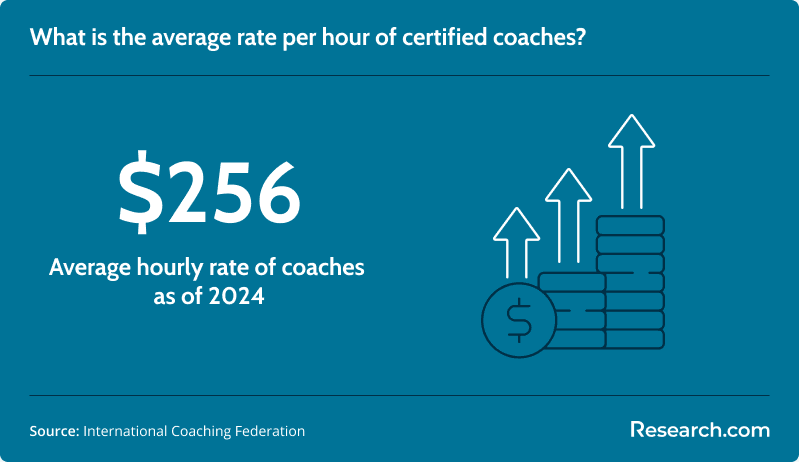
The average hourly rate for coaches is now $256, up about 5% from 2022. These figures should not be treated as guaranteed earnings. Independent coaches may have uneven monthly revenue, unpaid marketing time, client cancellations, taxes, software costs, insurance, and continuing education expenses. Coaches employed by organizations may have more predictable income but less control over pricing, branding, or client selection.
If you are comparing helping professions with more formal licensure routes, review clinical mental health counselor vs clinical psychologist. Those careers involve deeper clinical training and different legal responsibilities.
Factors that can affect coaching income
- Niche: Executive and leadership coaching often prices differently than general personal development coaching.
- Client type: Corporate contracts, group programs, workshops, and individual sessions can produce very different revenue patterns.
- Experience and reputation: Referrals, testimonials, published content, and professional networks can influence demand.
- Business model: One-on-one sessions, group programs, retreats, courses, consulting, and speaking engagements each have different earning potential and risk.
- Geography and delivery format: Local cost of living and online service delivery can shape pricing and competition.
What ethical standards should transformational coaches uphold?
Ethics are central to transformational coaching because clients may share sensitive information about identity, relationships, work, values, fears, or major life decisions. A coach must create a process that is transparent, respectful, confidential, and within the coach’s competence.
Core ethical responsibilities
- Confidentiality: Explain what information is private and what exceptions may apply under your agreement or applicable law.
- Informed consent: Clients should understand the purpose of coaching, fees, cancellation rules, communication norms, and limits of the service.
- Scope of practice: Coaches should not diagnose or treat mental health disorders unless they are properly licensed to do so in the relevant jurisdiction.
- Clear boundaries: Avoid dual relationships, dependency, inappropriate intimacy, or conflicts of interest.
- Competence: Work only in areas where you have adequate training, experience, and supervision.
- Referral judgment: Refer clients to therapists, physicians, attorneys, financial professionals, or other specialists when their needs fall outside coaching.
Education in teaching, leadership, counseling-adjacent fields, or adult learning can deepen ethical reasoning. For readers comparing education-focused graduate study, cheapest masters in education online may be a useful starting point.
How can advanced education propel transformational coaching careers?
Advanced education is not required for every coach, but it can expand your credibility, research literacy, and career options. Graduate or doctoral study may help coaches move into leadership development, higher education, organizational consulting, training design, research, or specialized coaching populations.
Advanced programs can also teach evidence evaluation, program assessment, adult learning, ethics, communication, and organizational systems. Coaches interested in doctoral-level academic routes can compare accelerated options such as cheapest EdD programs, while keeping in mind that a degree and a coaching credential serve different purposes.
When advanced education may be worth considering
- You want to work in universities, leadership institutes, research, or organizational consulting.
- You plan to design coaching programs, training curricula, or assessment tools.
- You want stronger grounding in psychology, education, leadership, or behavioral science.
- You need additional credibility for corporate, government, nonprofit, or academic clients.
What challenges do transformational coaches encounter?
Transformational coaching can be rewarding, but the field is competitive and unevenly regulated. New coaches often underestimate how much time is required to build trust, define a niche, market services, manage client expectations, and create a stable income.
Common challenges
- Standing out in a crowded market: Many coaches use similar language, making a clear niche and proof of value essential.
- Building credibility: Without a license requirement, clients may rely on certification, referrals, content, testimonials, and professional background.
- Managing emotional intensity: Deep personal work can bring up sensitive issues that require strong boundaries and referral awareness.
- Creating consistent revenue: Independent coaches must handle marketing, sales, scheduling, pricing, and retention.
- Adapting to digital delivery: Online coaching expands reach but requires privacy practices, technology skills, and strong virtual presence.
- Writing persuasive content: Coaches who publish articles, email newsletters, client guides, or workshop materials may benefit from communication training, including options such as creative writing degrees online.
How can transformational coaches attract and retain clients?
Client acquisition begins with clarity. A potential client should quickly understand who you help, what problem you address, how your coaching process works, and what kind of outcomes are realistic. Vague promises such as “unlock your full potential” are less persuasive than a clearly defined coaching offer for a specific audience.
Practical client-building strategies
- Choose a niche: Examples include new managers, mid-career professionals, founders, parents returning to work, wellness clients, or people navigating major life transitions.
- Create a clear offer: Define the length of engagement, session format, outcomes, price, and client responsibilities.
- Use educational content: Blog posts, webinars, short videos, newsletters, and guides can show how you think and build trust before a sales conversation.
- Build referral relationships: Therapists, HR professionals, consultants, trainers, educators, and wellness practitioners may refer clients when your scope fits.
- Track retention signals: Pay attention to attendance, homework completion, client feedback, referrals, and renewal rates.
- Improve storytelling: Coaches who want stronger brand messaging may study writing and narrative techniques, including through resources on creative writing online degrees.
| Client-building mistake | Why it hurts growth | Better approach |
| Trying to serve everyone | Clients cannot tell whether your service fits their situation | Define a specific audience and transformation you are prepared to support. |
| Marketing only credentials | Credentials help, but clients also need to understand the practical value | Explain your process, client fit, expected effort, and realistic outcomes. |
| Overpromising breakthroughs | It can damage trust and create ethical risk | Use careful language and emphasize client responsibility, process, and progress. |
| Ignoring follow-up | Prospects and past clients may forget or move on | Create a respectful follow-up system with helpful resources and check-ins. |
| Setting unclear boundaries | Clients may expect therapy, emergency support, or unlimited access | Use written agreements that define scope, communication, fees, and referral limits. |
How can transformational coaches build a resilient business model?
A resilient coaching business does not depend on one client, one platform, or one service. It has a defined niche, repeatable intake process, diversified offers, clear financial controls, and systems for client communication and follow-up.
Business model options
- One-on-one coaching: Flexible and personalized, but income is limited by available session time.
- Group coaching: More scalable and community-based, but it requires facilitation skill and careful group design.
- Corporate programs: Potentially higher-value contracts, but often require proposals, measurable outcomes, and organizational credibility.
- Workshops and retreats: Useful for visibility and concentrated learning, but planning and logistics can be demanding.
- Digital products or courses: Can extend reach, but they require strong content design, marketing, and ongoing updates.
Coaches who want to understand policy, organizations, economics, or public systems may find complementary study useful. For example, an affordable online bachelors degree political science can support broader thinking about institutions and public-facing work, though it is not a standard coaching requirement.
What legal and regulatory considerations should transformational coaches address?
Because coaching often deals with personal decisions and sensitive information, coaches should treat legal and regulatory planning as part of professional practice. Requirements vary by location, service model, and client population, so coaches should seek qualified legal advice rather than relying on generic templates alone.
Legal and risk areas to review
- Client agreements: Contracts should explain services, fees, cancellations, confidentiality, limitations, communication rules, and dispute processes.
- Scope statements: Make clear that coaching is not therapy, medical treatment, legal advice, financial advice, or emergency support unless you hold the appropriate license and are working within that scope.
- Data privacy: Protect client records, session notes, payment information, forms, and digital communications.
- Insurance: Professional liability or indemnity coverage may help reduce risk.
- Business registration and taxes: Independent coaches should understand local business obligations and financial recordkeeping.
- Accessibility and client safety: Consider how clients can access services and what referral steps you will take if coaching is not appropriate.
Readers comparing regulated helping professions can also review education routes in fields with clearer licensure structures, such as cheapest speech pathology graduate programs.
What role does academic research play in advancing transformational coaching?
Academic research helps coaches avoid relying only on slogans, intuition, or personal experience. Research literacy supports better coaching design, stronger assessment, ethical decision-making, and more realistic claims about outcomes.
Useful research areas include adult development, motivation, behavioral change, positive psychology, leadership, organizational behavior, communication, learning science, and cultural studies. Coaches do not need to become full-time researchers, but they should know how to evaluate evidence, question weak claims, and update their methods when better information becomes available.
Coaches who work with information, evidence, and client resources may also benefit from research and data-management perspectives found in programs such as an affordable library science degree online.
How can transformational coaches integrate accelerated educational models for enhanced practice?
Accelerated educational models can help coaches improve how they teach, structure sessions, and help clients retain insights. The value is not speed for its own sake. The goal is to make learning focused, practical, and easier for clients to apply between sessions.
Coaches can use principles from accelerated learning by breaking concepts into manageable steps, using reflection prompts, practicing skills during sessions, assigning short between-session actions, and adapting materials to different learning preferences. Readers interested in fast-track education models can compare the fastest ways to become a teacher and consider which instructional ideas may translate into coaching practice.
How can transformational coaches develop cultural competence?
Cultural competence is essential because clients bring different identities, languages, family systems, religions, communication norms, workplace experiences, and social pressures into coaching. A coach who assumes every client interprets success, confidence, boundaries, leadership, or purpose the same way can unintentionally cause harm.
Ways to strengthen cultural competence
- Study across cultures: Learn about intercultural communication, power dynamics, identity, bias, and inclusive practice.
- Use client-centered questions: Ask how the client defines success, family obligation, spirituality, leadership, confidence, or independence.
- Avoid universal assumptions: Strategies that work for one cultural context may not fit another.
- Seek supervision or consultation: Work with mentors and peers who can help you identify blind spots.
- Improve language and communication skills: Humanities and language study, including a cheap English bachelor degree online, may strengthen communication and broaden cultural perspective.
Related education and career comparisons
Transformational coaching overlaps with several fields but should not be confused with them. If you are deciding whether coaching is the right path, compare it with psychology, counseling, education, wellness, consulting, human resources, leadership development, and spiritual guidance. Your best route depends on whether you want to coach, teach, advise, provide clinical care, conduct research, or work inside organizations.
Questions to ask before choosing this career
- Do I want to support forward-looking growth, or am I more interested in clinical assessment and treatment?
- Am I prepared to build a business, or do I prefer employment inside an organization?
- What client population do I understand well enough to serve responsibly?
- What certification, supervision, or education would make me more credible?
- How will I handle referrals when a client needs therapy, medical care, legal support, or crisis resources?
- Can I explain my coaching process without exaggerating results?
- How will I protect client confidentiality and data?
Common Mistakes to Avoid When Becoming a Transformational Coach
- Choosing training based only on price: Low cost matters, but curriculum quality, practice feedback, ethics, and reputation matter too.
- Assuming certification guarantees clients: Credentials can help, but marketing, referrals, niche clarity, and client experience drive business growth.
- Using therapy language without a license: Coaches should avoid diagnosing, treating disorders, or implying clinical authority they do not have.
- Making income assumptions from averages: Published salary figures do not account for every coach’s expenses, location, niche, client volume, or business model.
- Ignoring contracts and privacy: Written agreements and secure systems protect both the coach and the client.
- Skipping cultural competence: Coaching that ignores culture, identity, and context can feel irrelevant or unsafe to clients.
- Relying only on personal transformation stories: Your story may inspire clients, but professional coaching requires method, ethics, boundaries, and skill.
Current Trends Affecting Transformational Coaching
- Workforce change is increasing demand for adaptability. Over the five-year period from 2025 to 2030, 39% of workers' existing skills are projected to be transformed or become outdated.
- Upskilling is a major employer priority. Survey results indicate that 85% of employers plan to prioritize workforce upskilling initiatives.
- Digital coaching is now common. Video sessions, online programs, learning platforms, scheduling tools, and digital assessments make coaching more accessible but raise privacy and quality concerns.
- Clients expect evidence and professionalism. As the coaching market grows, clients are more likely to ask about credentials, methods, outcomes, confidentiality, and fit.
- AI tools can support operations but not replace coaching judgment. Coaches may use technology for scheduling, content planning, or note organization, but sensitive client interpretation, ethics, empathy, and accountability still require human judgment.
Key Insights
- Transformational coaching is focused on deep change in beliefs, identity, values, and behavior, not just short-term goal completion.
- A degree is not generally required, but coach training, certification, supervised practice, and ethical standards can significantly improve credibility.
- The total number of coaches reached approximately 126,050 in 2023, rising from the 109,200 reported for the previous year, which means differentiation and specialization matter.
- In the United States, the estimated total annual pay for a transformational coach is approximately $149,700, with an average base salary of $102,149, but individual earnings vary widely by niche, business model, and client base.
- Coaches typically maintain a client load of 12 to13, and data from 2024 indicates that approximately 92% of certified coaches are engaged in active practice.
- Ethical practice is a career requirement, not an optional add-on. Coaches must understand confidentiality, boundaries, scope of practice, informed consent, and referral responsibilities.
- The strongest coaching businesses combine skillful client work with clear positioning, practical marketing, strong contracts, client outcome tracking, and ongoing professional development.
References:
- British Psychological Society (2025). Division of Coaching Psychology.
- Coachilly. (n.d.). Coaching statistics that prove the power of coaching.
- International Coaching Federation. (2025). Professional coaches.
- PricewaterhouseCoopers. (2024). Hopes and fears.
- Right Management. (2023). The transformational power of coaching.
- World Economic Forum. (2025). The future of jobs report 2025.
- ZipRecruiter. (2025). Transformation coach salary.
Other Things You Should Know About Transformational Coaching Careers
In 2027, transformational coaches may earn between $50,000 to $100,000 annually, depending on their experience, specialization, and client base. Coaches with established practices and niche expertise may command higher fees, while those starting could expect lower earnings as they build their clientele and reputation.
Certifications from the International Coach Federation (ICF) and the European Mentoring and Coaching Council (EMCC) are widely recognized in 2027 for transformational coaches. These bodies ensure coaches meet specific professional standards, enhancing credibility and potential salary prospects.
Transformational coaches commonly carry professional liability insurance, also called errors and omissions coverage, plus general liability insurance if they meet clients in person. Many insurers offer policies with $1 million per claim and annual aggregate limits, and some coaching contracts require proof of coverage before work begins.