2027 Is Demand for Technical Communication Degree Graduates Growing or Declining?

Co-Founder and Chief Data Scientist
A recent college graduate with a technical communication degree struggles to find roles that match their specialized skills. Despite rising digital content needs, many employers remain unaware of the value these graduates bring. However, the U. S. Bureau of Labor Statistics projects a 7% growth in technical writer jobs from 2022 to 2032, faster than average for all occupations. This article explores whether the demand for technical communication degree graduates is growing or declining and provides insights into current employment trends to help readers make informed decisions about pursuing or advancing their careers in this field.
Key Things to Know About the Demand for Technical Communication Degree Graduates
- Employment for technical communication graduates remains steady, with the U.S. Bureau of Labor Statistics projecting a 11% growth from 2022 to 2032, faster than the average for all occupations.
- Job opportunities expand as industries increasingly require clear documentation for complex technologies and software, driving demand for specialized technical communicators.
- Careers in technical communication benefit from skills in digital tools, UX writing, and content strategy, with specialization enhancing long-term job security and advancement prospects.
What Factors Are Driving Demand for Technical Communication Degree Professionals?
Examining the factors driving workforce demand helps prospective students evaluate the long-term value and stability of a technical communication degree program accreditation benefits. Several key forces shape hiring trends and career opportunities in this field. Below are the primary drivers:
- Industry Growth: Expanding sectors such as software development, biotechnology, and engineering continually increase the need for skilled communicators who can create clear and accurate documentation. This growth sustains demand for professionals adept at producing user manuals, guides, and online help systems.
- Technological Advancement: Rapid innovation in tools, platforms, and digital products requires up-to-date instructional content. Employers seek graduates who stay current with evolving communication technologies to maintain effective knowledge transfer.
- Regulatory Changes: Heightened compliance standards in healthcare, finance, and manufacturing demand precise documentation. Technical communicators play a crucial role in helping organizations meet policy requirements while reducing legal risks.
- Skill Requirements: Employers increasingly prefer interdisciplinary expertise, valuing a blend of writing, design, and multimedia capabilities. This reflects the rising complexity of communication channels and multimedia integration.
Considering accredited technical communication degrees and career outcomes is essential when exploring educational pathways. For students interested in further education options, programs like the cheapest online MBA offer additional skills that may complement a technical communication degree and broaden career prospects.
Which Technical Communication Occupations Are Seeing the Highest Growth Rates?
Growth rates provide key insights for students evaluating career paths, indicating demand and job stability within specific fields. Employment in communication and information-related occupations is projected to grow by 13% from 2022 to 2032, a rate much faster than the average for all occupations. This increasing demand points to particular technical communication roles with especially strong outlooks.
- User Experience (UX) Writers: Expected to grow by about 22% over the next decade, UX writers are in high demand due to the expanding digital product market and a stronger focus on user-centered design, typically requiring a bachelor's degree with expertise in writing and design principles.
- Information Developers: This role supports the creation and management of technical content across industries, benefiting from technology adoption and increased digital documentation, often requiring a bachelor's degree in technical communication or related fields.
- Medical Writers: Fueled by regulatory changes and growth in the pharmaceutical sector, medical writers usually hold a bachelor's or master's degree combined with strong scientific knowledge to convey complex medical information clearly.
- Software Documentation Specialists: As IT complexity increases, these specialists develop technical manuals and help documents, requiring proficiency in technology and communication, generally with a bachelor's degree.
- Regulatory Technical Writers: Ensuring compliance in highly regulated industries, these writers usually need specialized education and certifications, responding to stringent industry standards and legal requirements.
Students seeking to align their education with market demands might also consider complementary programs, such as an accelerated psychology bachelors degree online, which can provide valuable insights into user behavior-an asset in many technical writing roles. Those researching the fastest growing technical communication jobs by industry sector may find these trends encourage diverse opportunities across multiple sectors.
Which Industries Hire the Most Technical Communication Degree Graduates?
Knowing which industries are the leading employers of technical communication graduates helps students gauge career prospects and anticipate job market demands. Several key sectors consistently seek professionals with these skills due to their need for clear, precise communication of complex information.
- Technology Sector: This industry relies heavily on technical communicators to produce user manuals, help guides, and developer documentation for software, hardware, and IT services. The fast evolution of technology maintains a steady demand for experts who can simplify intricate concepts.
- Healthcare and Biotechnology: Growing complexity in medical devices and pharmaceutical products creates ongoing opportunities. Graduates translate scientific data and regulatory information into accessible content for both healthcare professionals and patients.
- Manufacturing: Industries such as aerospace, automotive, and electronics need technical communicators to develop instruction manuals, safety protocols, and maintenance documentation, ensuring regulatory compliance and operational efficiency.
- Finance and Insurance: These sectors engage technical communicators to clarify complex products, policies, and legal terms. The focus is on making detailed financial and insurance information understandable for a broad audience through various media formats.
Geographic variations play a significant role in shaping job prospects for graduates with a technical communication degree. Several regional factors contribute to differences in employment opportunities and demand. Below are key aspects influencing the job market across various locations:
- High-Demand States: States like California, Texas, and Massachusetts often have the greatest need for technical communicators due to their strong presence in technology, energy, and biotech industries. These hubs provide a concentration of positions that surpass national employment averages, driven by established industry clusters.
- Industry Concentration: Urban centers typically offer more openings as corporations and startups depend on technical communicators for creating user guides, compliance documents, and digital help resources. In contrast, rural areas have fewer roles available but may present less competition among candidates.
- Cost-of-Living Impact: Salary expectations and lifestyle considerations vary widely between regions, affecting where graduates might choose to seek employment. Lower cost-of-living areas might offer smaller salaries but a higher quality of life, while expensive metro areas require competitive pay to offset living expenses.
- Remote and Hybrid Work: Growing acceptance of flexible work arrangements enables professionals to pursue positions outside traditional geographic hotspots. This trend expands options beyond established technical communication centers, offering access to nationwide opportunities.
- Educational Infrastructure: States investing in technical communication education and training programs tend to foster stronger local pipelines for employment. Graduates from these areas often benefit from connections with nearby employers and tailored skill development aligned with regional industry needs.
Educational attainment, such as earning a bachelor's, master's, or doctorate degree, plays a crucial role in shaping job opportunities, career advancement, and competitive standing in technical communication fields. Different degree levels offer varying advantages that influence employability and professional growth. Below is a comparison of these degree levels and their impact on career prospects.
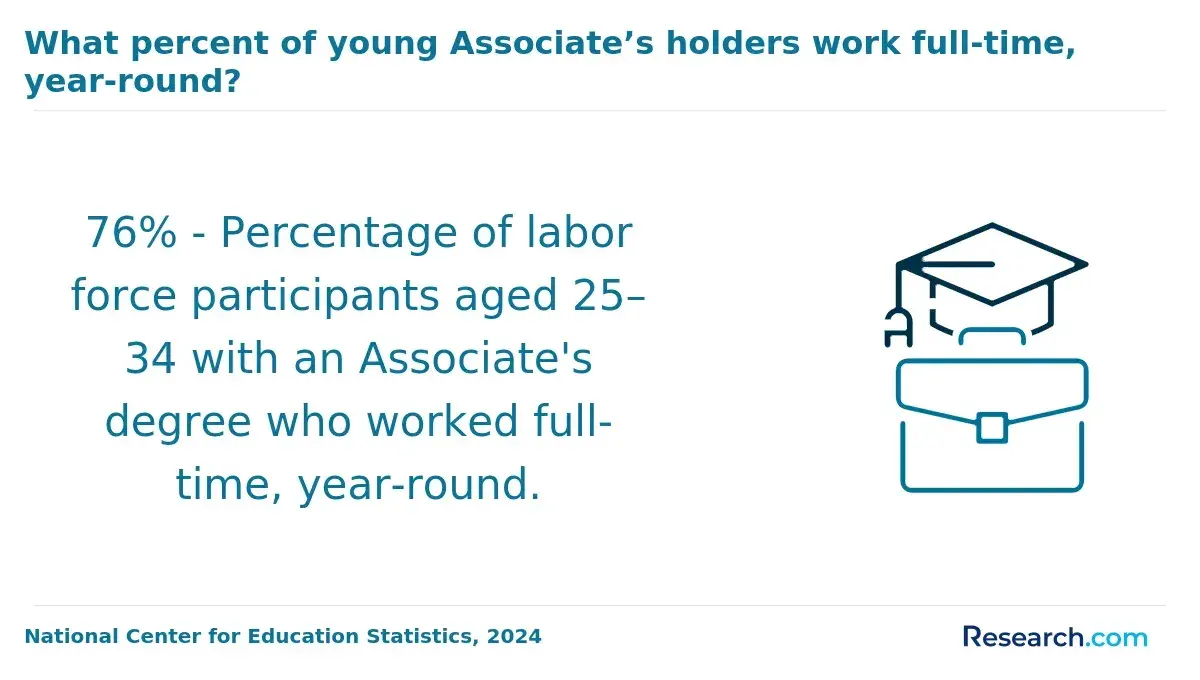
- Associate Degrees: These programs provide essential skills and typically prepare graduates for entry-level positions such as technical writing assistants or documentation support roles. While opportunities may be limited compared to higher levels, they serve as a foundation for gaining practical experience.
- Bachelor's Degrees: Often required for most technical communication jobs, bachelor's degrees open pathways to roles like technical writer, content developer, and information designer. This level enhances employability and is a key factor in employability differences by educational attainment in technical communication.
- Master's Degrees: Holding a master's degree enables access to more specialized or leadership roles such as senior communicator or project manager. These advanced degrees can also include options like the MLIS degree, which broadens expertise and career scope.
- Doctorate Degrees: These are less commonly pursued but suit those interested in academics, research, or high-level consultancy. Doctorates represent the pinnacle of technical communication education, offering unique career avenues primarily in scholarly and expert advisory capacities.
Data from the U.S. Bureau of Labor Statistics shows employment rates rise by about 14% for candidates holding a bachelor's degree or higher in communication fields compared to those with an associate degree or less, highlighting the significant impact of degree level on job security and advancement.
Recognizing the skills valued by employers is vital for those aiming to build successful careers in technical communication. These competencies help graduates stand out in competitive job markets and perform effectively in diverse professional settings. Below are several key proficiencies that companies commonly seek.
- Clear Writing and Editing: The ability to convey complex technical concepts in straightforward language is crucial. Employers want communicators who can craft accurate, concise documents that are easily understood by varied audiences, from specialists to laypersons.
- Digital Tool Expertise: Familiarity with contemporary content management systems, document design applications, and multimedia tools boosts efficiency and ensures materials are accessible across different platforms.
- Audience Awareness: Skilled communicators tailor their messaging based on the target users' needs and preferences. This adaptability makes technical content more relevant, accessible, and engaging.
- Technical Understanding: A solid grasp of the products or technologies being documented allows communicators to produce precise and reliable explanations that aid user comprehension and reduce errors.
- Team Collaboration: Coordinating with engineers, designers, and subject matter experts is essential for consistency and quality. Those who excel in communication and cooperation contribute to better project outcomes.
When speaking with a graduate from a technical communication program about the skills sought by employers, he reflected on the challenges of adapting to real-world demands. He recalled, "At first, I underestimated how much working with cross-functional teams required patience and listening skills. It wasn't just about writing well but understanding diverse perspectives and merging ideas into clear content." He also mentioned the pressure of quickly learning new software tools on the job, saying, "Sometimes I felt overwhelmed, but pushing through those hurdles sharpened my problem-solving and adaptability." His experience underscores the importance of not only mastering technical skills but also embracing interpersonal dynamics and continuous learning in the workplace.
Fluctuations in job demand directly impact starting salaries, wage growth, and long-term earning potential for technical communication graduates by affecting how employers value their skills. For example, the U.S. Bureau of Labor Statistics reports a median annual wage of $78,060 for technical writers, with job growth projected at 7% from 2022 to 2032, indicating strong future opportunities. These trends reveal how labor market dynamics shape compensation over time.
- Starting Salaries: When demand for technical communicators rises, employers compete to attract limited qualified candidates, often increasing entry-level wages. Conversely, if the supply of graduates exceeds demand, starting salaries may stagnate or decline.
- Wage Growth: Sustained demand creates a favorable environment for raises and promotions, as organizations seek to retain skilled professionals in a competitive market.
- Long-Term Earning Potential: Consistent industry demand, especially in specialized areas, can lead to premium salaries for experienced technical communication professionals. This trend benefits those who develop niche expertise.
- Market Saturation Effects: Oversupply of graduates or a decrease in demand can suppress overall salary growth, limiting financial advancement even for seasoned workers.
Understanding how supply and demand influence salary trajectories helps technical communication graduates make informed decisions about their career paths and education investments.
Artificial intelligence advancements are transforming workforce demands within technical communication, with AI-driven tools now used in over a third of documentation workflows according to recent labor data. This shift is influencing how roles develop, skills evolve, and hiring adapts in the field.
Key impacts of AI on demand for technical communication professionals include:
- Automation of Routine Tasks: AI streamlines basic content creation, formatting, and editing, freeing professionals from repetitive work while redirecting their expertise toward complex and creative responsibilities.
- Emergence of Specialized Roles: New positions such as AI content curators and UX analysts are appearing, requiring collaboration across disciplines and handling AI-generated documentation critically and ethically.
- Expanding Skill Requirements: Proficiency with AI tools, data interpretation, and metadata tagging is becoming essential, alongside the ability to ensure content accuracy tailored for varied audiences.
- Shifts in Hiring Patterns: Employers favor candidates who adapt quickly to AI technologies and demonstrate continuous learning, which supports stronger job security by complementing AI rather than competing with it.
When I spoke with a graduate of a technical communication degree program, she shared how integrating AI tools disrupted her initial workflows but ultimately enhanced her productivity. "At first, I felt overwhelmed managing the AI-generated drafts and ensuring accuracy," she explained, "but learning to guide the AI instead of relying on it completely helped me develop more polished, audience-focused documents." She viewed this transition as challenging yet encouraging, emphasizing that adapting to AI demanded ongoing skill development but also opened doors to more strategic tasks and meaningful collaboration with tech teams.
Career stability is an important consideration for students and professionals evaluating paths in technical communication, as it affects long-term growth and financial security. Several key factors influence the durability of opportunities in this field and shape its long-term outlook.
- Employment Trends: Steady demand has characterized the long-term job outlook for technical communication graduates, driven by organizations' ongoing need for clear, accurate documentation. This demand supports a consistent supply of job opportunities across various sectors.
- Industry Reliance: Many industries such as technology, healthcare, and manufacturing rely heavily on technical communication roles. This broad industry dependence reduces risk tied to downturns in specific markets and enhances career stability in the United States.
- Adaptability: The ability to keep pace with evolving technological and economic changes is critical. Technical communicators often update skills to work with new content management systems, multimedia tools, and AI-driven platforms, helping maintain their relevance despite workplace shifts.
- Career Advancement: Opportunities for reskilling and moving into related fields like project management, instructional design, or user experience expand career pathways. Many employers provide training to facilitate these transitions, further supporting longevity in the profession.
For those pursuing an online bachelor's degree or other qualifications in the field, recognizing these factors offers valuable insight into the technical communication career stability in the United States. Understanding the long-term job outlook for technical communication graduates allows students to make informed decisions about their education and career planning.
Employment for technical communication graduates is projected to grow about 10% from 2022 to 2032, outpacing the average for all occupations according to the U.S. Bureau of Labor Statistics. This increase is fueled by a rising demand for clear and precise documentation across technology, healthcare, finance, and manufacturing sectors.
Job demand varies by region but generally remains stable in industries that require strong communication paired with technical expertise. As a result, the question of whether a technical communication degree is worth it often hinges on this positive employment outlook combined with competitive starting salaries.
The technical communication salary and employment prospects by region highlight the importance of aligning degree programs with industry needs, including proficiency in digital tools and technical knowledge relevant to sectors such as software development or medical documentation. Degree level often influences opportunities, with bachelor's degrees meeting entry requirements while advanced qualifications can open doors to specialized roles.
Prospective students should also consider practical experience and internships to enhance job readiness. Those contemplating an associates degree or higher in this field should weigh these factors carefully to ensure a practical long-term investment in their career path.
What Graduates Say About the Demand for Their Technical Communication Degree
- Arda: "Pursuing a technical communication degree was one of the best decisions I've made. It not only equipped me with practical skills but also gave me confidence in bridging the gap between complex information and user needs. The return on investment has been clear through career growth and exciting project opportunities."
- Sally: "Reflecting on my journey, the decision to study technical communication reshaped how I approach professional challenges. The degree's value became apparent as I took on roles requiring clarity, precision, and accessibility in documentation. It's been a powerful asset, enhancing both my career stability and satisfaction."
- Denny: "The technical communication degree provided me with a unique blend of writing expertise and technical understanding that employers truly value. It allowed me to transition smoothly into a specialized field, improving not only my job prospects but also my ability to contribute to interdisciplinary teams effectively. The impact on my career has been both significant and rewarding."
Other Things You Should Know About Technical Communication Degrees
The demand for technical communication degree graduates in 2027 is projected to grow, driven by the increasing reliance on clear and effective digital communication across various industries. This trend underscores the importance of technical communicators in translating complex information into accessible formats.
In 2027, employers prioritize skills like user experience design, technical writing proficiency, and digital content management in technical communication graduates. A strong grasp of emerging technologies such as AI-assisted communication tools is also highly valued to meet evolving industry demands.
Remote work opportunities are increasing demand for technical communication graduates. Companies in sectors like technology and healthcare are hiring professionals to facilitate digital communication. This trend is expected to continue through 2027, expanding career options beyond traditional office settings.
In 2027, the technology, healthcare, and finance industries are key drivers of demand for technical communication degree graduates, as clear and effective communication is crucial in these fields. These industries require professionals adept at translating complex information into user-friendly content.
- Perspectives in Technical Communication https://www.technical-communication.org/technical-writing/outline-of-technical-communication/perspectives
- Jobs for Communications Graduates: Top 12 Best Across Industries https://www.betterup.com/blog/jobs-for-communications-graduates
- Technical Communication | Key Elements | Benefits | Applications https://prezentium.com/technical-communication/
- Soft Skills Matter Now More Than Ever, According to New Research https://hbr.org/2025/08/soft-skills-matter-now-more-than-ever-according-to-new-research
- A Snapshot of Employers’ Expectations of Graduates’ Skills and Abilities in Technical Communications - Center for Engaged Learning https://www.centerforengagedlearning.org/a-snapshot-of-employers-expectations-of-graduates-skills-and-abilities-in-technical-communications/
- View of The need for Technical Communication for 21st Century Learning in TVET Institutions: Perceptions of Industry Experts https://publisher.uthm.edu.my/ojs/index.php/JTET/article/view/5963/4158
- Technical Writer Salary in Poland - Itentio IT Recruitment Agency in Poland - itentio.com https://itentio.com/blog/technical-writer-salary-in-poland/
- What is Technical Communication? Careers in Technical Communication https://www.mastersincommunications.com/faqs/what-is-technical-communication
- Careers With a Technical Communication Degree https://technical-communication-ethics-final-pr.webflow.io/posts/careers-with-a-technical-communication-degree
- The Impact of AI on Marketing, Communications & Digital Jobs https://www.wowrecruitment.com.au/the-impact-of-ai-on-marketing-communications-digital-jobs