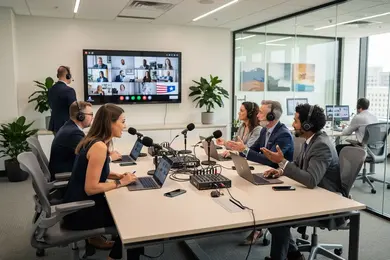
2027 Online Communications Bachelor's Degree Completion Programs for Working Adults

Co-Founder and Chief Data Scientist
Balancing full-time work with the desire to complete a bachelor's degree in communications often poses significant challenges. Many working adults struggle to find programs that accept previous college credits and offer flexible online coursework tailored to their schedules. According to the National Center for Education Statistics, over 60% of bachelor's degree completers transfer credits from prior studies, highlighting the importance of credit transfer policies. This article analyzes online communications bachelor's degree completion programs, focusing on their structure, accreditation, transfer policies, tuition, prior learning options, and career outcomes to help working adults make informed decisions.
Key Benefits of Online Communications Bachelor's Degree Completion Programs for Working Adults
- Online communications bachelor's degree completion programs offer flexible scheduling, allowing working professionals to balance study with career and personal responsibilities efficiently.
- Fully asynchronous coursework accommodates diverse work hours, enabling students to maintain full-time employment without pausing their income.
- These programs often provide accelerated paths to graduation by accepting transfer credits, reducing time compared to starting a traditional four-year degree.
What Are Online Communications Bachelor's Degree Completion Programs, and Who Are They Designed For?
Degree completion programs in online communications are tailored for adults who have previously earned some college credits but did not complete a bachelor's degree. Unlike traditional four-year programs that begin with general education and introductory classes, these completion programs concentrate on upper-division coursework to finish the remaining credits required for the degree. The primary audience for these programs includes working adults balancing jobs, family, and other responsibilities.
According to the National Center for Education Statistics (NCES), nearly 36 million Americans have some college experience but no credential, highlighting the significant demand for efficient degree pathways. The best online communications degree completion programs for transfer students typically accept a high number of transfer credits and offer flexible online or hybrid formats designed to fit professional schedules without sacrificing academic quality.
These programs have become increasingly popular as many employers now require bachelor's degrees for roles that previously did not. Key features include
- Accelerated Format: These programs focus on upper-level courses, allowing students to graduate within one to two years instead of repeating introductory material.
- High Transfer Credit Acceptance: Prior college credits and associate degrees apply extensively, helping reduce time and cost.
- Flexible Delivery: Online and hybrid course options enable busy adults to study anytime, anywhere, minimizing disruption to careers and family life.
- Growing Popularity: Degree completion programs serve as vital routes for career advancement and meeting evolving employer requirements.
For working adults exploring short careers that pay well, completing an online communications bachelor's degree can be a strategic step that balances education with life's demands.
How Do Online Communications Degree Completion Programs Differ From Traditional Four-Year Communications Bachelor's Degrees?
Online communications degree completion programs are tailored for working adults who have earned 60 or more college credits, offering key structural differences from traditional four-year degrees. These programs typically require fewer credits because many general education and introductory courses transfer in, focusing more on upper-division communications coursework. This approach reduces redundancy and accelerates degree completion.
- Credit Requirements: Completion programs often accept up to 90 transfer credits, compared to about 120 semester hours required by standard degrees. This credit transfer flexibility suits adult learners with prior academic experience.
- Curriculum Sequencing: Unlike traditional programs with a fixed course progression, completion programs use flexible, accelerated schedules. They frequently replace general education requirements with alternatives such as competency-based assessments or portfolio reviews to validate work experience and life learning.
- Time to Completion: According to IPEDS data, students entering with 60+ credits in completion programs typically graduate in 1.5 to 2 years, much faster than the usual four-year timeframe of traditional pathways. This faster timeline supports adults balancing education alongside work and family.
- Cost-Per-Credit Hour: While the cost per credit hour can be higher for completion programs due to specialized services and online delivery, fewer total credits often reduce overall expenses compared to traditional programs.
- Curriculum Mapping to Adult Learners: Completion programs recognize prior academic and professional experience through credit-by-exam and prior learning assessments. This personalizes and expedites the pathway to degree completion for adult students.
Prospective students seeking online communications degree completion programs benefits for working adults should carefully weigh these structural distinctions to find the best fit for their schedules, budgets, and career ambitions. Military veterans, mid-career professionals, and community college transfers alike can benefit from understanding these trade-offs.
For further insight into how communications degrees stack up in the job market, consider the top 10 best bachelor degrees, which highlights career outcomes and earning potential aligned with degree choices.
2026 Update: Student Support and Portfolio-Building Resources
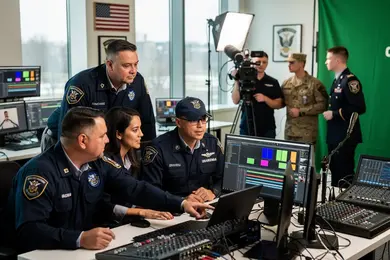
For 2026, this section adds a closer look at the online support services that can make a communications degree completion program more manageable and more useful for working adults.
- Access to dedicated transfer or adult-learner advisors who understand interrupted college histories.
- Online writing, presentation, and media production support for communications-heavy assignments.
- Opportunities to build a digital portfolio using class projects, campaigns, speeches, or research work.
- Career services that offer resume reviews, interview practice, and communication-specific job guidance online.
- Faculty availability through virtual office hours, messaging, or scheduled appointments outside standard work hours.
- Technical support for required platforms, recording tools, discussion boards, and presentation software.
Checking these services before enrolling helps working adults choose a program that supports both degree completion and stronger professional communication materials.
Which Accredited Universities Offer the Most Affordable Online Communications Bachelor's Degree Completion Programs?
The most affordable programs typically feature a uniform online tuition rate, thereby reducing financial complexity. They are open to substantial transfer credit acceptance and accredited by recognized regional bodies such as the HLC or SACSCOC. Prior learning credits also play a key role, enabling working adults to expedite their degree while balancing professional and financial demands.
- Eastern New Mexico University: ENMU offers a tiered tuition model with in-state students paying $205 per credit hour, while non-residents are charged $365. Accredited by the Higher Learning Commission (HLC), the program provides rolling admissions and centers on practical skills applicable across diverse industries in communications.
- University of Central Florida: UCF charges $207.89 per credit hour for Florida residents and $531.72 for out-of-state students. Its accreditation comes from the Southern Association of Colleges and Schools Commission on Colleges (SACSCOC). The curriculum encompasses media studies, organizational communication, and digital content creation, supporting a broad range of career options.
- Fort Hays State University: This Kansas institution charges a flat online tuition rate of roughly $218 per credit hour regardless of residency. Accredited by the HLC, FHSU allows a substantial number of transfer credits and grants credit for prior learning assessments, which benefits working adults seeking to apply previous experience toward degree completion.
- Southern Arkansas University: SAU maintains a flat online tuition rate of $275 per credit hour for all students and holds HLC accreditation. The program targets transfer students with at least 60 credits, integrating applied coursework designed to enhance career advancement within communication fields.
- Missouri State University: Residents pay about $283 per credit hour, while non-residents pay $484. The university, accredited by the HLC, offers a flexible online program emphasizing theory paired with strategic communication practices, particularly appealing to adult learners and military veterans.
Reflecting on his experience pursuing an online communications degree, a professional shared that navigating credit transfers was initially overwhelming but essential to accelerating his studies. He appreciated the flexibility that allowed him to maintain full-time employment while progressing through courses tailored to real-world applications. "Seeing my previous work and learning recognized gave me confidence," he noted, emphasizing that balancing deadlines with job responsibilities was challenging but manageable with clear communication from advisors. This approach ultimately strengthened his ability to transition into a communications career more swiftly than anticipated.
How Many Transfer Credits Can Working Adults Apply Toward an Online Communications Degree Completion Program?
Online communications degree completion programs typically limit the maximum transferable credits to between 60 and 90 semester hours. This restriction helps ensure students complete sufficient upper-division coursework to meet institutional and accreditation requirements. Understanding the maximum transferable credits for working adults in communications programs is essential for planning your academic path efficiently.
Schools review transcripts carefully to determine whether prior courses align closely with their communications curriculum or general education demands. This evaluation considers course content, credit hours, and grades, influencing how many credits can be accepted toward your degree.
Formal partnerships between community colleges and universities create clear pathways that minimize credit loss and accelerate degree completion. Students coming from community colleges benefit from these agreements, which often guarantee credit transfer and simplify admissions processes.
The U.S. Department of Education's transfer summit highlights that students lose about 40% of their credits during transfers. To avoid this, look for programs offering guaranteed or structured transfer pathways, which preserve more credits and shorten time to graduation.
Some colleges accept American Council on Education (ACE)-recommended military training credits and professional certifications, helping veterans and working adults maximize transferable learning.
Requesting an official transcript review before enrollment informs you precisely which credits will transfer. This step supports better decision-making, saving time and tuition expenses.
For those seeking an accelerated timeline, consider exploring a fast track finance degree as a reference model for structured credit transfer and completion efficiency.
What Are the Typical Admission Requirements for Online Communications Bachelor's Degree Completion Programs?
Applicants usually must show completion of 24 to 60 transferable credits from accredited colleges, ensuring they have covered foundational coursework before progressing to advanced study. Other requirements also include:
- GPA Requirements: A cumulative GPA of around 2.0 to 2.5 is commonly required, though some programs impose higher standards to maintain competitive admissions and uphold academic quality.
- Required Documentation: Official transcripts are mandatory, and some programs ask for additional materials like recommendation letters or a personal statement to better understand the applicant's academic goals and relevant experience.
- Prerequisite Coursework: Introductory classes in communications or related fields-such as media studies, journalism, or public speaking-are often expected to prepare students for upper-level coursework.
- Open vs. Selective Admission: Open-admission programs accept most applicants meeting basic criteria and generally provide more comprehensive academic support. Selective programs enroll fewer students with stronger credentials, enhancing degree prestige but sometimes offering less individualized guidance.
- Conditional Admission: Some schools allow provisional entry for students who narrowly miss criteria, giving them a chance to improve GPA or complete prerequisite courses after enrollment.
- Application Strengthening: Taking prerequisite communications courses at a community college can demonstrate readiness and commitment, boosting chances of acceptance into a competitive program.
A professional who built her career after completing an online communications bachelor's degree completion program shared that navigating the admissions process felt daunting initially, especially meeting the credit and GPA thresholds. She highlighted how carefully planning prerequisite courses beforehand gave her confidence. Submitting a personal statement allowed her to express her academic motivation beyond grades, which she felt made a difference. She appreciated programs offering conditional admission options, which eased her transition and demonstrated flexibility during her enrollment. Her experience underscored the importance of thorough preparation and persistence to meet these typical requirements successfully.
How Long Does It Take to Complete an Online Communications Bachelor's Degree Completion Program as a Working Adult?
The time needed to complete an online communications bachelor's degree varies based on prior transfer credits, course load, and enrollment pace. Students transferring 90 credits might finish within one to two years, while those with 30 transfer credits could take three or more years. Enrollment status greatly influences duration: part-time students typically take around six credits per semester, extending program length but accommodating work schedules, whereas full-time or accelerated students taking 12 or more credits per semester can graduate faster but must commit more hours.
Eight-week accelerated courses and summer sessions provide flexible options to decrease overall completion time by offering more frequent start dates and shorter terms. Competency-based education is another alternative, enabling learners to advance by demonstrating skills instead of waiting for traditional term endings, which may accelerate degree achievement.
For example, a working professional taking two courses each semester during fall and spring, plus one course in summer, might complete a 30-credit remaining program in about two years. Increasing the credit load or using accelerated formats can reduce this timeframe to approximately 12 to 18 months, depending on individual capacity and institutional policies. Life demands, such as family and employment responsibilities, as well as employer tuition support and flexibility, also play crucial roles in determining realistic timelines.
According to the National Center for Education Statistics, adult learners constitute over 40% of all undergraduates, underscoring the need for adaptable online programs that serve busy professionals.
What Financial Aid, Grants, and Employer Tuition Assistance Options Are Available for Online Communications Completion Students?
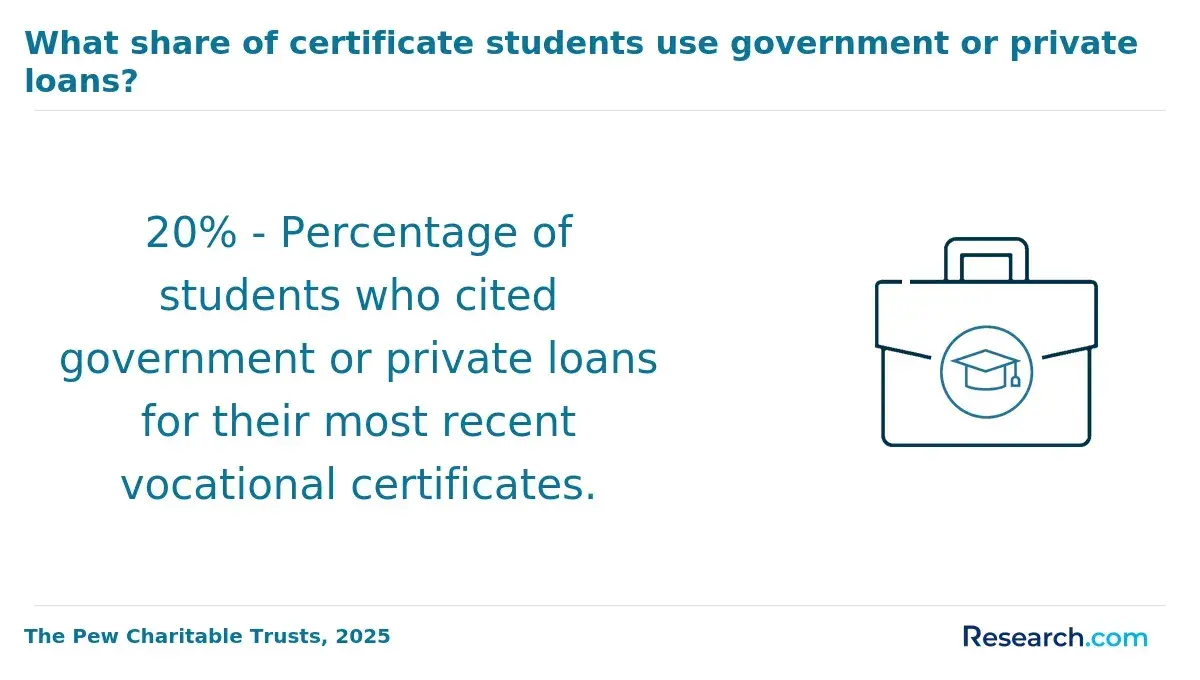
Working adults returning to complete an online communications bachelor's degree have access to several financial aid options designed to reduce educational costs. Federal Pell Grants and Direct Loans remain available to eligible students, including adult learners resuming their studies. Many states also offer grants targeting adults returning to higher education, which can significantly ease tuition expenses.
Institutional scholarships frequently prioritize non-traditional students, recognizing their distinct challenges and encouraging degree completion. These awards vary by institution but can greatly offset tuition. Some professional organizations and foundations offer scholarships or fellowships specifically for adult learners pursuing communications degrees, providing additional funding avenues.
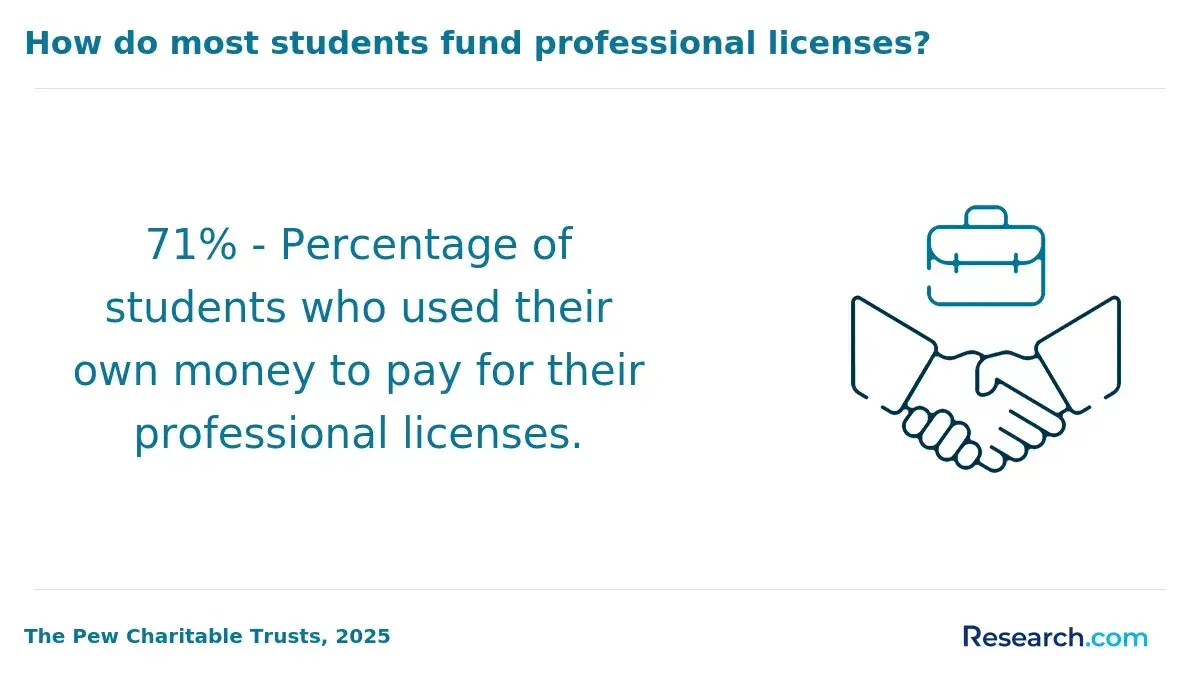
Employer tuition assistance programs represent a valuable funding source for many students. Under IRS Section 127, employers may provide up to $5,250 annually in tax-free educational benefits for undergraduate studies. This benefit helps employees advance their qualifications without increasing tax liability. Working students should contact their HR departments to verify eligibility and understand how to apply for employer tuition assistance.
How Does Per-Credit-Hour Tuition for Online Communications Completion Programs Compare Across Accredited Institutions?
Tuition for accredited online communications completion programs varies significantly, with a national average cost around $400 per credit hour for upper-division courses, based on recent NCES and IPEDS data. Public universities usually charge between $250 and $450 per credit, whereas private institutions can exceed $600 per credit. Costs also depend on transfer credit acceptance and residency status, factors critical for working adults aiming to finish a bachelor's degree online.
Below is a cost-ranked overview of total program tuition, assuming 120 credits required for graduation and two transfer credit scenarios of 60 and 90 credits completed prior to enrollment:
- University A - $10,800 (60 transfer credits), $7,200 (90 transfer credits)
- University B - $13,200 (60 transfer credits), $8,800 (90 transfer credits)
- University C - $17,400 (60 transfer credits), $11,600 (90 transfer credits)
- University D - $21,600 (60 transfer credits), $14,400 (90 transfer credits)
Ancillary fees often add hundreds to thousands of dollars to the total cost. Common additional charges include technology fees ($100-$300 per term), mandatory graduation fees (around $150), proctoring fees (approximately $50 per exam), and textbook expenses totaling roughly $1,200. These costs impact every student's budget beyond advertised per-credit tuition rates.
Working adults evaluating accredited online communications degree per credit hour tuition comparisons should consider all these factors. Institutions with flexible transfer policies can shorten time to degree and reduce overall cost. Prospective students should also note that the lowest per-credit rate does not always mean the lowest total expense if extra credits are required.
- Cost Variation: Tuition rates differ by institution type, residency, and credit level, affecting the final price significantly.
- Ancillary Fees Impact: Fees for technology, graduation, proctoring, and textbooks can substantially increase program costs beyond tuition.
- Total Credit Hours: Programs with additional credit requirements may cost more despite lower per-credit tuition.
- Transfer Policies: Generous transfer credit acceptance can reduce required credits and speed up degree completion.
For those interested in advancing further, a masters organizational leadership online can complement communications expertise and expand career options post-graduation.
What Prior Learning Assessment and Credit-by-Exam Options Exist in Online Communications Degree Completion Programs?
Prior Learning Assessment (PLA) options provide working adults the opportunity to convert existing knowledge and professional experience into college credit, accelerating the path to earning an online communications bachelor's degree. Key options include CLEP and DSST credit-by-exam programs, portfolio assessments, and military training credits evaluated through the American Council on Education (ACE). These options help students with prior college courses, military service, or corporate training reduce tuition and time to graduation.
- Credit-by-Exam Programs: CLEP and DSST exams test subject matter knowledge in communications and related fields, enabling students to earn credit without retaking courses. Many online communications degree completion programs allow extensive use of these exams.
- Portfolio Assessment: Students prepare a comprehensive portfolio documenting their work, training, or professional experiences for review. Institutions with flexible PLA policies often accept multimedia evidence, work samples, and reflective essays to assess learning outcomes.
- ACE Evaluations for Military and Corporate Training: The ACE credit recommendation system evaluates military training and professional development programs for academic credit equivalencies. This is especially valuable for veterans seeking degree completion with recognized learning.
- Maximum Credit Acceptance: The top online communications completion programs accept up to 90 semester credits through PLA, including prior learning and credit-by-exam, which can cover general education and major requirements.
- Documentation Tips: Clear, detailed documentation is crucial. Students should gather official transcripts, training records, course descriptions, and letters verifying skills acquired to strengthen their credit requests.
Working adults exploring these credit opportunities should ask institutions about specific prior learning assessment options, transfer credit policies, and submission processes. Many universities that offer accelerated pathways for bachelor's completion recognize the value of PLA in their accelerated computer science degree online programs and similarly structured communications degrees. For more information on the best options available, see accelerated computer science degree online.
Credit-by-exam opportunities in communications degree completion programs, coupled with PLA, create flexible pathways for students returning to school after workforce participation or military service. These policies ensure academic rigor while acknowledging real-world expertise and prior learning.
How Do Asynchronous Schedules in Online Communications Programs Accommodate Full-Time Working Professionals?
- Fully Asynchronous Delivery: Online communications programs that are fully asynchronous allow students to complete lectures, assignments, and discussions on their own schedule. This model does not require logging in at set times, making it ideal for those balancing irregular shifts or caregiving duties across any time zone.
- Assignment Structure: Coursework typically includes weekly readings, recorded lectures, and discussion boards where students post reflections and respond asynchronously to peers. Assessments are submitted by deadlines, providing flexibility while maintaining steady progress.
- Synchronous vs. Hybrid: Programs with synchronous sessions require real-time attendance, which can be challenging for shift workers or frequent travelers. Hybrid formats blend scheduled live classes with self-paced modules but may lack the full flexibility of asynchronous-only formats.
- Eight-Week Terms: Several institutions offer compressed eight-week courses, enabling students to concentrate on fewer subjects at once. This format helps manage workload effectively alongside professional and personal commitments.
- Time Management Tips: Successful online learners prioritize blocking out weekly study times and setting personal deadlines ahead of official due dates. Using calendar apps and task management tools supports consistent engagement.
- Digital Tools: Commonly utilized technologies include learning management systems for accessing materials, communication apps for peer interaction, and note-taking software to organize study content efficiently.
What Concentrations and Career Tracks Are Available Within Online Communications Degree Completion Programs?
Online communications bachelor's degree completion programs usually embed concentrations within the standard 120-credit degree plan, avoiding extra credits that could delay graduation or increase costs. This structure benefits working adults by allowing timely and affordable degree completion while focusing on career-ready skills.
- Digital Media: Centers on content creation, social media management, and multimedia storytelling. Graduates often become social media managers or digital marketing specialists, with median salaries near $65,000 and stable job growth according to the U.S. Bureau of Labor Statistics (BLS).
- Organizational Communication: Equips students for internal and external corporate communications and public relations roles. BLS data shows median wages around $70,000 and positive employment prospects driven by ongoing organizational communication needs.
- Healthcare Communication: Focuses on effective messaging between healthcare professionals and patients and supports public health initiatives. This track is aligned with certifications like Certified Health Education Specialist (CHES) and benefits from a job growth rate exceeding the average by 13%, per BLS.
- Public Relations and Strategic Communication: Emphasizes reputation management and crisis communication. Graduates often pursue careers as PR managers or communication directors, with median salaries above $70,000 and growing demand in the sector.
- Media Studies and Journalism: Prepares students for roles in news production, investigative reporting, and ethical journalism. Median earnings tend to be lower, around $49,000, with some positions requiring additional licensure.
Selecting a concentration that matches personal interests and offers strong labor market outcomes maximizes career potential. Consider how well each specialization fits with your transfer credits and whether certification paths enhance your professional edge in the competitive communications job market.
What Graduates Say About Online Communications Bachelor's Degree Completion Programs for Working Adults
- Briar: "Choosing a program with solid accreditation standards was crucial for me because I wanted assurance that my degree would be respected by employers. The clear transfer credit policies made it easy to apply my previous coursework, which saved me both time and money. Plus, the flexible schedule really accommodated my busy work life, allowing me to advance my career without pausing my income."
- Jesse: "Reflecting on my journey, the option to receive credit for prior learning was a game-changer-it recognized what I already knew and sped up my graduation process. I also appreciated how transparent the tuition model was; no hidden fees meant I could budget effectively. Completing my communications degree online gave me valuable skills I use daily in my leadership role, proving the program's relevance in the real world."
- Josiah: "I approached the degree completion with a professional mindset, placing emphasis on a program structure that balanced rigorous coursework with practical application. Employer outcomes showcased by the school gave me confidence that my investment would yield career growth. The seamless transfer of my community college credits was another important factor that ensured I didn't have to start from scratch."
Other Things You Should Know About Communications Degrees
In 2027, online communications bachelor's degree completion programs are accredited by recognized institutions, ensuring respect by employers and graduate schools. These programs often align with industry standards, providing students with relevant skills and knowledge that meet current job market demands.
Students can expect to spend 15-20 hours per week on coursework in 2027 online communications bachelor's degree completion programs for working adults. This includes time for lectures, assignments, and discussions, allowing flexibility to accommodate work and family commitments.
Yes. Most completion programs require 60 to 90 prior transferable semester credits, including general education coursework, before admission to the major. Applicants usually must submit official transcripts, and some schools require a minimum 2.0 to 2.5 GPA on previous college work.
References
- How to Earn a Communications Degree Online https://www.ucumberlands.edu/blog/how-earn-communications-degree-online
- B.A. in Communication Studies for Online Degree Completion Program | Gallaudet University https://gallaudet.edu/communication-studies/b-a-in-communication-studies-for-online-degree-completion-program/
- Online Bachelor’s in Communication Programs in 2025 https://www.mastersincommunications.org/bachelors/online/
- Online Communication Degree https://www.snhu.edu/online-degrees/bachelors/ba-in-communication
- Everything You Wanted to Know About Degree Completion Programs for Adults https://explore.neumann.edu/everything-you-wanted-to-know-about-degree-completion-programs-for-adults
- Employers that Will Help Pay for College | Edvisors https://www.edvisors.com/blog/companies-with-college-tuition-reimbursement/
- Financial Aid For Online Colleges https://www.affordablecollegesonline.org/financial-aid/financial-aid-for-online-colleges/
- Communication How to apply https://online.missouri.edu/degrees-programs/mu/arts-and-sciences/communication/ba/admissions
- Average Cost per Credit Hour & College Class: 2026 Data https://educationdata.org/cost-of-a-college-class-or-credit-hour
- Online BA in Communication | UT San Antonio Online https://online.utsa.edu/programs/undergraduate/communication/