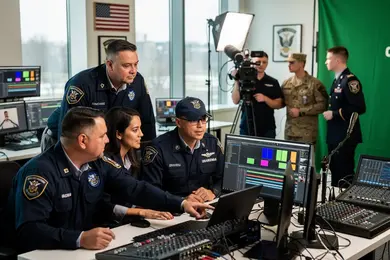
2027 Online Communications Bachelor's Degree Programs for Adult Learners Returning to School

Co-Founder and Chief Data Scientist
Many adult learners face difficulty balancing work and family responsibilities while pursuing a bachelor's degree in communications online. These challenges often delay or derail academic progress, limiting career advancement opportunities. According to the National Center for Education Statistics, nearly 40% of online postsecondary students are aged 25 or older, highlighting the growing demand for flexible education options tailored to adult learners.
This article explores the best online communications bachelor's degree programs designed specifically for adults returning to school, emphasizing flexibility, support services, and career outcomes to help readers select a program that fits their unique circumstances and goals.
Key Benefits of Online Communications Bachelor's Degree Programs for Adult Learners Returning to School
- Online Communications bachelor's degrees offer flexible scheduling, allowing working adults to balance education with employment and family responsibilities, a key factor as 69% of adult learners cite flexibility as their primary concern.
- Programs emphasize practical skills such as digital media and interpersonal communication, equipping students for career advancement and meeting the evolving demands of modern workplaces.
- Virtual cohorts and online forums foster valuable professional and peer networks, supporting adult learners in building connections that enhance job opportunities and industry insights.
Who qualifies as an adult learner in an online communications bachelor's degree?
Adult learners pursuing online communications bachelor's degree programs often differ from traditional students by returning to education after time away or starting their degree later in life. Nearly 40% of all undergraduates in the U.S. are classified as adult learners, highlighting the increasing demand for flexible options. Many prospective students research eligibility criteria for adult students in online communications degrees to find programs that fit their unique circumstances.
Common categories of adult learners qualified for online communications programs include:
- Working Professionals: Individuals aiming to advance or update their careers seek flexible programs that allow them to learn without leaving their jobs. These learners value asynchronous coursework that fits into busy schedules while acquiring practical communications skills.
- Career Changers: Adults shifting into communications from unrelated fields often require programs tailored to those with little prior coursework in the subject. They pursue degrees that blend foundational knowledge with applied learning to support their pivot.
- Military Veterans: Veterans transitioning to civilian life benefit from flexible online formats that accommodate their unique schedules and obligations. Many programs offer support services designed specifically for military-affiliated students.
- Returning Students: Those who paused their education for personal or financial reasons often return to complete their degree online. Flexible programs help balance family or work responsibilities during this process.
- Parents and Caregivers: Balancing family duties with education is challenging; thus, adult learners in this group prioritize programs offering asynchronous access and student support tailored to nontraditional needs.
For those seeking flexible options beyond communications degrees, exploring online MBA programs may provide additional pathways for career advancement.
What are the admission requirements for an online communications bachelor's degree for adult learners?
Admission requirements for an online communications bachelor's degree tailored to adult learners often accommodate nontraditional educational paths while maintaining academic standards. These criteria ensure that applicants are prepared for the demands of online coursework and reflect the realities of those returning to education after time away.
Below are some common admissions expectations for adult learners seeking flexible online communications degree programs.
- Proof of Prior Education: Applicants usually need to submit a high school diploma or GED certificate. If some college work has been completed, official transcripts from prior institutions are also required to verify academic history and assess readiness.
- Application Submission: A completed application form is mandatory, detailing personal, educational, and sometimes professional information. Some programs may request statements of purpose or letters of recommendation to better understand the applicant's motivations.
- Academic Transcripts: Official transcripts play an important role in transfer credit policies for adult online communications programs by documenting previous coursework and grades. These transcripts assist admissions in evaluating academic capability and eligibility.
- Readiness Assessment: Demonstrating comfort with online learning platforms and self-directed study is key. Institutions may require orientation courses, technology questionnaires, or interviews to assess an applicant's preparedness for virtual education demands.
- Minimum GPA Requirements: Many programs set a minimum cumulative GPA to ensure that applicants have the academic skills for success. Although standardized test scores are often waived, academic performance remains a vital consideration.
Adult learners exploring options might also find value in researching related fields, such as accelerated psychology degree programs, which share similar admission pathways and flexible formats suited to working professionals.
2026 Update: Student Support Services for Returning Communications Majors
For 2026, this section was added to help adult learners look beyond course format and compare the day-to-day support that can make an online communications bachelor’s degree easier to finish while managing work and family responsibilities.
- Access to academic advising with evening, weekend, or virtual appointment options.
- Writing, presentation, and media project support for communications-heavy assignments.
- Career coaching that connects coursework to public relations, marketing, media, or corporate communication roles.
- Technology help for learning platforms, video tools, and digital portfolio assignments.
- Clear reentry support for students returning after time away from college.
- Faculty availability policies, including response times and online office hours.
Checking these services before enrolling can help adult learners choose a program that supports steady progress, not just admission, and reduces the risk of stopping out before graduation.
Do adult learners need the SAT or ACT for an online communications bachelor's degree?
Most online communications bachelor's degree programs tailored for adult learners typically do not require SAT or ACT scores for admission, focusing instead on applicants' previous academic records and their preparedness for higher education.
This shift in admissions practices reflects a growing national trend: as of 2023, over 1,600 accredited four-year colleges and universities in the U.S. have adopted test-optional or test-free policies, recognizing that standardized exams often fail to capture the diverse experiences and skills of nontraditional students.
Waiving these test requirements helps increase accessibility by removing barriers that may discourage adults returning to school, who frequently bring valuable professional experience, prior college credits, or military service to their applications.
Admissions committees prioritize verified academic achievements and real-world readiness rather than relying solely on exams taken many years earlier, ensuring a more equitable evaluation process for working professionals pursuing an online degree.
One adult learner who reentered education and enrolled in an online communications bachelor's degree program shared his experience, noting the relief of not having to submit standardized test scores.
He described feeling "overwhelmed at first, wondering if I needed to prepare for exams I hadn't taken in decades," but found the process "much more straightforward once I learned that my work history and previous college coursework mattered more."
He appreciated that the application emphasized tangible achievements and that the admissions team was "supportive and understanding of my unique background," which helped ease his apprehension about returning to school after a long break.
How flexible are online communications bachelor's degree programs for adult learners?
Flexibility plays a crucial role in online communications bachelor's degree programs, especially for adult learners balancing education with jobs and family responsibilities. In fact, a 2023 survey by the National Center for Education Statistics found that over 70% of adult online students choose online learning due to flexible scheduling. This approach helps maintain a healthier work-life balance and eases the challenges of returning to school.
Here are some of the primary features that make online communications degree program flexibility for adult students effective:
- Asynchronous Learning: Most courses allow learners to access lectures and submit assignments on their own time within deadlines, enabling study around work or family.
- Part-Time Enrollment: Many programs offer part-time options, letting students spread out credits to accommodate their busy schedules without being overwhelmed.
- Accelerated Pacing Options: For those with more availability, some programs provide faster course tracks, so students can complete their degree sooner.
- Self-Paced Coursework: Certain courses permit learners to progress at their own speed, giving more control over study times.
- 24/7 Access to Materials: Online platforms provide round-the-clock availability of resources, allowing study at times that fit individual routines.
Prospective students can explore more flexible options through programs like an online EdD that cater specifically to adult learners' needs.
Can I transfer previous college credits to an online communications bachelor's degree?
Many online bachelor's degree programs accept transfer credits, helping adult learners reduce the time and effort needed to finish their studies. Nearly 38% of students earning a bachelor's degree transfer some credits, illustrating how common this path is.
Below are important factors to keep in mind when considering transferring credits into an online communications degree.
- Assessment of Past Coursework: Schools review your previous college transcripts to check if courses align with their communications curriculum standards and learning objectives.
- Maximum Transfer Credits: Programs typically limit the number of credits you can transfer, often allowing between 60 and 90 credits depending on their degree requirements.
- Program Relevance: Transfer credits from subjects closely related to communications, such as journalism, public relations, or media studies, have a higher chance of acceptance compared to unrelated fields.
- Advantages for Adult Learners: Transferring credits helps working adults save money by avoiding repetition and accelerates degree completion, making education more accessible.
When I asked an adult learner who returned to school and graduated from an online communications bachelor's degree program about her experience, she emphasized how transferring credits was both a relief and a challenge. "It was reassuring to see that many of my previous courses counted, but the evaluation process took longer than expected," she recalled.
She appreciated that the credit transfer significantly shortened her timeline, allowing her to focus more on new content relevant to her career goals. Despite the occasional uncertainty during the credit review, she found that persistence and clear communication with academic advisors made the process manageable and ultimately rewarding.
Does work experience count toward an online communications bachelor's degree?
Many online communications bachelor's degree programs value the professional experience adult learners bring and may convert that experience into academic credit. According to the Council for Adult and Experiential Learning, about 72% of U.S. colleges offer credit through prior learning assessments. This pathway can help students accelerate their progress and avoid repeating skills they already possess.
Work experience can be assessed and credited in several ways, including:
- Prior Learning Assessments: These evaluations measure knowledge gained outside the classroom through exams, interviews, or written submissions, demonstrating equivalency to college courses.
- Portfolio Reviews: Students compile portfolios highlighting professional projects and accomplishments relevant to communications, which faculty review to determine credit eligibility.
- Competency-Based Evaluations: Programs may assess specific communication skills through practical demonstrations or tests, allowing learners to bypass certain courses if proficiency is shown.
- Professional Certifications: Industry-recognized certifications or specialized training related to communications can sometimes be applied for academic credit, depending on institutional policies.
Recognizing work experience not only shortens the time needed to earn a degree but also validates the expertise adult learners bring from their careers. However, the amount of credit awarded varies by school and often requires detailed documentation along with additional assessments to verify prior learning.
How much does an online communications bachelor's degree cost for adult learners?
The overall cost of earning an online communications bachelor's degree for adult learners varies significantly based on program design, pacing options, and course load. On average, tuition for online bachelor's degrees in the U.S. ranges from approximately $15,000 to $30,000 for program completion. These variations reflect differences in how programs accommodate part-time or self-paced learners, which can impact total expenditures.
Several key expenses contribute to the total cost, beyond just tuition:
- Tuition Per Credit Hour: The primary cost factor is tuition charged per credit hour. Rates differ widely between public and private institutions and depend on how many credits a student takes each term, particularly relevant for adults balancing education with other commitments.
- Technology Fees: Many programs require fees that provide access to online learning platforms, digital resources, software, and technical support essential to successfully complete remote coursework.
- Course Materials: While many courses use digital textbooks or online content, students may still incur expenses purchasing textbooks, software licenses, or specialized materials specific to communications studies.
- Additional Administrative Fees: Some programs charge for enrollment processing, graduation applications, or other administrative services, adding to the overall cost of earning the degree.
Awareness of these cost components enables adult learners to plan realistically and select programs that suit their financial situations while accommodating busy lifestyles.
Are there financial aid options for adult learners in online communications bachelor's degrees?
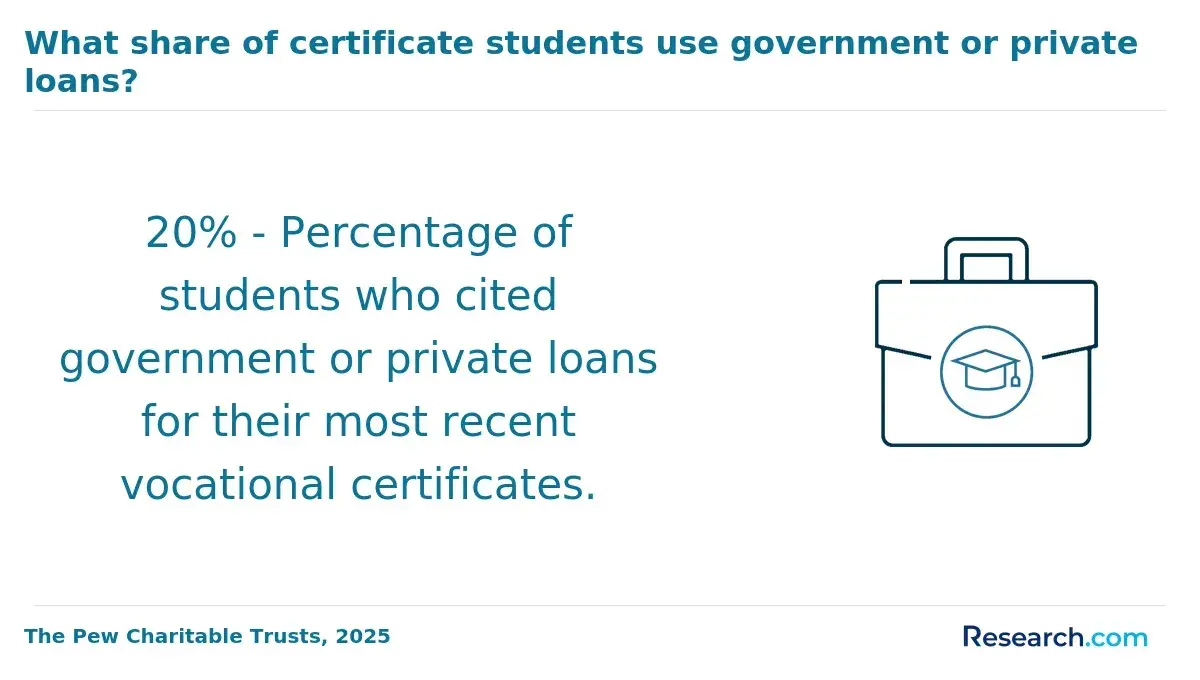
Financial aid is an essential resource for many adult learners managing the cost of an online communications bachelor's degree. According to the National Center for Education Statistics, about 84% of undergraduates receive some form of financial aid, demonstrating its broad availability. For returning adult students, exploring various funding options can make continued education more affordable and accessible.
- Grants: These are funds that do not require repayment and are often awarded based on financial need, academic merit, or specific eligibility criteria. Grants may come from federal, state, or institutional sources, providing key scholarships and grants for returning adult students in communications degrees.
- Student Loans: Loans offer a flexible way to finance education, typically with repayment plans tailored to individual circumstances. Federal loans tend to have lower interest rates and more protections compared to private loans, helping adult learners manage tuition costs responsibly.
- Employer Tuition Assistance: Many adults benefit from programs where employers cover part or all of tuition costs, especially when the degree supports job-related skills. This aid encourages professional growth and reduces the financial burden of returning to school.
- Payment Plans: Universities often provide installment payment options allowing students to pay tuition over time. This helps adult learners budget effectively and avoid large upfront expenses or additional debt.
Those researching affordable pathways may also consider related fields such as the cheapest masters in counseling online programs, which share similar funding opportunities and flexibility.
Do employers value online communications bachelor's degrees for adult learners?
Employer perceptions of online communications bachelor's degrees have shifted considerably, driven by the rise of skills-based hiring practices. Many employers now accept that reputable online programs offer rigorous curricula on par with traditional degrees, emphasizing competencies over where a degree was earned.
According to a 2023 Society for Human Resource Management survey, 65% of employers trust the quality of online degrees from accredited institutions. This growing acceptance benefits adult learners returning to school, who often leverage their professional experience alongside academic credentials to advance their careers.
Several key factors shape employer recognition of online communications degrees for career advancement. Accreditation remains critical, assuring employers that programs meet national academic standards. Employers also value the relevance of skills gained, including digital media, strategic messaging, and interpersonal communication.
Combining education with real-world experience signals discipline and adaptability, traits highly prized in today's workforce. Adult learners exploring degrees should consider programs carefully; those interested in other fields may also review options like the environmental engineering bachelor's degree online, which reflects similar trends in employer valuation of accredited online education.
How do I choose the best online communications bachelor's degree program for adult learners?
Choosing the right online communications bachelor's degree is crucial for adult learners juggling work, family, and school. Studies reveal that 70% of online students select programs based on flexibility, highlighting its importance in balancing multiple responsibilities. Here are essential factors to consider when evaluating programs.
- Accreditation: Ensure the program is accredited by recognized bodies, which guarantees quality education and acceptance by employers and other institutions.
- Program Flexibility: Look for schedules that accommodate your personal and professional life, such as asynchronous courses or part-time options.
- Curriculum Relevance: Choose programs offering courses aligned with current industry trends, including digital media, public relations, and organizational communications, to boost career readiness.
- Student Support Services: Access to academic advising, tutoring, and career counseling is vital for success, especially if you are returning to school after a hiatus.
- Tuition and Affordability: Compare costs and financial aid options to find a program that fits your budget without sacrificing quality.
- Career Outcomes: Evaluate job placement rates and alumni success stories to understand the long-term value of the degree.
What Graduates Say About Online Communications Bachelor's Degree Programs for Adult Learners Returning to School
- Briar: "Returning to school as an adult was a decision fueled by my desire to pivot careers, and choosing an online communications bachelor's degree gave me the flexibility I needed to balance work and family. The program's focus on digital media strategies felt perfectly aligned with current industry trends, making it highly relevant. Earning this degree has boosted my confidence and opened doors to leadership roles I once thought were out of reach."
- Jesse: "After years in a stagnant job, I sought an online communications program to reignite my passion and advance professionally without sacrificing my full-time job. The asynchronous coursework allowed me to study at my own pace, while the curriculum's emphasis on effective interpersonal communication has enhanced my client relations tremendously. This experience has transformed my outlook on lifelong learning and career growth."
- Josiah: "As a busy parent returning to school, the decision to pursue an online communications bachelor's degree was driven by both convenience and a desire to upskill for the evolving workplace. The program's blend of theory and practical communication techniques has directly impacted my ability to manage teams and projects more effectively. This degree has been instrumental in positioning me for promotions and increased responsibilities."
Other Things You Should Know About Communications Degrees
Adult learners in online communications bachelor's degree programs typically develop strong writing, public speaking, and media production skills. These programs also emphasize critical thinking, digital literacy, and interpersonal communication. Graduates are prepared to craft messages effectively across various platforms and audiences.
Yes, online communications bachelor's degree programs are well-suited for career changers. They offer foundational knowledge and practical skills that transfer to multiple industries, including marketing, public relations, social media management, and corporate communications. Flexible formats accommodate adult learners updating their qualifications or redirecting their career paths.
Adult learners should have reliable internet access, a computer capable of running multimedia software, and familiarity with common digital communication platforms. Programs often use learning management systems (LMS), video conferencing, and digital content creation tools, requiring students to be comfortable navigating these technologies. Technical support is typically available to assist with any issues.
References
- What Are the Benefits of Online Education for Adult Learners? https://straighterline.com/blog/self-paced-what-are-the-benefits-of-online-education-for-adult-learners
- Leveraging Online Learning https://www.bachelorsdegreecenter.org/online-learning/working-adult-flexibility/
- What Are the Most Important Things to Consider When Pursuing an Online Degree In Communications? - Best Communications Degrees https://www.bestcommunicationsdegrees.com/faq/what-are-the-most-important-things-to-consider-when-pursuing-an-online-degree-in-communications/
- What are the benefits of pursuing a Bachelor in Communication through e-learning? https://www.umu.com/ask/a11122301573853833990
- Tawakkul Malaysia - Expert Guidance For International Students https://tawakkulmalaysia.com/course/bachelor-of-mass-communication-hons--odl
- Bachelor in Communication (Media Studies) (Honours) https://university.help.edu.my/programme/bachelor-in-communication-media-studies/
- Bachelor of Mass Communication (Hons) – ODL(Online Mode) https://university.segi.edu.my/course/bachelor-of-mass-communication-hons-odl/
- Online Learning for Adults: Unveiling Hidden Benefits https://advantagesschool.com/benefits-of-online-learning-for-adults/
- Media Studies, BA https://ezyapply.net/program/detail/13880
- Bachelor in Communication Course Malaysia Tuition Fees https://globalassistant.info/bachelor-in-communication-course-malaysia-top-universities-tuition-fees/