2027 Online Communications Bachelor's Degree Programs Under $10,000

Co-Founder and Chief Data Scientist
Many working professionals face financial barriers when seeking to earn a bachelor's degree in communications online-especially those turning to affordable programs under $10,000. The challenge lies in balancing cost with program quality and flexibility amid rising tuition nationwide.
According to the National Center for Education Statistics, 45% of students prioritized online bachelor's degrees priced below $10,000 for cost-efficiency and accessibility.
This article explores accredited, budget-friendly online communications bachelor's degrees designed to help prospective students-and career pivoters-identify viable pathways that align with their financial and professional goals.
Key Things to Know About Online Communications Bachelor's Degree Programs Under $10,000
- Online Communications bachelor's degree programs under $10,000 significantly reduce student debt-average savings exceed $15,000 compared to traditional on-campus options.
- Graduates often experience a strong return on investment as entry-level salaries in Communications-related fields average $50,000 annually, supporting faster debt repayment.
- Flexible course schedules and transfer credit policies accommodate working adults and military students, enabling degree completion without interrupting career or personal commitments.
What Are the Most Affordable Accredited Online Communications Bachelor's Degree Programs Under $10,000?
"Under $10,000 total" tuition in online bachelor's programs means the entire cost to complete the required credits-typically between 120 and 130 hours-without additional semester or per-credit fees inflating the price.
For budget-conscious students, accreditation is a crucial baseline because it ensures the program's legitimacy and acceptance by employers and other institutions.
Regional accreditors such as the Higher Learning Commission (HLC), Southern Association of Colleges and Schools Commission on Colleges (SACSCOC), and Western Association of Schools and Colleges (WASC) represent high academic standards.
Though programmatic accreditation in communications is rare, its presence further endorses the curriculum's quality.
Some of the most affordable accredited online communications bachelor's degree programs in the United States verified through NCES College Navigator and university resources include:
- Eastern New Mexico University: About $85 per credit hour for 120 credits, totaling roughly $10,200 before discounts; accredited by HLC.
- Fort Hays State University: $93.50 per credit hour, 120-credit requirement, approximating $10,000 total; HLC accreditation with flexible transfer and prior learning assessments.
- Western Governors University: Flat $3,500 per term for up to six courses, with total tuition generally under $9,000; accredited by Northwest Commission on Colleges and Universities (NWCCU).
- Columbia College: $355 per credit hour, though transfer policies and test-out options help many graduate under $10,000; accredited by the Higher Learning Commission.
- Fort Lewis College: $115 per credit hour for 120 credits but offers financial aid reducing total costs below $10,000; accredited by HLC.
- Liberty University: Around $390 per credit hour; accelerated and transfer-friendly tracks can lower total costs under $10,000; accredited by SACSCOC.
- University of the People: Tuition-free, charging minimal course fees; total expenses remain significantly below $10,000; accredited by DEAC.
These top inexpensive online communications bachelor's degree programs with flexible financial aid stand out by focusing on cost-effective delivery models like competency-based learning, prior learning assessments, and generous transfer credit policies.
While they meet accreditation standards, they may offer fewer electives or extracurricular options than mid-range programs.
However, graduates report salary outcomes typically between $40,000 and $60,000 annually, making these programs practical for first-generation students or those changing careers. For individuals seeking the shortest path to credentials, exploring EDD online programs may also provide valuable insights into accelerated degree options.
How Do Tuition Costs for Online Communications Bachelor's Programs Under $10,000 Compare Across Public and Private Universities?
Tuition costs for online communications bachelor's programs under $10,000 reveal distinct patterns when comparing public and private nonprofit universities. These variations arise mainly from differences in funding, enrollment scale, and program design.
- Tuition Rates: Public universities typically have lower per-credit-hour costs, often between $150 and $250, thanks to significant state subsidies. Private nonprofit schools usually charge from $300 to $450 per credit but may still maintain total costs under $10,000 by offering accelerated formats or requiring fewer credits.
- Total Program Costs: Public institutions generally calculate tuition by multiplying per-credit fees by the standard 120 credits. Private universities in this price range often provide flexible credit transfer policies or accept prior learning assessments to reduce the number of required credits and overall costs.
- State Subsidies: Public universities benefit from government funding aimed at lowering costs particularly for in-state students. Private institutions lack these subsidies but may offset higher tuition with scholarships and institutional grants.
- Enrollment Size and Program Delivery: Larger public universities leverage economies of scale to support extensive online infrastructure at lower per-student costs. Smaller private colleges might invest more in personalized support, specialty curricula, or accelerated pathways.
- Private Institutions with Competitive Costs: Some private nonprofits remain competitive by accepting generous transfer credits and offering streamlined courses, enabling them to match or sometimes underprice public options-especially for students transferring credits or demonstrating prior experience.
- Financial Aid Impact: Both sectors provide financial aid, but private universities often have more institutional aid funds, effectively lowering tuition despite higher sticker prices.
Careful comparison of affordable online communications degree tuition rates at public versus private institutions reveals that transfer credit flexibility, program length, and aid availability significantly influence affordability.
Prospective students evaluating accredited programs under $10,000 should also consider real-world salary outcomes and graduation support.
For more insights on affordable online degrees, including options beyond communications, you might explore masters in psychology programs that also emphasize cost-effectiveness and career advancement.
What Is the Typical Duration of an Online Communications Bachelor's Degree Under $10,000, and How Can Students Graduate Faster?
Most online communications bachelor's degree programs with total costs below $10,000 typically follow a 120-credit curriculum designed to be completed in about four years of full-time study. This timeline generally aligns with traditional academic calendars featuring two 15-week semesters annually.
However, many highly affordable programs adjust their schedules to maintain low tuition rates while providing more flexible and accelerated degree paths.
- Eight-Week Terms: Instead of conventional semester lengths, these programs break the academic year into shorter eight-week intervals, enabling students to finish courses more quickly and take more classes annually.
- Year-Round Enrollment: Offering courses continuously throughout summer and winter sessions allows students to study without long interruptions, accumulating credits faster and reducing total time to degree.
- Competency-Based Pathways: Some schools emphasize mastery of skills over time spent in class, enabling motivated students to progress at their own pace by demonstrating what they know, often accelerating completion.
- Institutional Examples: Western Governor's University offers a fully online communications program under $10,000 that averages three years to complete via its competency-based system. Fort Hays State University also supports accelerated eight-week courses to help students graduate sooner.
- Cost Savings and Opportunity: Finishing sooner reduces tuition expenses and minimizes income lost from time away from full-time work-an essential factor for adult learners balancing financial and career priorities.
A professional who pursued an online communications bachelor's degree under $10,000 shared that balancing studies with family and work commitments was challenging but manageable thanks to the flexible course formats.
Drawing from military experience, he appreciated the competency-based approach, which allowed him to test out of subjects where he already had expertise. "It wasn't just about passing classes but actually proving I could apply what I'd learned," he explained.
Completing the program in just over three years, he noted the importance of staying disciplined and using the year-round schedule to keep momentum-"Every break meant a chance to catch up or move ahead, so there was constant forward progress."
This flexibility made a significant difference in achieving his career goals without taking on excessive debt or taking years off work.
Which Online Communications Bachelor's Programs Under $10,000 Offer the Best Earning Potential After Graduation?
Choosing an online communications bachelor's degree under $10,000 with the highest graduate salaries requires focusing on certain concentration tracks that align with strong career prospects.
According to the Bureau of Labor Statistics (BLS), career paths typically pursued by communications graduates include roles that offer competitive median incomes supported by PayScale data and institutional outcomes.
- Public Relations: Prepares students for media relations, corporate communications, and brand reputation roles, with BLS citing median wages near $62,800 and leadership roles exceeding $120,000 annually. Affordable programs often emphasize digital media and campaign management skills.
- Digital Marketing: Combines social media strategy, content generation, and analytics. Digital marketing manager salaries average about $65,000, with higher earnings for experienced professionals. Practical certification options within programs enhance job market readiness.
- Organizational Communication: Focuses on internal corporate communication, leadership, and change management. Median salaries range from $60,000 to $85,000, reflecting demand for communication directors and corporate trainers.
- Media Production and Management: Integrates video production, journalism, and media operations. Graduates see median pay between $55,000 and $70,000, supported by practical and theoretical training in budget-friendly online programs.
For prospective students seeking the best-value online communications degrees in the United States for earning potential, assessing each school's graduate employment rates, transfer credit policies, prior learning assessments, and career support services is essential.
These factors can reduce time and costs while improving long-term financial outcomes. Consider exploring famous online colleges to identify programs with strong accreditation and proven salary benefits at an affordable price point.
What Financial Aid and Scholarship Opportunities Can Reduce an Online Communications Bachelor's Degree Cost Below $10,000?
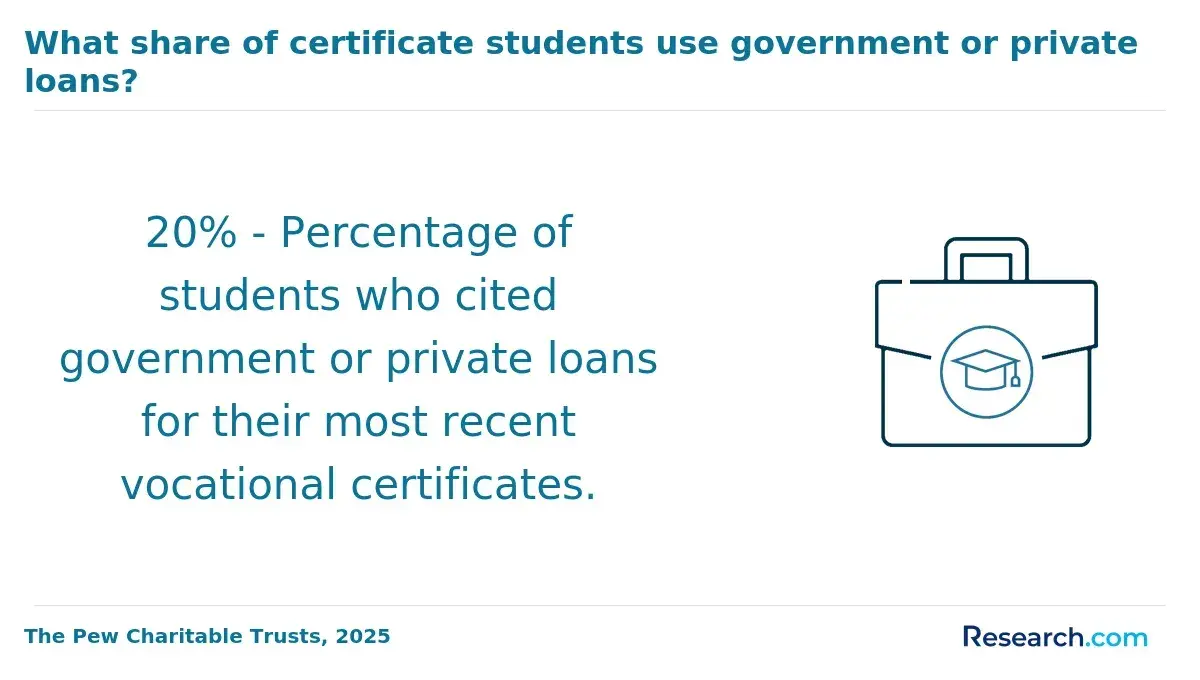
Bringing the cost of an online communications bachelor’s degree under $10,000 often depends on how effectively you combine available financial support. Scholarships, federal and state grants, tuition discounts, and employer assistance programs can all significantly reduce what you pay out of pocket.
With the right mix of resources, an affordable path into media, public relations, and digital communication becomes much more attainable.
- Federal Pell Grants: These need-based awards from the U.S. government require no repayment and often cover a large part of tuition for students with demonstrated financial need. Many undergraduates qualify, making Pell Grants a foundational form of aid to reduce program costs.
- Subsidized Federal Loans: With interest paid by the government during enrollment, these loans provide an affordable borrowing option. They are recommended only after maximizing free aid such as grants and scholarships to keep student debt low.
- State-Based Grants: Various states offer financial aid to residents enrolled in accredited online degree programs, adding significant assistance that lowers out-of-pocket expenses for many military-affiliated students.
- Institutional Scholarships: Online communications programs often award scholarships based on merit, financial need, or relevant professional experience. It's essential to consult the institution's financial aid resources to identify and apply for these targeted awards.
- Professional Association Scholarships: Associations like the National Communication Association and other nonprofits provide scholarships aimed at communications students, frequently emphasizing leadership, diversity, and specialized focus areas within the field.
Stacking these aid sources, starting with early FAFSA submission, enables students to combine free grants and scholarships before considering loans.
This ordered approach can bring total program costs well below $10,000, making an accredited online communications degree financially feasible for military service members and their families.
When asked about her journey, a professional who established her career after completing an online communications bachelor's degree under $10,000 recalled navigating the financial aid maze as "overwhelming at first."
She emphasized the importance of persistence in researching scholarships and grants tailored to her background and the role of advisors who guided her through FAFSA and institutional applications.
"Maximizing every free funding source felt like a puzzle," she reflected, "but it made the difference between finishing with debt or without." Her experience underscores how strategic planning and early action can transform educational goals into achievable realities.
How Many Transfer Credits Do Online Communications Bachelor's Programs Under $10,000 Accept, and How Does This Reduce Total Cost?
Generous transfer credit policies represent one of the most effective methods to lower the total cost of online communications bachelor's degree programs priced under $10,000.
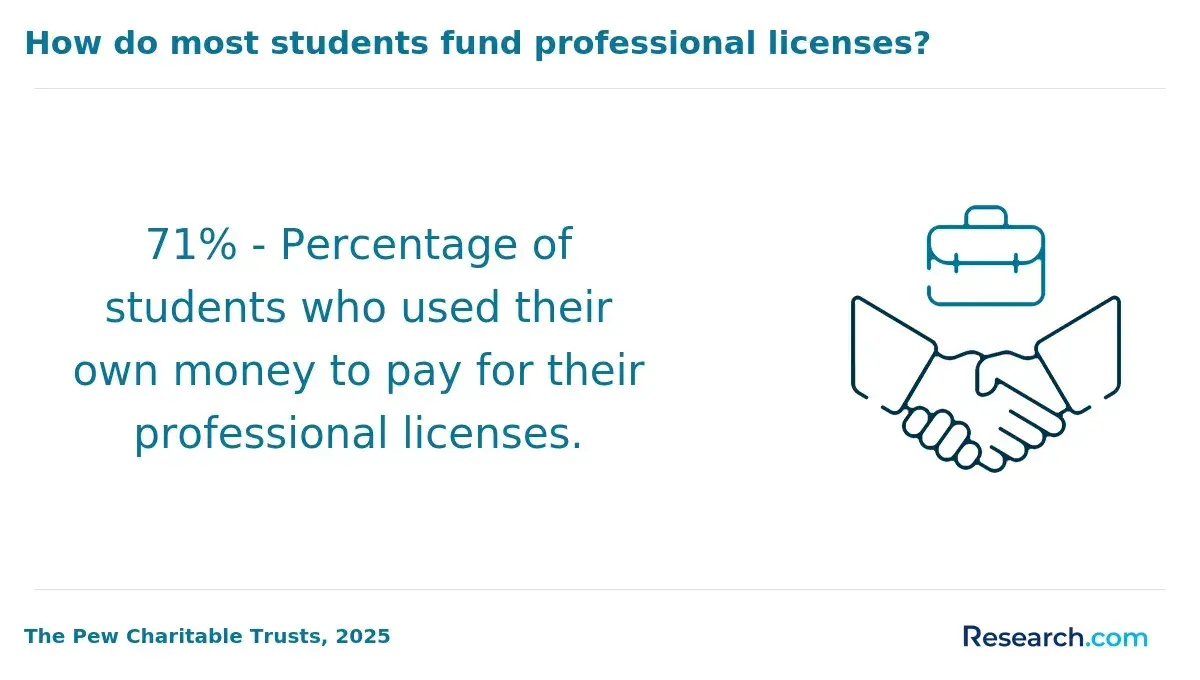
Many affordable programs allow students to apply credits earned from previous college classes, military training, and standardized exams like CLEP or DSST toward degree requirements. This approach can considerably reduce both the time and expenses necessary to graduate.
For example, if a school accepts 60 transfer credits out of the typical 120-credit requirement, students would only need to complete half of the coursework. This reduction often leads to tuition savings exceeding 50%, since fees are calculated per credit completed at the institution.
Noteworthy institutions known for their accommodating transfer credit policies include:
- Western Governors University: Permits up to 90 transfer credits from prior college courses, CLEP exams, and military service, enabling students to accelerate progress toward graduation.
- Thomas Edison State University: Has broad acceptance of credits from various exams and military training, often with no fixed cap on transfer credits, minimizing overall program costs.
- Excelsior College: Evaluates and awards credit for many external exams and military experience to reduce students' time spent completing degree requirements.
Applicants should carefully review their existing transcripts, exam results, and military documentation before enrolling. This preparation ensures they can maximize accepted credits, which helps produce more accurate cost estimates and shortens degree completion time.
Opting for programs with flexible and extensive transfer credit policies remains crucial for working adults and first-generation students aiming for affordable routes to enhance their career opportunities without compromising academic standards.
For individuals considering further academic advancement, understanding the easiest doctorate to get can help guide future planning after completing a bachelor's degree.
While doctoral programs vary in rigor and specialization, some fields offer more flexible structures or fewer prerequisites, making them more accessible for working professionals seeking to balance advanced education with career and personal responsibilities.
What Accreditation Should an Online Communications Bachelor's Program Under $10,000 Have to Ensure Quality and Employer Recognition?
Accreditation plays a critical role in ensuring the quality and recognition of online Communications bachelor's degrees under $10,000. Regional accreditation is generally more respected by employers and graduate schools, offering better credit transferability and nationwide recognition.
Programs holding regional accreditation often provide a stronger foundation for career advancement and future studies. Key regional accrediting bodies include:
- Higher Learning Commission (HLC): Covers central U.S. states and accredits many public and private colleges with strong Communications programs.
- Southern Association of Colleges and Schools Commission on Colleges (SACSCOC): Accredits institutions in the southern U.S., known for rigorous academic standards.
- New England Commission of Higher Education (NECHE): Oversees northeastern institutions with well-established Communications curricula.
Some affordable Communications programs also feature programmatic accreditation from field-specific organizations such as the Accrediting Council on Education in Journalism and Mass Communications (ACEJMC).
Although not mandatory, this can provide additional assurance of curriculum quality tailored to the Communications discipline.
Candidates should be cautious about nationally accredited or non-accredited programs. National accreditation often involves less stringent standards, which may limit credit transfer options and influence employer perception negatively.
Non-accredited degrees could disqualify students from federal financial aid and restrict graduate school opportunities, even if the upfront tuition cost seems attractive.
It is vital to verify any program's accreditation status through the U.S. Department of Education's Accreditation Database before committing. This reduces the risk of costly educational missteps.
Recent data indicate nearly 70% of employers prefer candidates with degrees from regionally accredited institutions, underscoring the practical benefits of choosing appropriately accredited Communications programs.
What Are the Admission Requirements for Online Communications Bachelor's Programs Priced Under $10,000?
Admission requirements for affordable online communications bachelor programs priced under $10,000 typically include a high school diploma or GED as the foundational qualification. Many programs set minimum GPA thresholds around 2.0 to 2.5 on a 4.0 scale to confirm readiness for college-level work.
However, numerous budget-friendly institutions offer open-admission or rolling admission policies that provide increased accessibility for non-traditional, working, or returning adult learners by often waiving strict GPA and test score requirements.
These flexible approaches help widen opportunities for those navigating eligibility in cost-effective online communications bachelor's degrees under $10,000.
Standardized test submissions like the SAT or ACT are increasingly considered optional or waived entirely in affordable online communications programs.
This trend emphasizes a student's prior academic or professional achievements over standardized exam results. Some programs may require prerequisite courses in English, writing, or communication fundamentals, though these can sometimes be completed during the early semesters or via transfer credits.
Selective programs typically expect stronger academic records and may require more comprehensive applications, including personal statements or letters of recommendation, while offering enhanced student support services such as advising and tutoring.
Though these programs can carry higher tuition, they might improve post-graduate prospects. Open-admission schools provide easier access and faster enrollment but could have fewer resources available per student.
Employer perceptions often weigh both academic rigor and practical skills, so prospective students should evaluate programs accordingly.
If initial qualifications fall short, applicants can improve their chances by completing relevant community college courses, gaining work experience in communications roles, or submitting compelling personal statements that demonstrate motivation and skills.
For those exploring career pathways, examining what can i do with a project management degree illustrates how broad and applicable skills can boost employability.
- High School Diploma or GED: Nearly all programs require a completed secondary education credential as the baseline for admission eligibility.
- Minimum GPA Thresholds: Most programs expect a 2.0-2.5 GPA but open-admission schools may waive this, focusing more on readiness and life experience.
- Standardized Test Policies: Tests like the SAT or ACT are often optional or waived, especially in affordable online communications programs.
- Prerequisite Courses: Some schools require basic courses in English or communications fundamentals, which may be completed before or early in the program.
- Open vs. Selective Admission: Open programs offer easier access and rolling admissions, while selective ones provide more academic support but have stricter requirements.
- Strengthening Applications: Completing community college credits, gaining relevant work experience, and submitting strong personal statements can improve acceptance odds if initial criteria are not met.
How Do Online Communications Bachelor's Programs Under $10,000 Support Student Success Through Advising and Career Services?
Online communications bachelor's programs under 10,000 with academic advising support often emphasize comprehensive student services to promote timely degree completion and smooth career transitions.
These affordable programs understand that personalized guidance and targeted resources are essential for working adults, first-generation students, and career changers navigating higher education on a budget.
- Personalized Academic Advising: Many low-cost programs provide one-on-one advising to help students design a clear course pathway, including transfer credit evaluations and degree planning. This approach minimizes excess credits and helps students graduate on time, reducing overall educational costs.
- Tutoring and Mentorship Opportunities: Students benefit from tutoring tailored to communications curriculum challenges and mentorship programs linking learners to faculty or industry professionals. These connections build skills and foster real-world understanding essential for career advancement.
- Mental Health and Wellness Resources: Affordable programs recognize the unique pressures on adult and first-generation learners by offering virtual counseling and wellness services. These resources support student persistence by promoting balance and managing stress.
- Strong Career Placement Services: Despite limited tuition, many programs coordinate internships with regional employers, host exclusive job boards, and engage active alumni networks. Career coaching and skill-building workshops, such as resume writing and interview preparation, empower graduates to succeed in competitive job markets.
- Proven Student Satisfaction and Outcomes: Data from NSSE show that several budget-friendly online communications degrees achieve high marks for student engagement and support. Robust advising and career services correlate with above-average on-time graduation rates and positive early-career earnings.
For working adults and others exploring affordable pathways, evaluating career services and job placement for affordable communications degree graduates is critical. Many prospective students also consider transfer credit flexibility and accreditation to ensure their investment yields long-term benefits.
Those interested in options tailored to military students can find additional resources by exploring institutions recognized as online colleges for military, which often intersect with affordable communications programs offering strong support systems.
What Concentrations or Specializations Are Available Within Online Communications Bachelor's Programs Under $10,000?
Online communications bachelor's degree programs under $10,000 often include specialization options that help students target distinct career paths with promising employment prospects.
Concentrations align with roles backed by U.S. Bureau of Labor Statistics (BLS) growth forecasts and offer potential for competitive salaries.
- Public Relations: Focuses on reputation management and media outreach. Careers such as PR specialist or communication manager have an 11% projected job growth through 2032, with entry salaries near $62,000. Additional certifications like Accreditation in Public Relations may boost opportunities but might increase overall costs.
- Digital Media and Social Media Management: Centers on digital content creation and campaign analysis. This track anticipates about 13% job growth, reflecting strong demand for digital marketing skills. Optional certifications in Google Analytics or Facebook Blueprint can enhance employability without being mandatory.
- Broadcasting and Media Production: Prepares students for radio, television, and streaming roles. Employment remains stable with niche growth areas, offering salaries typically between $40,000 and $60,000. Some positions may require technical certifications beyond the degree's cost.
- Corporate Communications: Emphasizes internal messaging and employee engagement, leading to positions like corporate communication specialist. Moderate job growth and starting salaries around $58,000 make this a practical choice without extra licensure fees.
When selecting a concentration, consider both personal interests and labor market trends. Budget for possible certification expenses, and seek programs that accept transfer credits, offer prior learning assessments, and support adult learners to ensure a cost-effective path to career advancement.
What Technology and Learning Platforms Do Online Communications Bachelor's Programs Under $10,000 Use?
Learning Management Systems like Canvas, Blackboard, and Moodle form the foundation of affordable online communications degree programs. These platforms centralize lectures, assignments, discussions, and progress tracking, creating an efficient learning environment.
Even in budget-friendly options, the intuitiveness and reliability of an LMS directly influence student satisfaction and academic success by minimizing technical obstacles.
In addition to general coursework tools, students often engage with specialized software tailored to communications skills. Media editing programs support video and audio projects, while simulations and virtual labs replicate real-world communication tasks such as public relations scenarios.
While some institutions include these resources in tuition, others charge extra fees, potentially increasing costs beyond $10,000.
Accessibility remains essential for students with limited internet speed or older computers. Programs commonly offer downloadable content and mobile-compatible platforms to ease access.
To participate fully, students should have stable internet, a computer with at least 4GB of RAM, and an updated web browser.
- Learning Management Systems: Core platforms that organize learning materials and foster interaction, ensuring seamless course delivery regardless of program cost.
- Media Editing Software: Tools for hands-on multimedia assignments, occasionally involving additional fees outside standard tuition.
- Virtual Simulations: Interactive experiences designed to build practical communication skills, sometimes excluded from base costs.
- Mobile Access: Responsive interfaces allowing study via smartphones or tablets, vital for students without advanced hardware.
- Technical Requirements: Basic setups including reliable internet, sufficient RAM, and updated browsers support smooth engagement and reduce disruptions.
What Graduates Say About Their Online Communications Bachelor's Degree Programs Under $10,000
- Briar: "Choosing the online communications bachelor's degree program under $10,000 was a practical decision for me-I needed a quality education without the hefty price tag. The affordability allowed me to focus fully on learning rather than stressing about finances. This program truly opened doors for me professionally, boosting my confidence and skill set in ways I hadn't anticipated."
- Jesse: "Reflecting on my experience, the value of an affordable online communications degree goes beyond just the cost-it's about accessibility and flexibility. Being able to study at my own pace while balancing work made all the difference. I appreciate how this program equipped me with relevant insights that have significantly enhanced my career trajectory."
- Josiah: "I was drawn to this online communications bachelor's degree because it combined affordability with a strong curriculum. Spending under $10,000 was a key factor, but the program's practical approach to real-world communication challenges made it invaluable. Since graduating, I've noticed a clear impact on my professional opportunities and my ability to lead conversations effectively."
Other Things You Should Know About Communications Degrees
Typically, an online communications bachelor's degree program under $10,000 can be completed in four years of full-time study. Some programs offer accelerated options, allowing students to finish in as little as three years by taking extra courses or summer classes.
Yes, some fully online communications programs under $10,000 do not charge different rates for out-of-state students. This pricing policy makes the programs more affordable for learners nationwide.
Institutions with this structure typically base tuition on a flat rate per credit hour regardless of residency, which benefits working adults and career changers seeking flexibility and cost savings.
It should hold regional accreditation from one of the seven U.S. institutional accreditors, such as SACSCOC, HLC, MSCHE, NECHE, WSCUC, NWCCU, or DEAC. Accreditation affects transfer credit, federal aid eligibility, and employer recognition.
References
- Choosing a bachelor's in communication | edX https://www.edx.org/resources/how-to-choose-a-bachelors-in-communication
- Top Online Schools That Accept Transfer Credits https://www.edvisorly.com/student-guides/online-schools-that-accept-transfer-credits
- Online BA in Communication | UT San Antonio Online https://online.utsa.edu/programs/undergraduate/communication/
- Average Cost of Online College [2025]: Yearly Tuition + Fees https://educationdata.org/average-cost-of-online-college
- Virtual Academic Advising in Challenging Times - Proud Pen - Open Access Book Publisher https://www.proudpen.com/book/the-impact-of-covid19-on-the-international-education-system/virtual-academic-advising-in-challenging-times/
- The 9 Best Online Learning Platforms in 2026 https://www.ispring.com/knowledge-hub/best-online-learning-platforms
- Online BA in Communication at William Paterson University https://online.wpunj.edu/degrees/undergraduate/ba-communication/
- Importance of Accredited Online Degree Programs | TUW https://www.tuw.edu/school-news/importance-of-accredited-online-degree-programs/
- Financial Aid For Online Colleges https://www.affordablecollegesonline.org/financial-aid/financial-aid-for-online-colleges/
- Student Services for Online Learners - OnlineEducation.com https://www.onlineeducation.com/guide/student-support-services