2027 How to Become a Special Education Teacher in Pittsburgh, PA: Education Requirements & Certification

Co-Founder and Chief Data Scientist
Becoming a special education teacher in Pittsburgh, Pennsylvania is a practical career choice for people who want classroom work with clear purpose, steady public-school need, and a certification path that is well defined by the Pennsylvania Department of Education. The decision, however, is not as simple as “earn a degree and apply.” You need to choose the right certification area, complete supervised teaching, pass required exams, budget for tuition and testing, and understand how local districts compensate and support special education staff.
This guide explains how to become a special education teacher in Pittsburgh, what coursework and exams are required, how long the process may take, what it can cost, where jobs are commonly available, and what challenges new teachers should expect. It is designed for first-time college students, career changers with a bachelor’s degree, current teachers adding special education certification, and education professionals comparing long-term advancement options.
Quick answer: Key things to know about becoming a special education teacher in Pittsburgh, PA
- You generally need a bachelor’s degree, completion of a Pennsylvania Department of Education-approved teacher preparation program, supervised student teaching or practicum experience, required certification exams, and PDE certification approval.
- Pittsburgh schools continue to recruit special education teachers each year because of retirements, student support needs, and program expansion.
- Reported pay varies by source and employer. One local estimate places the average around $58,000 annually, while another lists special education teachers in Pittsburgh at an average of $63,049, with many salaries falling between $50K and $83K.
- Some educators may qualify for additional compensation when working in high-need schools or hard-to-fill special education assignments.
- Pittsburgh Public Schools provides new-teacher mentoring, a year of support, and training intended to help educators serve students from varied cultural, linguistic, and learning backgrounds.
- Pennsylvania recently invested $10 million to strengthen the special education teacher pipeline through scholarships, training, and certification-related support.
- Coursework required for special education certification in Pittsburgh
- Steps to become certified to teach special education in Pittsburgh
- Estimated cost of earning special education teacher certification
- Typical timeline for completing teacher training
- Average salary and pay growth for special education teachers
- Demand for special education teachers in Pittsburgh
- Alternative pathways if you do not have a teaching degree
- BCBA certification options for special education teachers
- Mental health support for special education teachers
- How to maintain Pennsylvania special education certification
- Common challenges in Pittsburgh special education classrooms
- Pittsburgh-area districts hiring special education teachers
- Affordable pathways to a Pittsburgh teaching credential Hiring districts Additional local considerations Employer requirements Teacher perspectives Master's degree impact Core teaching skills Online CEU options Job search resources References
What are the coursework requirements for special education certification in Pittsburgh, PA?
Special education certification programs serving Pittsburgh candidates are built around both instructional theory and field-based practice. The goal is to prepare teachers to design accessible lessons, support students with disabilities, write and implement IEPs, collaborate with families and specialists, and comply with federal and Pennsylvania special education rules.
| Coursework area | What candidates learn | Why it matters in Pittsburgh classrooms |
| Foundations of Special Education | History, disability categories, service models, inclusion principles, and major laws shaping special education | Teachers need a clear understanding of student rights and service obligations before entering a public or charter school classroom. |
| Behavior Management | Positive behavior supports, de-escalation, behavior intervention planning, and classroom routines | Many special education roles require teachers to respond calmly and consistently to behavioral, emotional, and attention-related needs. |
| Assessment and Evaluation of Students with Disabilities | Academic, behavioral, and functional assessment methods; data collection; progress monitoring | Accurate data helps teams adjust instruction and document progress toward IEP goals. |
| Individualized Education Program Development | Writing measurable goals, aligning services, documenting accommodations, and working with IEP teams | IEP quality affects compliance, instruction, family communication, and student outcomes. |
| Instructional Methods for Diverse Learners | Differentiation, explicit instruction, assistive technology, universal design, and adapted curriculum strategies | Teachers must make grade-level content accessible for students with varied strengths and support needs. |
| Classroom Management Techniques | Organization, routines, transitions, collaboration with aides, and classroom environment design | Special education teachers often coordinate multiple adults, service schedules, and instructional groups. |
| Legal and Ethical Issues in Special Education | IDEA, Section 504, confidentiality, procedural safeguards, documentation, and professional responsibilities | Legal literacy helps prevent service gaps and supports fair treatment for students and families. |
During practicum and student teaching, candidates often discover that the hardest part is not only mastering lesson plans or paperwork, but learning how to make decisions in real time when students have different academic, communication, behavioral, and sensory needs. New teachers benefit most when they actively ask for feedback, observe experienced special educators, and treat field placements as preparation for the full workload of the job.
How do you get certified to teach special education in Pittsburgh, PA?
To teach special education in Pittsburgh public schools or most Pennsylvania charter settings, you must meet Pennsylvania certification requirements. Pittsburgh does not issue a separate local teaching license; the credential comes through the Pennsylvania Department of Education.
- Select the certification category that matches your target role. Pennsylvania options include Special Education PK-12, Hearing Impaired PK-12, Speech Language Impaired PK-12, and Visually Impaired PK-12.
- Complete an approved degree or certification program. New teachers usually complete a bachelor’s degree through a PDE-approved teacher preparation program. Pennsylvania has over 100 approved programs statewide, including pathways aligned with PK-12 Special Education.
- Finish required field experiences. Programs include supervised classroom practice, student teaching, internships, or practicum placements where candidates work directly with students with disabilities.
- Pass the required certification exams. Candidates must complete the PRAXIS exams required for their certification area. For PK-12 special education, the updated test is required for applications submitted after January 1, 2022.
- Use exam preparation resources early. Official PRAXIS materials, university review sessions, study groups, and support through organizations such as the Allegheny Intermediate Unit can help candidates prepare more efficiently.
- Apply through PDE after program recommendation. Once the preparation program verifies that you have met its requirements, you submit the certification application for state review.
- Continue learning after certification. Local institutions such as the University of Pittsburgh and Duquesne University, along with PaTTAN workshops, can support new special education teachers with compliance, instructional strategies, and professional growth.
The Special Education PK-12 certificate is broad because it prepares teachers to serve students aged 3-21. That flexibility can be valuable if you are open to working across grade levels, but it also means your preparation must be strong enough for early childhood, elementary, middle, and secondary service contexts.
If you are still comparing possible roles, reviewing special education career paths can help you decide whether classroom teaching, intervention work, behavior support, administration, or another education role is the best long-term fit.
How much does it cost to get certified as a special education teacher in Pittsburgh, PA?
The cost depends heavily on your starting point. A first-time college student usually spends more because a bachelor’s degree is required. A career changer who already has a bachelor’s degree may spend less by choosing a certification-only, post-baccalaureate, or graduate certification route.
| Pathway | Typical cost factors | Best fit |
| Bachelor’s degree with teacher certification | Public universities in Pennsylvania charge around $20,000–$24,000 per year; private colleges are often more expensive. | Students beginning college who want initial teacher certification built into the degree. |
| Certification-only or post-baccalaureate program | Costs vary by institution, credit load, testing, clearances, and field placement requirements. | Career changers who already hold a bachelor’s degree but did not complete teacher preparation. |
| Master’s degree with certification | Programs may cost between $24,000 and $36,000 depending on credits and tuition per credit hour. | Adults seeking certification while also earning a graduate credential for possible salary advancement. |
| Testing and certification fees | Pennsylvania certification application fee is $200; required exams commonly cost between $120 and $200 each. | All certification candidates. |
| Indirect expenses | Background checks, clearances, transportation, books, technology, and unpaid student teaching can add to the total. Background checks may range from $50–$100. | All candidates, especially those balancing work and field placement schedules. |
For many candidates, the total investment can exceed $30,000–$40,000 after tuition, testing, clearances, books, technology, and unpaid fieldwork are included. The final amount depends on whether you choose a public or private institution, online or campus study, part-time or full-time enrollment, and whether you qualify for scholarships, grants, employer support, or transfer credits.
Students looking for flexible undergraduate options can compare online special education undergraduate programs, especially if commuting, work schedules, or family responsibilities affect program choice.
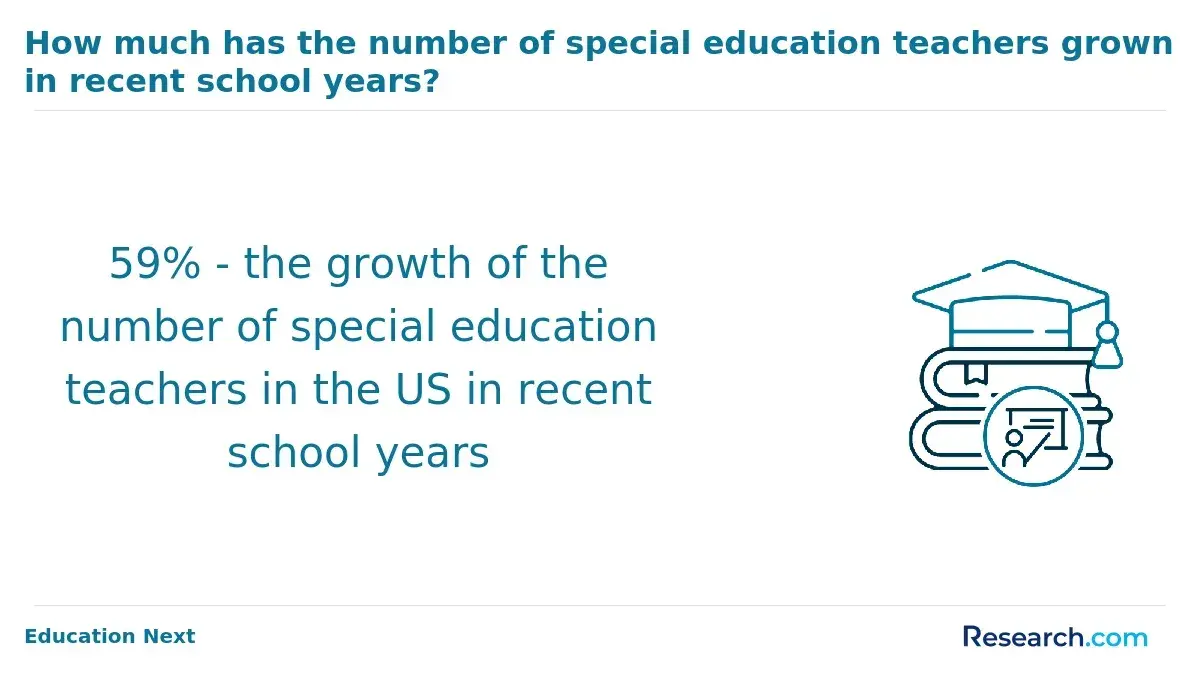
How long does it take to complete special education teacher training in Pittsburgh, PA?
The timeline depends on whether you are starting college, already hold a bachelor’s degree, or already have a teaching certificate. For many Pittsburgh candidates pursuing certification after a bachelor’s degree, the practical planning range is 12–18 months, but some routes take longer.
| Training route | Estimated length stated by programs | Important planning note |
| PreK-8 certification pathway | About three semesters, or roughly one calendar year | Includes coursework and two full-time student teaching placements lasting eight weeks each. |
| Master of Arts in Special Education with PreK-12 certification | Approximately 1.5 years | Often structured as a flexible online cohort, with one course every eight weeks and required practicum hours. |
| Post-baccalaureate certification or add-on certification | Often 12–18 months depending on pacing | May be faster for already-certified teachers and slower for part-time students or candidates missing prerequisites. |
Delays often happen when candidates wait too long to schedule exams, underestimate clearance requirements, miss field placement deadlines, or try to complete student teaching while maintaining a full-time work schedule. To avoid losing a semester, ask the program when placements are arranged, whether summer courses are available, and how early you should register for certification exams.
Online and hybrid formats can make the coursework easier to fit around adult responsibilities, but field experiences still require in-person classroom time. If you need a more flexible route into education, you can compare broader online teaching degree programs before committing to a Pittsburgh-area certification pathway.
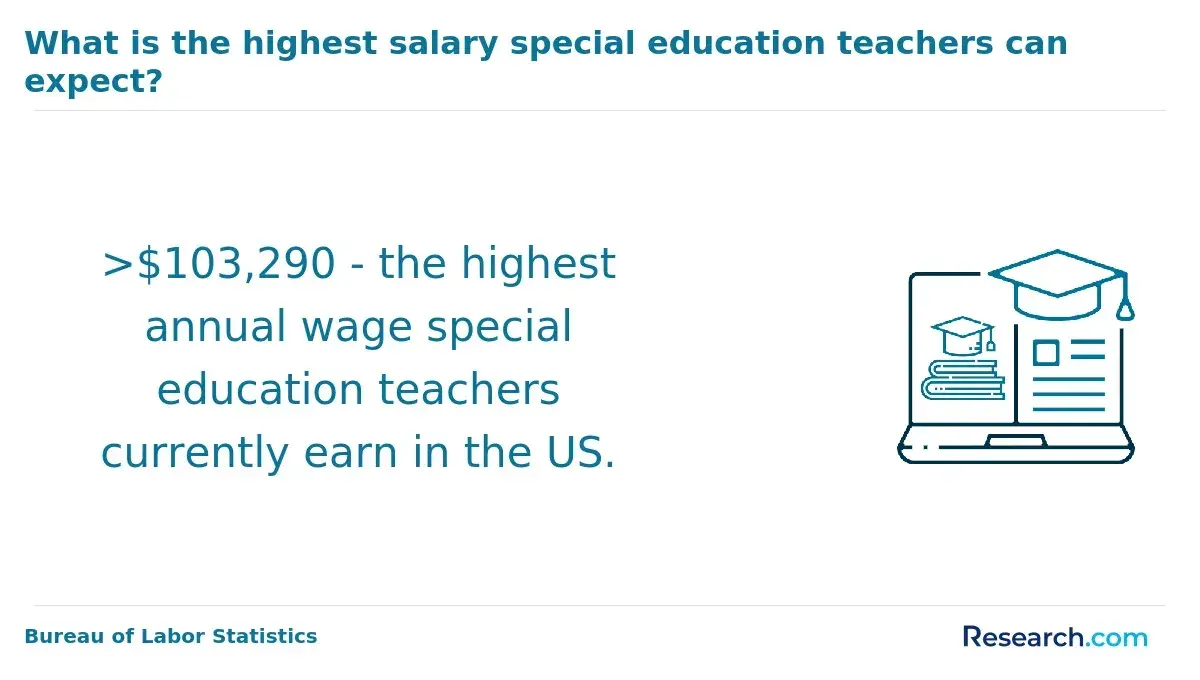
What is the average salary for special education teachers in Pittsburgh, PA?
Salary estimates for Pittsburgh special education teachers vary because sources use different job titles, employers, grade levels, and reporting methods. One salary estimate places the average annual pay at approximately $60,063, or about $5,005 per month before taxes and deductions. Hourly wages are commonly reported between $33.75 and $38.81 depending on assignment and employer. Another local figure lists the average at $63,049, with many teachers earning between $50K and $83K. These estimates are slightly different from the statewide average of $62,319 per year cited in the original source material.
| Career stage or factor | Reported salary information | What it means for candidates |
| Entry-level roles | Typical starting salaries range from $43,775 to $48,000 annually. | Early intervention and at-risk youth roles may fall closer to the lower end. |
| Experienced Pittsburgh Public Schools teacher | After ten years, a teacher with a bachelor’s degree may earn over $63,000 annually. | District salary schedules can reward years of service and credentials. |
| Advanced credentials | Graduate education, National Board Certification, and leadership roles may support higher earnings. | Pay growth often depends on district contracts, step schedules, and role responsibilities. |
| Comparison with other Pennsylvania occupations | Other professions in Pennsylvania are commonly reported between $40,000 and $55,000 annually. | Special education pay can be competitive because the role requires specialized preparation and certification. |
Teachers seeking higher long-term earnings should review district salary schedules before enrolling in graduate school. A master’s degree can help in some districts, but the return depends on the contract, tuition cost, and whether the degree qualifies for salary movement. If graduate study is part of your plan, compare online master’s degrees in education with careful attention to accreditation, cost, and salary-lane policies.
Are special education teachers in demand in Pittsburgh, PA?
Yes. Pittsburgh-area schools continue to need special education teachers, though hiring levels can change by district, budget year, student enrollment, and program type. Demand is supported by ongoing student service requirements, retirements, vacancies in support roles, and the need for educators who can manage IEPs, behavior plans, inclusive instruction, and collaboration with families and service providers.
The Pittsburgh job market is not the same as the largest national metro areas, but it remains accessible for qualified candidates who hold the correct Pennsylvania certification. Teachers who are flexible about grade level, placement type, and school setting may find more opportunities than candidates who will only consider one narrow assignment.
| Demand driver | How it affects hiring | What candidates should do |
| IEP service requirements | Schools must provide required services to eligible students. | Build strong skills in IEP development, progress monitoring, and compliance documentation. |
| Teacher retirements and turnover | Vacancies can open during the school year as well as during summer hiring cycles. | Monitor district job boards regularly and prepare application materials early. |
| Shortages in support staff | Teacher workload may increase when paraprofessional or specialist positions are unfilled. | Ask about aide support, caseload, and related-service staffing during interviews. |
| Inclusive education expectations | Schools need teachers who can support students in general education and specialized settings. | Gain experience with co-teaching, accommodations, assistive technology, and collaboration. |
Advanced education can be useful for leadership, instructional coaching, administration, or specialized roles, but it is not a substitute for classroom readiness. Candidates researching long-term advancement can review accelerated doctoral options such as the shortest online EdD programs after gaining a clear understanding of their career goals.
Can you become a special education teacher in Pittsburgh, PA without a teaching degree?
You cannot become a fully certified special education teacher in Pittsburgh without at least a bachelor’s degree. However, your bachelor’s degree does not always have to be in education. Career changers may qualify through post-baccalaureate, graduate, or alternative certification programs that add the required teacher preparation and field experience.
- Post-baccalaureate certification programs: These programs add special education coursework and supervised teaching for candidates who already completed a bachelor’s degree. The University of Pittsburgh offers options connected to PreK–8 and 7–12 special education certification.
- Accelerated or alternative certification programs: These are designed for adults moving into teaching from another field. They usually combine intensive coursework with supervised classroom practice.
- Graduate certification or master’s programs: Some candidates earn a graduate certificate or master’s degree while meeting certification requirements.
- Required testing and student teaching: Regardless of pathway, candidates must pass required exams such as Praxis Core or PAPA, plus the Pearson NES or Praxis Special Education exam, and complete at least 12 weeks of student teaching in a special education classroom.
The best route depends on your prior credits, timeline, budget, and ability to complete student teaching. Before enrolling, ask whether the program is PDE-approved, whether it leads to the exact certificate you need, how placements are arranged, and what percentage of candidates complete certification requirements on time.
Can special education teachers pursue BCBA certification in Pittsburgh, PA?
Yes. Special education teachers who want deeper expertise in behavior analysis may explore Board Certified Behavior Analyst preparation. BCBA training can be especially relevant for educators who work with students requiring behavior intervention plans, functional behavior assessments, or intensive support. It is a separate credential with its own coursework, supervised experience, and exam requirements, so teachers should confirm how it fits with their teaching license and career goals.
Educators comparing this route can review the BCBA certification requirements in Pittsburgh to understand the academic and supervised-practice expectations before investing in an additional credential.
How can mental health support improve special education teaching in Pittsburgh, PA?
Special education teaching can be emotionally demanding because teachers manage legal documentation, student crises, family communication, behavior support, and differentiated instruction at the same time. Mental health support is not a luxury in this field; it can help educators prevent burnout, improve classroom judgment, and sustain the patience required for complex student needs.
Useful supports may include confidential counseling, peer consultation, stress-management workshops, mentoring, and school-based wellness programs. Teachers who understand mental health systems may also communicate more effectively with counselors, social workers, and families. For a related career perspective, see Research.com’s guide on how to become a mental health counselor in Pittsburgh.
How do you maintain your special education certification in Pittsburgh, PA?
Special education teachers in Pittsburgh must follow Pennsylvania’s certification maintenance rules. Many new educators begin with a Level I certificate, which is valid for six years and is non-renewable. To move forward, teachers must complete three years of teaching on Level I, finish a district induction program, and earn 24 post-baccalaureate credits, including at least 6 credits connected to Inclusive Classrooms or Standards Aligned Systems.
After advancing to a Level II certificate, teachers must continue meeting Act 48 professional development requirements every five years. The same planning discipline used for initial certification applies here: track deadlines, verify provider approval, and keep records.
- Complete 180 hours of continuing education every five years. Act 48 requirements can be met through approved professional learning activities.
- Choose an approved format. Options include 6 semester credits of graduate coursework, 6 PDE-approved in-service credits, 180 hours of Act 48-approved programs, or an approved combination.
- Confirm provider approval before paying. Courses should come from PDE-approved providers if you expect them to count.
- Track documentation carefully. Many providers report hours electronically, while out-of-state college credits may require transcript submission.
- Monitor your status online. Use the PDE portal or consult your district human resources office to confirm progress.
Local and online providers such as Happy Teacher Professional Development and The Teachers Academy offer Act 48-approved courses. Pittsburgh-area universities, including the University of Pittsburgh, may also provide graduate coursework that can support renewal or advancement requirements.
What are the most common challenges faced by special education teachers in Pittsburgh, PA?
Special education teaching in Pittsburgh can be deeply meaningful, but candidates should enter the profession with a realistic understanding of the workload. The strongest teachers are not only compassionate; they are organized, legally aware, resilient, and able to collaborate under pressure.
- Staffing shortages: Some districts report vacancy rates as high as 80% for special education support staff and paraprofessionals, which can make classroom coverage and consistency difficult.
- Turnover and unstable staffing: Frequent changes in aides, teachers, or specialists can disrupt the relationships students depend on for progress.
- Heavy documentation requirements: IEP updates, compliance paperwork, progress monitoring, and meeting preparation can reduce planning and direct instruction time.
- Limited support personnel: When aides or specialists are unavailable, teachers may be expected to manage academic, behavioral, and personal support needs simultaneously.
- Fewer new certified teachers: Pennsylvania has seen a decline in new special education certifications, which can tighten the hiring pipeline even when alternative routes expand.
- Complex behavioral and emotional needs: Students with ADHD, oppositional defiant disorder, emotional disturbance, or other support needs may require intensive interventions that exceed available staffing or time.
These realities do not mean candidates should avoid the field. They mean candidates should evaluate employers carefully. Before accepting a position, ask about caseload size, paraprofessional support, planning time, induction mentoring, crisis protocols, access to specialists, and how administrators support special education compliance.
Which school districts in Pittsburgh, PA are hiring special education teachers?
Special education hiring occurs across public districts, charter schools, and specialized programs in the Pittsburgh region. Requirements differ by employer, but Pennsylvania special education certification and experience with IEPs are common expectations.
| Employer | Common requirements | What to consider before applying |
| Pittsburgh Public Schools | Valid Pennsylvania special education teaching certification and generally a bachelor’s degree in the field; IEP experience is often preferred. | As the city’s largest district, PPS can offer varied placements, mentoring, and professional development, but candidates should ask about caseloads and building-level support. |
| Propel Schools | Pennsylvania special education certification and a bachelor’s degree; hiring includes roles for the 2025-2026 school year. | Propel emphasizes data-informed instruction, collaboration, and innovative teaching. Starting salaries are reported near $49,985 per year. |
| Catalyst Academy Charter School in East Pittsburgh | Pennsylvania certification and commitment to culturally responsive teaching. | The school values educators who work well with diverse communities and continue refining their practice. Salaries are reported around $49,500 annually. |
When comparing districts, do not focus only on salary. Ask about special education leadership, paraprofessional staffing, planning periods, professional development, IEP software, co-teaching models, behavior support, and teacher turnover. A slightly higher salary may not compensate for an unsupported placement, while a well-structured induction program can make a first teaching year more manageable.
Are there affordable pathways to secure your teaching credential in Pittsburgh, PA?
Yes. The most affordable path depends on what you already have: no degree, a bachelor’s degree outside education, or an existing teaching certificate. Cost-conscious candidates should compare total program cost rather than tuition alone.
- Start with public institutions when possible. Public university tuition may be lower than private college tuition, especially for Pennsylvania residents.
- Use transfer credits strategically. Ask whether prior coursework can reduce the credits required for graduation or certification.
- Consider online or hybrid coursework. These formats can reduce commuting and scheduling costs, though student teaching remains in person.
- Ask about scholarships and grants. Pennsylvania’s $10 million investment in the special education teacher pipeline may help support scholarships, training, and certification assistance.
- Compare certification-only and master’s routes. A master’s may support future salary growth, but a certification-only program may cost less upfront.
- Plan for unpaid fieldwork. Student teaching can create income pressure, so build a budget before the placement semester begins.
For a focused cost-reduction strategy, review Research.com’s guide to the cheapest way to become a teacher in Pittsburgh.
How should you choose the right special education certification pathway in Pittsburgh?
The best program is the one that leads to the correct Pennsylvania credential, fits your schedule, keeps debt manageable, and provides strong field placement support. A lower-cost program that delays certification or does not match your target role can be more expensive in the long run.
| If you are... | Consider this route | Key question to ask |
| A high school graduate or first-time college student | Bachelor’s degree with embedded teacher certification | Is the program PDE-approved for the exact special education certificate I want? |
| A career changer with a bachelor’s degree | Post-baccalaureate or graduate certification | How long will student teaching take, and can I work while completing it? |
| A certified teacher adding special education | Add-on certification or master’s with special education certification | Which requirements are waived because I already hold a teaching certificate? |
| An educator aiming for leadership | Master’s degree, advanced certification, or later doctoral study | Will this credential qualify me for salary movement or leadership roles in my district? |
How can a master’s degree impact a special education teacher’s salary in Pittsburgh, PA?
A master’s degree can improve salary potential for some Pittsburgh special education teachers, but the effect depends on the employer’s salary schedule. In many districts, pay increases are tied to years of experience, graduate credits, degree level, leadership assignments, or negotiated contract provisions. A master’s degree may also prepare teachers for instructional coaching, department leadership, specialized intervention roles, or future administration.
Before enrolling, compare tuition with the actual salary increase available in your target district. Ask human resources whether the degree must be from a specific type of accredited institution, whether online graduate credits qualify, and how many credits are required for salary movement.
What core skills are essential for a successful special education teacher in Pittsburgh, PA?
Successful special education teachers combine instructional skill with emotional steadiness and strong systems management. The role is not only about helping students one-on-one; it also requires documentation, collaboration, legal compliance, family communication, and data-based decision-making.
- IEP writing and implementation: Teachers must translate assessment data into measurable goals, accommodations, services, and progress updates.
- Behavior support: De-escalation, positive behavior strategies, and consistent routines are essential in many placements.
- Data use: Progress monitoring helps teachers adjust instruction and demonstrate whether interventions are working.
- Collaboration: Special education teachers work with general educators, paraprofessionals, counselors, therapists, administrators, and families.
- Cultural responsiveness: Pittsburgh classrooms include students from varied racial, linguistic, economic, and family backgrounds.
- Organization: Caseload management, deadlines, meeting schedules, and compliance records require disciplined systems.
- Resilience: The work can be emotionally intense, so teachers need boundaries, support networks, and sustainable routines.
Are there online CEU options for special education teachers in Pittsburgh, PA?
Yes. Pennsylvania teachers can often meet Act 48 requirements through approved online professional development, graduate coursework, in-service credits, or a combination of accepted activities. Online CEU options can be helpful for teachers who need flexible scheduling during the school year.
The key is approval. Before paying for any course, confirm that the provider is PDE-approved and that the hours or credits will be reported correctly. Keep copies of certificates, transcripts, and completion confirmations in case reporting problems occur.
Where can you find special education teaching jobs in Pittsburgh, PA?
Start with district and charter school employment pages, then expand to intermediate units, specialized schools, early intervention providers, and education job boards. Because special education openings can appear outside the traditional summer hiring season, check listings regularly and keep your certification documentation, clearances, resume, and references ready.
- Review Pittsburgh Public Schools postings and surrounding district job boards.
- Check charter networks such as Propel Schools and individual charter schools such as Catalyst Academy Charter School.
- Look for openings through regional education organizations and intermediate units.
- Prepare evidence of IEP experience, behavior support experience, student teaching evaluations, and certification status.
- Ask interviewers about caseload, paraprofessional support, mentoring, IEP meeting expectations, and professional development.
Common mistakes to avoid when becoming a special education teacher in Pittsburgh
| Mistake | Why it can hurt you | Better approach |
| Choosing a program before checking PDE approval | A non-approved program may not lead to Pennsylvania certification. | Confirm approval and certificate alignment before enrolling. |
| Looking only at tuition | Testing, books, clearances, transportation, and unpaid student teaching can change the real cost. | Build a full budget that includes direct and indirect expenses. |
| Assuming online means fully remote | Teacher preparation still requires in-person fieldwork and student teaching. | Ask where placements occur and who arranges them. |
| Waiting to schedule certification exams | Missed testing windows can delay certification and job applications. | Create an exam timeline during your first advising meeting. |
| Ignoring district salary schedules | A graduate degree may not increase pay equally across employers. | Compare salary-lane policies before taking on debt. |
| Accepting a job without asking about support | Caseload, staffing, and mentoring can shape your first-year experience more than the job title. | Ask detailed questions about workload, aides, planning time, and administrator support. |
What do special education teachers in Pittsburgh, PA have to say about their careers?
-
: "
“My special education program at the University of Pittsburgh changed how I understood teaching. It gave me practical tools for serving students with very different needs, and Pittsburgh’s network of schools, therapy providers, and inclusive programs helped me keep growing after graduation. The work is demanding, but each student breakthrough reminds me why I chose this field.” –Reid
"
-
: "
“Duquesne University helped me build both instructional skill and empathy for families navigating services in Pittsburgh. Teaching here has pushed me to be patient, creative, and more engaged with the community. Watching students make progress, even in small steps, keeps me committed to advocacy and lifelong learning.” –Jake
"
-
: "
“Carlow University gave me the academic preparation and field experience I needed to feel ready for Pittsburgh classrooms. What I value most now is the collaboration among schools, nonprofits, and healthcare providers. That network makes it easier to keep improving and to fight for more inclusive learning environments.” –Sheena
"
Related Articles for Nearby States
- 2027 How to Become a Special Education Teacher in New Jersey: Requirements & Certification
- 2027 How to Become a Special Education Teacher in Delaware: Requirements & Certification
- 2027 How to Become a Special Education Teacher in Maryland: Requirements & Certification
- 2027 How to Become a Special Education Teacher in New York: Requirements & Certification
- 2027 How to Become a Special Education Teacher in West Virginia: Requirements & Certification
- 2027 How to Become a Special Education Teacher in Ohio: Requirements & Certification
- 2027 How to Become a Special Education Teacher in Virginia: Requirements & Certification
- 2027 How to Become a Special Education Teacher in Connecticut: Requirements & Certification
- 2027 How to Become a Special Education Teacher in Rhode Island: Requirements & Certification
- 2027 How to Become a Special Education Teacher in Massachusetts: Requirements & Certification
Key insights
- Special education teaching in Pittsburgh requires Pennsylvania certification, not a city-specific license. Your program must align with PDE requirements.
- The fastest route is usually for candidates who already hold a bachelor’s degree or an existing teaching certificate; first-time college students should expect a longer bachelor’s pathway.
- Reported salaries vary, with figures including around $58,000 annually, approximately $60,063, and an average of $63,049 depending on source and role definition.
- Total cost can exceed $30,000–$40,000 once tuition, exams, fees, clearances, technology, books, transportation, and unpaid student teaching are included.
- Demand is steady, but job quality depends on more than openings. Caseload, support staff, mentoring, planning time, and administrator support should shape your decision.
- Alternative certification can work for career changers, but every route still requires supervised teaching, testing, and state approval.
- Long-term success depends on IEP skill, behavior support, organization, collaboration, cultural responsiveness, and burnout prevention.
References:
- Program: Special Education Pre-K - 8 Teacher Certification - University of Pittsburgh - Acalog ACMS™ https://catalog.upp.pitt.edu/preview_program.php
- New Educators | Department of Education | Commonwealth of Pennsylvania https://www.pa.gov/agencies/education/programs-and-services/educators/certification/new-educators.html
- Pennsylvania Teacher Certification Guide | All Education Schools https://www.alleducationschools.com/teacher-certification/pennsylvania/
- Become a Teacher - University of Pittsburgh School of Education https://www.education.pitt.edu/programs/become-a-teacher/
- PK-12 Special Education (Certification) | Penn State Harrisburg https://harrisburg.psu.edu/behavioral-sciences-education/teacher-education/pk-12-special-ed-certification
- Pennsylvania Special Education Certification & Requirements https://www.specialeducationguide.com/teacher-certification/pennsylvania/
- Special Education Teacher in Pittsburgh, PA | The Muse https://www.themuse.com/salaries/pittsburgh/special-education-teacher
- How to Become a Special Education Teacher in Pennsylvania | Steps & Requirements https://moreland.edu/resources/blog-insights/how-to-become-special-education-teacher-pennsylvania
- Special Education Teacher Certification | PennWest Global Online https://online.pennwest.edu/programs/special-education-teacher-certification/index.php
- M.A. in Special Education with Grades PreK-12 Special Education Certification (for certified teachers) - Point Park University https://www.graduateprogram.org/point-park/programs/m-a-in-special-education-with-grades-prek-12-special-education-certification-for-certified-teachers/
Other Things You Should Know About How to Become a Special Education Teacher in Pittsburgh, PA
Candidates must pass the Pennsylvania Educator Certification Tests (PECT), specifically the Special Education PreK-8 or 7-12 exams, depending on their focus. These standardized tests assess competency in relevant educational content and teaching skills necessary for special education certification in 2027.
Pennsylvania teachers can add special education as an Instructional I or Instructional II add-on through the Pennsylvania Department of Education. The add-on requires the proper PDE-approved preparation, passing the required special education competencies, and meeting any Praxis test requirements tied to the current certification route.