
2027 Best Online Special Education Undergraduate Programs

Co-Founder and Chief Data Scientist
Choosing an online undergraduate program in special education is not just a question of convenience. It is a licensure, fieldwork, cost, and career decision. Special education teachers support students with disabilities through individualized instruction, behavior support, collaboration with families, and legally required services such as Individualized Education Programs. Because schools continue to need qualified educators, especially as current teachers retire or move into other roles, prospective students should compare programs carefully before enrolling.
According to recent labor market projections, employment of special education teachers is expected to grow by about 3 % from 2024 to 2034, roughly matching the average growth rate for all occupations (U.S. Bureau of Labor Statistics, 2025). Even with modest growth, approximately 34,000 openings per year are projected over the next decade, largely because schools must replace educators who leave the occupation.
This guide explains how online undergraduate special education programs work, what employers and licensing agencies usually look for, how to compare online and campus-based options, what courses and field experiences to expect, and which program features matter most before you apply. It also highlights several online undergraduate special education programs and practical questions to ask so you can choose a path that fits your teaching goals.
Best Online Special Education Undergraduate Programs Table of Contents
- Can you complete an undergraduate special education program fully online?
- Do employers respect online undergraduate special education degrees?
- Are online degrees accepted internationally?
- How can an online special education degree support career growth?
- Online vs. Traditional Undergraduate Degree in Special Education
- Challenges and opportunities in online special education programs
- How much does an online undergraduate degree in special education cost?
- Admission requirements for online undergraduate special education programs
- Common courses in an online undergraduate special education degree
- What to look for when comparing online special education programs
- 2027 Best Online Undergraduate in Special Education Programs
- How assistive technology is used in online special education programs
- How to choose the right online special education program for your goals
- Financial aid and certification options for special education students
- How administrative training can expand special education career options
- When a doctoral degree in educational leadership may make sense
- Alternative certification pathways in special education
- Using cross-disciplinary research to improve special education practice
- Networking and mentorship for online special education students
- Affordable online educational leadership doctorates as a long-term option
- Career prospects and salary expectations for online special education graduates
Quick Answer: Is an Online Undergraduate Degree in Special Education Worth Considering?
An online undergraduate degree in special education can be a strong option if the program is accredited, aligned with your state’s teacher licensure rules, and includes supervised fieldwork or student teaching. Many programs allow students to complete academic coursework online, but future licensed teachers should expect in-person clinical experiences in approved schools or local educational settings.
The right program depends on your goal. If you want to become a licensed classroom teacher, prioritize licensure preparation, field placement support, and state authorization. If you want to work in support, advocacy, tutoring, or education services roles, a non-licensure track may be useful, but it may not qualify you for lead teaching positions in public schools.
Are there 100% online undergraduate special education programs?
Yes, some schools offer online undergraduate coursework in special education, including associate and bachelor’s pathways. However, “100% online” can mean different things. A program may deliver lectures, assignments, discussions, and exams online while still requiring in-person observations, practicum hours, background checks, or student teaching for licensure.
Students researching a special education online degree should confirm whether the program leads to teacher certification, whether fieldwork can be completed near home, and whether the school is approved for educator preparation in the student’s state. Online platforms, virtual simulations, learning management systems, and SPED software can support remote learning, but they do not replace all supervised classroom requirements.
| Program feature | Can it usually be completed online? | What to verify before enrolling |
| General education and theory courses | Often yes | Whether courses are asynchronous, synchronous, or blended |
| Special education methods courses | Often yes | Whether assignments include live teaching demonstrations or simulations |
| Field observations | Usually no, but may be arranged locally | Whether the program helps secure approved placements |
| Student teaching or practicum | Usually requires in-person work | Whether the placement meets state licensure rules |
| Licensure testing | Varies by state and exam provider | Which tests are required and where they are administered |
Will employers take online undergraduate special education programs seriously?
Employers usually focus less on the delivery format and more on accreditation, licensure eligibility, supervised experience, and demonstrated ability to support students with disabilities. An online degree from an accredited institution can be taken seriously when it meets the same academic and professional standards expected of campus-based online teacher degrees.
For school-based roles, the most important credential is often state teacher certification or eligibility for certification. Hiring committees may also review student teaching evaluations, classroom management experience, familiarity with IEPs, and experience collaborating with families, general education teachers, specialists, and paraprofessionals. Reputable distance learning programs can support career advancement, and many professionals have used online study to continue working while earning credentials (Open University, 2025).
Are online degrees recognized all over the world?
Online degree recognition varies by country, employer, licensing authority, and institution. A degree that is widely accepted in one region may require evaluation, translation, additional coursework, or local certification elsewhere. This is especially important for teaching careers because educator licensure is typically regulated by states, provinces, ministries, or national agencies.
The broader acceptance of online learning continues to grow. In 2025, the online education market is estimated at around $265 billion and is projected to reach over $610 billion by 2030, reflecting an annual growth rate of approximately 16%, highlighting the sector’s widespread adoption and global relevance (Global Market Insights, 2025).
The United States, United Kingdom, Australia, Canada, Germany, and the Netherlands all have institutions that offer distance or online study options. Still, global acceptance is not automatic. Before enrolling, international students should ask whether the degree is recognized in the country where they plan to work and whether teacher certification, disability services roles, or school employment require additional approval.
If you are comparing education specializations beyond special education, Research.com also provides guidance on online physical education degree programs.
How can I enhance my career with an online degree?
An online undergraduate special education program can help working adults, paraprofessionals, substitute teachers, and career changers build formal teaching knowledge without leaving their current job. The strongest programs combine flexible coursework with practical preparation in assessment, instructional planning, behavior support, assistive technology, and collaboration.
Students who want a broader teaching foundation may also compare special education with a teacher degree online program. A general teaching pathway may be a better fit for students who want wider grade-level flexibility, while special education is better for students committed to supporting learners with disabilities and working within IEP-driven service models.
| Career goal | Best-fit online pathway | Why it may work |
| Become a licensed special education teacher | Bachelor’s program with licensure preparation | Designed around state certification, fieldwork, and student teaching |
| Move from paraprofessional to teacher | Online bachelor’s completion program | May allow working adults to use prior credits and school experience |
| Work in education support or advocacy | Non-licensure special education degree or related education degree | May support roles outside lead classroom teaching |
| Advance into leadership later | Bachelor’s now, graduate education or administration degree later | Builds classroom credibility before leadership preparation |
Online vs. Traditional Undergraduate Degree in Special Education
Online and campus-based special education degrees can cover similar academic content, but the learning experience differs. The right format depends on your schedule, location, need for in-person support, comfort with technology, and access to field placements.
Schedule and flexibility
- Campus-based programs: Students typically attend classes at set times and follow the institution’s semester calendar. This structure can help students who prefer predictable routines and face-to-face accountability.
- Online programs: Many online programs allow students to review lectures, complete assignments, and participate in discussions around work or family obligations. Some still require live class sessions or scheduled virtual meetings.
Learning experience
- Campus-based programs: Students can meet instructors and classmates in person, use campus libraries and resource centers, and participate in immediate classroom discussions.
- Online programs: Students interact through discussion boards, video meetings, virtual office hours, recorded lectures, and online simulations. Strong programs provide frequent instructor feedback and structured peer interaction.
Pacing
- Campus-based programs: Students usually move through a fixed course sequence with fewer options to accelerate or slow down.
- Online programs: Some online undergraduate special education programs allow part-time study, accelerated terms, or transfer-credit-friendly completion plans. Students should confirm whether financial aid, fieldwork, or cohort requirements limit pacing choices.
Teaching methods
- Campus-based programs: Instruction often includes live lectures, in-person modeling, group projects, and direct classroom discussion.
- Online programs: Courses may use recorded lectures, case studies, video-based teaching demonstrations, interactive modules, online assessments, and virtual collaboration tools.
| Choose online if... | Choose campus-based if... |
| You need to keep working while studying. | You learn best through face-to-face instruction. |
| You live far from a college with a special education program. | You want immediate access to campus-based support and facilities. |
| You are comfortable using digital learning tools. | You prefer in-person peer groups and faculty interaction. |
| You can manage deadlines independently. | You need a highly structured weekly schedule. |
What are the challenges and opportunities in online special education programs?
Online special education programs can open access for students who cannot relocate or attend campus full time. They also require discipline, reliable technology, and careful planning around fieldwork. Understanding both sides helps students avoid enrolling in a program that does not fit their learning style or licensure needs.
Common challenges
- Limited in-person practice during coursework: Online classes may not provide the same immediate classroom management practice as campus labs or school-based cohorts. Students should look for programs with strong practicum design.
- Technology requirements: Reliable internet, a capable computer, video access, learning software, and sometimes specialized applications are essential for participation.
- Time management pressure: Flexible learning can become difficult when students are also working, caregiving, or completing field hours.
- Less spontaneous collaboration: Online discussion can be rich, but students may need to make extra effort to build peer relationships and professional networks.
Important opportunities
- Broader access: Online programs can serve students who live far from campus or need a program that fits adult responsibilities.
- Flexible pacing: Some programs allow students to adjust course loads based on work, finances, or family demands.
- Exposure to education technology: Online learners often gain comfort with digital instruction, accessibility tools, and virtual collaboration platforms.
- Diverse peer networks: Students may connect with classmates working in different school systems, communities, and educational roles.
How much does an online undergraduate degree in special education cost?
Costs vary by institution, residency status, degree level, transfer credits, fees, and whether the program is designed for certification or a broader education role. Western Governors University charges $3,825 per term (WGU, n.d.). The University of Washington lists a flexible online program at a per-credit cost of $231 (University of Washington, n.d.).
Online students may save on relocation, campus housing, or commuting, but they should still budget for technology, textbooks, course materials, background checks, assessment fees, field placement expenses, and licensure exams where applicable.
| Cost category | What it covers | Question to ask |
| Tuition | Instruction and academic credit | Is tuition charged per credit, per term, or per program? |
| Fees | Technology, online course access, student services, library access, or enrollment processing | Are fees included in the published tuition estimate? |
| Materials | Books, digital resources, software, and assessment tools | Are open educational resources or digital textbooks used? |
| Fieldwork costs | Background checks, transportation, placement documentation, and possible testing | Can fieldwork be completed near my home? |
| Licensure costs | State exams, applications, fingerprinting, and certification processing | Which licensure costs are not included in tuition? |
What are the requirements for an online undergraduate program in special education?
Admissions requirements differ by school and program level. A bachelor’s completion program may require prior college credits, while a first-year bachelor’s program may accept students directly from high school. Licensure-track programs may also have additional checkpoints before students can enter fieldwork or student teaching.
- High school diploma or equivalent: Most undergraduate applicants must show proof of high school completion or a GED.
- Application and fee: Schools generally require an online application, supporting documents, and any listed application fee.
- Official transcripts: Applicants usually submit records from high school and any colleges previously attended.
- Minimum GPA: Many programs set a minimum GPA requirement, often around 2.0 or higher.
- Letters of recommendation: Some programs request recommendations from teachers, supervisors, professors, or professionals familiar with the applicant’s readiness.
- Personal statement or essay: Applicants may need to explain their interest in special education, career goals, and relevant experience.
- Standardized test scores: Some programs may ask for SAT or ACT scores, though this is becoming less common in many online undergraduate admissions processes.
- Prerequisite coursework: Certain programs may expect previous courses in psychology, education, child development, or related subjects.
- Background checks and clearances: Because special education candidates work with children and students with disabilities, programs may require clearances before field experiences.
Students interested in child development, early learning, and family-centered education may also want to compare special education with a child development masters online pathway for future graduate study.
Courses to Expect in Online Undergraduate Degree in Special Education
Online undergraduate special education programs typically combine education foundations, disability studies, legal requirements, assessment, instructional design, behavior support, inclusive practices, and supervised fieldwork. Course titles differ by institution, but many programs include the following areas.
Special Education Law and Characteristics
This course introduces students to disability categories, service delivery models, documentation, ethical responsibilities, IEP development, and collaboration. Students commonly study The Individuals with Disabilities Education Act (IDEA), which guarantees eligible children with disabilities across the country access to free appropriate public education and necessary special education services. It sets guidelines for states and public agencies in delivering early intervention, special education, and related services to over 7.5 million infants, toddlers, children, and youth with disabilities.
Behavior Management
Students learn how to create safe, structured, and inclusive classrooms. Topics may include positive behavior supports, functional behavior principles, de-escalation, classroom routines, social skills support, and collaboration with families and school teams.
Inclusion and Diversity Effective Practices and Strategies
This course focuses on designing instruction for diverse learners in general and special education settings. Students may study accommodations, modifications, differentiated instruction, culturally responsive teaching, and strategies for giving students meaningful access to grade-level curriculum.
Lathan (n.d.) emphasizes inclusive education strategies that respond to varied learner needs. The discussion highlights collaboration between general and special education teachers, individualized planning, differentiated instruction, assistive technologies, accommodations, and ongoing professional development.
Transition Planning
Transition courses prepare future educators to support students as they move between grade levels, school settings, postsecondary education, employment, independent living, and community participation. Students often examine vocational preparation, life skills, agency collaboration, and transition assessment.
Collaborating with Partners for Student Success
Special education rarely happens in isolation. This course helps students communicate with families, paraeducators, general education teachers, administrators, service providers, and community partners in culturally responsive ways.
Instructional Strategies and Technologies for Learners with Mild to Moderate Exceptionalities
Students learn evidence-based instructional methods for learners with mild to moderate disabilities. Common topics include Universal Design for Learning, explicit instruction, multi-sensory instruction, peer-assisted learning, progress monitoring, assistive technology, and data-informed intervention.
For students comparing broader education options, Research.com also covers the online bachelors degree in education pathway.
Things to Look for in an Online Undergraduate Degree in Special Education
The best online program for one student may be the wrong program for another. Before applying, compare each option against your state requirements, career goals, budget, schedule, and need for academic support.
- Accreditation: Confirm that the institution is properly accredited and that its educator preparation program is recognized by the relevant state or professional bodies. Important organizations and resources include the Council for the Accreditation of Educator Preparation (CAEP), the Council for Higher Educational Accreditation (CHEA), and the U.S. Department of Education (ED).
- Curriculum fit: Review whether the program covers IEPs, assessment, behavior support, inclusive teaching, instructional methods, assistive technology, and evidence-based intervention.
- Field experience and practicum support: Look for clear information on observations, practicum hours, student teaching, and local placement rules. The program should help prepare you to pursue major special education career tracks, including teaching, education services, social work-adjacent roles, and academic settings.
- Faculty qualifications: Review whether instructors have special education teaching experience, research expertise, licensure experience, or advanced credentials in the field.
- Online student support: Strong online programs provide advising, tutoring, library access, technology support, placement coordination, and career services.
- Licensure preparation: Across all states, aspiring special education teachers must meet two fundamental requirements: holding a bachelor’s degree and passing the state certification test for general education. However, there are variations in special education endorsement requirements. For example, states like California, Washington, and Arizona mandate coursework in special education, while others, such as North Carolina, Texas, and North Dakota, rely on separate tests focused on special education (Vanderbilt University, n.d.).
- Reputation and alumni network: Consider employer relationships, graduate outcomes, school partnerships, and whether alumni work in the settings you hope to enter.
| Common mistake | Why it can hurt you | Better approach |
| Choosing based only on tuition | A low tuition rate may not include fees, licensure exams, or placement costs. | Compare total estimated cost, not just advertised tuition. |
| Ignoring state licensure rules | A program may not qualify you for certification where you plan to teach. | Ask the school and your state licensing agency before enrolling. |
| Assuming online means no in-person requirements | Teacher preparation usually requires fieldwork or student teaching. | Confirm practicum and student teaching expectations in writing. |
| Overlooking transfer policies | Unused credits can extend time to graduation and increase cost. | Request an official transfer credit evaluation early. |
| Relying only on rankings | A highly ranked program may not match your state, schedule, or certification goal. | Use rankings as a starting point, then verify fit. |
2027 Best Online Undergraduate in Special Education Programs
Research.com reviewed reliable public datasets and program information to identify online undergraduate special education options. The evaluation considered factors such as academic indicators, enrollment-related data, affordability, online delivery, and other relevant program features. Students should use this list as a starting point and confirm current admissions, tuition, fieldwork, and licensure details directly with each institution.
1. Liberty University
Liberty University offers an online Bachelor of Education in Special Education designed for students who want to support learners with special needs and pursue teacher licensure. The program blends education theory with adaptation strategies and practical training in the student’s local community.
- Program Length: 3.5 years
- Tracks/concentrations: hands-on local community training, education theory, adaptation techniques
- Cost per Credit: $390
- Required Credits to Graduate: 120
- Accreditation: CAEP, the Virginia Department of Education
2. University of Georgia
The Mary Frances Early College of Education at the University of Georgia offers an online Bachelor of Science in Education in Special Education. The two-year program is built for Georgia residents pursuing certification in Special Education General Curriculum (P-12), with preparation for teaching students with high-incidence disabilities, including learning disabilities and behavioral disorders.
- Program Length: 2 years
- Tracks/concentrations: supervised practicum experiences in Georgia P-12 schools, collaborative/inclusive setting working with students with mild disabilities, advanced instructional methods for individuals with disabilities
- Cost per Program: $20,252
- Required Credits to Graduate: 30
- Accreditation: The Southern Association of Colleges and Schools Commission on Colleges
3. East Carolina University
East Carolina University offers undergraduate, graduate, and licensure-only options, including online pathways and the SECU Partnership East program. Its General Curriculum program prepares candidates to support students with disabilities who are working toward a high school diploma through the general education curriculum. Students also complete requirements for a Reading license.
- Program Length: 4 years
- Tracks/concentrations: General education, professional studies, core curriculum such as managing the learning environment and mathematics, reading, and writing for students with disabilities
- Cost per Credit: contact the university
- Required Credits to Graduate: 120
- Accreditation: CAEP, North Carolina Educator Evaluator System, Education Value-Added Assessment System
4. Drexel University
Drexel University provides an online undergraduate special education program that combines online classes with in-person practicum experiences. The curriculum prepares students to support Pre-K to 12th-grade learners with disabilities in academic, social, emotional, and life-skill development.
- Program Length: about 2 years
- Tracks/concentrations: General education, pedagogy requirements, SPED courses, student teaching experiences
- Cost per Credit: $459
- Required Credits to Graduate: 182
- Accreditation: CAEP
5. Old Dominion University
Old Dominion University offers online special education preparation taught by faculty with school-based experience. Students may focus on general or adapted curriculum and can work toward Virginia teacher licensure with an endorsement option in general or adapted curriculum.
- Program Length: about 4 years
- Tracks/concentrations: General curriculum, fieldwork, teacher candidate internship
- Cost per Credit: $393
- Required Credits to Graduate: 30 (online), 120 (total)
- Accreditation: Virginia Community College System
How can you leverage assistive technology in online special education programs?
Assistive technology is central to modern special education because it can reduce barriers to communication, reading, writing, participation, and independent learning. Online programs give future teachers opportunities to study these tools while also using digital learning environments themselves.
Examples include screen readers such as JAWS, text-to-speech tools, speech recognition software such as Dragon NaturallySpeaking, virtual whiteboards, communication platforms, and augmentative and alternative communication tools. These technologies can support students with visual, reading, physical, speech, language, or executive functioning needs.
Future special education teachers should learn not only what tools exist, but also how to select them based on student needs, IEP goals, classroom context, accessibility requirements, and evidence of effectiveness. Assistive technology works best when teachers know how to integrate it into lesson planning, assessment, family communication, and progress monitoring.
Working adults seeking flexible and cost-conscious options can also review the most affordable online colleges for working adults when comparing online education pathways.
How to Choose the Right Online Special Education Program for Your Career Goals
Start with your end goal, then work backward. A student who wants to become a licensed public school teacher should evaluate programs differently from someone seeking a support role in nonprofit education, tutoring, advocacy, or curriculum development.
- Confirm accreditation and state authorization: Ask whether the institution is accredited and whether the program is approved to prepare teachers in your state.
- Match the curriculum to your intended population: If you want to work with early childhood learners, students with mild to moderate disabilities, or students requiring more intensive support, check whether the program offers relevant coursework and field experiences.
- Review the online format: Determine whether courses are asynchronous, live, accelerated, cohort-based, or self-paced.
- Ask about field placements: Find out who arranges placements, where they can occur, what schools qualify, and whether you need daytime availability.
- Compare support services: Look for advising, licensure guidance, tutoring, writing support, library access, accessibility services, and career counseling.
- Understand full cost: Include tuition, fees, books, technology, transportation to field sites, background checks, and licensure exams. Graduate-level planners can also compare the cheapest online special education master's degree options for future advancement.
- Check outcomes: Ask about completion rates, licensure exam preparation, employer partnerships, alumni roles, and student teaching evaluations when available.
| Question to ask the school | Why it matters |
| Does this program lead to initial teacher licensure in my state? | Licensure portability is not automatic. |
| Can I complete fieldwork near where I live? | Online coursework may still require in-person school placements. |
| How many credits will transfer? | Transfer credit can change both cost and graduation timeline. |
| What support is available for online students? | Advising and placement support can affect persistence and readiness. |
| What additional exams or fees should I expect? | Licensure costs are often separate from tuition. |
What financial aid and certification options can further advance your online special education career?
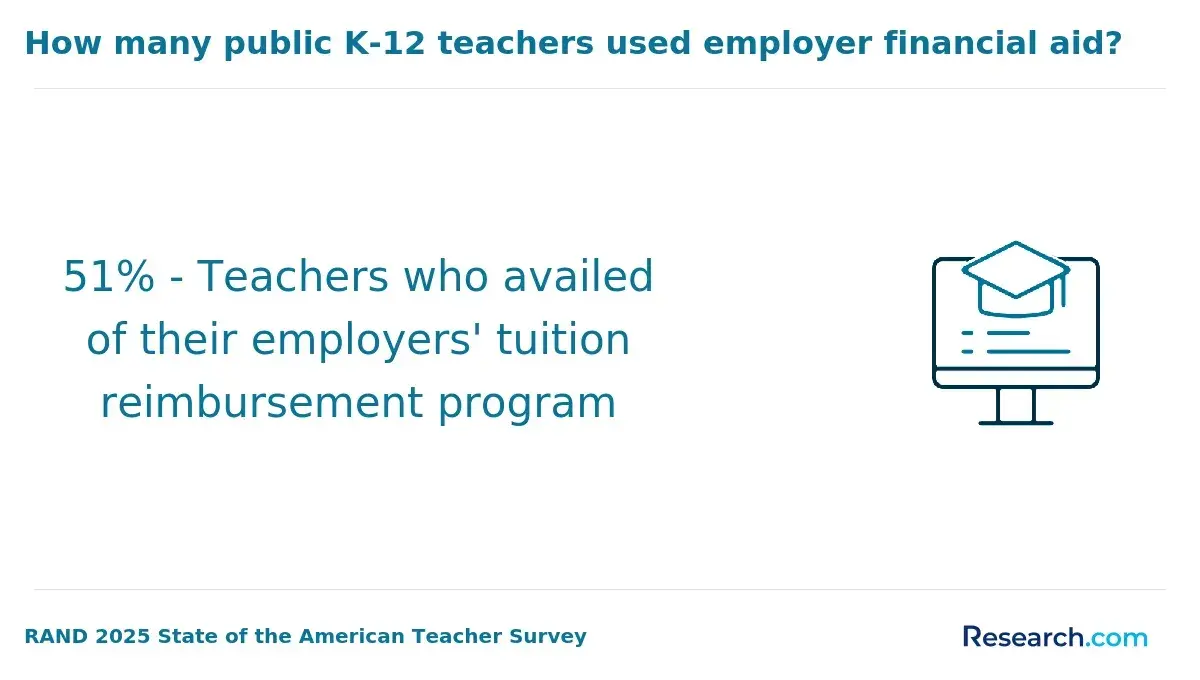
Students in online undergraduate special education programs may be able to use federal aid, state aid, institutional scholarships, grants, employer tuition assistance, military education benefits, or payment plans, depending on eligibility and the school’s participation in aid programs. Always confirm whether the program is aid-eligible before enrolling.
Additional certificates can help educators build focused expertise after or alongside a degree, especially in areas such as autism support, assistive technology, behavior intervention, reading instruction, or educational leadership. Students who want a shorter credential before committing to a full graduate program can compare easiest online graduate certificate programs as one possible professional development route.
How can supplementing your special education training with administrative expertise boost your career?
Special education teachers who develop administrative skills may be better prepared for roles involving compliance, program coordination, school leadership, family services, and policy implementation. Administrative training can be especially useful for educators who want to move beyond classroom instruction into department leadership or district-level support.
An online education administration degree may help experienced educators study school operations, leadership, budgeting, personnel management, and strategic planning. This path is usually more appropriate after gaining classroom or school-based experience.
Is pursuing a doctoral degree in educational leadership the next step for career growth?
A doctoral degree is not necessary for most entry-level or classroom-based special education roles. It may make sense for professionals who already have significant experience and want to move into district leadership, higher education, policy work, research, consulting, or executive-level educational roles.
A doctor of education in educational leadership can provide advanced study in research methods, policy analysis, organizational leadership, and systems improvement. Before applying, candidates should weigh time commitment, dissertation or capstone expectations, cost, and the degree’s relevance to their target role.
Can alternative certification pathways accelerate your special education career?
Alternative certification can help some career changers or professionals with existing degrees enter teaching more quickly than a traditional undergraduate route. These pathways vary widely by state and may include intensive pedagogy coursework, exams, mentoring, and supervised teaching.
Alternative routes are not shortcuts around quality standards. They still require candidates to meet state expectations for content knowledge, pedagogy, classroom readiness, and student safety. Students comparing cost-conscious options can review affordable teacher alternative certification programs.
How can cross-disciplinary research elevate your special education practice?
Special education teachers increasingly use data, research, digital resources, and information systems to personalize instruction and document student progress. Skills in information organization, resource evaluation, and evidence-based inquiry can improve IEP planning, intervention selection, family communication, and collaboration with school teams.
Some educators strengthen these abilities through adjacent graduate study, such as an online library science degree, especially if they are interested in accessible learning materials, digital resource curation, school libraries, research support, or instructional technology.
How can professional networking and mentorship opportunities enhance your online special education career?
Online students should be intentional about networking because they may not have the same casual campus interactions as in-person students. Mentorship can help future teachers understand classroom realities, navigate licensure, prepare for student teaching, and build confidence working with families and multidisciplinary teams.
Useful networking options include professional associations, virtual conferences, school-based mentors, alumni groups, faculty office hours, online educator communities, and relationships built during practicum placements. Educators who later pursue graduate credentials, such as the cheapest online master's in education, can also use those programs to expand professional connections.
Is investing in affordable online educational leadership doctoral programs a strategic move?
An online doctorate in educational leadership may be a strategic investment for experienced educators who want to influence systems, policy, administration, or research. It is less likely to be necessary for students whose immediate goal is entry-level special education teaching.
Before applying, compare curriculum rigor, faculty expertise, student support, dissertation structure, total cost, transfer policies, and career relevance. Professionals focused on affordability can explore the cheapest online educational leadership doctoral programs as part of a long-term planning process.
What are the career prospects and salary expectations for online special education graduates?
Graduates of online special education programs may pursue classroom teaching roles if they meet state licensure requirements. They may also work in curriculum support, tutoring, education services, intervention support, program coordination, disability services, or consulting, depending on their credentials and experience.
Salary outcomes depend on location, school type, union or district salary schedules, licensure status, degree level, years of experience, and specialization. No degree can guarantee a specific salary. However, advanced preparation may help educators qualify for specialized or leadership-oriented roles over time. Students planning for graduate study can compare master degree in special education online programs to understand possible next steps.
A Practical Pathway Into Special Education
An undergraduate special education degree can prepare students to support learners with disabilities through inclusive instruction, IEP-informed planning, behavior support, collaboration, and evidence-based teaching. For students asking what is degree in education, the practical answer is that an education degree should build both subject knowledge and professional readiness for real learning environments.
Online undergraduate programs can be especially useful for adults who need flexibility, but students should never assume that online delivery removes licensure, fieldwork, or state approval requirements. Those who later want to deepen their expertise can explore the best online master’s in education programs.
Key Insights
- Online coursework is common, but fieldwork usually remains in person. Licensure-track special education programs often require local observations, practicum hours, or student teaching.
- Accreditation and state approval matter more than format. Employers and licensing agencies typically care whether the program meets professional standards and prepares candidates for certification.
- Licensure rules vary by state. Before enrolling, confirm whether the program qualifies you to teach where you plan to work.
- Total cost is more than tuition. Include fees, books, software, background checks, transportation to field sites, and certification exams.
- The best program depends on your goal. Future licensed teachers should prioritize certification alignment and field placement support; students seeking non-classroom roles may value broader special education knowledge and flexible coursework.
- Assistive technology, inclusion, and collaboration are core skills. Strong programs prepare graduates to work with students, families, general education teachers, paraprofessionals, and specialists.
References:
- ECE costs & financial Aid | UW College of Education. (n.d.). https://education.uw.edu/programs/undergraduate/ece/costs-financial-aid
- Lathan, J., PhD. (n.d.). 4 Proven Inclusive Education Strategies for Educators (Plus 6 helpful resources). University of San Diego Online Degrees. https://onlinedegrees.sandiego.edu/inclusive-education-strategies/
- Nelson Mandela Day Remembering his devotion to education and equality. (n.d.). University of London. https://www.london.ac.uk/news-opinion/london-connection/feature/nelson-mandela-day-remembering-his-devotion-education-and
- Online Bachelor’s in Special education. (n.d.). Drexel University Online. https://www.online.drexel.edu/online-degrees/education-degrees/bs-special-education/index.aspx
- Pittman, L. (n.d.). Teacher Licensing By State. Vanderbilt University. https://my.vanderbilt.edu/spedteacherresources/teacher-licensing-by-state/
- Special Education and Elementary Education (Dual Licensure) B.A. (n.d.). Western Governors University. https://www.wgu.edu/online-teaching-degrees/special-education-bachelors-program.html
- Global Market Insights. (2025). E-learning market size, share & trends analysis report 2025–2030. https://www.gminsights.com/industry-analysis/e-learning-market
- Open University. (2025). Distance learning and career success: Case studies and insights. https://www.open.ac.uk/about/case-studies
- U.S. Bureau of Labor Statistics. (2025). Special education teachers: Occupational outlook handbook. https://www.bls.gov/ooh/education-training-and-library/special-education-teachers.htm
Other Things You Should Know About Online Special Education Undergraduate Programs
Determining the best online special education undergraduate program in 2027 depends on various factors such as faculty expertise, course offerings, and student support services. Top programs often emphasize personalized instruction, comprehensive curricula, and robust practicum opportunities. Prospective students should review rankings, student feedback, and accreditation to make informed choices.
In 2027, many online special education programs integrate real-world experiences through virtual simulations, partnerships with local schools for remote student teaching, and collaboration with experienced special education professionals. This practical approach equips students with hands-on skills necessary for effective teaching in diverse classroom environments.
Online students in special education programs typically have access to academic support services such as tutoring, writing centers, and digital library resources. They can also receive guidance from academic advisors who help with course planning, degree progression, and licensure preparation. Many programs offer additional support like study workshops, technology assistance, and virtual mentoring to ensure student success.


