2027 Fastest Accredited Online Psychopharmacology Programs: Accelerated Degrees and Completion Times

Co-Founder and Chief Data Scientist
Choosing a fast online psychopharmacology program usually means balancing speed, accreditation, clinical relevance, and workload. The Bureau of Labor Statistics projects psychologist employment to grow 7% from 2024 to 2034, which keeps advanced mental health training timely for clinicians and career changers. This guide is for students comparing accredited online or mostly online psychopharmacology degrees, especially postdoctoral master's pathways.
You'll learn what "accelerated" really means, how transfer credits and prerequisites affect completion time, and why advertised timelines may change because of course load, clinical requirements, state rules, or fieldwork.
Key Things You Should Know
- The fastest accredited online psychopharmacology options are usually postdoctoral Master of Science in Clinical Psychopharmacology programs for licensed or license-eligible psychologists, with advertised full-time timelines commonly around 18 to 24 months when prerequisites are already complete.
- Accelerated pacing usually comes from 7- or 8-week terms, year-round enrollment, online didactic coursework, and the ability to stack courses; however, practica, medical prerequisites, state prescribing rules, and capstone requirements can extend the actual timeline.
- Graduate transfer credit policies vary, but many programs cap transferred coursework at roughly 6 to 12 credits; students with relevant graduate pharmacology, neuroscience, or medical coursework may finish faster than students starting the full curriculum from scratch.
Which Colleges Offer the Fastest Accredited Online Psychopharmacology Programs?
Most accredited online psychopharmacology "degree" options in the United States are not general bachelor's programs. They are specialized graduate or postdoctoral programs designed for psychologists who want advanced training in medication-related mental health care, and in some states, a pathway toward prescriptive authority after additional supervised clinical requirements.
The table below compares colleges that publicly advertise online or substantially online clinical psychopharmacology study. Program details change, so use these timelines as a screening tool rather than a guarantee of graduation speed.
| College | Common Program Type | Online Format | Advertised or Typical Fast Timeline | Best Fit |
| The Chicago School | MS in Clinical Psychopharmacology | Online coursework with clinical or applied requirements depending on pathway | Often structured around about 2 years of study | Psychologists seeking a structured postdoctoral psychopharmacology curriculum |
| New Mexico State University | MS in Clinical Psychopharmacology | Online graduate coursework | Often planned for about 2 years when taken continuously | Students comparing a public university pathway with a focused clinical psychopharmacology curriculum |
| Fairleigh Dickinson University | Postdoctoral MS in Clinical Psychopharmacology | Primarily online or hybrid graduate delivery | Commonly completed in about 2 years by prepared students | Licensed psychologists who need a postdoctoral master's aligned with prescribing psychology preparation |
| Alliant International University | MS in Clinical Psychopharmacology | Online or low-residency delivery depending on catalog year | Often designed for approximately 2 years | Practicing psychologists needing flexible scheduling |
| Drake University | MS in Clinical Psychopharmacology | Online coursework with professional-practice requirements | Generally built for part-time working clinicians over about 2 years or more | Clinicians who want pharmacy-informed training from a health sciences environment |
For students who are earlier in the education path, the fastest route may begin with psychology, neuroscience, nursing, pharmacy, or biology preparation rather than a dedicated psychopharmacology major. If you need a science foundation before graduate study, comparing a biology bachelor degree online can help you evaluate accelerated undergraduate options that may satisfy prerequisite expectations.
The main red flag is assuming that the shortest advertised program is automatically the best. A 2-year plan may be realistic only if you already hold the required doctoral psychology background, meet prerequisite expectations, can take courses year-round, and do not need extra clinical preparation before moving into state-specific prescribing steps.
How Long Does It Take to Complete an Accredited Online Psychopharmacology Degree?
Completion time depends on the level of study. A full bachelor's degree with psychology and psychopharmacology-related coursework can take 3 to 4 years online, while a bachelor's completion program may take 12 to 24 months if you transfer a large block of credits. Dedicated clinical psychopharmacology master's programs are usually shorter because they are built for students who already have advanced psychology training.
The table below shows realistic timelines by starting point. This helps you compare whether you are looking for a full degree, a degree-completion option, or a postdoctoral credential.
| Starting Point | Likely Program | Fastest Realistic Timeline | Common Reason It Takes Longer |
| No prior college credit | Bachelor's in psychology, neuroscience, biology, or related field with psychopharmacology electives | About 3 to 4 years with heavy year-round study | General education, lab science sequencing, and limited transfer credit |
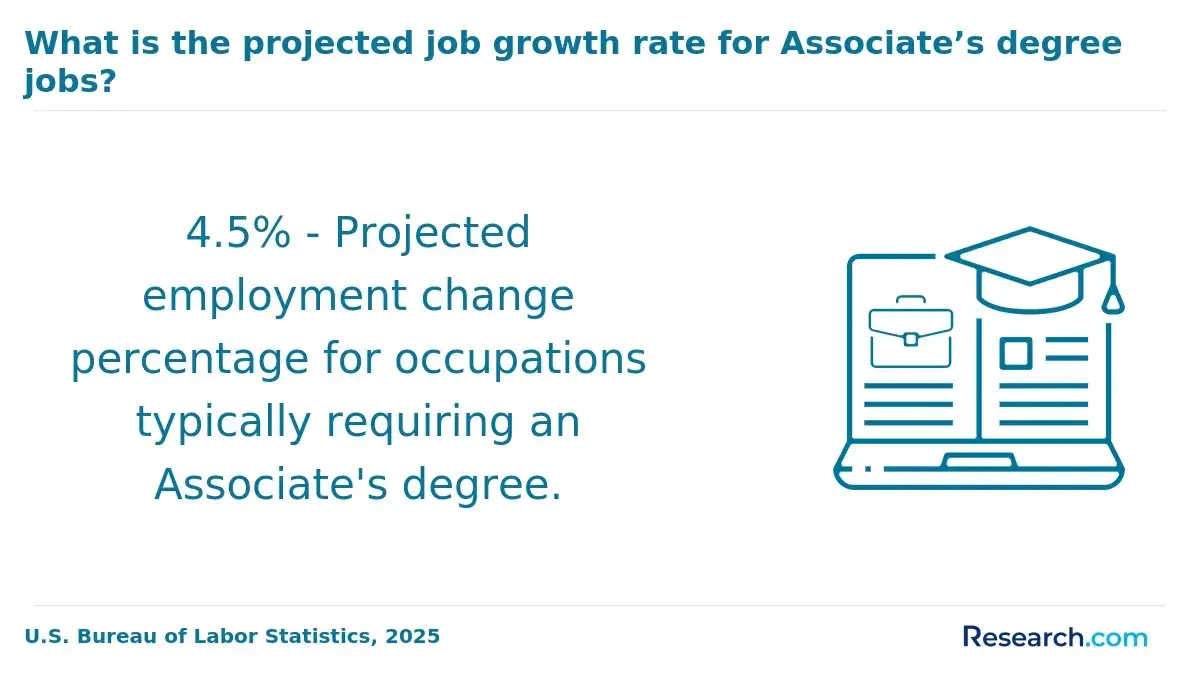
| Associate degree or significant transfer credit | Online bachelor's completion program | About 12 to 24 months | Upper-division residency rules or missing prerequisites |
| Master's-level mental health background | Graduate certificate or advanced coursework in psychopharmacology | About 6 to 18 months | Course availability and professional licensure limits |
| Licensed or license-eligible psychologist | MS in Clinical Psychopharmacology | About 18 to 24 months in accelerated or continuous formats | Clinical practica, medical coursework, state board requirements, or part-time enrollment |
"Fastest" should mean the shortest credible path through an accredited institution without skipping required competencies. "Accelerated" usually means compressed terms, year-round starts, heavier course loads, or recognition of prior graduate learning. "Completion time" is the time from first enrolled course to degree conferral, not the time required to obtain state prescribing authority, which may require additional supervised experience after graduation.
How Do Accelerated and Competency-Based Online Psychopharmacology Programs Work?
Accelerated psychopharmacology programs reduce calendar time by changing the academic schedule, not by removing essential content. Students still study topics such as neurobiology, pharmacokinetics, pharmacodynamics, psychopathology, assessment, medication classes, ethics, and collaborative care.
These common formats can shorten time to completion, but each one also changes the workload. Before enrolling, compare how the schedule affects your weekly hours, exam pace, and ability to keep up while working.
- Compressed terms: Courses run in 7- or 8-week sessions instead of traditional 15- or 16-week semesters, which can let students complete more courses per year.
- Year-round enrollment: Programs that offer fall, spring, and summer coursework reduce downtime between required courses.
- Stacked course loads: Some students take two courses in a short term, but this can be difficult when courses include dense neuroscience or pharmacology content.
- Lockstep cohorts: A cohort can keep students moving quickly, though it may offer less flexibility if you need to pause or retake a course.
- Competency-based elements: Some programs allow faster progress through familiar material, but true self-paced clinical psychopharmacology degrees are uncommon because professional standards require documented learning outcomes.
The biggest trade-off is intensity. An 8-week graduate course is not half as much work as a 16-week course; it is often the same work in half the time. Students who choose this format should expect frequent reading, case analysis, exams, and applied assignments.
What Accreditation Should an Online Psychopharmacology Program Have?
Accreditation is the first filter for any fast online psychopharmacology program. Institutional accreditation from an agency recognized by the U.S. Department of Education or the Council for Higher Education Accreditation is essential because it affects credit transfer, federal financial aid eligibility, employer recognition, and graduate-school acceptance.
Programmatic recognition is more nuanced. Clinical psychopharmacology programs for psychologists may align with professional standards for prescribing psychology, but state laws determine whether a graduate can pursue prescriptive authority. Licensure pathways can vary widely, so students should verify both the school's accreditation and the rules in the state where they plan to practice.
Use this checklist before treating any program as a credible accelerated option. It can prevent costly mistakes that only become visible after enrollment.
- Confirm that the institution appears in the U.S. Department of Education's Database of Accredited Postsecondary Institutions and Programs or another recognized accreditation directory.
- Ask whether the psychopharmacology curriculum is designed for licensed psychologists, doctoral psychology students, nurses, counselors, or general undergraduates.
- Check whether the program meets educational requirements for your intended state pathway, especially if you are pursuing prescribing psychology authorization.
- Verify whether clinical practica, supervised prescribing hours, or medical rotations are part of the degree or required after graduation.
- Ask graduate schools, employers, or licensing boards whether they recognize the credential before you commit.
If your long-term goal is advanced clinical practice rather than psychology prescribing authority, compare adjacent healthcare pathways carefully. For example, some nurses evaluate the easiest online DNP programs because nurse practitioner prescribing pathways are governed by different licensure rules than psychologist prescribing pathways.
How Can Transfer Credits and Prior Learning Shorten an Online Psychopharmacology Degree?
Transfer credit can be one of the fastest ways to reduce completion time, but it is also one of the most misunderstood. Graduate psychopharmacology programs may accept prior coursework in areas such as pharmacology, neuroanatomy, physiology, pathophysiology, statistics, or clinical assessment, but only if the course level, grade, recency, and content match program requirements.
The table below shows how different forms of prior learning may affect time to graduation. It is most useful when you request a preliminary transfer evaluation before applying.
| Prior Learning Type | Possible Time Benefit | What Schools Usually Review | Common Limitation |
| Graduate pharmacology coursework | May waive one or more required courses | Syllabus, credit hours, grade, instructor credentials, and course recency | Course may not cover psychiatric medications in enough depth |
| Medical or health science coursework | May satisfy biological or pathophysiology prerequisites | Transcript, catalog description, and lab or clinical components | May not count toward graduate degree credits |
| Psychology doctoral coursework | May reduce duplication in assessment, diagnosis, or ethics content | APA-aligned training, transcript, and practicum documentation | Programs may still require in-house clinical psychopharmacology courses |
| Professional certifications or continuing education | May support placement decisions or prerequisite review | Provider, contact hours, assessment method, and topic match | Often not transcripted as graduate credit |
| Prior learning assessment | May help in undergraduate completion programs | Portfolio, exams, military training, or ACE-recommended credit | Less common for postdoctoral clinical psychopharmacology coursework |
To shorten your timeline, ask for a written transfer-credit estimate before you enroll. Also ask whether accepted credits reduce tuition, reduce course load, or simply satisfy prerequisites, because those three outcomes affect your schedule and cost differently.
What Are the Admission Requirements and Start Dates for Accelerated Online Psychopharmacology Programs?
Admission requirements depend heavily on program level. Postdoctoral clinical psychopharmacology master's programs are typically designed for licensed psychologists, doctoral psychology graduates, or doctoral psychology students near completion. Undergraduate pathways are broader, but they usually prepare students for graduate study rather than independent psychopharmacology practice.
Accelerated timelines are easiest to follow when your application file is complete before the next start date. The following items often affect whether you can begin immediately or must wait for another term.
- Previous degree: Postdoctoral programs may require a PsyD or PhD in psychology, while bachelor's completion programs require prior undergraduate credits.
- Licensure status: Some clinical psychopharmacology programs prefer or require licensed psychologists; others admit license-eligible doctoral graduates.
- Prerequisite coursework: Biology, physiology, neuroscience, statistics, psychopathology, or clinical assessment may be required before advanced pharmacology courses.
- Professional documents: Applicants may need transcripts, CV, license verification, letters of recommendation, a statement of purpose, and proof of clinical experience.
- Start-date structure: Rolling admissions and multiple yearly starts can shorten waiting time, while cohort programs may admit only once or twice per year.
Students comparing mental health prescribing pathways should be careful not to mix admissions rules across professions. For instance, FNP programs are built around nursing licensure and clinical-hour requirements, while clinical psychopharmacology programs for psychologists follow a different professional model.
A common mistake is applying to the fastest calendar option without checking prerequisites. Missing one required science or clinical course can delay your start more than choosing a slightly longer but better-sequenced program.
How Much Does a Fast Online Psychopharmacology Degree Cost, and Is Financial Aid Available?
Cost varies by institution type, credit load, residency status, technology fees, and whether clinical training requires travel. A fast program is not always cheaper: compressed schedules can reduce months in school, but per-credit tuition, fees, books, and unpaid clinical time still matter.
Use the cost categories below when comparing programs. Schools should be able to explain each item clearly before you enroll.
- Per-credit tuition for required graduate or undergraduate courses
- University fees, online learning fees, technology fees, and graduation fees
- Books, drug reference tools, clinical software, and exam materials
- Travel or lodging for any residency, lab, intensive, or clinical requirement
- Costs related to background checks, immunizations, liability insurance, or practicum placement
- Opportunity cost if the accelerated workload reduces paid work hours
Financial aid may be available if the school is institutionally accredited and the program is eligible for federal aid. Graduate students may have access to unsubsidized federal loans or employer tuition assistance, while undergraduate students may qualify for Pell Grants, state grants, scholarships, or military education benefits if they meet eligibility rules.
The College Board's 2024 Trends in College Pricing reported that published tuition and fees continued to vary sharply by institution type, which matters for online students because some public universities charge different rates for in-state, out-of-state, and online learners.
If you are comparing psychopharmacology with other healthcare leadership tracks, an accelerated degree in healthcare administration may have a different ROI profile because it usually does not require the same clinical-practice pathway.
Can You Work Full Time While Completing an Accelerated Online Psychopharmacology Degree?
Many students in online psychopharmacology programs are already working clinicians, so full-time employment is possible for some learners. The real question is whether the accelerated schedule fits your clinical workload, family responsibilities, and tolerance for dense science coursework.
The table below compares common enrollment patterns. It can help you decide whether speed or sustainability should drive your program choice.
| Enrollment Pattern | Typical Weekly Experience | Timeline Effect | Best For |
| One course per short term | Manageable for many working professionals, but still reading-heavy | Slower than full-time acceleration | Students with full-time jobs or unpredictable clinical schedules |
| Two courses per short term | Intensive; exams and assignments may overlap | Can support an 18- to 24-month graduate timeline | Students with strong science background and protected study time |
| Traditional semester pacing | More time to absorb pharmacology and case material | Often extends completion beyond the fastest advertised timeline | Students who need lower weekly intensity |
| Temporary reduced work hours | More study capacity during difficult terms | May help students stay on an accelerated plan | Students taking neurobiology, pharmacology, or practicum-heavy courses |
If you plan to work full time, ask current students how many hours they spend weekly on reading, recorded lectures, live sessions, exams, and case assignments. A slower plan may be the better choice if rushing would weaken your grades, clinical understanding, or ability to complete required placements.
Are Accelerated Online Psychopharmacology Degrees Respected by Employers and Graduate Schools?
Employers and graduate schools generally focus less on whether a program was online and more on whether it was accredited, appropriately rigorous, relevant to the role, and completed at a recognized institution. In healthcare and mental health fields, the credential must also match licensure rules and scope-of-practice expectations.
Online graduate education is now common, but not all online credentials carry the same value. A respected accelerated psychopharmacology degree should show clear admissions standards, graduate-level science content, qualified faculty, assessment of clinical decision-making, and transparent policies for practicum or supervised requirements.
Career outcomes vary because psychopharmacology training can support different goals. The table below summarizes common pathways without implying that the degree alone grants a specific license or job title.
| Career Goal | How Psychopharmacology Training May Help | Important Limitation |
| Licensed psychologist seeking prescribing pathway | Provides medication-focused education that may support state-specific prescribing requirements | Additional supervised clinical training and state approval may be required |
| Clinical psychologist in collaborative care | Improves ability to consult with prescribers and understand medication effects | Does not expand scope of practice unless state law allows it |
| Research or academic professional | Supports work involving neuropsychology, behavioral medicine, or treatment outcomes | Research careers may require a separate doctoral research record |
| Mental health administrator | Helps leaders understand medication workflows and interdisciplinary treatment teams | Administrative roles may value management credentials more heavily |
Students interested in research-intensive academic careers may also compare doctoral pathways such as a nursing PhD or psychology PhD, depending on their profession, research agenda, and licensure background.
How Should You Compare the Fastest Accredited Online Psychopharmacology Programs?
The best accelerated program is the one that gets you to a valid goal quickly without creating avoidable academic, financial, or licensure problems. A 20-month plan that meets your state requirements is better than a 12-month credential that your licensing board or employer does not recognize.
Use these steps to compare programs in a practical order. They are designed to help you separate real acceleration from marketing language.
- Define your endpoint first: bachelor's preparation, graduate certificate, postdoctoral master's, prescribing pathway, or clinical knowledge enhancement.
- Verify institutional accreditation before comparing speed, tuition, or course format.
- Ask whether the program is intended for psychologists, nurses, counselors, physicians, pharmacists, or general students.
- Request a degree plan showing required credits, term length, course sequence, summer availability, and maximum course load.
- Get a written transfer-credit review before assuming prior courses will shorten the program.
- Confirm whether practica, supervised prescribing experience, residencies, or state board steps happen during the degree or after graduation.
- Compare total cost, not just tuition, including fees, books, travel, unpaid clinical time, and lost work hours.
- Ask about course pass rates, student support, faculty access, advising, and what happens if you need to slow down.
Watch for red flags such as vague accreditation claims, guaranteed completion times, unclear state licensure language, pressure to enroll before transfer review, or programs that describe short terms as easier. Accelerated study can be a strong option, but only when the schedule, credential, and professional outcome match your real situation.
Other Things You Should Know About Psychopharmacology
Yes, but the credential may serve a different purpose. Non-psychologists can take undergraduate or graduate coursework in psychopharmacology, neuroscience, or behavioral health, but clinical prescribing pathways are usually tied to specific licensed professions and state rules.
No. A certificate is shorter and usually focused on a narrow skill set, while a master's degree includes a fuller graduate curriculum and may carry more weight for professional or state-review purposes. Always check which credential your goal requires.
Some do. Programs may combine asynchronous lectures with live discussions, exams, case conferences, or clinical seminars. If you work irregular hours, ask how often live attendance is required and whether sessions are recorded.
The most common delays come from missing prerequisites, limited course availability, transfer credits that are not accepted, clinical or practicum scheduling, and choosing a course load that is too heavy to sustain.
References
- Explore One Year Psychology Master's Programs Online https://www.onlinemastersdegrees.org/best-programs/psychology/1-year-accelerated/
- What is the Master Psychopharmacology Program? https://www.neiglobal.com/Members/MPP/MPPOverview/tabid/307/Default.aspx
- Clinical Psychopharmacology MS https://www.fdu.edu/program/ms-clinical-psychopharmacology-post-doctoral/
- Compare Online Psychopharmacology Degree Programs https://www.counselingpsychology.org/psychology/degrees/psychopharmacology/
- Mental Health Career Opportunities and Educational Requirements https://counsellortraining.com/mental-health-career-opportunities-and-educational-requirements/