2027 Different Types of Teaching Master's Degrees: Specializations, Careers, and Salaries

Co-Founder and Chief Data Scientist
Choosing the right type of teaching master's degree is challenging due to diverse specializations and career outcomes. Nearly 60% of online teaching master's students reported difficulty identifying programs that balance cost, career goals, and salary potential. The demand for educators with specialized credentials is growing faster than generalist degrees, with STEM and special education fields leading employment growth by over 15% annually.
This article clarifies distinct teaching master's degree paths, explaining their career prospects and salary expectations. It guides prospective students-especially working adults and career changers-toward programs that maximize return on investment while aligning with individual interests and budgets.
Key Points About the Different Types of Teaching Master's Degrees
- Many online teaching master's programs offer simplified admissions with no GRE requirement and minimal prerequisite coursework, increasing accessibility for working professionals and career changers.
- Flexible online learning formats allow students to balance coursework with personal obligations, supporting a 21% growth rate in online enrollments for teaching degrees over the last five years.
- Graduates with online teaching master's degrees commonly experience above-average salaries, with median earnings rising by 10% within five years due to high demand in educational leadership and specialized instruction roles.
What Are the Different Types of Teaching Master's Degrees Available?
Choosing the right teaching master's degree can significantly affect your career path, educational focus, and return on investment. Different degree types cater to diverse student needs, from research-oriented studies to practical classroom application. Understanding the distinctions helps prospective students select a program aligning with their goals, budget, and interest in applied versus academic learning.
Here are the main types of teaching master's degrees, each offering unique approaches and outcomes:
- Master of Arts (MA): This degree emphasizes academic and theoretical frameworks within education or liberal arts. It often involves research and culminates in a thesis, appealing to those interested in exploring educational theory or advancing toward doctoral studies.
- Master of Science (MS): Similar to the MA but with a stronger focus on scientific and technical aspects, such as educational psychology or data-driven teaching methods. It combines academic rigor with practical research skills.
- Master of Education (MEd): A professional degree focused on applied learning for classroom teaching, administration, or education policy implementation. It suits working educators seeking skill enhancement without the depth of research required in MA or MS programs.
- Master of Fine Arts (MFA): Less common but valuable for educators specializing in creative fields like arts or writing. Its applied nature supports teaching in specialized disciplines with a creative emphasis.
- Master of Business Administration (MBA): Pursued by those aiming at educational leadership roles with an organizational management focus rather than direct teaching, integrating business principles into educational settings.
According to the National Center for Education Statistics, about half of graduate students in teaching-related fields opt for either an MEd or MA, reflecting the balance between practical and academic focus in teaching master's degree specializations. Working adults or career changers considering these degrees should weigh how each aligns with their professional goals and the investment in time and resources.
For those also interested in advancing beyond a master's, exploring options for a phd online might provide flexible paths to doctoral education in teaching or education-related fields.
What Specializations Are Available in Teaching Master's Degrees?
Selecting the right specialization within teaching master's degree specializations in the United States can significantly influence career paths and salary potential. Employment of postsecondary teachers is expected to grow 12% from 2022 to 2032, reflecting strong demand in education and related fields. Students focusing on career relevance should consider how emerging areas align with industries such as tech, healthcare, education, and business. Below are key specializations offering promising job opportunities and alignment with current industry trends.
- STEM Education: Integrates science, technology, engineering, and math into teaching, meeting the rising demand for technology and innovation skills in various sectors.
- Special Education: Develops expertise in supporting students with disabilities, addressing an increasing need for qualified educators to foster inclusive learning environments.
- Educational Technology: Focuses on digital tools and online learning strategies, connecting closely with the tech and business industries as education evolves technologically.
- Early Childhood Education: Centers on teaching young learners from pre-K to third grade, vital for foundational development and critical early learning milestones.
- Curriculum and Instruction: Emphasizes creating and assessing effective curricula, supporting educational institutions in enhancing teaching quality and student engagement.
For those exploring further advancement, some may consider online edd programs affordable to complement their teaching master's degree specializations and expand career opportunities.
How Long Does It Take to Complete Each Type of Teaching Master's Degree?
Time commitment is a crucial factor when pursuing a high-paying teaching master's degree, as it directly impacts career planning and work-life balance. Recent data shows holistic admissions practices have increased by over 20%, reflecting growing program accessibility for diverse applicants. Below are key points to consider when estimating your program length:
- Degree type and requirements: Traditional Master of Education (M.Ed.) programs typically take about two years full-time, especially with thesis or capstone requirements, which add depth but extend completion time. Non-thesis tracks may be finished in as little as one year.
- Part-time options: Designed for working professionals, part-time formats often stretch over three years or more, allowing students to balance jobs and studies but lengthening total duration.
- Program format: Cohort-based, fully online, and hybrid models influence length; accelerated online programs may enable completion within 12 to 18 months by offering condensed or year-round courses, while traditional on-campus schedules usually follow two-semester calendars.
A graduate I spoke with shared that finishing their teaching master's took nearly two years full-time, but the experience was intense due to balancing a thesis and work. They described managing research deadlines and smaller course loads as "challenging but rewarding," appreciating the structured timeline and cohort support which helped maintain motivation. Their journey illustrated how program design and personal circumstances shape each student's timeline uniquely.
Program duration is a key consideration for students aiming to enter the workforce quickly or reduce extended tuition expenses. Accelerated teaching master's degree programs online offer a fast track for those ready to advance or switch careers without long delays. These programs are particularly valuable for working adults and career changers who need efficient, flexible options to earn certification and graduate degrees. Below are some common methods that make accelerated pathways possible:
- Heavier course loads: Students take more credits each term than in traditional programs, which shortens overall completion time by increasing the pace of study without sacrificing learning quality.
- Year-round classes: Instead of long breaks, accelerated programs offer instruction through summer and winter sessions, helping students build momentum and graduate faster.
- Combined bachelor's-master's pathways: Integrated degree models allow learners to complete undergraduate and graduate requirements simultaneously, streamlining the process and reducing total time to degree.
- Online or hybrid formats: Flexible scheduling through online courses supports those balancing work, family, and education, making it easier to maintain steady progress toward graduation.
Individuals pursuing fast track teaching master's degrees with certification can efficiently boost their credentials while managing other life priorities. Prospective students interested in advancing education quickly may also explore options like a bachelor degree online in 2 years, which can complement accelerated graduate study plans.
Many students weigh the rigor and legitimacy of online versus on-campus Teaching master's programs, wondering if one is easier or more respected than the other. A 2023 study from the National Center for Education Statistics reveals that nearly 70% of online education students complete their programs, suggesting commitment levels comparable to traditional settings. Here are key factors influencing the credibility of online Teaching master's degrees:
- Accreditation: The foundation of credibility is whether the program is accredited by recognized agencies. Accredited online degrees meet quality standards similar to on-campus programs, assuring students and employers of their validity.
- Employer acceptance: As remote work and digital collaboration expand, employers increasingly value online degrees earned from reputable institutions. When properly credentialed, these degrees hold substantial weight in the hiring process for education professionals.
- Advantages for diverse students: Online Teaching degrees offer flexibility for working adults and international students, allowing study around other commitments or relocations. Self-paced formats and eliminating commuting enhance accessibility and learning efficiency.
- Challenges: Limited face-to-face interaction and the necessity for strong discipline remain obstacles. However, motivated students who choose their programs carefully can achieve outcomes on par with traditional learners.
One graduate I spoke with chose an online Teaching master's degree over a campus option due to work and family demands. He described juggling coursework late at night after his kids were asleep and appreciated that his program gave him "freedom to learn at my own pace." Initially, he worried about missing in-person discussions but found the online forums engaging and supportive. Reflecting on his experience, he said, "It wasn't easier just because it was online-I had to be disciplined-but the flexibility made all the difference in managing my busy life without sacrificing the quality of my education."
Knowing tuition costs helps prospective students weigh the financial commitment of pursuing a master's degree and plan accordingly. Costs vary significantly between public and private institutions, as well as between online and on-campus formats. Many students also face additional expenses such as fees and materials, which can add up. Here are some key points about typical tuition costs and factors affecting them:
- Average tuition range: Most teaching master's programs charge between $10,000 and $30,000 for the full degree, with some exceeding this due to credit requirements or residency status.
- Online versus in-person costs: Fully online programs often cost less, typically $12,000 to $20,000, because they reduce expenses related to facilities and commuting. Hybrid programs, which combine online and campus sessions, generally fall between $18,000 and $30,000.
- Program length and credit hours: Degree durations commonly span 1 to 3 years, and longer programs require more credits, increasing total tuition.
- Additional fees: Lab fees, technology charges, and materials can add extra costs beyond base tuition.
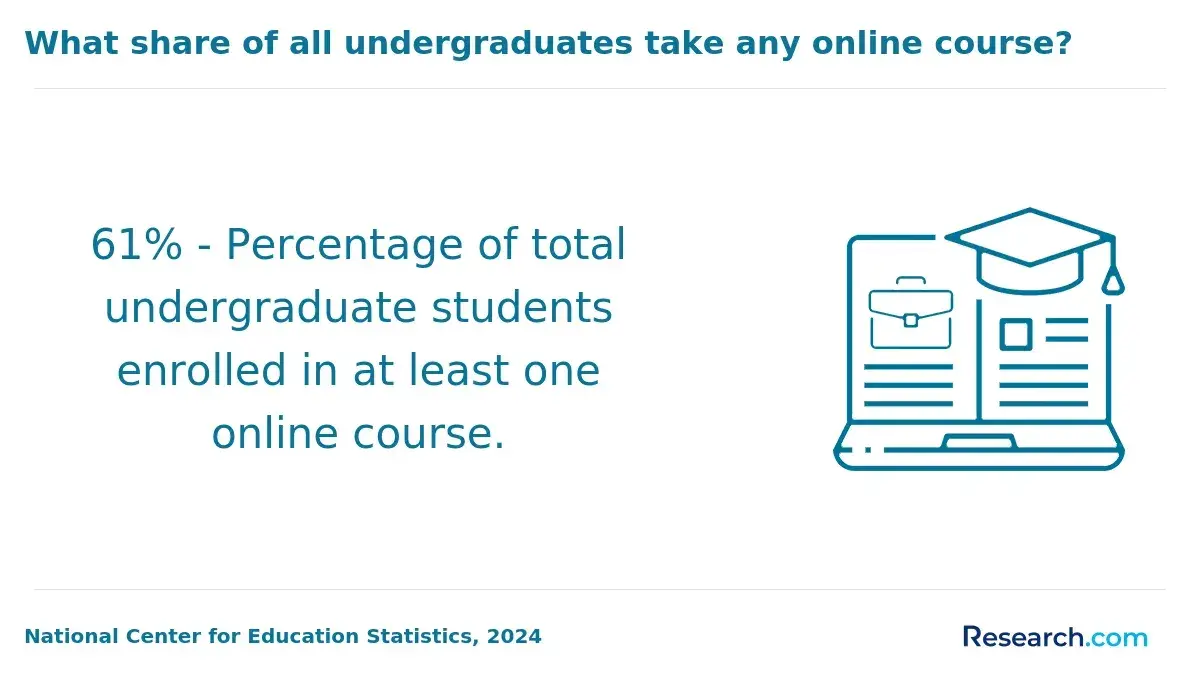
- Trends in enrollment: About 65% of teaching master's students now take at least part of their coursework online, highlighting a growing preference for affordable and flexible learning options.
For prospective students exploring advanced degrees, understanding the job outlook and career flexibility tied to a teaching master's degree is crucial. According to National Center for Education Statistics data, individuals with advanced teaching degrees often see a salary boost of 20-30% compared to those holding only a bachelor's degree. Below are key roles and industries linked to different teaching master's specializations that highlight leadership opportunities and degree requirements.
- Classroom Teacher and Instructional Roles: A Master of Arts in Teaching (MAT) often leads to positions as classroom teachers, instructional coordinators, or curriculum developers. These roles usually require teaching certification, especially in public schools, though private institutions may prefer candidates holding these degrees without strict mandates.
- Special Education and Behavioral Specialists: Graduates with teaching master's specializations in special education often become special education teachers or behavioral specialists. These positions are in high demand due to federal mandates like the Individuals with Disabilities Education Act (IDEA), generally requiring licensure but offering stable employment and leadership prospects within schools or districts.
- Educational Leadership and Administration: Master's degrees focusing on educational leadership prepare candidates for roles such as school principals, district administrators, or education consultants. These careers typically require a teaching background and state certification but provide higher salaries and significant authority in shaping school policy and student outcomes.
- Flexibility Beyond K-12 Education: Teaching master's degrees also open doors to adult education, corporate training, and other flexible work environments where the degree enhances credentials without necessarily being mandatory. This diversity suits working adults and career changers seeking adaptable career paths.
Working adults and nontraditional students looking for affordable, high-ROI options might also explore the cheapest online psychology degree programs, which can complement education careers focusing on student behavior and support services.
Salary ranges for master's degrees in teaching specialization are important for prospective students who want to balance their career goals with financial expectations. Earnings differences across teaching master's degree types can be influenced by industry demand, years of experience, and geographic location. According to the U.S. Bureau of Labor Statistics, education specialists with advanced degrees typically earn between $50,000 and $90,000 annually depending on their focus and role. These factors create notable variations in pay that are essential to consider when selecting a program.
Here are some key salary trends by teaching master's degree specialization:
- Educational leadership degrees: Graduates often earn salaries ranging from $70,000 to over $100,000 due to the high responsibilities involved in roles like school principals or district supervisors. Demand for leadership in education drives higher pay in this specialization.
- Special education teachers: Those with master's degrees in special education generally earn between $55,000 and $75,000. Pay can fluctuate depending on location and the specific needs of the district or institution.
- STEM teaching specialists: Specialists in science, technology, engineering, and math education typically receive higher salaries than their non-STEM counterparts, as schools prioritize strengthening STEM programs to meet workforce demands.
Geographic differences also affect earnings, with urban and higher-cost-of-living areas frequently offering increased salaries compared to rural locations. Experience further influences salary growth in most education careers, making advanced degrees a strategic investment for long-term income potential. Prospective students evaluating options can benefit from reviewing resources such as online schools that align with their interests, budget, and expected return on investment.
Choosing the right teaching master's degree program involves balancing multiple factors that impact both your academic experience and future career success. Considering elements like your professional goals, program affordability, and time availability helps ensure the degree aligns with your lifestyle and ambitions. The following points highlight essential aspects to evaluate when selecting a program.
- Career Alignment: Select a program that supports your specific teaching interests and long-term aspirations. Look for options that offer career services such as resume building and interview coaching tailored to educators, which improve your graduate job prospects.
- Program Cost: Weigh tuition and fees against available financial aid and scholarships. Accreditation can affect eligibility for federal aid, so confirming a program's regional or national accreditation is crucial to making an informed financial commitment.
- Time Commitment and Flexibility: Online programs that provide asynchronous courses allow you to study at your own pace, which is vital for working adults juggling multiple responsibilities. Reliable academic advising also helps manage your course load effectively.
- Academic Support: Robust tutoring services, writing centers, and 24/7 technical help are important for maintaining steady progress and overcoming academic challenges, especially if you come from a nontraditional background.
- Accreditation: Choose a regionally or nationally accredited institution to ensure your degree is respected and credits can transfer if needed. Accreditation also plays a role in your eligibility for licensure and federal assistance.
- Long-Term Career Flexibility: Programs with strong support systems and flexible formats tend to correlate with higher completion rates and better salary outcomes, offering greater adaptability as your career evolves.
Choosing the right teaching master's program is crucial for those aiming to maximize career success and personal growth. The decision impacts future opportunities, financial outcomes, and job satisfaction. Consider these key factors when evaluating your options:
- Career advancement: A master's degree can qualify you for leadership roles like curriculum coordinator or instructional coach, often required for administrative positions.
- Salary potential: Graduates typically see a 10-20% pay increase compared to those without an advanced degree, though amounts vary by district and role.
- Industry expectations: Some school districts mandate or reward advanced credentials for ongoing employment and promotions, making the degree a practical necessity in certain regions.
- Personal fulfillment: Beyond finances, earning a master's deepens your expertise, refines teaching strategies, and enhances your influence on student outcomes.
- Specialization relevance: Programs focused on high-demand fields such as Special Education or STEM can increase employability and alignment with job market needs.
- Long-term alignment: Ensure the program's credentials match your career goals to support sustainable growth rather than transient industry trends.
What Graduates of Teaching Master's Degree Programs Say About Their Specialization, Career, and Salary
- Tobias: "Joining the teaching master's degree program was a pivotal decision for me. Although the average cost of attendance was quite manageable compared to other graduate programs, it still required careful budgeting. Thanks to this program, I not only enhanced my teaching skills but also saw a noticeable increase in my salary, which made the investment absolutely worthwhile. "
- Rex: "I entered the teaching master's degree program after realizing I wanted to deepen my knowledge and improve my classroom effectiveness. The cost was a significant consideration, but the program offered various financing options that helped ease the burden. Reflecting on my career, the degree opened doors to promotions and a better income, proving it was a smart professional move. "
- Arthur: "The path to enrolling in the teaching master's degree program was a combination of passion and necessity; I wanted to advance my career while keeping expenses reasonable. The program's cost was transparent and fair, especially considering the return on investment. Professionally, my salary has increased, and I feel more confident and capable in my role, validating my choice to pursue this degree. "
Other Things You Should Know About Teaching Degrees
To enroll in a master's degree in teaching in 2027, applicants typically need a bachelor's degree in education or a related field, a minimum GPA, and teaching experience or classroom observation hours. Some programs may also require standardized test scores, like the GRE or Praxis exams.
Several top universities offer online master's degrees in teaching in 2027, including Harvard University, University of Southern California, and University of Florida. These programs are well-regarded for their flexibility, comprehensive curriculum, and the reputation of their faculty in the field of education.
- Education Master's Programs | ACE https://ace.edu/degree-programs/masters-degrees/masters-education/
- Should You Study a Masters in Education Specialisation? https://www.staffordglobal.org/blog/should-i-study-a-masters-in-education-specialisation/
- How to Choose the Right Master's Degree in Education https://www.pacificu.edu/blog/how-choose-right-masters-degree-education
- How to Pay for a Master's Degree in Education - Graduate Programs for Educators https://www.graduateprogram.org/blog/how-to-pay-for-a-masters-degree-in-education/
- What Type of Online MEd Degree Should You Pursue? https://www.onlinemastersdegrees.org/student-resources/education/types-of-degrees/
- Is a Master of Arts in Teaching Worth It? https://gsep.pepperdine.edu/blog/posts/is-a-master-of-arts-in-teaching-worth-it.htm
- What Can I Do With a Master’s in Teaching? https://www.warnerpacific.edu/blog/education/what-can-i-do-with-masters-in-teaching/
- 5 Fastest Growing Teaching Specializations https://www.masters-in-teaching.com/lists/5-fastest-growing-teaching-specializations/
- Exploring the Vast Diversity of Masters Teaching Methods https://www.accessmasterstour.com/articles/view/exploring-the-vast-diversity-of-masters-teaching-methods
- Can a Master’s in Education Increase Your Salary? https://www.ndnu.edu/articles/education/masters-in-education-salary.html