
2027 Best Online Bachelor’s Degrees in Special Education Programs

Co-Founder and Chief Data Scientist
Choosing an online bachelor’s degree in special education is not just a question of convenience. It is a decision about licensure, supervised teaching experience, accreditation, cost, and whether the program will prepare you to work effectively with students who have learning, behavioral, cognitive, emotional, or developmental needs. In 2024, 8.2 million children ages 3-21, or about 15% of public school pupils, received special education services under the Individuals with Disabilities Education Act (IDEA). At 33%, specific learning disabilities were the most frequent kind of disability among students getting special education assistance (Advocacy Institute, 2026).
An online bachelor’s degree in special education can prepare future teachers to design individualized instruction, support inclusive classrooms, understand disability law, use assistive technology, and complete fieldwork required for teacher licensure. This guide explains how online programs work, how they compare with campus-based degrees, what they cost, what courses to expect, how to evaluate quality, and what steps can help you move from student to licensed special education teacher. If you are still comparing teaching pathways, Research.com’s guide to choosing an education degree can help you understand how special education fits within the broader education field.
Quick answer: Yes, you can earn a bachelor’s degree in special education online, but most licensure-focused programs are not 100% remote in practice. Coursework may be online, while fieldwork, practicum hours, and student teaching usually take place in person at approved schools or educational settings near you. The best choice is typically a regionally accredited program that aligns with your state’s teacher licensure requirements and clearly explains field placement support before you enroll.
Online Bachelor’s Degree in Special Education Guide: What This Article Covers
- Whether a special education bachelor’s degree can be completed online
- How employers evaluate online teaching degrees
- When online degrees are recognized outside the United States
- How online and traditional special education programs compare
- Typical online special education degree costs
- Admission, technology, and readiness requirements
- Common courses in an online special education bachelor’s program
- How to choose a strong online special education degree
- Certifications and add-on training that can strengthen your career
- When an online doctorate in special education may make sense
- Challenges to expect in an online special education program and advanced study considerations
- How interdisciplinary study can support special education practice
- How technology is changing online special education training
- Why child development knowledge matters in special education
- How to gain hands-on experience while studying online
- Licensure requirements for special education teachers and fieldwork planning
- How a master’s degree can support career advancement
- Other online education degrees to compare
- Career paths after a special education degree and graduate-level options
Can You Get a Degree Completely Online?
You can complete the academic portion of many special education bachelor’s programs online. A teacher degree online often includes recorded lectures, live or asynchronous discussions, digital assignments, online assessments, group projects, and virtual meetings with instructors. Many programs are designed for working adults, paraprofessionals, career changers, or students who cannot relocate for college.
The important distinction is between online coursework and in-person teacher preparation. If the program leads to initial teacher licensure, you should expect supervised field experiences, classroom observations, practicum assignments, and student teaching. These experiences are usually completed in schools or approved educational settings, often in the student’s local area.
Asynchronous classes are common in online education programs because they let students complete weekly work without attending class at a fixed time. Some programs also include synchronous sessions, which require students to log in at scheduled times for discussions, simulations, or faculty-led activities. Before enrolling, ask whether courses are fully asynchronous, partly live, or cohort-based.
Online learning is no longer a niche format. A decade ago, up to 43.1% of undergraduate students were already taking online classes according to online education statistics. For special education majors, the value of online study is strongest when flexibility is paired with structured field placement support, strong advising, and clear licensure alignment.
| Program Feature | What Can Usually Be Online | What Usually Requires In-Person Participation |
| General education and education theory courses | Lectures, readings, quizzes, discussion boards, and written assignments | Rarely requires campus attendance unless the school uses hybrid sessions |
| Special education methods courses | Case studies, lesson planning, legal analysis, assistive technology reviews, and simulations | Some programs may require live demonstrations or supervised teaching practice |
| Fieldwork and practicum | Reflection journals, faculty check-ins, and online documentation | Observation and supervised work with students in approved settings |
| Student teaching | Online seminar meetings and portfolio submission | Full classroom-based teaching experience under supervision |
| Licensure preparation | Test preparation modules and advising | State exams, background checks, and required classroom experiences may be handled separately |
Will Employers Take My Online Degree Seriously?
Employers are most likely to respect an online special education degree when it comes from an accredited institution, includes state-approved teacher preparation, and leads to the same credential as the campus version. In teaching, the degree format matters less than whether you are eligible for licensure, have completed supervised teaching experience, and can demonstrate classroom readiness.
Online education has continued to grow, with online higher education outpacing traditional higher education in annual growth at about 4%. However, employer attitudes are not universally positive. The 2025 GMAC Corporate Recruiters Survey showed that U.S. employers indicated negative or neutral feelings toward online degrees than positive ones, with 34% disagreeing and 11% strongly disagreeing that their company values online and in-person programs equally.
That finding does not mean online special education degrees are poor choices. It means students should be strategic. For teaching roles, hiring committees often look closely at licensure eligibility, student teaching evaluations, references, classroom management ability, and experience with individualized education programs. If you choose an online program, build a strong portfolio, seek meaningful field placements, and document your practical experience clearly.
How to Make an Online Special Education Degree More Competitive
- Choose accreditation first. Avoid any program that cannot clearly explain institutional accreditation and state approval for teacher preparation.
- Confirm licensure alignment before enrolling. A degree may be academically valid but still fail to meet your state’s teacher certification rules.
- Prioritize supervised experience. Fieldwork, practicum, and student teaching help employers see that you can apply theory in real classrooms.
- Build a teaching portfolio. Include sample lesson plans, behavior support strategies, assessment reflections, assistive technology examples, and evidence of differentiated instruction.
- Ask about local school partnerships. Programs with established placement networks may make it easier to complete required classroom hours.
Are Online Degrees Recognized All Over the World?
Online degrees may be accepted in many settings, but recognition is not automatic everywhere. A degree’s value depends on the institution’s accreditation, the country or region where you plan to work, the requirements of the employer, and whether the degree satisfies local licensing or credentialing rules.
The U.S. Department of Education’s “Evaluation of Evidence-Based Practices in Online Learning” reported that “students in online conditions performed modestly better, on average than those learning the same material through traditional face-to-face instruction.” That finding supports the idea that online learning can be effective when it is well designed. It does not guarantee that every online degree will be recognized by every employer, licensing body, or country.
In recent years, online degrees have become a more practical option for students across regions and income levels. While there is a slight decline in first-time enrollment in online bachelor degree programs, the number of enrollees in the U.S. is still above eight million.
Institutional Efforts for Higher Ed Faculty Development Access

International students and U.S. students planning to work abroad should be especially careful. Some countries, school systems, or credential evaluators may have specific rules about remote education, supervised teaching, institutional recognition, or professional licensing. The reputation of the institution, the quality of curriculum and instruction, and the documentation of practicum hours can all affect how the degree is evaluated.
Online vs. Traditional Bachelor’s Degree in Special Education
Online and campus-based special education programs often cover similar academic content: disability categories, instructional strategies, assessment, classroom management, behavior supports, special education law, collaboration with families, and inclusive teaching. The main differences are delivery format, flexibility, student support, placement logistics, and cost structure.
Special education teachers adapt instruction for students with diverse needs. They may modify lessons, collect assessment data, collaborate with general education teachers, support individualized education programs, coordinate accommodations, and use classroom technology. Some instructional models used in general education, including approaches such as the SAMR model, can be adapted for students with mild to moderate disabilities when used thoughtfully.
Depending on the institution, special education may be offered as a standalone bachelor’s degree, a concentration within an education major, a pathway connected to psychology or child development, or a graduate-level specialization. Students should not assume that every program leads to licensure. The program page should state clearly whether it prepares graduates for initial teacher certification and in which state.
According to the Bureau of Labor Statistics, special education employment will rise by 3% through 2029, with 14,300 new teaching positions entering the market. This projection does not include related support, administrative, intervention, or education services roles.
| Factor | Online Bachelor’s in Special Education | Traditional Campus Program |
| Best for | Working adults, transfer students, paraprofessionals, parents, and students who need schedule flexibility | Students who want daily campus interaction, in-person advising, and immediate access to campus resources |
| Course delivery | Mostly online through recorded lessons, discussion boards, virtual meetings, and digital assignments | Mostly face-to-face classes, campus activities, and in-person faculty interaction |
| Field experience | Usually completed in local schools or approved settings arranged with program guidance | Often arranged through nearby school district partnerships |
| Flexibility | Higher flexibility, especially if courses are asynchronous | Lower flexibility because classes usually meet at set times and locations |
| Student support | Depends on virtual advising, online tutoring, digital libraries, and remote career services | Includes campus libraries, advising offices, computer labs, counseling centers, and in-person tutoring |
| Main risk | Choosing a program that lacks adequate placement support or does not meet state licensure rules | Higher commuting, housing, and schedule constraints |
Tuition, Fees, and Financial Aid
Cost is one of the biggest reasons students compare online and campus-based programs. Online students may save money on commuting, housing, campus activity fees, meal plans, and relocation. Campus students may have greater access to in-person services, local school partnerships, and on-campus scholarships, but total attendance costs can be higher once living expenses are included.
Financial aid can apply to online programs if the institution and program meet eligibility requirements. Students should compare grants, scholarships, employer tuition support, transfer credit policies, payment plans, and whether student teaching may reduce their ability to work full time during the final terms.
Class Schedule and Learning Pace
Online programs are attractive because they can fit around work, caregiving, or existing school employment. Some students complete courses on a part-time schedule, while others move faster through accelerated or transfer-friendly formats. However, flexibility is not the same as low effort. Special education coursework involves lesson planning, case analysis, legal reading, field observations, and detailed reflection.
Campus programs provide more predictable structure. For students who learn best through live discussion, immediate feedback, and regular in-person contact, a traditional format may be the better option.
Curriculum and Instructional Quality
A strong online special education curriculum should be comparable to a campus curriculum. Look for evidence that the program teaches assessment, disability law, behavior management, inclusive instruction, collaboration, literacy support, assistive technology, and culturally responsive teaching. The best programs also connect coursework to field practice instead of treating online classes and classroom experience as separate pieces.
Learning Resources and Student Support
Campus students may rely on physical libraries, tutoring centers, advising offices, computer labs, and informal peer networks. Online students should expect equivalent support in digital form, including remote advising, online tutoring, library database access, technology help, faculty office hours, and career services. Ask whether online students have the same access to academic and licensure advising as campus students.
Is an Online Degree Cheaper?
An online degree is often less expensive overall, but not always cheaper in tuition alone. Many colleges and universities in the U.S. charge different online tuition rates, technology fees, distance learning fees, or out-of-state tuition policies. Online students may still need to pay for a computer, internet access, background checks, exam fees, transportation to field placements, and required classroom materials.
The average total cost of an online degree is $31,165 less than that of a traditional degree (Education Data Initiative, 2025). This savings can be meaningful, but students should calculate total cost rather than comparing tuition alone.
Is an Online Degree as Good as a Regular Degree?
An online special education degree can be as credible as a campus degree when it comes from a reputable accredited school, includes rigorous coursework, and satisfies licensure requirements. Many diplomas do not specify whether the degree was earned online. Still, students should avoid unaccredited schools, unclear licensure claims, weak field placement support, or programs that promise unusually easy completion.
How Much Does an Online Bachelor’s Degree in Special Education Cost?
Most bachelor’s programs in teacher education require 120 to 142 credits of study and can be completed within four years. Online special education programs may follow the same credit structure as campus programs, but tuition and fees vary widely by institution, residency status, program design, and whether the school charges online learners a separate rate.
Residency can affect cost because some public universities charge more for out-of-state students. Other institutions use a flat online tuition rate regardless of residence. Technology fees may also apply to online students and can cover course platforms, digital materials, online tutoring, and remote student services.
The cost of an online special education degree generally ranges from $210 to $575 per credit. As such, total tuition should range between $25,000 and $82,000 for students in both public and private institutions (U.S. News, n.d.). The average cost of an online program is almost similar to the average cost of traditional college tuition fees in the U.S., which is around $28,000 (National Center for Education Statistics, 2021a).
Online students should also budget for hidden or indirect costs. These may include a reliable laptop, webcam, microphone, internet service, software, state exams, background checks, fingerprinting, transportation to school placements, and unpaid student teaching time. Digital resources may reduce textbook costs, but they do not eliminate all expenses.
| Cost Category | Why It Matters | Question to Ask Before Enrolling |
| Tuition per credit | This is the largest direct cost and varies by school and residency policy. | Is the online tuition rate the same for in-state and out-of-state students? |
| Program fees | Online, technology, assessment, and education program fees can add to the published tuition. | What mandatory fees are charged each term? |
| Field placement expenses | Student teaching may require transportation, background checks, and schedule changes. | Who arranges placements, and what costs are students responsible for? |
| Licensure expenses | Teacher candidates may need exams, fingerprinting, and state application fees. | Which licensure costs are not included in tuition? |
| Transfer credits | Accepted credits can reduce time and cost. | How many previous credits can apply to the major and general education requirements? |
Is an Online Special Education Degree Worth It?
An online bachelor’s degree in special education can be worth it if it leads to licensure in your state, fits your schedule, provides strong field experience, and is affordable enough to support your long-term goals. It is a weaker choice if the program is not accredited, does not support student teaching, or leaves you responsible for figuring out licensure requirements on your own.
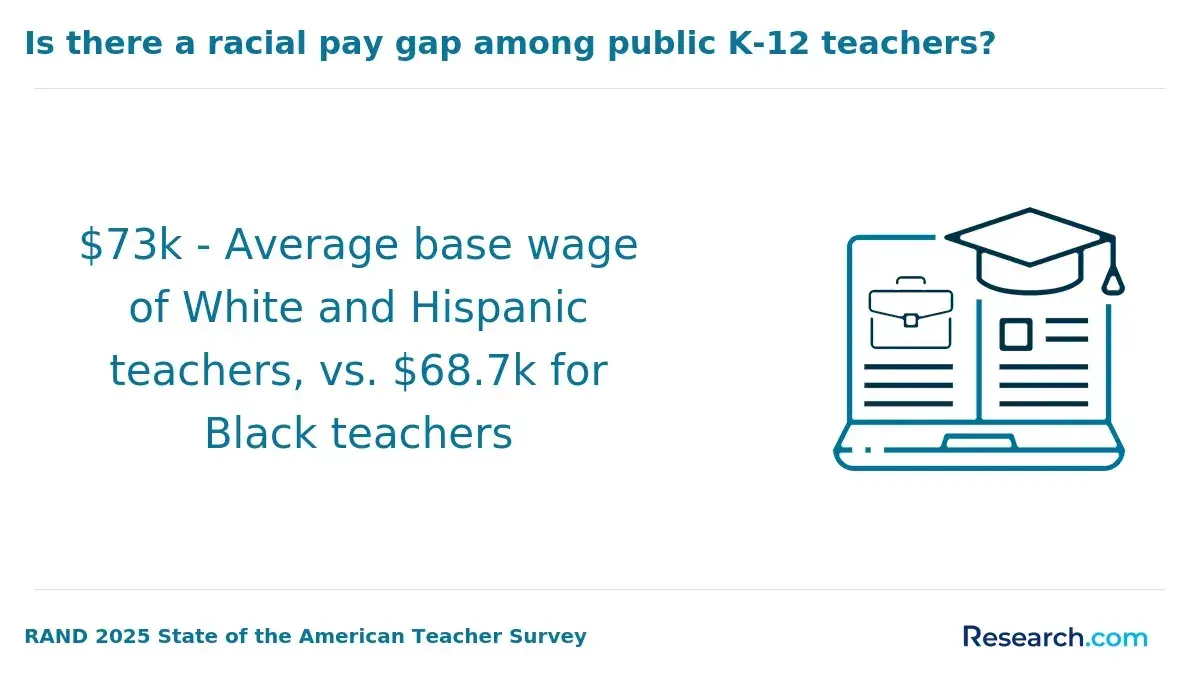
In 2025, the annual median pay for special education teachers was around $59,000, which requires a bachelor's degree (Bureau of Labor Statistics via CareerExplorer). Earnings can vary by state, district, school type, experience, union agreements, degree level, and additional credentials. Students should not treat a median salary as a guaranteed outcome.
What are the Requirements of an Online Bachelor’s Degree in Special Education?
Online special education bachelor’s programs usually have admission requirements similar to campus programs. The main added expectation is technology readiness. Students must be able to participate in digital coursework, submit assignments online, attend virtual meetings when required, and communicate professionally with faculty, classmates, and field supervisors.
Admission Requirements
Most programs require a secondary school diploma or equivalent. Some schools set GPA requirements, and recent high school graduates may need to submit SAT or ACT scores depending on institutional policy. Adult learners and transfer students may follow different admissions procedures.
Prior teaching experience is usually not required for bachelor’s admission, but experience as a paraprofessional, tutor, childcare worker, camp staff member, or volunteer can strengthen a student’s readiness. Students with an associate degree may be able to transfer credits, but the number of accepted credits depends on course equivalency, grades, accreditation, and program requirements.
Common application materials include:
- Completed application form and application fee
- High school diploma or equivalent documentation
- Official transcripts from high school and previous colleges
- Resume describing academic, work, volunteer, or classroom-related experience
- Letters of recommendation, if required
- Personal statement explaining your interest in special education
Personal and Professional Readiness
Successful special education students tend to be patient, organized, reflective, flexible, and strong communicators. They must be willing to work with families, general education teachers, administrators, service providers, and students with very different needs. Emotional resilience also matters because special education teaching can involve challenging behavior, complex documentation, and high-stakes collaboration.
Technology Requirements for Online Learning
Most online special education programs require a reliable computer, stable internet connection, webcam, microphone, and access to the school’s learning management system. Students may also use video conferencing tools, digital library databases, online assessment platforms, document-sharing tools, and e-portfolio systems. Programs with synchronous sessions require students to be available at scheduled times.
Courses to Expect in Online Bachelor’s Degree in Special Education
Course titles differ by school, but most online bachelor’s programs in special education include a mix of foundational education courses, disability-specific courses, teaching methods, assessment, law, and supervised practice. Students should review whether courses align with the grade band and disability category they want to teach.
- Classroom Management. Students learn how to establish routines, teach expectations, respond to challenging behavior, and create safe learning environments. Assignments may include behavior plans, observation reflections, and a personal teaching philosophy.
- Counseling Techniques. This type of course introduces communication strategies used when working with children, families, and school teams. Topics may include assessment, referral processes, child development concerns, and supportive consultation practices.
- Assessment in Special Education. Students study how teachers collect, interpret, and use data to support instruction and behavior intervention. Coursework may address reaction to intervention, positive behavior intervention and support, and a multi-tiered support system.
- Ethical and Legal Topics in Special Education. This course covers legal responsibilities, ethical decision-making, documentation, student rights, and professional standards. Students may examine the Council for Exceptional Children's Code of Ethics and Standards for Professional Practice.
- Learning Disabilities. Students explore common learning disabilities, possible causes, classroom effects, and intervention strategies. Specific learning disabilities are especially important because they are the most common type of impairment among special-ed students (33%).
- Special Education Technology. Students evaluate assistive technology, classroom applications, accessibility tools, and special needs software. The goal is to use technology to support access, communication, differentiation, and independence.
Things to Look for in an Online Bachelor’s Degree in Special Education
The best online special education program is not simply the cheapest or fastest option. It is the one that matches your state licensure goals, offers credible field placement support, provides transparent costs, accepts appropriate transfer credits, and gives you enough academic and professional support to complete the degree.
Tuition Fee and Other Costs
Compare total cost, not only advertised tuition. Tuition, fees, books, technology, licensure exams, and field placement expenses can change the real price of attendance. Out-of-state tuition policies also matter. On average, online bachelor's degree programs cost anywhere between $38,000 to $60,500 in most universities and colleges.
Length of Program
A bachelor’s degree usually takes around four years, but the actual timeline depends on full-time or part-time enrollment, accepted transfer credits, cohort requirements, course availability, and student teaching schedules. Students with prior college credits should request an official transfer evaluation before committing.
Transfer Policies
Transfer rules can strongly affect cost and completion time. Ask which credits count toward general education, which apply to the education major, and which must be repeated because of licensure or recency requirements. Students transferring from community colleges should check whether articulation agreements exist.
On-Campus or In-Person Requirements
Some online programs have no campus visits, while others require occasional intensives, orientations, testing sessions, or in-person seminars. Even fully online programs may require local fieldwork and student teaching. Confirm these requirements early, especially if you live far from the institution.
Accreditation
Accreditation is one of the most important quality checks. Regional accreditation is generally preferred for two- and four-year colleges and universities. It can affect federal financial aid eligibility, transfer credit acceptance, graduate school admission, and employer confidence.
Teacher preparation programs may also hold programmatic approval or accreditation. Relevant organizations and agencies include:
- National Council for Accreditation of Teacher Education
- Teacher Education Accreditation Council
- Council for Higher Educational Accreditation (CHEA)
- Department of Education (ED)
| Red Flag | Why It Is a Problem | Better Approach |
| The program does not clearly state accreditation. | Credits, financial aid, and licensure eligibility may be at risk. | Verify institutional accreditation through recognized sources before applying. |
| The school promises easy or guaranteed licensure. | Teacher certification is controlled by states, not by marketing language. | Contact your state licensing agency and ask the program for written licensure alignment details. |
| Field placement support is vague. | You may struggle to complete required practicum or student teaching hours. | Ask who secures placements, how far students may need to travel, and what happens if a placement falls through. |
| The only selection factor is low tuition. | A cheap program can become expensive if credits do not transfer or licensure is delayed. | Compare total cost, completion time, support services, and licensure outcomes. |
| The program does not match your intended state or grade band. | You may graduate without the credential you need for your target role. | Confirm grade level, disability category, and state certification pathway before enrollment. |
Working Towards a Career in Special Education
Preparation for a special education career should begin before the final year of college. Students benefit from observing classrooms, volunteering with youth programs, working as paraprofessionals, tutoring, or exploring disability services. Early exposure helps you decide whether you are comfortable with the daily responsibilities of the field.
During the first years of college, general education courses can help students build the writing, communication, psychology, math, and social science foundation needed for teacher preparation. If you are new to college planning, this guide to general education explains why those requirements matter.
What complementary certifications can enhance your special education career?
Additional certifications can make a special education teacher more versatile, especially when they connect directly to student needs. Useful areas may include autism support, behavior intervention, assistive technology, reading instruction, English language learning, or subject-specific teaching. For teachers who want stronger content knowledge in mathematics, an online math education degree may support work with students who need intensive academic intervention.
Before paying for any certificate, check whether it is recognized by your state, district, or target employer. Some credentials are valuable for professional learning but do not change licensure status.
What Are the Benefits of Pursuing an Online Doctorate in Special Education?
An online doctorate in special education is usually intended for experienced educators, administrators, researchers, or policy professionals rather than entry-level teachers. It can support advanced work in leadership, teacher education, program evaluation, disability policy, research, or district-level special education administration.
Some professionals consider accelerated doctoral programs in education online because they want to continue working while pursuing advanced credentials. A faster format can be useful, but students should weigh workload, dissertation or capstone expectations, faculty support, and whether the degree aligns with their long-term career goals.
What challenges might you face in an online special education degree program?
Online special education programs require discipline. Students must manage deadlines, complete readings without daily in-person reminders, participate actively in online discussions, and communicate quickly when fieldwork or technology problems arise. The flexibility is valuable, but it can also make procrastination easier.
Another challenge is limited informal networking. Campus students may build relationships before and after class, while online students need to be more intentional about joining study groups, attending live sessions, contacting faculty, and connecting with peers. Students comparing online learning across fields may find useful planning ideas in What do you need to become a librarian?.
Career services also matter. Strong online programs provide resume support, interview preparation, licensure advising, and connections with districts or educational organizations. Students looking for related teaching pathways may also compare affordable elementary education online options, especially if they are deciding between general elementary and special education licensure.
Can interdisciplinary studies enhance your special education career?
Interdisciplinary study can improve how special education professionals design instruction, organize resources, understand behavior, and collaborate with school teams. Library science, psychology, communication, child development, reading education, and instructional design can all add useful perspectives.
For example, exploring the best library science master's may introduce skills in information organization, digital literacy, research support, and resource access. Those skills can help educators locate appropriate materials, adapt content, and support students who need alternative ways to engage with information.
How can emerging technology enhance online special education programs?
Technology is changing both how special education students learn online and how future teachers support learners in classrooms. Online programs may use simulations, case-based video analysis, adaptive assessments, digital portfolios, and virtual collaboration tools. In professional practice, teachers may use assistive technology, accessibility tools, communication supports, data systems, and specialized software to personalize learning.
Technology should support instruction rather than replace professional judgment. Teachers still need to understand student strengths, family priorities, legal requirements, and classroom context. Skills from an affordable master of library science online can also help educators manage digital resources and organize accessible learning materials.
How can an advanced degree in child development complement your special education career?
Child development knowledge helps special education teachers understand milestones, behavior patterns, communication differences, social-emotional needs, and learning readiness. This can improve individualized education planning, classroom routines, family communication, and intervention decisions.
Educators who want deeper expertise in developmental theory and early intervention may consider the best online child development master's degree programs. This pathway may be especially relevant for teachers working with young children, developmental delays, behavior support, or family-centered services.
How can you gain hands-on experience while studying an online special education degree?
Hands-on experience is essential because special education is a practice-based profession. Online coursework can teach law, theory, assessment, and instructional planning, but students need supervised experience to learn how those ideas work with real learners.
- Fieldwork and internships. Accredited programs commonly require supervised field experiences in schools or special education settings. These placements help students observe disability support, classroom routines, individualized instruction, and collaboration.
- Student teaching. Licensure pathways usually include a student teaching experience under the supervision of an experienced educator. Students practice lesson planning, classroom management, assessment, and communication with school teams.
- Virtual simulations. Some programs use simulations to let students practice behavior intervention, decision-making, lesson planning, or classroom scenarios before working with students in person.
- Workshops and live seminars. Online programs may offer case discussions, guest speakers, skills sessions, or collaborative problem-solving activities with faculty and peers.
- Work-based experience. Students already employed in schools should ask whether their workplace can support approved field experiences. Approval must come from the program and, when relevant, the licensing authority.
What licensing requirements exist for special education teachers?
Licensure is one of the most important issues for special education majors. Requirements vary by state, so students should verify rules directly with the state education agency where they plan to teach. A program that works for one state may not automatically qualify graduates in another.
- Complete an accredited degree program. Students generally need a bachelor’s degree in special education or an approved teacher preparation pathway. Programs may reference accrediting bodies such as the National Council for Accreditation of Teacher Education (NCATE) or the Council for the Accreditation of Educator Preparation (CAEP).
- Complete a state-approved teacher preparation program. Academic coursework alone is usually not enough. Candidates must complete required fieldwork and supervised student teaching.
- Pass required licensing exams. Most states require exams covering general teaching knowledge, subject matter, pedagogy, or special education-specific competencies.
- Earn special education certification or endorsement. Many states require a disability-specific, grade-band-specific, or special education endorsement in addition to a general teaching license.
- Complete background checks and clearances. Fingerprinting and criminal background checks are standard because teachers work with children and vulnerable students.
- Maintain the license through continuing education. Teachers usually need ongoing professional development or renewal credits to keep certification active.
Teachers who already hold a bachelor’s degree may later use graduate study to deepen expertise or meet advanced credential requirements. Students comparing graduate options can review the cheapest online special education masters degree to understand affordable pathways for further specialization.
Advancing Your Career with a Master's Degree
A master’s degree can help special education teachers move into specialized, leadership, or support roles. Common areas of focus include autism spectrum disorders, behavior intervention, learning disabilities, curriculum development, assistive technology, educational leadership, and instructional coaching.
A graduate degree may also support advancement into roles such as special education coordinator, curriculum specialist, intervention specialist, department chair, or administrator, depending on district requirements and state rules. Educators who work with younger children may also compare a cheapest online master's degree in early childhood education if their career goals involve early intervention or early childhood classrooms.
What Other Online Education Degrees Can I Consider?
Special education is not the only online teaching-related path. Students who are still deciding should compare degrees by licensure outcome, grade level, subject area, and preferred work setting. Broad online education degree programs may focus on elementary education, secondary education, instructional design, curriculum development, educational leadership, early childhood education, or non-licensure education studies.
| Alternative Degree Path | When It May Be a Better Fit | Key Caution |
| Elementary education | You want to teach general education students in early or middle elementary grades. | It may not qualify you for special education roles without an endorsement. |
| Early childhood education | You want to work with young children, preschool programs, or early intervention settings. | Licensure age ranges vary by state. |
| Secondary education | You prefer teaching a specific subject to older students. | Special education certification may require additional coursework. |
| Educational studies | You want education knowledge without necessarily pursuing classroom licensure. | Some programs are non-licensure and may not lead to teaching certification. |
| Instructional design | You are interested in curriculum, training, e-learning, or educational technology. | It is usually not a direct classroom teaching credential. |
High-Paying Career Paths with a Degree in Special Education
Many graduates begin as special education teachers, but the degree can also support movement into related roles after additional experience, credentials, or graduate education. Salary potential depends on location, employer, union agreements, years of service, degree level, and leadership responsibilities.
Possible career directions include classroom special education teacher, inclusion teacher, resource room teacher, intervention specialist, behavior support teacher, special education coordinator, instructional coach, curriculum developer, education administrator, school counselor, or educational consultant. Some of these roles require a master’s degree, administrative credential, counseling license, or specialized endorsement.
Educators who plan to pursue graduate study can explore high-paying jobs with a master's in education to understand how advanced credentials may connect to leadership, policy, consulting, or higher education roles. A bachelor’s degree is often the starting point; long-term advancement usually depends on experience, results, professional reputation, and additional qualifications.
Common Mistakes to Avoid When Choosing an Online Special Education Degree
- Assuming online means no in-person work. Licensure programs almost always require classroom-based field experiences.
- Ignoring state licensure rules. Always confirm whether the program meets requirements in the state where you plan to teach.
- Choosing only by tuition. Low tuition may not offset weak advising, poor transfer policies, or limited placement support.
- Overlooking accreditation. Accreditation affects financial aid, credit transfer, graduate school options, and employer trust.
- Not asking about student teaching placement. Placement logistics can delay graduation if they are not planned early.
- Underestimating workload. Online programs still require reading, writing, lesson planning, field documentation, and active participation.
- Assuming salary outcomes are guaranteed. Median pay figures are useful for context, but actual earnings vary widely.
Key Insights
- Online special education degrees can be legitimate licensure pathways when they come from accredited institutions and include approved teacher preparation requirements.
- Most programs are not fully online in practice. Coursework may be remote, but fieldwork, practicum, and student teaching usually happen in person.
- Licensure alignment is the most important decision factor. Before enrolling, confirm that the program meets the rules in the state where you want to teach.
- Cost comparisons should include more than tuition. Technology fees, exams, background checks, transportation, and unpaid student teaching time can affect affordability.
- Employers care about evidence of classroom readiness. A strong portfolio, supervised experience, recommendations, and licensure eligibility can make an online graduate more competitive.
- Accreditation protects your options. It can influence financial aid, transfer credits, graduate admission, and employer confidence.
- Special education requires both skill and stamina. The degree is best suited for students who are patient, organized, collaborative, and committed to individualized student support.
- Graduate study can expand career options. A master’s or doctorate may support specialization, leadership, administration, research, or policy roles, but it should match a clear professional goal.
References:
- Ash, A. M. (2025, September 24). Teachers Who Collaborate, Learn at Work Are More Satisfied. Gallup. https://news.gallup.com/poll/695492/teachers-collaborate-learn-work-satisfied.aspx
- EDUCAUSE. (2025). Findings From The 2025 Teaching and Learning Workforce Report. https://events.educause.edu/-/media/files/events/webinar/2025/web2513/slides.pdf
- National Student Clearinghouse Research Center. (2026, January 15). Final Fall Enrollment Trends. https://nscresearchcenter.org/final-fall-enrollment-trends
- Steiner, E. D., Levine, P. R., Doan, S., & Woo, A. (2025). Teacher WellBeing, Pay, and Intentions to Leave in 2025. RAND. https://www.rand.org/pubs/research_reports/RRA1108-16.html
- U.S. Bureau of Labor Statistics. (2025, August 28). Occupational projections, 2024–2034, and worker characteristics. Retrieved February 2026, from https://www.bls.gov/emp/tables/occupational-projections-and-characteristics.htm
Other Things You Should Know About Online Bachelor’s Degrees in Special Education Programs
Most employers now recognize and value online degrees from accredited institutions on par with traditional degrees. The key is to ensure that the program and institution are accredited and reputable.
Technical requirements for online special education programs in 2027 typically include a reliable internet connection, a computer with up-to-date software, and access to learning management systems like Blackboard or Canvas. Some programs may also require specific web conferencing tools for interactive sessions.
The cost of an online bachelor’s degree in special education ranges from $25,000 to $82,000, depending on the institution and program. This cost is generally lower than traditional on-campus programs due to savings on housing, commuting, and other expenses.
Admission requirements typically include a high school diploma or equivalent, a completed application form, letters of recommendation, a personal statement, and possibly SAT or ACT scores. Some programs may also require a resume outlining relevant academic or professional experience.
Yes. Most programs require supervised field experiences, often 100 to 300 hours, before student teaching. For licensure, candidates usually complete a full-time practicum or student-teaching placement in an approved K–12 setting under a licensed special educator and university supervisor.
After earning an online bachelor’s in special education, graduates can pursue certifications such as the Special Education K-12 Certification. Requirements vary by state, typically involving a license application and passing specific Praxis exams by the year 2027.
Typically, it takes around four years to complete an online bachelor’s degree in special education. The duration can vary based on factors such as part-time or full-time status, transfer credits, and accelerated program options.





