Massachusetts College of Pharmacy and Health Sciences (MCPHS): Guide to Accelerated Degrees

Co-Founder and Chief Data Scientist
For students who already know they want to be healthcare providers, the traditional college route can feel like a costly detour. The standard path usually means taking four years of broad classes, followed by the stressful and expensive process of applying to medical or graduate schools. Massachusetts College of Pharmacy and Health Sciences (MCPHS) offers a completely different structure. Instead of focusing on exploring majors, MCPHS is built to get students into high-paying medical careers as quickly and efficiently as possible.
The Accelerated Advantage: Key Benefits
- Saving Time and Tuition: MCPHS allows students to shorten their time in school through internal pathway programs (like a 6-year Doctor of Physical Therapy or a 5-year Master of Occupational Therapy). Cutting a year or two off your education saves tens of thousands in tuition and helps you start earning a full salary sooner.
- Securing Your Grad School Seat: Wondering if you will get into grad school is a massive source of stress for pre-health students. MCPHS fixes this with "direct-entry" pathways. If you meet the high school requirements and keep your college GPA above a certain line, your seat in the graduate program is prioritized by the school from day one.
- The Longwood Medical Area Location: The MCPHS main campus sits right inside Boston’s Longwood Medical and Academic Area. Instead of a typical college town, students are surrounded by prestigious hospitals like Brigham and Women’s and Boston Children’s. This makes finding early clinical experience and building a professional network much easier.
Real-World Academic Focus
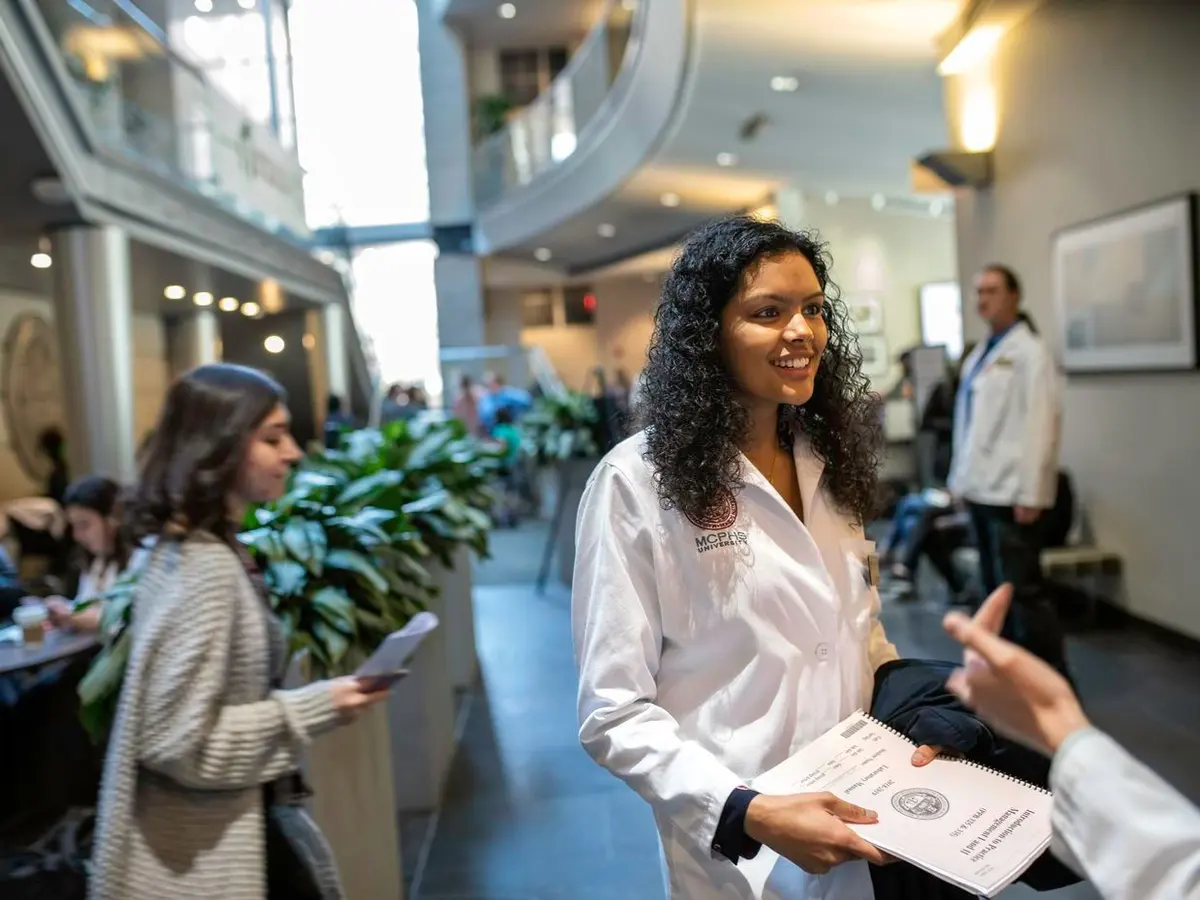
MCPHS is designed strictly to train healthcare professionals. You will not find traditional English or History degrees offered here. Instead, foundational courses in Chemistry, Physics and Health Humanities are offered through the School of Arts and Sciences.
Classes that might normally just focus on reading or sociology are designed to teach future clinicians and healthcare professionals how to communicate clearly with patients, understand different cultural backgrounds, and handle complex medical ethics.
Students mapping out their future can look through the wide range of fields of study offered across the university's twelve schools. Every single track is designed to align your early college classes with the exact requirements you will need for your clinical licenses later on.
Navigating the Pathway and Campus Structure
The biggest draw for most students is the "pathway" system, which comes in two forms:
- Internal Pathways: You stay at MCPHS for both your bachelor's and advanced degrees (like the 6-year Master in Physician Assistant program).
- External Pathways: You earn your bachelor's in Boston, then move to a partner medical, dental, or veterinary school, like St. George’s University in the Caribbean.
It is also important to understand the multi-campus layout. Undergraduates typically start at the Boston campus. However, many internal pathways physically move students to the Worcester or Manchester, New Hampshire campuses for their final, professional years. These satellite campuses are heavily focused on graduate-level clinical work.
Students need to be ready for the reality of this structure. Compressing seven years of science and clinical work into five or six means taking a heavy course load. Time management is a crucial skill from your first week of freshman year.
Clinical Readiness and Career Outcomes
Because the university is all about healthcare, career prep starts much earlier than at a standard college. Students start getting hands-on practice by their second or third year. They use high-tech simulation labs on campus where pharmacy, nursing, and dental hygiene students practice treating simulated and real patients together as a team.
When choosing a healthcare college, accreditation is also a critical factor because it dictates whether you can actually take your licensing exams. MCPHS holds overall institutional accreditation from the New England Commission of Higher Education (NECHE). More importantly, the specific degree pathways hold vital approvals from their respective governing bodies (like ARC-PA for Physician Assistants). This guarantees that your accelerated degree will be recognized by state licensing boards across the country.
When it is time to actually look for a job, students use the Center for Career Development on campus. The career center focuses specifically on helping you prep for board exams, secure residencies, and handle the paperwork required to become a licensed professional.
The Environment and Student Life
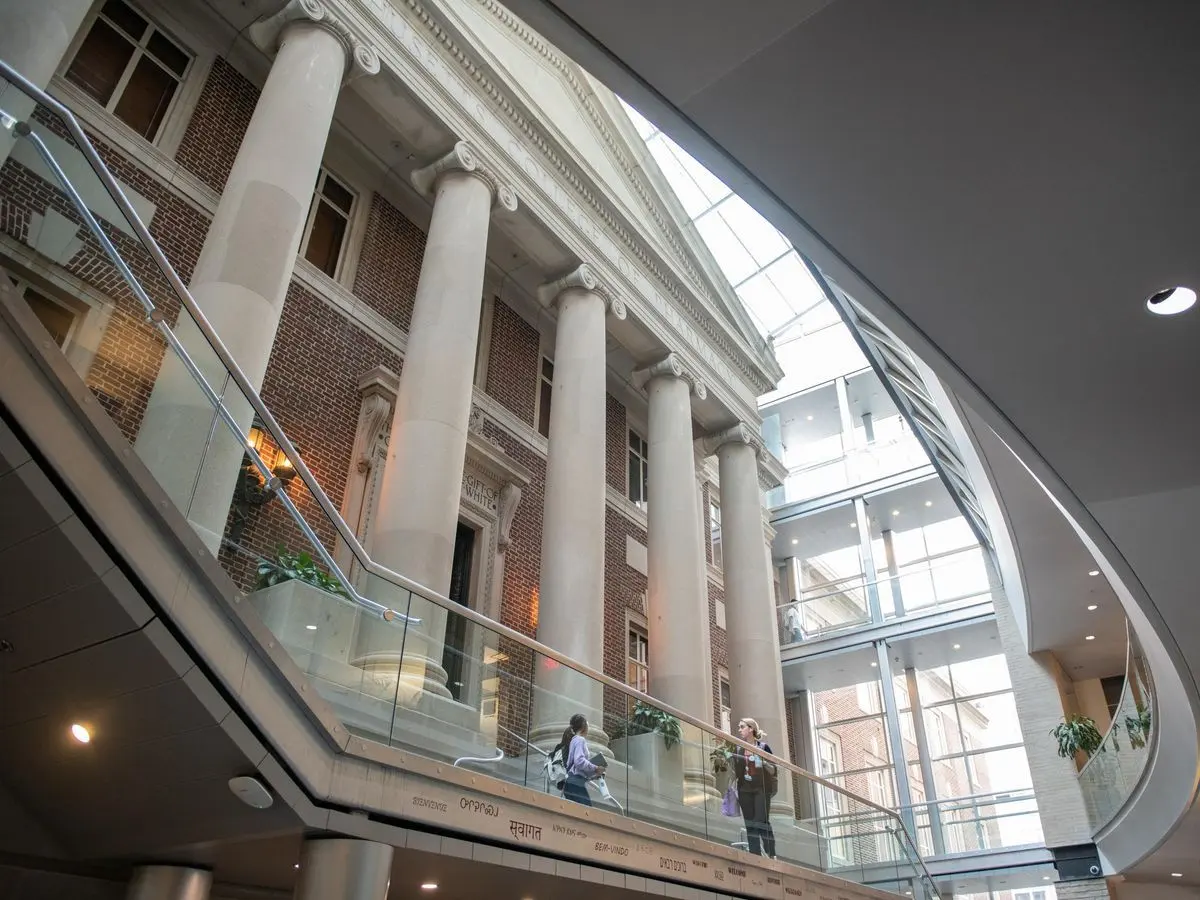
MCPHS does not offer a traditional college experience with massive football stadiums or sprawling green quads. The environment leans toward being more academic and career-focused. However, the Boston campus is deeply integrated into an urban environment in a college-town, meaning students navigate busy city streets to get to class or clinical sites. While the social culture is highly collaborative and focused on studying, students are involved in over 100+ clubs and organizations on campus.
MCPHS is also part of the Colleges of the Fenway - a group of five schools in Boston’s Fenway Area - with whom students can participate in intramural sports and the arts. Worcester and Manchester, NH campuses also operate with a professional atmosphere as they primarily house older graduate students completing their clinical rotations. Both campuses offer a lively restaurant scene and natural beauty within minutes of leaving campus.
Preparing for the challenges of a healthcare career can be demanding. MCPHS provides a robust support system to ensure the health and success of their students on campus:
- Mental Health Support: Students who need help managing the pressure of their course load or navigating life transitions can utilize the Counseling Services provided by the university.
- Academic Accommodations: Because the curriculum is so rigid, securing the right academic environment is critical. The Office of Student Access and Accommodations works directly with students who have documented disabilities or learning differences to ensure they have fair access to testing support and note-taking assistance.
Navigating Admissions and Prerequisites
Because you are essentially applying for your undergraduate and graduate education at the same time, the admissions process for a direct-entry program is highly competitive. The university is looking for applicants who can prove they are ready for a fast-paced science curriculum.
Here is actionable advice for prospective high school students looking to apply:
- Check the Requirements Early: Before you start your application, review the specific prerequisite courses required for your chosen path. High-demand programs like nursing have strict high school math and science requirements that you must meet to even be considered.
- Master the Hard Sciences: Admissions counselors want to see strong grades in AP or Honors Chemistry, Biology, and Calculus.
- Get Healthcare Experience: If possible, spend time in high school shadowing a local healthcare provider or volunteering at a hospital. Proving that you already know what it is like to work in a clinical setting shows the admissions team that you are fully committed to this career path.
The Financial Investment: Tuition and ROI
Healthcare degrees are expensive, but MCPHS students must look at the total cost through the lens of time saved. Tuition here is structured differently depending on your campus and what phase of your degree you are in.
- Undergraduate Phase: Standard undergraduate bachelor's degree programs on the Boston campus cost $43,110 per academic year.
- Professional and Accelerated Phases: Once you move into the professional phase of a program (like the graduate years of the Physician Assistant program) or enroll in a fast-tracked 3-year bachelor's, tuition increases. For example, the professional phase of the PA program costs $51,900 per academic year, while the Doctor of Physical Therapy program on the Worcester campus is $60,600 per year. Equipment and clinical fees will also apply depending on your major.
While the annual sticker price is high, the return on investment (ROI) is more rewarding than the average degree at a given university. By completing a combined degree in five or six years, you eliminate one to two entire years of tuition, housing, and living expenses. More importantly, you enter the workforce and start earning a professional salary years ahead of your peers at other colleges.
Is the MCPHS Pathway Right for You?
Massachusetts College of Pharmacy and Health Sciences is not for the undecided student. If you are looking for a traditional, slow-paced college experience to figure out your passions, this structure will likely feel too rigid.
However, if you are highly motivated and already know your destination in the medical field, MCPHS is one of the most efficient launchpads in the country. By trading traditional electives for early clinical experience, and swapping graduate school anxiety for direct-entry pathways, students here secure a massive head start. It is an intense, demanding environment, but for the future clinicians who utilize the university's support systems, the financial and professional rewards are substantial.