
2027 How to Become a Teacher in Maryland – What Degree Do You Need to Be a Teacher?

Co-Founder and Chief Data Scientist
If you want to teach in a Maryland public school, the main decision is not simply whether you enjoy working with students. You need to choose the right certification route, complete state-approved preparation, pass required assessments, and understand how Maryland’s teacher shortage affects hiring, support, and long-term career planning.
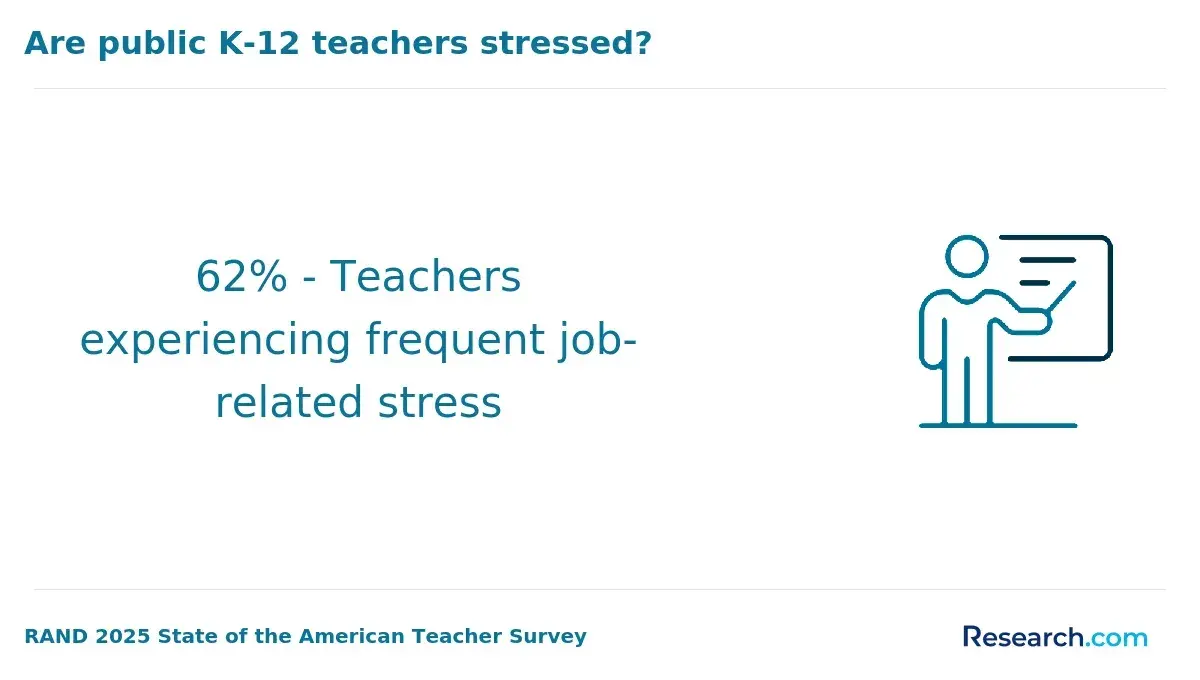
Maryland continues to need qualified educators. A significant number of teachers left the profession in 2024, worsening an existing teacher shortage across the state (Maryland State Department of Education, 2024). The challenge is not only recruitment; burnout, workload, compensation concerns, and school-level support all affect whether teachers stay.
State leaders have responded through legislative and community efforts, including financial incentives and support connected to Blueprint outcomes (St. George, 2025). For aspiring educators, this creates opportunity—but certification requirements still matter. Maryland public school teachers generally need a bachelor’s degree, approved preparation, testing, supervised classroom experience, and ongoing professional development.
This guide explains how to become a teacher in Maryland through traditional, alternative, online, and career-changing pathways. You will learn what education is required, how certification works, how renewal and reciprocity are handled, when a teaching degree online may make sense, and how to compare programs before investing your time and money.
How to Become a Teacher in Maryland Table of Contents
- Maryland teaching outlook and what it means for new teachers
- Education requirements for Maryland teachers
- Maryland teacher licensure, application, and renewal steps
- Types of Maryland teaching certificates
- Specialized teaching certifications in Maryland
- Career growth options for Maryland teachers
- Alternative certification pathways in Maryland
- Special education teacher certification in Maryland
- Affordable advanced degrees in educational leadership
- Kindergarten teacher requirements in Maryland
- Private school teacher requirements in Maryland
- Current trends in Maryland teacher certification and training
- How to track Maryland certification changes
- Substitute teaching in Maryland
- Classroom support available to Maryland teachers
- Top Teaching Programs in Maryland for 2027
- Benefits of earning a teaching degree online
- Using a doctorate in educational leadership to advance your career
Quick Answer: How Do You Become a Teacher in Maryland?
To become a certified public school teacher in Maryland, you typically need a bachelor’s degree from an accredited institution, completion of an approved educator preparation pathway, required reading coursework, successful Praxis testing, supervised classroom experience, and a background check. After meeting the requirements, you apply through the Maryland State Department of Education for the appropriate certificate or license.
The fastest route depends on your background. Traditional undergraduates usually complete an approved teacher preparation program as part of their degree. Career changers with a bachelor’s degree may qualify for a Maryland Approved Alternative Preparation Program. Out-of-state teachers may be able to use reciprocity, but they still must satisfy Maryland-specific testing or coursework requirements.
| Applicant type | Best starting point | What to verify before enrolling or applying |
| High school graduate or first-time college student | Bachelor’s degree with Maryland-approved teacher preparation | Program approval, grade band, subject endorsement, student teaching placement, and reading coursework |
| College graduate changing careers | Maryland Approved Alternative Preparation Program or post-baccalaureate route | Eligibility rules, internship length, mentorship, testing timeline, and hiring district partnerships |
| Licensed teacher from another state | Maryland reciprocity review through NASDTEC Interstate Agreement | Testing gaps, coursework gaps, provisional license eligibility, and documentation requirements |
| Internationally trained educator | Credential evaluation followed by Maryland certification review | Approved evaluation service, English proficiency expectations, transcript equivalency, and exam requirements |
| Associate degree holder | Complete a bachelor’s degree before pursuing full certification | Transfer credits, paraprofessional roles, and whether credits apply to an approved program |
Overview of the Teaching Industry in Maryland
Maryland’s teacher shortage is a practical concern for anyone entering the profession. Teaching is sometimes incorrectly grouped with one of the easiest majors, but the current workforce data tells a more complicated story. According to a Maryland State Department of Education report (2024), 11.2% of Maryland teachers left the profession in the most recent school year. The Baltimore Banner (2024) reported that 6,843 Maryland teachers left, with burnout cited by a significant majority as the primary cause. County school systems also reported over 2,500 teacher vacancies (MSDE, 2024).
The reasons behind the shortage matter because they affect your day-to-day experience as a teacher. MSDE (2024) and Reed (2024) point to expanded workloads, concerns about pay and recognition, and limited administrative support. For new educators, this means certification is only one part of preparation. You should also evaluate school culture, mentorship, planning time, class size, and district support before accepting a position.
Pay varies by teaching level and role. Based on recent data, the teacher salary in Maryland ranges approximately from $41,810 for preschool teachers to $70,950 for middle school teachers, with postsecondary educators earning even higher.
Salary should be reviewed alongside local expenses. The cost of living in Maryland is higher than the national average, and housing is a major factor. A district with a higher salary may not always provide better financial value if commuting, rent, or childcare costs are also higher.
Maryland has taken steps to respond to staffing needs. The state expanded the Teacher Residency Grant program with a $15 million allocation to help fill critical vacancies (Maryland State Department of Education, 2024). Senate Bill 377 also focuses on recruitment incentives, retention bonuses, and strengthening the teacher certification pipeline (Maryland General Assembly, 2024).
| Factor | Why it matters for aspiring teachers | Question to ask before choosing a path |
| Teacher vacancies | Shortage areas may create more hiring opportunities but can also signal heavier workloads. | Which districts and subjects have the most openings, and what support do new teachers receive? |
| Burnout and resignations | Preparation programs should include classroom management, realistic fieldwork, and mentorship. | Does the program prepare candidates for actual classroom conditions, not just licensure exams? |
| Salary and cost of living | Income must be compared with housing, commuting, and regional expenses. | What is the likely starting salary in the district where I plan to work? |
| State incentives | Grants, residencies, and bonuses may reduce cost or create faster entry points. | Am I eligible for any residency, shortage-area, or district-sponsored support? |
Educational Requirements for Teachers in Maryland
The core education requirement for Maryland teacher certification is a bachelor’s degree from an accredited institution. The Maryland State Department of Education (MSDE) does not require every candidate to major in education, but candidates must still complete an approved pathway that satisfies teacher preparation and certification rules. A degree such as a BS in Psychology may be useful for people interested in student development, counseling-adjacent roles, or educational psychology, but it does not automatically qualify someone for classroom certification.
Preparation quality matters because teacher retention is a major issue. The number of educators leaving the profession and concerns reflected in the Merrimack College Teacher Survey show why aspiring teachers should look for programs with strong field experience, realistic classroom preparation, mentoring, and support for early-career educators.
Maryland-approved programs include supervised practice teaching, commonly called student teaching or internship. The length depends on the pathway. For example, the Maryland Approved Alternative Preparation Programs (MAAPPs) require an internship lasting from four to eight weeks.
Certification also requires ongoing learning. Maryland teachers must meet continuing education expectations to maintain or renew their certificates. This requirement is designed to keep educators current with instructional practices, assessment expectations, student support strategies, and policy changes.
Can you become a Maryland public school teacher without a degree? In most cases, no. A bachelor’s degree is the baseline credential for MSDE teacher certification. An associate degree alone does not qualify you for full teacher certification, though it may support employment as a teaching assistant, paraprofessional, or classroom support staff member while you continue your education.
Traditional vs. Alternative Teacher Preparation in Maryland
| Pathway | Who it is designed for | Strengths | Potential drawbacks |
| Traditional bachelor’s program | Students starting college or changing majors before graduation | Clear sequence of coursework, fieldwork, and certification preparation | May take longer for people who already hold a degree |
| Post-baccalaureate or alternative program | Career changers who already have a bachelor’s degree | Can focus directly on licensure requirements and classroom transition | May be intensive and require careful coordination with testing and employment |
| Online teaching degree or coursework | Working adults, rural students, caregivers, and students needing flexibility | Flexible scheduling and access to programs outside commuting distance | Must still meet Maryland certification, field placement, and accreditation requirements |
| Out-of-state reciprocity route | Teachers already licensed elsewhere | May reduce duplication of completed preparation | Maryland testing or coursework gaps may still apply |
Maryland Licensure Application and Renewal Process
In 2024, approximately 5,733 Maryland teachers left their positions, with voluntary resignations remaining a primary driver of vacancies across the state's school systems (MSDE, 2024). For prospective teachers, this labor market creates demand, but it does not remove the need to follow Maryland’s licensure process carefully.
Maryland uses several certificate and license categories depending on a teacher’s stage of preparation, employment status, experience, and completed requirements:
- Professional Eligibility Certificate (PEC): Issued to candidates who have completed a Maryland-approved educator preparation program but are not yet employed in a Maryland school system.
- Standard Professional I (SPC I): Designed for beginning teachers during their first two years of teaching.
- Standard Professional II (SPC II): Intended for teachers with at least three years of experience who have met required performance evaluation standards.
- Advanced Professional Certificate (APC): Available to teachers who hold a master’s degree or higher and have at least three years of teaching experience.
- Maryland Provisional License: Used for out-of-state teachers who have not yet completed Maryland’s testing requirements.
Step-by-Step Application Checklist
Most Maryland teacher candidates should plan around the following requirements:
- Earn a bachelor’s degree from an accredited institution. Your degree should either include approved educator preparation or be paired with a qualifying alternative pathway. Candidates interested in grades beyond elementary school may want to compare programs such as an online secondary education degree.
- Complete approved teacher preparation. This may happen through a traditional undergraduate program, a post-baccalaureate program, or an approved alternative preparation pathway.
- Finish required classroom practice. Student teaching, internship, or supervised teaching experience gives you direct practice with lesson planning, classroom management, assessment, and student support.
- Pass required exams. Maryland candidates generally need Praxis Core Academic Skills for Educators and Praxis Subject Assessments aligned with the grade level or subject they plan to teach.
- Complete required reading coursework. Requirements vary by grade level and certification area. Early childhood, elementary education, and special education candidates are required to complete 12 semester hours. Secondary education, PreK-12, and special education candidates at the high school level must complete 6 semester hours in reading.
- Complete background checks. Candidates may need criminal history review, fingerprinting, and other employment-related screening.
- Submit the certification application. Apply through MSDE with transcripts, test scores, program verification, and any required supporting documents.
Renewal Requirements
- Continuing Education: Teachers must complete Professional Development Units (PDUs) or credits for renewal. The exact requirement depends on certificate type.
- Time Frame: Maryland teaching certificates generally need renewal every five years.
- Documentation: Teachers must submit proof of completed PDUs, credits, or required coursework when renewing.
License Reciprocity
Maryland participates in the NASDTEC Interstate Agreement, which can make moving a teaching license between states more straightforward. Reciprocity does not mean automatic certification, however. Maryland may still require state-specific testing, coursework, documentation, or a provisional period.
Out-of-State and International Teachers
Teachers licensed in another state may apply for a Maryland Provisional License while completing Maryland testing requirements. Internationally trained teachers may need a credential evaluation from a recognized service and may also be required to pass English proficiency exams.
Documents to Prepare Before Applying
| Document or requirement | Why it matters | Common issue to avoid |
| Official transcripts | Shows degree completion and required coursework | Submitting unofficial records when official documents are required |
| Program completion verification | Confirms completion of approved teacher preparation | Assuming any education degree automatically meets Maryland requirements |
| Praxis scores | Demonstrates required basic skills and subject knowledge | Taking the wrong subject assessment for your intended endorsement |
| Reading coursework documentation | Verifies grade-level-specific literacy preparation | Missing the 12 semester hours or 6 semester hours requirement when it applies |
| Background check materials | Supports school employment and student safety screening | Waiting until the end of the hiring process to begin fingerprinting or clearance steps |
Types of Teaching Certifications in Maryland
Maryland’s certification structure is designed to match educators at different points in their careers. The right certificate depends on whether you have completed preparation, whether you are employed, how much teaching experience you have, and whether you have completed advanced education.
| Maryland credential | Typical candidate | What it signals |
| Professional Eligibility Certificate (PEC) | Candidate who finished a Maryland-approved educator preparation program but is not yet employed | You are eligible for employment consideration but are not yet serving under a district-issued professional certificate |
| Standard Professional I (SPC I) | New teacher in the first two years | You meet entry-level requirements and are beginning professional classroom practice |
| Standard Professional II (SPC II) | Teacher with at least three years of experience and required evaluations | You have moved beyond the initial teaching stage and met performance expectations |
| Advanced Professional Certificate (APC) | Teacher with a master’s degree or higher and at least three years of teaching experience | You have advanced academic preparation and documented classroom experience |
| Maryland Provisional License | Out-of-state teacher still completing Maryland testing requirements | You may begin teaching while resolving Maryland-specific requirements |
Career changers, out-of-state educators, and candidates comparing costs should understand how certificate types affect timeline, testing, and employment. For a focused breakdown of options and economical routes, review Research.com’s guide to the types of teaching certificates in Maryland.
Are There Specialized Certifications for Teaching in Maryland?
Yes. Maryland certification is tied to grade levels, subjects, and specialized student populations. For example, elementary educators need preparation in child development, literacy, mathematics instruction, classroom management, and teaching across multiple subjects. If your goal is elementary school, use a career-specific resource on how to become an elementary school teacher in Maryland to confirm the exact coursework, testing, and practicum expectations.
Specialized certification can also apply to areas such as secondary English, special education, early childhood, kindergarten, PreK-12 fields, and school library roles. Before enrolling, confirm that the program leads to the exact Maryland endorsement you want—not just a general education degree.
What Career Advancement Opportunities Do Maryland Teachers Have?
Maryland teachers can grow within the classroom or move into leadership roles. Common advancement paths include department chair, grade-level lead, instructional coach, curriculum specialist, mentor teacher, assistant principal, principal, district specialist, and education consultant. Some roles require graduate education, leadership preparation, or additional certification.
Teachers who want to specialize in a subject area can also build careers around content expertise. For example, educators interested in language arts can explore how to become an english teacher in Maryland and compare subject-specific certification expectations.
| Career goal | Helpful preparation | When this path makes sense |
| Instructional specialist or coach | Strong classroom record, professional development, and subject expertise | You enjoy mentoring teachers and improving instruction across classrooms |
| Curriculum specialist | Advanced coursework in curriculum, assessment, and standards alignment | You want to design materials, pacing guides, and instructional systems |
| School administrator | Leadership preparation and often graduate-level study | You want to manage staff, budgets, school improvement plans, and community relationships |
| Policy, consulting, or education nonprofit work | Research, data, program evaluation, and communication skills | You want to affect education beyond one classroom or school |
What Alternative Certification Pathways Exist for Aspiring Teachers in Maryland?
Alternative certification is designed for people who already hold a bachelor’s degree but did not complete a traditional teacher education program. These routes can help career changers move into classrooms while meeting Maryland standards.
- Maryland Approved Alternative Preparation Programs (MAAPPs): These programs support candidates with a bachelor’s degree in any field. They combine coursework, classroom training, mentorship, and certification preparation.
- Teaching fellowships and residency programs: Some candidates complete intensive school-based preparation through fellowships or residencies that pair classroom practice with mentor support.
- Provisional certification: Qualified candidates may begin teaching while completing remaining Maryland requirements, depending on their background and the position.
- Transition to Teaching for Veterans: Veterans may be able to use targeted support, training, and financial resources to move into education careers.
Who Should Consider an Alternative Route?
- Professionals with a bachelor’s degree who want to change careers without completing a second full undergraduate degree.
- People with strong subject-matter knowledge in areas where schools need teachers.
- Adults who need a more direct route into paid classroom work.
- Veterans and public service professionals who want to transfer leadership and communication skills into schools.
Who May Be Better Served by a Traditional Program?
- Students who have not yet earned a bachelor’s degree.
- Candidates who want a longer period of supervised fieldwork before becoming teacher of record.
- People who need structured academic advising from the start of college.
- Students unsure which grade level or subject area they want to teach.
How Can I Obtain Special Education Teacher Certification in Maryland?
Special education certification requires preparation beyond general classroom teaching. Candidates typically study individualized education planning, behavior supports, inclusive teaching, assessment, legal responsibilities, and adaptive instructional strategies. Field experiences should include classrooms serving students with disabilities so candidates can practice individualized supports in real school settings.
Because special education requirements can vary by level and role, use a dedicated guide to special education teacher certification in Maryland before choosing a program. Confirm that the program’s certification area matches the students and grade levels you intend to serve.
What Is the Most Cost-Effective Path to Earning an Advanced Degree in Educational Leadership?
The most cost-effective route is usually the accredited program that helps you qualify for your intended leadership role without unnecessary credits, long delays, or weak employer recognition. Tuition is important, but it should not be the only factor. Compare accreditation, transfer policies, employer tuition support, program length, practicum requirements, and whether the degree aligns with Maryland leadership goals.
Working educators often compare online leadership programs because they can continue teaching while studying. If your goal is a doctoral credential, review options such as the cheapest online doctorate in educational leadership and compare total program cost, not just advertised per-credit tuition.
Maryland educators can also move into non-classroom education careers, including curriculum development, instructional technology, consulting, policy work, and library services. If you are interested in research, literacy support, and resource management, consider learning how to be a school librarian in Maryland.
What Are the Kindergarten Teacher Requirements in Maryland?
Kindergarten teachers in Maryland need preparation in early childhood development, foundational literacy, numeracy, classroom routines, family engagement, assessment, and age-appropriate instruction. A bachelor’s degree with relevant early childhood preparation is typically the starting point, followed by supervised practice and required assessments.
Because kindergarten sits at the intersection of early childhood and elementary education, candidates should confirm the exact certification level their program supports. For a focused checklist, review the guide to kindergarten teacher requirements in Maryland.
How Can I Navigate Private School Teacher Requirements in Maryland?
Private school hiring can differ from public school certification. Some private schools may not require the same state certification as public schools, but they often evaluate candidates based on subject expertise, teaching ability, classroom experience, mission fit, philosophy of education, and sometimes religious or specialized training.
If you are comparing public and private school options, do not assume the requirements are interchangeable. Public school certification can increase mobility, while private schools may prioritize institutional fit or specialized experience. For a detailed route, review private school teacher requirements in Maryland.
What Are the Emerging Trends in Maryland Teacher Certification and Training?
Maryland teacher preparation is being shaped by workforce shortages, online learning, competency-focused training, classroom technology, and growing attention to teacher well-being. Candidates should expect programs to place more emphasis on practical classroom readiness, literacy instruction, inclusive education, and the ability to use digital tools responsibly.
Online and hybrid preparation options are also becoming more relevant for working adults and career changers. However, online coursework does not eliminate fieldwork or Maryland certification rules. If you want a flexible route, start with guidance on how to become a teacher online in Maryland and verify that the program can support Maryland placements and licensure requirements.
How Can I Stay Informed About Evolving Teacher Certification Standards in Maryland?
Certification requirements can change because of state policy, testing updates, teacher shortage responses, and program approval rules. The safest approach is to use MSDE as the primary authority and confirm details directly with the educator preparation program before enrolling.
- Check MSDE certification pages before applying or registering for exams.
- Ask programs whether they are Maryland-approved for your intended grade level or subject.
- Keep copies of transcripts, test scores, field placement records, and professional development documentation.
- Join district or professional educator networks to learn about policy changes and renewal expectations.
- Review current guidance on teacher certification requirements in Maryland before making career or enrollment decisions.
Can I Become a Substitute Teacher in Maryland?
Yes, substitute teaching can be a useful entry point for people considering education careers. It gives you classroom exposure, helps you understand different grade levels, and can strengthen your application for teacher preparation programs or district employment.
Requirements may vary by district and assignment type, so you should check local school system rules before applying. If you want a step-by-step overview, review the Maryland substitute teacher requirements.
How Does Maryland Support Teachers in the Classroom?
Maryland schools and districts may support teachers through mentoring, professional development, classroom resources, paraprofessional assistance, technology training, and collaborative networks. The availability and quality of support can differ significantly by district and school, so new teachers should ask specific questions during interviews.
- Technology integration: Teachers may receive digital tools and training to support lesson delivery, assessment, and student engagement.
- Teaching assistants and paraprofessionals: Support staff can help with classroom management, student accommodations, and individualized education plans.
- Mentorship for new teachers: Experienced educators can help beginning teachers navigate planning, classroom routines, communication with families, and evaluation expectations.
- Professional development: Workshops, seminars, and conferences help teachers continue improving instructional practice and meet renewal expectations.
- Instructional resources: Districts and state-supported initiatives may provide curriculum materials, research, grants, or classroom supplies.
- Collaborative networks: Teacher teams and professional communities help educators share lesson plans, intervention strategies, and practical classroom solutions.
If you plan to keep working while adding credentials, compare program quality carefully and review options through accredited online colleges that fit your certification and professional development needs.
Interview Questions New Teachers Should Ask
- What mentoring is provided during the first year?
- How often do new teachers receive planning time with experienced colleagues?
- What curriculum materials are already available?
- How does the school support classroom management and student behavior needs?
- What is the process for special education accommodations and IEP support?
- How are teachers evaluated, and what support is offered before formal evaluations?
Top Teaching Programs in Maryland for 2027
Maryland offers many routes into teaching. The state lists over 350 professional educator certification programs offered by 23 colleges and institutions in Maryland. That range gives students options, but it also makes comparison important. Before enrolling, confirm program approval, certification area, field placement support, tuition, transfer credit rules, testing preparation, and whether the program fits your timeline.
Early Childhood and Early Childhood Special Education Bachelor, University of Maryland
The University of Maryland offers a BS Early Childhood and Early Childhood Special Education program for students preparing to teach young children in general and special education settings. The program covers child development, learning theory, instructional methods, and classroom-based practice. Supervised practicums give students opportunities to apply coursework in real educational environments.
Elementary Education Major, Towson University
Towson University’s Elementary Education Major prepares candidates for elementary classrooms through coursework in educational psychology, curriculum, classroom management, and instructional practice. The program also emphasizes culturally responsive teaching, which is important for working with diverse student populations.
Education/Teaching BA/MA, Notre Dame of Maryland University
Notre Dame of Maryland University offers an Education/Teaching BA/MA pathway that allows students to pursue bachelor’s and master’s preparation in an accelerated format. Coursework may include educational technology, special education, classroom management, and practical field experiences. This option may appeal to students who want graduate-level preparation built into their early career plan.
Teacher Certificate Program, Anne Arundel Community College
Anne Arundel Community College provides a teacher certificate program for career changers and aspiring educators who need coursework aligned with MSDE expectations. Areas of study include child or adolescent development, teaching methods, inclusion of special needs student populations, and student assessment. The program does not offer an internship, so candidates should clarify how they will meet any required field or employment-based experience.
Teacher Training, Johns Hopkins University
Johns Hopkins University’s Teaching Academy offers a teacher training program for Ph.D. students and postdoctoral fellows preparing for academic careers. The program includes courses, workshops, and teaching practicums, with attention to culturally responsive teaching and evidence-informed instructional strategies.
How to Compare Maryland Teaching Programs
| Selection factor | Why it matters | What to ask |
| Maryland approval | Not every education-related program leads to certification. | Is this program approved for the exact Maryland certification area I want? |
| Field placement | Student teaching is central to classroom readiness. | Who arranges placements, and where are they located? |
| Testing support | Praxis requirements can delay certification if not planned early. | Does the program provide Praxis preparation and advising? |
| Reading coursework | Maryland has specific reading requirements by grade level and area. | Does the curriculum include the required 12 semester hours or 6 semester hours when applicable? |
| Cost and aid | Total cost includes tuition, fees, commuting, testing, books, and lost work time. | What scholarships, grants, employer support, or payment plans are available? |
| Schedule format | Working adults may need online, evening, weekend, or hybrid options. | Can I complete coursework and fieldwork while maintaining employment? |
Students seeking financial support should also review education-focused aid opportunities, including elementary education scholarships, before committing to a program.
What Are the Benefits of Pursuing a Teaching Degree Online in the USA?
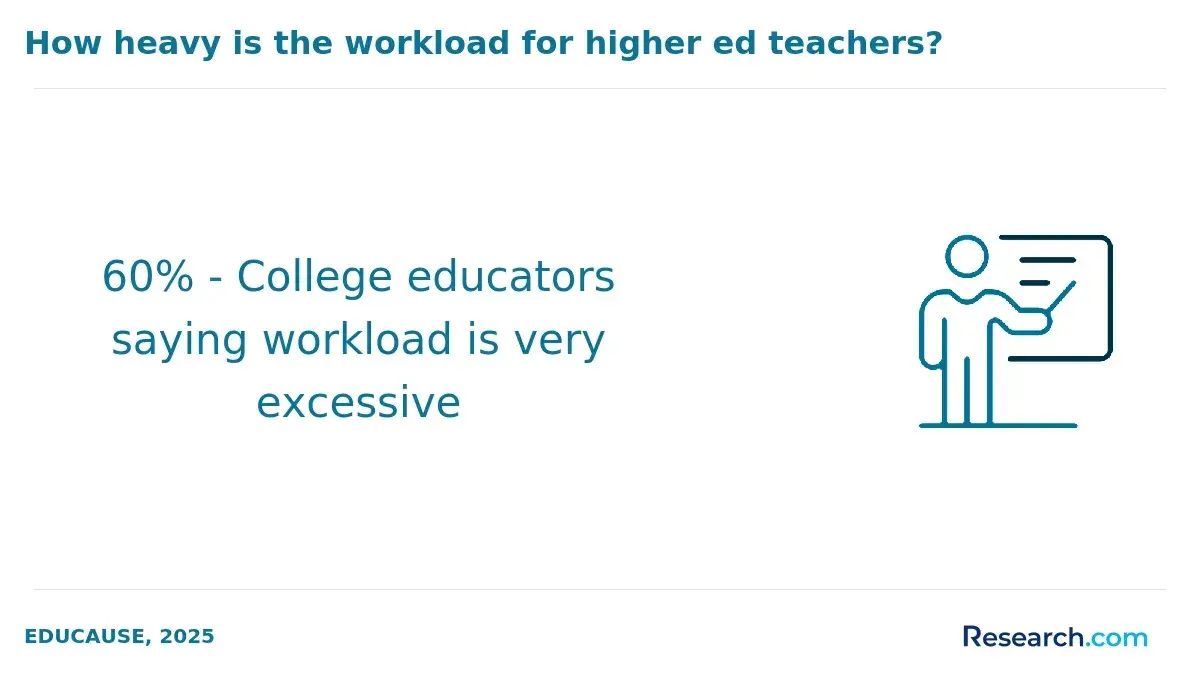
Online teaching degrees can be useful for students who need flexibility, including working adults, parents, rural learners, and career changers. Online coursework may allow students to complete lectures, discussions, and assignments without relocating or commuting to campus every day.
The main caution is licensure alignment. A program can be accredited and still fail to meet Maryland’s specific certification requirements. Before enrolling, confirm that the program supports Maryland-approved preparation, required field placements, reading coursework, Praxis preparation, and the grade level or subject endorsement you want.
Online learning may also help students build professional networks through discussion boards, virtual office hours, group projects, and faculty advising. To compare programs, review options for a teaching degree online USA and verify Maryland certification compatibility before applying.
Online vs. Campus-Based Teacher Preparation
| Format | Best for | Key advantage | Key risk |
| Online | Students needing schedule flexibility | Can reduce commuting and support work-school balance | Field placement and Maryland approval must be confirmed |
| Campus-based | Students who prefer face-to-face learning and local school partnerships | May offer easier access to faculty, peers, and nearby practicum sites | Less flexible for working adults or students far from campus |
| Hybrid | Students who want flexibility plus in-person support | Balances online coursework with classroom interaction | May still require travel on specific days |
How Can a Doctoral Degree in Educational Leadership Propel My Teaching Career in Maryland?
A doctoral degree in educational leadership can support experienced educators who want to move into senior leadership, research-informed decision-making, school improvement, district administration, policy, or higher education. It is usually not necessary for entry-level teaching, but it may help teachers who want to influence systems beyond one classroom.
Online doctoral pathways, such as a PhD in educational leadership online, may allow educators to continue working while studying leadership theory, organizational strategy, research methods, and policy development. Before enrolling, compare total cost, dissertation or capstone expectations, faculty expertise, program format, and whether the degree supports your specific Maryland career goal.
Common Mistakes to Avoid When Becoming a Teacher in Maryland
- Choosing a program without checking Maryland approval: An education degree is not enough if it does not lead to the certification area you need.
- Focusing only on tuition: Testing fees, books, commuting, unpaid fieldwork, and time away from work can affect the real cost.
- Assuming online programs automatically qualify for Maryland licensure: Always confirm field placement, reading coursework, and MSDE alignment.
- Taking the wrong Praxis exam: Your test must match your certification area and grade level.
- Ignoring reading coursework requirements: Missing required semester hours can delay certification.
- Waiting too long to gather documents: Transcripts, scores, background checks, and program verification can take time.
- Relying only on rankings: A highly regarded program may still be a poor fit if it lacks your endorsement area, schedule format, or placement support.
- Assuming salary outcomes are guaranteed: Pay varies by role, district, experience, and education level.
- Overlooking school culture: Mentorship, planning time, leadership support, and workload strongly affect early-career success.
FAQ: Becoming a Teacher in Maryland
What education do I need to become a teacher in Maryland?
You need at least a bachelor’s degree from an accredited institution. The degree does not always have to be in education, but you must complete an approved teacher preparation pathway, field experience, required exams, and any Maryland-specific coursework.
How do I apply for a Maryland teaching license?
Most candidates complete a bachelor’s degree, finish approved teacher preparation, pass Praxis Core Academic Skills for Educators and Praxis Subject Assessments, complete required reading coursework, complete background checks, and submit documentation through MSDE.
What are the main Maryland teacher certification levels?
Maryland uses several credentials, including the Professional Eligibility Certificate (PEC), Standard Professional Certificate I (SPC I), Standard Professional Certificate II (SPC II), Advanced Professional Certificate (APC), and Maryland Provisional License.
How often do Maryland teachers renew certification?
Certificates generally need to be renewed every five years. Renewal typically requires Professional Development Units (PDUs), credits, and documentation of completed requirements.
Can out-of-state teachers teach in Maryland?
Yes. Maryland participates in the NASDTEC Interstate Agreement, but out-of-state teachers may still need Maryland-specific testing, coursework, documentation, or a provisional license while completing remaining requirements.
Can I become a certified teacher in Maryland with only an associate degree?
No. An associate degree alone does not qualify you for full Maryland teacher certification. It may help you qualify for support roles such as teaching assistant or paraprofessional while you work toward a bachelor’s degree.
What salary can Maryland teachers expect?
Teacher salaries in Maryland vary by level and role. Recent data shows a range from approximately $41,810 for preschool teachers to $70,950 for middle school teachers, with postsecondary educators earning even higher.
What are some notable teaching programs in Maryland?
Programs discussed in this guide include options at the University of Maryland, Towson University, Notre Dame of Maryland University, Anne Arundel Community College, and Johns Hopkins University.
Why is Maryland experiencing a teacher shortage?
Reported reasons include burnout, expanded workloads, compensation concerns, feeling underappreciated, and limited administrative support. In 2024, Maryland saw significant teacher departures and more than 2,500 reported vacancies across county school systems.
How is Maryland addressing teacher shortages?
Maryland has used legislative, financial, and program-based strategies, including Senate Bill 831, which provides bonuses to education support professionals and creates workgroups to study education-related topics. The state has also used incentives, support programs, and certification pipeline efforts to attract and retain educators.
Key Insights
- A bachelor’s degree is the starting point. Maryland public school certification generally requires at least a bachelor’s degree from an accredited institution, plus approved teacher preparation.
- Certification route depends on your background. First-time college students, career changers, out-of-state teachers, and internationally trained educators follow different processes.
- Maryland needs teachers, but preparation still matters. The state reported major teacher departures and over 2,500 vacancies, yet candidates must still meet testing, coursework, fieldwork, and background check requirements.
- Reading coursework can delay certification if overlooked. Some candidates must complete 12 semester hours, while others must complete 6 semester hours, depending on grade level and certification area.
- Online programs can work if they match Maryland requirements. Flexibility is valuable, but you must verify accreditation, MSDE alignment, field placement support, and endorsement fit.
- Cost should be evaluated beyond tuition. Include fees, exams, books, travel, unpaid fieldwork, and time away from work when comparing programs.
- Early-career support affects retention. Ask districts about mentoring, planning time, classroom resources, paraprofessional support, and evaluation practices before accepting a role.
- Advanced credentials can expand career options. Graduate and doctoral study may support leadership, curriculum, policy, school administration, and instructional coaching roles.
Related Articles for Nearby States
- 2027 How to Become a Teacher in Virginia – What Degree Do You Need to Be a Teacher
- 2027 How to Become a Teacher in West Virginia – What Degree Do You Need to Be a Teacher?
- 2027 How to Become a Teacher in Pennsylvania – What Degree Do You Need to Be a Teacher?
- 2027 How to Become a Teacher in Delaware – What Degree Do You Need to Be a Teacher
- 2027 How to Become a Teacher in New Jersey – What Degree Do You Need to Be a Teacher
- 2027 How to Become a Teacher in New York – What Degree Do You Need to Be a Teacher?
- 2027 How to Become a Teacher in Ohio – What Degree Do You Need to Be a Teacher?
- 2027 How to Become a Teacher in North Carolina – What Degree Do You Need to Be a Teacher?
- 2027 How to Become a Teacher in Kentucky – What Degree Do You Need to Be a Teacher?
- 2027 How to Become a Teacher in Connecticut – What Degree Do You Need to Be a Teacher?
References:
- Ash, A. M. (2025, September 24). Teachers Who Collaborate, Learn at Work Are More Satisfied. Gallup. https://news.gallup.com/poll/695492/teachers-collaborate-learn-work-satisfied.aspx
- EDUCAUSE. (2025). Findings From The 2025 Teaching and Learning Workforce Report. https://events.educause.edu/-/media/files/events/webinar/2025/web2513/slides.pdf
- Kurtz, H. & Baker, L. (2025, March 4). What Teacher Morale Looks Like in Every State. EdWeek. https://www.edweek.org/the-state-of-teaching/teaching-learning/what-teacher-morale-looks-like-in-every-state/2025/03
- Steiner, E. D., Levine, P. R., Doan, S., & Woo, A. (2025). Teacher WellBeing, Pay, and Intentions to Leave in 2025. RAND. https://www.rand.org/pubs/research_reports/RRA1108-16.html
- U.S. Bureau of Labor Statistics. (2025, August 8). Occupational projections, 2024–2034, and worker characteristics, 2024. Retrieved February 2026, from https://www.bls.gov/emp/tables/occupational-projections-and-characteristics.htm
Other Things You Should Know About Becoming a Teacher in Maryland
To become a teacher in Maryland, you must have at least a bachelor’s degree from an accredited institution. The degree does not necessarily need to be in education, but you will need to complete a teacher preparation program and a student teaching internship.
To apply for a teaching license in Maryland, you must graduate from a bachelor’s degree program, pass the Praxis Core Academic Skills for Educators and Praxis Subject Assessments, complete required coursework in reading, and submit to a background check. You will then need to apply through the Maryland State Department of Education.
Maryland offers several levels of teaching certification: Professional Eligibility Certificate (PEC), Standard Professional Certificate I (SPC I), Standard Professional Certificate II (SPC II), and Advanced Professional Certificate (APC). Each level has specific requirements related to education, experience, and performance evaluations.
Teaching certifications in Maryland generally need to be renewed every five years. Renewal requires the completion of a certain number of Professional Development Units (PDUs) or credits and submission of proof of completed PDUs or credits along with any additional required coursework.
Yes, Maryland participates in the NASDTEC Interstate Agreement, which allows for easier license transfers between states. However, out-of-state teachers must still meet Maryland’s specific testing requirements and may need to complete additional coursework.
In 2027, Maryland's top teaching programs include institutions like Johns Hopkins University and the University of Maryland, known for their rigorous curricula and comprehensive training. These programs are distinguished by their strong partnerships with local schools, providing future educators with hands-on classroom experience to enhance their skills.
Maryland teacher candidates usually must pass Praxis exams for their subject area and grade level before certification. The Maryland State Department of Education sets the testing requirements, and some routes also require the Praxis Principles of Learning and Teaching test, depending on the license area.


