2027 Best Scholarships for Education Majors

Co-Founder and Chief Data Scientist
Choosing a teaching degree often comes with two linked questions: how will you pay for school, and which funding options actually fit your career goals? Scholarships for education majors can reduce borrowing, make teacher preparation programs more accessible, and help future educators enter classrooms sooner. They are especially important now because many schools continue to report unfilled teaching roles while college costs remain a serious barrier for students.
This guide explains how scholarships for education majors work, where to find them, how to compare awards, and how to avoid application mistakes that can cost you funding. It is designed for high school students planning to major in education, college students already enrolled in teacher preparation programs, graduate students pursuing leadership or specialty credentials, and working teachers looking for continuing education support. If you are comparing programs, you may also want to review what you can do with a teaching degree and how to identify the best schools for teaching degrees. If you are already teaching in a virtual environment, Research.com’s guide to tips for teaching online can help you strengthen your practice.
Recent data continue to show that scholarships and grants remain a major source of college funding. In 2025, about 84% of undergraduate students in the United States receive some form of financial aid, with scholarships and grants covering an average of $7,750 in annual academic costs per student (Education Data Initiative, 2025).
Scholarships for Education Majors Table of Contents
- Quick answer: Are scholarships available for education majors?
- Why teacher scholarships matter in the current education workforce
- How online education programs and scholarships work together
- Is a scholarship-supported doctorate or graduate certificate worth it?
- How to write a stronger scholarship application essay
- Common scholarship application mistakes to avoid
- How scholarship funding can affect long-term educator career growth
- Alternative learning pathways for aspiring teachers
- Best scholarships for education majors for 2027
- How to find and win scholarships for education majors
- Scholarships for continuing education and professional development
- How additional certifications can expand education career options
Quick Answer: Are Scholarships Available for Education Majors?
Yes. Education majors can apply for scholarships from national professional associations, state agencies, universities, community foundations, school districts, private organizations, and subject-specific programs. Some awards are open to any future teacher, while others target students preparing for high-need areas such as STEM, special education, bilingual education, school leadership, civics, literacy, or teaching in underserved communities.
The best scholarship strategy is not to chase only one large award. A stronger approach is to combine federal and state aid, institutional scholarships, local awards, professional association funding, and smaller grants that can cover books, technology, certification costs, or living expenses. Students should also check whether an award requires a service commitment after graduation, especially when the scholarship is tied to teaching in a specific state, subject area, or high-need school.
| Scholarship source | Best for | What to check before applying |
| State education agencies | Students who plan to teach in their home state | Residency rules, eligible colleges, licensing requirements, and service obligations |
| Universities and colleges | Students already admitted to an education program | Whether awards are automatic, need-based, merit-based, renewable, or tied to a major |
| Professional associations | Future and current teachers in specific fields or membership groups | Membership requirements, recommendation letters, essays, and annual deadlines |
| Subject-specific programs | Students preparing for STEM, special education, bilingual education, civics, literacy, or leadership roles | Required major, certification pathway, GPA, and post-graduation teaching commitment |
| Local foundations and community groups | Students with ties to a city, county, school district, employer, or community organization | Local residency requirements and whether awards can be stacked with other aid |
Why Teacher Scholarships Matter in the Current Education Workforce
Teacher scholarships are not just personal financial awards. They are also a workforce strategy. When the cost of becoming a licensed teacher rises, fewer students may choose education majors, and working adults may delay or avoid certification. Scholarships can help reduce those barriers, especially for students preparing to teach in shortage areas or communities that need more qualified educators.
Recent data highlight that teacher shortages continue to challenge U.S. schools. In 2025, about 46% of public schools reported having one or more vacant teaching positions, driven by retirements, low wages, and high workloads, underscoring the ongoing strain on the education workforce (Institute of Education Sciences, 2025).
Recent labor projections indicate modest growth for K–12 and preschool teaching positions. Between 2025 and 2035, overall employment for preschool, elementary, middle school, secondary, and special education teachers is projected to grow by about 5%, reflecting steady demand for educators despite regional shortages and workforce challenges (U.S. Bureau of Labor Statistics, 2025).
If you are beginning with a lower-cost credential before transferring into a bachelor’s program, an Associates in Education online degree may be worth comparing with traditional on-campus routes.
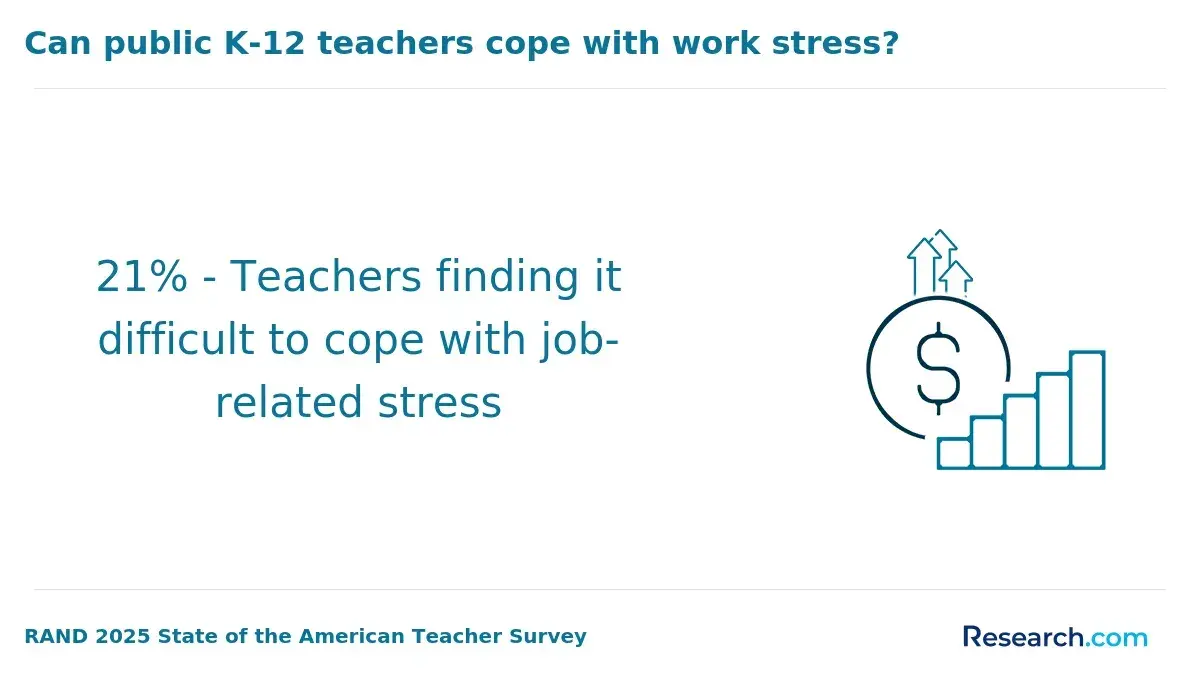
Education organizations and policymakers continue to discuss ways to make teaching more attractive and sustainable. The National Education Association has outlined proposals for addressing educator shortages, including recruitment and retention strategies. Lawmakers have also introduced the American Teacher Act, a bill from Congress that would incentivize school districts and states that raise the minimum amount of teachers’ salaries to $60,000 (Library of Congress, n.d.).
Scholarships cannot solve every workforce problem in education. They can, however, make the path into teaching more realistic for students who are worried about tuition, student debt, unpaid clinical practice, certification exams, and the cost of graduate study. This is why education majors should search broadly, apply early, and pay close attention to awards linked to their intended teaching level or specialization.
Students interested in elementary teaching or career advancement may also want to compare online master’s options such as an Elementary Education Masters degree.
How Online Education Programs and Scholarships Work Together
Online education degrees can help aspiring teachers who need flexibility because of work, family responsibilities, military service, caregiving, or distance from a campus. Many online programs also allow students to complete academic coursework remotely while arranging field experiences, practicums, or student teaching in approved local schools. For students already working as paraprofessionals, substitute teachers, tutors, or classroom aides, that flexibility can be a major advantage.
Scholarships can apply to online programs, but students should verify eligibility before enrolling. Some scholarships require attendance at an accredited institution, full-time enrollment, state residency, a specific teacher preparation pathway, or participation in an approved licensure program. Distance learners should confirm that their program qualifies for federal financial aid and meets the certification requirements in the state where they plan to teach.
| Decision point | Online education degree | Campus-based education degree |
| Schedule flexibility | Often better for working adults and students with caregiving responsibilities | Typically follows a fixed class schedule and campus calendar |
| Field placement | May be arranged near the student’s location, but approval rules vary | Usually coordinated through local school partnerships near campus |
| Scholarship eligibility | Possible, but students must confirm online program eligibility with each provider | Often easier to verify through the school’s financial aid office |
| Licensure preparation | Must be checked carefully by state and program | Often built into approved teacher preparation pathways |
| Best fit | Self-directed learners who need flexibility and can manage deadlines independently | Students who prefer in-person support, campus resources, and face-to-face instruction |
Students considering distance learning should review accredited online education degree programs and ask each school whether scholarships, grants, and state licensure pathways apply to online students in the same way they apply to campus students.
Is a Scholarship-Supported Doctorate in Education a Worthwhile Investment?
A doctorate in education can make sense for educators who want to move into senior leadership, policy, higher education teaching, district administration, curriculum research, or advanced specialist roles. It is usually not necessary for entry-level classroom teaching. Because doctoral programs require significant time, research, writing, and financial commitment, scholarship support can substantially change the return-on-investment calculation.
Before choosing a doctorate, compare the program’s funding options, dissertation or capstone expectations, faculty expertise, completion support, online residency requirements, and whether the degree aligns with your target role. Educators exploring doctoral pathways may want to compare options described in Research.com’s guide to the easiest PhD to get, while also remembering that “easier” should never replace accreditation, academic quality, and career fit.
| Choose a doctorate if... | Consider another credential if... |
| You are targeting district leadership, research, postsecondary teaching, or senior administrative roles | You mainly need a salary-lane increase or one new instructional skill |
| You have access to scholarships, employer tuition support, fellowships, or manageable payment options | You would need to borrow heavily without a clear career or compensation benefit |
| You are ready for sustained research, writing, and long-term independent work | You prefer short, applied training with immediate classroom use |
| Your state or employer recognizes the credential for advancement | Your target role requires only certification, endorsement, or a master’s degree |
Are Affordable Online Graduate Certificates a Smart Investment for Career Advancement?
Online graduate certificates can be a practical option for teachers who want targeted training without committing to a full degree. They may be useful for educators interested in instructional technology, literacy, leadership, special education, curriculum design, English learner support, or subject-specific expertise. The value depends on whether the certificate is accredited, recognized by employers, relevant to licensure or endorsement rules, and affordable after scholarships or tuition assistance.
A certificate is not automatically a substitute for a degree or license. Before enrolling, ask whether credits can transfer into a master’s program, whether the certificate meets state requirements, and whether your district rewards the credential. Educators trying to keep costs low can compare the cheapest online graduate certificate programs while checking quality and recognition carefully.
How to Write a Strong Scholarship Application Essay
A scholarship essay for an education major should do more than say you care about students. Reviewers want to understand your motivation, your preparation, your awareness of classroom realities, and your likely contribution to the teaching profession. The strongest essays connect a specific teaching goal with evidence from your life, academic work, service, classroom exposure, or community experience.
Start by reading the scholarship’s purpose. If the award supports STEM teachers, bilingual educators, future school leaders, or students from underrepresented communities, your essay should address that mission directly. Avoid copying the same personal statement into every application. Tailor your examples, explain why the award fits your pathway, and show how funding will help you complete your degree or certification.
- Open with a specific moment. Describe a classroom, mentoring, tutoring, leadership, or learning experience that shaped your decision to teach.
- State your teaching goal clearly. Name the grade level, subject, community, or specialty you hope to serve if you know it.
- Connect your background to the scholarship’s mission. Explain why your experiences match what the provider wants to support.
- Use evidence. Mention relevant coursework, classroom hours, volunteer work, employment, leadership, awards, or obstacles you have overcome.
- Explain the funding impact. Be concrete about how the scholarship would reduce financial pressure or help you finish your program.
- Revise for clarity. Ask a teacher, advisor, mentor, or writing center to review your essay before submission.
If you are also exploring faster academic routes, review options such as a 6 months degree course, but make sure any accelerated program is accredited and appropriate for your teacher preparation goals.
Common Scholarship Application Mistakes to Avoid
Many scholarship applications are rejected for preventable reasons. Education majors should treat each application like a professional document: follow instructions, meet the deadline, answer the prompt, and submit a complete file. Strong applicants can still lose awards if they ignore eligibility details or submit generic materials.
| Mistake | Why it hurts your application | Better approach |
| Applying without checking eligibility | You may be disqualified because of residency, GPA, major, membership, enrollment status, or licensure requirements | Make a checklist for each scholarship before writing the essay |
| Using the same essay for every award | Reviewers can tell when your statement does not match their mission | Customize your introduction, examples, and closing paragraph for each provider |
| Missing recommendation requirements | A late or weak letter can make an otherwise strong application incomplete | Ask recommenders early and give them your resume, goals, and deadline |
| Ignoring service commitments | Some awards may require teaching in a specific field, state, or school setting after graduation | Read the award agreement before accepting funding |
| Choosing a program before checking accreditation | Some aid programs and licensure pathways may not recognize unapproved institutions | Verify institutional accreditation and state teacher preparation approval |
| Focusing only on the largest awards | Highly competitive scholarships can have low odds, and smaller awards can add up | Apply to a balanced mix of national, state, institutional, and local scholarships |
| Submitting rushed or generic writing | Vague essays can make your application forgettable | Use specific classroom-related examples and proofread carefully |
Students considering easier or more flexible degree options, including an easiest BA degree, should still confirm that the program supports their intended certification pathway. A convenient degree is only useful for future teachers if it meets the academic and licensure requirements that matter in their state.
How Scholarship Support Can Affect Long-Term Educator Career Growth
Scholarship funding can influence a teaching career beyond the first tuition bill. Some awards connect recipients with mentors, conferences, professional networks, leadership development, or research opportunities. Others encourage educators to specialize in high-need areas, pursue graduate study, or remain in communities that need stable teaching staff.
For working educators, scholarship-supported graduate education can make advancement more realistic. A teacher might use funding to complete a leadership credential, move toward curriculum design, become a reading or STEM specialist, or prepare for district-level administration. Educators considering advanced academic pathways can compare online doctorate programs, but should weigh time commitment, accreditation, cost, and employer recognition before enrolling.
Alternative Learning Pathways for Aspiring Teachers
Not every future educator follows the same route. Some students begin with an associate degree, transfer into a bachelor’s program, and complete student teaching. Others already hold a bachelor’s degree in another field and enter teaching through an alternative certification program. Working teachers may add certificates, endorsements, or graduate degrees instead of starting over.
Alternative pathways can be helpful, but they require careful review. A fast program is not automatically the right program. Students should verify state approval, supervised teaching requirements, exam preparation, field placement support, and whether scholarships can be used for tuition, fees, or certification costs. If speed and career payoff are major concerns, compare options such as quick degrees online that pay well with the specific requirements for becoming a licensed teacher.
| Pathway | Who it may fit | Scholarship considerations |
| Traditional bachelor’s in education | Students starting college who want a structured teacher preparation route | Look for institutional scholarships, state awards, and education department grants |
| Associate-to-bachelor’s transfer path | Students seeking a lower-cost start before completing licensure requirements | Check transfer scholarships and articulation agreements |
| Alternative certification | Career changers who already have a bachelor’s degree | Confirm whether scholarships cover certification program fees |
| Graduate certificate | Licensed teachers adding a focused skill or endorsement | Ask whether employer tuition assistance or professional association grants apply |
| Master’s or doctorate | Educators pursuing leadership, specialization, or research roles | Compare scholarships, fellowships, assistantships, and service commitments |
Best Scholarships for Education Majors for 2027
The scholarships below represent different kinds of funding education majors may encounter: general teacher preparation awards, state-specific programs, STEM and civics fellowships, diversity-focused scholarships, and school administration funding. Use this list as a starting point, then confirm current eligibility rules, award availability, and deadlines directly with each provider.
Recent data continue to show that scholarships and grants play a key role in reducing college costs. In 2025, more than 1.8 million scholarships are awarded annually in the United States, yet only about 7% of college students receive one. First-time students at four-year colleges receive an average of $15,250 in government grants and scholarships per year, which can substantially offset the total cost of attendance, given that the average annual college cost is around $37,200 per student (Education Data Initiative, 2025).
Students who want to expand their search can also review Research.com’s broader guide to the best student scholarships in the U.S..
General Scholarships for Future Teachers
| Scholarship | Who it is for | Award | Application timing |
| Jack Kinnaman Scholarship Fund | NEA Student Program members pursuing a teacher education degree. Applicants must have a GPA of 2.5 or higher, demonstrate financial need, list NEA Student Program activities at the local, state, and national levels, and submit an essay. | $2,500 | The annual deadline for this scholarship typically falls on April 15. |
| Next Generation Hoosier Educators Scholarship | Indiana residents who are or will be full-time students at an eligible Indiana institution, meet academic standards, and agree to work as a licensed teacher in Indiana for 5 years after graduation. | Up to $10,000 a year for 4 academic years | The application cycle tends to change in the past few years. It is best to get in touch with the scholarship program provider for the most recent application schedule. |
| Teachers of Tomorrow Scholarship | Qualified candidates in states where Teachers of Tomorrow operates. Applicants must be enrolled in Teachers of Tomorrow, the largest alternative certification program for teachers in the U.S. The program is open to local and international applicants interested in teaching in the U.S. | Up to $6,500 | Get in touch with Teachers of Tomorrow for more information on new scholarships and application deadlines. |
Specialized Teaching Scholarships
| Scholarship | Who it is for | Award | Application timing |
| Robert Noyce Teacher Scholarship Program | Talented professionals and undergraduate majors preparing to teach science, technology, engineering, and mathematics at the K-12 levels, as well as experienced K-12 STEM teachers interested in high-need school districts. The program includes four tracks with scholarships, stipends, teaching fellowships, and research support. | The amount varies depending on your chosen program track. | Last Tuesday in August, Annually Thereafter. |
| James Madison Memorial Fellowship Foundation | Junior and Senior Fellows pursuing master’s degrees with the goal of teaching American history, American government, or civics in a secondary school. Applicants must be U.S. citizens, have a bachelor’s degree by August 31 of the application year, and agree to teach for at least one year for each year of funding received. | $24,000 prorated over the period of study for tuition and mandatory fees, books, and room and board if Fellows have to live away from their principal residence | The usual annual application deadline is in March. |
| Charles Butt Scholarship for Aspiring Teachers | Students in the Raising Texas Teacher initiative who plan to teach in high-needs Texas public schools. Eligible focus areas include bilingual certification, special education certification, EC-6 ESL/Generalist certification, youth and community studies, or the University of Texas Urban Teachers in Social Studies or Language Arts. | $8,000 to $10,000 annually for up to 4 years, mentorship, and ongoing training and development | You can get in touch with the scholarship program provider for more information on the next application cycle. |
Inclusion and Diversity Scholarships
| Scholarship | Who it is for | Award | Application timing |
| Continental Society Daughters of Indian Wars Native American Scholarship | Two outstanding enrolled tribal members planning to work with a tribe or nation of Native Americans in education or social service. Applicants must be pursuing an undergraduate degree, preferably in their junior year, maintain a 3.0 GPA, and carry at least 8 semester hours or 10 quarter hours. | $2,500 or $5,000 | The application cycle is from April 1 until June 15 each year. |
| Boundless Opportunity Scholarship | Non-traditional students pursuing undergraduate degrees. The program prioritizes GED recipients, former foster care youth, veterans returning to college, former juvenile justice youth, adults returning to college, and students participating in on-campus ROTC. Applicants must be legal residents of Colorado, Utah, Wyoming, or New Mexico and be citizens or permanent residents of the U.S. | Ranges from $500 to $5,000 annually | You can get in touch with the scholarship program provider or with your school for more information on the next application cycle. |
| National Federation of the Blind Scholarship Program | Merit-based applicants who are at least 18 years old, legally blind in both eyes, and residents of the U.S., District of Columbia, or Puerto Rico. Candidates must be pursuing a postsecondary degree in a U.S. institution in the fall of the application year and participate in the entire NFB National Convention in person. | $8,000 | The yearly deadline tends to fall in March. |
| Brighterly Math Equity Scholarship | Students in grades 1–8, ages 6–14, who demonstrate financial need and interest in mathematics. Applicants must be enrolled in a U.S. educational program, including public, private, or homeschool settings, and submit an essay and recommendation letter from a teacher, school counselor, or mentor. | $500 and six months of personalized math lessons with Brighterly's expert tutors | April 30, 2026 |
School Administration Scholarships
| Scholarship | Who it is for | Award | Application timing |
| AASA Educational Administration Scholarship | Graduate students in school administration who plan to pursue a career in superintendency. Applicants must be recommended by the chair of the School of Education where they are studying and submit two additional endorsement letters and three essay responses. | $2,500 | Applications are open from May until September each year. |
| Leon Bradley Scholarship Program | People of Color interested in education and school leadership who are in the final year of completing initial teaching certification endorsement requirements. | $3,500 | The application deadline for this program is usually in May. |
| WGU Leadership Scholarship | Western Governors University students enrolled in a WGU program who are preparing for leadership roles, including students pursuing the online Master’s degree in Educational Leadership program. Applicants apply for admission first, then submit scholarship materials through the Scholarship Portal. | Valued up to $5,000, with $1,250 per six-month term, renewable for up to 4 terms | WGU enrollees can apply for scholarships 90 days before and up to 30 days after your degree start date. |
Recent data show that education remains a significant field of study at the graduate level, though less common at the undergraduate level. In 2025, education majors accounted for about 18% of master’s degrees and 7% of doctoral degrees awarded by U.S. postsecondary institutions. At the bachelor’s level, education majors made up roughly 4.5% of all degrees conferred, totaling around 90,500 degrees (National Center for Education Statistics, 2025).
Recent data continue to reflect the racial and ethnic distribution of U.S. bachelor’s degree recipients. In 2025, among the more than 2 million bachelor’s degrees conferred, approximately 61% of graduates were White, 16% Hispanic/Latino, 10% Black, 8% Asian/Pacific Islander, 0.5% American Indian/Alaska Native, and 4% identified with two or more races/ethnicities (National Center for Education Statistics, 2025).
The decline in the share of new college graduates earning education degrees, combined with concerns about representation in postsecondary attainment, helps explain why many scholarship providers focus on future teachers from low-income households, non-traditional backgrounds, and underrepresented groups. These programs are often designed to strengthen both the size and diversity of the educator workforce.
How to Find and Win Scholarships for Education Majors
Finding scholarships is a process, not a one-time search. Education majors should build a funding plan that begins before enrollment and continues throughout the degree. The right awards depend on your state, school, major, certification goal, GPA, financial need, career plans, and willingness to meet post-graduation service requirements.
A student beginning an undergraduate teacher preparation program will have different funding options than a licensed educator pursuing a doctorate in educational leadership. The steps below can help both groups organize their search.
1. Start With Your School’s Financial Aid and Education Departments
Do not rely only on public scholarship search engines. Contact the financial aid office, department of education, teacher preparation office, academic advisors, and field placement coordinators at your school. They may know about awards reserved for admitted education majors, student teachers, transfer students, paraprofessionals, or students entering shortage fields.
Ask direct questions: Which scholarships are automatic? Which require a separate application? Are there awards for student teaching semesters? Can scholarships be used for certification exams, background checks, classroom supplies, transportation, or technology? If you are worried about housing and financial aid, review how living off-campus may affect your financial aid.
2. Search Local Before Competing Nationally
Recent data indicate that national scholarships for education majors remain highly competitive despite offering substantial awards. In 2025, some of the most competitive national scholarships have acceptance odds as low as 1 in 500 applicants, highlighting both the value and the challenge of securing these awards (Education Data Initiative, 2025).
Local and state awards may have smaller applicant pools. Check county foundations, school districts, teachers’ unions, civic groups, local businesses, state education agencies, and alumni associations. Some programs give preference to students who grew up in the area or plan to return after graduation. The Charles Butt Scholarship for Aspiring Teachers, included above, offers $8,000 to $10,000 to education majors in Texas. Eastern New Mexico University offers academic scholarships that can amount to $33,000 or more over four years of attendance for first-time, in-state freshmen (ENMU, n.d.).
3. Apply for a Balanced Mix of Awards
Full-ride scholarships are valuable, but they are also highly competitive. Smaller awards can still reduce borrowing, cover books, pay for a laptop, offset certification exam costs, or help with transportation during field placement. Students should apply to a mix of large, medium, and small awards instead of waiting for one perfect opportunity.
Also compare grants, work-study, employer reimbursement, tuition discounts, and service-based aid. Last-dollar scholarships, such as The Gates Scholarship, can help cover remaining costs after other financial aid is applied. However, students should read all rules carefully so they understand what expenses are covered and whether the scholarship affects other aid.
Online learners should be especially careful. Students in online degrees in early childhood education or other distance education programs should confirm that their institution is accredited, eligible for financial aid, and approved for any required teacher licensure pathway.
4. Build a Scholarship Calendar
Missed deadlines are one of the easiest ways to lose funding. Create a spreadsheet or calendar with each scholarship name, provider, deadline, award amount, eligibility rule, essay prompt, recommendation requirement, transcript requirement, and submission portal. Add reminder dates at least several weeks before each deadline so recommenders and advisors have time to help.
5. Ask These Questions Before Accepting an Award
- Is the scholarship renewable, or is it a one-time award?
- What GPA or enrollment status must I maintain?
- Can the scholarship be used for online, part-time, transfer, or graduate study?
- Does the scholarship require teaching in a specific state, school, or subject area?
- What happens if I change majors, pause enrollment, or do not complete the service obligation?
- Will the award reduce my other financial aid?
- Can the money cover fees, books, certification exams, housing, transportation, or only tuition?
How Can Education Majors Secure Scholarships for Continuing Education or Professional Development?
Scholarship opportunities do not end after a teacher earns an initial license. Working educators often need funding for endorsements, graduate credits, master’s degrees, leadership preparation, classroom innovation, subject-area training, literacy credentials, bilingual education certification, or special education preparation. Continuing education funding can come from professional associations, districts, state programs, universities, and foundations.
| Funding route | How educators can use it | Best next step |
| Professional organizations | Membership groups such as the National Education Association and American Federation of Teachers may offer scholarships, grants, or professional development funding. | Check member-only scholarship pages and annual application cycles. |
| University graduate aid | Graduate education departments may offer scholarships, assistantships, fellowships, or tuition discounts for teachers in high-need fields. | Ask each program whether admitted students are automatically considered or must apply separately. |
| State-specific teacher programs | States may fund teachers pursuing advanced certification in shortage areas or regional priority fields. | Review state education agency requirements and service obligations. |
| Subject-specific scholarships | Teachers can seek support for STEM education, literacy, bilingual education, special education, or educational leadership. | Match the award to your endorsement, license, or graduate concentration. |
| Diversity-focused programs | Some organizations support educators from underrepresented groups or those serving underrepresented communities. | Prepare essays that connect your experience and goals to the program’s mission. |
| Local and district funding | School districts, community foundations, and local education boards may support teachers who plan to remain in the community. | Ask human resources, union representatives, and district professional learning offices. |
Teachers should also ask whether their district offers tuition reimbursement, professional development stipends, paid release time, or salary advancement for approved graduate credits. These benefits can make a smaller scholarship more valuable when combined with employer support.
How Additional Certifications Can Expand Education Career Options
Additional credentials can help educators move into specialized or leadership-oriented roles, but the right choice depends on your goals. A reading endorsement, special education certification, bilingual education credential, educational leadership license, instructional technology certificate, or library-focused program can broaden your responsibilities and strengthen your professional profile.
For example, educators interested in school libraries, information literacy, academic support, or digital resource management may explore a librarian degree. Before enrolling, verify whether the credential meets your state’s requirements and whether your district recognizes it for role changes or salary advancement.
| Certification or credential area | Possible career value | What to verify |
| Special education | Prepares teachers to support students with disabilities and individualized education needs | State endorsement rules and required fieldwork |
| Bilingual or ESL education | Supports work with multilingual learners and language development programs | Language proficiency, testing, and state approval requirements |
| STEM education | Can align with high-need subject areas and specialized scholarship programs | Subject exams, prerequisite coursework, and grade-level authorization |
| Educational leadership | Can support movement into assistant principal, principal, or district roles | Administrative license requirements and required teaching experience |
| Library science | Can lead to school library, media specialist, and digital learning support roles | School librarian certification rules in your state |
How to Build a Scholarship-Supported Pathway Into Teaching
A strong funding plan begins with your career target. Decide whether you want to teach early childhood, elementary, middle school, secondary, special education, STEM, bilingual education, civics, or another area. Then compare programs that meet licensure requirements, estimate total attendance costs, and identify scholarships tied to your state, institution, background, and subject area.
Be especially careful with awards that include service obligations. The TEACH Grant federal financial aid program can help pay for studies, but the grant agreement requires recipients to work at a pre-selected school for at least four years after completing the program. That may be an excellent fit for some future teachers, but it should be accepted only after understanding the full commitment.
Students should also look beyond tuition. Student teaching may reduce work hours, certification exams can add costs, and commuting to field placements may require transportation funds. A smaller scholarship that covers flexible expenses may be more useful than a larger award restricted to tuition only.
If you are still exploring teaching approaches and classroom practice, Research.com’s guide to what culturally responsive teaching means can help you think more deeply about the kind of educator you want to become.
Practical Scholarship Checklist for Education Majors
- Complete the FAFSA and any required state aid application as early as possible.
- Confirm that your college or online program is accredited and approved for teacher preparation in your state.
- Ask your education department about scholarships reserved for admitted majors, student teachers, and shortage-area candidates.
- Search state agencies, local foundations, professional associations, and school districts.
- Apply to multiple awards, including smaller scholarships that can cover books, exams, technology, or transportation.
- Customize each essay to the scholarship’s mission and requirements.
- Request recommendation letters early and give recommenders clear information about your goals.
- Read renewal rules, GPA requirements, and service commitments before accepting money.
- Track deadlines and required documents in a calendar or spreadsheet.
- Reapply every year; continuing students and graduate students may qualify for new awards.
Key Insights
- Scholarships can make teacher preparation more realistic. In 2025, about 84% of undergraduate students in the United States receive some form of financial aid, and scholarships and grants cover an average of $7,750 in annual academic costs per student.
- Teacher shortages strengthen the case for education-focused aid. In 2025, about 46% of public schools reported one or more vacant teaching positions, while teacher employment is projected to grow by about 5% between 2025 and 2035.
- The best award is not always the largest one. Smaller scholarships from local groups, school districts, and professional associations can be less competitive and can cover practical costs such as books, exams, supplies, or technology.
- Service commitments require careful review. Some scholarships and grants require graduates to teach in a specific state, subject, or school setting. Accept these only if they match your real career plans.
- Online students must verify eligibility before enrolling. A scholarship may require an accredited institution, approved licensure pathway, full-time enrollment, or state-specific teacher preparation program.
- Strong essays are specific. Scholarship reviewers want to see a clear teaching goal, relevant experience, evidence of commitment, and a direct connection to the award’s mission.
- Continuing education funding matters for working teachers. Graduate certificates, endorsements, master’s degrees, and leadership credentials may qualify for scholarships, employer tuition support, or professional association grants.
- Accreditation and licensure fit come first. Before choosing any fast, affordable, or online program, confirm that it supports the teaching role and state certification you intend to pursue.
References:
- Eastern New Mexico University (n.d.). Scholarships for In-State Freshmen. https://www.enmu.edu/admission/scholarships/in-state-freshmen
- Institute of Educational Sciences (n.d.). School Pulse Panel. https://ies.ed.gov/schoolsurvey/spp
- Education Data Initiative. (2025). College scholarship statistics. https://educationdata.org/college-financial-aid-statistics
- National Center for Education Statistics. (2025). Postsecondary degree conferrals by race/ethnicity. U.S. Department of Education, Institute of Education Sciences. https://nces.ed.gov/programs/digest/
- National Center for Education Statistics. (2025). Digest of Education Statistics: Postsecondary degrees awarded by field of study. U.S. Department of Education, Institute of Education Sciences. https://nces.ed.gov/programs/digest/
- U.S. Bureau of Labor Statistics. (2025). Occupational Outlook Handbook: Preschool, elementary, middle, secondary, and special education teachers. https://www.bls.gov/ooh/education-training-and-library/
Other Things You Should Know About Scholarships for Education Majors
Some of the best scholarships for education majors in 2027 include the TEACH Grant, the AFCEA STEM Teacher Graduate Scholarships, and the James Madison Memorial Fellowship. These scholarships offer financial aid tailored to students pursuing education-related degrees, often emphasizing various specialty areas or commitments to underserved regions or subjects.
Some of the best scholarships for education majors for 2027 include the Jack Kinnaman Scholarship, Next Generation Hoosier Educators Scholarship, Teachers of Tomorrow Scholarship, Robert Noyce Teacher Scholarship Program, James Madison Memorial Fellowship Foundation, and the Charles Butt Scholarship for Aspiring Teachers. These scholarships offer various amounts of financial aid and support for different specializations and needs.
To get the best scholarships for education majors, you should seek advice from counselors and financial aid offices, think local by inquiring about state and local scholarships, and apply to as many scholarships as possible. It's essential to research and identify scholarships that align with your academic goals and background.
Yes, there are scholarships specifically for diverse and underrepresented groups. Examples include the Continental Society Daughters of Indian Wars Scholarship, Boundless Opportunity Scholarship from the Daniels Fund, and the National Federation of the Blind Scholarship Program. These scholarships aim to support students from various backgrounds, including tribal members, non-traditional students, and those who are legally blind.
Requirements for specialized teaching scholarships vary. For example, the Robert Noyce Teacher Scholarship Program is for individuals specializing in STEM education, while the James Madison Memorial Fellowship Foundation supports those intending to teach American history, government, or civics. Generally, applicants must demonstrate academic excellence, commitment to teaching, and in some cases, a willingness to work in high-need school districts.
Local and state-level scholarships can provide significant financial aid to residents, often with less competition than national scholarships. These scholarships can help cover tuition, fees, and other educational expenses, making it easier for students to pursue teaching degrees. Examples include the Charles Butt Scholarship for Aspiring Teachers and scholarships offered by institutions like Eastern New Mexico University.
Aspiring educators can navigate the scholarship application process effectively by seeking guidance from counselors and financial aid offices, researching and identifying relevant scholarships, preparing thorough and well-crafted applications, and applying to a diverse range of scholarships, including local, state, and national programs. Staying organized and meeting all application deadlines is crucial for success.