2027 Nursing Informatics ROI by Institution Type: Public vs Private vs Nonprofit Online Programs

Co-Founder and Chief Data Scientist
Choosing between public, private, and nonprofit online nursing informatics programs can be deceptively complex, as programs with similar curricula often differ sharply in tuition, student debt, and graduation rates. For example, a 2024 study by the National Student Clearinghouse found that private online institutions show a 25% higher average student debt upon graduation compared to public counterparts, underscoring significant long-term financial implications.
This debt difference matters because it directly impacts graduates' career flexibility and financial stability, especially in a field where employer preference and accreditation perceptions vary. This article analyzes the nuanced ROI differences across institution types to guide prospective students toward smarter, data-driven decisions.
Key Things to Know About Nursing Informatics ROI by Institution Type
- Public institutions typically offer lower tuition but longer graduation timelines, potentially increasing total cost and delaying career advancement compared to private or nonprofit programs with faster completion rates.
- Private programs often carry higher debt risk but stronger alumni networks and employer recognition in healthcare IT sectors, which may enhance job trajectory despite initial financial burdens.
- Nonprofit online programs balance affordability and accreditation rigor, providing flexible learning for working adults; however, varying completion support can impact long-term ROI through differences in graduation outcomes.
- Key Things to Know About Nursing Informatics ROI by Institution Type Key Things to Know About Nursing Informatics ROI by Institution Type
- What Does ROI Mean for a Nursing Informatics Program and How Is It Measured? Understanding Nursing Informatics Program ROI
- How Do Public, Private, and Nonprofit Online Nursing Informatics Programs Differ in Overall Value? Value by Institution Type
- How Do Tuition Costs Affect the ROI of a Nursing Informatics Program Across Institution Types? Tuition Costs and ROI
- How Do Graduation Rates Influence Nursing Informatics Program ROI? Graduation Rates Impact ROI
- What Role Do Career Outcomes Play in the ROI of a Nursing Informatics Degree? Career Outcomes and ROI
- How Does Student Debt Impact the Long-Term ROI of a Nursing Informatics Program? Debt vs. Long-Term ROI
- How Do Flexibility and Adult Learner Support Affect Nursing Informatics Program Value? Flexibility and Program Value
- How Do Accreditation and Institutional Reputation Influence Nursing Informatics ROI? How Do Accreditation and Institutional Reputation Influence Nursing Informatics ROI?
- How Does Time-to-Degree Affect the ROI of Public, Private, and Nonprofit Nursing Informatics Programs? How Does Time-to-Degree Affect the ROI of Public, Private, and Nonprofit Nursing Informatics Programs?
- How Can You Choose the Best Nursing Informatics Program Based on Your ROI Goals? Choosing Programs by ROI
What Does ROI Mean for a Nursing Informatics Program and How Is It Measured?
Return on investment for a nursing informatics program is best understood as a balance between the total financial outlay-including tuition, fees, and ancillary costs-and measurable educational outcomes such as graduation rates and time-to-degree. For example, while public online programs generally offer lower tuition, longer completion times or weaker student supports can reduce overall value. Nonprofit and private institutions often charge higher fees but may include accelerated pacing or comprehensive advising that reduces opportunity costs, which can be pivotal for working professionals who must minimize time away from income-generating activities. According to the National Center for Education Statistics, graduation rates for online nursing informatics programs vary widely from 45% to 70%, underscoring how institutional factors can materially influence ROI beyond sticker price.
Evaluating return on investment factors in nursing informatics education demands attention to the debt burden relative to expected career benefits. Data from the Education Finance Research Consortium shows private online program graduates often carry 30% more debt than peers from public schools, though this may be offset by better alignment with employer expectations or access to relevant practicum placements that enhance employability. Students with differing career goals or flexibility needs may weigh these tradeoffs differently; for instance, a career changer might prioritize program reputation and employer network over cost alone.
Incorporating a nuanced approach rather than simplistic cost comparisons allows students to project realistic long-term outcomes and avoid decisions disproportionately driven by upfront savings or generic rankings. For those navigating options, consulting resources like healthcare administration courses can help contextualize financial decisions within broader labor market trends.
How Do Public, Private, and Nonprofit Online Nursing Informatics Programs Differ in Overall Value?
Choosing between public, private, and nonprofit online nursing informatics programs involves weighing nuanced tradeoffs in cost, support, and career outcomes rather than relying on simple tuition comparisons. Public programs often offer lower tuition rates for in-state students due to state subsidies, but this can come with larger cohorts and fewer personalized services, which may affect timely degree completion for working professionals. Private institutions typically charge higher prices yet deliver stronger student support and smaller class sizes; their graduates in healthcare fields have been shown to earn about 12% higher starting salaries according to a recent 2024 report by the National Center for Education Statistics, although this advantage may be tempered by greater average debt burdens. Nonprofit programs blend attributes from both, emphasizing mission-driven curricula, flexibility, and student advising, which studies like the 2024 AACN survey suggest can improve satisfaction and employer alignment, crucial for long-term return on investment.
Accreditation and institutional reputation also shape employer perceptions and networking opportunities, with programs accredited by bodies such as the CCNE or ACEN often preferred. Public institutions leverage state healthcare systems for clinical placements, while private schools frequently cultivate industry partnerships that may facilitate job prospects but come with increased costs. For students balancing affordability against support and outcomes, the practical decision hinges on personal financial circumstances and career goals, as no single institution type guarantees superior value universally. The interplay of tuition, debt risk, flexibility, and the quality of graduate services demands a holistic evaluation rather than reliance on institutional labels alone.
One student recalled analyzing programs from each sector while working full-time and managing family responsibilities. Public options appeared financially feasible but felt too large and impersonal. Private programs boasted better career services and alumni networks, which intrigued the student, yet the potential debt raised concern. The nonprofit program ultimately offered a manageable tuition with strong advising and accreditation, aligning best with their priorities for affordable quality and post-graduation employment support. This decision reflected a careful weighing of practical support and long-term value rather than defaulting to prestige or upfront cost alone.
How Do Tuition Costs Affect the ROI of a Nursing Informatics Program Across Institution Types?
Lower tuition in public nursing informatics programs often correlates with reduced student debt, which directly enhances return on investment by lowering repayment burdens. However, this cost advantage can be offset if such programs have lower graduation or job placement rates compared to private or nonprofit counterparts. For example, a 2024 study by the Postsecondary Education Research Fund found that some private programs outperform public ones by about 15% in job placement within six months, a factor that can accelerate salary growth and mitigate higher upfront costs.
Financial aid access and net price after scholarships play a crucial role in shaping true affordability, particularly at public institutions benefiting from state subsidies. Nonprofit programs frequently occupy a middle ground, balancing moderate tuition with specialized curricula and flexible formats suited for working professionals. Yet, higher tuition does not guarantee better outcomes: private programs with limited flexibility may not align with adult learners' needs, whereas public and nonprofit programs offering part-time or asynchronous options can reduce opportunity costs and improve degree completion timing.
Ultimately, decision-making should weigh institutional quality, learner support, and career network value alongside sticker price. For career changers or transfer students maintaining employment, the ability to integrate work with study can enhance ROI more than a lower sticker price alone. Selecting a program involves balancing these factors: lower debt load from affordable tuition versus potential faster employment through stronger industry connections or program reputation, depending on individual goals and employment prospects in healthcare technology sectors.
How Do Graduation Rates Influence Nursing Informatics Program ROI?
Graduation rates are a critical lens for assessing nursing informatics program return on investment but should be viewed alongside nuanced program characteristics. Public online programs, for example, may report lower graduation rates due to serving a diverse, often part-time population balancing work and family obligations, which impacts persistence and time-to-degree differently than private institutions with traditional full-time cohorts. According to a 2024 National Center for Education Statistics report, programs maintaining graduation rates above 60% tend to align with better employment prospects post-completion, reflecting stronger institutional accountability and employer recognition, factors that directly influence ROI through workforce readiness.
Student support and academic resources significantly affect whether learners complete their degrees on time, which is vital because extended enrollment can inflate total educational costs and debt burdens. Many nonprofit programs emphasize access and tailored support, yet varied student life challenges can hinder consistent graduation outcomes. For cost-conscious students comparing statewide nursing informatics online program graduation statistics, understanding these operational tradeoffs-academic flexibility versus persistence requirements-is essential for weighing potential debt against career trajectory. Those seeking accelerated paths might consider specialized options, such as a 9 month LPN program online, which illustrate how condensed formats impact both completion rates and ROI differently than conventional timelines.
What Role Do Career Outcomes Play in the ROI of a Nursing Informatics Degree?
Career outcomes critically shape the ROI of an online nursing informatics degree, with practical effects depending on institutional type and labor market fit. While public programs tend to offer lower tuition and solid accreditation, their career services and employer networks may not be as robust as those at private institutions, which often attract direct recruitment and internship pathways. Nonprofit programs, on the other hand, can align graduates with mission-driven roles in public health sectors, though these may yield varied salary trajectories. According to the U.S. Bureau of Labor Statistics (2024), healthcare informatics roles are set to grow 11% in the next decade, reinforcing demand but also emphasizing the need for graduates to secure positions that leverage specialized skills amid increasing competition.
Choosing among public, private, and nonprofit options requires weighing tradeoffs between upfront costs, time-to-degree, and long-term career mobility. A graduate facing substantial student debt may prioritize institutions providing intensive employer engagement to improve immediate job placement, while those focused on public health impact might accept slower salary growth for sector sustainability. The value of curricula that integrate current healthcare IT standards with real-world workflows further influences employment adaptability, affecting whether graduates maintain relevance as technologies evolve. Effective career services and professional networks substantially increase the likelihood that degree holders can translate educational investments into durable, advancement-ready roles.
One graduate recalled hesitating before enrolling, uncertain if the degree would justify its cost beyond a paycheck increase. After completing the program, they noted their employer's recognition of the credential helped secure a project management role, expanding responsibilities beyond clinical tasks. Though salary gains were modest at first, the expanded professional network and employer endorsements provided a foundation for gradual internal promotions. This experience underscored that ROI extends beyond immediate financial returns, involving nuanced improvements in role complexity, visibility, and career resilience over time.
How Does Student Debt Impact the Long-Term ROI of a Nursing Informatics Program?
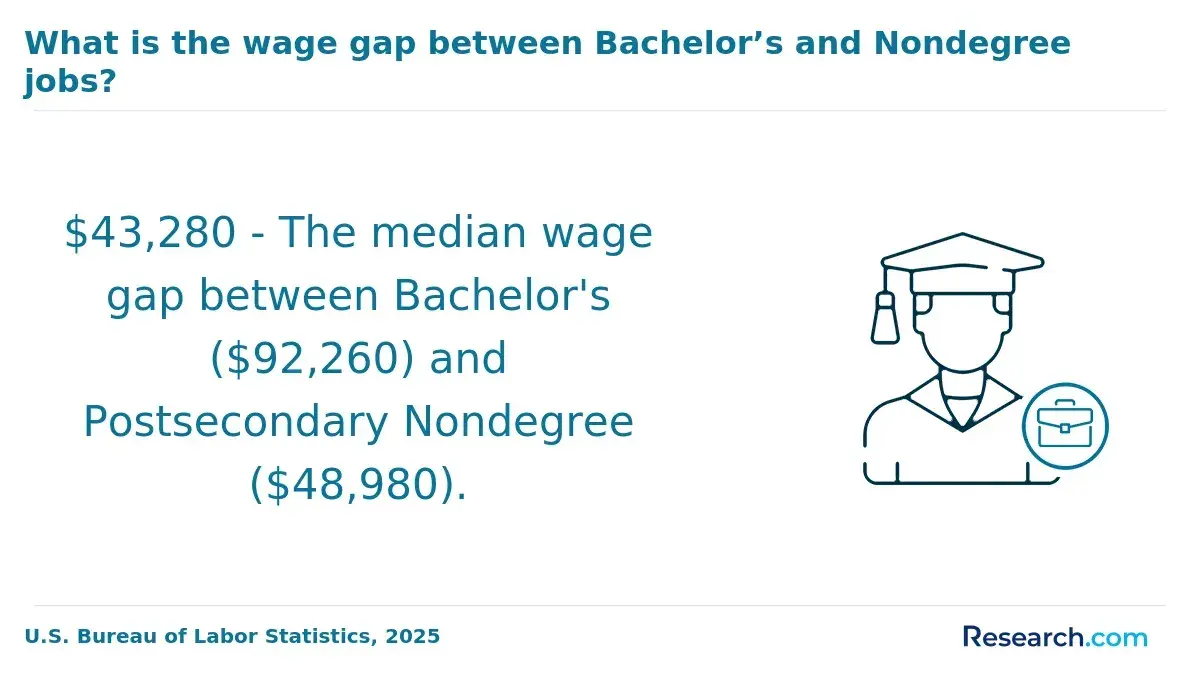
Student debt levels critically influence the long-term ROI of a nursing informatics program by shaping financial flexibility and career decisions after graduation. Public online programs typically require lower borrowing, averaging around $25,000 in debt, compared to private nonprofit programs where debt can near $40,000. This substantial difference directly affects repayment burdens and can slow income growth if graduates struggle with higher monthly obligations, creating tangible tradeoffs between cost savings and educational quality when evaluating program options.
Borrowing strategies and institutional type also intersect with graduation and employment outcomes, which determine practical value beyond sticker price. For example, students at public schools often benefit from state grants or subsidized loans, improving debt sustainability, while private programs rely more heavily on unsubsidized loans, increasing repayment costs. This dynamic matters because higher debt correlates with increased delinquency risks and limited creditworthiness, which can delay further certifications or tech training critical for advancing in nursing informatics roles.
Prospective learners must weigh the long-term financial impact of student loans in nursing informatics education against expected salary trajectories and program completion rates. Programs with strong employment outcomes can offset moderate debt by accelerating income growth and shortening repayment periods. Those exploring related paths might consider online MHA programs as part of a broader strategy to maximize return on investment while managing educational costs effectively.
How Do Flexibility and Adult Learner Support Affect Nursing Informatics Program Value?
The extent of flexibility and targeted support in nursing informatics programs directly shapes their return on investment by influencing persistence and career readiness. Programs offering asynchronous coursework with optional synchronous sessions accommodate working professionals' irregular schedules, reducing opportunity costs and improving completion odds. For example, a mid-career student juggling full-time employment and family obligations benefits more from transfer-friendly policies and robust credit recognition, which can shorten time to degree and minimize tuition expenses. However, highly flexible delivery often correlates with fewer personalized advising resources, particularly at some public institutions, which may affect networking and job placement outcomes.
Private online programs frequently offset higher tuition with intensive one-on-one career services, accessible faculty, and stronger employer linkages, features that can enhance long-term employability but require weighing against immediate financial burdens. Meanwhile, nonprofit programs often blend these elements by emphasizing holistic learner support, including tailored counseling and accommodations for veterans and working adults, which can improve retention and graduation rates-key factors identified in a 2024 EDUCAUSE report. Adults must therefore evaluate how these differentiated support structures impact total costs, time investment, and practical readiness rather than assuming uniform program value across sectors.
Ultimately, these considerations highlight the importance of aligning program attributes with personal circumstances and labor market demands. A cost-conscious student prioritizing minimal debt might lean toward a public option with ample credit transfer pathways despite less individualized advising. In contrast, those seeking stronger career networks may accept higher fees for private or nonprofit programs offering dedicated mentorship. Recognizing these tradeoffs clarifies how flexibility and support services contribute beyond convenience, directly affecting the tangible ROI of nursing informatics education over time.
How Do Accreditation and Institutional Reputation Influence Nursing Informatics ROI?
Accreditation status and institutional reputation directly influence the return on investment for nursing informatics programs by shaping employer trust, credit transferability, and access to advanced licensure or graduate education. Graduates from accredited programs, especially those regionally accredited or holding specialized programmatic accreditation like CCNE, statistically see higher employment rates within months of finishing, with a 15% advantage reported by the National Center for Education Statistics. However, this advantage can be offset by factors such as tuition cost and student debt, which differ widely between public, private, and nonprofit online providers, making the net ROI a nuanced calculation rather than an absolute guarantee of success.
Employers in healthcare IT increasingly prioritize practical experience and certifications beyond institutional pedigree, meaning institutional reputation alone does not ensure better job placement. Transfer students and career changers should weigh whether a program's accreditation supports smooth credit recognition and licensure eligibility, key to avoiding repeat coursework and added expenses. Public institutions often offer more affordable tuition coupled with stable regional accreditation, whereas private and nonprofit programs might provide niche specializations and additional student support-but at higher cost. These tradeoffs affect completion rates and long-term career mobility, underscoring that decisions about nursing informatics education must integrate accreditation, institutional credibility, financial burden, and outcome realities rather than relying on prestige as a proxy for value.
How Does Time-to-Degree Affect the ROI of Public, Private, and Nonprofit Nursing Informatics Programs?
Time-to-degree significantly shapes the return on investment for public, private, and nonprofit nursing informatics programs by impacting tuition exposure, opportunity costs, and the timing of entry into the workforce. For example, working adults pursuing part-time pathways at public institutions may benefit from lower tuition yet face extended timelines of 24 to 36 months or longer, which delay earning potential and can accumulate additional debt or indirect costs. Accelerated private programs often condense completion to 18 to 24 months, reducing some opportunity costs but sometimes at the expense of lower completion rates, which can undercut the anticipated ROI if students are unable to graduate promptly.
Comparing program length and ROI in public private nonprofit nursing informatics programs reveals nuanced tradeoffs around flexibility and pacing that directly affect net educational value. Nonprofit online schools often leverage transfer credits and stacked credentials, allowing some students to shorten their time-to-degree without sacrificing affordability. Still, graduation rates and part-time enrollment models vary, influencing how effectively students transition to higher-paying informatics roles. Those balancing work and family must weigh these factors carefully, as prolonged timelines can increase total educational expenses despite greater scheduling flexibility. Evaluation of these dynamics is critical for students targeting cost-effective pathways that align with their professional and financial realities.
Considerations around program structure and outcomes extend beyond nursing informatics to related degrees, as seen in analyses such as Capella RN to BSN vs Chamberlain RN to BSN, which highlight how pacing and completion rates influence long-term career implications. Students should prioritize programs with transparent timelines, realistic completion data, and adaptable formats that address their unique circumstances, ultimately supporting informed decisions about educational investment and workforce readiness.
How Can You Choose the Best Nursing Informatics Program Based on Your ROI Goals?
The highest ROI from nursing informatics programs hinges on individual priorities rather than institution type alone, as cost, completion speed, and post-graduate outcomes weigh differently for each student. Public programs often minimize debt due to lower tuition-especially for in-state learners-but may have longer time-to-degree and less extensive career services compared to private or nonprofit options. Private nonprofit programs typically show graduation rates near 65%, slightly higher than the 58% average for public online programs, which can translate to faster workforce entry and reduced opportunity cost, crucial for working adults balancing income and family needs.
Financial aid and institutional reputation further complicate ROI calculations. Many nonprofit nursing informatics programs offer targeted scholarships that offset higher sticker prices, while employers increasingly value accredited credentials with proven industry relevance. Programs integrating internships yield employment rates 20% above average within six months, a significant ROI factor for career changers and transfer students assessing tangible career advancement. Flexible formats, including asynchronous courses and part-time enrollment, allow learners to maintain earnings while studying, enhancing net return by reducing income disruption.
Prospective students should align their time, financial circumstances, and career goals to these multifaceted tradeoffs when comparing the best online nursing informatics programs for return on investment. This pragmatic approach mirrors analyses found in broader discussions about specialized degrees such as forensic psychology master's programs, emphasizing the need to weigh cost, completion rates, and employability rather than rely solely on institutional prestige or type.
References
- Trends in Adult Learning https://nursesnotesforlearning.trubox.ca/2019/04/15/trends-in-adult-education/
- Does College Pay Off? A Comprehensive Return On Investment Analysis - FREOPP https://freopp.org/whitepapers/does-college-pay-off-a-comprehensive-return-on-investment-analysis/
- The Effects of Rising Student Costs in Higher Education - Ithaka S+R https://sr.ithaka.org/publications/the-effects-of-rising-student-costs-in-higher-education/
- What Are the Opportunities in Nursing Informatics? | NursingEducation https://nursingeducation.org/insights/nursing-informatics/
- What is a Nurse Informaticist? https://www.allnursingschools.com/nursing-informatics/
- Nursing Informatics: Definition, Career, Salary & Degree Guide https://smarthealthasia.com/blog/nursing-informatics/
- Nursing Informatics in the Role of Regulatory, Reimbursement, and Accreditation Requirements https://nursingcecentral.com/lessons/nursing-informatics-in-the-role-of-regulatory-reimbursement-and-accreditation-requirements/
- Nursing Informatics: What Is It and Why Should You Consider This Career Path? https://nightingale.edu/blog/nursing-informatics.html
- Career Transition: From Bedside Nursing to Nurse Informatics https://www.bryant.edu/graduate/blog/career-transition-bedside-nursing-nurse-informatics
- The Positive ROI of Graduate Outcomes Data https://blog.steppingblocks.com/the-positive-roi-of-graduate-outcomes-data
Other Things You Should Know About Nursing Informatics
Private and nonprofit online programs often offer more tailored practicum placements or partnerships with healthcare organizations, which can enhance hands-on experience directly applicable to nursing informatics roles. Public programs may provide fewer individualized practicum opportunities but sometimes compensate with larger-scale collaborations tied to governmental or public health agencies. For students prioritizing immediate job readiness and leveraging internships to boost employability, private or nonprofit programs with strong clinical ties tend to offer a clearer advantage in practical skills development.
Public programs often have more standardized curricula with predictable workloads, which helps working professionals manage study alongside employment. Private online programs may offer accelerated or more intensive formats that reduce overall time-to-completion but at the risk of higher weekly workload pressures. Cost-conscious learners balancing current employment should weigh whether the potential time savings in private programs justify increased workload stress, as a mismatch can affect academic performance and delay graduation, ultimately impacting ROI.
Employers in healthcare industries tend to recognize degrees from public institutions as solid and reliable but may place greater value on graduates from nonprofit or private programs known for up-to-date technology training and specialized curriculum. This perception can affect initial hiring decisions and opportunities for advancement in tech-driven nursing informatics roles. Candidates targeting rapid advancement or leadership in informatics might gain a competitive edge by selecting institutions with strong reputations for innovation, often found in selective nonprofit and private online programs.
Choosing nonprofit online nursing informatics programs can be advantageous if the focus is on curricular relevance, access to faculty expertise, and networking opportunities, even if tuition tends to be higher than public options. The investment may yield better engagement with emerging informatics tools and healthcare data systems, fostering skills that matter to employers. For students less constrained by finances and more concerned about how well the program prepares them for evolving roles, nonprofits may offer a superior balance of quality and long-term professional value.