2027 Nursing Informatics Degree Outlook Through 2030: Enrollment, Salary, and Hiring Projections

Co-Founder and Chief Data Scientist
Facing the choice to pursue or advance in a nursing informatics degree demands more than noting a reported 15% growth in related job openings through 2030. Rapid increases in enrollment risk saturating regional markets, while evolving credential needs challenge holders of earlier qualifications. Employers vary widely across healthcare settings, with some prioritizing advanced data analysis skills over traditional informatics degrees, complicating hiring prospects.
Salary trends alone obscure disparities in industry segments and geographic hotspots, where demand and funding diverge sharply. This article analyzes nursing informatics enrollment, salary trajectories, hiring projections, industry demand, regional variation, and workforce evolution through 2030 to clarify career and educational paths.
Key Things to Know About the Nursing Informatics Degree Outlook Through 2030
- Enrollment in nursing informatics programs rose 12% from 2023 to 2024, indicating growing interest but also intensifying competition that may dilute hiring opportunities for new graduates in saturated markets.
- Employers show increasing preference for candidates with combined clinical and data analytics expertise, challenging degree holders to upskill continually or risk displacement by AI-augmented staffing models.
- Extended program durations and rising tuition costs delay workforce entry, pressuring students to weigh immediate income loss against longer-term salary growth within a rapidly evolving healthcare IT landscape.
- Key Things to Know About the Nursing Informatics Degree Outlook Through 2030 Key Things to Know About the Nursing Informatics Degree Outlook Through 2030
- How is Nursing Informatics Degree Enrollment Expected to Change Through 2030? Enrollment Trends Through 2030
- How Many Nursing Informatics Graduates Will Enter the Workforce by 2030? Graduate Workforce Entry Projections
- What Are the Hiring Projections for Nursing Informatics Graduates Through 2030? Hiring Projections Through 2030
- Which Nursing Informatics Careers Will Experience the Most Job Growth? Fastest-Growing Career Paths
- What Is the Salary Outlook for Nursing Informatics Graduates Through 2030? Salary Outlook Through 2030
- Which Industries Will Hire the Most Nursing Informatics Graduates by 2030? Top Hiring Industries
- Where Will Demand for Nursing Informatics Graduates Be Strongest? Strongest Geographic Demand
- Which Nursing Informatics Specializations Will Be Most in Demand by 2030? Which Nursing Informatics Specializations Will Be Most in Demand by 2030?
- How Will AI and Technology Affect Nursing Informatics Careers Through 2030? How Will AI and Technology Affect Nursing Informatics Careers Through 2030?
- Is a Nursing Informatics Degree Worth Pursuing Based on 2030 Projections? Degree Value Through 2030
How is Nursing Informatics Degree Enrollment Expected to Change Through 2030?
Enrollment trends in nursing informatics degree programs through 2030 are shaped less by general interest and more by the precise convergence of labor-market demand, program capacity, and educational delivery models. Mid-career nurses upgrading skills to navigate increasingly complex electronic health records often fuel growth, yet institutions face a balancing act between expanding class size and maintaining quality outcomes. A program in a region with robust hospital networks may see steady applications, while rural areas could struggle with limited offerings despite remote learning options, leading to uneven enrollment patterns and affecting overall graduate supply.
Projected trends in nursing informatics student enrollment by region reveal that master's and doctoral pathways will outpace bachelor's programs, as employers increasingly prize advanced competencies that support strategic decision-making in technology-enhanced care delivery. However, this demand growth is tempered by rising tuition costs and competition among programs, which could restrict access or slow expansion in some markets. Prospective students would benefit from carefully weighing program specialization options and admission selectivity against anticipated workforce saturation risks, while educators must strategically adapt to shifts in enrollment that influence the availability of niche curricula and clinical partnership opportunities. Those exploring affordable routes should consider cheap online nursing programs as one pragmatic option within this evolving landscape.
How Many Nursing Informatics Graduates Will Enter the Workforce by 2030?
The number of nursing informatics graduates entering the workforce by 2030 will be influenced by factors beyond raw degree conferrals. Although data from the National Center for Education Statistics shows about 3,000 graduates in 2024 with nursing informatics-focused credentials, projected program growth and online enrollment expansions suggest this could rise to over 4,500 annually by 2030. Yet, not all graduates immediately enter dedicated informatics roles; many transition into clinical nursing or pursue further education, which dilutes the effective supply of specialists competing for technology-driven healthcare positions. Employers increasingly value hybrid expertise that spans clinical practice, data analytics, and IT management, meaning the workforce supply is shaped as much by these hybrid skill demands as by graduation numbers alone.
Graduation rates, program demographic shifts, and credential diversity also subtly influence workforce entry; some students are already employed in related healthcare roles and upgrade qualifications part-time, affecting hiring dynamics. Moreover, while enrollment growth reflects healthcare's digital transformation, market absorption is uneven across regions and healthcare systems, with some areas experiencing saturation while others face shortages. This complexity requires prospective graduates to weigh risks related to sector-specific demand fluctuations and select programs offering both technical and clinical competencies to optimize employability in a competitive environment fueled by rising graduate volumes. The Bureau of Labor Statistics forecasting robust but nuanced employment trends underscores that workforce participation will not mirror graduation data directly.
A recent nursing informatics graduate preparing to enter the job market described their experience as cautiously strategic. They noted feeling apprehensive amid increasing graduate numbers and tighter hiring pipelines, emphasizing how securing roles required targeted internships and networking beyond traditional recruitment fairs. The graduate highlighted that despite strong program completion rates, competition for hybrid roles combining clinical insight and informatics expertise was intense, pushing them to prioritize certifications in emerging health IT tools. This pragmatic approach reflects an awareness that workforce entry by 2030 will demand adaptability as supply grows and employer expectations evolve in complex healthcare environments.
What Are the Hiring Projections for Nursing Informatics Graduates Through 2030?
Employer demand for nursing informatics graduates through 2030 is realistically strong but marked by unevenness across sectors and regions, with significant implications for newcomers assessing entry pathways. While U.S. Bureau of Labor Statistics and Lightcast data project roughly 15% growth in related health information technology roles-nearly double the average for all occupations-this growth is concentrated in specific settings such as hospitals, outpatient care facilities, and expanding telehealth providers. However, the sheer projected openings, estimated between 3,000 and 5,000 annually, reflect both new positions and replacement hires, meaning genuine entry-level opportunities may be more limited than headline figures suggest, especially in less urbanized areas where demand fluctuates and competition intensifies.
For example, a new graduate in a mid-sized metropolitan area may face a competitive job market favoring candidates with dual clinical and technical credentials, given many employers' increasing emphasis on demonstrable data-driven outcomes that improve patient care or operational efficiency. Nursing informatics roles requiring advanced certifications or specialized skills-such as proficiency with electronic health records integration and regulatory compliance-stand a better chance of access and retention. This also points to the practical tradeoff of geographic location; larger healthcare systems in urban centers are more likely to offer stable openings, while rural professionals might encounter fewer prospects despite national growth projections.
These landscape nuances underscore that while overall job market indicators for nursing informatics are positive, success depends on strategic credentialing, geographic flexibility, and ongoing professional development to navigate evolving employer expectations. Employers' preference for experience that bridges nursing and IT further restricts pure entry-level hiring, meaning degree holders should realistically plan for incremental skill acquisition and possibly interdisciplinary roles. Interpreting the available data through a practical lens is essential for candidates and educators aiming to align training programs with demonstrated labor market needs rather than relying solely on aggregated growth rates reported by 2024 workforce analyses.
Which Nursing Informatics Careers Will Experience the Most Job Growth?
Employment growth for nursing informatics-related roles varies significantly by specialization and scale, with medical and health services managers-including informatics-focused positions-projected to increase by roughly 28% through 2030, according to recent Bureau of Labor Statistics data. This growth is fueled primarily by the expanding integration of electronic health records, telehealth, and data analytics across healthcare settings. However, higher growth rates in smaller niches like healthcare data scientists or informatics nurse leaders can mislead prospective professionals if not weighed against total job openings and requisite qualifications. For example, a nurse considering return-to-school options might evaluate how a clinical informatics specialist role aligns more directly with prior clinical experience compared to more technical health IT project management roles that often demand advanced interdisciplinary skills.
The top nursing informatics job growth areas in the US reflect a growing demand for professionals capable of translating clinical complexities into technology solutions that improve patient outcomes while supporting regulatory compliance. Despite strong projected demand, the market rewards candidates combining hands-on nursing expertise with informatics proficiency, a factor affecting program selection and career mobility. Emerging roles such as healthcare data analysts and nurse informaticists require progressive training, often demanding investment in specialized certifications or graduate education. Prospective students should also consider regional variations and replacement needs within healthcare systems, as these influence hiring likelihood and salary trajectories more than national percentage growth alone.
Given these dynamics, those exploring accelerated education paths might consult resources like the list of 6-month LPN programs to gain foundational nursing credentials before transitioning into informatics-focused roles. Aligning educational decisions with workforce realities-including high-demand nursing informatics specialties by 2030-enables clearer, data-informed career planning rather than pursuing general certifications with uncertain employment outcomes.
What Is the Salary Outlook for Nursing Informatics Graduates Through 2030?
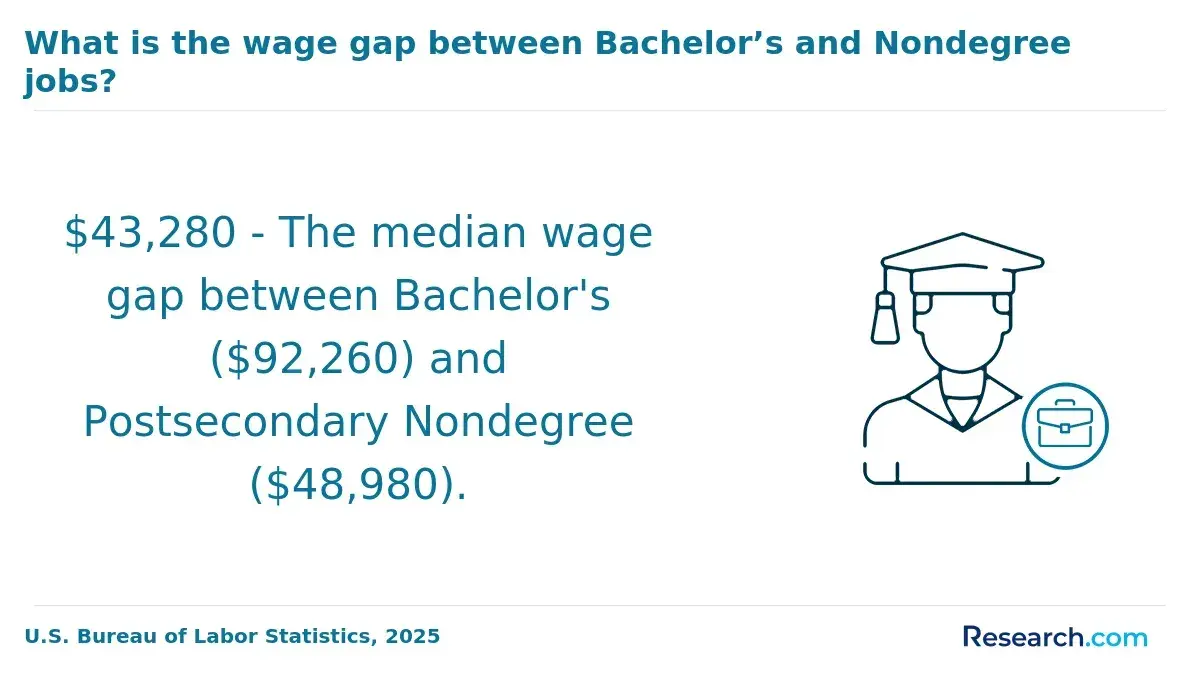
Salary projections for nursing informatics graduates through 2030 must be assessed in light of inflation, evolving labor market demands, credential expectations, and ongoing occupational shifts. While median wages reflect current baseline compensation, they do not guarantee uniform growth across roles or regions. Employers increasingly prioritize candidates who combine clinical nursing knowledge with advanced technical and leadership skills, which can create meaningful differences in earning potential. Understanding these dynamics helps graduates navigate compensation trends more strategically. Key factors shaping salary outcomes are summarized below.
- Market Demand Variability: Fluctuations in demand for nursing informatics professionals depend heavily on healthcare system investments in technology modernization, with higher demand in regions and sectors emphasizing electronic health records and data analytics. Facilities pioneering digital transformation tend to offer better pay scales.
- Experience and Credentialing: Mid-career professionals often command salaries between $95,000 and $115,000, reflecting the value employers place on experience and certifications related to clinical informatics or health IT project management, which enhance both responsibility and compensation.
- Geographic Disparities: Salary ranges vary widely based on location. Urban centers with dense healthcare and tech industries typically provide more competitive wages, whereas rural or underserved areas may offer lower starting salaries but potential for growth tied to specific community needs.
- Technical Expertise Premium: Proficiency in complex EHR systems, interoperability standards, and data security practices increasingly serves as a differentiator, often resulting in salary premiums for nursing informatics specialists focusing on these skillsets.
- Leadership and Cross-Functional Roles: Graduates moving into managerial or hybrid clinical-IT roles frequently achieve higher compensation due to their strategic impact on care delivery workflows and organizational efficiency.
A recent graduate accepted an entry-level nursing informatics position within a mid-sized hospital system in the Midwest, initially offered $72,000. Despite limited negotiation room, the applicant recognized the hiring market's regional constraints and prioritized gaining hands-on experience with the facility's new EHR platform. The candidate's pragmatism reflected an understanding that early-career wages often trail regional medians but anticipated future increases would be tied to demonstrated technical proficiency and leadership potential earned on the job.
Which Industries Will Hire the Most Nursing Informatics Graduates by 2030?
Projected hiring trends for nursing informatics graduates through 2030 are shaped primarily by the healthcare sector's intensifying reliance on digital infrastructure, regulatory compliance, and data-driven decision-making. Employment growth reflects both the expanding adoption of electronic health records (EHR) and telehealth platforms as well as emerging needs in population health and clinical quality improvement. These shifts demand professionals who combine clinical expertise with informatics skills, emphasizing real-world application over purely technical abilities. Understanding nursing informatics job growth by industry in the US requires evaluating workforce replacement needs alongside technological and policy changes impacting healthcare delivery. Below is an analysis of the top industries likely to generate strong hiring demand for nursing informatics graduates by 2030.
- Healthcare Systems and Hospitals: As the largest employer group, hospitals require nursing informatics specialists to optimize electronic workflows, support clinical decision-making, and ensure compliance with evolving regulations. Entry-level roles often focus on data management and clinical system support, while advancement may lead to leadership in informatics strategy. Certification in health informatics and familiarity with EHR platforms enhance job accessibility.
- Outpatient and Long-Term Care Facilities: Growth in digital recordkeeping and remote patient monitoring creates demand for informatics professionals who can integrate technology with patient care. These settings offer roles in system implementation and quality analytics, with emphasis on adaptability to diverse clinical contexts and regulatory environments.
- Pharmaceutical and Biotechnology Firms: These companies increasingly invest in real-world data analytics and clinical trial informatics, seeking graduates who can bridge nursing knowledge with data interpretation. Specialized training in clinical research informatics and data governance increases competitiveness for roles supporting drug development and safety monitoring.
- Public Health Agencies: Government health organizations require expertise in data governance, health information exchange, and analytics to address population health challenges and emergency preparedness. Roles often involve developing interoperable systems and ensuring data security, with value placed on interdisciplinary collaboration skills.
- Health IT and Software Development: While offering fewer opportunities, these firms require hybrid skills combining nursing informatics with software development or systems engineering. Prospective candidates must weigh the smaller volume of openings against the potential for innovation-focused careers demanding advanced technical proficiencies.
Prospective students considering nursing informatics should weigh these industry-specific tradeoffs and align their education accordingly. Healthcare delivery models continue to evolve, influencing geographic and regulatory conditions that affect job availability. For those exploring leadership or administrative pathways, advanced qualifications such as an MHA programs online can complement informatics expertise by enhancing understanding of healthcare management complexities.
Where Will Demand for Nursing Informatics Graduates Be Strongest?
Demand for nursing informatics graduates will be most pronounced in high-density healthcare hubs where investment in digital health infrastructure remains steady, such as the Northeast corridor and major California metros. These areas benefit from concentrated public and private funding for electronic health record optimization and data-driven care initiatives, although elevated living costs and competitive applicant pools can diminish net opportunity for some candidates. Conversely, regions like Texas and Florida present a different calculus: growing populations and expanding community health services create openings with potentially less competition, but these jobs often require versatility in addressing interoperability challenges across more fragmented health systems.
Beyond traditional hospitals, growth in outpatient specialty centers and long-term care facilities reflects an industry shift towards managing regulatory complexity and patient monitoring through informatics. This diversification demands graduates who excel not just technically but in translating data insights to clinical staff-underscoring a preference for candidates with strong communication and project management skills. Emerging technology sectors such as health AI development and cybersecurity remain niche yet hold promise for premium compensation, provided professionals invest in additional informatics engineering or data science credentials to offset the steeper entry barriers.
Geographic and sector-specific variation also affects salary expectations and career trajectory. For example, metropolitan centers may offer higher wages but come with demanding credential expectations and cost of living pressures, while mid-sized markets might provide steadier, if less lucrative, roles that deliver broader hands-on experience. Reports from government labor statistics and industry analytics in 2024 highlight the importance of aligning educational choices with targeted regional and sectoral trends rather than relying on national averages, which can obscure critical tradeoffs impacting long-term employability and professional mobility.
Which Nursing Informatics Specializations Will Be Most in Demand by 2030?
The future nursing informatics workforce will reflect differentiated demand shaped by technology adoption, regulatory shifts, and the expanding role of data in clinical decision-making. When deciding which specialization to pursue, students must weigh not only growth potential but also the depth of technical skills required and their own long-term career adaptability. For instance, while clinical informatics specialists focusing on EHR systems enjoy steady demand tied to large health system modernization, those aiming for data analytics roles might need advanced proficiencies in statistics and machine learning to stay competitive. Such choices influence both immediate employability and resilience against evolving healthcare practices. The following specializations are poised for notable employer interest through 2030:
- Clinical Informatics Specialists: Focused on EHR implementation and optimization, these professionals drive interoperability and clinical workflow integration, often requiring expertise in major platforms like Epic or Cerner, critical as 70% of hospitals upgrade digital records.
- Data Analytics Experts: Emphasizing predictive analytics and population health, this role demands proficiency in statistical programming and informatics tools to translate data into care improvements, responding to rising investment in big data.
- Telehealth Informatics: Specialists in telehealth integration and remote patient monitoring cater to expanding virtual care delivery, particularly vital in underserved regions adopting telemedicine as a standard practice.
- Healthcare Cybersecurity Professionals: With growing HIPAA enforcement and cyber threats, practitioners skilled in securing patient data and risk management are increasingly critical across healthcare organizations.
- Quality Improvement Analysts: Combining clinical insight and informatics, they use data-driven methods to enhance care outcomes and operational efficiency, aligning with pay-for-performance models.
- Regulatory Compliance Coordinators: Experts who navigate complex healthcare regulations and ensure informatics systems meet evolving legal standards, a growing necessity as policy landscapes shift.
How Will AI and Technology Affect Nursing Informatics Careers Through 2030?
Artificial intelligence and automation are more likely to augment rather than fully automate nursing informatics responsibilities through 2030, reshaping workflows by automating routine data tasks while elevating the demand for advanced analytical and interpretive skills. For example, entry-level roles may increasingly focus on validating AI-generated insights and ensuring data integrity rather than manual data entry, requiring professionals to develop competencies in machine learning applications and cybersecurity frameworks. Failure to adapt by pursuing relevant AI-focused credentials and hands-on experience could limit a nursing informatics professional's employability as employers prioritize candidates proficient in integrating AI outputs into clinical decision support systems.
Projected trends in the future of nursing informatics jobs with AI and automation in North America emphasize hybrid skill sets combining clinical expertise with data science literacy to meet evolving employer expectations. Roles are shifting towards system customization, user training, and interdisciplinary collaboration between IT and healthcare teams, reinforcing the value of human judgment in implementing predictive analytics and upholding ethical standards. Nursing informatics professionals invested in continuous learning and strategic problem-solving will navigate skill relevancy challenges more successfully, balancing technical acumen with communication and domain knowledge to sustain long-term career resilience.
Understanding regional salary variations also factors into education and career decisions, with several sources highlighting state-specific compensation differences. Prospective students and current degree holders reviewing options should consider workforce data alongside projected hiring trends to evaluate the return on investment of their credentials. For detailed compensation insights, review the DNP salary by state, which provides practical context for salary expectations across different markets.
Is a Nursing Informatics Degree Worth Pursuing Based on 2030 Projections?
Projected job growth for a nursing informatics degree through 2030 indicates a moderate hiring increase that outpaces many traditional nursing roles but varies significantly by region and specialization. Graduates often face employer expectations that combine advanced certifications, clinical experience, and technical skills, which can be a barrier to entry for students without prior healthcare or IT backgrounds. For example, a recent nursing graduate interested in informatics might find salary benefits appealing, with median wages typically ranging from $90,000 to $110,000; however, they must weigh these gains against the time and cost of obtaining required credentials and the competitive job market shaped by healthcare policy shifts and institutional technology adoption rates.
Future salary trends for nursing informatics graduates suggest a financial advantage over purely clinical nursing roles, especially for those who maintain ongoing education and certification in specialized health IT systems. Despite the generally positive outlook, oversupply in some regions and the complexity of hybrid IT-healthcare roles may limit entry-level flexibility, demanding strategic planning before enrollment. Prospective students should evaluate their readiness for cross-functional demands carefully, considering tuition investment and completion timelines relative to expected job market conditions and long-term career pathways through 2030. Those seeking advanced credentials might explore alternatives such as an online PhD counselor education and supervision to diversify their qualifications and options within healthcare education and administration.
References
- Preparing an AI-Ready Nursing Workforce: How Informatics Bridges Technology and Patient Care https://healthtechmagazine.net/article/2026/02/preparing-ai-ready-nursing-workforce-how-informatics-bridges-technology-and-patient-care
- Nursing Informatics Specialist: Job Duties and Salary https://www.usfhealthonline.com/resources/health-informatics/nursing-informatics-specialist-job-description-salary/
- A.I.’s impact on nursing and health care https://www.nationalnursesunited.org/artificial-intelligence
- Nursing Informatics: Definition, Career, Salary & Degree Guide https://smarthealthasia.com/blog/nursing-informatics/
- Nursing Informatics Careers in 2026 | Betternurse.org https://betternurse.org/nursing-informatics-career/
- The Future of Nursing Informatics and Artificial Intelligence https://nursingcecentral.com/lessons/the-future-of-nursing-informatics-and-artificial-intelligence/
- The future of nursing 2025â2030: Trends, salaries & AI under scrutiny https://www.noracares.at/en/blog/future-care-professions/
- The Impact of AI on Nursing: Will Automation Change the Profession? https://www.himssconference.com/blog/the-impact-of-ai-on-nursing-will-automation-change-the-profession/
- Nursing Informatics | Ultimate Guide to Career Paths & Salaries | Maryville Nursing https://nursing.maryville.edu/blog/nursing-informatics
- What Are the Opportunities in Nursing Informatics? | NursingEducation https://nursingeducation.org/insights/nursing-informatics/
Other Things You Should Know About Nursing Informatics
Many nursing informatics programs offer hybrid or fully online options that differ significantly in hands-on clinical integration and technology exposure. Prospective students should prioritize programs with strong practicum or capstone experiences tied to real-world healthcare systems, as employers increasingly expect graduates to demonstrate practical skills with electronic health records and data management tools. Purely theoretical or purely online programs without substantial applied components can leave graduates underprepared for the fast-paced demands of nursing informatics roles.
Nursing informatics roles often require a blend of clinical knowledge, IT competency, and data analytics skills, which leads to intensive and varied coursework. Students must weigh the workload and the breadth of learning outcomes against their own career goals-those targeting purely informatics analysis should look for programs with deeper data science and analytics focus, while those seeking clinical leadership roles might prioritize curriculum emphasizing healthcare workflows and change management. Opting for a broad or superficial program risks gaps in either technical or nursing competencies.
Across healthcare employers, there is a rising demand for candidates who can demonstrate both nursing experience and proficiency with informatics systems, especially in large hospital networks and health tech firms. Students should carefully research if programs provide certifications or training in industry-standard health IT platforms, as these credentials often translate directly into higher employability. Enrollment decisions should favor programs that align closely with current employer needs rather than those focused mainly on academic theory.
Choosing a specialized nursing informatics degree is advantageous for those committed to combining nursing practice with informatics because it builds discipline-specific expertise often required for leadership roles in clinical settings. However, broader health informatics degrees may offer more flexibility to shift between clinical, administrative, and IT roles but risk diluting the nursing focus, which can limit advancement in nursing-specific informatics jobs. Prospective students should assess their long-term career ambitions carefully and prioritize program depth in nursing informatics if clinical alignment is a priority.