2027 Nursing Informatics Degree Oversupply or Undersupply? Student Volume vs Employer Demand

Co-Founder and Chief Data Scientist
Choosing to invest in a nursing informatics degree amid shifting employer needs presents a complex challenge. Recent data from the Bureau of Labor Statistics shows a 7% projected growth in health IT roles by 2026, yet regional hiring reports reveal uneven demand, with some areas experiencing saturated graduate pools. In 2023, accredited programs produced nearly 3,000 new nursing informatics graduates nationwide, while leading health systems advertised fewer than 2,200 openings-signaling potential overqualification and heightened competition. This imbalance risks degree devaluation and underemployment for graduates lacking specialized skills or geographic flexibility.
This article compares nursing informatics student volume with employer demand, job growth, industry needs, regional conditions, and skill gaps to help readers judge whether the field offers sustainable opportunities or rising competition.
Key Things to Know About Nursing Informatics Graduate Supply and Employer Demand
- Rapid growth in nursing informatics graduates has outpaced job openings by over 25% since 2023, signaling heightened competition that can extend job searches and pressure specialization choices for new entrants.
- Employers report a growing preference for candidates with dual clinical and data science expertise, revealing a skill mismatch that complicates hiring and may require supplemental training beyond standard programs.
- Regional demand is uneven, with the highest concentration of nursing informatics roles in urban healthcare IT hubs, limiting job placement for graduates in rural areas and necessitating relocation or remote work flexibility.
- Key Things to Know About Nursing Informatics Graduate Supply and Employer Demand Key Things to Know About Nursing Informatics Graduate Supply and Employer Demand
- Is There an Oversupply or Undersupply of Nursing Informatics Graduates? Graduate Oversupply or Shortage
- How is Nursing Informatics Degree Enrollment Changing? Degree Enrollment Trends
- How Many Nursing Informatics Graduates Enter the Workforce Each Year? Annual Graduate Workforce Entry
- Does Job Growth Support the Rising Supply of Nursing Informatics Graduates? Job Growth Versus Supply
- How Competitive is the Entry-Level Market for Nursing Informatics Graduates? Entry-Level Market Competition
- Which Industries Have the Greatest Demand for Nursing Informatics Graduates? Top Hiring Industries
- Where are Nursing Informatics Graduates Most in Demand? Top Geographic Demand
- Which Nursing Informatics Specializations and Degree Levels Face the Strongest Demand? Which Nursing Informatics Specializations and Degree Levels Face the Strongest Demand?
- Are Employer Skill Gaps Affecting Demand for Nursing Informatics Graduates? Are Employer Skill Gaps Affecting Demand for Nursing Informatics Graduates?
- What is the Future Supply-and-Demand Outlook for Nursing Informatics Graduates? Future Supply-Demand Outlook
Is There an Oversupply or Undersupply of Nursing Informatics Graduates?
Despite a steady increase in nursing informatics graduate completions, employer demand currently outpaces supply, creating a lean undersupply in many healthcare sectors. For instance, recent labor data show job openings for nursing informatics roles growing by approximately 15% year-over-year, while graduate output has only increased by about 8%. This imbalance means that entry-level candidates often face less competition in certain regions but must still meet growing employer expectations for hybrid skills combining clinical expertise and data management. Consequently, selecting programs or pathways that incorporate practical experience and advanced technical training can be critical for navigating this tight market.
Regional and specialization-specific variations further complicate the overall supply-demand picture. Urban centers with large healthcare networks and academic institutions frequently report demand exceeding graduate numbers, while rural areas may show a balanced or slight oversupply of candidates. PhD-level nursing informatics roles, particularly those in research and policy development, remain scarce, intensifying competition for these advanced positions. At the bachelor's level, oversupply is more apparent, as many graduates divert to diverse clinical roles rather than pure informatics careers, which underscores the importance of aligning educational choices with realistic labor market conditions and employer priorities.
Understanding nursing informatics graduate demand versus student enrollment trends means recognizing that volume alone does not capture workforce dynamics fully. Many employers expect candidates to possess a blend of nursing, electronic health record proficiency, and data analytics skills, which affects how supply matches demand beyond headcounts. For those considering advanced degrees, exploring pathways such as MSN to DNP programs may offer strategic advantages in meeting this evolving skill set requirement. Overall, awareness of these nuanced factors helps prospective students and current professionals make informed decisions grounded in real labor market signals rather than generalized notions of oversupply or undersupply.
How is Nursing Informatics Degree Enrollment Changing?
According to 2024 data from the National Center for Education Statistics, online enrollments now account for around 60% of nursing informatics students, highlighting the sector's shift toward flexible, technology-enabled education models that affect supply dynamics.
A student currently enrolled in a nursing informatics master's program described how cohort sizes doubled over two years as the online format expanded, increasing peer competition but also signaling broader industry interest. They noted uncertainty among classmates about whether growing enrollment means more careers or tougher job markets, especially since some local employers have yet to expand hiring proportionally. This student appreciated the program's evolving curriculum to meet practical workplace demands but remained cautious, balancing optimism about new opportunities with awareness of potential market saturation in certain regions.
How Many Nursing Informatics Graduates Enter the Workforce Each Year?
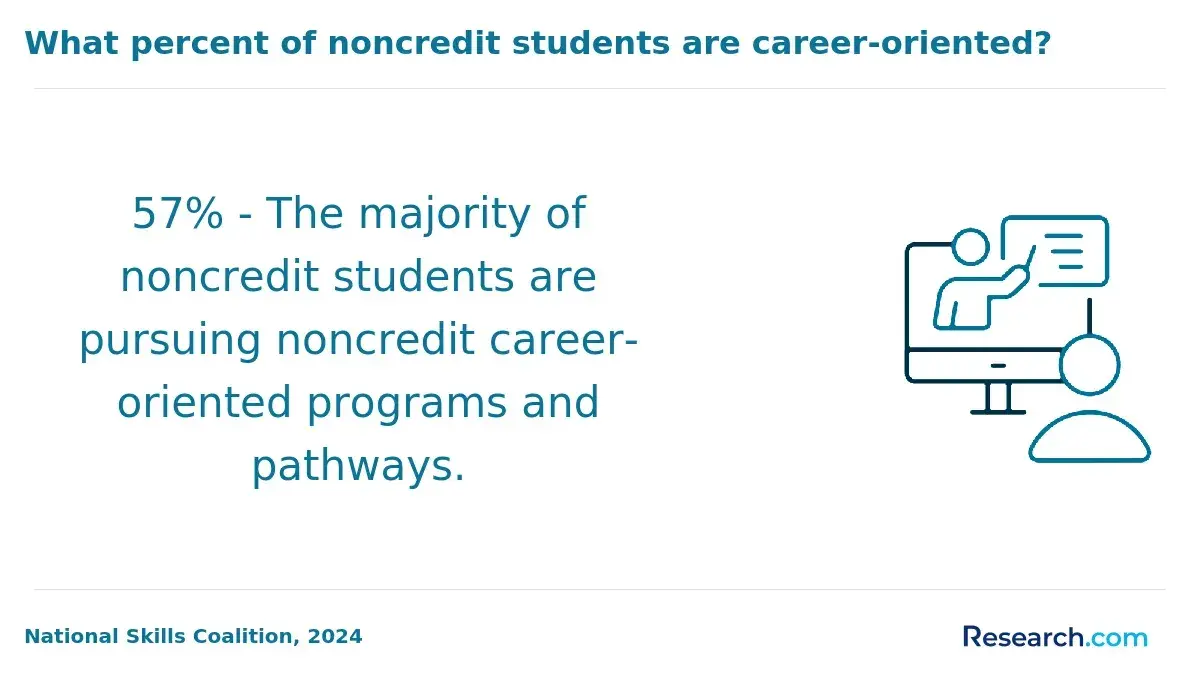
Approximately 60% to 70% of these graduates typically secure roles related to nursing informatics or clinical data positions within a year of finishing their programs. This transition rate underscores a competitive landscape shaped by employers' preference for candidates with combined clinical experience and informatics expertise, limiting quick absorption of purely informatics-trained graduates. Additionally, regional disparities in healthcare digital infrastructure investment influence local demand, meaning job availability varies significantly across geographic areas. Overestimating workforce readiness based on aggregate graduate volumes risks overwhelming candidates with unrealistic expectations and can obscure the nuanced skill tradeoffs employers value, such as clinical background, informatics proficiency, and adaptability to evolving health IT systems.
Does Job Growth Support the Rising Supply of Nursing Informatics Graduates?
Despite an annual job growth rate near 10% for roles linked to nursing informatics, the rising supply of graduates increasingly outpaces new employment opportunities, creating a nuanced labor market dynamic. Many employers prefer candidates with clinical experience and additional certifications, limiting immediate entry for fresh graduates who may face underemployment or need to accept positions outside preferred specializations or regions. For instance, a recent graduate in a competitive urban center might struggle to secure a coveted informatics role without supplementary practical skills or geographic flexibility, while smaller or rural healthcare systems might still offer openings shaped by local retirement-driven demand.
Regional nursing informatics hiring trends and graduate employment rates exhibit significant variation; areas lagging in health IT adoption or with constrained healthcare infrastructure have fewer openings, exacerbating disparities for new entrants. Replacement demand partially offsets the supply surplus caused by increased program completions, but this alone does not resolve the competitive pressures graduates face.
Prospective students weighing program options would benefit from evaluating programs that emphasize interdisciplinary skills and real-world experience alongside formal credentials, as well as considering alternatives such as accredited self-paced online colleges to enhance flexibility and employability.
How Competitive is the Entry-Level Market for Nursing Informatics Graduates?
The entry-level market for nursing informatics graduates in 2024 reflects a nuanced balance between rising graduate numbers and uneven employer demand. While degree completions have increased steadily, job openings available immediately to new graduates are often fewer and require practical experience or specialized credentials, creating a competitive environment. Hiring data reveals that many positions favor candidates who bring clinical experience alongside informatics skills, limiting direct academic-to-job transitions. This dynamic results in localized variations and pockets of intense competition, particularly in urban healthcare centers facing applicant surpluses.
Several key factors shape hiring competition for recent nursing informatics graduates:
- Experience Expectations: Most employers seek candidates with internships or clinical informatics exposure. Graduates without this risk being passed over despite formal qualifications, making real-world experience a critical hiring filter.
- Specialized Certification: Additional training beyond foundational degrees often differentiates applicants in crowded pools. Certifications signal both technical skill and commitment, improving employability.
- Regional Demand Variability: Some states invest more aggressively in health IT infrastructure, creating higher local demand. Graduates targeting low-demand regions face fewer opportunities and greater competition.
- Applicant Volume Concentration: Urban centers attract many qualified candidates, resulting in applicant surpluses. Graduates competing in these markets must strategically differentiate themselves or consider less saturated areas.
- Job Role Alignment: Underemployment is common when graduates accept related but not fully aligned positions due to limited direct openings, which may delay career progression in informatics.
- Hiring Growth Patterns: While overall informatics jobs are growing steadily, entry-level roles expand at a slower rate, causing a bottleneck effect for new entrants.
A recent nursing informatics graduate shared that despite multiple applications to hospitals in a major metro area, she repeatedly encountered job listings requiring 1-2 years of clinical or informatics experience. She faced stiff competition from other applicants with internships or certifications that she lacked. After several interview rejections, she chose to broaden her search to smaller health systems in less concentrated regions, where demand was steadier and applicant pools smaller. This shift demanded flexibility but ultimately resulted in an opportunity offering stronger alignment with her training, illustrating the importance of geographic and role adaptability in navigating entry-level competition.
Which Industries Have the Greatest Demand for Nursing Informatics Graduates?
Employer demand for nursing informatics graduates is sharply focused within sectors where integrating clinical expertise with information technology directly impacts operational efficiency and patient outcomes. Hospitals and large medical centers dominate job volume due to ongoing electronic health record (EHR) implementations, optimization efforts, and regulatory compliance mandates.
However, hiring competition and role specificity vary considerably across industries. For example, a graduate weighing opportunities might find that pharmaceutical companies offer fewer positions but emphasize advanced analytics and study design knowledge, while insurers prioritize care coordination analytics and data governance skills. Understanding these sector-driven differences helps align educational investment with realistic job prospects and professional growth trajectories. Below are the leading industries generating the strongest demand for nursing informatics professionals:
- Healthcare Delivery Systems: Hospitals and large medical centers create the majority of openings, driven by the need to implement and optimize EHRs and clinical decision support tools. Employers prioritize candidates with hands-on clinical experience coupled with IT proficiency, offering roles from analyst to project manager focused on workflow integration and regulatory reporting.
- Pharmaceutical and Biotechnology: These industries demand expertise in real-world data utilization for clinical trials and drug safety surveillance. Positions often require strong analytical skills and familiarity with health informatics standards, with growth fueled by innovation and regulatory pressures.
- Health Insurance Providers: Managed care organizations seek nursing informatics specialists for advanced analytics platforms aimed at risk stratification, patient engagement, and cost-quality optimization. Roles here emphasize data governance and cross-functional communication to improve population health management.
- Government and Public Health: Though smaller in scale, these entities focus on health information exchange and surveillance systems. Job stability depends on funding cycles, and candidates benefit from expertise in population health analytics and policy compliance.
- Regional and Sector Variation: Demand fluctuates by geographic location and economic conditions within each sector, underscoring the value of versatile skills that bridge clinical knowledge and IT domains.
Graduates must balance volume and competition across these industries, recognizing that sectors closely tied to the healthcare value chain-especially hospitals, biotech, and insurers-offer the most abundant opportunities. Yet, the increasing technical and clinical specialization required elevates hiring standards and necessitates continuous skill development. Prospective students considering nursing informatics employer demand by industry should also explore complementary educational pathways, such as an exercise science degree online, which can diversify their competency portfolio and adapt to evolving health technology roles.
Where are Nursing Informatics Graduates Most in Demand?
National employment statistics for nursing informatics often mask significant regional differences that shape actual graduate opportunities. States with concentrated health IT investments and dense healthcare systems-such as California and Texas-offer the highest job volumes, yet these markets also attract many applicants, increasing competition and often raising living costs. For instance, a graduate relocating to a major metro like San Francisco might find abundant openings but face fierce rivalry and high housing expenses, whereas a smaller city with fewer postings could provide steadier, less contested employment, albeit with more modest wages and growth potential.
Demand clusters around urban centers that blend academic medical centers, health system networks, and informatics vendors, which places graduates in direct competition with peers from expanding local education pipelines. Rural and less densely populated regions typically report fewer roles and slower hiring growth, but may offer more favorable employer-to-candidate ratios, especially for those with specialized skills aligned to public health or government initiatives. Furthermore, as remote work slowly gains traction, graduates able to leverage hybrid or virtual roles may navigate market saturation more effectively, though many employers still emphasize advanced informatics competencies coupled with ongoing upskilling to remain competitive in these concentrated hubs.
Which Nursing Informatics Specializations and Degree Levels Face the Strongest Demand?
Demand within nursing informatics is unevenly distributed across specializations and degree levels, reflecting focused employer needs rather than uniform interest throughout the field. Data from the U.S. Bureau of Labor Statistics combined with LinkedIn Workforce Insights highlights a pronounced preference for master's-level credentials, particularly those emphasizing clinical informatics or healthcare data analytics. For example, a master's graduate with a clinical informatics specialization often encounters greater hiring opportunities than a bachelor's-level graduate with general nursing informatics training due to employer preference for candidates capable of integrating clinical workflows with technology.
Employers prioritize professionals melding clinical nursing experience with informatics skills such as EHR optimization, interoperability, and analytics. Certifications that supplement advanced degrees also enhance candidacy, especially for roles bridging IT and frontline patient care. Meanwhile, bachelor's graduates more frequently face roles with limited upward mobility, primarily in support capacities. Doctoral candidates, though highly trained, encounter narrower demand concentrated in academia, research, or policy roles, limiting available positions despite strong qualifications.
Key areas with strong employer demand include:
- Clinical Informatics Specialists: Employers seek those who can streamline patient care with technology, often requiring clinical backgrounds combined with informatics expertise to optimize EHR systems and support clinical decisions.
- Healthcare Data Analysts: Focus on predictive analytics and population health management, valued for translating complex data into actionable insights within health systems and payors.
- Informatics Nurse Leaders: Manage EHR implementations, staff training, and workflow redesign, necessitating both leadership skills and deep informatics knowledge.
- Master's Degree Holders: Represent the workforce segment with the broadest job openings, favored for combining advanced technical skills with clinical familiarity.
- Certified Informatics Specialists: Credentials in clinical informatics or related specialties enhance employability, indicating verified expertise beyond degree completion.
Regional workforce reports confirm shortages of clinically savvy informaticists capable of translating data into practice, reinforcing demand concentrated on candidates with combined clinical and informatics skills rather than purely technical or academic backgrounds.
Are Employer Skill Gaps Affecting Demand for Nursing Informatics Graduates?
The current labor market reveals that employer skill gaps, rather than a pure shortage of nursing informatics graduates, are the primary factor influencing hiring challenges in this field. Employers are not simply seeking degree holders; they expect candidates to demonstrate applied experience with interoperability standards, EHR system customization, and health IT optimization alongside robust communication skills that facilitate collaboration between clinical, IT, and administrative teams. For example, a hospital aiming to implement a new analytics-driven decision support tool may bypass candidates lacking direct project involvement in similar initiatives-even if graduates are numerous-thereby leaving some roles unfilled despite an apparent supply surplus. This mismatch distorts perceptions of oversupply versus undersupply and affects demand differently across geographic regions, healthcare settings, and entry-level versus specialized roles.
Among factors shaping employer assessment are credential mismatches that dampen demand for graduates who have theoretical knowledge but lack practical, technology-integrated skills aligned with evolving industry regulations and quality improvement goals. In nursing informatics workforce segments, programs that do not incorporate hands-on internships or projects simulating real-world health IT challenges risk producing candidates who struggle to meet hiring expectations. Consequently, supply may outpace employer demand in some markets, though well-aligned graduates continue to secure opportunities. Prospective students and current degree holders should consider these dynamics carefully, selecting educational pathways and experiences that emphasize skill development in electronic health record systems, data privacy compliance, and analytics applications. This balanced approach not only improves employability but also mitigates the impact of employer skill gaps on job market competition.
Those seeking to address both credential and experiential expectations may find it useful to research flexible options like the cheapest direct entry MSN programs that often integrate clinical competencies with informatics training. Understanding these tradeoffs is critical for aligning supply with tangible employer demand, rather than relying solely on volume-based enrollment metrics that overlook the nuance of hiring realities in this specialized sector.
What is the Future Supply-and-Demand Outlook for Nursing Informatics Graduates?
Targeted job searches among nursing informatics graduates yield stronger results than unfocused, high-volume applications largely because precision aligns candidates with specific roles that match their skills and local market demand. For instance, a recent graduate who concentrates on entry-level positions explicitly requiring clinical informatics coordination or health IT analysis in metropolitan areas with established digital health infrastructures will typically convert more interviews than one who indiscriminately applies to broad health administration roles nationwide. This strategic focus reduces wasted effort and positions candidates to showcase relevant certifications, data analytics expertise, and hands-on project experience that employers prioritize.
Rather than spreading efforts thin across multiple states or ambiguous job titles, graduates benefit by researching regional employment outlook for nursing informatics professionals to identify sectors and locations experiencing strong, sustained demand. Tailoring resumes and cover letters to the language found in job postings enhances perceived fit, while demonstrating applied skills through telehealth or EHR system projects signals readiness beyond credentials alone. Networking and timing applications to recruiting cycles further increase interview rates, though no single tactic guarantees placement.
The future supply-and-demand trends for nursing informatics graduates indicate increasing competition among entry-level candidates, especially as more accelerated and online programs proliferate. Selecting programs carefully, such as those comparable in rigor to an online environmental health and safety degree, and aligning career search efforts with robust employer needs will improve long-term employability despite regional disparities and evolving technological demands.
References
- Nursing Informatics Degrees and Requirements | All Nursing Schools https://www.allnursingschools.com/nursing-informatics/degrees/
- Careers in Nursing Informatics | VU Online https://online.vu.edu.au/blog/nursing-informatics-careers
- How to Become an Informatics Nurse Specialist https://nursinglicensemap.com/nursing-specialties/registered-nurse/informatics-nurse/
- Ep. 42: What Nurse Leaders Need to Know About Informatics https://www.works.ai/handoff/tammy-kwiatkoski-nurse-leaders-informatics
- Schools of Nursing Enrollment Increases Across Most Program Levels, Signaling Strong Interest in Nursing Careers https://www.aacnnursing.org/news-data/all-news/schools-of-nursing-enrollment-increases-across-most-program-levels-signaling-strong-interest-in-nursing-careers
- What Is an MSN Health Informatics Degree? | BetterNurse.org https://betternurse.org/msn-health-informatics/
- Nursing Informatics: Definition, Career, Salary & Degree Guide https://smarthealthasia.com/blog/nursing-informatics/
- Nursing Informatics Career Guide | NursingEducation https://nursingeducation.org/careers/nursing-informatics/
- Nursing Informatics: What It Is, How & Why to Get Started | USAHS https://www.usa.edu/blog/what-does-it-mean-to-specialize-in-nursing-informatics/
- Nursing Informatics | Ultimate Guide to Career Paths & Salaries | Maryville Nursing https://nursing.maryville.edu/blog/nursing-informatics
Other Things You Should Know About Nursing Informatics
Longer nursing informatics programs often offer deeper technical training and clinical integration but come with higher time and financial costs. Students must consider whether a more extensive curriculum aligns with current employer expectations, which increasingly favor practical experience and certifications over purely academic credentials. For many, prioritizing programs with strong practicum components and direct healthcare technology exposure may yield better job-readiness, especially when employer demand emphasizes applied skills over theoretical knowledge.
Incorporating recognized certifications into one's educational trajectory can meaningfully enhance employability by signaling up-to-date expertise in health IT systems and data analytics. Employers often look for candidates who complement their degree with certifications like RN-BC or clinical informatics credentials, reflecting a commitment to continual professional development. Students should weigh the additional time and financial investment of certification preparation against the tangible advantages in competitive job markets, as these credentials can open doors to more specialized, higher-paying roles.
While flexible schedules make part-time and online programs attractive, they often provide fewer direct networking opportunities with healthcare organizations and informatics professionals compared to on-campus experiences. This can limit grassroots access to employer pipelines or internships essential for early career advancement. Prospective students should proactively seek programs with strong career services or partnerships that facilitate employer engagement if they choose remote learning modalities to offset potential isolation from industry pathways.
Given fluctuating employer demand, students benefit more by developing broad interdisciplinary competencies-such as understanding clinical workflows, data governance, and change management-rather than only narrow technical skills. Employers increasingly require nursing informatics professionals who can bridge clinical and IT teams rather than solely focusing on specific software tools. Therefore, prioritizing programs that integrate leadership, communication, and system analysis training alongside technical proficiencies will better position graduates for varied roles and long-term adaptability within health institutions.