
2027 LCPC vs LCSW Degree Programs: Explaining the Difference

Co-Founder and Chief Data Scientist
If you want to become a licensed mental health professional, one of the biggest early decisions is whether to pursue counseling licensure, often called LCPC in some states, or clinical social work licensure, commonly known as LCSW. Both paths can lead to therapy roles, private practice, and work with clients facing anxiety, trauma, substance use, family stress, and major life transitions. The difference is in how each profession is trained to understand a client’s needs.
LCPC programs are built around counseling, psychotherapy, diagnosis, assessment, and treatment planning. LCSW programs combine clinical therapy with social work practice, case management, advocacy, and systems-level support. This guide explains how LCPC and LCSW degree programs compare in admissions, curriculum, licensure, cost, career settings, specializations, salary potential, and long-term fit so you can choose the path that matches the work you actually want to do.
Quick Answer: LCPC vs. LCSW Degree Programs
Choose an LCPC-focused counseling program if your primary goal is to provide psychotherapy and mental health counseling in settings such as private practice, clinics, schools, or treatment centers. Choose an LCSW pathway if you want clinical therapy training plus the ability to address housing, healthcare access, family systems, public benefits, crisis support, and other social factors affecting clients’ lives.
| Decision Point | LCPC Path | LCSW Path |
| Typical graduate degree | Master’s in counseling, clinical mental health counseling, psychology, or a related field | Master of Social Work (MSW) |
| Main professional focus | Psychotherapy, assessment, counseling theory, and treatment of mental and emotional disorders | Clinical therapy, case management, advocacy, social services, and systems-based care |
| Common licensing exam | National Clinical Mental Health Counseling Examination (NCMHCE) or a state-specific exam | Association of Social Work Boards (ASWB) clinical exam |
| Best fit for students who want to | Spend most of their career providing direct counseling and therapy | Combine therapy with resource coordination, policy awareness, and work with vulnerable populations |
| Common work settings | Private practices, counseling centers, schools, mental health clinics, and substance abuse treatment centers | Hospitals, social service agencies, government programs, community organizations, and healthcare settings |
Key Things You Should Know About LCPC vs. LCSW Degree Programs
- LCPC candidates usually complete a counseling-related master’s degree, while LCSW candidates must earn an MSW from a social work program.
- LCPC coursework concentrates on counseling methods, clinical assessment, diagnosis, and psychotherapy; LCSW coursework adds social welfare policy, case management, advocacy, and community practice to clinical training.
- LCPC licensure commonly involves the NCMHCE or another state-approved exam, while LCSW licensure generally requires the ASWB clinical exam.
- LCPCs are most closely associated with mental health counseling and psychotherapy; LCSWs may provide therapy while also helping clients navigate social services, financial support, housing, healthcare systems, and family needs.
- LCPCs often work in therapy-centered environments, while LCSWs are especially common in healthcare, public agencies, nonprofit organizations, and community-based services.
- What is the difference between an LCPC and an LCSW?
- What are the typical educational prerequisites for applying to LCPC vs. LCSW programs?
- How long does it take to complete an LCPC vs. LCSW degree program for 2027?
- What is the average cost of LCPC vs. LCSW graduate programs?
- What are the key differences in the curriculum of an LCPC vs. LCSW degree program?
- How do I choose between an LCPC and an LCSW degree?
- What are the common career paths for individuals with an LCPC vs. LCSW degree?
- What additional certifications can boost career advancement?
- How can I fast-track my licensure in mental health counseling?
- What are the continuing education requirements for LCPCs vs. LCSWs?
- How are emerging technologies and digital innovations reshaping LCPC and LCSW roles?
- Could an online marriage and family therapy degree complement traditional LCPC and LCSW pathways?
- What are the key challenges and strategies for overcoming barriers in LCPC and LCSW career advancement?
- How can a specialization in forensic psychology benefit LCPC and LCSW professionals?
- Are there affordable and accredited online degree programs for LCPC and LCSW?
- What are the common clinical specializations for LCPC vs. LCSW professionals?
- What is the average salary of an LCPC vs. an LCSW?
- What is the job outlook for LCPCs vs. LCSWs?
What is the difference between an LCPC degree and an LCSW degree?
An LCPC, or Licensed Clinical Professional Counselor, is a mental health professional trained to assess, diagnose, and treat mental and emotional disorders through counseling and psychotherapy. LCPC titles vary by state, but the pathway generally centers on graduate education in counseling, supervised clinical experience, and a state-approved licensing process.
LCPCs typically work with individuals, groups, couples, or families dealing with depression, anxiety, trauma, relationship concerns, life transitions, grief, stress, and substance use. Their preparation emphasizes counseling theories, treatment planning, ethical practice, psychological assessment, and evidence-informed therapy techniques.
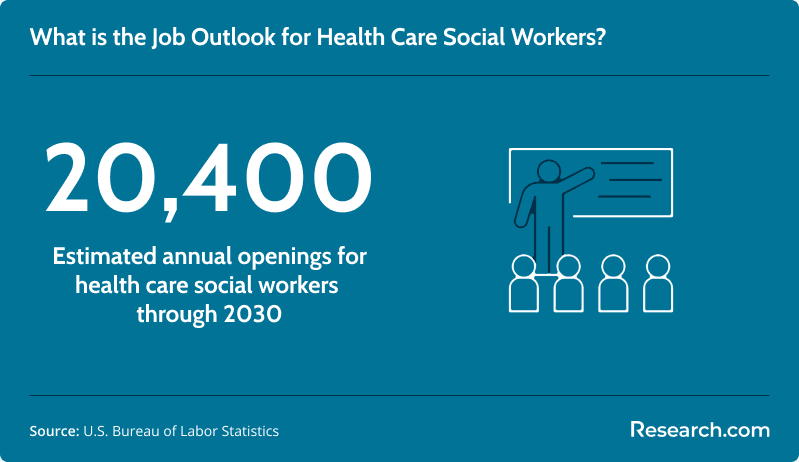
An LCSW, or Licensed Clinical Social Worker, is also trained to provide clinical mental health care, but the degree behind the license is different. LCSWs complete an MSW and are educated to understand clients within the context of family, community, healthcare, employment, housing, culture, poverty, discrimination, and public systems. The U.S. Department of Labor projects that by the year 2030, the total demand for healthcare social workers will be 209,300, with an average of 20,400 yearly openings.
LCSWs may provide psychotherapy, but they also commonly coordinate services, advocate for clients, create discharge plans, help families manage crises, and work with organizations that serve people facing complex social and medical needs. This makes the LCSW route especially relevant for students who want a clinical career with a strong social justice, healthcare, or community-service dimension.
Within careers in counseling, LCPC and LCSW roles overlap most clearly in therapy. The major distinction is the lens each profession uses. LCPCs are trained primarily through a counseling and mental health treatment model. LCSWs are trained through a clinical social work model that combines therapy with social systems, resource access, and advocacy.
| Comparison Area | LCPC | LCSW |
| Professional lens | Individual mental health, emotional functioning, counseling interventions, and treatment goals | Person-in-environment approach that includes clinical symptoms, family systems, social supports, and structural barriers |
| Scope of work | Therapy, mental health assessment, diagnosis, treatment planning, and counseling services | Therapy, case management, advocacy, crisis support, care coordination, and social service navigation |
| Graduate training | Counseling-focused master’s degree | MSW with clinical social work preparation |
| Best-known strengths | Deep preparation in counseling theory, psychotherapy skills, and mental health treatment | Flexibility across clinical, healthcare, community, public agency, and social service environments |
Students comparing LCSW and LPC degree programs should pay close attention to state licensing titles. LCPC, LPC, LMHC, and similar counseling credentials can differ by jurisdiction, while LCSW is tied to clinical social work licensure after an MSW.
What are the typical educational prerequisites for applying to LCPC vs. LCSW programs?
Both LCPC and LCSW routes require graduate-level education before independent clinical licensure. The main admissions difference is not usually the bachelor’s major; it is whether the graduate program is aligned with counseling licensure or social work licensure. Before applying, verify your state’s educational and licensure prerequisites, because course requirements, supervision rules, and exam expectations are controlled at the state level.
LCPC Program Prerequisites
- Most applicants need a bachelor’s degree before entering a master’s program in counseling, clinical mental health counseling, psychology, or a closely related field.
- In 2024, 48% of licensed professional counselors have completed a master's degree.
- Many programs prefer or require coursework related to psychology, human development, statistics, social science, research methods, or abnormal psychology.
- CACREP accreditation is commonly important for counseling students because some states and employers give preference to CACREP-aligned preparation.
- Admissions committees often look for evidence of interpersonal maturity, ethical judgment, communication ability, and readiness for supervised client-facing work.
LCSW Program Prerequisites
- The required graduate degree is an MSW from a program accredited by the Council on Social Work Education (CSWE).
- Applicants may come from many undergraduate majors, but social science, psychology, sociology, public health, human services, and social work coursework can strengthen preparation.
- A BSW can sometimes qualify a student for advanced standing in an MSW program, which may shorten the time needed to complete graduate study.
- MSW admissions often value volunteer work, human services experience, community engagement, crisis work, or employment in social service settings.
- Students should confirm that the MSW curriculum includes the clinical coursework and field placement structure required for eventual LCSW licensure in their state.
Should You Start With an Associate Degree or a Bachelor’s Degree?
A bachelor’s degree is the standard launch point for both LCPC and LCSW graduate programs. An associate degree can still be useful if it lowers cost, allows you to complete general education requirements, or helps you transfer into a four-year program. The key is choosing credits that will transfer cleanly and support your eventual major.
When comparing an associate degree and bachelor’s degree, future counseling students may benefit from undergraduate study in psychology, human development, family studies, or behavioral science. Future LCSW students should consider whether a BSW is available, because it can sometimes support advanced standing in MSW programs.
| If You Are Starting Here | Best Next Move for LCPC | Best Next Move for LCSW |
| Associate degree | Plan transfer credits toward a bachelor’s in psychology, counseling-related studies, or human development | Plan transfer credits toward a BSW or social science bachelor’s degree |
| Bachelor’s degree in psychology | Strong fit for counseling master’s programs | Acceptable for many MSW programs, especially with human services experience |
| Bachelor of Social Work | Possible, but less directly aligned with counseling licensure than a counseling-related master’s | Often the most direct undergraduate preparation for MSW study |
| Non-social-science bachelor’s degree | May still be accepted if prerequisites and experience are sufficient | May still be accepted, especially with service, advocacy, or community work experience |
How long does it take to complete an LCPC vs. LCSW degree program for 2027?
For both LCPC and LCSW candidates, the timeline includes more than graduate school. You also need supervised post-graduate clinical experience, licensing exams, and state board approval before independent practice. In 2023, there were 76,800 licensed clinical professional counselors working for various sectors in the U.S. These professionals have at least a master's degree and have completed the required clinical hours.
LCSW Timeline: 6 to 8 years
- Undergraduate degree: Students typically complete a bachelor’s degree before entering an MSW program.
- Master of Social Work: A full-time MSW usually takes approximately two years. Students with a BSW may be eligible for advanced standing, depending on the program. This can also apply to online LCSW programs.
- Supervised clinical experience: After the MSW, LCSW candidates generally complete 2,000 to 3,000 hours of supervised clinical practice, which can take 2-3 years.
- Licensing exam and state approval: Candidates must meet their state board’s clinical requirements and pass the required licensing exam.
LCPC Timeline: 6 to 8 years
- Undergraduate degree: Most students begin with a bachelor’s degree in psychology, counseling-related studies, social science, or another approved field.
- Master’s in counseling: Counseling master’s programs commonly take 2 to 3 years of full-time study.
- Supervised clinical experience: LCPC candidates generally complete 2,000 to 3,000 hours of post-graduate supervised clinical experience.
- Licensing exam and state review: Candidates must pass the exam accepted by their state and document supervised hours, coursework, and ethical fitness.
| Stage | LCPC Route | LCSW Route | What Can Slow You Down |
| Graduate school | Master’s in counseling, usually 2 to 3 years full time | MSW, typically approximately two years full time | Part-time enrollment, missing prerequisites, field placement delays, or transfer-credit limits |
| Clinical training after graduation | Usually 2,000 to 3,000 hours | Usually 2,000 to 3,000 hours | Difficulty finding approved supervisors or paid roles that count toward licensure |
| Licensure process | State application, exam, documentation, and approval | State application, ASWB clinical exam, documentation, and approval | Incomplete records, state-specific rules, or moving between states before licensure |
One practical way to protect your timeline is to ask programs how they help students secure practicum and internship placements, whether graduates commonly find qualifying supervised employment, and how the curriculum maps to state licensing requirements.
Understanding the educational qualifications of licensed professional counselors helps students see how graduate training fits into the profession. The chart below shows LPCs by their highest degree credential and provides context for common educational pathways in counseling.
What is the average cost of LCPC vs. LCSW graduate programs?
LCPC and LCSW graduate programs can require a substantial financial commitment. Tuition varies widely by school type, residency status, delivery format, and credit load. Per-credit costs can be a few hundred dollars at some public universities and more than a thousand dollars at some private institutions. Total program expenses can range from roughly $30,000 to upwards of $60,000 or more.
Tuition is only one part of the bill. Students should also compare application fees, university fees, clinical placement costs, technology fees, books, transportation, background checks, insurance, exam costs, and living expenses. If you plan to work while enrolled, also consider how fieldwork and internship schedules may affect your income.
Online study may reduce commuting or relocation costs, but it does not automatically make a program cheaper or licensure-ready. Some online programs still require in-person field placements, campus residencies, or state-specific practicum arrangements. Students comparing related clinical programs, including a clinical psychology degree online, should evaluate total cost rather than tuition alone.
| Cost Factor | Why It Matters | Questions to Ask Before Enrolling |
| Accreditation | Licensure boards may require or strongly prefer specific program accreditation | Is the counseling program CACREP-aligned? Is the MSW program CSWE-accredited? |
| Field placement support | Clinical placements are required and can affect both timeline and cost | Does the school find placements, approve student-found placements, or require travel? |
| Per-credit tuition | Programs with similar names can have very different total costs | How many credits are required for graduation and licensure preparation? |
| Fees and materials | Technology, insurance, background checks, and exam preparation can add up | What costs are not included in advertised tuition? |
| Financial aid | Scholarships, grants, assistantships, and loans affect net cost | What aid is available specifically for counseling or social work graduate students? |
What are the key differences in the curriculum of an LCPC vs. LCSW degree program?
The curriculum difference reflects the professional mission of each field. LCPC programs are designed to prepare counselors for mental health assessment, diagnosis, treatment planning, and psychotherapy. LCSW programs prepare clinical social workers to provide therapy while also addressing the social, institutional, and environmental conditions affecting client well-being.
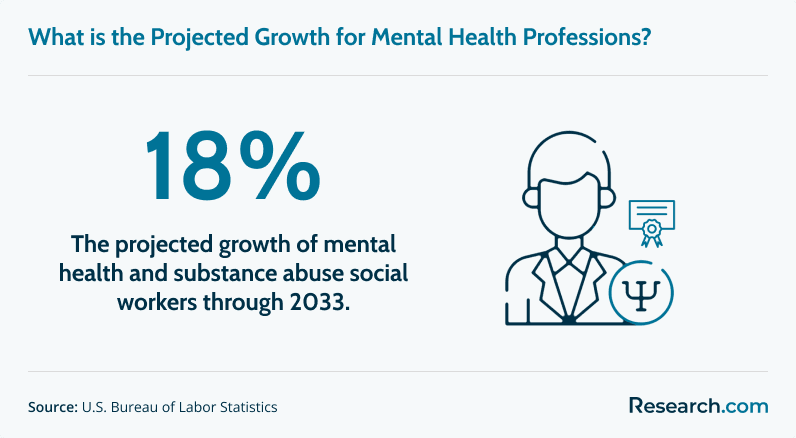
LCSW programs provide a broader education that integrates clinical skills with social work principles, preparing graduates to address a wide range of social and personal challenges. Employment of mental health and substance abuse social workers is projected to grow 18% while the employment of community health workers is projected to grow 13% through 2033.
Typical LCPC Curriculum
- Counseling theories, including cognitive-behavioral, psychodynamic, humanistic, and other major frameworks
- Individual counseling, group counseling, family-related interventions, and crisis response
- Assessment, diagnosis, treatment planning, and use of the Diagnostic and Statistical Manual of Mental Disorders (DSM)
- Ethics, multicultural counseling, human development, research methods, and professional identity
- Psychopathology, trauma, addiction counseling, career counseling, and specialty electives
- Supervised practicum and internship experiences focused on direct counseling practice
Typical LCSW Curriculum
- Clinical social work practice with individuals, families, groups, and communities
- Human behavior in the social environment, social welfare policy, and social justice foundations
- Case management, crisis intervention, advocacy, and work with diverse populations
- Research, ethics, cultural humility, community intervention, and organizational practice
- Clinical assessment and therapy skills integrated with social systems and resource navigation
- Field education in agencies, hospitals, community organizations, schools, or social service settings
| Coursework Area | More Central in LCPC Programs | More Central in LCSW Programs |
| Psychotherapy theory | Extensive focus on counseling models and therapeutic technique | Included, often connected to social work practice contexts |
| Diagnosis and assessment | Major emphasis, especially for mental health treatment planning | Included as part of clinical social work assessment |
| Case management | May be covered, but usually not the core identity of the program | Central skill, especially in healthcare, community, and agency settings |
| Policy and advocacy | Usually addressed through ethics, systems, and multicultural counseling | Major component of social work education |
| Field education | Focused on counseling practice and client therapy hours | Focused on social work practice, clinical services, and systems-based support |
How do I choose between an LCPC and an LCSW degree?
The best choice depends on the type of client work you want to do most often. If you imagine your day centered on therapy sessions, clinical assessment, counseling interventions, and long-term treatment relationships, the LCPC route may fit better. If you want to provide therapy while also helping people navigate hospitals, schools, courts, public agencies, housing systems, child welfare, or community programs, the LCSW route may offer more flexibility.
Think beyond the job title. Ask what problems you want to solve. LCPCs often work deeply with internal emotional and psychological processes. LCSWs often work at the intersection of mental health, family systems, healthcare, poverty, trauma, policy, and access to services.
Students considering the social work route should also understand the relationship between the degree and the license. An MSW is the graduate degree; LCSW is the clinical license earned after meeting state requirements. A detailed comparison of LCSW vs MSW can help clarify that distinction.
| Choose This Path If... | LCPC May Be Better | LCSW May Be Better |
| You want private practice therapy | Strong fit, especially if your focus is psychotherapy | Also possible, especially for clinical social workers with therapy training |
| You want hospital or medical work | Possible in some counseling roles | Often a strong fit because medical social work is a common pathway |
| You care most about diagnosis and treatment | Strong fit | Strong fit when combined with social work assessment and systems support |
| You want policy, advocacy, or public agency work | Less directly aligned | Strong fit |
| You want to work with community resources | Possible, but not usually the central training model | Core part of the profession |
Both options can lead to meaningful work in mental health, and both can overlap with the broader advantages of a psychology career. Mental health professions are projected to grow 18% through 2033, which means students entering either pathway may find opportunities across clinical and community settings. Still, growth projections do not guarantee employment, income, or licensure approval; your location, specialization, supervision access, and program quality all matter.
Questions to Ask Before Choosing
- Do I want most of my workday to involve therapy sessions, or do I also want case coordination and advocacy responsibilities?
- Which license is most recognized by employers in the state where I plan to practice?
- Does the program’s accreditation match my state licensing board’s expectations?
- Will I have access to approved practicum, internship, and post-graduate supervision?
- Am I more drawn to counseling theory and psychotherapy, or to clinical care within social systems?
- Do I want the option to work in hospitals, government agencies, schools, or social service organizations?
What are the common career paths for individuals with an LCPC vs. LCSW degree?
LCPC and LCSW graduates can both work in mental health, but employers may use them differently. LCPCs are often hired for counseling, assessment, and therapy-centered positions. LCSWs are widely used in healthcare, community mental health, government services, child welfare, crisis work, and nonprofit programs because their training includes both clinical care and social service systems.
The three states needing the most health care social workers by 2030 are New York (25,360), California (14,700), and Texas (13,380). These figures highlight how geography can shape opportunity, especially for social workers in healthcare settings.
Common LCPC Career Paths
- Private practice therapist: Provides counseling to individuals, couples, families, or groups, often after meeting independent licensure rules.
- Mental health clinic counselor: Works with clients managing anxiety, depression, trauma, severe stress, or other clinical concerns.
- School or university counselor: Supports students with academic stress, emotional concerns, crisis situations, and referral needs.
- Substance abuse counselor: Helps clients address addiction, recovery planning, relapse prevention, and related mental health issues.
- Hospital-based counselor: Provides emotional support, crisis counseling, or behavioral health services in medical environments.
Common LCSW Career Paths
- Hospital or healthcare social worker: Provides counseling, discharge planning, patient advocacy, family support, and resource coordination.
- Community mental health clinician: Offers therapy, crisis services, case management, and referrals in community-based care.
- Social service agency clinician: Works with children, families, older adults, survivors of violence, people with disabilities, or other populations needing support.
- Government agency social worker: Helps administer, evaluate, or deliver public programs connected to health, welfare, family services, or behavioral health.
- Private practice clinical social worker: Provides therapy independently after meeting state clinical licensure requirements.
| Career Setting | LCPC Role Emphasis | LCSW Role Emphasis |
| Private practice | Therapy, assessment, treatment planning, and counseling specialization | Therapy with a strong understanding of social context and resource needs |
| Hospitals | Behavioral health counseling or crisis support | Discharge planning, case management, family support, advocacy, and therapy |
| Schools | Student counseling, emotional support, and mental health referrals | Student and family support, crisis intervention, resource coordination, and systems work |
| Community agencies | Counseling services for individuals or groups | Clinical services, case management, outreach, advocacy, and program coordination |
| Substance use treatment | Counseling, relapse prevention, and co-occurring mental health support | Therapy, treatment coordination, family support, and community resource linkage |
As the healthcare landscape changes, some states are projected to need more health care social workers than others. The chart below highlights the top three states expected to have the highest need for these professionals by 2030.
What additional certifications can boost career advancement?
Certifications can help LCPCs and LCSWs build credibility in a defined practice area, but they should be chosen strategically. A credential is most useful when it aligns with your client population, employer expectations, and state scope-of-practice rules. For example, clinicians interested in behavioral intervention may review options such as ABA certification online, especially if they work with clients who benefit from structured behavior-focused services.
Before investing in any certification, ask whether it is recognized by employers, whether it requires supervised hours, whether it fits your license, and whether it will help you serve clients better. Avoid collecting credentials that look impressive but do not change your actual practice authority or job prospects.
How can I fast-track my licensure in mental health counseling?
You cannot skip licensure requirements, but you can reduce avoidable delays. The fastest practical route is to choose an accredited program that already meets your state’s coursework standards, complete practicum and internship requirements on schedule, secure approved supervision immediately after graduation, and keep detailed records of all clinical hours.
Some students also look for accelerated programs, intensive field placement models, or employer settings where supervised hours can be accumulated efficiently. These options must still meet state rules. For a broader planning guide, review Research.com’s resource on how to become a counsellor quickly.
| Licensure Delay | Better Strategy |
| Choosing a program before checking state board rules | Compare curriculum requirements with your state licensing board before applying |
| Waiting until graduation to find a supervisor | Ask programs and employers about approved supervision options early |
| Keeping poor documentation of hours | Use your state’s required forms and update records consistently |
| Moving states without checking portability rules | Research license transfer, endorsement, and additional coursework requirements before relocating |
What are the continuing education requirements for LCPCs vs. LCSWs?
LCPCs and LCSWs must complete continuing education to renew their licenses, but the exact requirements are set by each state. Common topics include ethics, legal updates, client safety, suicide risk, cultural competence, trauma-informed care, telehealth practice, and evidence-informed treatment. Clinical social workers may also complete education related to social welfare policy, advocacy, case management, and work with specific populations.
Continuing education is not just a renewal task. It helps clinicians stay current as client needs, technology, documentation expectations, and legal standards change. If you are still comparing counseling licenses, Research.com’s guide explaining what is an LPC can help you understand how counseling credentials are structured.
How are emerging technologies and digital innovations reshaping LCPC and LCSW roles?
Technology is changing how counselors and clinical social workers deliver care. Telehealth, secure messaging, electronic documentation, online screening tools, and digital scheduling platforms have made mental health services more accessible for many clients. They also add responsibilities around privacy, informed consent, emergency planning, cross-state practice, and secure recordkeeping.
LCPCs and LCSWs increasingly need digital competence alongside clinical judgment. A remote therapy session still requires risk assessment, rapport building, documentation, ethics, and appropriate referrals. Programs in specialized areas, including a master of arts in Christian counseling, may also address technology, ethics, and the responsible use of online tools in client care.
Could an online marriage and family therapy degree complement traditional LCPC and LCSW pathways?
Marriage and family therapy training can complement either pathway when a clinician wants stronger preparation in relationships, family systems, and couple dynamics. LCPCs may use these skills to broaden therapy approaches, while LCSWs may apply them when working with families affected by crisis, illness, trauma, child welfare involvement, or major transitions.
Students should remember that an MFT degree is not automatically interchangeable with counseling or social work licensure. Before enrolling, check whether the program supports the specific license you want. If your goal is to add family-systems expertise in a flexible format, you can compare options such as the most affordable online MFT degree.
What are the key challenges and strategies for overcoming barriers in LCPC and LCSW career advancement?
The biggest career barriers for both LCPCs and LCSWs often appear after admission, not before it. Students and new graduates may struggle with state-specific rules, unpaid or hard-to-find placements, limited access to qualified supervisors, licensing paperwork, exam preparation, and uncertainty about whether an online program meets local requirements.
The best strategy is to treat licensure like a project with deadlines, documents, and checkpoints. Read your state board rules before applying to programs, ask schools for licensure outcome support, build relationships with supervisors, join professional networks, and keep copies of syllabi, field evaluations, supervision records, and exam documentation. For additional planning, see Research.com’s guide on What is the quickest way to become a counselor?.
How can a specialization in forensic psychology benefit LCPC and LCSW professionals?
Forensic psychology can be useful for LCPCs and LCSWs who work with clients connected to courts, correctional systems, victim advocacy programs, custody issues, competency concerns, violence prevention, trauma, or reentry services. The specialization can strengthen skills in risk assessment, documentation, legal-system awareness, and interdisciplinary collaboration.
This focus does not replace licensure in counseling or social work, but it can add value for clinicians who regularly interact with attorneys, probation officers, law enforcement, child protection systems, or correctional teams. Students interested in this direction can explore affordable online masters forensic psychology programs as one way to compare specialized graduate options.
Are there affordable and accredited online degree programs for LCPC and LCSW?
Yes, online options exist for both counseling and social work students, but affordability should never be separated from accreditation and licensure fit. A low-cost program that does not meet your state’s requirements can become expensive if you need extra coursework, delayed supervision, or a second degree.
For LCPC-oriented counseling programs, confirm whether the curriculum aligns with your state board and whether accreditation such as CACREP matters in your jurisdiction. For LCSW-oriented programs, verify CSWE accreditation and confirm how field placements are handled in your state. Students looking for cost-conscious counseling options can start by reviewing cheapest online LPC programs.
| Online Program Check | Why It Matters |
| Accreditation | Licensure boards and employers may reject or question degrees from programs that do not meet required standards |
| State authorization | An online school may not be approved to serve students in every state |
| Field placement model | You need realistic access to approved clinical sites and supervisors near you |
| Licensure disclosure | Programs should clearly state whether they meet educational requirements in your state |
| Total cost | Compare tuition, fees, travel, residencies, materials, and lost work time |
What are the common clinical specializations for LCPC vs. LCSW professionals?
Both LCPCs and LCSWs can specialize, but their specializations often reflect different professional roots. LCPC specializations usually focus on therapy methods, mental health disorders, and client populations. LCSW specializations often include therapy plus healthcare, family systems, aging, child welfare, community services, and public systems. Students comparing licensed clinical social worker programs should look closely at available field placements, because specialization is often shaped by where you train.
Common LCPC Specializations
- Substance abuse counseling: Focuses on addiction, recovery, relapse prevention, and co-occurring mental health concerns. The field of substance abuse, behavioral disorder, and mental health counseling is expected to see approximately 48,900 new job openings annually over the next ten years.
- Marriage and family counseling: Helps couples and families address conflict, communication patterns, parenting concerns, and relationship stress.
- Child and adolescent counseling: Supports young clients dealing with emotional, behavioral, school, family, or developmental concerns.
- Trauma counseling: Works with clients affected by abuse, violence, grief, accidents, disasters, or other traumatic experiences.
- Grief counseling: Helps clients process loss, bereavement, life disruption, and adjustment.
- Career counseling: Supports clients with career exploration, transitions, vocational concerns, and decision-making.
Common LCSW Specializations
- Geriatric social work: Supports older adults and families with emotional needs, care planning, healthcare access, and aging-related services.
- Medical social work: Provides counseling, discharge planning, advocacy, and case management in healthcare environments.
- Child welfare: Works with children and families involved in safety, permanency, foster care, reunification, or protective service systems.
- Mental health social work: Combines therapy with case support in community, agency, and clinical settings.
- Community social work: Focuses on outreach, prevention, advocacy, program development, and community-level intervention.
- Hospice and palliative care: Supports clients and families facing serious illness, end-of-life decisions, grief, and care coordination.
- Forensic social work: Works with clients connected to legal, correctional, advocacy, or court-related systems.
What is the average salary of an LCPC vs. an LCSW?
LCPC and LCSW salaries vary by state, employer, experience, specialty, caseload, setting, and whether the clinician works in private practice, healthcare, education, nonprofit services, or government. Salary data can also differ because occupational categories do not always separate LCPCs and LCSWs cleanly.
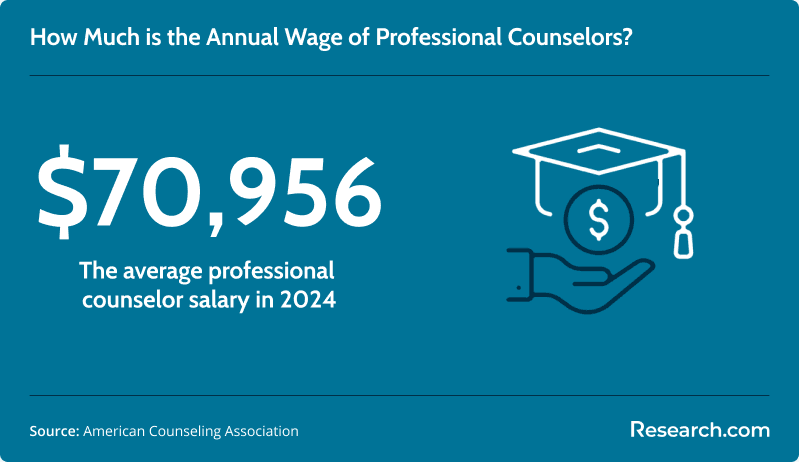
In general, average annual earnings for both LCPCs and LCSWs often fall within a similar range, often between $50,000 and $80,000. For professional counselors, it falls within $70,956. Clinicians in hospitals, established private practices, specialized treatment programs, and higher-cost metropolitan areas may earn more, but income is not guaranteed by the license alone.
LCSWs may have access to a broad set of roles because their training is used in healthcare, public agencies, community organizations, social services, and private therapy. Location matters heavily; an LCPC or LCSW salary in a major metropolitan area may be higher because local wages and living costs are higher.
Specialization can also affect earning potential. Clinicians who develop expertise in trauma-focused therapy, marriage and family therapy, healthcare behavioral health, substance use treatment, or private practice business operations may improve their marketability. Research.com’s guide to the best therapy specializations for high income can help students think more strategically about income paths, but it should not be read as a salary guarantee.
| Factor | How It Can Affect LCPC or LCSW Pay |
| State and city | Licensure rules, reimbursement rates, employer budgets, and cost of living vary widely |
| Work setting | Hospitals, government agencies, private practice, schools, and nonprofits may pay differently |
| Experience | Independent licensure, years in practice, supervision experience, and leadership roles can influence compensation |
| Specialization | High-demand clinical niches may support stronger job options or private practice growth |
| Business model | Private practice income depends on client volume, insurance contracts, fees, expenses, and local competition |
What is the job outlook for LCPCs vs. LCSWs?
The outlook for both LCPCs and LCSWs is generally positive because demand for mental health care, substance use treatment, healthcare navigation, and community-based support continues to affect employers across many settings. However, job outlook should be interpreted locally. A strong national trend does not mean every city, employer, or specialty will offer the same opportunities.
LCPC demand is supported by increased awareness of mental health needs, broader acceptance of therapy, school and workplace wellness efforts, substance use treatment needs, and continuing demand for counselors in clinics and community settings. LCPCs may find opportunities in private practice, schools, counseling centers, hospitals, and behavioral health organizations.
LCSW demand is tied to clinical mental health needs as well as aging populations, healthcare coordination, child and family services, public programs, substance abuse treatment, and community-based care. LCSWs can be especially competitive for roles that require both therapy skills and case management or advocacy experience.
AI and digital tools may change administrative workflows, documentation, screening, appointment management, and telehealth delivery, but they do not eliminate the need for licensed clinical judgment, ethical decision-making, crisis response, therapeutic alliance, and human-centered care. Future professionals should build both clinical competence and comfort with technology.
Here’s What Graduates Have to Say About Their LCPC and LCSW Programs
Choosing the LCPC route gave me the clinical training I wanted. My work now centers on helping clients manage anxiety, trauma, and major life changes through consistent therapy and practical coping strategies. Private practice also gives me a level of schedule control that fits my life. Jessica
My LCSW training prepared me to do more than provide therapy. In the hospital, I help families understand resources, plan for care, and get through crises where mental health, medical needs, and social support all overlap. David
I pursued counseling because I wanted direct client work and a strong foundation in cognitive-behavioral therapy. Watching clients rebuild confidence and make measurable progress is the part of the profession that keeps me motivated. Monica
Common Mistakes to Avoid When Choosing Between LCPC and LCSW
- Choosing based only on title: Licensing names vary by state. Always compare required degrees, exams, scopes of practice, and employer expectations.
- Ignoring accreditation: A program that is inexpensive or convenient may not meet your state’s educational rules for licensure.
- Assuming online automatically means flexible: Field placements, supervision, residencies, and live class requirements can still affect your schedule.
- Looking only at tuition: Fees, books, background checks, travel, unpaid internships, and exam expenses can change the true cost.
- Waiting too long to plan supervision: Post-graduate clinical hours are often the longest step after graduation, so plan early.
- Assuming salary outcomes are guaranteed: Income depends on location, setting, licensure level, specialization, and business factors.
- Using rankings as the only decision tool: Rankings can help you discover programs, but licensure fit, field placement quality, accreditation, cost, and graduate support matter more.
Key Insights
- LCPC and LCSW pathways both support mental health careers, but they train professionals through different models: counseling for LCPCs and clinical social work for LCSWs.
- LCPC is usually the better fit for students who want their primary professional identity to be therapist, counselor, or mental health clinician.
- LCSW is often the better fit for students who want therapy skills plus case management, advocacy, healthcare coordination, and work with social systems.
- Both routes generally require a master’s degree, supervised clinical experience, a licensing exam, and state board approval.
- Timeline planning matters. LCPC and LCSW preparation commonly takes 6 to 8 years when undergraduate study, graduate school, and supervised clinical hours are included.
- Program cost can range from roughly $30,000 to upwards of $60,000 or more, so compare total cost, not advertised tuition alone.
- The field of substance abuse, behavioral disorder, and mental health counseling is expected to see approximately 48,900 new job openings annually over the next ten years.
- The three states needing the most health care social workers by 2030 are New York (25,360), California (14,700), and Texas (13,380).
- In 2023, there were 76,800 licensed clinical professional counselors working for various sectors in the U.S.
- The U.S. Department of Labor projects that by the year 2030, the total demand for health care social workers will be 209,300, with an average of 20,400 yearly openings.
- In 2024, 48% of licensed professional counselors have completed a master's degree.
References:
- American Counseling Association. (2023). Counseling workforce report.
- Association of Social Work Boards. (2024). Profile of social work license examinees.
- U.S. Bureau of Labor Statistics. (2024). Occupational employment and wages, counselors, all other.
- U.S. Bureau of Labor Statistics. (2024). Occupational employment and wages, social workers, healthcare.
- U.S. Bureau of Labor Statistics. (2024). Substance abuse, behavioral disorder, and mental health counselors.
- Zippia. (n.d.). Licensed professional counselor demographics.
- Psychology Online Degrees. (n.d.). Health care social worker salary.
Other Things You Should Know About LCPC vs LCSW Degree Programs
In 2027, becoming an LCPC requires a Master's in Counseling with coursework in psychology, while an LCSW needs a Master's in Social Work, focusing on community practice and social services. Both roles require supervised clinical experience but differ in their specialization and approach.
For LCPC licensure in 2027, candidates need 3,000 hours of supervised experience. LCSW candidates typically require 3,200 hours, including direct client interaction. Both paths necessitate supervision by a licensed professional to ensure proper clinical training and readiness for independent practice.
LCPC licenses are usually regulated by state counseling boards or state professional counselor boards, while LCSW licenses are regulated by state social work boards. Both credentials must also align with national standards set by the National Board for Certified Counselors or the Association of Social Work Boards.


