
2027 LPC Counseling Licensure Requirements in Oregon

Co-Founder and Chief Data Scientist
Becoming a Licensed Professional Counselor (LPC) in Oregon is a structured process: you need the right graduate education, supervised clinical experience, required exams, and Board approval before you can practice independently. Oregon requires LPC candidates to hold a master’s degree in counseling or a related field and complete at least 2,400 hours of supervised clinical experience. Nearly 30% of mental health service providers in Oregon hold LPC credentials, which shows how central this license is to the state’s behavioral health workforce.
This guide explains Oregon LPC requirements in practical terms for future counselors, current graduate students, out-of-state license holders, and career changers comparing counseling paths. You will learn what degree qualifies, which courses matter, how supervised hours work, what exams are accepted, how long licensure usually takes, and how LPC status can affect career options, salary, and private practice eligibility.
Quick answer: How do you become an LPC in Oregon?
To become an LPC in Oregon, you generally need to complete a qualifying master’s or doctoral degree in counseling or a closely related field, finish at least 60 semester hours of graduate coursework, register as a Professional Counselor Associate, complete 2,400 supervised clinical hours with at least 1,900 direct client contact hours, pass one approved national exam plus the Oregon Law and Rules Examination, and submit a complete application to the Oregon Board of Licensed Professional Counselors and Therapists.
Key Things to Know About LPC Counseling Licensure Requirements in Oregon
- Graduate education is mandatory: Oregon expects LPC applicants to hold a master’s degree in counseling or a related field from a regionally accredited institution that satisfies state academic standards.
- Coursework must match Oregon’s counseling competencies: Candidates typically need at least 60 semester hours covering areas such as ethics, counseling theory, human development, assessment, diagnosis, and supervised clinical training.
- Supervised practice is a major part of the timeline: Applicants must complete 2,400 supervised post-master’s clinical hours before they can qualify for full LPC licensure in Oregon.
- What degree is required to become an LPC in Oregon?
- What core coursework is required for LPC licensure in Oregon?
- How many supervised counseling hours are required for LPC licensure in Oregon?
- What exams are required for LPC licensure in Oregon?
- How do you apply for LPC licensure in Oregon?
- How long does it take to be a Licensed Professional Counselor in Oregon?
- What types of LPC licenses are offered in Oregon?
- What are the continuing education and renewal requirements for LPCs in Oregon?
- What is the fastest way to become a counselor in Oregon?
- Does Oregon have LPC reciprocity with other states?
- What is the demand for LPCs in Oregon?
- How does LPC licensure affect career growth in Oregon?
What degree is required to become an LPC in Oregon?
Oregon’s LPC pathway begins with graduate-level preparation. The degree matters because the Board reviews whether your program included the counseling content, clinical training, and accreditation quality needed for independent mental health practice. Choosing the wrong program can delay licensure, even if the school is legitimate.
| Degree route | How it can meet Oregon LPC requirements | What applicants should verify |
| Accredited counseling master’s degree | A master’s degree in counseling from a program accredited by the Council for Accreditation of Counseling and Related Educational Programs (CACREP) or the Council on Rehabilitation Education (CORE) may meet the educational requirement. Examples include clinical mental health counseling, marriage and family counseling, and school counseling specialties. | Confirm that the program includes the required graduate credits, practicum or internship hours, and counseling content areas expected by Oregon. |
| Doctoral degree in counseling | A doctoral degree from a CACREP- or CORE-accredited counseling program may also satisfy Oregon’s education standard. | Ask whether the doctoral curriculum clearly documents the clinical counseling coursework needed for licensure review. |
| Related graduate degree | A master’s or doctoral degree in psychology, social work, human services, or another closely related field from a regionally accredited institution may qualify if the coursework aligns with Oregon’s LPC standards. | Expect a closer transcript review. Missing counseling-specific courses may require additional graduate coursework. |
| Foreign graduate degree | A degree earned outside the U.S. may be considered if it is evaluated by a credentialing organization recognized by the Oregon licensing board. | Plan for credential evaluation, translated records if needed, and possible documentation delays. |
Oregon’s Employment Department projects 19% growth in counseling positions from 2020 to 2030, surpassing the national average. That projected demand makes program selection more than an academic decision: the right graduate degree can keep you eligible for supervised practice, exams, and eventual independent licensure.
Who should choose an Oregon LPC track?
- Choose this path if you want to provide counseling, assessment, treatment planning, and psychotherapy services in clinical, school, community, private practice, or telehealth settings.
- Be cautious if you are considering a broad psychology, social work, or human services degree and assuming it will automatically qualify. Related degrees may be accepted, but only if the coursework fits Oregon’s rules.
- Consider another path if your primary goal is social work case management, psychological testing, school psychology, or psychiatry. Those fields may require different licenses, degrees, or medical training.
What core coursework is required for LPC licensure in Oregon?
Oregon uses coursework requirements to confirm that LPC applicants have broad counseling competence before entering independent practice. A qualifying program typically includes at least 60 semester credit hours of graduate study and supervised clinical training. The course titles may differ by school, but the subject matter should clearly map to the Board’s expected counseling areas.
| Required study area | What it prepares you to do |
| Counseling theory and techniques | Understand major counseling models and apply appropriate intervention strategies with clients. |
| Human growth and development | Evaluate client needs across the lifespan, including typical and atypical developmental patterns. |
| Social and cultural foundations | Work ethically with clients across culture, ethnicity, gender, identity, family structure, and community context. |
| Group counseling | Lead, facilitate, and evaluate therapeutic groups while managing group dynamics. |
| Assessment and appraisal | Use clinical interviews, screening tools, and standardized measures appropriately in counseling practice. |
| Research and program evaluation | Interpret research, evaluate outcomes, and use evidence-informed approaches in client care. |
| Professional ethics and orientation | Apply ethical standards, legal obligations, boundaries, documentation practices, and Oregon-specific professional responsibilities. |
| Diagnosis and treatment planning | Recognize mental health conditions and build individualized treatment plans based on client presentation and goals. |
| Clinical experience through practicum or internship | Complete at least 700 clock hours, including a minimum of 280 direct client contact hours under supervision. |
Oregon’s required coursework is designed to align with national counseling standards while preparing graduates for state-specific licensure. With 21.5% job growth projected between 2020 and 2030 for mental health counselors in Oregon, completing the right academic foundation can help candidates move into supervised practice without avoidable transcript problems. If you are comparing timelines, Research.com’s guide to the fastest way to become a licensed counselor or therapist explains why coursework sequencing can significantly affect how quickly you reach licensure eligibility.
Questions to ask before enrolling in a counseling program
- Does the program meet Oregon LPC educational requirements, not just general counseling education standards?
- Is the institution regionally accredited?
- Does the curriculum include at least 60 semester hours of graduate coursework?
- How many practicum or internship hours are included, and how many are direct client contact hours?
- Will the school provide documentation that clearly separates direct client contact, supervision, and total clinical hours?
- Does the program prepare students for the NCE, NCMHCE, or CRC?
- If the program is online, does it support Oregon placement requirements for practicum or internship?
How many supervised counseling hours are required for LPC licensure in Oregon?
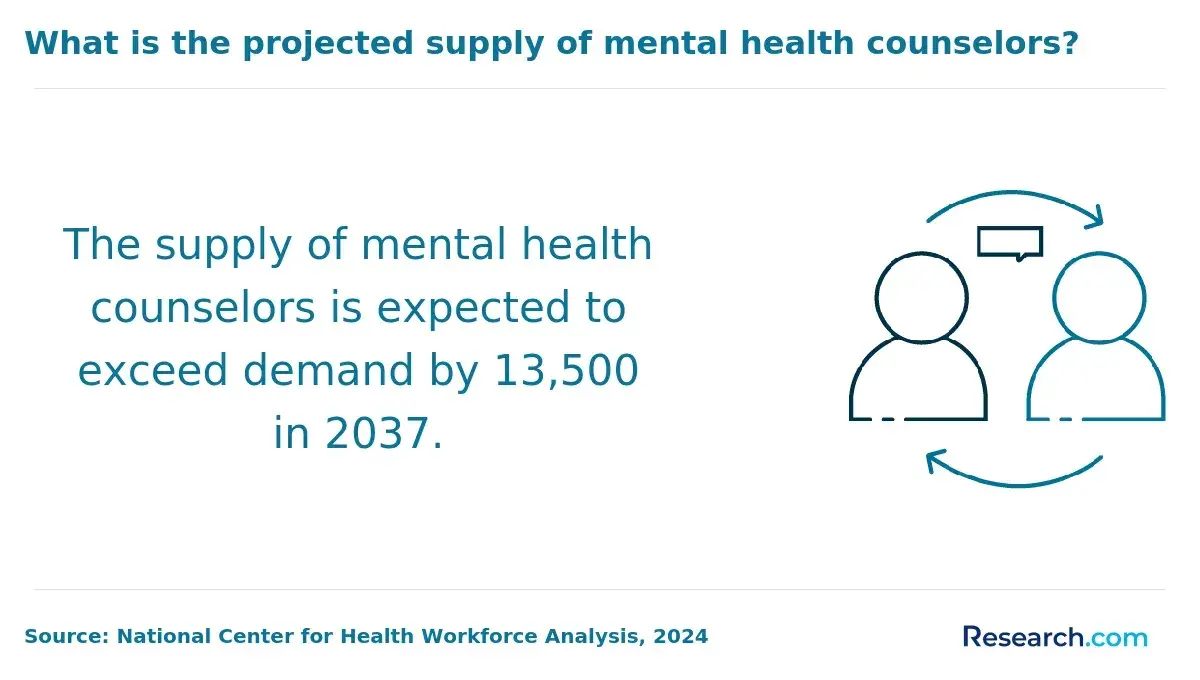
Oregon requires 2,400 total hours of supervised counseling experience for LPC licensure. At least 1,900 hours must be direct client contact. These hours are usually completed after the master’s degree while the candidate is registered as a Professional Counselor Associate, although up to 400 hours may come from supervised clinical work completed during a graduate practicum or internship.
| Supervised experience component | Oregon requirement | Why it matters |
| Total supervised experience | 2,400 hours | This is the full experience requirement before independent LPC licensure. |
| Direct client contact | At least 1,900 hours | These hours involve counseling-related services such as assessment, therapy, treatment planning, and client-facing care. |
| Graduate practicum or internship credit | Up to 400 hours may count if properly supervised and documented | Strong recordkeeping during graduate training can reduce the number of post-degree hours still needed. |
| Professional Counselor Associate registration | Required for post-master’s supervised experience | Hours generally need to be earned while properly registered and supervised under Board rules. |
| Expected experience period | At least 36 months, with completion within five years to maintain eligibility | The supervised phase is not just an hour count; it also has timing and reporting expectations. |
Supervision must come from a Board-approved professional with an appropriate graduate-level clinical license. Candidates should expect regular supervision meetings, case review, feedback on clinical decision-making, and documentation of progress. The most common delays happen when associates fail to track hours carefully, wait too long to submit reports, or assume graduate clinical hours will count without written verification.
An Oregon LPC who completed a local graduate program described the supervised phase as demanding but valuable. She said that finishing the 2,400 hours took nearly the full five-year period allowed by the Board. Managing client appointments, supervision meetings, and six-month reporting deadlines required careful planning. Even so, she emphasized that the supervision process was more than a licensing requirement because it strengthened her clinical judgment, ethical awareness, and confidence with complex client needs.
How to avoid problems with supervised hours
- Start using a detailed tracking system as soon as you register as a Professional Counselor Associate.
- Separate direct client contact from other professional activities in your logs.
- Confirm that your supervisor is Board-approved before counting hours.
- Keep copies of supervision agreements, evaluations, and submitted reports.
- Do not wait until the end of the supervised period to resolve missing signatures or unclear documentation.
What exams are required for LPC licensure in Oregon?
Oregon LPC applicants must demonstrate both counseling competence and knowledge of state-specific legal and ethical rules. To qualify, applicants must pass one approved national exam and the Oregon Law and Rules Examination.
| Exam | What it evaluates | Who commonly takes it |
| National Counselor Examination (NCE) | A 200-question multiple-choice exam covering broad counseling knowledge, assessment, intervention, ethics, and professional practice. | Counseling graduates seeking a general national counseling exam option. |
| National Clinical Mental Health Counselor Examination (NCMHCE) | A clinical exam using case-based scenarios to assess diagnostic reasoning, treatment planning, and clinical decision-making. | Candidates preparing for clinical mental health counseling roles. |
| Certified Rehabilitation Counselor Examination (CRC) | An exam focused on rehabilitation counseling, vocational assessment, disability-related services, and client support planning. | Counselors whose training or work focuses on rehabilitation counseling. |
| Oregon Law and Rules Examination | A state-specific exam on Oregon statutes, professional rules, ethical expectations, and regulatory responsibilities. | All Oregon LPC applicants. |
In short, Oregon requires one national competency exam, such as the NCE, NCMHCE, or CRC, plus the Oregon Law and Rules Examination. Candidates should choose the national exam that best matches their training, career goals, and program preparation. For a broader explanation of counseling and therapy career routes, see Research.com’s guide to how to become a therapist.
Exam preparation tips for Oregon LPC candidates
- Review exam eligibility rules early so you know when you are allowed to register.
- Match your study plan to the exam format; multiple-choice review is different from case-based clinical reasoning practice.
- Do not postpone the Oregon Law and Rules Examination until the last minute, because state-specific rules affect daily practice.
- Keep score reports and exam documentation where you can access them during the application process.
How do you apply for LPC licensure in Oregon?
The Oregon LPC application process is documentation-heavy because the Board must verify education, supervised experience, examination results, identity, and professional fitness. A smooth application usually depends on preparation that begins long before the final form is submitted.
- Complete a qualifying graduate degree. Earn a master’s or doctoral degree in counseling or a related field from a regionally accredited institution. CACREP or Council on Rehabilitation Education accreditation can make the review more straightforward, but applicants still need official transcripts that show required content.
- Register as a Professional Counselor Associate. After graduation, register with the Oregon Board of Licensed Professional Counselors and Therapists before beginning post-degree supervised experience. This registration is valid for five years and is required for tracking post-master’s hours.
- Finish supervised clinical experience. Complete the required 2,400 supervised hours, including at least 1,900 direct client contact hours. Oregon commonly expects this phase to take about three years, though the pace depends on employment setting, client volume, and supervision availability.
- Pass the required exams. Submit passing results from one accepted national counseling exam, such as the NCE, NCMHCE, or CRC, and complete the Oregon Law and Rules Examination.
- Submit the licensure application. Provide official transcripts, supervised experience verification, exam results, background check materials, fingerprinting, and the required non-refundable fee through the application process.
- Respond to Board requests. The Board reviews the application within a one-year window. If materials are missing or unclear, applicants may need to submit additional documentation before approval.
- Receive LPC approval. Once approved, you may practice independently as a Licensed Professional Counselor in Oregon.
Common application mistakes and better choices
| Mistake | Why it causes problems | Better approach |
| Choosing a program without checking Oregon LPC alignment | A degree may be accredited but still lack specific courses required for Oregon licensure. | Ask the program for written confirmation that its curriculum supports Oregon LPC eligibility. |
| Tracking only total hours | Oregon distinguishes direct client contact from other supervised activities. | Maintain separate logs for direct client contact, supervision, and total experience. |
| Assuming all online programs meet clinical placement rules | Online coursework may be acceptable, but practicum and internship arrangements must still satisfy Oregon expectations. | Confirm field placement support before enrolling. |
| Waiting to verify supervisor approval | Hours supervised by an ineligible supervisor may not count. | Confirm Board-approved supervisor status before the experience begins. |
| Submitting incomplete records | Missing transcripts, exam reports, or supervision documents can delay review. | Create a licensure file and update it each semester and supervision period. |
How long does it take to be a Licensed Professional Counselor in Oregon?
The Oregon LPC timeline commonly takes seven to nine years from the start of undergraduate study to full licensure. The exact length depends on whether you study full time, how quickly you complete graduate clinical requirements, how many supervised hours you can earn each week, and whether your application materials are complete.
| Stage | Typical time involved | Decision point |
| Bachelor’s degree | Usually four years of full-time study | Your undergraduate major does not have to be counseling or psychology, but related coursework can help prepare you for graduate admissions. |
| Master’s degree in counseling | About two to three years full time | Choose a program that meets Oregon’s academic and practicum or internship expectations. |
| Supervised clinical experience | Often about three years; full-time associates may sometimes finish in two years | Your timeline depends heavily on client contact volume, supervisor access, and accurate hour tracking. |
| Exams | Usually completed during or after supervised experience | Build exam preparation into your licensure plan instead of treating it as a final afterthought. |
| Licensure application review | Several weeks to months | Complete documentation can reduce avoidable back-and-forth with the Board. |
A licensed professional counselor in Oregon who graduated from a local school described his pathway as taking just over eight years. He found graduate coursework challenging, but said the supervised experience phase required the most persistence because he had to balance client schedules, supervisor availability, work, and family responsibilities. Waiting for exam results and Board approval added stress, but he viewed the process as essential preparation for independent clinical work.
Can you shorten the Oregon LPC timeline?
You cannot skip the degree, exams, or required supervised experience. However, you may reduce delays by choosing an Oregon-aligned graduate program, completing practicum documentation carefully, registering as a Professional Counselor Associate promptly after graduation, selecting a qualified supervisor early, and preparing for exams before your application deadline approaches.
What types of LPC licenses are offered in Oregon?
Oregon uses a staged licensing model so new counselors gain supervised experience before practicing independently. The two main statuses are Professional Counselor Associate and Licensed Professional Counselor.
| Credential or status | Who it is for | Practice authority |
| Professional Counselor Associate | Graduates who have completed a qualifying master’s or doctoral degree but have not yet completed the required supervised experience. | Associates provide counseling under Board-approved supervision while completing 1,900 hours of supervised client contact over three to five years. |
| Licensed Professional Counselor | Candidates who have met education, exam, supervised experience, and application requirements. | LPCs may practice independently and may qualify to supervise others, depending on Board rules and professional qualifications. |
This structure protects clients while helping new clinicians build competence under supervision. Some counselors later pursue doctoral education to move into teaching, advanced clinical leadership, research, or specialized practice. If advanced study is part of your long-term plan, compare options carefully, including Research.com’s resource on an affordable online PhD in Counseling.
What are the continuing education and renewal requirements for LPCs in Oregon?
Oregon LPC licensure does not end after initial approval. Licensed Professional Counselors must complete continuing education during each renewal cycle and keep documentation in case the Board requests proof. Continuing education helps counselors stay current with ethical rules, legal changes, clinical methods, supervision practices, telehealth expectations, and emerging mental health concerns.
Because renewal rules can change, LPCs should verify current continuing education categories, renewal deadlines, jurisprudence or ethics requirements, and documentation standards directly with the Oregon Board. This is especially important for counselors who supervise associates, practice across state lines through telehealth, or hold multiple licenses. For broader Oregon career planning, Research.com also explains how to become a mental health counselor in Oregon.
Renewal habits that reduce risk
- Track continuing education as you complete it rather than waiting until renewal season.
- Save certificates, course descriptions, provider information, and completion dates.
- Prioritize ethics, law, cultural responsiveness, clinical documentation, and telehealth training when relevant to your work.
- Check Board notices before renewal to avoid relying on outdated third-party summaries.
What is the fastest way to become a counselor in Oregon?
The fastest legitimate route is not a shortcut around Oregon requirements. It is an efficient sequence: choose a qualifying graduate program, complete required practicum and internship hours on time, register promptly as a Professional Counselor Associate, secure a Board-approved supervisor, work in a setting that provides consistent direct client contact, and prepare early for the national exam and Oregon Law and Rules Examination.
Students who want to move efficiently should compare program length, clinical placement support, exam preparation, transfer credit policies, and whether the curriculum clearly satisfies Oregon LPC coursework expectations. For a step-by-step accelerated planning guide, review Research.com’s article on the fastest way to become a counselor in Oregon.
Fastest practical sequence
- Choose an Oregon-aligned master’s program before enrolling.
- Complete practicum and internship documentation carefully so eligible hours can be reviewed.
- Register as a Professional Counselor Associate immediately after meeting eligibility requirements.
- Work in a setting with enough client contact to build hours steadily.
- Meet with your supervisor consistently and submit reports on time.
- Prepare for the national exam and Oregon Law and Rules Examination before the final application stage.
Does Oregon have LPC reciprocity with other states?
Oregon does not offer automatic LPC reciprocity. Instead, counselors licensed in another state may apply through a licensure-by-endorsement process. The Board reviews whether the applicant’s education, supervised experience, examination history, and license standing are comparable to Oregon’s requirements.
Applicants must verify that their out-of-state license is active and not provisional, probationary, or subject to discipline. Counselors with at least three years of active licensure in another jurisdiction may sometimes use that licensure period toward Oregon’s education or experience requirements. However, the Board may still require additional coursework, documentation, or supervised experience if the original licensing standards do not match Oregon’s expectations.
What out-of-state LPCs should prepare
- Official license verification from every relevant jurisdiction.
- Graduate transcripts and course descriptions if requested.
- Documentation of supervised clinical hours.
- National exam score reports, if applicable.
- Professional history explaining any disciplinary or practice issues.
- Time for Board review, especially if your original state had different LPC standards.
What is the demand for LPCs in Oregon?
Oregon’s need for licensed counselors is shaped by mental health access challenges, population needs, telehealth adoption, integrated behavioral health, and demand in both urban and rural communities. Employers that commonly hire LPCs include community mental health agencies, hospitals, schools, private practices, integrated clinics, and telehealth platforms.
Demand is especially visible in settings that need trauma-informed care, culturally responsive counseling, crisis support, and services for underserved populations. Integrated clinics such as Waterfall Community Health Center illustrate how behavioral health services are increasingly connected with broader healthcare access. Over 500 LPC-related positions were available in Oregon as of mid-2025, with notable growth projected in rural and remote areas because local services can be limited.
Students comparing counseling and social work careers should evaluate the differences in scope, training, and licensure. Research.com’s guide to LCSW vs. LPC degree programs can help clarify which credential better fits your long-term goals.
Current trends affecting Oregon LPC careers
- Telehealth is expanding access: Remote counseling can help reach clients in rural and underserved areas, but clinicians must follow licensure, privacy, documentation, and jurisdiction rules.
- Integrated care is growing: More healthcare settings include behavioral health services alongside primary care, creating opportunities for counselors who can collaborate across disciplines.
- Employers value specialization: Trauma, substance use, youth mental health, crisis intervention, and culturally responsive care can strengthen a counselor’s employability.
- Technology is changing workflows: Digital records, online scheduling, and AI-supported documentation tools may reduce administrative burden, but LPCs remain responsible for ethical judgment, confidentiality, and clinical accuracy.
How does LPC licensure affect career growth in Oregon?
LPC licensure is a major career milestone because it permits independent clinical practice and signals that a counselor has met Oregon’s education, examination, supervision, and ethical standards. For many employers, the LPC is not optional; it is the credential that qualifies applicants for advanced clinical roles, insurance billing, private practice, and supervision responsibilities.
- Broader job eligibility: Licensed counselors can pursue roles in mental health agencies, hospitals, schools, integrated clinics, private practices, and telehealth organizations. Oregon currently has hundreds of LPC job openings, showing continued demand for credentialed professionals.
- Stronger earning potential: The average salary for mental health counselors in Oregon is $66,260, compared with $60,080 nationally. Salaries still vary by location, employer, experience, specialty, caseload, and whether the counselor works in private practice.
- Private practice access: LPC status can support independent practice and the ability to bill insurance, both of which are important for counselors who want autonomy and long-term business flexibility.
- Supervision and leadership options: Licensed counselors may move into roles involving clinical supervision, program management, training, or associate mentorship.
- Specialization opportunities: LPCs can pursue additional credentials or focused training in areas such as trauma, substance use, child and adolescent counseling, crisis response, or couples and family work.
Licensure is not a guarantee of a specific job or salary, but it does remove major barriers to advancement. If you are still deciding how to use a counseling education, Research.com’s guide to what you can do with a counseling degree outlines common career directions.
Is Oregon LPC licensure worth it?
| Potential advantage | Trade-off to consider |
| Independent clinical practice and private practice eligibility | The path requires graduate school, exams, supervised hours, fees, and long-term renewal responsibilities. |
| Access to more clinical counseling roles | Employers may still prefer specific experience, populations served, or specialty training. |
| Ability to build a long-term counseling career in Oregon | Supervised hours can take years and require careful documentation. |
| Opportunities in telehealth, schools, community agencies, hospitals, and integrated care | Practice settings differ widely in caseload, compensation, supervision quality, and administrative burden. |
What do LPCs in Oregon say about their career?
- My LPC pathway through the University of Portland helped me move into meaningful counseling work in an academic setting. Supporting students has strengthened my commitment to emotional resilience and youth mental health. I value Oregon’s community-centered approach to care, and this career has given me both stability and room to grow professionally while helping young people through difficult periods. - Jesse
- My counselor education at Portland State University gave me clinical skills and a deeper understanding of Oregon’s cultural and community context. Beginning as an LPC in a school setting has required flexibility, especially when working with students from varied backgrounds and facing stressors specific to the Pacific Northwest. The work is challenging, but it gives me a strong sense of purpose and a stable foundation for continued development. -Peyton
- Oregon State University prepared me with practical counseling tools and reinforced my interest in community impact. As an LPC, I have seen how Oregon’s environment and mental health priorities shape the counseling experience. I have found strong opportunities for advancement in academic settings, especially where student success and holistic wellness are priorities. Mentoring others and expanding my expertise continue to make the work rewarding. - Aries
Key Insights
- Oregon LPC licensure is a multi-year process: Most candidates complete a bachelor’s degree, a two- to three-year master’s program, supervised post-master’s experience, exams, and Board review.
- The degree choice matters early: A counseling master’s program aligned with Oregon requirements can prevent transcript deficiencies and licensure delays.
- Supervised hours are the biggest planning challenge: Oregon requires 2,400 supervised hours, including at least 1,900 direct client contact hours, usually while registered as a Professional Counselor Associate.
- Exam requirements include both national and state knowledge: Applicants must pass one approved national exam, such as the NCE, NCMHCE, or CRC, plus the Oregon Law and Rules Examination.
- Licensure can expand career options: LPC status supports independent practice, insurance billing, supervision opportunities, and access to a wider range of clinical roles.
- Do not rely on assumptions: Always verify accreditation, coursework, clinical placement support, supervisor approval, reciprocity eligibility, and renewal rules with the Oregon Board before making major education or career decisions.
Related Articles for Nearby States
- 2027 LPC Counseling Licensure Requirements in Washington
- 2027 LPC Counseling Licensure Requirements in California
- 2027 LPC Counseling Licensure Requirements in Idaho
- 2027 LPC Counseling Licensure Requirements in Nevada
- 2027 LPC Counseling Licensure Requirements in Montana
- 2027 LPC Counseling Licensure Requirements in Utah
- 2027 LPC Counseling Licensure Requirements in Wyoming
- 2027 LPC Counseling Licensure Requirements in Arizona
- 2027 LPC Counseling Licensure Requirements in Colorado
- 2027 LPC Counseling Licensure Requirements in New Mexico
References:
- Board of Licensed Professional Counselors and Therapists: Practice: State of Oregon https://www.oregon.gov/oblpct/pages/practice.aspx
- How to Become a Licensed Counselor (LPC) in Oregon for 2025 | Research.com https://research.com/careers/how-to-become-a-licensed-counselor-lpc-in-oregon
- Psychologists are seeking to modernize the profession https://www.apa.org/monitor/2025/01/trends-masters-level-professionals
- Oregon Counselor and Therapist Licensure Renewal Dates and CE Requirements https://agentsofchangeprep.com/blog/oregon-counselor-and-therapist-licensure-renewal-dates-and-ce-requirements/
- Psychology & Social Work Licensing in Oregon | All Psychology Schools https://dev.allpsychologyschools.com/licensing/oregon/
- Requirements To Become A Licensed Counselor In Oregon https://www.psychology.org/counseling/licensure/oregon/
- Oregon Secretary of State Administrative Rules https://secure.sos.state.or.us/oard/viewSingleRule.action
- Or. Admin. Code § 833-030-0021 - Experience Requirements for Licensure as a Professional Counselor | State Regulations | US Law | LII / Legal Information Institute https://www.law.cornell.edu/regulations/oregon/Or-Admin-Code-SS-833-030-0021
- How to Become a Counselor (LPC) in Oregon | George Fox Univ. https://www.georgefox.edu/counseling-programs/licensure/lpc.html
- OAR 833-020-0051 – Reciprocity Method https://oregon.public.law/rules/oar_833-020-0051
Other Things to Know About LPC Licensure Requirements in Oregon
To obtain LPC licensure in Oregon in 2027, candidates must complete 2,400 hours of supervised clinical experience. This must include at least 100 hours of direct supervision by an approved LPC supervisor, as mandated by the Oregon Board of Licensed Professional Counselors and Therapists.
The Oregon Board of Licensed Professional Counselors and Therapists approves LPC licenses. Applicants must meet the board’s education, supervised experience, and exam requirements, then submit an application with official transcripts, supervision forms, and any required fees for review and approval.
In 2027, to become an LPC in Oregon, you must complete a master's degree in counseling or a related field. Additionally, you must pass the National Counselor Examination (NCE) and fulfill the supervised clinical experience requirements. Verification of two years of post-degree supervised experience under an approved supervisor is also necessary.


