
2027 Fastest Online Counselor Education Degree Programs

Co-Founder and Chief Data Scientist
Choosing an accelerated online counselor education degree is a high-stakes decision: the right program can move you toward licensure faster, while the wrong one can create delays, extra costs, or licensure problems in your state. The need for trained mental health professionals is substantial, with 57.8 million adults in the U.S. experiencing mental illness in 2024. For many future counselors, that need turns career interest into a practical question: which online program is fast, legitimate, affordable, and aligned with licensure?
This guide is for career changers, working professionals, recent graduates, educators, and helping-profession workers who want a faster route into counseling without sacrificing accreditation or clinical preparation. You will learn how accelerated online counseling programs work, what they cost, how they compare with campus programs, which accreditation standards matter, what careers they can lead to, and how to avoid costly mistakes before enrolling.
Quick Answer: Is a Fast Online Counselor Education Degree Worth It?
A fast online counselor education degree can be worth it if the program is properly accredited, meets your state’s licensure requirements, includes supervised practicum and internship experiences, and fits your budget. The strongest options are not simply the shortest programs; they are the programs that help you qualify for the counseling role you actually want, such as Clinical Mental Health Counselor, School Counselor, or a related licensed position.
| Decision Point | What to Look For | Why It Matters |
| Accreditation | Institutional accreditation and counseling-specific accreditation such as CACREP | Licensure boards and employers often look closely at program quality and curriculum standards. |
| Licensure fit | Curriculum and clinical hours that match your state’s requirements | A fast degree is not helpful if it does not qualify you for the license you need. |
| Program speed | Completion timelines such as 12 to 24 months | Accelerated formats can shorten your academic timeline, but they may require heavier course loads. |
| Total cost | Tuition, fees, residency expenses, books, technology, and clinical placement costs | The lowest tuition rate is not always the lowest total cost. |
| Career outcome | Preparation for licensed counseling, school counseling, addiction counseling, or another specialization | Your concentration should match the setting and population you want to serve. |
What are the main benefits of a fast online counselor education degree program?
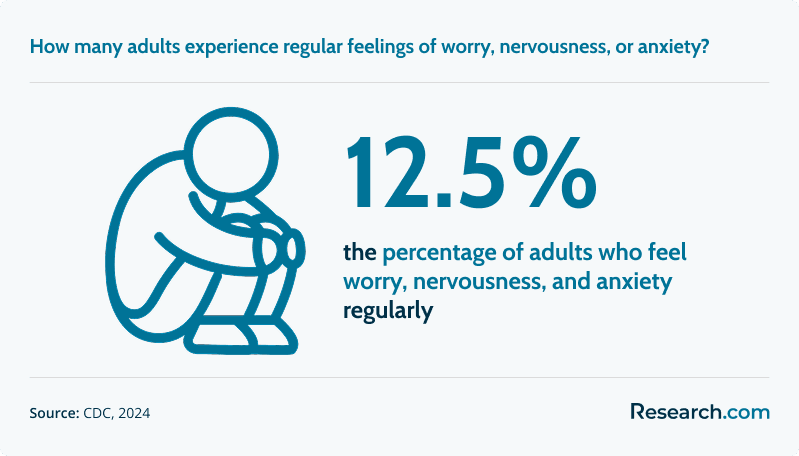
- It can prepare you for licensed counseling roles. Depending on the program and your state’s rules, the degree may support paths such as Clinical Mental Health Counselor or School Counselor, both of which address real community needs, including the 12.5% of adults who regularly experience anxiety.
- It can lead to a stable helping career. The median salary for substance abuse, behavioral disorder, and mental health counselors was $59,190 per year, giving graduates a clearer way to evaluate return on investment.
- It works better for many adults than relocating for campus study. Online coursework can make graduate study more realistic for students who are employed, parenting, caregiving, or tied to a specific location.
- It emphasizes applied preparation. Strong accelerated programs combine intensive coursework with supervised clinical training, so students practice counseling skills before entering independent professional roles.
What can I expect from a fast online counselor education degree program?
A fast online counselor education program is usually a graduate-level program designed to help students meet the academic foundation for counseling practice in less time than a traditional schedule. Expect demanding reading, writing, clinical skill development, faculty supervision, recorded or live class meetings, and a structured sequence of courses in counseling theory, ethics, human development, assessment, diagnosis, and multicultural practice.
The online format does not remove the hands-on component. Counseling is a supervised clinical profession, so students complete practicum and internship experiences in approved settings. These placements allow students to work with real clients or students under supervision, apply counseling techniques, document sessions, receive feedback, and develop professional judgment.
The main goal is not just earning a diploma. The goal is to satisfy the educational requirements that move you toward state licensure as a professional counselor (LPC), licensed mental health counselor (LMHC), school counselor, or another approved credential depending on your state and specialization. The U.S. Bureau of Labor Statistics projects employment in the field to grow by 19% until 2033, which is much faster than the average growth rate for all occupations.
Where can I work with a fast online counselor education degree program?
After completing the degree, meeting supervised experience rules, and earning the required license or credential, graduates may work in many environments that need counseling expertise. Common employers include community mental health agencies, outpatient care centers, hospitals, school districts, college counseling offices, residential treatment programs, and nonprofit organizations.
Your work setting depends heavily on your specialization. School counseling graduates typically serve P-12 students and collaborate with teachers, families, and administrators. Clinical mental health counseling graduates may work with adults, children, families, groups, or specific populations in outpatient or agency settings. Addiction counseling, trauma counseling, and family-focused tracks can lead to more specialized practice environments. Some licensed counselors eventually open a private practice, while others support workplace mental health through Employee Assistance Programs.
How much can I make with a fast online counselor education degree program?
According to the U.S. Bureau of Labor Statistics, the median annual salary for substance abuse, behavioral disorder, and mental health counselors was $59,190 as of 2024. This figure is a midpoint, not a promise of earnings for every graduate.
Your actual income may differ based on state, metropolitan area, license level, employer type, years of experience, specialization, and whether you work in an agency, school, hospital, nonprofit, government setting, or private practice. Students comparing program cost should calculate affordability using total debt, expected time to licensure, local wages, and whether they plan to pursue public service or private-sector work.
- Fastest Online Counselor Education Degree Programs for 2027
- How long does it take to complete a fast online counselor education degree program?
- How does a fast online counselor education degree program compare to an on-site program?
- What is the average cost of a fast online counselor education degree program?
- What are the financial aid options for students enrolling in a fast online counselor education degree program?
- What are the prerequisites for enrolling in a fast online counselor education degree program?
- What courses are typically in a fast online counselor education degree program?
- What types of specializations are available in the fastest online counselor education degree program?
- What accreditation standards should I look for in a fast online counselor education degree program?
- Can you become a counselor without a master's degree?
- How do fast online counselor education programs bolster long-term career success?
- How do fast online counselor education degree programs prepare you for licensure exams?
- How to choose the best fast online counselor education degree program?
- What career paths are available for graduates of a fast online counselor education degree program?
- What is the job market for graduates with a fast online counselor education degree program?
Fastest Online Counselor Education Degree Programs for 2027
The programs below are designed for students who want a shorter path to a counseling-related graduate credential. Use this list as a starting point, not a final enrollment decision. Before applying, confirm the program’s current tuition, clinical placement rules, state authorization, and whether the curriculum meets licensure requirements where you plan to practice. Students comparing clinical counseling options may also want to review the fastest online master's programs in clinical mental health counseling.
How do we rank schools?
Research.com evaluates programs using research and data from established education sources, including the Integrated Postsecondary Education Data System (IPEDS) database, Peterson's database and its Distance Learning Licensed Data Set, the College Scorecard database, and the National Center for Education Statistics (NCES).
For more detail on ranking factors, data handling, and evaluation criteria, see our methodology section.
| Rank | School and Program | Length | Credits or Courses | Cost | Accreditation |
| 1 | Spalding University Master of Arts in School Counseling | 12 months | 42 credits | $440 per credit | Council for Accreditation of Counseling and Related Educational Programs (CACREP) |
| 2 | Campbellsville University Master of Arts in Education, School Counseling specialization | 18 months | 48 credits | $319 per credit | Council for Accreditation of Counseling and Related Educational Programs (CACREP) |
| 3 | Northwestern University Master of Arts in Counseling | 18-21 months | 24 courses | $22,304 per quarter | Council for Accreditation of Counseling and Related Educational Programs (CACREP) |
| 4 | Walden University Master of Science in Clinical Mental Health Counseling | 18 months | 90 quarter credits | $535 per quarter hour | Council for Accreditation of Counseling and Related Educational Programs (CACREP) |
| 5 | National University Master of Science in Clinical Mental Health Counseling | 18 months | 60 credits | Estimated annual tuition of $22,045 | Council for Accreditation of Counseling and Related Educational Programs (CACREP) |
| 6 | NYU Steinhardt Master of Arts in Counseling for Mental Health and Wellness | 21 months | 60 credits | $2,272 per credit | Council for Accreditation of Counseling and Related Educational Programs (CACREP) |
| 7 | University of Denver Master of Arts in School Counseling | 22-24 months | 72 credits | $13,744 per quarter | Council for Accreditation of Counseling and Related Educational Programs (CACREP) |
Program notes to compare before applying
- Spalding University: The Master of Arts in School Counseling is built for students who want to support P-12 learners through academic, social, and emotional counseling services.
- Campbellsville University: The School Counseling (P-12) specialization is a fit for applicants who want an education-focused counseling path tied to student development and career planning.
- Northwestern University: The Master of Arts in Counseling includes Child and Adolescent and Standard tracks for students seeking clinical preparation with multiple population options.
- Walden University: The MS in Clinical Mental Health Counseling includes General Program, Addiction Counseling, Forensic Counseling, Military Families and Culture, and Trauma and Crisis Counseling specializations.
- National University: The MS in Clinical Mental Health Counseling focuses on counseling theory, skill development, legal standards, and ethical practice for future mental health professionals.
- NYU Steinhardt: The Counseling for Mental Health and Wellness program emphasizes mental health practice, wellness, prevention, and social justice.
- University of Denver: The Morgridge College of Education school counseling program prepares students for advocacy, leadership, and data-informed work in K-12 settings.
How long does it take to complete a fast online counselor education degree program?
Fast online counselor education programs in this guide can be completed in 12 to 24 months. That is shorter than many traditional master’s pathways, but the compressed schedule usually means more concentrated coursework, fewer long breaks, and a stronger need for time management.
The total time to completion depends on credits, course pacing, required residencies, practicum and internship scheduling, transfer policies, prerequisite courses, and whether you study full time or part time. In the programs listed here, graduation requirements range from 42 to 90 credits, while one program uses 24 courses as its requirement.
Specialization can also affect pacing. Some concentrations fit inside the standard curriculum, while others may add clinical expectations or elective sequences. If you already know you want a specialized counseling path, such as learning how to become a rehabilitation counselor, review each course map and ask whether specialization requirements change your graduation date.
| Timeline Factor | How It Can Speed You Up | How It Can Slow You Down |
| Full-time enrollment | Allows faster progression through required courses | Can be difficult while working or managing family responsibilities |
| Prerequisites | May be completed before admission in some cases | Can add time if your undergraduate background is unrelated |
| Clinical placement | Strong placement support can reduce delays | Limited local sites may postpone practicum or internship start dates |
| State requirements | A well-matched curriculum can keep you on track | Additional coursework may be needed if the program does not match your state |
| Specialization | Can clarify career direction early | May add electives or specific clinical experiences |
How does a fast online counselor education degree program compare to an on-site program?
An accredited online counseling program should meet the same academic and clinical expectations as a comparable campus program. The difference is delivery, not professional seriousness. You still study counseling methods, ethics, diagnosis, group work, multicultural practice, and human development, and you still complete supervised clinical training.
The online format is often best for adults who cannot relocate or attend daytime campus classes. However, it is not automatically easier. Students need reliable technology, disciplined scheduling, comfort with virtual discussion, and enough weekly availability for reading, assignments, live sessions, and clinical work. Learners comparing accelerated formats across fields may notice a similar flexibility-first model in programs such as accelerated CompTIA Network+ online training, although counseling requires supervised human-service experience that technical bootcamps do not.
| Category | Online Counselor Education Program | On-Site Counselor Education Program |
| Course delivery | Uses virtual classrooms, video meetings, learning platforms, online discussions, and remote advising | Uses in-person classes, campus facilities, and face-to-face meetings |
| Clinical training | Usually completed at approved sites in or near the student’s community | Often completed through local school, agency, hospital, or campus-connected partners |
| Flexibility | Better for students balancing work, caregiving, or geographic constraints | Better for students who prefer structured campus schedules and in-person learning |
| Networking | Relies on virtual cohorts, faculty meetings, online groups, and local site supervisors | Offers more spontaneous peer and faculty interaction on campus |
| Best fit | Self-directed students who can manage deadlines and clinical logistics | Students who learn best through in-person discussion and campus support |
The key question is whether the program prepares you for the license and role you want. Counseling is also different from psychology, psychiatry, coaching, and social work. If you are comparing clinical professions, review this guide to the difference between a clinical mental health counselor vs clinical psychologist before choosing a degree path.
What is the average cost of a fast online counselor education degree program?
Costs vary widely. Among the programs featured in this guide, tuition ranges from approximately $319 to over $2,200 per credit. Depending on credit requirements and fee structures, total tuition can fall anywhere between roughly $20,000 to well over $100,000 for the full program.
Do not compare programs by tuition rate alone. A per-credit program, a per-quarter program, and a flat cohort model can look very different once you include required credits, fees, travel for residencies, textbooks, background checks, liability insurance, technology costs, and any unpaid time needed for clinical placement. This same total-cost approach is useful when comparing other accelerated graduate options, including the fastest online master's in legal studies program.
Institution type can also influence price. Public universities often charge less than private institutions, and 56.4% of all CACREP-accredited counseling programs are housed in public institutions, compared to 41.8% in private non-profit institutions. That means students seeking a lower-cost accredited route should not assume quality requires the highest tuition.
| Cost Item | Questions to Ask |
| Tuition | Is tuition charged per credit, per quarter, per term, or by cohort? |
| Required fees | Are there technology, distance learning, clinical, graduation, or student service fees? |
| Residency costs | Does the program require campus visits, travel, lodging, or time away from work? |
| Clinical expenses | Will I need background checks, fingerprinting, liability insurance, health records, or site-related fees? |
| Licensure costs | What are the expected costs for exams, applications, supervision, and continuing education after graduation? |
| Lost income | Will practicum or internship reduce my work hours? |
Return on investment should be evaluated realistically. The median annual salary of $59,190 for mental health counselors gives a helpful benchmark, but your financial outcome depends on your state, debt level, employment setting, license progress, and whether you qualify for loan repayment or forgiveness programs.
What are the financial aid options for students enrolling in a fast online counselor education degree program?
Students in accredited online counseling programs may be eligible for many of the same funding options as campus students. The most important first step is to confirm that the school and program qualify for the aid you plan to use. Students comparing different education paths, including options such as the fastest online ESL graduate certificate programs, should apply the same rule: verify eligibility before counting on aid.
- FAFSA: Completing the Free Application for Federal Student Aid is the standard starting point for federal aid consideration, including federal student loan options such as Direct Unsubsidized Loans.
- School scholarships: Universities may offer graduate scholarships based on need, merit, service, identity, academic strength, or professional goals.
- External scholarships: Counseling associations, mental health organizations, foundations, and local service groups may offer awards for graduate students entering helping professions.
- Employer tuition assistance: Some employers help pay for graduate education when the degree strengthens the employee’s current or future role.
- Payment plans: Some schools allow students to divide tuition into installments, which may reduce the need for private borrowing.
- Loan forgiveness and repayment programs: After graduation, licensed counselors working in qualifying public service or high-need settings may explore programs such as Public Service Loan Forgiveness (PSLF) or the National Health Service Corps (NHSC) Loan Repayment Program.
Before borrowing, ask the financial aid office for a full cost-of-attendance estimate and confirm whether your intended licensure path may require additional expenses after graduation. A lower monthly payment is helpful, but the better goal is a manageable total debt level relative to your likely counseling salary.
What are the prerequisites for enrolling in a fast online counselor education degree program?
The standard academic prerequisite for a master’s-level counseling program is a bachelor’s degree from an accredited college or university. A psychology major can be helpful, but it is not always required. Many programs consider applicants from education, social services, business, humanities, health care, ministry, criminal justice, communications, and other backgrounds.
Applicants without a counseling or psychology background may need to complete prerequisite coursework before or shortly after admission. Common bridge courses may include Introduction to Psychology, Developmental Psychology, Abnormal Psychology, or Research Methods. These courses help students build the vocabulary and theoretical foundation needed for graduate counseling study.
Admissions committees may also review GPA, personal statements, recommendations, interviews, human-service experience, writing ability, and evidence of emotional maturity. Because counseling requires ethical judgment and interpersonal awareness, programs often look beyond transcripts alone.
If you are changing careers, use the prerequisite period to test your fit. Volunteer, interview counselors, shadow if possible, and compare related helping fields. Some students begin by exploring adjacent education and human-development programs, such as the fastest early childhood development degree online, while others research specific helping roles through resources like a spiritual counselor career guide.
What courses are typically in a fast online counselor education degree program?
Accredited counseling programs share a similar professional foundation even when course names vary. Unlike general education programs or language-focused pathways such as the fastest online ESL degree programs, counselor education must prepare students for ethical, supervised work with clients or students who may be facing serious emotional, behavioral, academic, or relational concerns.
| Course Area | What You Learn | Why It Matters in Practice |
| Counseling theories | Major approaches such as cognitive-behavioral, psychodynamic, humanistic, family systems, and related frameworks | Helps you choose interventions based on client needs rather than personal preference alone |
| Ethics and law | Confidentiality, informed consent, mandated reporting, professional boundaries, and state rules | Protects clients and helps you practice within legal and professional standards |
| Human growth and development | Physical, cognitive, social, and emotional development across the lifespan | Provides context for client concerns at different ages and life stages |
| Multicultural counseling | Cultural humility, identity, bias, oppression, social justice, and culturally responsive practice | Improves effectiveness with clients from diverse backgrounds and communities |
| Group counseling | Group process, leadership skills, screening, conflict, cohesion, and therapeutic group design | Prepares you for a common service model in schools, agencies, hospitals, and treatment settings |
| Assessment and diagnosis | Diagnostic frameworks, screening tools, treatment planning, and documentation | Supports accurate care planning and communication with supervisors, teams, and payers |
| Practicum and internship | Supervised counseling experience in approved field settings | Connects academic knowledge with client-facing professional skill |
What types of specializations are available in the fastest online counselor education degree program?
Specialization determines the populations, settings, and problems you are best prepared to serve. Some students choose a broad clinical mental health counseling route for flexibility. Others choose school counseling, addiction counseling, trauma counseling, or family-focused practice because they already know the work environment they want.
Specialization can be as important in counseling as it is in other career-advancement pathways, such as the fastest dental assistant to dental hygienist bridge program online, where the right track can change the next professional step.
| Specialization | Best For Students Who Want To | Typical Settings |
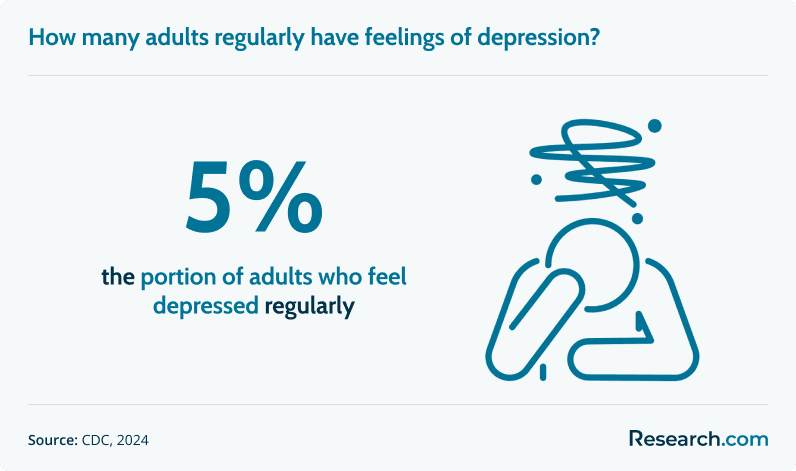
| Clinical Mental Health Counseling | Work with clients experiencing concerns such as anxiety, depression, adjustment issues, and other mental health needs; 5% of adults regularly feel depressed | Community agencies, outpatient clinics, hospitals, private practice, nonprofit programs |
| School Counseling | Support P-12 students’ academic, social, career, and emotional development; nearly 1 in 5 U.S. children has a mental health disorder | Elementary, middle, and high schools |
| Marriage, Couple, and Family Therapy | Address relationship patterns, family systems, conflict, and interpersonal functioning | Family clinics, private practice, community agencies |
| Addiction Counseling | Help individuals and families affected by substance use disorders or behavioral addictions | Recovery centers, outpatient treatment, residential programs, community health organizations |
| Trauma and Crisis Counseling | Support clients affected by trauma, acute crisis, grief, violence, or destabilizing life events | Crisis services, clinics, hospitals, domestic violence agencies, disaster response settings |
| Career Counseling | Help clients with career decisions, transitions, job stress, and vocational development | Colleges, workforce centers, private practice, employee support programs |
Be careful not to confuse counseling specialization with coaching. Coaching can support goal-setting and personal development, but licensed counseling involves clinical training, ethical requirements, supervision, and the ability to assess and treat mental health concerns within a defined scope of practice. If you are considering coaching instead, compare the training route in this guide on how to become a transformational coach.
What accreditation standards should I look for in a fast online counselor education degree program?
Accreditation should be one of your first filters. Start with institutional accreditation, which affects general academic legitimacy and financial aid eligibility. Then review counseling-specific accreditation, especially CACREP, because it signals that the program has been evaluated against recognized counselor education standards.
Accreditation can influence licensure review, employer confidence, transferability of coursework, and access to financial aid. It does not remove the need to check your state’s requirements, but it gives you a stronger baseline. If cost is a major concern, compare accredited lower-cost options through resources such as the cheapest CACREP accredited counseling programs online.
Questions to ask about accreditation and licensure
- Is the university institutionally accredited?
- Is the counseling program accredited by CACREP or another recognized counseling-related accreditor?
- Does the program meet the educational requirements for the state where I plan to practice?
- Does the school provide state-by-state licensure disclosures?
- Are practicum and internship requirements accepted by my state board?
- If I move after graduation, how portable is this degree for licensure in another state?
Can you become a counselor without a master's degree?
For most independently licensed counseling roles, a master’s degree is generally required. Bachelor’s-level or certificate-level roles may exist in areas such as case management, peer support, behavioral health assistance, human services, or substance use support, but these roles usually do not allow the full scope of independent clinical counseling practice.
If your goal is to diagnose, treat, and provide psychotherapy as a licensed professional counselor or mental health counselor, verify your state’s graduate education and supervised experience rules before choosing an alternative route. For a deeper comparison of limited-entry options and licensure realities, read Can you become a counselor without a master's degree?.
How do fast online counselor education programs bolster long-term career success?
The best accelerated programs do more than compress coursework. They help students build clinical identity, prepare for supervised practice, connect with placement sites, understand licensure steps, and plan for employment. Career services, faculty mentorship, alumni networks, exam preparation, and field placement support can make a major difference, especially for online students who are not located near campus.
Long-term success also depends on continuing education and specialization. Some graduates later add credentials in related behavioral health or education areas. For example, students interested in behavior analysis may compare affordable BCBA accredited programs online to see how that path differs from counseling licensure.
How do fast online counselor education degree programs prepare you for licensure exams?
Licensure exam preparation usually begins long before a formal review course. Strong programs build exam readiness through core counseling coursework, practice-based assignments, case conceptualization, ethics training, diagnosis instruction, and supervised clinical documentation. Some programs also provide review sessions, practice questions, faculty advising, and guidance on application steps.
Exam names, timing, eligibility, and passing requirements vary by state and credential. Ask each program which exams its graduates typically take, how the curriculum maps to those exams, and whether the school publishes pass-rate or licensure outcome information. Students considering more advanced clinical education later may also compare online PsyD programs to understand how doctoral psychology training differs from master’s-level counseling preparation.
How to choose the best fast online counselor education degree program?
The best program is the one that matches your license goal, state requirements, finances, schedule, and preferred counseling population. Speed should come after fit. This is the same decision logic students should use when comparing other accelerated graduate pathways, including the fastest online master's in science education degree programs: a shorter timeline is valuable only if the credential gets you where you intend to go.
- Identify the exact credential you want. Decide whether your goal is clinical mental health counseling, school counseling, addiction counseling, marriage and family work, or another pathway.
- Check your state licensing board first. Confirm degree level, accreditation expectations, required courses, clinical hours, exams, supervised post-graduate experience, and title restrictions.
- Filter by accreditation. Remove programs that do not meet your state or employer expectations.
- Compare total cost, not advertised tuition. Include fees, travel, clinical costs, books, technology, and post-graduation licensure expenses.
- Ask about field placement support. Find out whether the school helps secure sites or expects students to locate placements independently.
- Review course pacing honestly. Make sure you can handle accelerated work while maintaining employment, family responsibilities, and self-care.
- Request licensure disclosures in writing. Do not rely on verbal assurances if you plan to practice in a specific state.
- Talk to current students or alumni. Ask about faculty responsiveness, workload, placement quality, and exam preparation.
Common mistakes to avoid
| Mistake | Why It Can Hurt You | Better Approach |
| Choosing the shortest program without checking licensure fit | You may graduate quickly but still need extra coursework or hours | Compare the curriculum with your state board requirements before applying |
| Looking only at tuition | Fees, residencies, and clinical expenses can change the real cost | Request a full program cost estimate |
| Assuming online means self-paced | Many programs have fixed deadlines, live meetings, and cohort schedules | Ask for a sample weekly schedule |
| Ignoring clinical placement logistics | Placement delays can extend graduation | Ask how sites are approved and who is responsible for finding them |
| Relying only on rankings | A highly ranked program may not fit your state, budget, or schedule | Use rankings as one data point, then verify fit directly |
| Assuming salary outcomes are guaranteed | Pay depends on location, license level, employer, and experience | Research local job postings and state wage patterns |
What career paths are available for graduates of a fast online counselor education degree program?
A counseling degree can lead to more than one type of work. The most direct route is licensed counseling practice, but graduates may also move into school systems, population-specific services, leadership, program administration, employee support, or advanced study. Your path depends on your specialization, license, supervised experience, and professional interests.
Licensed counselor or therapist
Many graduates pursue clinical counseling roles in community agencies, hospitals, outpatient programs, college counseling centers, or private practice. Licensed counselors may provide assessment, treatment planning, individual counseling, group counseling, crisis support, and referral coordination within their scope of practice.
School counselor
School counseling graduates work with P-12 students on academic planning, social-emotional development, college and career readiness, and student support systems. This path usually requires meeting state education or school counseling credential rules in addition to graduate education.
Population-specific counselor
Some counselors build expertise with a particular community or concern, such as veterans, adolescents, college students, survivors of violence, people with substance use disorders, or families in crisis. Students interested in advocacy-centered work may explore how to start a career in domestic violence counseling.
Clinical leadership or program management
Experienced counselors may become clinical supervisors, program managers, intake directors, nonprofit leaders, behavioral health administrators, or directors of counseling services. These roles combine clinical understanding with staff development, compliance, budgeting, and service design.
Workplace mental health and employee support
Counseling skills are useful in Employee Assistance Programs, human resources, wellness initiatives, conflict resolution, organizational training, and workplace culture roles. These positions may not always require the same license, but clinical training can be an asset.
Research, teaching, or doctoral study
Some graduates use the master’s degree as a foundation for doctoral study, research, counselor education, advanced clinical training, or university teaching. Others develop specialized assessment interests and may compare related paths through a psychometrician career guide.
What is the job market for graduates with a fast online counselor education degree program?
The labor market for counseling graduates is supported by rising mental health awareness, increased treatment seeking, and ongoing demand for behavioral health services. The percentage of adults receiving mental health treatment rose from 19.2% in 2019 to 23.9% in 2023, showing that more people are using counseling, therapy, medication management, or related mental health services.
The U.S. Bureau of Labor Statistics projects employment for substance abuse, behavioral disorder, and mental health counselors to grow by 19% between 2023 and 2033. That outlook is favorable, but it should not be interpreted as a guaranteed job for every graduate. Hiring depends on licensure status, local demand, specialization, clinical experience, and willingness to work in high-need settings.
Current trends also affect new counselors. Telehealth has expanded access to care, but it requires attention to privacy, state practice rules, documentation, and platform quality. Employers increasingly value cultural responsiveness, crisis skills, trauma-informed care, interdisciplinary collaboration, and comfort with digital records. AI tools may support documentation or administrative workflows, but they do not replace the ethical judgment, therapeutic relationship, supervision, and human accountability required in counseling.
Here’s What Graduates Have to Say About Their Fast Online Counselor Education Degree Program
-
: "
"I came in with an English literature background and worried that admissions committees would see me as unprepared. The prerequisite courses helped me build the psychology foundation I needed, and the advisor helped me understand how my background in interpretation and narrative could actually support counseling work. Now I use those skills every day when clients are trying to make sense of their experiences." - Zoey
"
-
: "
"The price of graduate school made me pause. What helped was sitting down with financial aid and looking at the full picture, including Public Service Loan Forgiveness. I planned to work in a community clinic, so understanding how public service could connect with loan management made the decision feel more practical." - Landon
"
-
: "
"The internship tested me more than any class did, but it also confirmed that I had chosen the right field. My program helped me find a placement near home, and supervision turned the theories from class into real decisions with real people. That was the moment the degree became a profession." - Nova
"
Key Insights
- Fast does not matter without licensure alignment. Before enrolling, verify that the program meets the requirements for the state where you plan to practice.
- Accreditation is a non-negotiable filter. Institutional accreditation and counseling-specific accreditation such as CACREP can affect licensure review, employer confidence, and aid eligibility.
- Accelerated online counseling programs can take 12 to 24 months. Shorter timelines are possible, but they often require intensive coursework and careful planning around practicum and internship.
- The field has strong demand indicators. Employment for substance abuse, behavioral disorder, and mental health counselors is projected to grow by 19% between 2023 and 2033.
- Salary should be evaluated locally. The median annual salary is $59,190, but earnings vary by license level, employer, location, specialization, and experience.
- You do not always need a psychology bachelor’s degree. Many programs accept applicants from other majors, although prerequisite courses may be required.
- Total cost is more than tuition. Include fees, residency travel, clinical expenses, exam costs, supervision, and potential lost income during internship.
- Clinical placement support can determine whether you graduate on time. Ask who finds the site, how supervisors are approved, and what happens if no placement is available nearby.
References:
- National Center for Health Statistics. (2024). Early release of selected estimates based on data from the 2023 National Health Interview Survey. Centers for Disease Control and Prevention.
- National Center for Health Statistics. (n.d.). Underlying cause of death, 2018-2023, single race. CDC WONDER Online Database.
- Statista. (2024). Reasons for U.S. adults not receiving mental health services in the last 12 months as of February 2023. Statista.com.
- Statista. (2024). U.S. adults who received mental health treatment or counseling in the past year from 2002 to 2023. Statista.com.
- U.S. Bureau of Labor Statistics. (2024). Occupational outlook handbook: Substance abuse, behavioral disorder, and mental health counselors. BLS. Additional access note: Statista mental health services data.
Other Things You Should Know About Online Counselor Education Degree Program
Graduates must meet their state counseling board’s rules for supervised practice, clinical internship hours, and the required exam, often the National Counselor Examination (NCE). Some states also require a specific degree title, such as CACREP-aligned coursework, before issuing licensure.
Entry into the fastest online counselor education programs in 2027 typically requires a bachelor's degree in psychology or a related field. Some programs may also require prior coursework in counseling theories and techniques, along with a minimum undergraduate GPA of 3.0.
Some universities offering the fastest online counselor education degrees in 2027 include Walden University and Liberty University, with programs completed in as few as 18 months. These institutions provide accelerated coursework with flexible schedules for students seeking a quicker path to graduation.


