2027 Cheapest and Shortest Online Business Law Degree Programs That Pay Well: Cost, Duration, and Salary Outlook

Co-Founder and Chief Data Scientist
Choosing an online business law degree usually comes down to three questions: Can you afford it, can you finish it quickly, and will the credential help you move into a better role? For working adults, career changers, and students trying to avoid unnecessary debt, the best answer is rarely the cheapest program alone. It is the program that combines recognized accreditation, practical business-law coursework, realistic scheduling, transparent costs, and credible career support.
Online business law programs can be especially useful for learners who want legal knowledge for corporate, compliance, contract, risk management, entrepreneurship, or administrative roles. They are not all designed for the same outcome, however. Some are undergraduate business degrees with a legal studies concentration, some are business law certificates, and some are graduate-level options for professionals who already have a degree. A business law degree also should not be confused with a Juris Doctor unless a school clearly offers a law-school pathway that meets applicable licensing requirements.
Online education enrollments grew by over 15% annually, reflecting stronger demand for flexible degree options. This guide explains what affordable online business law programs typically cost, how financial aid works, what accelerated formats look like, what skills students gain, how to judge legitimacy, and which career outcomes may justify the investment.
Key Benefits of the Cheapest and Shortest Online Business Law Degree Programs That Pay Well
- Tuition for the cheapest online business law degrees can be up to 40% lower than traditional programs, significantly reducing student debt and financial barriers to legal careers.
- Accelerated online programs often allow completion in under two years, enabling faster entry into the workforce compared to typical three- to four-year degrees.
- Graduates report average starting salaries around $65,000 annually, reflecting strong return on investment driven by increasing demand for business law expertise across industries.
How much does an affordable online business law degree typically cost?
An affordable online business law degree often costs less than a comparable campus-based program, but the final price depends on credit requirements, tuition rate, transfer credits, fees, and how quickly you complete the curriculum. The advertised tuition is only one part of the cost; students should calculate the full degree price before enrolling.
According to the National Center for Education Statistics, the average undergraduate online tuition in the U.S. is around $350 per credit. Many affordable business law programs fall near that range, while private or specialized programs may cost more.
- Total tuition: Total tuition for an affordable online business law degree usually falls between $15,000 and $40,000, depending on the school, degree level, required credits, and whether you qualify for in-state or discounted online tuition.
- Cost per credit: Most programs charge by the credit hour, with typical rates from $300 to $700 per credit hour. A lower per-credit rate is helpful, but a program requiring more credits may still cost more overall.
- Online versus on-campus costs: Online programs can reduce or eliminate commuting, housing, parking, and some campus-based expenses. These savings matter most for students who would otherwise relocate or reduce work hours to attend classes.
- Additional fees: Technology fees, digital course materials, textbooks, exam proctoring, graduation fees, and subscription tools can add several hundred dollars to the total cost. Ask for a written fee estimate before committing.
- Transfer-credit impact: Students with prior college credits may lower both cost and completion time. Before enrolling, confirm how many credits the school will accept and whether accepted credits apply directly to the business law major or only to electives.
Cost-conscious students comparing business law options, an online MBA, or broader online business school programs should compare net price, not just sticker tuition. The best-value program is usually the one that lets you graduate with recognized credentials, relevant coursework, and manageable debt.
Can you get financial aid in the cheapest online business law programs?
Yes. Students in many affordable online business law programs can use financial aid, but eligibility depends on the school, degree level, accreditation status, enrollment intensity, and the student’s financial profile. Nearly 30% of undergraduate online students benefit from federal grants, showing that online learners can access aid when they enroll in eligible programs.
The most important first step is to verify that the institution participates in federal student aid programs. If a program is not properly accredited or is offered as a non-credit certificate, aid options may be more limited.
- Federal grants: Programs like the Pell Grant provide funds that do not require repayment. Eligibility is usually based on financial need, enrollment status, and other federal aid rules.
- Scholarships: Colleges, foundations, professional associations, and private organizations may offer scholarships for business, legal studies, compliance, or related fields. Some are merit-based, while others prioritize financial need, military status, first-generation students, or adult learners.
- Federal student loans: Federal loans can help cover remaining costs, and they often include repayment plans and deferment options. Borrow only what you need, especially if the degree is intended for advancement rather than entry into a licensed legal profession.
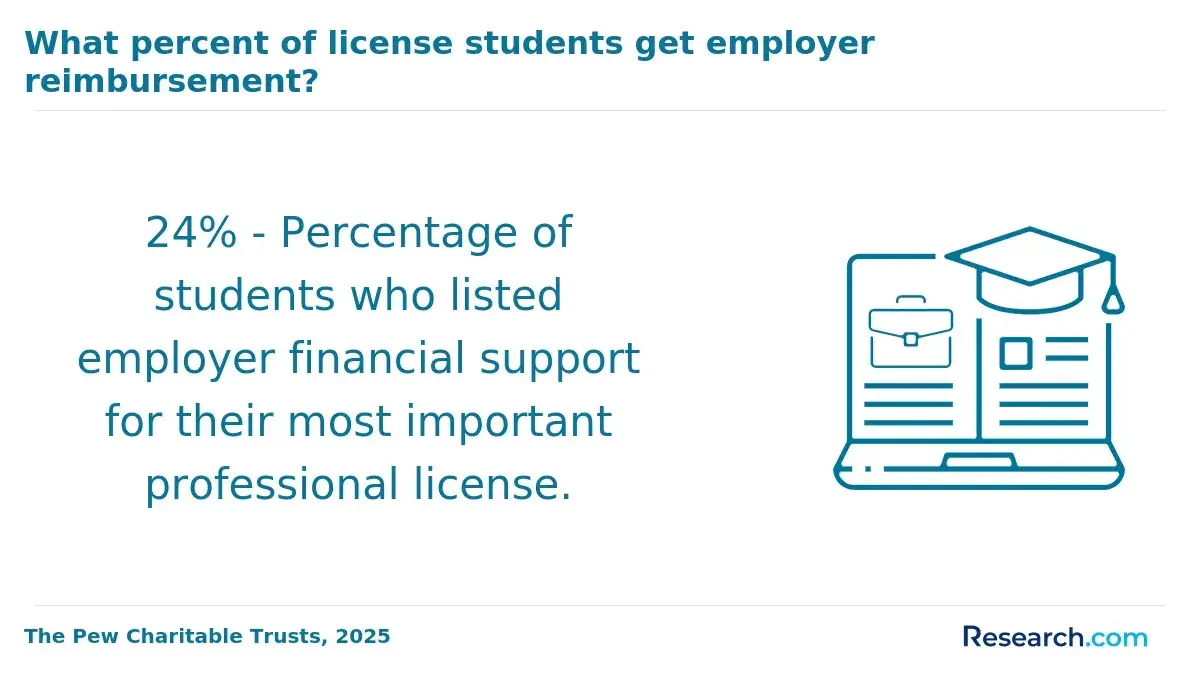
- Employer tuition assistance: Students already working in business, finance, insurance, healthcare, government, or compliance may be able to use employer education benefits. Confirm whether your employer requires minimum grades, continued employment, or repayment if you leave the company.
- Support for accelerated business law programs: Financial aid can still apply to accelerated formats, but short terms may affect disbursement timing and enrollment-status calculations. Ask the financial aid office how aid is packaged across 5- to 8-week sessions.
Students interested in fast programs can also review funding strategies used in other accelerated online fields, such as an accelerated psychology degree online, because many planning principles apply across disciplines: confirm accreditation, estimate total cost, avoid unnecessary borrowing, and check scholarship deadlines early.
What are the shortest online business law degree programs?
The shortest online business law options are usually certificates, associate pathways, degree-completion bachelor’s programs, or accelerated bachelor’s programs that accept significant transfer credit. More than 30% of online learners prefer programs that can be completed within two years or less, which explains why schools increasingly offer faster formats for working adults and career changers.
- Specialized certificates: Certificates are often the fastest option because they focus on targeted skills such as contracts, compliance, employment law, business ethics, or regulatory basics. They can be useful for professionals who already have a degree and want legal-business knowledge without completing another full program.
- Associate degrees: An associate program may be appropriate for students beginning college or seeking an entry-level credential. It can also create a transfer pathway into a bachelor’s program, but students should verify that credits will transfer before enrolling.
- Accelerated bachelor’s degrees: Most accelerated bachelor's degrees take between 18 to 24 months to complete, compared to the traditional four years. These timelines usually assume transfer credits, year-round study, heavier course loads, or shorter academic terms.
- Competency-based and self-paced models: Some schools use 8-week terms or allow students to move forward after demonstrating mastery. These formats can help motivated students progress faster, but they require strong organization and consistent weekly study time.
Cost-wise, accelerated affordable business law degrees online typically charge between $300 and $600 per credit hour, with total tuition often below $20,000. Graduates pursuing related business, compliance, and legal-support roles often earn median annual salaries ranging from $70,000 to $90,000, though outcomes vary by role, location, experience, employer, and prior credentials.
Students comparing accelerated formats in different fields may also look at MFT programs online to understand how online programs structure compressed schedules, field requirements, and affordability. The key lesson is the same: short does not automatically mean easy, and cheap does not automatically mean low quality.
What is the typical format of the shortest online business law degree programs?
The shortest online business law programs are usually built around condensed terms, asynchronous coursework, frequent assignments, and limited breaks between sessions. Accelerated online business law degree programs are increasingly adopting modular formats, with Eduventures reporting a 30% rise in such approaches across legal studies.
- Term length: Courses are often organized into condensed sessions lasting 5 to 8 weeks rather than traditional 15-week semesters. This allows students to complete more courses in a year, but each course moves quickly.
- Course delivery: Most content is delivered asynchronously online through recorded lectures, readings, case analyses, discussion boards, quizzes, and written assignments. Some programs add occasional live sessions for debate, review, or group work.
- Weekly workload: Students typically invest between 12 and 20 hours per week, depending on how many courses they take at once. A student taking two accelerated courses should expect a much heavier schedule than someone taking one.
- Assessment style: Common assignments include contract reviews, legal memos, compliance scenarios, business case analyses, discussion responses, exams, and capstone projects. Practical writing matters because many business law roles require clear documentation.
- Student engagement: Programs blend independent study with synchronous elements such as group projects and discussions. Strong programs create regular instructor feedback rather than leaving students to work through complex legal concepts alone.
Tuition rates average $300 to $600 per credit, with total costs ranging from approximately $15,000 to $30,000. Graduates often see median salaries near $75,000, and finishing earlier may help students pursue promotions or new roles sooner.
A graduate of one accelerated online business law program described the format as demanding but manageable with planning. She said the 20-hour weekly workload was difficult alongside a full-time job, but shorter terms helped her stay focused because each course had a clear finish line. She valued the mix of asynchronous flexibility and occasional live discussions, noting that the structure made the program feel both independent and connected.
How do online classes work for accelerated business law degrees?
Online classes in accelerated business law programs are designed to move students through the same core material in shorter academic windows. In 2022, nearly 44% of U.S. higher education students engaged in some form of distance learning, and accelerated programs often reduce degree completion time by up to 30% for students who can manage the pace.
- Asynchronous learning: Students typically access lectures, readings, case materials, and assignments through a learning management system. This lets working adults study before work, after work, or on weekends, but it also requires self-discipline.
- Synchronous sessions: Some courses include live video classes, legal scenario discussions, guest lectures, or instructor Q&A sessions. These can be valuable for complex topics such as contracts, corporate liability, employment law, and regulatory compliance.
- Condensed timelines: Courses typically run 5 to 8 weeks instead of traditional 15-week semesters. Students should expect assignments to begin immediately and deadlines to arrive quickly.
- Weekly workload: Assignments and exams are scheduled regularly to maintain progress. Falling behind in an accelerated course is risky because there is less time to recover before the next module begins.
- Faculty support: Instructors usually communicate through email, discussion boards, announcements, feedback tools, and virtual office hours. Before enrolling, ask how quickly faculty respond and whether tutoring or writing support is available online.
- Peer collaboration: Group projects, forums, and peer reviews help students practice applying legal concepts to business problems. These activities can also build a professional network, especially for students changing careers.
Tuition typically ranges from $300 to $600 per credit, with many accelerated programs enabling degree completion within 1.5 to 2 years. The format can be cost-efficient, but it is best for students who can protect regular study time every week.
What skills do students gain from a shortest-track online business law degree?
A shortest-track online business law degree should help students build practical legal awareness for business settings, not just memorize legal terminology. Recent data shows these programs enhance graduates' employment speed by about 10% compared to traditional routes, which suggests that applied, career-focused coursework can support faster workforce entry.
- Contract knowledge: Students learn how contracts are formed, interpreted, negotiated, and managed. This is useful in sales, procurement, vendor management, operations, entrepreneurship, and corporate administration.
- Corporate and compliance awareness: Coursework often covers corporate governance, regulatory obligations, risk management, ethics, and organizational responsibility. These topics are especially relevant in finance, healthcare, insurance, technology, and government-facing industries.
- Legal research and analysis: Students practice identifying issues, reading legal sources, evaluating risk, and applying rules to business scenarios. This strengthens decision-making even for roles that do not require law licensure.
- Critical thinking and problem-solving: Business law students learn to evaluate trade-offs, spot liabilities, and recommend practical next steps. Employers value this skill because legal risk often intersects with financial, operational, and reputational risk.
- Communication: Clear writing is central to legal and business work. Students may draft memos, summarize regulations, explain contract terms, prepare compliance documentation, or present recommendations to non-lawyers.
- Time management: Accelerated programs require disciplined scheduling, prioritization, and consistent follow-through. These habits can transfer directly to deadline-driven professional environments.
One graduate described the experience as a test of resilience while balancing a full-time job and family responsibilities. He said the intensive format forced him to focus sharply and manage his time more carefully. He also noted that real-world assignments helped him apply business law concepts quickly in workplace settings, giving him more confidence when handling contracts, compliance questions, and business risks.
Are cheap and fast online business law degree programs considered legitimate?
Cheap and fast online business law programs can be legitimate, but only if they meet recognized academic standards and are honest about what the credential can and cannot do. A low-cost accelerated degree is not automatically suspicious. The warning signs are unclear accreditation, vague curriculum, unrealistic completion claims, weak faculty information, and promises of legal licensure that the program cannot support.
- Accreditation: Regionally accredited programs meet established academic standards and are more likely to be recognized by employers, graduate schools, and transfer institutions. Accreditation also affects eligibility for federal financial aid.
- Faculty qualifications: Legitimate programs identify instructors with relevant legal, business, compliance, or academic experience. Faculty should be qualified to teach applied legal concepts and provide meaningful feedback on writing and analysis.
- Curriculum standards: Even accelerated programs should cover core areas such as contracts, business organizations, compliance, ethics, employment law, risk management, and legal research. Typically, programs involve about 120 credits adapted to faster schedules for bachelor’s-level study.
- Licensing eligibility: Students should be cautious here. A business law degree generally does not qualify graduates to practice law as attorneys. If your goal is bar eligibility, legal licensure, or a regulated legal credential, verify state requirements and confirm whether the program is designed for that pathway.
- Industry recognition: Programs with employer connections, internships, applied projects, advisory boards, or strong career services may offer better practical value. Business law roles provide median salaries between $60,000 and $110,000, but salary potential depends heavily on job title, experience, location, and industry.
Before enrolling, ask the school for accreditation details, total program cost, transfer-credit policy, graduation requirements, career outcomes, and examples of roles graduates actually enter. A credible program should answer these questions clearly.
What are the highest-paying roles for online business law degree graduates?
Online business law graduates may qualify for roles that combine legal knowledge with business operations, compliance, contracts, and risk management. The highest-paying outcomes usually require experience, strong writing and negotiation skills, industry knowledge, and in some cases additional credentials. A business law degree can support these paths, but it does not replace a law degree where attorney licensure is required.
- Corporate counsel: Corporate counsels advise organizations on contracts, mergers, acquisitions, compliance, governance, and legal risk. This role generally requires attorney licensure. Salaries often exceed the median lawyer wage of $127,990, depending on employer size, industry, location, and experience.
- Compliance officer: Compliance officers help organizations follow applicable laws, regulations, policies, and reporting requirements. They are common in finance, healthcare, insurance, higher education, and heavily regulated industries. Salaries typically range from $70,000 to $120,000 depending on experience and industry.
- Contract manager: Contract managers draft, review, negotiate, track, and administer agreements with vendors, clients, employees, and partners. Annual pay frequently ranges from $60,000 to $110,000, shaped by experience, contract volume, technical complexity, and organizational size.
- Business attorney: Business attorneys may advise clients on entity formation, transactions, intellectual property, tax law, employment matters, or international trade. This path requires the appropriate legal education and licensing, and earnings can vary significantly based on client base and specialization.
The top career opportunities with an accelerated online business law degree often depend on geography, years of experience, previous education, and the complexity of the legal issues involved. Many students choose programs that can be completed within 1.5 to 3 years, with tuition costs averaging between $300 and $600 per credit. Learners comparing faster degree options may also review accelerated online bachelor degree programs to understand how completion timelines, transfer credits, and career alignment affect return on investment.
What is the job placement rate for online business law graduates?
The job placement rate for online business law graduates generally ranges between 70% and 80% within six months of graduation, closely mirroring the outcomes of traditional on-campus programs. Placement rates can be useful, but students should look carefully at how a school defines employment, which graduates are included, and whether jobs are related to the degree.
- Program reputation and accreditation: Employers are more likely to trust degrees from accredited institutions with clear academic standards. Accreditation also matters if students later pursue graduate study or professional credentials.
- Industry demand: Corporate compliance, contract administration, procurement, risk management, insurance, finance, healthcare administration, and operations roles may value business law training. Demand varies by region and industry cycle.
- Internship and practicum experience: Hands-on experience can significantly improve employment chances. Even online students should look for internships, employer-sponsored projects, simulated casework, or capstone assignments tied to real business problems.
- Career services and alumni networks: Strong online career support should include resume help, interview preparation, job boards, employer introductions, networking events, and alumni mentoring. Ask whether services are available remotely and whether online students receive the same support as campus students.
- Prior work experience: Many online learners already have professional backgrounds. A business law degree may be most powerful when paired with experience in management, finance, human resources, operations, sales, procurement, or regulatory work.
Affordable options charging roughly $300 to $600 per credit hour can be completed within two to three years. These programs may provide a practical route into a field with median salaries near $70,000 annually and potential for over $100,000 in specialized roles, but no program can guarantee employment or salary.
Students who are primarily seeking a flexible credential may also compare an easiest online degree with business law options. The right choice should match your career target, academic strengths, budget, and timeline rather than simply being the fastest path to a diploma.
How do you choose the best cheap online business law degree program?
To choose the best cheap online business law degree program, start with legitimacy and career fit, then compare cost and speed. A program that is inexpensive but poorly recognized can cost more in the long run if credits do not transfer, employers question the credential, or the curriculum does not match your goals.
- Confirm accreditation: Verify that the school holds accreditation recognized by the U.S. Department of Education. This protects transferability, financial aid eligibility, and employer acceptance.
- Match the curriculum to your goal: Look for coursework in contracts, corporate law, compliance, employment law, intellectual property, ethics, legal research, and risk management. If you want a compliance role, prioritize regulatory and audit-related coursework. If you want contract work, prioritize negotiation and contract administration.
- Calculate total cost: Compare tuition, fees, books, transfer credits, technology charges, and graduation costs. Do not rely only on the advertised per-credit price.
- Evaluate program length realistically: Accelerated options that allow completion in two years or less may be ideal for working adults, but only if the weekly workload fits your life. A slower program may be better if it helps you maintain grades, employment, and family responsibilities.
- Review student support: Strong advising, tutoring, writing support, library access, technology help, and career counseling can improve persistence. Student support services matter because retention and graduation rates currently average around 60% for online law programs according to national data.
- Check career outcomes: Review job placement data, alumni roles, internship access, employer partnerships, and salary information. Business law degree holders typically earn between $55,000 and $80,000 annually, with some advancing to six-figure incomes.
- Ask about legal-career limits: If you want to become an attorney, ask directly whether the program supports that route. Most business law degrees are designed for business-facing roles, not attorney licensure.
A practical shortlist should include only programs that are accredited, transparent about cost, realistic about timelines, and aligned with the specific role you want after graduation.
What Graduates Say About Their Cheapest and Shortest Online Business Law Degree
- : "I was searching for a degree that would not break the bank or take years to complete, and this online business law program fit perfectly. At just a fraction of the traditional tuition, I managed to finish in under two years while working full-time. Since graduating, I have noticed a clear boost in my confidence handling contracts and negotiations at my job—a real career game-changer. Marilyn"
- : "Choosing an affordable and fast online business law degree was a thoughtful decision after weighing my options and budget constraints. The average cost, significantly lower than many brick-and-mortar schools, allowed me to graduate debt-free, which was a huge relief. Reflecting on my journey, this qualification has opened many doors in the corporate compliance sector, enhancing my professional credibility. Elise"
- : "The online business law degree I completed was an efficient and cost-effective way to pivot my career toward legal consultancy. With tuition costs well under $10,000 and the flexibility to accelerate my studies, it was a smart investment. Professionally, the knowledge I gained has been indispensable in advising small businesses and startups, elevating my role considerably. Karen"
Other Things You Should Know About Business Law Degrees
In 2027, online business law degree program affordability can be influenced by factors like reduced tuition rates, the availability of financial aid, lower resource costs due to digital materials, and shorter program durations that decrease overall educational expenses.
Prerequisites typically include a high school diploma or GED, transcripts, and a completed application. Some programs may require recommendation letters or a statement of purpose. Check specific program requirements for any additional criteria or standardized tests like the SAT or ACT.
In 2027, an online business law degree program should be accredited by recognized bodies like the Accreditation Council for Business Schools and Programs (ACBSP) or the American Bar Association (ABA) to guarantee quality and ensure recognition in the industry.
References
- Purdue Global Law School | Earn a Law Degree Online https://www.purduegloballawschool.edu/
- Cheapest ABA-Approved Online Law School Programs: A Strategic Guide to https://theartofapplying.com/cheapest-aba-approved-online-law-school-programs/
- Online Business Law Degree Programs | Colleges of Law https://www.collegesoflaw.edu/business-law-technology-programs/
- Bachelor’s in Business Law Online - LLB Programs https://progress.futurelearn.com/degrees/award/bachelors/subject/law/business-law
- Tuition and Financial Aid https://online.law.tulane.edu/admissions/tuition-financial-aid
- Highest paying jobs with a law degree - FutureLearn https://www.futurelearn.com/info/blog/highest-paying-jobs-with-a-law-degree
- Affordable Tuition | ALU Online University and Law School https://alu.edu/alu-admissions/affordable-tuition/
- NALP | For Law Students/Graduates https://www.nalp.org/lawstudentsgraduates
- Pros and Cons of Getting a Legal Degree Online https://onlinemasteroflegalstudies.com/mls-degrees/pros-and-cons-of-online-legal-degrees/