2027 Are Online Business Law Degrees Respected by Employers?

Co-Founder and Chief Data Scientist
An online business law degree can be useful for professionals who need to understand contracts, compliance, employment rules, risk management, corporate governance, or the legal side of business decisions. The harder question is whether employers will respect the credential when it was earned online.
The answer depends less on the word “online” and more on the quality signals behind the degree: accreditation, university reputation, curriculum rigor, faculty qualifications, practical experience, certifications, and the candidate’s ability to apply legal knowledge in business settings. A strong online program from a recognized institution can support career growth; a poorly vetted program can limit transfer options, raise employer doubts, and weaken the return on investment.
This guide explains how employers evaluate online business law degrees, which accreditors matter, when school reputation influences hiring, what skills and certifications strengthen your profile, and how these degrees may affect salary, promotions, and long-term career credibility.
Key Benefits of Online Business Law Degrees Respected by Employers
- Employers recognize online business law degrees from accredited institutions as equally credible, with 68% of HR professionals reporting favorable views toward candidates holding such qualifications.
- Graduates develop strong analytical and regulatory compliance skills through rigorous coursework, preparing them to handle complex legal challenges in business environments effectively.
- Holding an online business law degree can lead to improved career outcomes, including a 15% higher likelihood of promotion within five years compared to peers without specialized legal education.
Which Accrediting Bodies Make an Online Business Law Degree Legitimate?
Accreditation is the first credibility test for an online business law degree. It tells employers, graduate schools, licensing bodies, and credit-transfer evaluators that the institution or program has been reviewed against recognized academic standards. Without the right accreditation, a degree may still represent completed coursework, but it can be harder to transfer credits, qualify for further study, or convince employers that the program was rigorous.
Students should check accreditation before reviewing tuition, course format, or admissions requirements. Do not rely only on marketing language such as “recognized,” “approved,” or “career-focused.” Verify the accreditor through official institutional pages and relevant accreditation databases.
Key types of accreditation to verify
- Regional Accreditation: Regional accreditation is widely viewed as the strongest institutional quality signal in U.S. higher education. It is granted by regional accrediting bodies such as the Middle States Association of Colleges and Schools (MSA-CESS) or the Higher Learning Commission (HLC). Degrees from regionally accredited institutions generally have stronger employer recognition and broader credit-transfer options. For example, Washington Technical Institute's business law certificate is regionally accredited by MSA-CESS.
- National Accreditation: National accreditation is often associated with career-oriented, technical, or distance education institutions. Agencies such as the Distance Education Accrediting Commission (DEAC) may accredit online-focused programs. National accreditation can be legitimate, but credits may not transfer as easily to regionally accredited schools, and some employers may prefer candidates from regionally accredited institutions.
- Programmatic Accreditation: Programmatic accreditation matters when a degree is tied to a regulated profession or a specialized academic field. For professional law degrees such as the Juris Doctor, the American Bar Association (ABA) is especially important because ABA accreditation is generally necessary for graduates who want to sit for the bar exam in most states. Some online programs, like Purdue Global Law School, have accreditation approved by state bar committees, such as California's Committee of Bar Examiners.
Business-related accreditation can also matter if the program sits inside a business school. Students interested in AACSB-accredited online business law degrees should confirm whether AACSB applies to the business school, the specific degree, or related business programs. The distinction matters because employers may view business-school accreditation differently from law-school approval.
When comparing programs, ask three practical questions: Is the institution properly accredited? Does the accreditation support your career goal? Will the credential be accepted by employers, graduate schools, or licensing pathways relevant to you? If you are also weighing affordability across related business programs, reviewing business administration degree online cost can help you understand how tuition and value differ by institution type. For additional insights on related credentials, exploring certifications for high paying jobs can be useful.
Does university reputation affect employer views of online business law degrees?
Yes. University reputation can strongly influence how employers initially interpret an online business law degree. Hiring managers often use the institution’s name as a quick quality signal, especially when comparing candidates with similar experience. This is particularly important for online credentials, where 58% of employers regard the university's standing as the primary factor influencing a credential's value.
Reputation does not replace accreditation, skills, or work history, but it can affect whether a resume gets a closer look. Employers are often more comfortable with online degrees from established universities because they assume the same academic oversight, faculty standards, and student services apply across online and campus formats. In fact, 92% of employers view online degrees from traditional universities positively compared to just 42% for exclusively online institutions, even when accredited.
What strengthens a university’s reputation in employer evaluations?
- Accreditation status: A respected institutional accreditor is the baseline. Without it, reputation claims carry little weight.
- Known academic brand: Employers may respond more favorably to universities with established campus histories, recognizable alumni networks, or strong business and legal programs.
- Faculty and curriculum transparency: Clear information about instructors, course outcomes, assessments, and applied projects helps employers trust the program.
- Employer and industry connections: Partnerships, internship channels, career services, and alumni outcomes can make an online degree feel less isolated from the labor market.
Still, school name is only one part of the hiring decision. Employers also evaluate whether a candidate can interpret regulations, review contracts, communicate risk, support compliance processes, and work with business teams. A respected university may help open the door, but job-ready evidence keeps the conversation going.
Prospective students should choose the strongest institution they can reasonably afford and complete successfully. They should also build a portfolio of practical work: research memos, compliance analyses, contract-review projects, internships, professional experience, or certifications. For broader context on accessible academic pathways, see what's the easiest associate's degree to get.
Do Employers Treat Online and On-Campus Business Law Degrees Equally?
Many employers are now willing to treat online and on-campus business law degrees similarly when the degree comes from an accredited, reputable institution and the graduate can show relevant skills. Surveys indicate that about 68% of employers now view online business law degrees as equivalent to those earned through traditional campus programs.
The delivery format matters less when the transcript, faculty standards, assignments, and learning outcomes are comparable. Employers are usually more interested in whether a graduate can analyze legal issues, communicate clearly with non-lawyers, understand regulatory risk, and contribute to business decisions. If the online program required substantial reading, writing, case analysis, discussion, exams, and applied projects, the credential is easier to defend in interviews.
Where online and on-campus degrees may be treated the same
- Corporate compliance roles: Employers often prioritize regulatory knowledge, documentation skills, and attention to detail.
- Contract administration: Candidates are evaluated on accuracy, negotiation awareness, and ability to coordinate with legal and business teams.
- Human resources and employment policy roles: Practical understanding of workplace rules and risk management can matter more than delivery format.
- Business operations and risk roles: Employers look for professionals who can connect legal requirements to operational decisions.
Where employers may look more closely
Some legal roles still depend on licensing, jurisdiction-specific requirements, or traditional law-school pathways. A business law degree is not automatically a substitute for a Juris Doctor, bar eligibility, or attorney licensure. Students who want to practice law should verify state bar rules before enrolling in any online program.
To reduce employer hesitation, graduates should present the degree clearly. List the accredited university, not just the online division. Highlight substantial projects, internships, work experience, certifications, and measurable outcomes. If the program used the same curriculum as the campus version, that can be worth mentioning in interviews or cover letters.
Do Employers Trust Online Business Law Degrees From AI-Powered Virtual Classrooms?
Employers may trust online business law degrees that use AI-powered virtual classrooms, but only when the technology supports rigorous instruction rather than replacing it. AI tools can improve online learning when they provide adaptive practice, fast feedback, simulation-based exercises, and structured support. They do not, by themselves, make a program credible.
In business law education, AI-powered platforms can help students practice legal research, review contract language, test compliance scenarios, and receive feedback on analysis. Virtual simulations can expose students to contract negotiations, dispute resolution, policy review, and risk assessments. AI tutors may also help students identify gaps in understanding before exams or applied projects.
What employers are likely to value
- Applied simulations: Contract review, compliance audits, negotiation exercises, and case-based decision-making can show workplace relevance.
- Documented competency: Employers respond better when a program can show measurable learning outcomes, graded writing, and faculty-reviewed assignments.
- Human faculty oversight: AI support is more credible when experienced instructors still evaluate reasoning, ethics, analysis, and communication.
- Ethics and professional judgment: Business law work often requires careful judgment, confidentiality, and risk awareness. These cannot be reduced to automated answers.
Programs like Regent University's online Master of Legal Studies in business law receive recognition among the top online law degrees, reflecting growing confidence in well-structured online legal education. Even so, some employers remain cautious about whether online programs adequately develop interpersonal skills, professional judgment, and real-world experience.
Students considering AI-enhanced programs should ask how the technology is used. A strong answer includes faculty-led instruction, graded writing, interactive simulations, academic integrity controls, and opportunities to work through realistic business law problems. A weak answer focuses only on convenience, automation, or faster completion.
What Skills Do Employers Value From Online Business Law Graduates?
Employers value online business law graduates who can turn legal knowledge into practical business guidance. The degree is most marketable when graduates can interpret rules, explain risk, support contracts, and help teams make compliant decisions without slowing operations unnecessarily.
The strongest candidates combine legal literacy with business judgment. They do not simply know legal terms; they can apply them to workplace documents, policies, negotiations, vendor relationships, employment issues, and regulatory obligations.
High-value skills for online business law graduates
- Legal Research and Analysis: Employers need professionals who can find relevant laws, regulations, cases, and policy guidance, then explain what those sources mean for a business decision. Strong legal analysis includes accuracy, context, and the ability to distinguish major risks from minor issues.
- Regulatory Compliance: Compliance knowledge is valuable across healthcare, finance, technology, education, manufacturing, government contracting, and other regulated fields. Graduates who understand monitoring, documentation, internal controls, and reporting expectations can help organizations reduce legal exposure.
- Communication and Negotiation: Business law graduates often serve as translators between legal, executive, operational, and client-facing teams. Employers value clear writing, concise explanations, calm negotiation, and the ability to discuss risk without creating confusion or unnecessary conflict.
- Strategic Management: Legal knowledge is more useful when it supports business goals. Graduates who understand strategy can help leaders choose options that are compliant, realistic, cost-conscious, and aligned with organizational priorities.
- Contract Awareness: Even when graduates are not acting as attorneys, they may support contract intake, review workflows, vendor management, renewal tracking, and escalation processes.
- Ethical Decision-Making: Business law roles often involve sensitive information, conflicts of interest, employee concerns, and regulatory consequences. Employers look for sound judgment and professional integrity.
Students should look for courses that require writing, case analysis, contract exercises, compliance projects, and presentations. These assignments are easier to discuss in interviews than passive lectures or multiple-choice-only coursework. For those seeking a lower-cost academic starting point, comparing the cheapest online associate's degree programs may be a practical way to begin building transferable business and legal skills.
Do Professional Certifications Help Validate Online Business Law Degrees?
Yes. Professional certifications can help validate an online business law degree because they give employers an additional, specific proof point. A degree signals broader academic preparation; a certification can show focused knowledge in compliance, contracts, employment law, corporate governance, intellectual property, privacy, or another business law area.
Certifications are especially useful when a candidate is changing careers, graduating from a lesser-known online institution, or competing for roles that require specialized knowledge. They are not a substitute for accreditation, but they can reduce employer uncertainty by showing continued professional development.
How certifications strengthen an online business law profile
- Industry-Recognized Validation: Certifications such as the Business Law Certificate offered by institutions like USC, Northeastern University, and Auburn University can help demonstrate mastery of legal concepts, regulatory frameworks, and business practices.
- Specialized Skill Development: Certificates in corporate compliance, intellectual property, human resources law, contract management, or risk management can align a graduate with specific job descriptions.
- Practical, Career-Ready Learning: Programs that use case studies, contract exercises, risk assessments, and negotiation scenarios help candidates show applied ability. Certificates from providers like Pitt Law may help bridge theory and workplace practice.
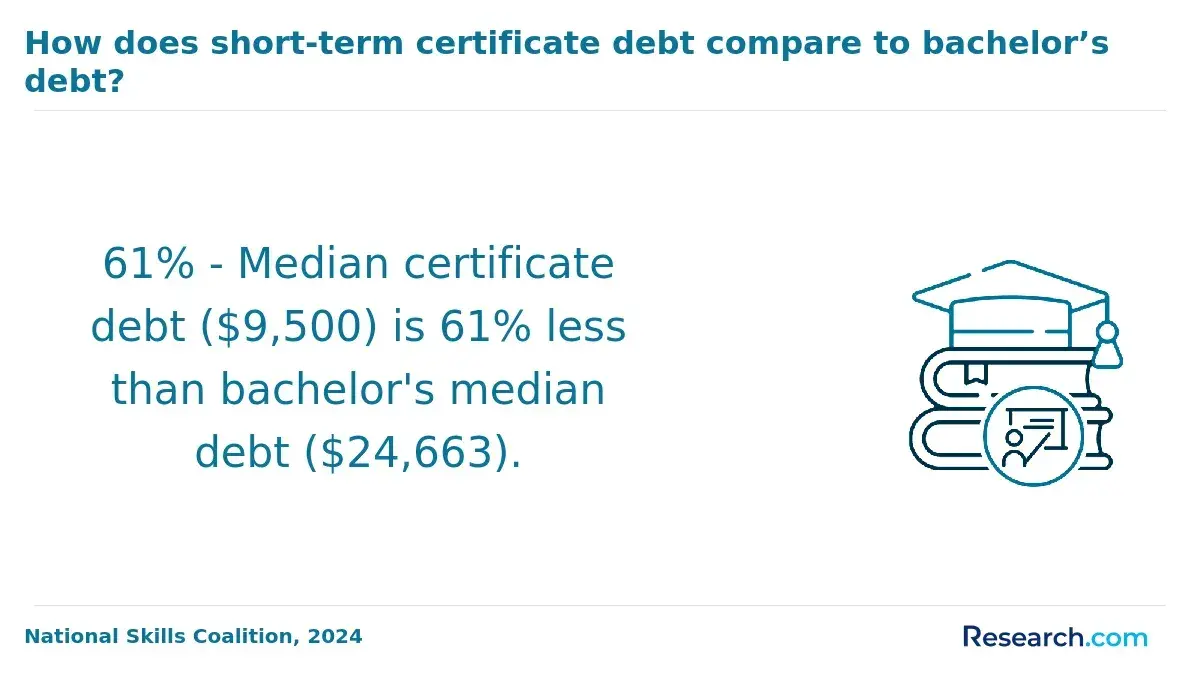
- Increased Earning Potential: Professionals holding law-related certifications typically report higher salaries, with averages around $78,619 annually, which is roughly $30,000 more than the national median.
- Employer Trust in Online Education: Certifications delivered by accredited universities or established platforms like Coursera and Wharton can help reassure employers that the candidate completed structured, rigorous training.
Choose certifications carefully. A short, low-effort certificate with little assessment may add less value than a demanding credential with projects, exams, or recognized institutional backing. The best choice depends on the target role. Compliance roles may benefit from regulatory or risk credentials. Contract roles may benefit from training in drafting, review, negotiation, or procurement. HR roles may benefit from employment law and workplace policy training.
One professional who completed an online business law degree described certification as the credential that made his background easier to explain to hiring managers. He said the degree gave him the foundation, but the specialized certificate gave him “something concrete that employers immediately recognized.” The most useful part, he noted, was not the title of the certificate alone; it was the applied casework that mirrored daily legal and compliance tasks.
That experience points to a broader lesson: certifications work best when they confirm a clear career direction. They should help employers quickly understand what you can do, not simply add another line to a resume.
Do Online Business Law Graduates Earn the Same Salaries as On-Campus Graduates?
Online business law graduates can earn salaries comparable to on-campus graduates, but salary outcomes are driven by more than instructional format. Employer, industry, location, work experience, job level, specialization, school reputation, and negotiation all influence compensation. Current employer trends and multiple studies indicate that online education is no longer automatically a disadvantage in salary negotiations or job offers.
The more important question is whether the online degree helps the graduate qualify for higher-value work. A working professional who earns an online business law degree while building experience may be competitive because the degree and job history reinforce each other. A graduate with no experience may need internships, projects, certifications, or entry-level roles to reach similar outcomes.
Factors that influence salary parity
- Accreditation and Program Reputation: Employers place strong emphasis on degrees from regionally accredited institutions with solid reputations. Whether earned online or on campus, degrees from respected programs with recognized faculty can support stronger salary outcomes.
- Employer Perception of Online Education: The stigma around online degrees has declined, with over 60% of employers now considering online qualifications equal to traditional ones, especially from well-established universities.
- Networking and Alumni Connections: On-campus students may have more in-person networking, but strong online programs offer virtual career events, alumni networks, employer panels, and faculty connections that can support advancement.
- Work Experience and Flexibility: Online programs often attract working professionals who continue gaining relevant experience while studying. That combination can strengthen compensation potential.
- Curriculum and Specialization: Online and on-campus Business Law degrees typically share the same curriculum. Specializations in compliance, contract negotiation, risk management, corporate governance, or employment law may improve access to targeted roles.
Graduates should avoid assuming the degree alone will produce a salary increase. A stronger approach is to connect the credential to measurable workplace value: fewer compliance errors, improved contract workflows, better vendor review, stronger policy documentation, or expanded responsibility. For comparison with other accelerated academic options, consider programs listed among quick degrees online that pay well.
How Do Online Business Law Degrees Impact Career Growth and Promotions?
An online business law degree can support career growth when it gives professionals knowledge their organization already needs: compliance awareness, contract fluency, risk analysis, policy interpretation, and stronger communication with legal teams. It is especially useful for employees who want to move from task-based roles into advisory, supervisory, or cross-functional positions.
The degree may not guarantee a promotion, but it can make a candidate more credible for roles that require judgment, documentation, and the ability to connect legal obligations with business operations.
Ways the degree can support advancement
- Broader Career Access: An online business law degree can support movement into compliance, contract management, human resources, finance, procurement, consulting, risk management, and operations roles.
- Enhanced Promotion Prospects: Employees who understand legal and regulatory issues may become more valuable to managers, especially in departments responsible for policy, contracts, audits, vendor relationships, or employment matters.
- Valuable Transferable Skills: Negotiation, critical thinking, writing, research, and strategic communication can improve performance in many business functions.
- Demonstrated Professional Commitment: Completing an online degree while managing work or family responsibilities can signal discipline, time management, and self-direction.
- Flexibility for Career Advancement: Online programs allow many professionals to continue working while studying, which can make it easier to apply new knowledge immediately.
- Industry-Relevant Expertise: Coursework in regulatory compliance, corporate finance, risk management, contracts, and governance can align with employer needs in regulated and contract-heavy environments.
One graduate described the degree as a turning point because she could immediately use course concepts at work. Balancing deadlines with a full-time job was difficult, but the process strengthened her discipline. After graduation, her employer recognized her improved ability to negotiate contracts and manage compliance issues, which contributed to a promotion within a year of graduation.
The strongest promotion case connects the degree to business results. Graduates should document projects completed during and after the program, including policy updates, compliance improvements, contract process changes, training materials, or risk assessments. That evidence helps managers see the degree as a performance asset rather than only an academic credential.
What Companies Actively Hire Graduates From Online Business Law Programs?
Graduates of online business law programs are hired across sectors that need legal literacy but do not always require every employee to be a licensed attorney. Employers are most receptive when the degree is accredited, the candidate has relevant experience, and the role fits the training. Business law graduates may work in legal support, compliance, contracts, risk, human resources, procurement, policy, consulting, or operations.
The best opportunities are often in organizations with frequent regulatory obligations, complex vendor relationships, employment policies, data-handling rules, or contract-heavy operations.
Employers and sectors that may hire online business law graduates
- Law firms and legal services providers: These organizations may hire graduates for roles such as legal assistants, paralegals, compliance specialists, and litigation support staff. They value research, writing, document review, and familiarity with contract law and corporate compliance.
- Corporate legal departments: Companies in technology, healthcare, finance, retail, manufacturing, and other sectors may hire graduates for contract administration, policy support, risk management, and compliance coordination. These roles often require communication between legal counsel and business teams.
- Government agencies and public sector employers: Federal, state, and local agencies may need professionals who understand procurement, administrative law, regulatory compliance, public policy, and documentation requirements.
- Educational institutions: Colleges and universities may hire graduates for administrative, compliance, student services, policy, or instructional support roles, particularly as online legal education expands.
- Consulting and freelance platforms: Some graduates support small businesses and independent professionals through contract review support, compliance research, policy drafting, and legal operations assistance, depending on the limits of non-attorney work in their jurisdiction.
Job titles vary by education level and licensure. A business law degree does not automatically qualify someone to practice law, give legal advice as an attorney, or represent clients in court. Candidates should read job descriptions carefully and understand state rules on unauthorized practice of law.
Employers usually focus on accreditation, relevant experience, writing ability, and applied skills more than whether the coursework was online. Additional credentials can also help candidates compete for specialized roles, especially when paired with recognized certs that pay well.
What Future Trends Will Shape Online Business Law Degrees' Credibility?
The credibility of online business law degrees will continue to depend on quality control. Technology may improve delivery, but employers will still ask whether graduates can research accurately, reason ethically, write clearly, handle complex documents, and apply legal concepts in business settings.
Several trends are likely to influence how these degrees are judged by employers, schools, and professional bodies.
- AI-Powered Learning Validation: Artificial intelligence tools are increasingly used to assess student competency, provide personalized learning paths, and deliver real-time feedback on legal research and case analysis. These tools may strengthen credibility when paired with faculty review and rigorous assessment.
- Virtual Reality and Experiential Learning: Immersive environments can help online students practice courtroom-style exercises, client conversations, negotiation scenarios, and compliance investigations. These experiences may reduce concerns that online learners lack applied practice.
- Global Accreditation Collaboration: As online education crosses borders, institutions may work toward more consistent accreditation and quality benchmarks. Clearer standards can help employers evaluate online credentials more confidently.
- Employer Partnership Integration: Collaboration between law firms, corporations, and online programs can make curricula more relevant to workplace needs. Employer-informed projects, internships, advisory boards, and capstone experiences can increase trust in graduate preparedness.
The programs most likely to gain credibility will be transparent about outcomes, selective enough to protect academic standards, clear about accreditation, and serious about practical training. Students should favor programs that show how learning is assessed, how academic integrity is maintained, and how graduates connect the degree to real roles.
Here's What Graduates of Respected Online Business Law Programs Have to Say About Their Degree
- : "Completing my online business law degree completely transformed my career prospects. The flexibility allowed me to work full-time while gaining critical legal knowledge that employers highly value. Since graduating, I've secured a position at a leading corporate law firm and appreciate how well-prepared I am to navigate complex contracts and compliance issues. This program truly opened doors I never thought possible. — Ariadne"
- : "Reflecting on my journey, earning an online business law degree was a pivotal moment for personal and professional growth. It gave me the confidence to start my own consultancy focused on small business legal compliance, directly impacting my community by helping local entrepreneurs thrive. The comprehensive curriculum and real-world case studies equipped me to offer practical advice that's in high demand. This program was more than education; it was empowerment. — Ron"
- : "As a professional already working in the financial sector, pursuing an online business law degree was a strategic career move that advanced my leadership opportunities. The specialized knowledge in corporate governance and regulatory frameworks has made me an invaluable asset to my company. Balancing work and study was challenging, but the convenience of online courses made it feasible. This degree has undoubtedly elevated my credibility and opened pathways to senior management roles. — Phillip"
Other Things You Should Know About Respectable Online Business Law Degree Programs
Employers respect online business law degrees most when the school holds regional accreditation from a CHEA- or U.S. Department of Education-recognized agency. For business programs, AACSB accreditation strengthens credibility. For law-related study, ABA approval matters only for JD programs, not most business law degrees.
In 2027, many employers increasingly recognize online business law degrees, valuing them for their flexibility and the discipline required. Biases still exist, but they are diminishing, especially when degrees come from accredited institutions. Familiarity with online learning platforms and skills gained can also be advantageous in today's digital workplace.
Accreditation is crucial for employer recognition of online business law degrees. Degrees from accredited institutions assure employers of program quality and adherence to educational standards. Lack of accreditation can limit job opportunities and professional growth within the business law field.
References
- Legal Industry Trends: The Future of Law Firm Marketing https://www.lawbrokr.com/blog/legal-industry-trends-whats-shaping-the-future-of-law-firm-marketing
- 7 transferable skills you’ll develop by studying law https://online.essex.ac.uk/blog/7-transferable-skills-youll-develop-studying-law/
- The importance of commercial awareness matters for aspiring lawyers https://online.aston.ac.uk/blog/the-importance-of-commercial-awareness-matters-for-aspiring-lawyers
- Are Online Degrees Legit? What Employers Think and What Matters Most https://williamcareyuniversity.co.in/are-online-degrees-legit-what-employers-think-and-what-matters-most
- Insights from the Job Demands–Resources Model: AI's dual impact on employees’ work and life well-being - ScienceDirect https://www.sciencedirect.com/science/article/pii/S0268401225000192
- Impact of Online Education on Career Growth https://www.ukstudyonline.com/impact-of-online-education-on-career-growth/
- Legal Online Education Platform Market Is Set To Fly High Growth In Years To Come https://www.einpresswire.com/article/726234918/legal-online-education-platform-market-is-set-to-fly-high-growth-in-years-to-come
- How Employers View Online Degrees and Distance Learning Programs https://londongatecollege.com/how-employers-view-online-degrees-and-distance-learning-programs/
- Is Business Law a Good Career? Weigh These Pros and Cons | Rasmussen University https://www.rasmussen.edu/degrees/business/blog/is-business-law-a-good-career/
- What to do after a Masters in Business Law https://www.ipag.edu/en/blog/what-do-after-masters-business-law