2027 Weekly Start Online Degrees vs Self-Paced Accelerated Business Law Degree Programs

Co-Founder and Chief Data Scientist
The choice is not simply “flexible online degree” versus “fast online degree.” Weekly start online degrees and self-paced accelerated business law programs solve different problems. One gives students frequent entry points and a predictable course rhythm; the other gives highly independent learners more control over speed, workload, and completion timing.
This decision matters for working adults, career changers, military learners, parents, and professionals trying to build legal and compliance knowledge without stepping away from work. According to recent data, 67% of online business law students cite flexible scheduling as a top factor for enrollment. Flexibility, however, can mean structured weekly deadlines or open-ended pacing, and those two experiences feel very different once coursework begins.
This guide compares the two formats across admissions, workload, completion time, grading, tuition, instructor support, employer perception, and salary considerations. Use it to identify which model fits your schedule, learning habits, budget, and career goals before committing to a program.
Key Benefits of Weekly Start Online Degrees vs Self-Paced Accelerated Business Law Degree Programs
- Weekly start online degrees offer continuous enrollment, allowing students to begin whenever ready and better align studies with personal schedules, enhancing overall flexibility.
- Self-paced accelerated business law programs reduce time and tuition costs by enabling students to complete coursework faster, often lowering financial burden significantly.
- Both formats support higher student success rates by accommodating diverse learning speeds and life commitments, increasing graduation likelihood within the demanding legal education field.
How Are Weekly Start Online Degrees and Self-Paced Accelerated Business Law Programs Structured?
Weekly start online degrees are structured around recurring start dates and fixed course calendars. Self-paced accelerated business law programs are structured around student-controlled progress, often using competency-based or module-based coursework. The better option depends on whether you need external deadlines or the freedom to move quickly when your schedule allows.
Weekly Start Online Degrees
- Predictable course rhythm: Courses begin weekly or every few weeks, and terms usually run 8 to 12 weeks. This format gives students a clear beginning, midpoint, and end for each class.
- Set weekly deadlines: Readings, discussions, quizzes, and papers are tied to a course calendar. Students who work best with accountability often benefit from this structure.
- Scheduled assessments: Grading checkpoints occur throughout the term, which helps students see whether they are keeping pace with legal concepts, case analysis, and business applications.
- Manageable weekly workload: Many students should expect around 10 to 15 hours weekly, depending on course level, writing requirements, and prior familiarity with business law topics.
Self-Paced Accelerated Business Law Programs
- Student-controlled progress: Students often move through modules as they complete assignments or demonstrate competency rather than waiting for a weekly class schedule.
- Flexible deadlines: Deadlines may be broader, milestone-based, or tied to the end of a subscription or term period instead of weekly due dates.
- Faster potential completion: These programs are designed for students who can absorb material quickly and devote substantial time to coursework. Weekly study time frequently exceeds 15 hours.
- High independence: Students must plan their own study schedule, monitor progress, and seek help proactively. The format rewards discipline but can punish procrastination.
Choose a weekly start format if you want flexibility without losing structure. Choose a self-paced accelerated format if you already have strong study habits, available time, and the confidence to manage business law coursework with fewer built-in reminders. Students comparing online formats across fields can also review how program structures differ in artificial intelligence degrees online.
Are Weekly Start Online Business Law Programs Easier to Get Into vs Self-Paced Accelerated Programs?
Weekly start online business law programs are often easier to enter than self-paced accelerated programs because they are built around structured progression and can accommodate a wider range of students. A 2023 Online Learning Consortium report notes cohort-based online programs, which include many weekly start formats, have acceptance rates about 10-15% higher than accelerated self-paced tracks.
Admissions standards still vary by institution, accreditation, degree level, and whether the program is undergraduate, graduate, or certificate-based. Students should compare the following factors before assuming one format is automatically easier.
- Acceptance rates: Weekly start programs may admit more students because the pacing, instructor checkpoints, and cohort model provide more academic guardrails. Self-paced accelerated programs may be more selective because students must prove they can handle faster, less supervised learning.
- GPA expectations: Weekly start programs usually require a minimum undergraduate GPA between 2.5 and 3.0. Self-paced accelerated programs often prefer applicants with GPAs above 3.0 because the workload can be more compressed.
- Prerequisite coursework: Weekly start formats may allow conditional enrollment while students finish prerequisite law or business classes. Accelerated programs commonly require all prerequisites completed before enrollment so students can move immediately into advanced work.
- Standardized testing: LSAT and GRE requirements are declining for both formats as admissions increasingly emphasize holistic evaluation, including work experience and personal statements.
- Evidence of readiness: Self-paced accelerated applicants may need to show stronger professional experience, prior college success, or a clear study plan because the format relies heavily on self-direction.
Applicants comparing cost and access should look beyond admission requirements and consider total affordability, transfer-credit policies, and scheduling fit. For students still exploring broader business pathways, an online business degree can be a useful point of comparison for tuition, curriculum, and delivery format.
How Long Does a Weekly Start Online Degree Take to Complete vs Self-Paced Accelerated Business Law Degree?
Weekly start online degrees usually take longer because students follow fixed terms and course loads. Self-paced accelerated business law degrees can be completed faster, but only by students who have the time, discipline, and academic readiness to sustain a heavier workload. Many online learners prioritize faster degree options, with roughly one-third of undergraduates opting for accelerated programs to reduce time spent in school.
- Term length: Weekly start programs usually follow set terms, often spanning 5 to 8 weeks, and degrees typically finish within two to four years depending on course load and transfer credits. Self-paced accelerated business law degrees do not rely on the same fixed-term progression and may allow completion in under two years.
- Pacing control: Weekly start programs provide an instructor-led rhythm that helps students stay on track but limits how quickly they can finish. Self-paced programs give students more control, which can shorten completion time for disciplined learners.
- Credit load: Weekly start formats may cap the number of courses students can take in each term. Self-paced accelerated learners may complete more coursework in the same period if the program permits it and the student can handle the workload.
- Transfer credits: Transfer credits can reduce completion time in both formats. Weekly start programs may apply transfer credits within a more rigid academic calendar, while self-paced formats may offer more flexibility in how prior credits fit into the degree plan.
- Enrollment timing: Weekly start programs offer regular entry points but may still require students to wait for the next available course. Self-paced accelerated programs may allow students to begin immediately, which can shorten the total time from enrollment to graduation.
A graduate who completed a self-paced accelerated online business law program said the format required intense self-discipline and steady motivation. He recalled, "Without a fixed schedule, it was both liberating and challenging to decide when and how much to study." While working full time, he valued the ability to increase coursework during slower work weeks but admitted that "there were moments of doubt when staying on target felt overwhelming." Finishing in under two years gave him a career advantage, but he emphasized that the speed came with a demanding pace.
Breakdown of Public Fully Online Title IV Institutions

How Flexible Are Weekly Start Online Degrees vs Self-Paced Accelerated Business Law Programs?
Self-paced accelerated business law programs are generally more flexible than weekly start online degrees because students have more control over when and how quickly they complete coursework. Weekly start programs are still flexible compared with campus programs, but they use fixed deadlines to keep students moving through the course.
- Scheduling control: Weekly start programs require students to follow predetermined calendars. Self-paced programs let students decide when to study and how quickly to complete modules.
- Pacing speed: Weekly start courses promote steady progress. Self-paced programs allow students to accelerate when they have more available time or slow down during demanding work or family periods.
- Start dates: Weekly start programs offer specific enrollment windows throughout the year. Self-paced programs often use continuous enrollment, allowing students to begin sooner.
- Assignment deadlines: Weekly start programs require submissions on set dates. Self-paced courses typically have broader deadlines, which helps students with unpredictable schedules but requires stronger self-management.
- Instructor interaction: Weekly start courses usually provide more regular instructor communication, discussion boards, and course announcements. Self-paced students may receive support, but they often need to initiate contact.
- Ability to pause or accelerate: Self-paced programs may make it easier to pause temporarily or move quickly through familiar material. Weekly start courses are less forgiving because missed deadlines can affect grades and progress.
Data from the National Center for Education Statistics indicates about 70% of online students prioritize flexibility. The key question is what kind of flexibility you need: a reliable weekly routine or maximum control over your study schedule.
Are Self-Paced Accelerated Business Law Degrees Harder Than Weekly Start Online Programs?
Self-paced accelerated business law degrees are often harder for students who struggle with time management, procrastination, or independent study. Weekly start programs can still be academically rigorous, but they distribute the workload more predictably and provide more external accountability.
- Workload intensity: Self-paced accelerated programs may compress substantial legal and business material into shorter periods. Students must read, analyze, write, and complete assessments quickly. Weekly start courses spread work more evenly across the term.
- Pacing expectations: Self-paced students build their own study calendar. Weekly start students follow a course calendar that reduces the need to decide what to do next.
- Self-discipline required: Accelerated formats require students to manage competing responsibilities without frequent reminders. Weekly start programs provide accountability through scheduled assignments, instructor messages, and class discussions.
- Assessment structure: Self-paced programs may use larger competency-based assessments, projects, or milestone tasks. Weekly start programs typically use quizzes, papers, discussions, and exams tied to the weekly schedule.
- Instructor interaction: Weekly start programs usually offer more frequent faculty and peer engagement. Self-paced students may have less immediate feedback, which can make difficult legal concepts harder to resolve quickly.
A graduate of a weekly start online business law program said balancing work and study was sometimes stressful, but the predictable schedule made the degree manageable. She valued clear deadlines and live opportunities to ask questions. "Knowing when assignments were due kept me focused," she explained, "and having classmates to discuss topics with made the experience less isolating." Her experience reflects why students who prefer guidance may find weekly start programs challenging but more sustainable.
How Does Grading Differ Between Weekly Start Online vs Self-Paced Accelerated Business Law Programs?
Grading in weekly start online programs is usually tied to regular deadlines and frequent assessments. Grading in self-paced accelerated business law programs is often tied to competency, mastery, or larger milestone submissions. The difference affects how students experience pressure, feedback, and academic progress.
- Assessment frequency: Weekly start programs commonly use weekly quizzes, discussion posts, short assignments, and periodic exams. Self-paced accelerated programs may use fewer but larger assessments that students complete when ready.
- Mastery requirements: Weekly start courses measure learning in smaller increments across the term. Self-paced programs may allow students to advance after demonstrating overall competency in a topic or module.
- Pacing of evaluations: Weekly start degrees use fixed grading points, which keeps students accountable but can create deadline pressure. Self-paced programs allow more control over timing, but students must avoid letting work accumulate.
- Feedback timing: Weekly start students often receive feedback on a predictable grading cycle. Self-paced feedback can be less predictable because students submit work at different times.
- Grading flexibility: Weekly start programs are usually less flexible about late work because the class moves as a group. Self-paced accelerated programs may allow more flexibility in submissions or retakes, depending on institutional policy.
Students should review grading policies before enrolling. Important questions include whether failed assessments can be retaken, whether discussion participation affects grades, how quickly instructors return feedback, and whether the program uses letter grades, pass/fail grading, or competency-based evaluation.
How Does Tuition Compare Between Weekly Start Online and Self-Paced Accelerated Business Law Programs?
Tuition can work very differently in the two formats. Weekly start online business law programs typically charge by credit hour or course. Self-paced accelerated programs often use flat-rate term pricing or subscription-style tuition, which can save money for students who complete courses quickly but cost more for students who move slowly.
- Pricing structure: Weekly start programs typically charge tuition per credit hour, so total cost depends on the number of credits required and the number of credits transferred. Self-paced accelerated formats often use a flat-rate tuition per term or subscription, allowing students to complete multiple courses within a set timeframe.
- Time to completion: Self-paced accelerated options may reduce total cost if students finish faster. Weekly start programs spread costs over a longer period, which may be easier for budgeting but may not be the cheapest route overall.
- Cost predictability: Flat-rate tuition can make expenses easier to estimate if students know how many courses they can realistically finish. Per-credit pricing can be clearer for students taking one or two courses at a time.
- Course intensity: Accelerated programs can require heavier short-term study commitments and may require larger upfront payments. Weekly start formats may be less intense and easier to combine with steady employment.
- Additional fees: Weekly start students might face technology or resource fees on top of tuition. Accelerated formats generally incorporate these costs into the flat fee, though students should verify the full cost of attendance.
- Transfer credits and prior learning: Both formats may grant credit for previous coursework or professional experience. Maximizing transfer credit can lower total tuition by reducing the number of required courses.
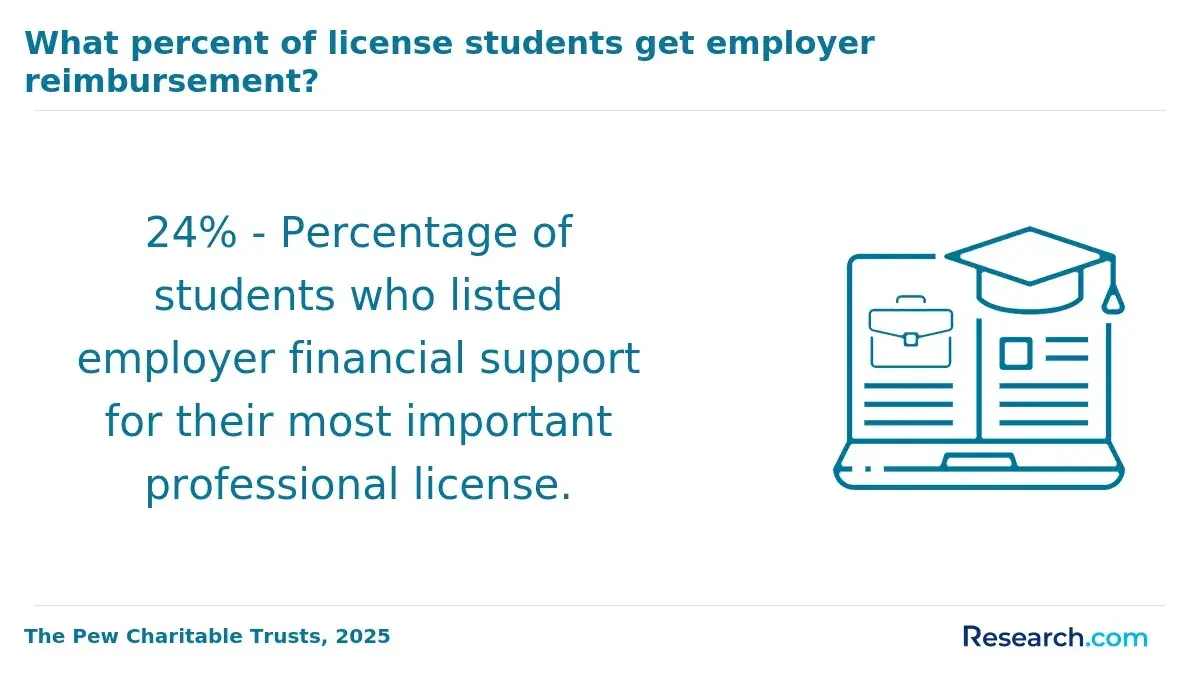
The lowest advertised tuition is not always the lowest total cost. Students should compare tuition model, fees, transfer policy, financial aid eligibility, employer reimbursement rules, and realistic completion speed before deciding which program is more affordable.
Do Weekly Start Online Business Law Degrees Offer More Instructor Support Than Self-Paced Accelerated Programs?
Weekly start online business law degrees typically offer more structured instructor support than self-paced accelerated programs. The difference is not necessarily instructor quality; it is the way support is built into the course design. Weekly start courses create regular touchpoints, while self-paced programs expect students to seek help when they need it.
- Instructor availability: Weekly start online business law degrees instructor support is usually aligned with active course weeks, scheduled assignments, and class discussions. Self-paced accelerated programs may offer flexible support, but instructors are not always engaging with all students on the same timeline.
- Response times: Weekly start programs often guarantee instructors will respond within 24 to 48 hours during active weeks. Self-paced formats may have slower or more variable response times because student questions arrive across individualized schedules.
- Structured interaction: Weekly start students often participate in discussion boards, live webinars, office hours, or group activities. Self-paced accelerated business law programs student assistance is usually less structured and more student-initiated.
- Live communication opportunities: Scheduled live sessions are more common in weekly start courses. Self-paced courses may offer optional sessions, recorded lectures, or asynchronous help instead.
- Academic advising: Weekly start programs commonly include advising at multiple points in the academic calendar. Self-paced programs may concentrate advising at enrollment, progress milestones, and graduation planning.
- Student independence: Both formats require initiative, but self-paced learners need a stronger habit of asking for clarification early, especially in courses involving contracts, compliance, employment law, and legal writing.
Before enrolling, students should ask how instructor access works, whether tutoring is available, how office hours are delivered, and how quickly faculty provide feedback on legal analysis and writing assignments. Program design differences also appear in other fields, including cheapest online psychology degree psychology programs.
Do Employers Prefer Weekly Start Online or Self-Paced Accelerated Business Law Degrees?
Most employers care more about accreditation, institution reputation, relevant skills, work experience, and job fit than whether a business law degree used weekly starts or self-paced acceleration. The format can still influence how graduates present their strengths in interviews and resumes.
- Perceived rigor: Weekly start online business law degrees often resemble traditional academic calendars, with structured deadlines and cohort-based progress. This can signal consistency and sustained engagement.
- Completion timelines: Self-paced accelerated programs can demonstrate motivation and efficiency, especially when students finish while working. Some employers may ask whether faster completion allowed enough depth, so graduates should be ready to discuss projects, case studies, and skills gained.
- Time management skills: According to a National Association of Colleges and Employers (NACE) report, time management is highly valued by 68% of employers evaluating online degree graduates. Weekly start programs show time management through recurring deadlines; self-paced programs show it through independent progress.
- Adaptability: Completing a self-paced accelerated business law degree can signal resilience and adaptability, especially for students balancing nontraditional schedules and heavy workloads.
- Collaboration experience: Weekly start programs may include more group projects, discussion forums, and peer case analysis. Self-paced programs may offer fewer built-in collaboration opportunities, so students may need to highlight workplace teamwork instead.
- Alignment with workforce needs: Employers value practical skills such as contract review, compliance awareness, risk assessment, legal research, and clear business communication. Students should choose the format that helps them build and demonstrate those skills most effectively.
When evaluating options, students can also compare how program structure is discussed in rankings of accelerated online degree programs. Regardless of format, graduates should emphasize accredited study, relevant coursework, measurable projects, and professional experience.
Is There a Salary Difference Between Weekly Start Online vs Self-Paced Accelerated Business Law Degrees?
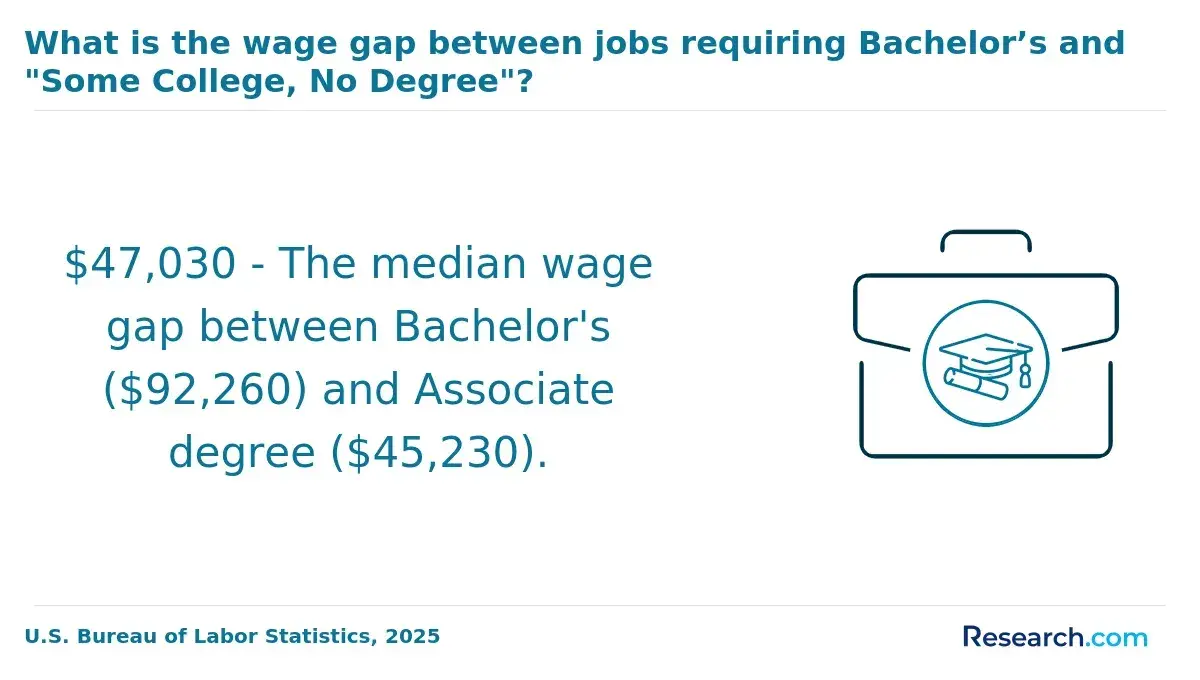
There is no automatic salary premium for choosing a weekly start format or a self-paced accelerated format. Business law graduates in the U.S. typically start with salaries ranging from $60,000 to $75,000, influenced by factors such as experience and location. Salary outcomes depend more on role, employer, geography, prior experience, degree level, and demonstrated skills than on course pacing.
- Time-to-completion: Accelerated self-paced programs may allow students to graduate sooner and enter or advance in the workforce earlier. Weekly start programs may take longer but provide a steadier academic experience.
- Employer perception: Employers may view weekly start programs as familiar because they follow structured academic calendars. Self-paced accelerated degrees can signal initiative, independence, and strong time management.
- Skills and competencies: Both formats can cover similar business law content. Salary impact depends on whether students can apply that knowledge to contracts, compliance, risk management, operations, human resources, or legal support functions.
- Career advancement opportunities: Weekly start graduates may benefit from cohort interaction and consistent feedback. Self-paced students may benefit from continuing to work while studying, which can strengthen experience and promotion potential.
- Return on investment: Format affects ROI indirectly through tuition, completion speed, financial aid, work schedule, and opportunity cost. Students comparing business law degree salary differences online formats should calculate both total cost and realistic career benefit.
Students who want a lower-cost starting point before a bachelor’s pathway may also compare easiest associate degree programs as a foundation for business, legal support, or compliance-related careers.
What Graduates Say About Their Weekly Start Online Degrees vs Self-Paced Accelerated Business Law Degrees
- Benny: "I chose the weekly start online business law degree because I needed a structured schedule to stay motivated. The fixed start dates also helped me plan my budget because the average cost of attendance was manageable with monthly payments. Completing the degree opened doors in contract negotiation and made me more confident at work."
- Greyson: "The self-paced accelerated business law program worked for me because my job hours were unpredictable. The upfront expenses were higher than I expected, but employer reimbursement and personal savings helped me manage the cost. Finishing faster supported my promotion to legal analyst, so the investment was worthwhile."
- Cooper: "I picked the weekly start format because consistent deadlines kept me from procrastinating. Knowing the average cost early helped me apply for scholarships before tuition became stressful. The program improved my legal drafting skills and made me more useful in my firm’s compliance department."
Other Things You Should Know About Business Law Degrees
Switching between weekly start and self-paced accelerated formats typically depends on university policies. Some institutions may offer flexible pathways, allowing students to transition between formats based on their personal or professional needs, while others may require a formal application or assessment process to ensure the transition aligns with academic requirements.
Weekly start online business law programs often provide scheduled cohort-based courses that facilitate peer interaction and networking through discussion boards, group projects, and live sessions. Self-paced accelerated programs typically lack set group activities, which can limit real-time networking but may offer forums or optional events for student engagement. Students seeking structured networking should consider weekly start formats.
Many U.S. business law degrees accept transfer credit only from regionally accredited colleges, often up to 50% of the bachelor’s degree or 6–9 graduate credits. Schools usually require official transcripts and a minimum grade of C or better for undergraduate transfer.
References
- DipHE | LLB Law - Online Learning https://www.rgu.ac.uk/study/courses/579-diphe-llb-law-online-learning
- Student Handbook https://publications.lawschool.cornell.edu/student-handbook/academic-policies-and-procedures/
- Online Accelerated Bachelor Swiss degree - Swiss School of Business and Management Geneva https://www.ssbm.ch/online-bba-accelerated-swiss/
- Weekend JD | : Loyola University Chicago https://www.luc.edu/law/academics/degreeprograms/jurisdoctor/weekendjd/
- Online J.D. Program - St. Mary's Law https://law.stmarytx.edu/academics/programs/jd/online-j-d-program/
- Law students compete on global stage at first REVA–Staffordshire moot court competition https://www.staffs.ac.uk/news/2025/12/law-students-compete-on-global-stage-at-first-revastaffordshire-moot-court-competition
- Best Online Colleges For Working Adults https://www.affordablecollegesonline.org/college-resource-center/online-colleges-for-working-adults/
- LLB Bachelor of Laws | University of London https://www.london.ac.uk/study/courses/undergraduate/llb-bachelor-laws
- 2025's Fastest Online Master’s Degrees & Accelerated Programs https://www.onlinemastersdegrees.org/features/fastest-online-masters-degrees/
- Flexible Legal Education Options for Busy Professionals https://clooper.com/blog/flexible-legal-education-options-for-busy-professionals