2027 Online Business Law Degree Programs Costs: Tuition & Fees

Co-Founder and Chief Data Scientist
An online Business Law degree can be a practical way to build legal knowledge for roles in compliance, contracts, risk management, entrepreneurship, human resources, finance, or corporate operations. The key question is not only whether the program is affordable, but whether its total cost fits your career goal, timeline, and expected return.
Tuition is only one part of the price. Students also need to account for fees, required materials, technology, possible residencies, exam costs, and the opportunity cost of studying while working. Costs can vary sharply by school type, residency status, degree level, credit requirements, and whether the program is a legal studies/business law credential or a law degree designed for attorney preparation.
This guide explains typical online Business Law degree costs, what tuition usually includes, which factors raise or lower the price, how online programs compare with campus-based options, and what financial aid may be available. It also highlights affordable and high-cost examples so you can compare programs with a clearer sense of value.
Key Points About Online Business Law Degree Costs
- Average tuition for online Business Law degrees ranges from $15,000 to $40,000, depending on institution type and program length.
- Costs vary by factors such as residency, accreditation, technology fees, and access to specialized resources.
- The investment is often justified by improved career prospects, networking opportunities, and industry-relevant legal expertise.
What Is the Average Cost of an Online Business Law Degree?
The average cost of an online Business Law degree depends heavily on the credential level and institution. Across programs, annual tuition can range from around $4,000 to over $28,000. Public universities are often the lower-cost option, especially for bachelor’s-level programs, where students can expect to pay about $6,300 per year on average. After financial aid, net costs may be closer to $3,200.
At the undergraduate level, online legal studies or business law programs often charge by the credit. A common rate is near $380 per credit, so the total cost depends on how many credits you transfer in, how many credits the degree requires, and whether the school charges additional online or student service fees.
| Program type | Typical cost information | What to watch for |
| Bachelor’s-level business law or legal studies | Public university programs average about $6,300 per year, with net costs after aid closer to $3,200. | Per-credit pricing, transfer-credit limits, online fees, and required general education courses can change the final price. |
| Master’s-level business law programs | Public universities average approximately $12,600 a year, while private schools may charge upwards of $28,000. | Specialized graduate programs may have higher per-credit rates, shorter completion timelines, or fewer aid options. |
| Lower-cost graduate examples | Some affordable master’s options exist, such as Western Michigan University, where tuition can be as low as $10,840 annually. | Confirm whether quoted tuition includes fees, books, technology costs, and any required in-person components. |
| Traditional Juris Doctor comparison | Traditional Juris Doctor (JD) law degrees often exceed $49,000 per year. | A business law or legal studies degree is usually not the same as a JD and may not qualify a graduate for attorney licensure. |
For many students, an online Business Law degree is less expensive than a traditional JD and more targeted to business-facing roles. However, students who want to practice law should verify whether a program meets the educational requirements for their state’s bar admission rules before enrolling.
What Is Typically Included in the Tuition for an Online Business Law Degree?
Tuition for an online Business Law degree generally pays for instruction, course access, faculty engagement, and the academic infrastructure needed to complete the program remotely. What is included varies by school, so students should review the official cost-of-attendance page rather than relying only on the advertised tuition rate.
Common tuition-covered resources include:
- Digital course materials: Many programs provide access to e-textbooks, legal readings, business law case studies, statutes, regulations, and instructor-selected resources. Some schools include these materials in tuition; others bill them separately.
- Online research databases: Business law coursework often requires legal and academic research. Tuition may include access to online libraries, legal databases, journals, and business research tools.
- Virtual academic support: Students may receive online advising, writing support, tutoring, faculty office hours, and help with legal research or citation formats.
- Technology platforms: Tuition usually includes access to the learning management system, discussion boards, digital assignment tools, online libraries, and sometimes specialized legal research software.
Several costs may still fall outside tuition. These can include printed textbooks, optional study guides, proctored exam fees, graduation application charges, transcript fees, background checks for experiential courses, and personal technology such as a reliable computer, webcam, software, and internet connection.
Some online programs also require short residencies, orientations, intensives, or in-person exams. If a program has any campus requirement, include travel, lodging, meals, and time away from work in your budget. A lower tuition rate can become less affordable if the program adds frequent fees or mandatory travel.

What Factors Influence the Cost of Pursuing an Online Business Law Degree?
The price of an online Business Law degree is shaped by more than the school’s posted tuition. A program that looks affordable at first may cost more after fees, credit requirements, and residency rules are included. Use the full cost of attendance, not just the per-credit rate, when comparing options.
- Type of school: Public universities often charge lower tuition than private institutions, especially for in-state students. For example, Florida residents at the University of Central Florida pay under $200 per credit for online law programs, while private schools usually charge higher rates.
- Residency status: Some online programs still separate in-state and out-of-state tuition. Schools like Cleveland State University set different per-credit charges based on whether students are in-state or out-of-state, which can significantly affect the total price.
- Credit-hour requirements and program length: Tuition is commonly charged per credit hour. Master’s programs in Business Law usually require 30-36 credits, with costs ranging from about $715 to over $2,600 per credit depending on the institution. Programs with more electives, prerequisites, or concentration requirements cost more.
- Technology and administrative fees: Online students may pay fees separate from tuition. These can include technology charges, student service fees, library access fees, and graduation fees. The University of Pittsburgh, for example, charges a $112 per semester technology fee.
- Faculty credentials and school reputation: Programs with highly credentialed faculty, extensive alumni networks, strong employer recognition, or specialized clinics may charge more. Higher cost is not automatically a better value, but reputation and support can matter if they improve career mobility.
- Transfer credits and prior learning: Students entering a bachelor’s program with completed general education credits may reduce the number of credits they need to pay for. Graduate students should ask whether prior coursework or professional experience affects course requirements.
- Student support services: Career coaching, writing centers, legal research support, employer connections, and internship assistance can improve value. A slightly higher-cost program may be worthwhile if it provides strong services that help students finish and use the degree effectively.
Before applying, ask each school for a program-level estimate that includes tuition, required fees, books, materials, residency expenses, and expected completion time. Students comparing business-related online options may also want to review the cheapest online business management degree pathways alongside business law programs to understand how costs differ across adjacent fields. For broader context on employment direction by field, see college majors employment prospects.
Are Online Business Law Programs Cheaper Than Traditional Programs?
Online Business Law programs are often cheaper than traditional on-campus programs, but the savings are not guaranteed. The largest cost advantages usually come from lower campus-related expenses, fewer commuting costs, and the ability to keep working while studying.
According to the National Center for Education Statistics, the average tuition for online Business Law programs in the US was about $6,315 annually in 2020, compared to $9,717 for on-campus programs. The average net price after financial aid also favored online students: $3,206 versus $4,640.
Online students may also save on transportation, parking, campus housing, relocation, and some facility-based fees. In some cases, online programs charge the same tuition to in-state and out-of-state students, which can make them especially attractive for nonresidents.
However, not every online program is low-cost. Some private online programs charge tuition similar to campus-based programs, especially when they include extensive advising, specialized legal databases, clinical experiences, or premium faculty access. Students should compare total cost, not just delivery format. For those evaluating flexible online education options, reviewing the top programs for seniors online can provide additional context on online program design and accessibility.
Are There In-state and Out-of-state Tuition for Online Business Law Programs?
Yes, some online Business Law programs still use in-state and out-of-state tuition rates, especially at public universities. Other schools charge one flat online tuition rate regardless of where the student lives. This policy can make a major difference in total cost.
Temple University and Rutgers Law School show how residency can affect pricing. Temple University's online J.D. program tuition is approximately $32,588 for state residents but rises to $48,996 for others. Rutgers Law's in-state tuition is about $31,577, while out-of-state students pay nearly $47,863.
By contrast, some schools use flat-rate tuition models. Purdue Global Law School is an example where all online students pay the same tuition regardless of location. Private institutions also commonly charge the same rate to all students, though that rate may be higher than public in-state tuition.
Students should also check for regional tuition agreements. Some schools offer reduced rates to students from neighboring states or members of specific regional compacts. Before enrolling, confirm your residency classification, whether online students qualify for in-state rates, and whether tuition changes if you move during the program.
Which Schools Offer the Most Affordable Business Law Degree Programs?
The most affordable online Business Law degree programs tend to combine reasonable tuition, flexible scheduling, transparent fees, and strong transfer-credit policies. A low tuition rate is helpful, but students should also check whether the curriculum matches their goal, whether the school is properly accredited, and whether graduates receive career support.
Examples of lower-cost programs include:
- National University: Offers an online Bachelor of Arts in Pre-Law Studies for approximately $4,162 per year. The fully online curriculum includes foundational legal topics relevant to business law, such as contracts and civil procedure.
- Northeastern State University: Offers a bachelor’s degree in legal studies with a focus on business law. Tuition is $221 per credit for in-state students and $525 per credit for out-of-state students, making it especially budget-friendly for Oklahoma residents. Courses include American law, legal ethics, and legal research.
- Texas A&M School of Law: Offers an online LLM in Risk Management at about $8,904 annually. The graduate-level program uses flat-rate pricing and accelerated coursework to help control cost and completion time.
The Thomas Jefferson School of Law also offers an online LLM in Financial Compliance for around $9,060 per year. These types of programs may appeal to students seeking specialized legal knowledge for compliance, financial services, corporate governance, or risk-focused roles.
When comparing affordable programs, look beyond annual tuition. Ask whether the quoted cost assumes full-time enrollment, whether there are semester fees, whether legal database access is included, and how long most students take to finish. Students considering graduate-level value can also review masters degrees with the highest ROI to think more critically about cost, career fit, and long-term payoff.
Which Schools Offer the Most Expensive Business Law Degree Programs?
The most expensive online Business Law degree programs are often offered by institutions with strong brand recognition, specialized legal curricula, advanced faculty expertise, clinical opportunities, or extensive student support. Higher tuition may be justified for some students, but only if the program’s outcomes and network align with the student’s career plan.
Examples of higher-cost programs include:
- Loyola University Chicago: Its online Master of Laws (LL.M.) in Business Law totals approximately $67,818 in tuition. The program requires a primary law degree, includes a thesis, and offers access to the Business Law Clinic with practicing attorney faculty.
- Davenport University: The Bachelor of Science in Legal Studies costs around $29,220 per year. The program includes an employment guarantee and distinctive clinical experiences, which contribute to its comparatively higher cost.
- Arizona State University: The Bachelor of Arts in Business - Law costs about $17,220 annually, while graduate law programs can reach $28,800 for out-of-state students. ASU’s programs are known for combining business and legal studies in online formats.
Expensive programs may offer advantages such as stronger employer recognition, specialized concentrations, legal clinics, career advising, or alumni access. Still, students should request outcome information where available and compare total borrowing against expected career benefits. Reviewing the best accredited non-profit online schools can also help students identify institutions that balance reputation, quality, and cost.
How Long Does It Take to See a Return on an Online Business Law Degree?
The return on an online Business Law degree depends on how much you pay, how much aid you receive, how much debt you take on, and whether the credential helps you move into a better-paying or more stable role. For many students, the degree is most valuable when it strengthens an existing business, compliance, finance, HR, or operations career rather than serving as a stand-alone guarantee of employment.
Graduates with a bachelor’s degree in legal studies or business law often begin with salaries exceeding $50,000 annually, while paralegal positions typically start around $45,500 as of 2025. In general, students may see a return on their tuition investment within three to five years, but the timeline varies widely.
Annual tuition costs for online bachelor’s programs average about $6,315, though many students pay under $3,500 after aid. Master’s degrees cost more, averaging $12,596 at public schools and $28,017 at private schools, and typically require one to two years to finish.
To estimate your own return, compare the total program cost with the realistic salary increase you expect after graduation. Include loan interest, fees, time out of the workforce, and whether you can continue working while enrolled. A lower-cost program with strong relevance to your current job may produce a faster return than a prestigious program that requires heavy borrowing.
Are Online Business Law Students Eligible for Financial Aid?
Online Business Law students in the U.S. are generally eligible for financial aid if they attend an eligible accredited institution and meet standard aid requirements. Eligibility for federal financial aid for online Business Law programs depends on factors such as enrollment status, citizenship or eligible noncitizen status, and completion of the FAFSA.
Financial aid can come from federal loans, school-based scholarships, employer tuition assistance, veterans benefits, and external awards. Graduate students should pay particular attention to borrowing limits and interest costs, since grants are less common at that level.
- Federal Direct Unsubsidized Loans and Graduate PLUS Loans: These loans can help cover the full cost of attendance, including tuition, fees, and living expenses. Graduate PLUS loans require a credit check. Borrow only what you need, because interest and repayment terms affect the true cost of the degree.
- Business Law scholarships and grants for US students: Some schools offer merit-based or need-based institutional grants and scholarships. External scholarships may also be available for students in legal studies, compliance, business law, or related professional fields.
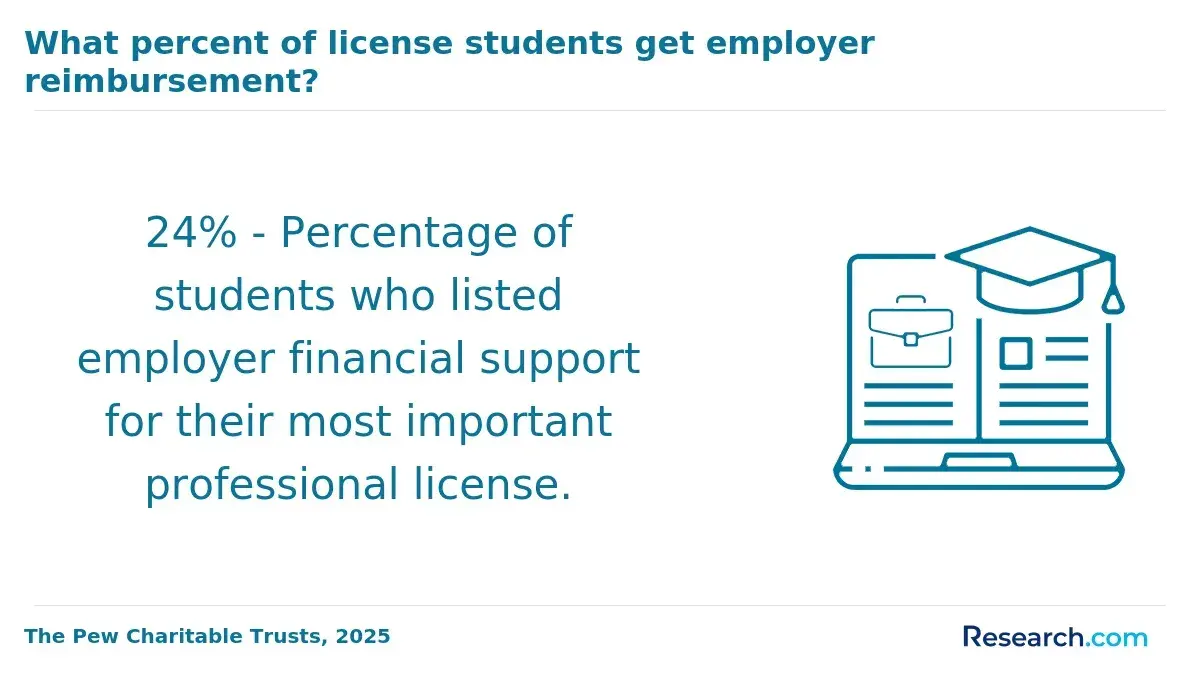
- VA Educational Benefits and Employer Tuition Assistance: Military service members and veterans may qualify for VA benefits or tuition assistance programs. Some employers also provide tuition reimbursement when the coursework supports the employee’s current role or career path.
Students should contact each school’s financial aid office before enrolling and request a full cost-of-attendance estimate. Also ask whether the online program is eligible for the same aid as campus programs, whether part-time students qualify, and whether scholarships require minimum enrollment levels. For career planning beyond financing, students can review guidance on what is the best career for introverts.
Are Online Business Law Programs Expected to Increase in the Coming Years?
Online Business Law programs are likely to remain an important part of legal and business education because they serve working adults, career changers, entrepreneurs, and professionals who need legal literacy without relocating or leaving their jobs. As business regulation, compliance, contracts, privacy, employment law, and risk management remain central concerns for organizations, demand for flexible legal education is likely to stay relevant.
Costs, however, may also continue to rise. Tuition for online Business Law programs already ranges from moderate to high depending on the institution, degree level, and public or private status. Public universities often remain more affordable, especially for in-state students, while private institutions usually charge higher tuition. Programs that charge per credit can become more expensive when they require more courses, electives, or specialized concentrations.
Students should not assume that online automatically means inexpensive. Instead, compare programs annually, because tuition, fees, aid policies, and residency rules can change. The best approach is to choose a program with transparent pricing, a curriculum that matches your intended career path, and enough flexibility to let you manage work, family, and study without extending the degree unnecessarily.
What Students Say About The Cost of Pursuing Online Business Law Programs
-
: "The cost of obtaining my Business Law degree online was a fraction of what on-campus alternatives offered, yet the professional skills and understanding of legal frameworks I received are invaluable. Completing the program has significantly enhanced my resume, yielding a great return on investment and making the expense worthwhile.
Cooper"
-
: "Reflecting on my experience, the affordable tuition cost of my online Business Law degree made advanced education feel accessible without sacrificing quality. It gave me essential legal insights that have positively impacted my entrepreneurial ventures, proving that careful investment in education pays off in practical ways.
Greyson"
-
: "Pursuing my online Business Law degree was a smart financial choice; the cost was much lower than traditional programs, and the knowledge I've gained has already opened doors in my career in corporate consulting. The return on investment truly shows when you can apply what you've learned directly to your job. I highly recommend this path for anyone balancing cost and career growth.
Benny"
Other Things You Should Know About Business Law Degree Program Costs
Yes. Some programs require a short on-campus residency or orientation fee, often charged separately from tuition. In 2027, these costs can include travel, lodging, and a mandatory program fee, and they are usually listed in the school’s tuition and fees schedule.
Yes, students should be aware of extra fees such as technology fees, course materials, registration fees, and sometimes exam or proctoring fees. These additional costs can add several hundred to a few thousand dollars to the overall program expense. It is essential to review the school's fee schedule when assessing the total cost of attendance.
References
- Medical Billing Training, Medical Billing Course Online - AAPC https://www.aapc.com/training-and-events/exam-preparation/cpb-exam-preparation-course
- Online Law School Tuition & Materials | St. Francis School of Law https://stfrancislaw.com/admissions/tuition/
- Tuition & Cost of Attendance https://www.law.georgetown.edu/admissions-aid/financial-aid/tuition-cost-of-attendance/
- Section 5: Certification Prep https://www.medicalbillingandcoding.org/certification-prep/
- Tuition fees https://www.law.ed.ac.uk/study/online-masters-degrees/tuition-fees
- Master of Legal Studies in Business Law https://www.regent.edu/program/master-of-legal-studies-in-business-law/
- Newswire https://www.legalitprofessionals.com/legal-it-columns/guest-columns/7203-how-to-achieve-your-law-firm-s-roi-in-online-research-services
- LegalTech ROI Calculation by InvestCEE Advisors https://investcee.hu/legaltech-roi-calculation/
- LL.M International Business Law https://rkc.swiss/cumbria-online-llm
- Medical Billing and Coding Undergraduate Certificate | DeVry https://www.devry.edu/online-programs/undergraduate-certificates/medical-billing-and-coding.html