2027 Are There Any One-Year Online Business Law Degree Programs Worth Considering?

Co-Founder and Chief Data Scientist
A one-year online Business Law program can help you understand contracts, compliance duties, corporate governance, intellectual property, and legal risk without enrolling in a traditional law school program. The important distinction is credential purpose: most one-year online options are graduate certificates, Master of Legal Studies (MLS) programs, or LL.M. programs, not Juris Doctor (JD) programs that lead to attorney licensure.
This route is designed mainly for professionals who make business decisions with legal consequences. It can be useful for managers, compliance staff, entrepreneurs, contract administrators, HR professionals, finance employees, healthcare administrators, technology teams, and operations leaders who need to work more effectively with legal counsel and reduce avoidable risk.
This guide explains when a one-year Business Law program is realistic, what types of online programs are available, how to judge quality and cost, what admissions requirements to expect, what the workload looks like, and how to decide whether an accelerated online format fits your career goals.
Key Points About One-Year Online Business Law Degree Programs
- One-year online Business Law degrees focus on practical, industry-specific skills faster than traditional programs, which usually span two to four years.
- Programs emphasize contracts, corporate governance, and compliance, catering to working professionals seeking quick career advancement or specialization.
- Limited availability and higher intensity are common; students should expect rigorous coursework and fewer electives compared to traditional degrees.
Is It Feasible to Finish a Business Law Degree in One Year?
Yes, but only for certain credentials. A one-year timeline is most realistic for online graduate certificates, Master of Legal Studies (MLS) programs, and some LL.M. programs. These programs are usually built for focused legal training rather than broad professional preparation for law practice.
A one-year schedule is generally not realistic for a bachelor's degree or a Juris Doctor (JD). Bachelor's degrees require far more credits, and JD programs typically involve three or more years of legal study, writing, skills training, and professional preparation. A JD is also the standard academic path for students who intend to pursue attorney licensure. By contrast, most one-year online Business Law programs are intended for professionals who need legal knowledge in business settings but do not plan to practice law.
What makes completion in one year possible?
- Credential level: Graduate certificates, MLS programs, and some LL.M. programs are more likely to fit a 12-month schedule than bachelor's or JD programs.
- Credit load: Shorter programs with fewer required credits can be completed faster, especially when courses run in accelerated terms.
- Prior education: LL.M. programs often assume prior legal training, which allows students to focus on specialization rather than introductory law courses.
- Full-time enrollment: Students who enroll part time often need more than one year, even in programs advertised as accelerated.
- Program design: Programs without clinics, residencies, externships, or licensure preparation are easier to complete within 12 months.
- Transfer credit: Some schools may allow applicable prior graduate coursework to reduce the remaining course load.
The trade-off is intensity. Legal coursework requires careful reading, analytical writing, discussion, and application of rules to fact patterns. A one-year program can be efficient, but it is not a shortcut. It works best for students who can protect consistent study time and keep up with frequent deadlines.
Are There Available One-year Online Business Law Degree Programs?
Yes. One-year online Business Law options exist, but they are more commonly certificates or specialized graduate programs than full law degrees. Program names can vary widely. Schools may use terms such as business law, legal studies, compliance, corporate law, commercial law, financial compliance, or risk management for programs that overlap but are not identical.
For working adults, the strongest options are usually designed around flexible online delivery and a targeted legal curriculum. These programs often serve professionals in business, finance, healthcare, technology, human resources, operations, compliance, or contract administration who need legal fluency but are not pursuing bar licensure.
Students who are comparing accelerated formats more broadly can also review accelerated adult degree programs online to see how business, legal studies, compliance, and management pathways differ.
Examples of available options
- Northeastern University: Offers a one-year online Business Law Certificate program covering contracts, intellectual property, and regulatory compliance, designed to prepare professionals for practical legal challenges in business environments.
- University of Southern California (USC): Provides an accelerated Business Law graduate certificate online that blends theory with real-world applications, allowing students to complete the program within 12 months while accommodating full-time work schedules.
- Southern New Hampshire University: Features a fully online accelerated business law degree online program focusing on corporate governance, business ethics, and commercial law, ideal for those seeking a swift transition into legal advisory roles.
How to confirm the program is truly one year
- Check the total number of required credits.
- Confirm whether the 12-month plan assumes full-time enrollment.
- Ask whether every required course is offered often enough to avoid delays.
- Review any prerequisites, capstones, residencies, or sequencing rules.
- Clarify whether the award is a certificate, MLS, LL.M., master's degree, or JD.
The credential label matters. A certificate may be enough for targeted professional development. A master's degree may carry more weight for advancement in some organizations. An LL.M. is usually more appropriate for students with previous legal education. A JD is the relevant route for students whose goal is to become licensed attorneys.
Why Consider Taking Up One-year Online Business Law Programs?
A one-year online Business Law program can be a strong choice if you need practical legal knowledge for business decisions and want a faster, more flexible option than a traditional law school pathway. Its main value is not bar preparation. Its value is helping professionals identify legal risk, understand contracts and regulations, communicate clearly with counsel, and make better business decisions.
- Faster skill development: The one-year format can help professionals build focused knowledge quickly for work involving compliance, contracts, risk, operations, or corporate policy.
- Flexible study options: Online delivery may allow students to continue working while completing lectures, readings, discussions, and assignments around professional obligations.
- Applied legal focus: Strong programs emphasize business-relevant topics such as contract interpretation, corporate governance, regulatory compliance, intellectual property, commercial law, and business ethics.
- Career relevance: Legal literacy can strengthen performance in regulated fields such as finance, healthcare, technology, insurance, corporate operations, and human resources.
- Lower opportunity cost: Students often avoid relocation and may not need to leave the workforce, which can make the program easier to justify financially.
- Better collaboration with attorneys: Non-lawyer professionals benefit from knowing when to escalate legal issues, how to frame questions, and how to avoid making decisions based on incomplete legal assumptions.
The best candidates already have a clear professional reason for studying business law. The program can be especially useful if your current or target role involves reviewing agreements, monitoring compliance, managing vendors, supporting corporate governance, evaluating policy, or working in a regulated industry.
It is less appropriate for students who need broad legal training, extensive clinical experience, in-person professional networking, or a path to attorney licensure. Prospective students who want flexible admissions options may also compare online colleges open enrollment while evaluating accreditation, support services, and program fit.
What Are the Drawbacks of Pursuing One-year Online Business Law Programs?
The main drawback is compression. Business law is not just memorizing rules. Students must learn to read legal materials, interpret contracts and regulations, analyze risk, and explain legal concepts in practical business language. Compressing that work into one year leaves less time for reflection, electives, networking, and deeper specialization.
- Heavy workload: Accelerated programs may require frequent reading of cases, statutes, regulations, contracts, and policy materials.
- Burnout risk: Students who work full time, travel often, care for family members, or have unpredictable schedules may struggle with the pace.
- Limited networking: Short online programs may provide fewer opportunities to build deep relationships with faculty, classmates, alumni, and legal professionals.
- High self-management demands: Online students must track deadlines, discussions, readings, and projects without the structure of regular in-person attendance.
- Fewer electives: A one-year curriculum may cover the essentials but leave limited room for tax, employment law, mergers and acquisitions, data privacy, or international business law.
- Not a JD substitute: Most one-year Business Law programs do not prepare students to practice law or sit for the bar exam.
- Potential credential confusion: Employers may view certificates, MLS degrees, and LL.M. programs differently, so students should understand how each credential is recognized in their field.
These drawbacks do not make the program a poor choice. They make goal alignment essential. If you want to become more effective in a business, compliance, contract, or risk-related role, an accelerated program may fit well. If your goal is to become an attorney, a one-year online Business Law program is usually not the right pathway.
What Are the Eligibility Requirements for One-year Online Business Law Programs?
Eligibility depends on the credential. Most one-year graduate programs, including Master of Laws (LLM) and Master of Legal Studies (MLS) options in Business Law, require applicants to hold a completed undergraduate degree before enrollment. Schools commonly request official transcripts and may require prior degrees to come from an accredited institution.
Prior legal experience is not always required. Many MLS and certificate programs are built for non-lawyer professionals in business, compliance, management, finance, healthcare, technology, and operations. LL.M. programs, however, may expect previous legal education. Some programs, like certificate courses at USC Gould School of Law, do not require any prior law experience.
Common admissions requirements
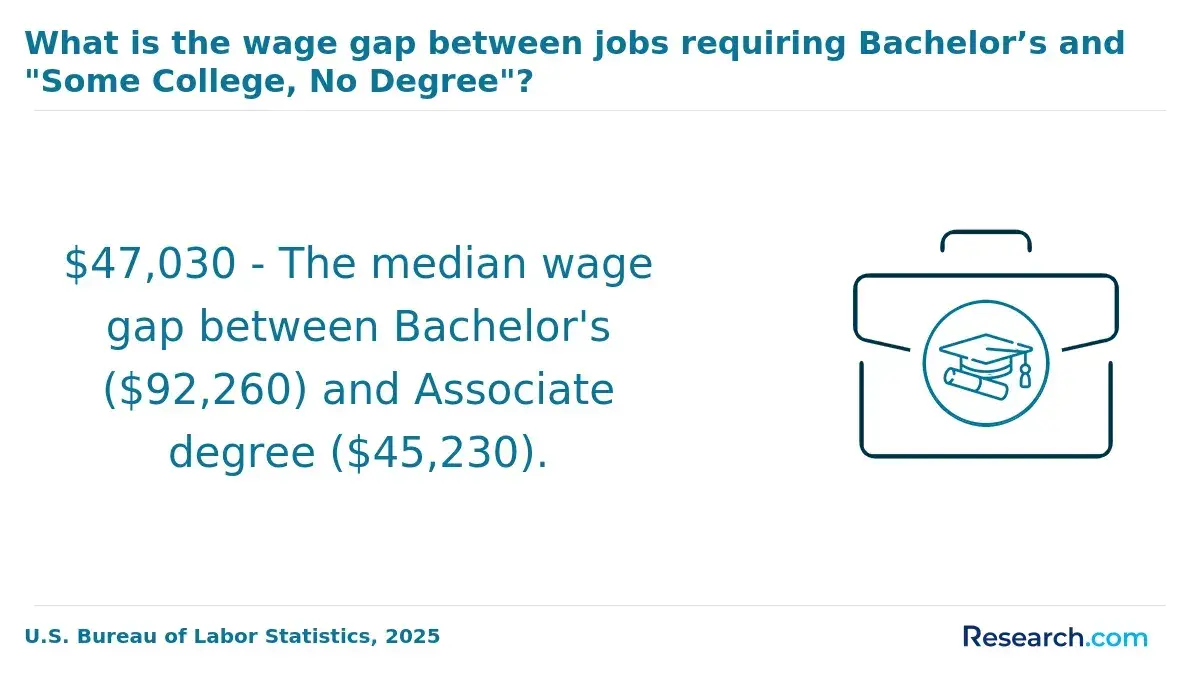
- Undergraduate degree: Most one-year programs require a completed bachelor's degree from an accredited school.
- Professional experience: Work experience is not always mandatory, but it can strengthen applications to programs aimed at working professionals.
- Prerequisite coursework: Some programs recommend prior coursework in business, law, political science, economics, accounting, or related fields.
- Standardized tests: LSAT scores are generally not required for non-JD online Business Law programs.
- GPA and LSAT: Some accelerated or dual-degree programs may require minimum scores.
- Personal statement: Applicants often submit a statement explaining their goals, interest in business law, and fit with the program.
- Letters of recommendation: Schools may ask for academic or professional references who can address writing ability, judgment, reliability, and readiness for graduate work.
- Admissions interview: Selective or specialized programs may use interviews to assess preparation and career alignment.
- English proficiency: International applicants may need to submit proof of English language proficiency.
- Background checks and placement exams: These are rare but may be requested for specific programs.
How to make your application stronger
- Connect the program directly to your current role or target career path.
- Highlight work involving contracts, compliance, regulations, governance, operations, finance, risk, or policy.
- Choose recommenders who can speak to your analytical ability, writing skills, professionalism, and follow-through.
- Use the personal statement to show that you understand the credential's purpose and that it is not a JD or bar-licensure pathway.
Applicants considering a one-year online Business Law degree as part of long-term career planning may also compare it with other graduate credentials, including a high paying master's degree, to determine which option best supports their goals.
What Should I Look for in One-year Online Business Law Degree Programs?
Start with legitimacy, then evaluate fit. A one-year program is only worthwhile if the institution is properly accredited, the credential is understood by employers, the curriculum matches your goals, and the workload is realistic for your schedule. Speed should never be the main reason to enroll.
- Accreditation: Confirm that the institution is accredited by a recognized agency. Accreditation affects transferability, employer recognition, and access to federal financial aid. Only accredited programs qualify for federal financial aid according to the U.S. Department of Education.
- Credential type: Determine whether the program awards a certificate, MLS, LL.M., or another master's credential. Each serves a different audience and career purpose.
- Faculty background: Look for instructors with experience in business law, corporate law, compliance, intellectual property, contracts, finance, entrepreneurship, or regulatory practice.
- Curriculum fit: Review whether courses cover contracts, corporate governance, regulatory compliance, intellectual property, business ethics, commercial law, and legal risk management.
- Applied assignments: Strong programs use contract exercises, case analysis, compliance scenarios, policy review, and legal writing rather than relying only on exams.
- Online format: Check whether courses are asynchronous, live online, or blended. If you work full time, confirm attendance rules and time zone expectations.
- Transfer policy: If you have prior graduate credits, ask whether they can apply and whether transfer approval affects the one-year timeline.
- Total price: Compare the full cost, including tuition, technology fees, books, graduation fees, and any required residency expenses.
- Student support: Online students should have access to advising, library databases, writing support, technical help, and career services.
- Career relevance: Ask what types of roles the program is designed to support and whether online students receive career coaching or networking access.
Questions to ask before enrolling
- Can students realistically finish in one year while working full time?
- Does the one-year plan depend on course availability or a fixed sequence?
- Is the credential a certificate, MLS, LL.M., master's degree, or JD?
- Will employers in my field understand and value this credential?
- Does the program qualify for federal financial aid?
- Are online students included in advising, networking, and career services?
- Does the curriculum match my intended role in compliance, contracts, governance, risk, entrepreneurship, or operations?
Because one-year business law degrees online are relatively uncommon, compare several institutions before committing. Reviewing top ranked online colleges can help you identify schools with stronger online infrastructure, academic support, and student services.
How Much Do One-year Online Business Law Degree Programs Typically Cost?
One-year online Business Law degrees typically range from $8,900 to $24,700 for the full program. Costs vary by school, credential type, credit load, specialization, faculty model, and institutional reputation. Always compare total cost of attendance, not just advertised tuition.
For example, Texas A&M's LLM in Risk Management costs about $8,904 annually, while Thomas Jefferson School of Law's LLM in Financial Compliance is priced at $9,060. Specialized tracks, including corporate law and financial compliance, may have different pricing based on curriculum design, institutional reputation, and faculty expertise.
Compared to the typical three-year law school degree that can exceed $217,000 in total costs, one-year online Business Law programs are significantly less expensive. With one-year degrees costing roughly 20-40% of traditional JD tuition, they may help students gain targeted legal knowledge while limiting educational expenses and time away from work.
Costs to verify before applying
- Tuition structure: Confirm whether the school charges per credit, per course, per term, per year, or for the full program.
- Mandatory fees: Ask about technology fees, online learning fees, student service fees, graduation fees, and registration charges.
- Books and materials: Legal textbooks, case materials, course platforms, and research tools can add to the final cost.
- Residency costs: Some online programs may include optional or required campus experiences that create travel and lodging expenses.
- Employment impact: A low tuition price may still be costly if the workload forces you to reduce work hours.
- Financial aid eligibility: Degree and certificate programs may qualify for different aid options, so verify eligibility before enrolling.
A lower price does not automatically mean better value. The better question is whether the credential, curriculum, faculty access, student support, and employer recognition justify the cost for your intended role. Students comparing business-related online programs by price may also want to review options for the cheapest online bachelor's degree business administration if they are still deciding between undergraduate business study and graduate-level legal training.
What Can I Expect From One-year Online Business Law Degree Programs?
Expect a fast, reading-intensive, writing-heavy program focused on applying legal concepts to business problems. Courses may include asynchronous lectures, live online sessions, discussion boards, case studies, legal research, written analysis, and practical assignments.
The curriculum commonly addresses business operations, regulation and compliance, entrepreneurship law, contracts, corporate governance, intellectual property, business ethics, and the impact of technology on legal practice. Strong programs use real-world scenarios so students can practice spotting legal issues, evaluating risk, and communicating clearly with business teams.
Typical learning outcomes
- Understand how laws and regulations influence business decisions.
- Analyze contracts, policies, compliance obligations, and governance issues.
- Recognize legal risks before they become operational, financial, or reputational problems.
- Communicate more effectively with attorneys, executives, regulators, vendors, and internal teams.
- Apply legal reasoning to business cases and organizational decisions.
- Build a foundation for roles involving compliance, risk, contracts, operations, entrepreneurship, or corporate support.
What the workload may feel like
The pace is often the biggest challenge. Instead of spreading foundational and specialized topics over several years, students may move through multiple accelerated terms with limited downtime. Weekly work can include readings, discussion posts, short analyses, longer writing assignments, quizzes, group work, and applied projects.
Students who succeed usually create a fixed study schedule, start assignments early, and avoid falling behind on readings. Because legal analysis builds over time, catching up after missed weeks can be difficult in an accelerated format.
Some programs allow students to tailor coursework through specialized master's tracks or professional certificates in areas such as entrepreneurship or technology law. Students who want broader academic combinations may also consider whether a double degree program better supports their goals.
Are There Financial Aid Options for One-year Online Business Law Degree Programs?
Yes, financial aid may be available for one-year online Business Law programs, but eligibility depends on the school, accreditation status, credential type, enrollment level, and student profile. Degree programs often have broader aid options than standalone certificates, so students should verify funding before they apply.
Three common funding options include:
- Federal Financial Aid: Most accredited programs accept federal loans and sometimes grants. Applicants must complete the FAFSA annually, typically requiring U.S. citizenship or eligible noncitizen status, half-time enrollment, and satisfactory academic progress. Graduate-level certificates may face stricter limits, so confirm details with the institution.
- Scholarships: Universities often provide merit- or need-based scholarships, with some offering significant awards like American University's $15,000 grant for its online Master of Legal Studies. Criteria and deadlines vary, so early application is recommended.
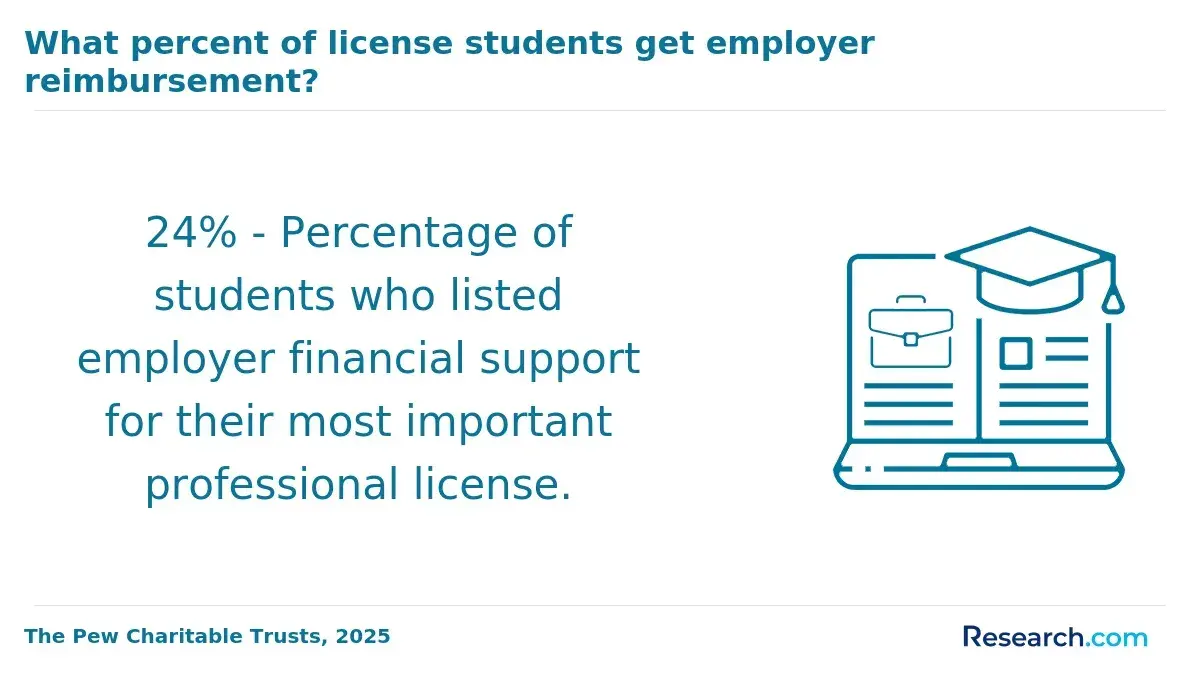
- Employer Tuition Assistance: Many professionals can use employer-sponsored reimbursement plans, subject to company policies, program relevance, and prior approval.
Additional funding sources to consider
- Institutional grants: Some schools offer internal funding for graduate or online students.
- Private scholarships: Professional associations, legal organizations, and industry groups may offer awards for business, compliance, or legal studies students.
- Private loans: These may be available but can have different interest rates, repayment terms, and borrower protections than federal loans.
- State or resident-based aid: Some students may qualify for state or institutional funding based on residency, employment sector, or public service background.
Before committing, ask the financial aid office whether the specific program qualifies for aid, whether you must enroll at least half time, and whether accelerated terms affect disbursement timing. If you plan to use employer benefits, get written approval before the first term begins and confirm any grade, repayment, or continued-employment conditions.
What Business Law Graduates Say About Their Online Degree
- : "Earning my Business Law degree online in just one year was a game-changer for my career. The accelerated format kept me engaged and motivated, and the practical knowledge I gained helped me secure a promotion within months of graduating. Considering the average cost of attendance, this program offered incredible value and efficiency. — Benny"
- : "The competency-based structure of the Business Law degree really suited my learning style. Being able to progress at my own pace meant I fully mastered each topic before moving on, which deepened my understanding and confidence in applying legal concepts to real-world business situations. The flexibility made balancing work and study manageable and rewarding. — Greyson"
- : "Reflecting on my experience, the one-year online Business Law program was both intense and transformative. It challenged me to grow quickly but also prepared me thoroughly for my role in corporate compliance. The affordable tuition compared to traditional degrees was a huge plus, making this path accessible without sacrificing quality. — Cooper"
Other Things You Should Know About Pursuing One-Year Business Law Degrees
To enroll in a one-year online Business Law degree program in 2027, candidates typically need a bachelor's degree in a related field. Some programs may require relevant work experience or a satisfactory GMAT/GRE score. Check specific program requirements as they can vary by institution.
Accredited one-year online Business Law programs in 2027 must meet standards set by governing bodies like the ABA or regional accrediting agencies. Accredited programs ensure quality education, covering specific curriculum and faculty qualifications necessary for professional recognition and career advancement.
References
- LL.M International Business Law https://rkc.swiss/cumbria-online-llm
- College of Law https://law.fsu.edu/academic-rules-policies-and-procedures-llm-business-law-online
- Five reasons to study international business law https://online.liverpool.ac.uk/five-reasons-study-international-business-law/
- Why Study Business Law and its 9 Essential Functions https://www.immerse.education/university-preparation/choosing-a-degree/why-study-business-law/
- Online Bachelor's Degree Completion Financial Aid https://www.hamline.edu/admission-aid/financial-aid/online-bachelors
- What to do after a Masters in Business Law https://www.ipag.edu/en/blog/what-do-after-masters-business-law
- Online J.D. Program - St. Mary's Law https://law.stmarytx.edu/academics/programs/jd/online-j-d-program/
- 5 Top Online Platforms For Studying Business Law - Dr. Diana Rangaves, PharmD https://dianarangaves.com/2025/08/14/10-top-online-platforms-for-studying-business-law/
- International Commercial Law and Practice (Online Learning) LLM - Postgraduate taught programmes https://study.ed.ac.uk/programmes/postgraduate-taught/825-international-commercial-law-and-practice-online-learning
- Tuition and Financial Aid https://online.law.tulane.edu/admissions/tuition-financial-aid