
2027 How to Become an Elementary School Teacher in Nevada: Requirements & Certification

Co-Founder and Chief Data Scientist
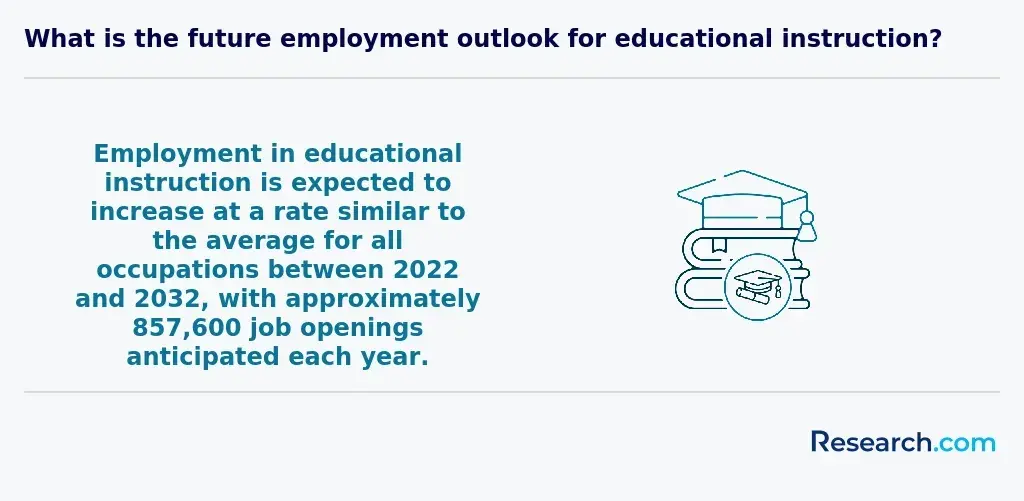
Becoming an elementary school teacher in Nevada requires more than earning a degree. You need to choose the right preparation route, complete state-approved training, pass required exams, clear a background check, and apply through the Nevada Department of Education. The process matters because Nevada continues to report a need for qualified educators, with the Nevada Department of Education projecting demand for over 1,000 new educators annually.
This guide explains the Nevada elementary teacher pathway in practical terms: education requirements, licensure steps, timelines, costs, online program rules, traditional versus alternative certification, specializations, career options, job market considerations, and mistakes to avoid. It is designed for first-time college students, career changers, substitute teachers, paraprofessionals, and licensed educators considering a move into elementary education.
Quick Answer: How do you become an elementary school teacher in Nevada?
To become an elementary school teacher in Nevada, you generally need a bachelor’s degree from an accredited institution, completion of a state-approved teacher preparation program, passing scores on required Praxis exams, a criminal background check, and approval from the Nevada Department of Education. Candidates should also plan for application and background-check costs, supervised teaching experience, and license renewal requirements after they begin working.
Key Things You Should Know About Becoming an Elementary School Teacher in Nevada
- The average time to complete the licensure process for elementary school teachers in Nevada is approximately 12 to 18 months, depending on individual circumstances and program availability.
- In the 2022-2023 academic year, the Nevada Department of Education issued over 2,500 initial teaching licenses, showing continued hiring activity for new educators.
- Applicants must pay a non-refundable application fee of $150, and background checks can add another $50 to $75.
- Licensure candidates must hold a bachelor’s degree in education or a related field, complete a state-approved teacher preparation program, and pass the Praxis Core Academic Skills for Educators tests.
- After licensure, Nevada teachers must renew their licenses every five years and complete at least 60 hours of professional development or continuing education credits.
- What are the educational requirements for elementary school teachers in Nevada?
- What is the licensure application and renewal process for elementary school teachers in Nevada?
- What is the difference between traditional and alternative teacher certification programs in Nevada?
- How long does it take to become an elementary school teacher in Nevada?
- Are online education programs accepted for teacher licensure in Nevada?
- How does an online elementary education program in Nevada compare to an on-campus program?
- What is the average cost of elementary education programs in Nevada?
- How to choose the best elementary education program in Nevada?
- What types of specializations are available within elementary education in Nevada?
- What career paths are available for elementary school teachers in Nevada?
- What is the job market for elementary school teachers in Nevada?
- What support resources are available for elementary school teachers in Nevada?
- How Can Special Education Certification Enhance My Career as an Elementary Teacher in Nevada?
- Can Early Childhood Education Experience Enhance My Elementary Teaching Effectiveness?
- How Can Private School Teaching Expand My Career Horizons?
- What is the cheapest way to get a teaching credential in Nevada?
- Should Elementary Teachers Consider Pursuing an Online School Counseling Degree in Nevada?
- What Have Recent Policy Updates in Teacher Certification Requirements in Nevada?
- What Are the Opportunities for Career Growth and Advancement for Elementary Teachers in Nevada?
- What Are the Emerging Trends in Elementary Education in Nevada?
- Can Advanced Mathematics Skills Enhance My Classroom Effectiveness?
- Can Obtaining a Speech-Language Pathology Certification Benefit My Elementary Teaching Role?
- How Can Elementary Teachers Transition to High School Mathematics Roles in Nevada?
- Are there opportunities to teach at higher grade levels in Nevada?
What are the educational requirements for elementary school teachers in Nevada?
Nevada’s elementary teacher requirements combine academic preparation, supervised classroom practice, testing, and background screening. The exact route can vary based on whether you are entering college for the first time, already hold a bachelor’s degree, or are completing an alternative certification program.
| Requirement | What it means for candidates | Why it matters |
| Bachelor’s degree | You must earn a bachelor’s degree from an accredited institution. Many candidates major in elementary education, but a related or non-education degree may be usable if you complete the required preparation coursework. | The degree verifies that you have completed college-level study before entering a licensed teaching role. |
| State-approved teacher preparation | You must complete a preparation program approved for Nevada licensure. These programs cover pedagogy, lesson planning, child development, assessment, classroom management, and elementary subject instruction. | Approval matters because not every education program automatically satisfies Nevada licensing standards. |
| Student teaching or equivalent experience | Most candidates complete supervised classroom teaching under an experienced educator. Some candidates with substantial full-time teaching experience may qualify for a waiver under Nevada Administrative Code provisions. | Field experience gives candidates practice managing real classrooms before becoming the teacher of record. |
| Required exams | Candidates must pass the Praxis Core Academic Skills for Educators tests and the Praxis II Elementary Education Content Knowledge exam, unless a specific state-approved exception applies. | Exams confirm baseline academic skills and elementary content knowledge. |
| Background check | A criminal background check is required before licensure approval. | Background screening is part of Nevada’s process for protecting students in public school settings. |
The most important decision early in the process is whether your program is aligned with Nevada licensure. A bachelor’s degree alone is usually not enough. Candidates should verify that their college, online program, or alternative provider is approved for the license area they intend to pursue.
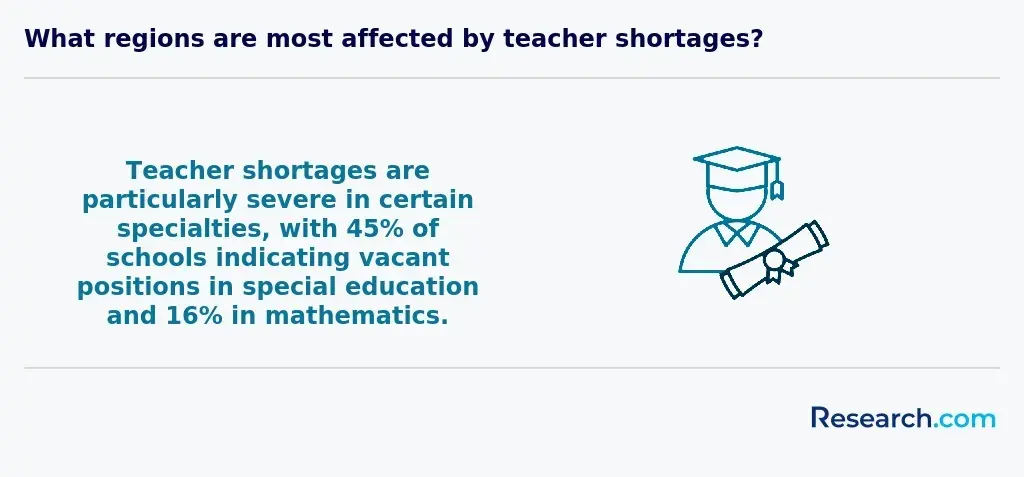
Demand also affects planning. According to the Nevada Department of Education, the need for qualified teachers is especially visible in areas such as Las Vegas, where enrollment patterns, retirements, and population growth can create recurring vacancies.
What is the licensure application and renewal process for elementary school teachers in Nevada?
The Nevada elementary teacher licensure process starts before you submit an application. Your degree, preparation program, student teaching documentation, exam scores, and background check all need to support the license you are requesting.
Licensure application steps
- Complete the educational foundation. Earn a bachelor’s degree in education or a related field from a regionally accredited institution. Your preparation should include elementary education content, child development, teaching methods, and classroom assessment.
- Finish student teaching or document qualifying experience. Most candidates complete a supervised student teaching placement. Candidates with substantial full-time teaching experience should review whether Nevada Administrative Code (NAC) 391.042 may allow a waiver of the student teaching requirement.
- Pass required competency exams. Candidates must complete the required tests for elementary education. Because testing rules can change, applicants should check Nevada Department of Education guidance before registering.
- Prepare application materials. Common documentation includes official transcripts, exam scores, program completion verification, evidence of student teaching or accepted teaching experience, and background-check materials.
- Submit the application and fee. Applicants must pay a non-refundable application fee of $150. Background checks can cost $50 to $75.
- Monitor the application status. Processing can take time, especially if documents are missing or transcripts do not clearly show program completion.
Standard, professional, provisional, and non-renewable licenses
Nevada candidates may encounter different license categories depending on their preparation status and employment circumstances. A provisional or non-renewable license can sometimes provide a route into the classroom while remaining requirements are completed. Once candidates meet the full requirements, they may be able to move to a standard or professional educator license. Individuals upgrading from a non-renewable license do not need to complete additional renewal credits when moving to a standard or professional license.
License renewal requirements
Licensed teachers in Nevada must renew their licenses every five years. Renewal requires at least 60 hours of professional development or continuing education credits. Teachers should track completed training carefully and keep documentation in case it is requested during renewal.
If you are comparing preparation options, online study may be worth considering when it fits Nevada approval rules. Research.com’s guide to online education degree programs can help you understand what to evaluate before choosing a flexible route.
The chart below outlines the top career choices for education majors, ranked by the size of the workforce in each profession.
What is the difference between traditional and alternative teacher certification programs in Nevada?
Nevada allows more than one route into elementary teaching. The best option depends on your current education level, work schedule, budget, and how quickly you need to become classroom-ready.
| Pathway | Best for | Typical structure | Main trade-off |
| Traditional teacher preparation | Students who are beginning college or want a structured undergraduate education program | Bachelor’s degree, education coursework, supervised field experiences, and student teaching | Usually takes longer, but the training is integrated and predictable |
| Post-baccalaureate or graduate preparation | Candidates who already have a bachelor’s degree and want formal university-based preparation | Licensure coursework, clinical practice, and exam preparation, sometimes paired with a graduate credential | May cost more than a streamlined alternative pathway, but can offer strong academic support |
| Alternative certification | Career changers or degree holders who need a faster, more flexible route | Coursework, mentoring, and teaching-related requirements that may allow candidates to work while completing certification | Can move quickly, but candidates must be ready for a steep learning curve |
Traditional certification programs
Traditional programs are usually offered through colleges and universities. Candidates complete a bachelor’s degree in education or a related field, take courses in instruction and classroom practice, and complete supervised student teaching. Examples of Nevada institutions associated with traditional teacher preparation include the University of Nevada, Las Vegas (UNLV) and Nevada State College.
Alternative certification programs
Alternative programs are designed for people who already hold a bachelor’s degree, often in a field outside education. These programs may allow candidates to complete coursework and mentoring while moving more quickly toward licensure. The Nevada Department of Education offers the Teach Nevada program, which supports pathways into teaching through training and mentorship while candidates complete requirements.
Which route should you choose?
- Choose a traditional program if you are still planning your undergraduate education and want a full teacher-preparation experience from the start.
- Choose a post-baccalaureate route if you already hold a degree but prefer a college-based structure and advising support.
- Consider alternative certification if you are changing careers, need flexibility, and can handle a compressed training timeline.
- Do not choose based on speed alone. A faster route is only useful if it meets Nevada licensing requirements and prepares you to manage an elementary classroom effectively.
How long does it take to become an elementary school teacher in Nevada?
The full timeline depends on your starting point. A first-time college student typically needs longer than a candidate who already has a bachelor’s degree. The licensure portion itself can take approximately 12 to 18 months depending on individual circumstances and program availability.
| Stage | Estimated time | What happens during this stage |
| Bachelor’s degree | 4 years | Students complete general education, major coursework, elementary education methods, and related field experiences. |
| Teacher preparation program | 1 year | Candidates complete pedagogy coursework, student teaching, and other state-approved preparation requirements. |
| Licensure exams | Varies | Candidates prepare for and pass the Praxis Core Academic Skills for Educators and subject-specific assessments. |
| Application and background check | 1-2 months | Applicants submit transcripts, exam scores, fees, and background-check materials to the Nevada Department of Education. |
For a student beginning college with no prior credits, the full process often takes approximately five to six years. Candidates who already hold a bachelor’s degree may move faster through a post-baccalaureate or alternative certification route, but they still need to satisfy all state requirements.
Those interested in working with students who need specialized support may also want to compare elementary education with special education career paths, since additional credentials can lead to different classroom roles and advancement options.
Are online education programs accepted for teacher licensure in Nevada?
Yes. Nevada may accept online education programs for teacher licensure when the program is properly accredited, meets state standards, includes required clinical or student teaching experience, and aligns with Nevada’s elementary education license requirements. The key issue is not whether the program is online; it is whether the program is approved and documented correctly for licensure.
What to verify before enrolling in an online program
- Accreditation: Look for institutional accreditation and educator-preparation approval. Programs may reference organizations such as the Council for the Accreditation of Educator Preparation (CAEP) or the National Council for Accreditation of Teacher Education (NCATE).
- Nevada alignment: Ask whether the program prepares graduates specifically for Nevada teacher licensure or whether additional steps are required.
- Student teaching placement: Online programs still need a practical teaching component. Nevada mandates a minimum of 12 weeks of supervised teaching experience.
- Credit expectations: Many bachelor’s programs require around 120 credit hours, including courses in child development, curriculum design, assessment, and classroom management.
- Exam preparation: The program should help candidates prepare for the Praxis Core Academic Skills for Educators tests and the Praxis II Elementary Education Content Knowledge exam.
- Documentation: Confirm that the school can provide transcripts, program-completion verification, and student teaching records in the format Nevada requires.
Questions to ask an online program
- Does this program meet Nevada elementary teacher licensure requirements?
- Who arranges local student teaching placements in Nevada?
- What happens if I live in a rural area or outside Nevada during the program?
- Are Praxis preparation resources included?
- Will my transcript clearly identify the approved teacher preparation program?
- What support is available if the Nevada Department of Education requests additional documentation?
How does an online elementary education program in Nevada compare to an on-campus program?
Online and on-campus elementary education programs can both lead to Nevada licensure if they satisfy state requirements. The better choice depends on your schedule, location, need for in-person support, budget, and comfort with self-directed learning.
| Factor | Online program | On-campus program |
| Schedule flexibility | Often better for working adults, caregivers, and students who need asynchronous coursework | Better for students who want fixed class times and regular in-person interaction |
| Location | Can reduce commuting and may allow students to remain in their communities | Requires access to campus but may provide stronger local networking |
| Classroom practice | Student teaching must still be completed in an approved placement, even if coursework is online | Field placements may be easier to coordinate through established local school partnerships |
| Technology use | Often emphasizes learning management systems, virtual collaboration, and digital teaching tools | May include technology training but usually relies more on face-to-face instruction |
| Cost | Online programs in Nevada can be around $300 per credit hour | On-campus programs can cost $400 or more per credit hour |
| Support services | Advising, tutoring, and career help may be virtual and require proactive outreach | Students may have easier access to libraries, faculty offices, tutoring centers, and campus career services |
When an online program makes sense
- You need to keep working while completing coursework.
- You live far from a campus or cannot commute regularly.
- You are organized enough to manage deadlines without frequent in-person reminders.
- The program has a clear Nevada licensure pathway and local student teaching support.
When an on-campus program may be better
- You learn best through face-to-face discussion and immediate feedback.
- You want direct access to faculty, campus resources, and peer networks.
- You prefer a highly structured weekly schedule.
- You want the school to help coordinate field placements through established district relationships.
The chart below breaks down the percentage of public school teachers who stayed in their positions, moved to different schools, or left the profession between the 2020-21 and 2021-22 school years.
What is the average cost of elementary education programs in Nevada?
The cost of becoming an elementary teacher in Nevada includes more than tuition. Candidates should budget for college fees, housing if needed, books, testing, licensure, background checks, and possible transportation for field placements. If you are weighing elementary education against another teaching career option, compare the full cost of entry, not only the advertised tuition rate.
| Cost category | Amount cited | How to plan for it |
| In-state undergraduate tuition and fees | Approximately $5,812 per year at Nevada colleges | Confirm current tuition with each institution and ask whether education-program fees are separate. |
| Tuition trend | Down 37% since 2018 | Lower published tuition can help, but students should still compare total attendance costs. |
| Room and board | $10,000 to $15,000 per year | Living at home or choosing an online program may reduce this expense. |
| Textbooks and course materials | Around $1,200 annually | Ask whether open educational resources, rentals, or used books are available. |
| Credentialing costs | $100 to $300 | Budget for licensing and exam-related costs before your final semester. |
| Application fee | $150 | This non-refundable fee should be included in your licensure budget. |
| Background check | $50 to $75 | Plan for this as a separate required cost. |
How to reduce your cost
- Compare total cost of attendance, including fees, books, transportation, housing, and student teaching expenses.
- Ask whether prior credits can transfer into the program.
- Look for scholarships, grants, district partnerships, or state-supported pathways for education majors.
- Consider online or hybrid programs if they reduce commuting or housing costs and still meet Nevada licensure rules.
- Confirm whether exam preparation is included or whether you will need to pay separately for study materials.
Students interested in education-adjacent graduate options can also compare programs such as online library science graduate programs, although those programs serve different career goals and do not replace elementary teacher licensure.
How to choose the best elementary education program in Nevada?
The best elementary education program is not simply the cheapest, fastest, or highest-ranked option. It is the program that meets Nevada licensure rules, fits your life, provides strong field experience, prepares you for required exams, and gives you realistic support through graduation and job placement. Nevada is projected to need over 5,000 new teachers by 2025, so choosing a program with strong district connections can also affect your employment opportunities.
Program selection checklist
- Accreditation and approval: Confirm institutional accreditation and verify that the teacher preparation program is approved for Nevada elementary licensure.
- Licensure alignment: Ask directly whether graduates are eligible to apply for a Nevada elementary teaching license after completing the program.
- Curriculum quality: Look for coursework in literacy, math instruction, science, social studies, classroom management, assessment, and child development.
- Field experience: Prioritize programs with supervised student teaching, early classroom observations, and partnerships with local schools.
- Faculty experience: Review whether instructors have elementary classroom, school leadership, special education, or curriculum-design experience.
- Flexibility: Compare full-time, part-time, online, hybrid, evening, and accelerated formats.
- Praxis support: Ask whether the program offers test-preparation workshops, practice exams, tutoring, or remediation plans.
- Career services: Review job placement support, district recruiting events, resume help, interview coaching, and alumni networks.
- Cost and financial aid: Compare tuition, fees, materials, student teaching costs, transfer-credit policies, and available scholarships or grants.
Questions to ask before you enroll
- Is this program approved for Nevada elementary teacher licensure?
- What percentage of candidates complete student teaching on time?
- How are field placements assigned?
- What happens if I do not pass a required Praxis exam the first time?
- Does the program support transfer students?
- Are online students eligible for the same advising and career services as campus students?
- Which local districts regularly hire graduates?
What types of specializations are available within elementary education in Nevada?
Specializations can help elementary teachers serve specific student groups, qualify for additional roles, or strengthen classroom effectiveness. They are not all required for initial elementary licensure, but they can shape your long-term career path.
| Specialization | What it prepares you to do | Who should consider it |
| Special education | Adapt instruction, support individualized learning needs, and collaborate on services for students with disabilities | Teachers who want to work in inclusive classrooms or specialized settings |
| English as a Second Language (ESL) | Support students who are developing English proficiency | Teachers working in linguistically diverse communities |
| Early childhood education | Focus on young learners, typically ages 3-8, and build foundational literacy, numeracy, and social skills | Teachers who want to work with lower elementary grades or transition from preschool settings |
| STEM education | Integrate science, technology, engineering, and mathematics into elementary instruction | Teachers who want to strengthen inquiry-based and problem-solving instruction |
| Reading and literacy | Teach reading strategies, support struggling readers, and build literacy interventions | Teachers interested in reading support, literacy coaching, or intervention work |
| Culturally responsive teaching | Use students’ cultural backgrounds and community experiences to make instruction more inclusive | Teachers serving diverse classrooms across Nevada |
Special education remains especially important because approximately 14% of public school students in the U.S. receive special education services. Some specializations may require a master’s degree, endorsement, or additional certification, so teachers should verify requirements before committing to extra coursework.
What career paths are available for elementary school teachers in Nevada?
Elementary teaching can lead to several career directions. Some educators remain classroom teachers for their entire careers, while others move into specialized, coaching, curriculum, counseling, or administrative roles.
| Career path | Typical work | Common next step |
| Elementary classroom teacher | Plan lessons, teach core subjects, assess student progress, manage the classroom, and communicate with families | Build experience, complete professional development, and pursue endorsements if desired |
| Special education teacher | Support students with disabilities and adapt instruction to meet individual learning needs | Earn special education certification or endorsement |
| Reading or intervention teacher | Provide targeted support to students who need help with literacy or foundational skills | Pursue literacy training or reading-related credentials |
| Instructional coach | Mentor teachers, observe instruction, model strategies, and support schoolwide improvement | Gain classroom experience and complete leadership-focused professional development |
| Curriculum developer | Create lessons, assessments, instructional materials, and curriculum aligned with standards | Develop expertise in curriculum design or earn a graduate credential |
| School administrator | Lead school operations, supervise staff, support instruction, and manage school improvement efforts | Complete leadership preparation and meet administrator licensure requirements |
| Educational consultant | Advise schools, districts, or organizations on instruction, curriculum, teacher training, or student support | Build specialized expertise and professional credibility |
Teachers who want leadership roles may eventually explore educational leadership and administration. Research.com’s overview of higher education leadership jobs can help educators understand how leadership responsibilities differ across education settings.
What is the job market for elementary school teachers in Nevada?
The Nevada elementary teacher job market is shaped by population patterns, district hiring needs, retirements, teacher turnover, and budget conditions. Nationally, the employment of kindergarten and elementary school teachers is projected to show little to no change from 2022 to 2032, but annual openings still occur because teachers retire, change schools, or leave the occupation.
Demand and openings
- Across the United States, approximately 109,000 openings for elementary school teachers are expected each year, largely because of retirements and career changes.
- Nevada’s need is influenced by local enrollment, growth in urban areas, rural staffing needs, and teacher retention patterns.
- Job opportunities may be stronger for candidates who can teach in high-need schools, hold additional endorsements, or bring experience with special education, ESL, literacy, or STEM instruction.
Salary expectations
- As of May 2023, the median annual salary for elementary school teachers in the U.S. was around $63,680.
- Nevada salaries can vary by district, years of experience, education level, collective bargaining agreements, and location.
- Las Vegas and Reno often attract attention because salary scales may reflect local cost of living and district demand.
How to improve your hiring prospects
- Complete student teaching in a district where you may want to work.
- Attend district recruiting events and education job fairs.
- Build a teaching portfolio with lesson plans, assessment samples, classroom-management philosophy, and supervisor feedback.
- Prepare for interviews with examples of literacy instruction, family communication, differentiation, and behavior support.
- Consider endorsements that match local staffing needs.
What support resources are available for elementary school teachers in Nevada?
Nevada teachers can draw on state, district, school, professional, and community resources. Support matters because new teachers often face a demanding first year, and experienced teachers need ongoing development to keep pace with student needs, curriculum expectations, and technology changes.
Professional development
The Nevada Department of Education and local districts provide training tied to instruction, assessment, classroom management, student engagement, technology integration, and content-area practice. These professional development hours can also support license renewal.
Mentorship and induction
Many districts pair beginning teachers with experienced educators. Mentors can help with lesson planning, classroom routines, parent communication, school culture, and time management.
Professional organizations
Organizations such as the Nevada State Education Association (NSEA) can provide advocacy, networking, professional learning, and information about workplace issues. Joining educator networks can also help teachers find job leads and practical classroom advice.
Wellness and employee assistance
Some schools and districts offer Employee Assistance Programs (EAPs), counseling support, wellness initiatives, stress-management resources, and other services intended to reduce burnout.
Classroom grants and supplies
Teachers may be able to pursue support for materials, projects, and technology through district initiatives, local nonprofits, community partnerships, and grants such as Nevada Ready! grant opportunities.
Community partnerships
Partnerships with local businesses, nonprofits, and student-support organizations can help teachers connect students with mentoring, enrichment, supplies, and wraparound services. If you are still researching the full route into the profession, see Research.com’s guide on how to become a teacher in Nevada.
Common mistakes to avoid when becoming an elementary teacher in Nevada
| Mistake | Why it can hurt you | Better approach |
| Choosing a program without checking approval | You may complete coursework that does not satisfy Nevada licensure requirements. | Confirm accreditation and Nevada approval before enrolling. |
| Comparing only tuition | Fees, textbooks, testing, transportation, and student teaching costs can change the true price. | Build a full cost estimate before committing. |
| Assuming online automatically means easier | Online programs still require fieldwork, exams, and strict deadlines. | Assess your time, self-discipline, placement access, and technology comfort. |
| Waiting too long to prepare for Praxis exams | Exam delays can postpone student teaching, graduation, or licensure. | Ask your program for a testing timeline during your first advising session. |
| Ignoring renewal requirements | Missing professional development documentation can complicate license renewal. | Track continuing education from the start of your teaching career. |
| Relying only on rankings | A highly ranked program may not be the best fit for your schedule, budget, or licensure needs. | Use rankings as one input, then verify outcomes, support, placement, and cost. |
Here’s What Graduates Have to Say About Becoming an Elementary School Teacher in Nevada
Teaching elementary students in Nevada has given me the chance to work with children from many backgrounds and communities. That diversity makes lesson planning more meaningful because I can connect classroom activities to students’ real experiences. The support I have received from colleagues has also helped me feel confident as I grow in the profession. — Jenny
I was drawn to Nevada because I wanted to begin my teaching career in a place where professional development and instructional innovation are part of the conversation. Training opportunities helped me build new strategies, and the best part is watching students become excited when a difficult idea finally makes sense. — Aimee
Working in Nevada has shown me how much community partnerships can strengthen schools. I have collaborated with local groups, shared ideas with other teachers, and learned that strong support systems make a real difference for both educators and students. — Carter
How Can Special Education Certification Enhance My Career as an Elementary Teacher in Nevada?
Special education certification can make an elementary teacher more versatile and better prepared to support inclusive classrooms. Teachers with this training learn how to adapt lessons, collaborate on individualized supports, recognize learning barriers, and use intervention strategies. It may also create opportunities in specialized classrooms, intervention teams, mentoring, and curriculum support. For a deeper look at this pathway, review Research.com’s guide on how to become a special education teacher in Nevada.
Can Early Childhood Education Experience Enhance My Elementary Teaching Effectiveness?
Early childhood education experience can strengthen an elementary teacher’s understanding of developmental milestones, play-based learning, early literacy, classroom routines, and age-appropriate behavior support. This background is especially useful for teachers working in kindergarten through the lower elementary grades. If you are comparing preschool and elementary pathways, see how to become a preschool teacher in Nevada.
How Can Private School Teaching Expand My Career Horizons?
Private school teaching can give educators experience with different school missions, class structures, curriculum models, and community expectations. Some private schools may offer smaller class environments or more flexibility in instructional design, although requirements can differ from public school licensure rules. To compare this route with public school teaching, read how to become a private school teacher in Nevada.
What is the cheapest way to get a teaching credential in Nevada?
The lowest-cost route depends on your current credits, degree status, eligibility for aid, and whether you can use an alternative pathway. Candidates should compare tuition, transfer-credit acceptance, testing costs, licensure fees, background-check fees, and whether the program includes student teaching support. For a focused cost comparison, see Research.com’s guide to the cheapest way to get a teaching credential in Nevada.
Should Elementary Teachers Consider Pursuing an Online School Counseling Degree in Nevada?
An online school counseling degree may be useful for elementary teachers who want to move into student support, academic guidance, social-emotional learning, or intervention-focused roles. It is not a substitute for elementary teacher licensure, but it can broaden an educator’s long-term career options. Teachers comparing affordable graduate routes can review affordable online school counseling degrees.
What Have Recent Policy Updates in Teacher Certification Requirements in Nevada?
Teacher certification rules can change, including testing procedures, renewal processes, license categories, and documentation requirements. Candidates should rely on the Nevada Department of Education for current rules before enrolling in a program or submitting an application. Research.com also provides an overview of teaching certificate requirements in Nevada.
What Are the Opportunities for Career Growth and Advancement for Elementary Teachers in Nevada?
Elementary teachers in Nevada can advance by becoming mentor teachers, instructional coaches, curriculum specialists, reading interventionists, special education teachers, school counselors, or administrators. Advancement usually requires experience, strong evaluations, professional development, and sometimes graduate study or additional licensure. If you are planning a longer timeline, review how long does it take to become a teacher in Nevada.
What Are the Emerging Trends in Elementary Education in Nevada?
Nevada elementary classrooms are being shaped by technology-supported instruction, blended learning, data-informed intervention, culturally responsive teaching, STEM integration, literacy recovery efforts, and social-emotional learning. AI tools may also affect lesson planning, feedback, differentiation, and administrative work, but teachers still need professional judgment to protect student privacy, check accuracy, and maintain age-appropriate instruction. Educators interested in integrating creative instruction can also explore how to become an art teacher in Nevada.
Can Advanced Mathematics Skills Enhance My Classroom Effectiveness?
Stronger mathematics preparation can help elementary teachers explain number sense, patterns, measurement, geometry, and problem solving more clearly. It can also improve a teacher’s ability to identify misconceptions early and design activities that build confidence. Teachers who want deeper content knowledge can explore a mathematics degree as one possible academic pathway.
Can Obtaining a Speech-Language Pathology Certification Benefit My Elementary Teaching Role?
Speech-language pathology training can help educators better understand communication development, early language concerns, and classroom strategies for students with speech or language difficulties. It is a separate professional pathway, but the knowledge can complement elementary teaching, especially in collaborative intervention settings. Learn more through Research.com’s guide on how to become a speech-language pathologist in Nevada.
How Can Elementary Teachers Transition to High School Mathematics Roles in Nevada?
Moving from elementary teaching to high school mathematics usually requires additional subject-matter preparation and the appropriate secondary credential. Elementary teachers bring valuable classroom management and instructional skills, but high school math requires deeper content knowledge and subject-specific licensure alignment. To compare requirements, review high school math teacher qualifications in Nevada.
Are there opportunities to teach at higher grade levels in Nevada?
Yes. Nevada educators may pursue additional credentials or endorsements to teach beyond elementary grades. A teacher interested in middle school mathematics, for example, should review the specific coursework, testing, and licensure requirements for that subject and grade band. Research.com’s guide on how to become a middle school math teacher in Nevada explains that transition in more detail.
What is the job satisfaction rate among elementary school teachers in Nevada?
According to a 2022 survey by the National Education Association, approximately 70% of teachers in Nevada reported being satisfied with their jobs, compared with a national average of 67%. Job satisfaction, however, can differ widely by school climate, leadership support, workload, class size, resources, and community conditions.
Many Nevada elementary teachers point to student growth, community connection, and the daily impact of teaching as major sources of satisfaction. The average salary for elementary teachers is around $56,000, which may also influence how teachers evaluate the profession.
Challenges remain. Nevada’s teacher turnover rate hovers around 20%, and many teachers leave within the first five years. Common concerns include large class sizes, limited resources, administrative pressure, standardized testing demands, and inconsistent professional support.
Prospective teachers can improve their odds of a positive experience by asking about mentorship, planning time, leadership stability, classroom resources, school culture, and professional development before accepting a position.
Related Articles for Nearby States
- 2027 How to Become an Elementary School Teacher in California: Requirements & Certification
- 2027 How to Become an Elementary School Teacher in Oregon: Requirements & Certification
- 2027 How to Become an Elementary School Teacher in Idaho: Requirements & Certification
- 2027 How to Become an Elementary School Teacher in Utah: Requirements & Certification
- 2027 How to Become an Elementary School Teacher in Washington: Requirements & Certification
- 2027 How to Become an Elementary School Teacher in Montana: Requirements & Certification
- 2027 How to Become an Elementary School Teacher in Wyoming: Requirements & Certification
- 2027 How to Become an Elementary School Teacher in Colorado: Requirements & Certification
- 2027 How to Become an Elementary School Teacher in New Mexico: Requirements & Certification
- 2027 How to Become an Elementary School Teacher in Texas: Requirements & Certification
References:
- Franklin University (n.d.). 2024 Guide to Affordable Elementary Education & Teaching Degrees & Colleges in Nevada. Franklin University.
- Nevada Department of Education (n.d.). Licensure Renewals. Nevada Department of Education.
- Teachers of Tomorrow (19 Feb 2019). Elementary Teachers in Nevada. Teachers of Tomorrow.
- U.S. Bureau of Labor Statistics (17 Apr 2024). Kindergarten and Elementary School Teachers. U.S. Bureau of Labor Statistics.
Key Insights
- Nevada elementary teachers generally need a bachelor’s degree, state-approved teacher preparation, student teaching or qualifying experience, passing Praxis scores, a background check, and Nevada Department of Education approval.
- The licensure process can take approximately 12 to 18 months after the required education is in place, while first-time college students should plan for a longer five-to-six-year pathway.
- Online programs can work for Nevada licensure, but only if they are accredited, aligned with state requirements, and include approved supervised teaching experience.
- The cheapest program is not always the best choice. Candidates should compare total cost, transfer credits, field placement support, Praxis preparation, and licensure alignment.
- Specializations such as special education, ESL, literacy, STEM, and early childhood education can improve classroom effectiveness and expand career options.
- Before enrolling or applying for a job, verify current state rules, ask direct questions about licensure eligibility, and look for strong mentorship and district support.
Other Things You Should Know About Elementary School Teachers in Nevada
In 2027, aspiring elementary school teachers in Nevada must pass the Praxis Core Academic Skills for Educators tests in Reading, Writing, and Mathematics, along with the Praxis Elementary Education: Multiple Subjects assessment to achieve certification.
The Nevada Department of Education issues elementary school teaching licenses through its Office of Educator Licensure. Applicants submit transcripts, exam scores, fingerprinting results, and program verification through the state licensing process. License approval follows Nevada’s educator standards and certification rules.


