
2027 Cheapest Way to Get a Teaching Credential in Portland, OR: Degree Requirements & Certification

Co-Founder and Chief Data Scientist
Earning a teaching credential in Portland, OR can be affordable, but the cheapest option is not always the best one. Future teachers have to compare tuition, licensure approval, clinical placement requirements, transfer credit policies, exam costs, and the time it takes to start earning a salary. A low sticker price can become expensive if a program does not meet Oregon Teacher Standards and Practices Commission requirements or delays your path into the classroom.
This guide is for career changers, education majors, paraeducators, substitute teachers, and bachelor’s degree holders who want a practical route into teaching without taking on unnecessary debt. You will learn the main academic and certification requirements, typical program costs in Portland and nearby Oregon options, online versus campus trade-offs, financial aid sources, alternative pathways, and questions to ask before enrolling.
Quick Answer: Cheapest Ways to Get a Teaching Credential in Portland, OR
- The average cost of teaching credential programs in Portland, OR ranges from $8,000 to $15,000, depending on the institution and program length.
- Many Portland teacher candidates graduate with an average student debt of about $25,000, so comparing net cost, not just tuition, is essential.
- Financial aid options such as the TEACH Grant and Oregon’s Teacher Loan Forgiveness Program can reduce the cost for eligible future educators.
- The lowest-cost path usually depends on your current education level. Bachelor’s degree holders may save time through post-baccalaureate or accelerated licensure programs, while students without a degree may lower costs by starting with community college credits before transferring.
- Before choosing any program, confirm that it is approved for Oregon licensure and that it includes the required fieldwork or student teaching experience.
- Academic requirements for teachers in Portland, OR
- Certification requirements for Oregon teaching licensure
- Teaching credential program costs in Portland, OR
- How long certification can take
- Affordable teaching programs in and near Portland
- Alternative career pathways for educators
- Employment prospects for certified teachers
- How to evaluate affordable teaching programs
- Special education teacher requirements
- How specialized credentials such as BCBA may help
- Online versus traditional teaching programs
- Ways to lower program costs
- Financial aid organizations and programs
- Whether the credential is worth the investment
- Alternative routes to Oregon teacher credentials
What are the academic requirements for teachers in Portland, OR?
Teachers in Portland must meet Oregon’s academic preparation standards before applying for licensure. The exact path depends on whether you are starting college, already hold a bachelor’s degree, or want to add a subject or grade-level endorsement.
- Bachelor’s degree: Oregon generally requires a bachelor’s degree for teacher licensure. The degree does not always have to be in education, but subject preparation matters. Future secondary teachers, for example, often benefit from strong coursework in Mathematics, English, Science, Social Studies, or another content area they plan to teach.
- Approved teacher preparation program: Candidates must complete a state-approved educator preparation program. These programs teach instructional planning, assessment, classroom management, curriculum design, and methods for working with diverse learners. Some are built into undergraduate education degrees, while others are post-baccalaureate or graduate-level programs.
- Student teaching or internship: Oregon teacher preparation includes supervised field experience. This requirement gives candidates practice in real classrooms under the guidance of experienced educators and program supervisors.
If you do not yet have a bachelor’s degree, one cost-conscious approach is to complete lower-division coursework first and then transfer into an approved bachelor’s or licensure pathway. Students comparing entry-level education options can review online associate in education programs as a possible starting point, but they should confirm transferability before enrolling.
| Starting point | Common affordable route | What to verify before enrolling |
| No college degree yet | Begin with lower-cost general education or associate-level coursework, then transfer toward a bachelor’s degree and licensure program. | Transfer agreements, accepted credits, total bachelor’s degree cost, and whether the final program is approved for Oregon licensure. |
| Bachelor’s degree in another field | Choose a post-baccalaureate, MAT, or accelerated licensure program. | Endorsement options, clinical placement support, exam requirements, and program completion timeline. |
| Current paraeducator or school employee | Look for grow-your-own, district-supported, or part-time licensure pathways. | Employer tuition support, work-compatible schedules, and whether paid school experience can align with program requirements. |
What are the certification requirements for teachers in Portland, OR?
The Oregon Teacher Standards and Practices Commission (TSPC) oversees teacher licensing across the state. Portland candidates apply through the same Oregon licensure system used by educators in other districts.
To qualify for an Oregon teaching license, candidates generally need to complete the following steps:
- Earn a bachelor’s degree. Candidates interested in special education can compare flexible options such as the best online bachelor’s degrees in special education if they are still choosing an undergraduate pathway.
- Complete an Oregon-approved educator preparation program.
- Pass required certification assessments for the grade level and endorsement area.
- Complete a background check.
- Submit official transcripts from each postsecondary institution attended.
- Provide the program completion report from the educator preparation program.
- Pay the certification processing fee.
- Answer character questions and complete public records request forms as part of the application.
Applications are submitted through the TSPC eLicense portal. After approval, candidates receive a preliminary teaching license valid for three years. Educators can later move to a professional teaching license after at least four years of full-time teaching experience and completion of the state’s additional requirements.
How much do teaching credential programs cost in Portland, OR?
Teaching credential costs in Portland vary by institution, program type, credit load, and whether the candidate already has a bachelor’s degree. Local and Oregon-based options commonly list tuition by credit, while some certificate pathways publish an estimated total program cost.
Teaching credential programs in Portland, Oregon, typically range around $260 to $366 per credit. Linfield University’s secondary education certificate totals about $6,240. Oregon State University’s Ecampus charges $366 per credit for most undergraduate programs, while some specialized fields cost more.
Cost planning should include more than tuition. Candidates may also pay application fees, course fees, testing fees, background check expenses, licensure charges, transportation for field placements, and lost wages if student teaching limits work hours. Understanding how to get a teaching certificate can help candidates map these costs before choosing a program.
| Cost factor | Why it matters | How to reduce the expense |
| Tuition per credit | This is usually the largest direct program cost. | Compare per-credit tuition, total credits required, and whether transfer credits are accepted. |
| Program length | A longer program may mean more tuition and more time before full-time teaching income. | Consider accelerated options if you can handle the pace and already meet prerequisites. |
| Clinical placement logistics | Student teaching may require travel, schedule changes, or reduced work hours. | Ask whether placements are local, supported by the school, and compatible with employment. |
| Licensure and exam costs | These expenses are separate from tuition and can affect the total budget. | Budget early and ask whether test preparation is included. |
| Financial aid eligibility | Some low-cost options may not offer the same aid access as degree-granting programs. | Confirm eligibility for grants, scholarships, loans, and employer reimbursement before enrolling. |
How long does it take to get a teaching certificate in Portland, OR?
The timeline usually ranges from 1 to 4 years, depending on your current education level and the type of program you choose. Candidates who already hold a bachelor’s degree outside education may complete accelerated master’s in teaching or post-baccalaureate licensure programs in as little as 12 to 20 months. Traditional bachelor’s degree programs in education usually take around four years and include teacher preparation coursework and a student teaching semester.
After the academic portion is complete, candidates must pass required assessments such as the edTPA and Oregon Educator Licensure Assessments (ORELA) subject area exams. Test preparation, registration, and score reporting may add 1 to 3 months depending on scheduling and readiness.
Licensure is not the end of professional development. After receiving the initial license, Oregon educators continue building experience. After four years of teaching in Oregon and meeting advanced professional development criteria, teachers may apply for a Professional Teaching License.
Students who need flexibility can compare a low-cost online elementary education program, but they should confirm that the program’s fieldwork and licensure structure fit Oregon requirements.
| Pathway | Typical timeline stated | Best fit |
| Traditional bachelor’s degree in education | Around four years | Students who are starting college and want teacher preparation built into the degree. |
| Accelerated master’s in teaching or post-baccalaureate route | As little as 12 to 20 months | Bachelor’s degree holders changing careers or adding teacher preparation. |
| Exam and application stage | 1 to 3 months | Candidates who have completed preparation and are finalizing licensure steps. |
| Professional license progression | After four years of teaching in Oregon | Licensed teachers moving from initial licensure toward professional status. |
Are there schools in Portland, OR offering affordable teaching programs?
Yes. Portland-area candidates can choose from local, online, and nearby Oregon programs that may reduce either tuition cost or time to licensure. The most affordable option depends on whether you need a bachelor’s degree, already have one, or want a specific endorsement.
- University of Portland: The university offers a nationally accredited, full-time, 10-month Master of Arts in Teaching (MAT) program. Although specific tuition rates are not published in the provided source text, the program includes 36 semester hours of coursework and field experience across three sessions for candidates seeking elementary or secondary licensure.
- Linfield University: Linfield offers an online Secondary Education Teaching Certificate for students who already hold a bachelor’s degree. The estimated total cost is $6,240. The program includes multiple start times and 600 hours of clinical practice, making it a lower-cost option for aspiring middle or high school teachers.
- University of Oregon UOTeach: UOTeach is a cohort-based licensure pathway that spans one year and includes 9 months of supported student teaching in local public schools. It can also be completed part-time over two years.
- Portland Community College and University of Portland pathways: Portland Community College and accelerated Bachelor/Master options through the University of Portland can also help students structure a lower-cost route, particularly when transfer credits or accelerated study reduce total time in school.
| Program or institution | Cost or timeline stated | Potential advantage | Question to ask |
| University of Portland MAT | 10-month program; 36 semester hours | Fast route for candidates ready for full-time study. | What is the full cost of attendance, including fees and living expenses? |
| Linfield University Secondary Education Teaching Certificate | Estimated total cost of $6,240; 600 hours of clinical practice | Online format and clear estimated cost for bachelor’s degree holders. | Which endorsements are available and where are clinical placements completed? |
| University of Oregon UOTeach | One year; 9 months of supported student teaching; part-time option over two years | Cohort structure and extended classroom experience. | How does the commute, placement location, or part-time schedule affect total cost? |
| Portland Community College pathways | PCC’s on-site CTE licensure pathway costs roughly $1,983 for 19 credits | Low per-credit cost for qualifying pathways. | Does this pathway match the license or endorsement you need? |
What alternative career pathways can educators explore in Portland, OR?
A teaching credential can lead to classroom roles, but education training can also support careers in curriculum development, instructional coaching, academic administration, tutoring, youth programs, nonprofit education, and community services. These options may appeal to educators who enjoy working with learners but want a different schedule, population, or work environment.
Some educators later move into counseling or behavioral support fields. For example, teachers interested in family systems, student well-being, and community mental health may explore how to become a marriage and family therapist in Portland. This is a separate professional pathway with its own education and licensure requirements, but teaching experience can be relevant for professionals who enjoy helping people learn, adapt, and grow.
What are the employment prospects for certified teachers in Portland, OR?
Certified teachers in Portland may find opportunities through public schools, charter schools, private schools, early learning settings, career and technical education programs, and specialized student support roles. Employment outcomes depend on endorsement area, grade level, district budgets, experience, and willingness to work in high-need subjects or schools.
Teacher preparation programs can support job entry through placement advising, resume help, interview preparation, local district connections, and career fairs. Candidates should ask programs for recent placement information rather than relying only on general claims about demand. Educators who want to use teaching-related skills outside the classroom may also compare pathways such as how to become a substance abuse counselor in Portland, especially if they are interested in prevention, youth support, or community-based services.
What criteria should prospective teachers consider when evaluating affordable teaching programs in Portland, OR?
The cheapest program is only a good choice if it leads to the license you need, prepares you for the classroom, and fits your finances. When reviewing affordable programs, compare quality and outcomes alongside cost. A slightly higher-cost program with strong clinical placements, exam support, and clear licensure alignment may be a better investment than a cheaper program that creates delays.
- Licensure approval: Confirm the program is approved for the Oregon license and endorsement you want.
- Total cost: Add tuition, fees, books, exams, background checks, commuting, and unpaid student teaching time.
- Clinical placement support: Ask whether the school arranges placements or expects you to find your own.
- Schedule flexibility: Determine whether classes and fieldwork fit your job and family responsibilities.
- Transfer credit policy: For bachelor’s pathways, ask how many prior credits can apply to the degree.
- Completion and placement information: Review graduation rates, licensure pass support, and employment outcomes when available.
- Student support: Look for mentoring, academic advising, test preparation, and career services.
Students comparing budget-conscious routes can also review Research.com’s guide to the cheapest way to become a teacher in Portland for additional planning context.
What are the special education teacher requirements in Portland, OR?
Special education teachers in Portland must meet Oregon’s general teacher licensure requirements and complete preparation specific to supporting students with disabilities. Programs typically include instruction in individualized education plans, behavioral supports, adaptive instruction, inclusive classroom practices, assessment, collaboration with families, and legal responsibilities in special education.
Clinical experience is especially important in special education because candidates need supervised practice working with diverse learning needs. Before enrolling, ask whether the program leads to the correct Oregon special education endorsement and whether field placements include the age group and setting you want to teach. For a deeper role-specific overview, review the special education teacher requirements in Portland.
Can specialized credentials like BCBA further enhance a teaching career in Portland, OR?
Specialized credentials can help teachers develop advanced skills in behavior analysis, intervention planning, and classroom support. A BCBA pathway may be relevant for educators who work with students with behavioral needs, autism support programs, special education teams, or intervention-focused settings.
However, BCBA preparation is not the same as a standard teaching credential. It has its own education, supervised experience, and certification requirements. Teachers considering this route should compare the cost, time, and career goal carefully. For local context, review the BCBA education requirements in Portland.
Are online teaching programs cheaper than traditional ones in Portland, OR?
Online programs can be cheaper, but not always. The main savings often come from reduced commuting, fewer relocation costs, and greater ability to keep working while studying. Tuition may still be similar to campus-based programs, and teacher candidates must still complete required fieldwork or student teaching in approved settings.
In Portland-related examples, Oregon State University’s Ecampus charges around $366 per credit for most undergraduate classes, with some education courses adding about $50 more per credit. Portland Community College’s on-site CTE licensure pathway costs roughly $1,983 for 19 credits, averaging near $104 per credit plus extra fees.
Online students should still budget for additional expenses. Programs may include around $1,000 in course fees plus state licensure charges. Some classes, such as PCC’s ED 199J, offer tuition-free access with only minimal fees, which may help career changers and working adults explore teaching-related pathways at a lower cost.
| Format | Potential savings | Possible drawback | Best for |
| Online teaching program | Lower commuting costs and more schedule flexibility. | Student teaching must still happen in person, and self-directed learning requires discipline. | Working adults, career changers, and students who live far from campus. |
| Campus-based program | May provide easier access to faculty, peers, and local school partnerships. | Commuting, parking, and fixed class times can increase indirect costs. | Students who prefer face-to-face support and structured schedules. |
| Hybrid program | Balances online coursework with in-person practice and networking. | Students still need to plan for campus visits or scheduled field sessions. | Candidates who want flexibility without giving up direct support. |
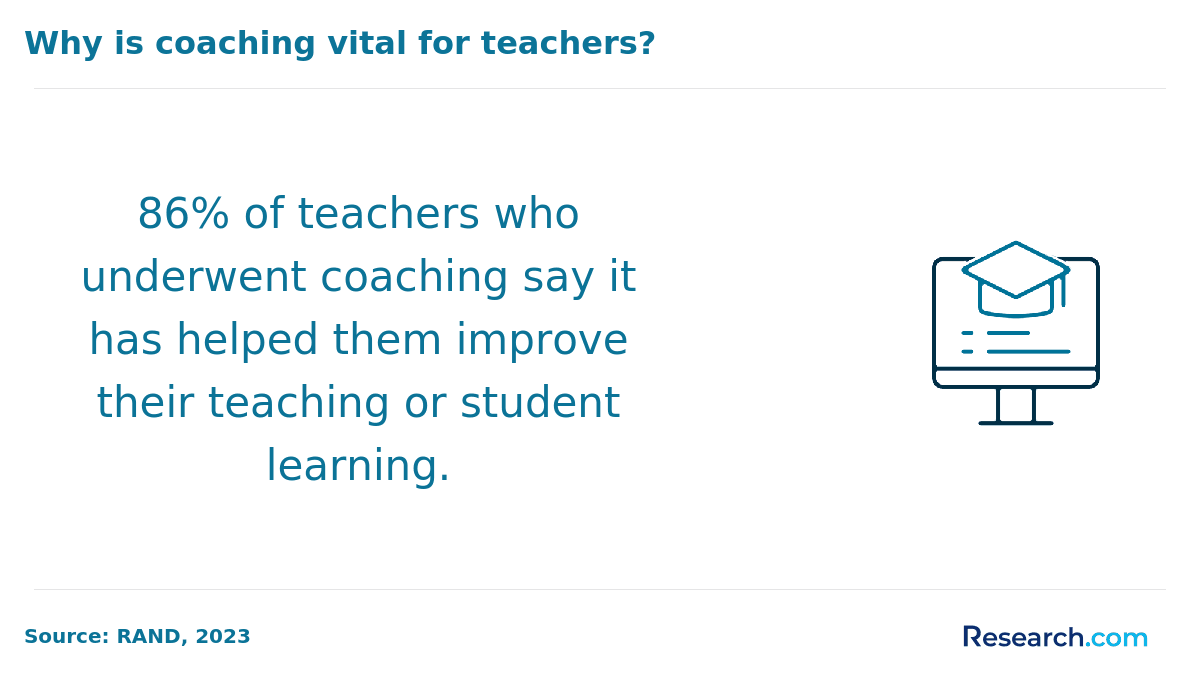
Professional learning continues after licensure. The data below shows that 93% of teachers engage in collaborative learning, 85% attend workshops or trainings, and 47% receive coaching. These figures reinforce that a teaching credential is the beginning of professional growth, not the final stage of preparation.
How can students lower the cost of attending teaching programs in Portland, OR?
Reducing the cost of a teaching credential requires planning before enrollment. The biggest savings often come from shortening the program, using aid strategically, choosing the right format, and avoiding programs that do not match Oregon licensure requirements.
- Transfer credits wisely: Ask accredited institutions such as Portland State University or Pacific University how many prior credits they will accept before you commit.
- Apply for education scholarships: Look at university awards, school district support, local organizations such as the Oregon PTA, and state scholarship resources.
- Use flexible formats when appropriate: Online options such as Linfield University’s Secondary Education Teaching Certificate may reduce commuting or relocation costs.
- Lower textbook and material costs: Rent books, buy used copies, compare digital editions, and confirm whether older editions are acceptable.
- Ask about employer support: Paraeducators, substitutes, and other school employees should check whether their district offers tuition reimbursement or grow-your-own assistance.
- Compare accelerated and part-time options: Accelerated programs may get you into paid teaching sooner, while part-time formats may let you keep earning income while studying.
- Budget for unpaid or low-paid fieldwork: Student teaching can affect income. Plan for this period before you start the program.
- File financial aid forms early: Some grants and scholarships have limited funding or priority deadlines.
The chart below notes that 43% of elementary school teachers recommend the profession, compared with 56% of high school teachers. This does not guarantee satisfaction for every teacher, but it shows why candidates should think carefully about grade level, subject area, work environment, and long-term fit before investing in a credential.
Are there organizations in Portland, OR that provide financial aid for teachers?
Yes. Portland candidates may qualify for state, local, institutional, and federal support. Eligibility varies by residency, program type, financial need, background, teaching area, and future employment setting, so students should verify requirements directly with each program.
- Oregon Teacher Scholars Program (OTSP): Offered by the Oregon Department of Education and the Educator Advancement Council, this grant primarily supports Oregon residents from culturally or linguistically diverse backgrounds who are enrolled in teacher preparation programs. It typically covers a significant portion of tuition and educational costs, often awarding several thousand dollars annually. Applicants must complete the OTSP and FAFSA or ORSAA applications to qualify.
- Oregon Education Association (OEA) Foundation & Grants: The OEA offers grants for professional growth, including Barb Drennan Promising Practices Grants and Local Leader Grants. These can provide up to $2,500 for classroom innovation or skill development. Eligibility requires OEA membership and a clear plan for improving teaching effectiveness.
- Oregon Student Access Commission (OSAC): OSAC administers scholarships and grants for Oregon students, including those pursuing education credentials. Award amounts vary and may help offset tuition and related costs. Applicants must be Oregon residents and submit OSAC and FAFSA applications.
- Federal Teacher Loan Forgiveness Program: This national program can help Portland educators who teach in low-income schools. Eligible teachers may receive forgiveness of up to $17,500 in federal student loans after five years of qualifying employment and holding a valid teaching license.
| Funding source | What it may help with | Key action |
| OTSP | Tuition and education-related costs for eligible teacher candidates. | Complete the OTSP application and FAFSA or ORSAA. |
| OEA Foundation & Grants | Professional growth, classroom innovation, and skill development. | Confirm OEA membership rules and prepare a clear project or development plan. |
| OSAC | Scholarships and grants for Oregon students. | Submit OSAC and FAFSA applications by the required deadlines. |
| Federal Teacher Loan Forgiveness Program | Loan forgiveness for qualifying teachers in low-income schools. | Track qualifying employment and licensing requirements carefully. |
Is investing in a teaching credential in Portland, OR worth it?
A teaching credential can be worth the cost if you choose an approved, affordable program that leads to the grade level and subject area you actually want to teach. The decision is less favorable if you borrow heavily, choose a program that does not fit Oregon licensure requirements, or enter the field without understanding salary, workload, and cost-of-living realities.
- Salary potential: Public school teachers in Portland have an average salary of $61,615, with experienced educators earning up to $87,519. High school teachers average $70,100.
- Education funding environment: Oregon’s per-student spending is $16,760, ranking 23rd nationally.
- Cost-of-living pressure: Portland’s cost of living requires a minimum wage of $76,602 for a modest lifestyle for an adult with one child, so candidates should compare expected pay with household needs.
- Nonfinancial return: Teaching can offer meaningful work, community impact, and long-term professional identity, but fulfillment depends heavily on school environment, support, and role fit.
To judge value, compare the full program cost with the expected time to licensure, likely starting salary, loan repayment obligations, and the endorsement area’s employment prospects. Students looking for a lower-friction route can also compare the ranking of easiest teaching degrees, while remembering that “easiest” should never mean unapproved or poorly aligned with career goals.
Questions to ask before investing
- Is the program approved for Oregon teacher licensure?
- What is the total cost after tuition, fees, exams, books, and licensure expenses?
- How much financial aid, scholarship funding, or employer support can I realistically receive?
- Can I work while completing coursework and student teaching?
- What endorsement will I earn, and where can it be used?
- Does the program arrange student teaching placements in the Portland area?
- What support is available for licensure exams and job placement?
Are there alternative pathways aspiring educators in Portland, OR can take to obtain credentials?
Yes. Alternative pathways can be practical for adults who already have a bachelor’s degree, school employees moving into licensed roles, or career changers who cannot spend four more years in school. These programs may reduce time out of the workforce, but they are often intensive and require careful scheduling.
- Warner Pacific University’s Fast-Track Program: Located in Portland, this program is described as one of Oregon’s quickest routes to certification and can be completed in seven months. The accelerated structure can reduce time away from earning income compared with standard four-year routes.
- University of Portland’s 10-Month Program: This pathway can be completed in under a year and focuses on the coursework and field experience needed for certification.
- UOTeach at University of Oregon: This one-year licensure program includes tracks for elementary and middle-to-high school education. It starts in July with coursework and moves into student teaching by September. The program is cohort-based and intensive.
These alternative programs generally range from $15,000 to $30,000 in total cost, compared with $60,000 or more that may be spent on a traditional four-year education degree. The financial advantage comes not only from lower tuition in some cases, but also from entering the classroom sooner and beginning to earn a teacher’s salary earlier.
Common mistakes to avoid when choosing a cheap teaching credential program
- Choosing on tuition alone: A low tuition rate does not guarantee low total cost if fees, fieldwork travel, or delayed completion add expenses.
- Skipping licensure verification: Do not enroll until you confirm that the program is approved for the Oregon license and endorsement you need.
- Ignoring clinical placement requirements: Online coursework may be flexible, but student teaching is still in person and must fit your schedule and location.
- Assuming every credit will transfer: Transfer policies vary. Get written confirmation before building your plan around prior coursework.
- Underestimating exam preparation: Licensure tests can add time and cost if you are not ready.
- Overlooking cost of living: Portland expenses can affect whether a teaching salary supports your household comfortably.
- Relying only on rankings: Rankings can help with discovery, but licensure fit, affordability, support, and placement quality should drive the final decision.
Practical step-by-step plan for the lowest-cost path
- Identify your starting point: Decide whether you need a bachelor’s degree, a post-baccalaureate program, or an endorsement add-on.
- Choose your teaching target: Pick the grade level and subject area before comparing programs.
- Verify Oregon approval: Check that each program aligns with TSPC licensure requirements.
- Build a full cost estimate: Include tuition, fees, books, testing, licensure, transportation, and lost income during student teaching.
- Compare timelines: A faster program may cost more per term but allow earlier entry into paid teaching.
- Apply for aid early: Submit FAFSA or ORSAA, OSAC applications, institutional scholarship forms, and any district or employer reimbursement requests.
- Ask about placement support: Confirm who arranges student teaching and whether Portland-area placements are available.
- Calculate likely return: Compare borrowing needs with expected salary, including the Portland cost-of-living context.
- Choose the program with the best net value: The best choice is the approved program that gets you licensed affordably, on time, and with adequate classroom preparation.
Related Articles for Nearby Cities
- 2027 Cheapest Way to Get a Teaching Credential in Seattle, WA: Degree Requirements & Certification
- 2027 Cheapest Way to Get a Teaching Credential in Spokane, WA: Degree Requirements & Certification
- 2027 Cheapest Way to Get a Teaching Credential in Boise, ID: Degree Requirements & Certification
- 2027 Cheapest Way to Get a Teaching Credential in Reno, NV: Degree Requirements & Certification
- 2027 Cheapest Way to Get a Teaching Credential in Sacramento, CA: Degree Requirements & Certification
- 2027 Cheapest Way to Get a Teaching Credential in Stockton, CA: Degree Requirements & Certification
- 2027 Cheapest Way to Get a Teaching Credential in Oakland, CA: Degree Requirements & Certification
- 2027 Cheapest Way to Get a Teaching Credential in San Francisco, CA: Degree Requirements & Certification
- 2027 Cheapest Way to Get a Teaching Credential in Fremont, CA: Degree Requirements & Certification
- 2027 Cheapest Way to Get a Teaching Credential in San Jose, CA: Degree Requirements & Certification
References:
- Becoming an Oregon Educator. (n.d.). Financial Resources for Future Educators. https://becomeanoregoneducator.org/financial-resources-for-future-educators/
- College of Education | Portland State University. (n.d.). Portland State University. https://www.pdx.edu/education/
- Education Degree. (n.d.). Locate Alternative Teacher Certification Programs in Oregon. https://www.educationdegree.com/programs/alternative-teacher-certification/oregon/
- Moreland. (2025). Comparing Alternative Teacher Certification Providers in 2025. https://teach.moreland.edu/alternative-providers
- Northwest Regional Education Service District. (n.d.). Diverse Educator Pathways. https://www.nwresd.org/departments/instructional-services/professional-learning/diverse-educator-pathways
- Oregon State Ecampus. (n.d.). Tuition & Fees | Teaching Bachelor's Degree Online. https://ecampus.oregonstate.edu/online-degrees/tuition/
- University of Portland. (n.d.). Cost of Attendance. https://www.up.edu/finaid/costs/index.html
- University of Oregon. (n.d.). UOTeach Curriculum and Teaching Program | College of Education. https://education.uoregon.edu/uoteach
- Willamette Education Service District. (n.d.). Grow Your Own. https://www.wesd.org/educator-services/gyo
Key Insights
- The cheapest teaching credential path in Portland depends on your current education level. Bachelor’s degree holders should compare accelerated and post-baccalaureate options, while students without a degree should focus on transfer-friendly, lower-cost starting points.
- Program approval matters more than price. A low-cost program is not a good deal unless it leads to the Oregon license and endorsement you need.
- Published tuition is only one part of the budget. Add fees, tests, licensure charges, books, transportation, and the income impact of student teaching.
- Online programs can reduce indirect costs, but they do not remove in-person clinical requirements.
- Financial aid can change the real price substantially. OTSP, OSAC, OEA grants, employer support, and federal loan forgiveness options should be explored early.
- Use ROI, not just affordability, to decide. Compare total debt with likely salary, time to employment, Portland living costs, and your long-term fit with the grade level or subject area.
Other Things You Should Know About the Cheapest Teaching Credential Programs in Portland, OR
In 2027, the cheapest way to get a teaching credential in Portland, OR is through a combination of online courses and financial aid. Enrolling in a state university with teaching programs often offers in-state tuition rates. Additionally, scholarships, grants, and federal aid can significantly reduce costs.
Oregon requires a fingerprint-based criminal history check through the Teacher Standards and Practices Commission (TSPC) before licensure is issued. Applicants submit fingerprints for state and FBI review, and a cleared background check is mandatory for educator license approval in 2027.


