2027 How to Become an Art Teacher in Louisiana: Requirements & Certification

Co-Founder and Chief Data Scientist
Becoming an art teacher in Louisiana is a practical career goal for people who want to combine studio practice, youth development, and classroom teaching. Since 2022, over 1,000 teaching positions, including art teacher roles, have been vacant in Louisiana, which means qualified candidates may find openings, especially in rural and underserved districts. The challenge is that public school teaching requires more than artistic talent: you need the right degree, state-approved teacher preparation, exams, student teaching, background clearance, and a Louisiana teaching certificate.
This guide explains how to become an art teacher in Louisiana, what education and certification steps are required, how salaries and job opportunities vary, what classroom skills matter most, and how to decide whether this path fits your goals. It is designed for high school students, college students, career changers, substitute teachers, artists, and current educators considering art certification.
Quick Answer: How do you become an art teacher in Louisiana?
To become an art teacher in Louisiana public schools, you typically need a bachelor's degree in art education or a related field, completion of a state-approved teacher preparation program, supervised student teaching, passing Praxis exams, a background check, and certification through the Louisiana Department of Education. Private schools may set their own hiring standards, but public school positions require state certification.
| Step | What You Need to Do | Why It Matters |
| 1 | Choose an accredited art education or related degree program | Your degree and teacher preparation program must support Louisiana certification eligibility. |
| 2 | Complete art, education, and student teaching requirements | Schools need evidence that you can teach safely, effectively, and in line with state standards. |
| 3 | Pass required Praxis exams | These tests verify basic academic and art content knowledge. |
| 4 | Submit certification materials to the Louisiana Department of Education | The state must approve your credentials before you teach in public schools. |
| 5 | Apply for art teacher openings and prepare a portfolio | A strong portfolio and teaching sample can help districts see your classroom readiness. |
Key Things You Should Know About Becoming an Art Teacher in Louisiana
- Louisiana has reported shortages in teaching roles, including art education, with particular need in rural and underserved communities. Candidates who are flexible about location may have more options.
- As of 2023, art teachers in Louisiana earn an average salary of around $56,000 per year. Actual pay can differ by district, years of experience, credentials, and school funding.
- The job outlook for art teachers in Louisiana is projected to grow by 5% over the next decade, supported by continued interest in arts education and student creativity.
- Louisiana's cost of living index is about 88 compared with the national average, which can make teacher salaries stretch further than they might in higher-cost states.
- How can you become an art teacher in Louisiana?
- What are the educational requirements for becoming an art teacher in Louisiana?
- What is the certification and licensing process for an art teacher in Louisiana?
- How important is teaching experience and what are the internship opportunities for art teachers in Louisiana?
- What are the standards and curriculum requirements for teaching art in Louisiana?
- What is the job market like and what are the salary expectations for art teachers in Louisiana?
- What professional development and continuing education opportunities are available for art teachers in Louisiana?
- What are effective classroom management strategies and teaching methods for art teachers in Louisiana?
- What are the benefits of earning additional certifications as an art teacher in Louisiana?
- What are the initial steps to take after deciding to become an art teacher in Louisiana?
- How can art teachers integrate interdisciplinary strategies to enhance classroom learning in Louisiana?
- What challenges do art teachers in Louisiana face and how can they overcome them?
- What are the career advancement opportunities and specializations for art teachers in Louisiana?
- How do art teacher requirements compare to those for physical education teachers?
- Can art teachers successfully transition to teaching other subjects?
- How can art teachers effectively support students with special needs in Louisiana?
- How can digital tools and innovative technologies elevate art teaching in Louisiana?
- How will future policy and funding changes impact art teaching in Louisiana?
- How do regional disparities impact art teaching in Louisiana?
- How can art educators transition to private school teaching in Louisiana?
- What resources and support are available for new art teachers in Louisiana?
- What impact does art education have on student learning outcomes in Louisiana?
How can you become an art teacher in Louisiana?
Louisiana employs more than 51,000 teachers serving 712,847 students, and art teachers are part of that statewide educator workforce. The route to becoming an art teacher is structured because schools need teachers who understand both visual art and student learning. In most public school settings, the path starts with a degree and ends with state certification.
| Career Stage | Main Requirement | Practical Tip |
| Before college or early college | Build art skills and explore teaching | Volunteer at youth art camps, assist teachers, and save examples of your artwork. |
| College | Complete an art education degree or related degree with teacher preparation | Confirm that the program is approved for Louisiana teacher certification before enrolling. |
| Teacher preparation | Finish education coursework and supervised field experience | Use student teaching to collect lesson plans, student work samples, and mentor feedback. |
| Testing and certification | Pass required exams and apply through the Louisiana Department of Education | Keep copies of transcripts, Praxis scores, and background check documentation. |
| Job search | Apply to public, charter, and private schools | Prepare a teaching portfolio, not just an artist portfolio. |
- Earn a suitable degree: Most candidates begin with a bachelor's degree in art education. A fine arts or related degree may also work if it includes the required teacher preparation components. Your coursework should cover studio techniques, art history, aesthetics, child development, lesson planning, assessment, and classroom methods.
- Complete a teacher preparation program: Louisiana public school certification generally depends on completing an approved preparation route. This is where you learn how to translate art knowledge into age-appropriate instruction for elementary, middle, or high school students.
- Pass required exams: Candidates usually need to meet testing requirements such as the Praxis Core Academic Skills for Educators and the Praxis II Art: Content Knowledge exam. These exams help verify both general academic readiness and visual arts content knowledge.
- Apply for certification: After you complete degree, testing, student teaching, and background check requirements, you submit documentation to the Louisiana Department of Education. Requirements can change, so candidates should check the current state guidance before applying.
- Create a classroom-focused portfolio: Districts want to see your artistic ability, but they also need proof that you can teach. Include lesson plans, classroom photos if permitted, assessment examples, student teaching evaluations, and a statement of your teaching philosophy.
- Search strategically: Apply broadly across public, charter, private, rural, and urban schools. If you are comparing teacher pathways outside Louisiana, a guide to Florida teacher certification can help you understand how requirements differ by state.
The most successful candidates treat certification, portfolio development, and networking as parallel tasks. Waiting until graduation to understand testing deadlines or district hiring calendars can delay your first teaching job.
What are the educational requirements for becoming an art teacher in Louisiana?
The standard educational route for Louisiana art teachers is a bachelor's degree that includes both visual arts preparation and professional education training. A studio artist and a classroom art teacher need overlapping but different skill sets: teachers must know how to plan lessons, manage materials, support different learners, assess student work, and align instruction with state standards.
Degree options for aspiring art teachers
| Degree Path | Best For | Certification Consideration |
| Bachelor's in Art Education | Students who know they want to teach art in K-12 schools | Usually the most direct route when the program is state-approved. |
| Bachelor's in Fine Arts or Studio Art | Artists who want strong studio training and may later pursue teaching | May require a teacher preparation add-on or alternate certification route. |
| Related education degree | Students interested in broader teaching roles | May require art-specific coursework and testing before art certification. |
| Master's degree or advanced graduate work | Certified teachers seeking advancement or specialization | Helpful for career growth, but not normally required for initial certification. |
- Bachelor's degree: A bachelor's degree is the entry-level academic requirement for most public school art teaching positions. Art education is usually the most targeted major, but related degrees may be acceptable if they meet Louisiana teacher preparation rules.
- Art coursework: Students should expect coursework in drawing, painting, sculpture, ceramics, digital art, design, art history, contemporary art, aesthetics, and portfolio development. Strong programs help future teachers work across multiple media rather than specializing too narrowly too early.
- Education coursework: Teacher preparation should include instructional design, adolescent or child development, classroom management, assessment, literacy strategies, special education foundations, and educational technology.
- Field experience: Programs normally include observation hours and student teaching. These experiences are essential because art classrooms involve safety procedures, supplies, movement, cleanup, and varied student skill levels.
- Accreditation: Before enrolling, confirm that the institution is regionally accredited and that the program supports Louisiana certification. Accreditation affects credit transfer, graduate school options, licensure eligibility, and employer recognition.
- Subject competency: Louisiana candidates must demonstrate knowledge of art content, usually through standardized assessments such as Praxis exams.
If you are still comparing education majors, reviewing elementary education degree rankings may help you understand how teacher preparation programs differ in structure, fieldwork, and delivery format. Students interested in early childhood or youth development may also find child development degree internships useful as complementary experience, even though art teacher certification has its own requirements.
What is the certification and licensing process for an art teacher in Louisiana?
Louisiana public school art teachers must hold the appropriate teaching certificate from the Louisiana Department of Education. Certification confirms that the candidate has met education, testing, background check, and preparation requirements. Private schools may have different expectations, but certification can still improve employment options.
- Complete an eligible degree program: Earn at least a bachelor's degree in art education or a related field from an accredited institution. The program should include art coursework, education coursework, and supervised teaching experience.
- Pass required exams: Candidates must pass the Praxis Art: Content Knowledge test and any other required assessments tied to Louisiana certification rules.
- Complete a background check: Applicants must complete a state-required background check, including fingerprinting. This requirement is intended to protect student safety.
- Prepare certification documents: Common application materials include official transcripts, Praxis score reports, background check documentation, and evidence of completed teacher preparation.
- Submit the application: Certification materials are submitted to the Louisiana Department of Education. The application fee is approximately $100, although fees can vary depending on the certification request or endorsements.
- Receive initial certification: Approved candidates generally receive a Level 1 Louisiana Teaching Certificate, valid for three years.
- Maintain and advance certification: Teachers who want Level 2 or Level 3 certificates must meet additional state requirements, which may include teaching experience, evaluations, and further professional learning.
Because certification rules and fees can change, candidates should always verify the current requirements with the Louisiana Department of Education before making program, testing, or application decisions.
How important is teaching experience and what are the internship opportunities for art teachers in Louisiana?
Teaching experience is not optional for most Louisiana public school candidates; it is a central part of teacher preparation. Art classrooms require more than content knowledge. Teachers must manage supplies, supervise tools and materials, adapt projects for different ability levels, teach critique respectfully, and maintain a safe studio environment.
Student teaching requirement
- Aspiring teachers must complete a minimum of 180 hours of supervised student teaching, typically across a full semester.
- Student teaching gives candidates practice in lesson planning, classroom routines, assessment, material setup, safety expectations, and student feedback.
- Mentor teachers can provide practical guidance on pacing, behavior support, grading rubrics, and adapting projects for different age groups.
Internship and field placement options
- University-arranged placements: Institutions such as Louisiana State University and the University of Louisiana at Lafayette may connect teacher candidates with local schools for observation, practicum, and student teaching experiences.
- School district opportunities: Districts may host student teachers, substitutes, paraprofessionals, or art club volunteers who want classroom exposure before full-time employment.
- Community arts organizations: Museums, arts councils, youth programs, and after-school organizations can help future teachers gain experience with children and families outside the traditional school day.
How to make student teaching count
- Ask for specific feedback: Instead of asking whether a lesson went well, ask what you should adjust in directions, timing, grouping, questioning, or cleanup.
- Document your growth: Keep a teaching journal, save lesson revisions, and collect mentor observations where permitted.
- Build a hiring portfolio: Include unit plans, rubric samples, photos of displays if allowed, reflective notes, and examples of differentiated instruction.
- Practice professional communication: Art teachers often coordinate with classroom teachers, administrators, parents, special education staff, and community partners.
Alternative experience pathways
- Substitute teaching, summer arts instruction, museum education, youth workshops, after-school art clubs, and community mural projects can strengthen a resume.
- The Louisiana Teacher Preparation Program offers an alternative certification route for individuals who already hold a bachelor's degree in art or a related field and want to gain teaching experience while working toward certification.
What are the standards and curriculum requirements for teaching art in Louisiana?
Louisiana's arts education framework includes dance, music, theatre, and visual arts. For art teachers, the key responsibility is to design lessons that do more than keep students busy with projects. Instruction should build technical skill, visual literacy, creative problem-solving, historical awareness, and the ability to discuss and evaluate artwork.
Core areas in Louisiana arts education
| Curriculum Area | What Students Learn | Example Classroom Application |
| Creative Expression | How to communicate ideas through artistic media | Students create a mixed-media self-portrait connected to identity and community. |
| Aesthetic Perception | How to observe, interpret, and respond to art | Students compare composition, texture, line, color, and form in different artworks. |
| Historical and Cultural Context | How art reflects time, place, culture, and lived experience | Students study Louisiana artists, local traditions, or global art movements. |
| Critical Analysis | How to evaluate artwork using evidence-based reasoning | Students participate in structured critiques using respectful feedback protocols. |
- Four arts disciplines: Louisiana arts standards address dance, music, theatre, and visual arts, supporting a broad view of creativity and cultural learning.
- Visual arts instruction: Art teachers should help students develop technical skills while also teaching interpretation, cultural context, and critique.
- Creative expression: Louisiana places meaningful emphasis on students generating and communicating ideas through art-making.
- Standards-based lesson planning: Lesson objectives should connect to state benchmarks so that projects have clear learning goals, not just attractive outcomes.
- Cross-disciplinary work: Art can connect with reading, writing, science, math, history, technology, and social-emotional learning when those connections are purposeful.
Useful resources include the Louisiana Department of Education, the Louisiana Art Educator Association, state arts education materials, district curriculum documents, and local cultural organizations. New teachers should ask their school whether art curriculum is district-provided, teacher-created, or a mix of both.
What is the job market like and what are the salary expectations for art teachers in Louisiana?
The Louisiana art teacher job market depends heavily on location, certification status, school funding, and grade level. Rural and underserved areas may have more difficulty filling positions, while metropolitan areas can attract more applicants. Candidates who are certified, flexible, and comfortable teaching multiple grade levels may be more competitive.
Salary expectations
- The average salary for art teachers in Louisiana is around $56,000 per year.
- Reported salaries can range from $45,000 to over $69,000 depending on district, experience, education level, and responsibilities.
- Benefits may include health insurance, retirement plans, paid leave, and district-specific stipends for extracurricular duties.
Factors that affect hiring
| Factor | How It Can Affect You | Question to Ask |
| Location | Urban districts may offer more schools but more competition; rural districts may have greater need. | Am I willing to relocate or commute for a stronger first opportunity? |
| Certification | Fully certified candidates are usually more attractive for public school roles. | Will I be fully certified by the district's hiring deadline? |
| Budget | Art positions can be influenced by district funding and program priorities. | Is this a full-time art role or split across campuses? |
| Experience | Student teaching, substitute work, and youth arts experience can improve applications. | Can I show evidence of classroom readiness? |
| Additional skills | Digital media, ceramics, art history, and interdisciplinary skills may strengthen candidacy. | What specialties does the school need? |
A Louisiana teacher described the decision this way: “I graduated from Louisiana State University, and while the salary was a consideration, I was drawn to the opportunity to inspire students.” She added, “In New Orleans, the pay is better, but the cost of living is higher, which made me weigh my options carefully.” Her conclusion was direct: “The chance to make a difference in students' lives outweighed the financial concerns for me.”
That perspective is useful, but candidates should still review salary schedules, benefits, commute costs, classroom supply expectations, and contract terms before accepting a job.
What professional development and continuing education opportunities are available for art teachers in Louisiana?
Professional development helps art teachers maintain certification, improve instruction, learn new media, and stay connected to other educators. It is especially valuable for teachers working in small schools where they may be the only art specialist on campus.
Common professional development options
- Acadiana Center for the Arts: Offers hands-on professional learning that may include arts integration, visual arts strategies, and creative lesson design.
- Young Audiences of Louisiana (YALA): Provides Arts-Integrated Professional Development workshops focused on topics such as lesson planning, classroom engagement, and integrating the arts into other subjects. Sessions may be offered in one-hour or three-hour formats.
- District workshops: Local school systems may provide training on classroom management, assessment, technology platforms, special education, and curriculum alignment.
- Professional associations: State and national art education organizations offer conferences, networking, advocacy updates, and instructional resources.
Continuing Learning Units
- Teachers must complete continuing education activities to maintain certification. For example, a Level 2 Professional Certificate requires 150 CLUs over five years.
- Approved professional development can include district training, college coursework, conferences, workshops, and other documented learning experiences.
Funding and college coursework support
- BESE Tuition Program: Supports teachers who want to take college courses, with attention to educators in rural or underperforming schools or those teaching STEM subjects.
- Classroom Teacher Enrollment Program (CTEP): Allows teachers to enroll in available college course seats after the drop/add period.
Teachers who want to move into leadership or program coordination can also compare graduate options such as an online master's in leadership and management. Before enrolling, confirm that the degree aligns with your district's salary schedule, promotion policies, or certification goals.
What are effective classroom management strategies and teaching methods for art teachers in Louisiana?
Art rooms are active learning spaces. Students move, share materials, use tools, collaborate, and work at different speeds. According to a report by the National Center for Education Statistics (NCES), 91% of teachers in Louisiana have control over disciplining their students, which makes teacher-designed routines especially important.
| Strategy | Why It Works in an Art Room | Example |
| Clear routines | Reduces confusion during setup, transitions, and cleanup | Assign table jobs for materials, sinks, drying racks, and floor checks. |
| Attention signals | Helps regain focus without shouting over activity | Use a call-and-response, chime, countdown, or raised-hand signal. |
| Material management | Protects supplies and saves instructional time | Label bins by medium and teach students how to return tools correctly. |
| Differentiated instruction | Supports students with different skills, needs, and confidence levels | Offer choice in medium, complexity, or final format while keeping the same learning goal. |
| Critique protocols | Builds respectful discussion and visual analysis | Use sentence starters such as “I notice,” “I wonder,” and “The evidence I see is.” |
| Time checks | Keeps long projects moving | Post a visible timer and use midpoint progress checks. |
- Teach procedures explicitly: Do not assume students know how to use brushes, clay, scissors, digital tools, or cleanup stations responsibly.
- Use positive reinforcement: Recognize safe tool use, effort, collaboration, and thoughtful revision, not just polished final artwork.
- Plan transitions: The messiest parts of art class are often the first and last five minutes. Build routines for entering, gathering supplies, storing work, and cleaning up.
- Design inclusive lessons: Use visual instructions, demonstrations, peer models, and modified materials so students with different learning needs can participate.
- Integrate other subjects carefully: Interdisciplinary projects work best when art goals remain clear and the connection to another subject is meaningful.
- Use professional development: Classroom management workshops and affordable online teaching programs can help teachers strengthen instructional planning and classroom systems.
What are the benefits of earning additional certifications as an art teacher in Louisiana?
Additional credentials are not always required for an entry-level art teacher role, but they can help teachers specialize, qualify for leadership opportunities, or become more competitive in districts that value advanced preparation. The value depends on the credential, the district, and the teacher's career goals.
| Credential or Training Area | Potential Benefit | Best For |
| National Board Certification | Signals advanced teaching practice and may support career advancement or salary incentives in some districts | Experienced teachers seeking recognition and leadership opportunities |
| Digital art or media training | Supports courses in design, animation, photography, multimedia, or technology-integrated art | Teachers in schools expanding technology or career-connected arts options |
| Art therapy-related coursework | Can deepen understanding of art, expression, and student well-being, though it does not replace clinical licensure where required | Teachers interested in social-emotional learning and student support |
| Special education training | Improves ability to adapt materials, instruction, and assessment for diverse learners | Teachers serving inclusive classrooms |
| Leadership or administration coursework | May support future roles as department chair, curriculum specialist, or administrator | Teachers planning long-term advancement |
Teachers who want flexibility at the elementary level may also review how to become an elementary school teacher in Louisiana to understand how broader teaching credentials compare with art-specific certification.
What are the initial steps to take after deciding to become an art teacher in Louisiana?
Once you decide to pursue art teaching, start by confirming the exact route that fits your background. A high school student, college student, career-changing artist, and current certified teacher may all need different steps.
- Review Louisiana teacher certification rules: Start with the requirements described in how to become a teacher in Louisiana.
- Choose your route: Decide whether you need a traditional bachelor's program, a post-baccalaureate teacher preparation option, or an alternate certification pathway.
- Check program approval: Do not enroll until you verify that the program supports Louisiana certification.
- Map testing deadlines: Praxis testing timelines can affect student teaching, certification, and hiring.
- Start building a teaching portfolio: Save artwork, lesson ideas, youth teaching experience, and reflective notes early.
- Talk to working art teachers: Ask about workload, supply budgets, class sizes, scheduling, and district expectations.
How can art teachers integrate interdisciplinary strategies to enhance classroom learning in Louisiana?
Interdisciplinary art teaching connects visual art with another subject while preserving meaningful art objectives. Good integration does not turn art into decoration for another class. Instead, it helps students use visual thinking to deepen understanding across subjects.
- Art and English language arts: Students can create visual responses to poetry, illustrated narratives, artist statements, or character-based design projects. Teachers interested in this connection can review how to become an english teacher in Louisiana.
- Art and history: Students can study how images, symbols, architecture, and public art reflect cultural movements and historical change.
- Art and science: Lessons can explore observation drawing, natural forms, color theory, anatomy, environmental design, or scientific illustration.
- Art and math: Geometry, proportion, pattern, symmetry, scale, and perspective can support both mathematical reasoning and visual composition.
- Art and technology: Digital portfolios, design software, animation, and virtual galleries can expand student access to contemporary art practices.
The strongest interdisciplinary lessons include clear standards, an authentic creative problem, a visible art product, and a reflection component where students explain their choices.
What challenges do art teachers in Louisiana face and how can they overcome them?
Louisiana art teachers may face uneven funding, limited supplies, large class loads, shared classrooms, inconsistent planning time, and regional differences in community support. These challenges are not unique to art education, but art teachers often feel them sharply because materials, storage, and space are central to instruction.
| Common Challenge | Risk | Better Response |
| Limited supplies | Projects become repetitive or too teacher-directed | Design low-cost media rotations, seek donations, reuse materials safely, and apply for local grants. |
| Weak curriculum support | Lessons may lack sequence or standards alignment | Create units around skills, themes, artists, and critique routines instead of isolated projects. |
| Large classes | Cleanup, behavior, and individual feedback become harder | Use stations, table roles, visual directions, and structured peer feedback. |
| Rural isolation | Fewer nearby art teacher peers or workshops | Use virtual professional networks and partner with local artists, libraries, and community groups. |
| Budget uncertainty | Programs may depend on inconsistent funding | Document student outcomes, exhibit work publicly, and communicate program value to stakeholders. |
Some teachers also build complementary organizational and resource-management skills through related fields. For example, exploring the easiest library science degree programs may be useful for educators interested in collections, media, archives, and learning resources, although it is not a substitute for teacher certification.
What are the career advancement opportunities and specializations for art teachers in Louisiana?
Art teaching can lead to several advancement paths. Some teachers remain in the classroom and deepen their expertise; others move into curriculum, leadership, administration, museum education, higher education, or district-level arts programming.
- Department leadership: Experienced teachers may become department heads, fine arts leads, or mentor teachers responsible for supporting curriculum, exhibits, materials, and new teachers.
- Curriculum coordination: Teachers with strong standards knowledge may help write district curriculum, design assessments, or lead professional development.
- Specialization: Art teachers can focus on art history, digital media, ceramics, painting, photography, design, or community arts. Areas such as art history, digital media, or ceramics are of interest to over 36% of K-12 art teachers in the U.S.
- Advanced certification: Credentials such as National Board Certification can strengthen professional standing and may support advancement in some districts.
- Administration: Teachers who want school leadership roles may pursue a Master's degree in Educational Leadership or Administration or a traditional or online Doctorate in Educational Administration.
- Policy and advocacy: Art educators may contribute to district committees, state arts initiatives, curriculum review groups, or arts education advocacy work.
- Professional networking: State and national art education associations, local museums, arts councils, and university partnerships can open doors to workshops, exhibitions, grants, and leadership roles.
A Louisiana teacher described one possible path: “After graduating from Louisiana State University in Baton Rouge, I began my career as a high school art teacher. I specialized in digital media, which allowed me to lead workshops and eventually transition into a curriculum coordinator role.” She added, “The support from local art organizations was invaluable in helping me navigate this path.”
How do art teacher requirements compare to those for physical education teachers?
Art teachers and physical education teachers both need pedagogical training, supervised teaching experience, and state certification for Louisiana public schools. The difference is in the subject preparation. Art teachers focus on studio processes, art history, visual literacy, critique, and creative development. Physical education teachers focus on movement, fitness, health, safety, sports instruction, and physical development.
| Requirement Area | Art Teacher | Physical Education Teacher |
| Subject knowledge | Visual arts, media, design, art history, aesthetics, critique | Fitness, sports skills, health concepts, motor development, safety |
| Classroom environment | Studio materials, tools, visual displays, cleanup systems | Gym, field, equipment, movement space, injury prevention |
| Assessment | Rubrics, portfolios, artist statements, critiques, process documentation | Skill performance, participation, fitness goals, health knowledge |
| Certification focus | Art content and teaching methods | Physical education content and teaching methods |
Educators comparing these routes can review the requirements to become a PE teacher to understand how preparation differs by subject.
Can art teachers successfully transition to teaching other subjects?
Yes, art teachers can transition to other subject areas, but they usually need to meet the certification and content requirements for the new subject. Strong classroom management, lesson planning, creativity, and student engagement skills transfer well. Subject-specific content knowledge does not transfer automatically.
- Best-fit transitions: Elementary teaching, humanities, media arts, design technology, career and technical education, or interdisciplinary roles may feel more natural for some art teachers.
- Higher-bar transitions: Subjects such as math, science, or special education may require additional coursework, exams, or endorsements.
- Smart first step: Review the exact Louisiana certification requirements before committing to a new subject area.
Teachers considering a shift into mathematics can read How to be a middle school math teacher in Louisiana? for a subject-specific comparison.
How can art teachers effectively support students with special needs in Louisiana?
Inclusive art teaching means designing lessons so students with disabilities can access the creative process, express ideas, and meet learning goals with appropriate support. Art classrooms can be powerful spaces for communication and confidence, but they require planning.
- Use multiple ways to participate: Offer adaptive tools, alternative media, visual directions, peer support, and flexible product options.
- Collaborate with specialists: Work with special education teachers, occupational therapists, speech-language professionals, counselors, and paraprofessionals when appropriate.
- Read IEPs and accommodations carefully: Art teachers are responsible for implementing relevant supports, not just classroom teachers in core subjects.
- Reduce sensory barriers: Consider noise, texture, smell, lighting, and movement when planning materials.
- Assess the goal, not the disability: Rubrics should focus on the intended skill or concept while allowing reasonable accommodations.
Teachers who want deeper preparation can explore special education teacher certification in Louisiana to understand formal training pathways.
How can digital tools and innovative technologies elevate art teaching in Louisiana?
Digital tools can expand what students make, how they document growth, and how they connect with art beyond the classroom. Technology should support creative learning rather than replace hands-on art-making.
- Digital portfolios: Students can document process work, reflections, revisions, and final pieces over time.
- Design and illustration software: Digital drawing, graphic design, photography, and animation tools can support contemporary visual communication skills.
- Virtual galleries: Teachers can exhibit student work for families and communities when physical display space is limited.
- Collaborative platforms: Students can critique, annotate, and discuss work in structured online spaces.
- Global art access: Online museum collections and artist talks can help students study art beyond local resources.
Teachers interested in technology across creative subjects may also compare arts pathways through how to become a music teacher in Louisiana.
How will future policy and funding changes impact art teaching in Louisiana?
Policy and funding decisions can shape art teacher staffing, supply budgets, professional development, curriculum priorities, and program stability. Art educators should monitor district budgets, state education updates, certification changes, and grant opportunities rather than assuming conditions will stay the same.
- Funding changes: Budget increases may support supplies, staffing, equipment, and community arts partnerships. Budget cuts can reduce course offerings or require teachers to stretch materials.
- Certification policy: Changes in teacher preparation or testing rules can affect new candidates and career changers.
- Accountability and curriculum priorities: When schools emphasize tested subjects, art teachers may need to clearly communicate how arts learning supports creativity, literacy, engagement, and critical thinking.
- Advocacy: Teachers can document student work, host exhibitions, invite families, collect program evidence, and participate in arts education organizations.
For a comparison with another humanities-centered teaching route, review how to become a history teacher in Louisiana.
How do regional disparities impact art teaching in Louisiana?
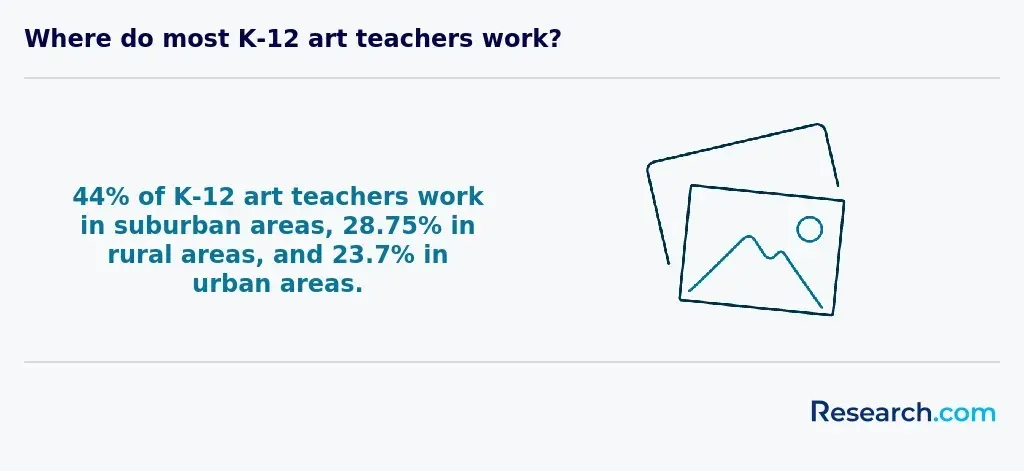
Art teaching conditions can look very different across Louisiana. Urban districts such as New Orleans and Baton Rouge may offer larger professional networks, museums, universities, and arts organizations. Rural schools may offer strong community ties and hiring opportunities but fewer materials, fewer specialist colleagues, and longer travel distances for professional development.
| Setting | Potential Advantages | Potential Challenges |
| Urban schools | More arts organizations, cultural institutions, and professional networks | More competition for jobs, higher cost of living in some areas, larger school systems |
| Suburban schools | Stable enrollment, family support, and extracurricular opportunities may be stronger | Openings may be limited and competitive |
| Rural schools | Greater need in some areas, close community relationships, broader responsibilities | Limited supply budgets, fewer nearby peers, travel barriers, and smaller programs |
Teachers who understand early-grade development may be better prepared to manage varied classroom needs across regions. For a related route, see how to become a kindergarten teacher in Louisiana.
How can art educators transition to private school teaching in Louisiana?
Private schools in Louisiana may set different requirements from public schools. Some prefer state-certified teachers, while others may place more weight on artistic background, teaching experience, religious or mission fit, portfolio strength, or specialized skills. Candidates should not assume requirements are easier; private schools may expect broader duties, parent communication, extracurricular leadership, or alignment with a specific educational philosophy.
- Compare certification expectations: Ask whether the school requires Louisiana certification, prefers it, or accepts equivalent experience.
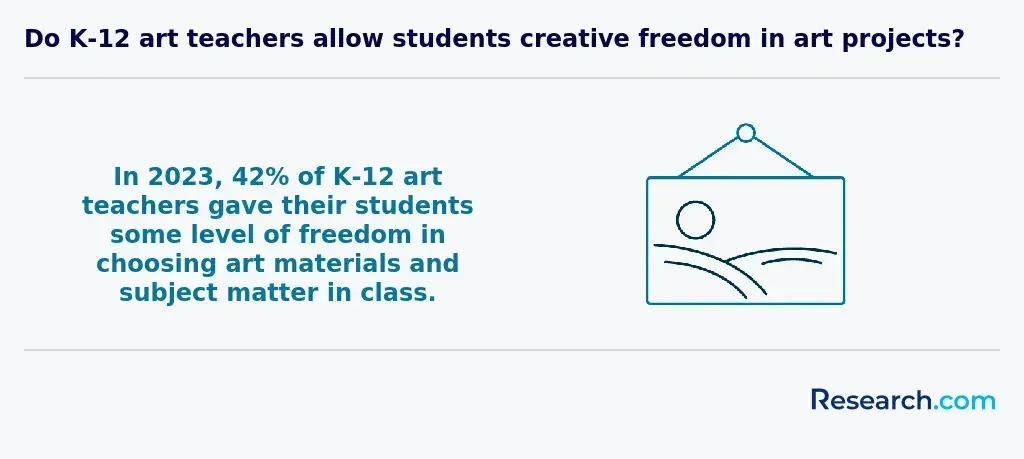
- Review curriculum flexibility: Private schools may allow more creative freedom, but they may also have specific mission-based expectations.
- Ask about resources: Clarify budget, supplies, studio space, technology, class size, and display opportunities.
- Understand workload: Teachers may support art shows, clubs, admissions events, fundraisers, or interdisciplinary projects.
- Prepare a mission-aligned portfolio: Show how your teaching approach fits the school's students, values, and academic program.
For more detail, review how to become a private school teacher in Louisiana.
What resources and support are available for new art teachers in Louisiana?
New art teachers need more than lesson ideas. They need mentors, curriculum guidance, supply strategies, certification information, professional networks, and emotional support during the first years of teaching.
- Louisiana Art Education Association: Provides professional development, networking, conferences, advocacy updates, and connection with experienced art educators.
- Louisiana Department of Education: Offers state-level information on certification, standards, curriculum resources, and educator requirements.
- District mentorship programs: Many districts pair new teachers with experienced educators who can help with classroom management, documentation, parent communication, and school procedures.
- National Art Education Association: Offers national resources, research, instructional ideas, and professional community for art teachers.
- University networks: Louisiana State University, the University of Louisiana at Lafayette, and other institutions may provide workshops, alumni networks, faculty connections, and professional events.
- Online teaching communities: Platforms such as Teachers Pay Teachers and Artsonia can provide project ideas, lesson planning support, and student art display options, though teachers should evaluate quality before using any resource.
- Social media groups: Facebook, Instagram, and educator forums can help new teachers find classroom setup ideas, supply hacks, and peer advice.
- State and local art councils: According to a 2024 report on the state of art education, approximately 30% of K-12 art teachers nationwide agree that their districts, including art councils, provide sufficient professional learning resources. Local councils may also offer grants, artist partnerships, exhibitions, and community programming.
New teachers should create a support map during their first semester: one mentor for school procedures, one art teacher peer for curriculum, one administrator for expectations, and one external professional group for long-term growth.
What do graduates have to say about becoming an art teacher in Louisiana?
- Teaching art in Louisiana changed how I think about creativity. The state's culture and history give students so many entry points into meaningful projects, and I enjoy watching them connect local traditions with their own ideas. Trent
- What surprised me most was the educator community. Other art teachers shared lessons, materials, and encouragement, and that collaboration made my first years much more manageable. Carissa
- My students bring different stories, backgrounds, and perspectives into the art room. Helping them turn those experiences into visual expression is the most rewarding part of the job. Ashley
Key Findings
- The Louisiana Department of Education reported that as of 2023, there are approximately 1,200 certified art teachers actively working in K-12 schools across the state, showing continued need for qualified arts educators.
- According to Glassdoor, the median annual salary for art teachers in Louisiana is approximately $56,000, making the role a viable option for candidates who understand district pay differences and cost-of-living factors.
- Recent data from the Louisiana Teacher Preparation Program indicates that enrollment in art education programs has increased by 15% over the past two years, suggesting stronger student interest in art education careers.
- Louisiana requires prospective art teachers to complete a bachelor's degree in art education or a related field, finish a teacher preparation program, and complete a minimum of 180 hours of supervised student teaching experience.
- In 2023, the Louisiana State Legislature passed a bill aimed at enhancing funding for arts education, which is expected to increase resources available for art teachers and improve the overall quality of art programs in public schools.
What impact does art education have on student learning outcomes in Louisiana?
Art education can support student learning by developing visual analysis, creative problem-solving, persistence, communication, cultural understanding, and social-emotional expression. In strong programs, students do not simply complete crafts; they learn to observe, make decisions, revise, critique, explain, and connect ideas across subjects.
- Critical thinking: Students analyze images, compare choices, interpret meaning, and explain evidence.
- Communication: Artist statements, critiques, and presentations help students express ideas clearly.
- Engagement: Hands-on projects can motivate students who may struggle with lecture-heavy instruction.
- Interdisciplinary learning: Art can reinforce literacy, history, science, math, and technology when lessons are intentionally designed.
- Identity and belonging: Students can explore personal, local, and cultural stories through visual work.
Educators interested in another information-rich, interdisciplinary education path can compare this work with how to become a librarian in Louisiana.
Is an accelerated art degree program advisable to become an art teacher in Louisiana?
An accelerated art degree program may be useful for some aspiring art teachers, especially career changers or students trying to enter the workforce quickly. However, speed should not be the only factor. The program must provide enough studio practice, education coursework, field experience, and certification alignment to prepare you for a real classroom.
| Question | Why It Matters | What to Verify |
| Is the program accredited? | Accreditation affects licensure, transfer credit, and employer recognition. | Check institutional accreditation and whether the program meets Louisiana certification expectations. |
| Does it include student teaching? | Classroom experience is essential for certification and job readiness. | Confirm supervised field placement requirements before enrolling. |
| Is the pace realistic? | Condensed programs can reduce time for studio development and reflection. | Ask about weekly workload, portfolio expectations, and mentorship. |
| Will districts recognize it? | Employers may review the quality and relevance of your preparation. | Ask local districts how they view graduates from the program. |
| Does it prepare you for Praxis exams? | Testing is part of certification. | Review pass-rate support, practice exams, and content coverage. |
- Accelerated art degree programs can be a workable option for Louisiana candidates who want to complete a degree faster. Some programs may condense coursework into as little as 12 to 18 months.
- Teaching art requires competence in both artistic practice and instruction. A shortened timeline may be challenging if it limits studio time, feedback, or supervised teaching.
- Accreditation is critical. In Louisiana, programs must be accredited by the National Association of Schools of Art and Design (NASAD) or a similar body to ensure that they meet educational standards.
- District acceptance can vary. Many Louisiana districts recognize degrees from accredited institutions, but some may prefer candidates whose programs include extensive field experience.
- Examples of Louisiana programs include the University of Louisiana at Lafayette, which offers a Bachelor of Fine Arts in Art Education, and Louisiana State University, which provides a Master of Arts in Art Education. Candidates should ask each institution whether accelerated options are available and whether they lead to certification eligibility.
Common mistakes to avoid when pursuing art teacher certification in Louisiana
- Choosing a program without checking certification alignment: A degree in art alone may not qualify you for public school teaching unless it includes or connects to approved teacher preparation.
- Focusing only on tuition: Also compare fees, supplies, commuting, student teaching placement, testing costs, and time away from work.
- Assuming online programs automatically meet Louisiana rules: Online coursework can be legitimate, but licensure requirements are state-specific.
- Waiting too long to take Praxis exams: Late testing can delay student teaching, certification, and job applications.
- Building only an artist portfolio: Schools also want lesson plans, evidence of classroom management, assessment tools, and student teaching feedback.
- Ignoring rural opportunities: Some candidates focus only on large cities and miss openings in communities with higher need.
- Assuming salary outcomes are guaranteed: Pay varies by district, experience, education level, and contract terms.
Questions to ask before choosing an art education program in Louisiana
- Is the institution regionally accredited?
- Does the program lead to Louisiana teacher certification in art?
- How many hours of fieldwork and student teaching are included?
- Where are student teaching placements located?
- What Praxis exams are required, and how does the program help students prepare?
- What are the total costs, including fees, supplies, testing, transportation, and portfolio materials?
- Can credits transfer if I change schools?
- Are online, hybrid, evening, or part-time options available?
- What percentage of graduates find teaching positions?
- Does the program include digital art, inclusive teaching, classroom management, and standards-based assessment?
Key Insights
- The most direct route to becoming an art teacher in Louisiana is an accredited art education degree paired with a state-approved teacher preparation program.
- Public school art teachers must meet Louisiana certification requirements, including education, testing, supervised student teaching, background check, and application steps.
- Louisiana's art teacher market offers opportunity, especially where shortages exist, but salaries, openings, and resources vary by district and region.
- A strong teaching portfolio should show both artistic skill and classroom readiness through lesson plans, assessment examples, student teaching evidence, and a clear teaching philosophy.
- Professional development, additional certifications, and skills in digital media, special education, and curriculum design can improve long-term career flexibility.
- Do not choose a fast or inexpensive program without confirming accreditation, certification eligibility, field experience quality, and district recognition.
Related Articles for Nearby States
- 2027 How to Become an Art Teacher in Mississippi: Requirements & Certification
- 2027 How to Become an Art Teacher in Arkansas: Requirements & Certification
- 2027 How to Become an Art Teacher in Texas: Requirements & Certification
- 2027 How to Become an Art Teacher in Alabama: Requirements & Certification
- 2027 How to Become an Art Teacher in Tennessee: Requirements & Certification
- 2027 How to Become an Art Teacher in Missouri: Requirements & Certification
- 2027 How to Become an Art Teacher in Oklahoma: Requirements & Certification
- 2027 How to Become an Art Teacher in Florida: Requirements & Certification
- 2027 How to Become an Art Teacher in Kentucky: Requirements & Certification
- 2027 How to Become an Art Teacher in Georgia: Requirements & Certification
References:
- Glassdoor. (2024, June 6). How much does an Art Teacher make in Louisiana? Glassdoor.com. Retrieved September 24, 2024.
- LDOE. (2022). Louisiana's state profile: 2022-2023 educator workforce snapshot. Louisiana Department of Education. Retrieved September 24, 2024.
- LDOE. (n.d.). Continuing education opportunities for educators. Louisiana Department of Education. Retrieved September 24, 2024.
- Office of Cultural Development. (n.d.). Resource | Arts education | Division of the arts. Department of Culture, Recreation & Tourism. Retrieved September 24, 2024.
- Teach Louisiana. (n.d.). Certification-only alternate certification program: Louisiana approved teacher preparation program providers. TeachLouisiana.net. Retrieved September 24, 2024.
Other Things You Should Know About Becoming an Art Teacher in Louisiana
To become an art teacher in Louisiana in 2027, a bachelor's degree in art education or a related field is required. Additionally, you must complete a state-approved teacher preparation program to qualify for certification.
The worst possible outcome after attempting the Louisiana art teacher certification process in 2027 is failing to pass the Praxis exams, a key requirement. This failure could delay the certification process significantly, preventing you from securing a teaching position.