
2027 How to Become an Art Teacher in Texas: Requirements & Certification

Co-Founder and Chief Data Scientist
Becoming an art teacher in Texas is a practical career path for people who want to combine studio art, visual culture, child development, and classroom instruction. The decision is not only about loving art. You also need to understand Texas certification rules, educator preparation programs, required exams, student teaching, continuing education, and the realities of teaching in public and private schools.
This guide explains how to become an art teacher in Texas in 2026, including the degree path, certification process, classroom experience requirements, salary and job outlook information, professional development options, and strategies for finding your first teaching role. It is designed for high school students planning a college major, college graduates with an art background, career changers considering alternative certification, and current educators who want to move into art education.
Quick Answer: How Do You Become an Art Teacher in Texas?
To become an art teacher in Texas, you typically need a bachelor’s degree in art education, studio art with teacher certification, or a closely related field; completion of an approved educator preparation program; passing scores on the required Texas Examinations of Educator Standards, including the Art EC-12 exam; fingerprinting and a background check; and a Texas educator certificate issued through the Texas Education Agency. After certification, Texas teachers must complete continuing education to keep their credentials active.
Key Things You Should Know About Becoming an Art Teacher in Texas
- Certification matters. A strong art portfolio alone is not enough for most public school roles. Texas public schools generally require the appropriate educator certificate, and candidates should verify that their preparation program is approved for Texas certification.
- Texas has meaningful demand for K-12 teachers. Secondary school teachers are projected to see a 12.8% job increase, with an average annual salary of $64,120. Middle school teachers earn an average annual salary of $62,480, while elementary school teachers earn $62,130.
- Salary depends heavily on district, grade level, experience, and location. The article’s reported figures include an average art teacher salary of around $58,000 per year, a separate estimate of around $54,000 per year, and another estimate of approximately $56,000 per year. Treat these as directional figures rather than guaranteed earnings.
- Cost of living should be part of the decision. Texas is generally more affordable than many states, although Austin and other fast-growing metro areas can be more expensive. The cost of living index in Texas is about 93.9, compared to the national average of 100.
- Art teaching requires both creative and instructional skill. Successful candidates can plan standards-aligned lessons, manage materials and studio routines, differentiate projects for diverse learners, assess creative work fairly, and connect art to culture, history, technology, and community life.
- What steps do you need to take to become an art teacher in Texas?
- What degree and coursework do Texas art teachers need?
- How does Texas art teacher certification work?
- Why does classroom experience matter for future art teachers?
- What standards guide art instruction in Texas schools?
- What can art teachers expect from the Texas job market and salary range?
- How do Texas art teachers meet professional development requirements?
- What classroom management and teaching strategies work best in art rooms?
- What related teaching paths are available in Texas?
- How can art teachers advance or specialize in Texas?
- Where can new Texas art teachers find resources and support?
- How should art teachers search for jobs in Texas?
- When does alternative certification make sense for aspiring art teachers?
- What do graduates say helped them most?
- How can art teachers support diverse learners?
- How can art and music teachers work together?
- What problems do Texas art teachers commonly face?
- Which digital tools are changing art education?
- How do policy and funding affect art education in Texas?
- How can historical context strengthen art lessons?
- How can community partnerships improve art programs?
- How should art teachers assess creativity?
What steps do you need to take to become an art teacher in Texas?
The standard route to becoming an art teacher in Texas is straightforward, but each step matters. You need academic preparation in art, formal teacher training, state exams, certification, and practical evidence that you can teach students safely and effectively.
| Step | What it involves | Why it matters |
| Earn a bachelor’s degree | Complete an art education, studio art with teacher certification, Bachelor of Fine Arts, or related program. | Texas public school certification generally begins with an approved degree and educator preparation pathway. |
| Complete educator preparation | Take pedagogy coursework, learn classroom management, and complete field experiences or student teaching. | Art teachers need to know how to teach, assess, supervise materials, and support students—not just make art. |
| Pass required exams | Take the relevant Texas Examinations of Educator Standards, including art content and pedagogy requirements. | Exam scores help demonstrate subject knowledge and readiness for classroom instruction. |
| Apply for certification | Submit required materials through the Texas Education Agency process, including transcripts, exam results, fingerprinting, and background check requirements. | Certification is usually required for public school art teaching positions. |
| Build job application materials | Prepare a resume, teaching philosophy, lesson samples, and a portfolio showing both art skill and teaching ability. | Districts want evidence that you can plan lessons, manage students, and connect art to standards. |
| Apply strategically | Search district job boards, attend hiring fairs, contact schools, and network through art education organizations. | Many openings are competitive, and personal connections can help candidates learn about roles early. |
| Maintain certification | Complete the continuing education needed for renewal every five years. | Texas educators must keep their credentials current and stay aligned with standards and instructional practices. |
If you are comparing teaching with other humanities or education careers, salary and employment expectations may differ by field. For example, Research.com also covers history-related career paths and salaries, which may help you compare long-term options before committing to teacher preparation.
What degree and coursework do Texas art teachers need?
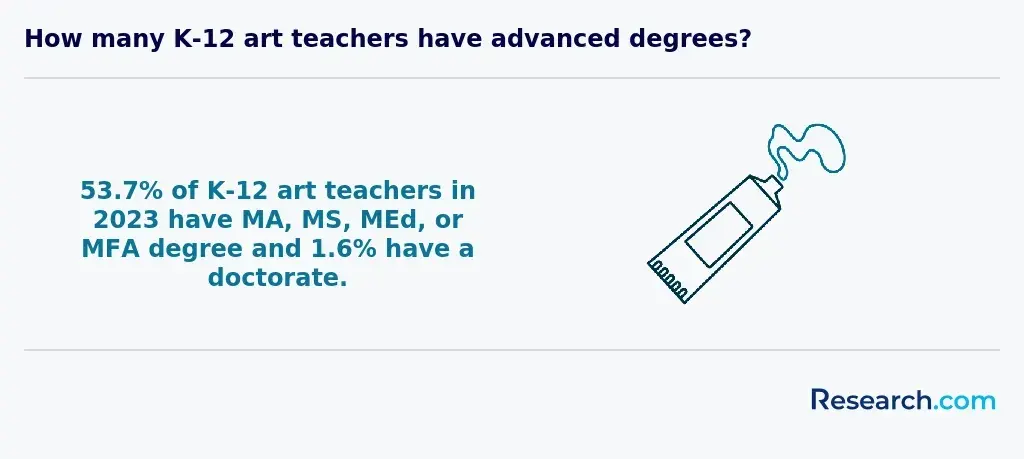
Most aspiring Texas art teachers start with a bachelor’s degree. Common options include a Bachelor of Fine Arts in Studio Art with teacher certification, an art education degree, or another art-related major paired with an approved educator preparation program. A master’s degree or PhD may help with advancement, leadership, higher education, or specialized roles, but they are not usually required for entry-level K-12 art teaching.
Art teacher preparation should include both studio depth and teaching practice. A candidate may complete around 63 credit hours focused on art, including Art Foundation, Art History, Studio Art, and Art Theory, along with education coursework such as a required 21-hour Minor in Education. These courses help future teachers develop artistic technique, understand visual culture, and translate complex creative concepts into age-appropriate lessons.
Choosing the right program is one of the most important decisions. Students should verify that the institution is accredited and that the educator preparation route aligns with Texas certification requirements. A strong art school that does not prepare students for Texas educator certification may still leave graduates needing additional coursework or an alternative certification pathway.
| Degree or preparation option | Best for | Important consideration |
| Bachelor’s in art education | Students who know early that they want to teach art in K-12 schools. | Look for a program that integrates studio coursework, pedagogy, field experience, and certification preparation. |
| BFA in Studio Art with teacher certification | Students who want intensive studio training while preparing for EC-12 art teaching. | Confirm that the certification track is built into the degree plan, not added informally later. |
| Art-related bachelor’s degree plus alternative certification | Career changers or graduates who already have an art background. | Compare program approval, costs, timeline, mentoring, and probationary teaching requirements. |
| Master’s degree in education, art education, or leadership | Certified teachers seeking advancement, curriculum roles, or leadership positions. | A graduate degree can support career growth, but it does not replace initial certification requirements. |
Texas State University and the University of Texas at Austin are examples of institutions with strong art and fine arts preparation options. If you are still deciding between subject areas, you may also compare related academic routes such as a history degree to understand how different majors connect to teaching and career growth.
How does Texas art teacher certification work?
Texas art teachers in public schools generally need a Texas educator certificate issued through the Texas Education Agency. For art, the relevant certification is commonly tied to EC-12 art education, which prepares teachers to work across grade levels from early childhood through grade twelve.
The certification process usually begins with a bachelor’s degree and completion of an approved educator preparation program. Candidates then take the required Texas Examinations of Educator Standards. The TExES Art EC-12 exam evaluates knowledge of art concepts, artistic processes, visual culture, art history, and instructional methods appropriate for Texas classrooms.
After passing the required exams, candidates apply through the state process. The application fee is around $78. Fingerprinting and a background check are also required, and fingerprinting through a TEA-approved vendor usually costs about $50. These steps help schools verify eligibility and protect student safety.
Out-of-state teachers may be able to pursue Texas certification through a reciprocity process, but they should not assume that another state’s license automatically qualifies them for Texas employment. They may need to submit credentials, complete a review, and pass Texas-specific exams such as the TExES.
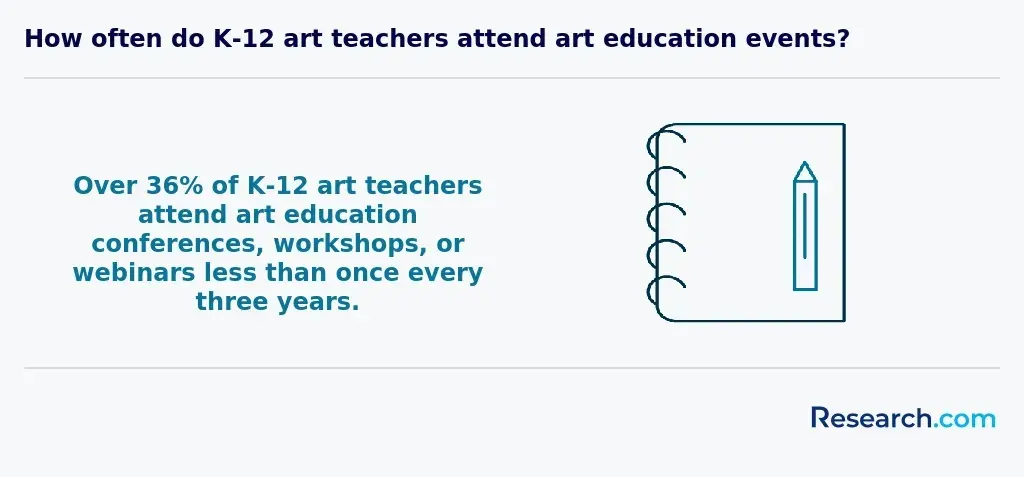
Once certified, teachers must complete 150 hours of continuing education every five years to maintain certification. This requirement makes professional learning part of the career, not a one-time task.
| Certification checkpoint | What to verify before moving forward |
| Educator preparation approval | Confirm that the program is approved for Texas teacher certification and specifically supports art certification. |
| Exam requirements | Ask which TExES exams are required and when students are cleared to take them. |
| Field experience | Check how student teaching or internship placements are arranged and whether they include art classrooms. |
| Fees and background checks | Budget for application, testing, fingerprinting, and certification-related costs. |
| Renewal obligations | Understand the 150 hours of continuing education required every five years. |
Why does classroom experience matter for future art teachers?
Teaching experience is essential because art classrooms are active, material-heavy learning environments. A teacher may be supervising paint, clay, printmaking supplies, scissors, digital tools, group work, cleanup routines, and individual creative choices at the same time. Student teaching helps future educators practice these skills before taking full responsibility for a classroom.
Texas certification pathways typically include a student teaching experience that may last a full semester. During this placement, candidates observe experienced teachers, plan lessons, teach small groups or full classes, receive feedback, and learn how to adapt projects for different ages and abilities.
Universities with educator preparation programs often coordinate placements with partner school districts. Aspiring teachers can also build experience through art camps, after-school programs, community art classes, museum education programs, and volunteer work with youth arts organizations.
- Watch how your mentor teacher starts class, transitions between activities, distributes materials, and handles cleanup.
- Ask to teach short lesson segments before leading a full project from start to finish.
- Request specific feedback on pacing, questioning, safety routines, and student engagement.
- Keep examples of lesson plans, assessments, and student work when allowed by school policy.
- Build professional relationships with mentor teachers, principals, department chairs, and district arts coordinators.
In 2023, K-12 teachers across education levels earn around $62,890 to $64,120 on average per year. The chart below provides a breakdown of those figures.
What standards guide art instruction in Texas schools?
Texas art instruction is guided by state expectations that connect creative production with art history, culture, interpretation, and communication. The State Board for Educator Certification establishes standards for educators, and classroom instruction is aligned with the Texas Essential Knowledge and Skills, commonly known as TEKS.
For art teachers, standards are not just paperwork. They shape what students are expected to know and do at each grade level. Lessons may ask students to explore drawing, painting, sculpture, photography, design, digital media, art criticism, historical influences, and cultural traditions. Teachers must connect creative work to learning goals rather than treating projects as isolated crafts.
Texas art education also encourages connections across subjects. A lesson might connect pattern and geometry, symbolism and literature, mural traditions and local history, or digital design and technology. This interdisciplinary approach can make art more relevant, especially for students who do not yet see themselves as artists.
| Curriculum area | What art teachers should emphasize | Example classroom application |
| Creative expression | Students practice techniques, experiment with media, and develop original ideas. | Students create a mixed-media self-portrait using personal symbols and planned composition choices. |
| Art history and culture | Students examine artists, movements, traditions, and cultural contexts. | A project connects contemporary student work to historical or local artistic traditions. |
| Critical thinking | Students interpret, evaluate, revise, and explain artistic decisions. | Students use critique protocols to discuss how line, color, form, or contrast affects meaning. |
| Technical skill | Students learn safe and effective use of materials, tools, and digital platforms. | The teacher models brush care, clay handling, printmaking safety, or digital file management. |
| Collaboration and communication | Students participate in group projects, exhibitions, peer review, and reflection. | Students install a class exhibition and write artist statements for their work. |
A Bachelor of Fine Arts in Studio Art with teacher certification focused on grades EC-12 can combine studio training with educational theory and classroom practice. Teachers who want further growth may later consider graduate study, including flexible online teaching master’s options, but initial certification should remain the first priority for aspiring public school teachers.
What can art teachers expect from the Texas job market and salary range?
The Texas job market for art teachers depends on district budgets, enrollment, grade level, local arts priorities, and teacher turnover. Public schools, charter schools, private schools, magnet programs, and arts-focused campuses may all hire art educators, but the number of openings varies by region and year.
The article’s salary estimates show why candidates should research individual districts rather than relying on one statewide number. One reported estimate places the average salary for art teachers in Texas around $54,000 per year. Another states that the average salary is around $58,000 per year. A later key finding cites approximately $56,000 per year, with potential for higher earnings based on experience and location and salaries in urban areas that can exceed $70,000. These figures should be viewed as broad planning references, not guaranteed offers.
In larger cities such as Houston or Dallas, salaries may be closer to $60,000, while smaller towns may offer salaries around $48,000. Compensation also includes benefits that can significantly affect total value, such as health insurance, retirement plans, paid time off, and professional development opportunities.
In general, the job outlook for K-12 teachers in the state ranges from 11.9% to 12.8% from 2022 to 2032.
| Factor | How it affects art teacher opportunities |
| District size | Larger districts may have more openings, but competition can also be stronger. |
| Location | Urban areas may offer higher pay, while rural or smaller districts may offer closer school communities and different cost-of-living trade-offs. |
| Grade level | Elementary, middle, and secondary art roles may have different schedules, expectations, and salary structures. |
| Budget and arts priorities | District support for fine arts can influence staffing levels, classroom resources, exhibitions, and technology access. |
| Experience and credentials | Additional years of teaching, leadership duties, endorsements, or graduate study may improve advancement prospects. |
A Texas teacher described the decision this way: “I graduated from a program at Texas State University and found real opportunities, but I still had to compare the lower salary in my small town with the value of working in a supportive district.” Her experience reflects a common trade-off: pay matters, but so do mentoring, community support, class sizes, planning time, and resources.
How do Texas art teachers meet professional development requirements?
Professional development helps art teachers stay current with TEKS updates, studio practices, instructional strategies, assessment methods, classroom technology, and inclusive teaching approaches. Because Texas teachers must complete 150 hours of continuing education every five years, professional learning should be planned intentionally rather than rushed near renewal deadlines.
Texas art teachers can find workshops and continuing professional education through universities, museums, school districts, professional associations, and online state resources. The University of Houston-Clear Lake offers summer workshops focused on hands-on areas such as ceramics, printmaking, and fiber arts. The Texas Art Education Association provides conferences, networking, mentoring, and professional learning opportunities for art educators across the state.
Museums can be especially useful because they connect teachers with collections, cultural context, lesson ideas, and classroom-ready resources. The Museum of Fine Arts in Houston hosts teacher workshops, and the Kimbell Art Museum offers educator programs, including a summer forum that supports collaboration and creative exploration.
| Professional development source | What it can provide | Best use |
| Texas Art Education Association | Conferences, mentoring, professional networks, and art education advocacy. | Building a statewide professional community and learning from experienced art teachers. |
| Texas Education Agency resources | Standards guidance, instructional updates, and TEKS-related training. | Keeping lessons aligned with state expectations. |
| Local museums and galleries | Workshops, educator guides, exhibitions, and object-based teaching strategies. | Connecting students to original artworks and cultural institutions. |
| Universities | Studio workshops, graduate coursework, and specialized training. | Deepening technique, pedagogy, or leadership skills. |
| School districts | Required trainings, curriculum planning, mentoring, and compliance support. | Understanding local expectations and evaluation systems. |
Teachers who want to move into leadership, curriculum development, or higher-level academic roles may later explore graduate education. Research.com’s guide to careers with a doctorate in education can help educators understand how advanced credentials may connect to administrative, policy, or academic paths.
What classroom management and teaching strategies work best in art rooms?
Art classrooms need structure because students are often moving, sharing materials, experimenting, and working at different speeds. Strong management does not suppress creativity; it gives students enough clarity and safety to take creative risks.
Effective art teachers set routines for entering the room, collecting supplies, using tools, storing unfinished work, cleaning stations, asking for help, and participating in critique. Students should know what to do before, during, and after studio work. This reduces wasted time and protects materials.
| Strategy | How it works in an art classroom | Why it helps |
| Clear studio routines | Teach procedures for supplies, cleanup, storage, and transitions. | Students spend less time confused and more time creating. |
| Short demonstrations | Model one technique or concept before independent work begins. | Students can see expectations without sitting through long lectures. |
| Choice within structure | Offer approved media, themes, or composition options tied to the same learning goal. | Students feel ownership while the teacher can still assess standards. |
| Positive reinforcement | Point out productive behaviors such as careful cleanup, thoughtful revision, and respectful critique. | Students learn which behaviors support a creative community. |
| Flexible grouping | Use individual, partner, and group formats depending on the project. | Students practice independence and collaboration. |
| Differentiated instruction | Adjust tools, examples, steps, or final products for student needs. | More learners can access rigorous art tasks. |
Attention signals such as “Give Me Five” can help reset the room quickly, especially when students are working with materials. Classroom jobs can also help: supply manager, cleanup captain, portfolio assistant, technology helper, or critique facilitator. Rotating these roles builds responsibility and reduces the teacher’s logistical burden.
Teachers interested in broader educational support roles may also review library technician and library science careers, since school libraries, media centers, and arts classrooms often overlap in research, visual literacy, and project-based learning.
What related teaching paths are available in Texas?
Art teaching is one route into education, but it is not the only one. Some candidates compare art education with elementary education, music, English, history, math, special education, library services, kindergarten teaching, or private school teaching before deciding. Understanding the broader requirements can help you choose a grade level, subject, or certification path that fits your strengths.
If you want a wider overview of educator preparation, certification, and career choices in the state, Research.com’s guide on how to become a teacher in Texas can help you compare general teaching pathways before narrowing your focus to art.
How can art teachers advance or specialize in Texas?
After gaining classroom experience, art teachers can move into specialized instruction, leadership, curriculum work, mentoring, or interdisciplinary roles. Advancement usually requires strong teaching evaluations, portfolio evidence, collaboration skills, and sometimes additional credentials.
- Digital art and design: Teachers who build skills in digital drawing, animation, photography, video, or portfolio platforms can support students interested in creative technology careers.
- Art history and visual culture: This specialization helps teachers connect art projects to historical movements, cultural identity, and critical analysis.
- Art therapy-informed practice: While art therapy is a separate licensed profession, art teachers can use trauma-informed and reflective practices to create supportive classroom environments.
- Special education collaboration: Art teachers can deepen their ability to adapt lessons, tools, and assessments for students with disabilities. Educators interested in this path may compare flexible online special education degrees.
- Department leadership: Experienced teachers may become art department chairs, fine arts coordinators, or curriculum leads.
- School administration: Teachers who want to become assistant principals, principals, or district leaders often pursue additional preparation in educational leadership or administration.
One Texas teacher described starting as a high school art teacher after graduating from the University of Texas at Austin, then pursuing educational leadership certification and becoming an art department chair. Her path illustrates a key point: classroom teaching can be the foundation for broader leadership, but advancement usually requires deliberate planning.
Where can new Texas art teachers find resources and support?
New art teachers should not try to build a program alone. Support networks can save time, reduce burnout, and provide tested lesson ideas, assessment tools, classroom management routines, and professional encouragement.
- Texas Art Education Association: TAEA offers professional development, conferences, networking, and mentorship opportunities for art educators.
- District mentors: Many school districts pair new teachers with experienced educators who can help with procedures, evaluation expectations, parent communication, and classroom routines.
- Texas Education Agency: TEA resources can help teachers understand curriculum guidance, state standards, and instructional expectations.
- Museums and galleries: Local institutions often provide teacher workshops, classroom materials, outreach programs, and exhibition-based lesson ideas.
- National Art Education Association: NAEA can connect teachers to national conversations, publications, webinars, and professional communities.
- Local libraries: Libraries can support art history research, children’s literature connections, digital resources, and community programming.
- Online educator communities: Platforms such as Teachers Pay Teachers, Pinterest, and Texas-focused social media groups can offer lesson ideas, but teachers should adapt materials to TEKS and student needs rather than copying them uncritically.
How should art teachers search for jobs in Texas?
A strong art teacher job search combines certification readiness, district research, networking, and evidence of classroom skill. Candidates should monitor school district job boards, statewide educator employment platforms, charter and private school postings, and university career services. Teacher career fairs can be especially helpful because candidates can meet principals and fine arts leaders directly.
Networking matters in fine arts education. Joining the Texas Art Education Association, attending local arts events, connecting with mentor teachers, and participating in museum educator programs can help candidates learn about openings that may not be widely advertised. A professional portfolio should include artwork, lesson plans, student teaching reflections, assessment examples, and a concise teaching philosophy.
| Job search task | Better approach | Common mistake to avoid |
| Preparing a portfolio | Show both personal artwork and teaching evidence. | Submitting only studio work without lesson plans or classroom examples. |
| Researching districts | Compare salary schedules, fine arts support, class sizes, materials budgets, and mentoring. | Applying based only on location or starting salary. |
| Interviewing | Prepare to discuss TEKS alignment, classroom management, safety, critique, and differentiation. | Focusing only on artistic passion without explaining instruction. |
| Networking | Attend hiring fairs, TAEA events, and local arts education programs. | Waiting for online postings and missing relationship-based opportunities. |
| Considering alternatives | Look at public, charter, private, museum, and community arts education roles. | Assuming the first public school opening is the only viable route. |
If you are comparing art teaching with other school-based roles, you may also want to learn how to become a librarian in Texas, since school library and media roles can appeal to educators interested in visual literacy, research, and creative learning environments.
When does alternative certification make sense for aspiring art teachers?
Alternative certification can be useful for candidates who already hold a bachelor’s degree and have strong art knowledge but did not complete a traditional teacher preparation program. It can help career changers move into the classroom more quickly, especially if they have experience as artists, designers, museum educators, illustrators, photographers, or community arts instructors.
These programs may offer online or hybrid coursework, mentoring, classroom preparation, and a path to teach while completing certification requirements. Some candidates may work as teachers of record under a probationary certificate, which allows them to earn a salary while gaining classroom experience.
Alternative certification is not automatically easier. Candidates still need to meet Texas standards, pass required exams, complete program expectations, and learn classroom management quickly. Before enrolling, compare approval status, cost, timeline, mentor support, placement assistance, exam pass support, and whether the program prepares candidates specifically for art EC-12 certification.
| Traditional certification | Alternative certification |
| Best for students planning their teaching career before or during college. | Best for degree holders and career changers who already have academic or professional art experience. |
| Usually includes student teaching before full-time employment. | May allow paid classroom work while certification requirements are completed. |
| Often provides more gradual preparation through education coursework and field experiences. | Can be faster, but candidates may face a steeper first-year learning curve. |
| Integrated advising may help students track degree and certification requirements. | Candidates must carefully verify approval, exam requirements, costs, and support services. |
Some certification steps overlap with other teaching fields. If you want to compare requirements, Research.com’s guide on how to become an elementary school teacher in Texas can provide useful context for educator preparation in the state.
What do graduates say helped them most?
Graduates often point to classroom experience, mentoring, and feedback as the most valuable parts of preparation. Studio skill matters, but new teachers quickly discover that planning, pacing, behavior routines, assessment, and relationship-building are what make an art classroom work day after day.
Some graduates also value interdisciplinary study because art connects naturally to religion, ethics, history, literature, culture, and community identity. For readers interested in cultural and ethical perspectives beyond art education, Research.com’s guide to the best rated online affordable degree in theology may offer a different lens for understanding cultural learning and classroom discussion.
How can art teachers support diverse learners?
Texas classrooms include students with different languages, cultural backgrounds, disabilities, learning profiles, prior art experience, and confidence levels. Art teachers can support diverse learners by designing flexible projects, using visual demonstrations, offering multiple media options, scaffolding complex tasks, and assessing both process and product.
Collaboration is critical. Art teachers should work with special education teachers, English language specialists, counselors, and families when adapting lessons. Universal design principles can help: provide examples, break tasks into stages, allow choice, use rubrics, include peer discussion, and create alternatives for students who need different tools or timelines.
Teachers who want to strengthen this area can learn from resources on special education teacher certification in Texas, especially when planning differentiated instruction, accommodations, and adaptive classroom strategies.
How can art and music teachers work together?
Art and music teachers can create interdisciplinary experiences that help students understand creativity across media. Collaborative projects might include album-cover design, set design for performances, visual responses to music, sound-and-color installations, cultural festivals, digital storytelling, or joint exhibitions.
Collaboration also helps fine arts programs use resources more effectively. Teachers can coordinate calendars, combine displays and performances, write grants together, and show administrators how arts education supports communication, culture, creativity, and student engagement. Educators interested in this connection can review Research.com’s guide on how to become a music teacher in Texas.
What do graduates have to say about becoming an art teacher in Texas?
- Teaching art in Texas has given me the chance to see students discover their own voices. The most meaningful moments happen when a student realizes their work can communicate something personal. Community art shows also help families see the value of what students create. Gary
- I was surprised by how active the Texas art scene is. Professional development, grants, and local arts partnerships have helped me keep my classroom fresh. I feel that my work matters because students gain confidence through making and discussing art. Jordan
- My classroom is diverse, and that has made me a better teacher. Students bring their own stories, traditions, and ideas into the studio. The reasonable cost of living in many areas has also helped me stay focused on teaching and growing as an artist. Jill
What problems do Texas art teachers commonly face?
Art teachers in Texas may face limited budgets, uneven access to supplies, large class sizes, varied student readiness, administrative duties, and pressure to justify the value of arts education. Technology access can also vary by campus, making digital art instruction easier in some schools than others.
The best response is proactive planning. Teachers can apply for grants, build community partnerships, reuse and organize materials carefully, collaborate with local artists, and document student learning through exhibitions, portfolios, and standards-aligned assessments. Clear communication with administrators can also help art teachers show how the program supports creativity, visual literacy, problem-solving, and school culture.
Storytelling can help art teachers advocate for their programs. Educators who want to improve communication, student publication, or public-facing narratives may find useful skills in a journalism degree, especially when promoting exhibitions, writing artist statements, or sharing student achievements with the community.
Which digital tools are changing art education?
Digital tools are expanding what Texas art teachers can do in the classroom. Teachers may use digital portfolios, drawing tablets, photography tools, video editing software, virtual galleries, interactive presentations, and online critique platforms. These tools can help students document process, revise work, collaborate, and share final pieces beyond the classroom wall.
Technology should support artistic thinking, not replace it. A strong digital art lesson still includes composition, concept development, critique, revision, and reflection. Teachers should also plan for equity by considering whether students have device access, internet access, adaptive tools, and enough class time to learn unfamiliar platforms.
Because digital literacy appears across subject areas, art teachers can benefit from strategies used in writing and language instruction. Research.com’s guide on how to become an english teacher in Texas may offer complementary ideas for digital storytelling, critique language, and interdisciplinary projects.
How do policy and funding affect art education in Texas?
State policies, district budgets, grant priorities, and local leadership decisions all shape art education. Funding affects class materials, technology, field trips, professional development, studio equipment, and whether schools can hire enough fine arts teachers. Teachers should stay aware of district planning cycles and state updates because decisions made outside the classroom can directly affect what happens inside the studio.
Grant writing and cross-disciplinary collaboration can help. Art teachers who connect projects to literacy, history, STEM, community culture, or career readiness may be better positioned to secure support. Collaborating with math, science, humanities, and technology teachers can also demonstrate that art is part of a broader learning ecosystem. Educators comparing interdisciplinary teaching approaches may find it useful to explore how to be a middle school math teacher in Texas.
How can historical context strengthen art lessons?
Historical context helps students understand that art is created in response to people, places, beliefs, conflicts, technologies, and cultural movements. Instead of asking students only to copy a style, teachers can ask why that style emerged, what it communicated, who was included or excluded, and how contemporary artists respond to similar themes.
Art teachers can collaborate with history teachers to build lessons around architecture, propaganda, community murals, indigenous traditions, civil rights imagery, migration, religious art, public monuments, or local Texas history. This approach deepens analysis and helps students see art as evidence of human experience. Educators who want to build this connection further can review how to become a history teacher in Texas.
How can community partnerships improve art programs?
Community partnerships can make art education more relevant and resource-rich. Local artists, galleries, museums, cultural centers, libraries, universities, and businesses may support guest talks, workshops, exhibitions, internships, donated materials, murals, and public art projects.
Partnerships work best when they are tied to learning goals. A guest artist visit should connect to a unit, technique, cultural tradition, or career theme. A community exhibition should include student reflection and assessment. A mural project should include planning, permissions, safety, and collaboration. Teachers of younger students can also learn from early childhood approaches; Research.com’s guide on how to become a kindergarten teacher in Texas may help art educators design age-appropriate creative experiences.
How should art teachers assess creativity?
Assessing creativity does not mean grading whether a teacher personally likes a student’s artwork. Effective assessment looks at process, risk-taking, technique, revision, concept development, craftsmanship, reflection, and alignment with the lesson’s learning goals.
Useful assessment tools include project rubrics, sketchbook checks, artist statements, peer critiques, self-reflections, digital portfolios, process photos, and one-on-one conferences. Rubrics should leave room for originality while still making expectations clear. For example, a rubric can assess use of composition, evidence of revision, connection to theme, control of medium, and explanation of choices.
Private schools may have different certification expectations, curriculum flexibility, and assessment cultures than public schools. Candidates comparing settings can review Research.com’s guide on how to become a private school teacher in Texas.
Common Mistakes to Avoid When Becoming an Art Teacher in Texas
- Choosing a program without checking certification alignment. An art degree is valuable, but public school teaching usually requires the right educator preparation and certification pathway.
- Assuming portfolio talent is enough. Schools also evaluate lesson planning, classroom management, standards knowledge, safety practices, and student support skills.
- Looking only at tuition or salary. Compare total costs, fees, exam expenses, commuting, student teaching requirements, district benefits, cost of living, and mentoring.
- Waiting too long to prepare for TExES exams. Candidates should understand exam content early and use coursework, practice tests, and feedback to prepare.
- Ignoring classroom logistics. Art rooms require routines for materials, cleanup, storage, safety, and movement.
- Using generic lesson plans. Strong lessons should align with TEKS, student needs, available materials, and age-appropriate creative goals.
- Assuming every online or alternative program fits Texas requirements. Always verify approval, certification area, field placement support, and exam expectations before enrolling.
Questions to Ask Before Choosing an Art Teacher Preparation Program
- Is the program accredited and approved for Texas educator certification?
- Does the program specifically prepare candidates for Art EC-12 certification?
- What TExES exams are required, and what support does the program provide for exam preparation?
- How are field experiences and student teaching placements arranged?
- Will I graduate with a teaching portfolio, lesson samples, and classroom experience?
- What are the total costs, including fees, testing, fingerprinting, supplies, and transportation?
- Does the program offer mentoring during the first year of teaching?
- How does the program prepare candidates to support students with disabilities, English learners, and culturally diverse classrooms?
- What partnerships does the program have with Texas school districts, museums, or arts organizations?
Key Insights
- Becoming an art teacher in Texas usually requires a bachelor’s degree, approved educator preparation, TExES exams, fingerprinting, a background check, and a Texas educator certificate.
- Art EC-12 certification is important because it prepares teachers to work across grade levels, but candidates should confirm exact requirements with their program and the Texas Education Agency process.
- Student teaching is one of the most valuable parts of preparation because art classrooms require strong routines, safety awareness, material management, and differentiated instruction.
- Salary expectations vary by source, district, location, and experience. Reported figures in this article include around $54,000, around $58,000, and approximately $56,000 per year, while broader K-12 teacher averages and projections provide additional labor market context.
- Texas art teachers should understand TEKS, integrate art history and culture, assess creative process fairly, and use technology only when it supports meaningful artistic learning.
- Alternative certification can work well for career changers with art backgrounds, but it requires careful program comparison and a realistic plan for first-year classroom demands.
- The strongest candidates combine artistic ability with instructional skill, evidence of classroom readiness, a standards-aligned portfolio, and a clear understanding of the communities they hope to serve.
Related Articles for Nearby States
- 2027 How to Become an Art Teacher in Louisiana: Requirements & Certification
- 2027 How to Become an Art Teacher in Oklahoma: Requirements & Certification
- 2027 How to Become an Art Teacher in Arkansas: Requirements & Certification
- 2027 How to Become an Art Teacher in New Mexico: Requirements & Certification
- 2027 How to Become an Art Teacher in Kansas: Requirements & Certification
- 2027 How to Become an Art Teacher in Missouri: Requirements & Certification
- 2027 How to Become an Art Teacher in Colorado: Requirements & Certification
- 2027 How to Become an Art Teacher in Mississippi: Requirements & Certification
- 2027 How to Become an Art Teacher in Tennessee: Requirements & Certification
- 2027 How to Become an Art Teacher in Arizona: Requirements & Certification
References:
- artteacheredu.org (18 Sep 2014). Texas art teacher certification and job requirements. artteacheredu.org
- finearts.txst.edu (n.d.). Art education program details. finearts.txst.edu
- kimbellart.org (31 May 2024). Educators. kimbellart.org
- mfah.org (07 Sep 2024). Teacher workshops. mfah.org
- mycatalog.txstate.edu (n.d.). Bachelor of Fine Arts (B.F.A.) Major in Studio Art (Teacher Certification in Art, Early Childhood through Grade Twelve). mycatalog.txstate.edu
- sites.utexas.edu (n.d.). Fine arts teacher certification programs in Texas. sites.utexas.edu
- taea.org (17 Sep 2024). Texas Art Education Association. taea.org
- teacherbuilder.com (22 Feb 2022). How to Become an art teacher in Texas. teacherbuilder.com
- tea.texas.gov (n.d.). Professional development opportunity: Fine Arts TEKS overview, Grades K–12. tea.texas.gov
- uhcl.edu (10 Jun 2011). Art for educators. uhcl.edu
Other Things You Should Know About Becoming an Art Teacher in Texas
To earn Texas art teacher certification in 2027, you must pass the TExES Art EC-12 exam, which assesses your understanding of art education. The exam covers topics such as art creation, analysis, and teaching methodologies.
The Texas Education Agency, through its educator certification division, oversees art teacher certification in Texas. Candidates apply through TEA-approved certification routes, and their credentials are recorded in the state educator certification system after they meet the required education, testing, and background check standards.
To become an art teacher in Texas in 2027, you need a bachelor's degree in art or art education and to complete a state-approved teacher preparation program. You must also pass the Texas Examinations of Educator Standards (TExES) for Art certification and meet other Texas Education Agency (TEA) requirements.


