2027 How to Become a Preschool Teacher Assistant in Massachusetts: Requirements & Certification

Co-Founder and Chief Data Scientist
Becoming a preschool teacher assistant in Massachusetts is a practical entry point into early childhood education, but the path can feel confusing because requirements may involve education, EEC staff qualifications, background checks, employer preferences, and ongoing professional development. The decision matters because preschool assistants work directly with young children, support classroom safety, and often use the role as a stepping stone toward lead teacher, special education, or administrative positions.
This guide explains how to become a preschool teacher assistant in Massachusetts, what qualifications employers commonly look for, how certification and renewal work, how long the process may take, what it can cost, and how to compare career paths before investing in training. It is written for first-time education workers, career changers, current childcare staff, and assistants who want to move into higher-paying or more specialized roles.
Quick Answer: How Do You Become a Preschool Teacher Assistant in Massachusetts?
To become a preschool teacher assistant in Massachusetts, you generally need at least a high school diploma or equivalent, background checks, and early childhood education preparation that may include college coursework, training hours, or employer-approved professional development. Many candidates strengthen their applications by completing at least 12 college credits in early childhood education or a related field, though requirements can vary by employer and program setting. The Massachusetts Department of Early Education and Care (EEC) is the key agency to review for current childcare staff qualification rules.
Budget for training, credentialing, materials, and background-check-related costs. Some candidates can enter the field within a few months, while others take up to two years or longer if they complete an associate degree, apprenticeship, or additional certifications.
Key Things You Should Know About Becoming a Preschool Teacher Assistant
- Education is the starting point: Many candidates begin with a high school diploma or equivalent, but completing 12 college credits in early childhood education or a related field can make you more competitive for preschool assistant roles.
- EEC rules matter: The Massachusetts Department of Early Education and Care (EEC) is the main agency connected to preschool staff qualifications. The Preschool Teacher Assistant certification is described as valid for five years, and candidates should verify current renewal rules directly with EEC.
- Professional development is ongoing: The article references 10 hours of professional development every two years and also discusses 15 hours of professional development every two years. Because requirements can depend on credential type and employer setting, confirm the exact requirement before renewal.
- Costs vary by pathway: Candidates should expect certification-related expenses such as an application fee around $100, plus possible tuition, textbooks, training materials, and background-check costs.
- Timing depends on your route: Required coursework may take a few months to two years, depending on whether you study part-time or full-time. Apprenticeship or degree-based pathways can take longer.
- Background checks are required: Massachusetts preschool staff must complete screening, including a Criminal Offender Record Information (CORI) check and a fingerprint-based background check, which can take several weeks to process.
- What does a preschool teacher assistant do in Massachusetts?
- What education do you need to become a preschool teacher assistant in Massachusetts?
- What certifications or staff qualifications are required?
- How do you keep your preschool teacher assistant certification active?
- How long does it take to become a preschool teacher assistant in Massachusetts?
- How much does it cost to become a preschool teacher assistant?
- What career paths can preschool teacher assistants pursue?
- What is the job market for preschool teacher assistants in Massachusetts?
- What benefits and perks can preschool teacher assistants expect?
- How much do preschool teacher assistants make in Massachusetts?
- How can technology and online education help you advance?
- What trends are shaping preschool teaching in Massachusetts?
- Could an advanced degree expand early childhood career options?
- Can arts and music strengthen your preschool assistant role?
- How can you move from preschool assistance into special education?
- What is the lowest-cost route to certification and training?
- How can networking help your early childhood education career?
- What soft skills matter most for preschool teacher assistants?
- Which extra certifications can improve your career options?
- How can you pay for career advancement in early childhood education?
- Can preschool experience lead to full teaching roles in other subjects?
- Which Massachusetts policies and safety standards affect this role?
- What alternative careers can preschool teacher assistants consider?
What does a preschool teacher assistant do in Massachusetts?
A preschool teacher assistant helps the lead teacher create a safe, structured, and developmentally appropriate classroom for young children. In Massachusetts, assistants may work in private childcare centers, public preschool programs, Head Start settings, faith-based schools, nonprofit early learning centers, or school-based pre-K classrooms.
The role is hands-on. Assistants do not simply “help out” in the room; they support instruction, supervision, routines, behavior guidance, family communication, and child safety. In many classrooms, the assistant is one of the adults children interact with most throughout the day.
Common preschool teacher assistant responsibilities
- Preparing classroom activities: Assistants may gather materials, set up learning stations, organize art supplies, prepare books, and support small-group activities.
- Helping children participate: They reinforce early literacy, counting, social skills, fine motor activities, play-based learning, and classroom routines introduced by the lead teacher.
- Supervising children: Assistants monitor children during indoor play, outdoor play, meals, transitions, rest periods, and group activities.
- Observing development and behavior: They may share observations with the lead teacher about language growth, peer interaction, emotional regulation, or areas where a child needs more support.
- Supporting safety and cleanliness: Assistants help maintain a clean classroom, follow health and safety procedures, and reduce risks during active play and transitions.
- Helping with communication: In some settings, assistants support family updates, classroom notes, and documentation under the lead teacher’s direction.
What makes the role challenging?
- Pay may not match the workload: Early childhood education can involve demanding work and modest wages. The article references an average hourly wage of around $15 for preschool teacher assistants from the Massachusetts Department of Early Education and Care.
- The work is physically active: Assistants spend much of the day standing, kneeling, lifting materials, helping children, and supervising movement-heavy activities.
- Emotional regulation is part of the job: Young children may cry, argue, resist transitions, or need help managing frustration. Assistants must stay calm and consistent.
- Advancement usually requires planning: Assistants who want lead teacher, public school, or specialist roles often need additional coursework, credentials, or degrees.
Active preschool teachers in the United States mainly have around one to two years of experience, as shown in the chart below.
What education do you need to become a preschool teacher assistant in Massachusetts?
The minimum education level for many preschool teacher assistant jobs is a high school diploma or equivalent. However, Massachusetts employers often prefer applicants who have early childhood education coursework, childcare experience, or formal training in child development, classroom management, and health and safety.
If your goal is to get hired quickly, you may start with entry-level childcare experience and required training. If your goal is advancement, a certificate, associate degree, or bachelor’s pathway can give you more mobility.
Education pathways for preschool teacher assistants
| Pathway | Best For | Typical Advantage | Trade-Off |
| High school diploma or equivalent plus employer training | Applicants seeking the fastest entry into childcare work | Lower upfront cost and quicker job search | May limit advancement or access to higher-responsibility roles |
| Early childhood education certificate | Career starters who want focused preparation without a full degree | Covers practical topics such as child development, classroom routines, and safety | May not be enough for lead teacher or public school roles |
| 12 college credits in early childhood education or a related field | Candidates who want stronger qualifications for preschool assistant positions | Can improve employability and prepare for future credentials | Requires tuition, time, and successful course completion |
| Associate degree in early childhood education | Assistants who want a deeper foundation and a path toward lead roles | Usually provides broader study of child development, curriculum, assessment, and families | Often takes more time than a certificate |
| Bachelor’s degree in education or early childhood education | Workers aiming for licensed teaching, leadership, or public school opportunities | Can support long-term advancement into teaching or administration | Higher cost and longer completion timeline |
Course topics that are especially useful
- Child growth and development
- Early literacy and language development
- Classroom management for young children
- Health, safety, and nutrition
- Observation and assessment
- Inclusive education and special education foundations
- Family engagement and culturally responsive practice
- Play-based curriculum and social-emotional learning
If you are comparing states, remember that requirements can differ sharply. For example, candidates outside Massachusetts should review the South Carolina teacher credentialing process rather than assuming Massachusetts rules apply elsewhere.
What certifications or staff qualifications are required?
Massachusetts preschool teacher assistant requirements depend on the setting, employer, and type of program. The Massachusetts Department of Early Education and Care (EEC) is the most important agency to check because it oversees many early education and childcare programs in the state.
The article describes the Preschool Teacher Assistant certification as the primary credential connected to this role. Candidates should confirm current requirements directly with EEC or with the hiring program because job titles and qualification categories can vary across childcare centers, school districts, and preschool programs.
Common certification and hiring requirements
- Minimum education: A high school diploma or equivalent is commonly required. Some employers prefer college coursework in early childhood education or a related field.
- Training hours: Candidates may be expected to complete at least 15 hours of training in areas such as child development, health and safety, and curriculum planning.
- Background screening: Applicants must complete required checks before working with children. This includes a criminal history review and other screening procedures used in Massachusetts early education settings.
- Professional development: Once hired or credentialed, assistants are expected to continue learning through workshops, courses, in-service training, or approved professional development.
- Employer-specific requirements: Some programs may require CPR/first aid training, experience with young children, bilingual ability, special education exposure, or familiarity with specific curriculum models.
Certification checklist
| Step | What to Do | Why It Matters |
| 1. Confirm the job setting | Identify whether you want to work in a childcare center, preschool, public school program, or nonprofit setting. | Requirements may differ depending on the program type. |
| 2. Check EEC guidance | Review Massachusetts Department of Early Education and Care qualification rules. | EEC standards affect many early childhood positions in the state. |
| 3. Gather education records | Collect transcripts, diplomas, certificates, and training documentation. | Employers may need proof before confirming eligibility. |
| 4. Complete background checks | Prepare for CORI and fingerprint-based screening. | Child safety screening is mandatory for preschool staff. |
| 5. Track professional development | Keep copies of completion certificates and training logs. | Documentation may be needed for renewal or employer audits. |
How do you keep your preschool teacher assistant certification active?
Maintaining your preschool teacher assistant credential is not a one-time task. Massachusetts early childhood educators are expected to stay current on child development, safety procedures, curriculum practices, inclusion, and classroom support strategies.
The article references two professional development figures: 10 hours every two years for maintaining the Preschool Teacher Assistant certification and 15 hours of professional development every two years under EEC-related guidance. Because renewal rules can depend on credential category and employer setting, verify the current standard before you rely on either number.
How to stay renewal-ready
- Complete required professional development: Plan training early instead of waiting until your renewal deadline. Relevant topics include child development, safety, behavior support, curriculum, special education, and family engagement.
- Keep organized records: Save certificates, attendance confirmations, course descriptions, transcripts, and employer-provided training records.
- Submit renewal documents on time: If your certification requires renewal, prepare the application and proof of professional development before the deadline.
- Use flexible training formats: Online courses, evening workshops, community-based seminars, and employer-sponsored training can help working assistants meet requirements.
- Monitor policy updates: Requirements can change. Check EEC information and ask your director or human resources office which rules apply to your role.
Good professional development choices
| Training Area | Why It Helps Preschool Assistants |
| Health and safety | Supports safe supervision, emergency readiness, and compliance with childcare standards. |
| Social-emotional learning | Helps assistants guide children through conflict, transitions, and emotional expression. |
| Special education and inclusion | Prepares assistants to support children with varied developmental and learning needs. |
| Language and literacy development | Improves support for early reading, vocabulary, storytelling, and communication. |
| Behavior guidance | Builds practical strategies for challenging moments without relying on punishment-focused approaches. |
How long does it take to become a preschool teacher assistant in Massachusetts?
The timeline depends on how much education you already have, which type of program you choose, how quickly your background checks clear, and whether you pursue a job-first, certificate, degree, or apprenticeship route.
A fast entry route may take a few months if you already meet employer requirements and complete screening quickly. A more structured pathway can take one to two years for coursework. The article also describes a broader journey of approximately three to four years when education, experience, certification application, and exam preparation are included.
Timeline by pathway
| Pathway | Estimated Time | Who It Fits |
| Entry-level job search with required screening | Several weeks to a few months | Applicants who already meet minimum education requirements and can find an employer willing to train |
| Certificate or short coursework route | A few months to two years | Candidates who want early childhood coursework without committing to a full degree |
| Associate degree route | Often around two years, depending on enrollment pace | Students seeking stronger preparation and future advancement options |
| Teacher aide apprenticeship route | Can involve 150 hours of related technical instruction each year and 4,000 hours of work experience | Workers who want structured on-the-job learning combined with technical instruction |
| Longer career-building route | Approximately three to four years | Assistants who combine education, experience, certification steps, and possible exam preparation |
What can slow the process?
- Waiting for CORI or fingerprint-based background check results
- Needing additional college credits or missing transcripts
- Choosing a program that does not align with EEC or employer expectations
- Attending school part-time while working
- Delays in certification or renewal paperwork
Preschool teacher assistants who want to move into related child-focused roles should compare the financial and education requirements before starting. For example, candidates interested in hospital or child development support roles can review the child life specialist certification cost before committing to that path.
How much does it cost to become a preschool teacher assistant?
The cost of becoming a preschool teacher assistant in Massachusetts depends on whether you choose employer training, a certificate, college credits, an associate degree, or a longer degree pathway. The least expensive route is usually to enter through an employer that provides required training. The more career mobility you want, the more likely you are to pay for college coursework or credentials.
Common cost categories
| Expense | Typical Amount Mentioned | How to Think About It |
| Tuition | $3,000 to $10,000 per year | Costs vary by institution, program length, and whether you attend full-time or part-time. |
| Room and board | $10,000 to $15,000 annually | This may be reduced if you live at home or attend a local or online program. |
| Textbooks and materials | $200 to $600 per semester | Ask whether used books, digital materials, or open educational resources are available. |
| Credentialing fees | $100 to $300 | Fees can differ based on the certification or credentialing process required. |
| Certification application fee | Around $100 | Budget for this separately from tuition and course materials. |
How to lower your cost
- Start with community colleges: They often provide early childhood education courses at lower tuition than many four-year options.
- Ask employers about tuition assistance: Some childcare centers and schools support staff who pursue credentials.
- Use part-time study strategically: Part-time enrollment can spread costs over time, though it may delay advancement.
- Compare online and local options: Online coursework can reduce commuting costs, but confirm that it is accepted for your goal.
- Check transfer policies: If you may continue to an associate or bachelor’s degree, choose credits that are likely to transfer.
What career paths can preschool teacher assistants pursue?
A preschool teacher assistant role can be a long-term job, but many people use it as the first step in a broader education career. The experience is valuable because assistants learn classroom routines, child behavior, family communication, safety practices, and curriculum support in real time.
Possible next steps include lead teaching, special education, program administration, curriculum work, family support, or other teaching careers. The right path depends on how much education you are willing to complete, whether you want to stay with young children, and whether you prefer classroom, specialist, or leadership work.
Career advancement options
| Career Goal | Typical Next Step | Best Fit For |
| Lead preschool teacher | Gain classroom experience and complete additional early childhood education requirements. | Assistants who want more responsibility for lesson planning and classroom leadership. |
| Special education teacher | Pursue specialized training and state-required licensure or certification. | Educators who want to support children with disabilities or developmental needs. |
| Child development specialist | Study child development, assessment, and family systems in more depth. | Assistants interested in developmental support and child-focused services. |
| Program director or administrator | Build leadership experience and complete education administration or childcare management preparation. | Workers who prefer supervising staff, managing programs, and improving operations. |
| Curriculum developer | Develop expertise in early childhood curriculum, pedagogy, and instructional design. | Educators who enjoy designing learning activities and materials. |
| Family support specialist | Strengthen communication, community resource, and family engagement skills. | Assistants who want to work closely with parents and community services. |
According to the chart below, a significant majority of early childhood educators primarily teach preschool-age children.
What is the job market for preschool teacher assistants in Massachusetts?
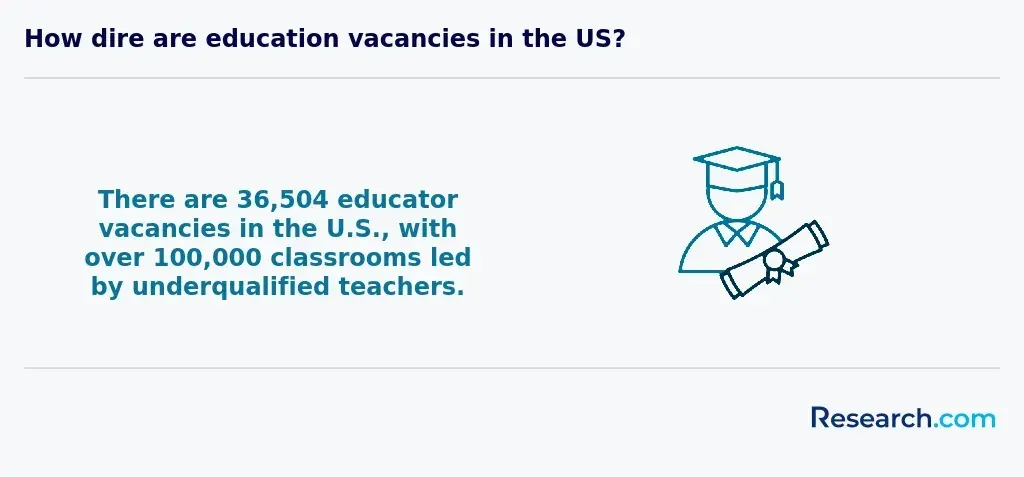
Massachusetts has a sizable education workforce, with 79,874 educators and an 89.5% teacher retention rate cited in the article. For preschool teacher assistants, demand is influenced by childcare access, preschool enrollment, staff turnover, family demand for early learning programs, and the number of qualified candidates available to employers.
The job market can be favorable for prepared candidates, but applicants should be realistic. Openings may vary by region, pay level, schedule, employer type, and required qualifications. SimplyHired listed 396 preschool teacher assistant jobs in Massachusetts in 2024, which suggests visible demand, but individual job quality and requirements should be reviewed carefully.
What affects hiring?
- Program type: Childcare centers, public preschool programs, private schools, and nonprofit centers may have different requirements and pay structures.
- Location: Urban, suburban, and rural areas can differ in the number of openings and commuting options.
- Credentials: Applicants with early childhood education coursework, background clearance, and experience with young children may have an advantage.
- Schedule availability: Full-day childcare centers may need different coverage than school-year preschool programs.
- Specialized skills: Bilingual communication, special education exposure, behavior support, and family engagement skills can improve competitiveness.
Some preschool teacher assistants eventually move into quieter education-related roles outside classroom childcare. Those interested in library services and collection management may explore library science degree programs, though many librarian roles require graduate study and specialized credentials.
What benefits and perks can preschool teacher assistants expect?
Benefits for preschool teacher assistants in Massachusetts vary widely by employer. Full-time roles in school districts, larger childcare organizations, or well-funded programs may offer stronger benefits than part-time or small-center positions. Always compare the full compensation package, not only the hourly wage.
Common benefits to ask about
- Health insurance: Some employers provide medical, dental, or vision coverage for eligible workers.
- Retirement benefits: Larger employers may offer retirement plans or employer contributions.
- Paid leave: Ask about sick time, vacation, holidays, school-year breaks, and paid professional development days.
- Professional development support: Employers may pay for workshops, training hours, conferences, or required certification activities.
- Tuition assistance or reimbursement: Some programs help assistants pay for early childhood education courses, certificates, or degrees.
- Childcare discounts: Reduced or free tuition for dependents can be highly valuable for assistants with children.
- Flexible scheduling: Part-time and school-year schedules may help workers balance family, school, or other responsibilities.
If your long-term goal is higher pay and classroom leadership, compare assistant benefits with the requirements for lead roles. Research.com’s guide on how to become a preschool teacher in Massachusetts can help you evaluate the next step.
How much do preschool teacher assistants make in Massachusetts?
Pay for preschool teacher assistants in Massachusetts varies by employer, location, experience, credentials, and whether the role is full-time or part-time. According to 2024 data from Salary.com, an assistant preschool teacher in Massachusetts has a median annual salary of $32,595, with a range of $27,508 to $38,259. Indeed.com reports a higher average annual salary of $40,639 for teacher assistants.
The United States Bureau of Labor Statistics (BLS) identifies Massachusetts as the fourth-highest-paying state for teaching assistants, except postsecondary, with an average yearly salary of $43,620. This does not guarantee a specific wage for preschool assistants, but it suggests that Massachusetts teaching assistant pay can compare favorably with many other states.
Salary figures mentioned in this guide
| Source or Figure | Amount | How to Interpret It |
| Salary.com median annual salary | $32,595 | A midpoint estimate for assistant preschool teacher pay in Massachusetts. |
| Salary.com reported range | $27,508 to $38,259 | A range that may reflect differences in experience, employer, and location. |
| Indeed.com average annual salary | $40,639 | A higher estimate for teacher assistants; verify job title and sample details when comparing. |
| BLS average yearly salary for teaching assistants in Massachusetts | $43,620 | Statewide teaching assistant figure, except postsecondary, not limited only to preschool settings. |
| Hourly wage referenced from Massachusetts Department of Early Education and Care | Around $15 | Shows why some early childhood workers evaluate advancement options carefully. |
If you want to move from assisting into licensed teaching, compare the different bachelor's in education types before choosing a program. Online study may help reduce commuting or relocation expenses, but you should still confirm accreditation, fieldwork expectations, and licensure alignment.
What advancement opportunities exist for preschool teacher assistants in Massachusetts?
Preschool teacher assistants can advance by combining experience with targeted education. The most common progression is assistant teacher to lead teacher, but that is not the only option. Some assistants specialize in special education, behavior support, language development, family services, or program leadership.
Ways to build toward advancement
- Move into lead teacher roles: Gain classroom experience, learn lesson planning, and complete additional education or staff qualification requirements.
- Earn the Child Development Associate (CDA) credential: A CDA can strengthen your early childhood profile and signal commitment to the profession.
- Complete a bachelor's degree in early childhood education: A degree can support teaching roles, public school opportunities, or long-term advancement.
- Add specialized certifications: Training in special education, language development, trauma-informed practice, or behavior management can make your skills more valuable.
- Explore administrative work: Experienced assistants may move into program coordination, enrollment support, compliance, or director-track roles.
- Attend professional events: Workshops, seminars, and conferences can help you meet mentors, learn current practices, and identify better job opportunities.
How can technology and online education help you advance?
Technology is changing how preschool classrooms document learning, communicate with families, organize curriculum, and support differentiated instruction. It is not replacing the need for patient, skilled adults in early childhood classrooms, but it is changing what employers may expect assistants to know.
Useful technology skills for preschool assistants
- Digital documentation: Many programs use apps or platforms to record observations, attendance, meals, incidents, and family updates.
- Educational media judgment: Assistants should understand when digital tools support learning and when hands-on play is more appropriate.
- Online professional development: Webinars and virtual courses can help working assistants complete training without leaving a job.
- Degree flexibility: A bachelor of education online degree may help assistants continue working while preparing for teaching or leadership roles.
- Family communication tools: Comfort with approved communication systems can improve consistency between home and school.
What trends are shaping preschool teaching in Massachusetts?
Preschool education in Massachusetts is becoming more focused on the whole child. Programs increasingly emphasize safety, social-emotional development, inclusive practice, early STEM exposure, family engagement, and evidence-informed instruction. For assistants, this means the role is becoming more skill-based and less limited to basic supervision.
Current trends affecting preschool assistants
- Social-emotional learning: Preschools are placing more attention on helping children identify emotions, manage frustration, cooperate with peers, and build confidence.
- Inclusive classrooms: More programs expect staff to support children with different developmental, language, behavioral, and learning needs.
- Early STEM activities: Preschool STEM is usually hands-on and play-based, involving sorting, building, observing, counting, experimenting, and asking questions.
- Technology with limits: Digital tools may support documentation and engagement, but high-quality preschool still depends heavily on play, movement, conversation, and relationships.
- More professional development: Working educators may use flexible programs, including options discussed in guides such as the easiest teaching degree, to build qualifications while employed.
- Greater focus on workforce stability: Retention, pay, and career ladders remain important issues in early childhood education.
Could an advanced degree expand early childhood career options?
An advanced degree can help if you want to move beyond assistant-level work into curriculum leadership, teacher preparation, instructional coaching, administration, or higher-level education roles. It is not necessary for every preschool assistant, so the decision should be based on your career target and expected return on investment.
A program such as a masters in elementary education may offer coursework in curriculum design, instructional strategy, educational technology, assessment, and leadership. Before enrolling, confirm whether the degree supports your intended role, whether it aligns with Massachusetts licensure goals if licensure is required, and whether your employer recognizes it for advancement or salary increases.
Graduate Perspectives on Becoming a Preschool Teacher Assistant in Massachusetts
Eve described the role as deeply rewarding because she could see children grow day by day. She also emphasized the value of supportive coworkers and professional development opportunities that helped her become more confident in the classroom.
Tim entered the field to gain experience before committing to a full teaching degree. The classroom experience helped him better understand child development and classroom management, and it encouraged him to keep moving toward a lead teacher role.
Mina found that preschool assistance showed her how important early education is for creativity, confidence, and critical thinking. Working alongside other educators helped confirm her interest in becoming a preschool teacher.
Can arts and music strengthen your preschool assistant role?
Arts and music can make preschool learning more engaging, especially when activities support movement, rhythm, vocabulary, self-expression, listening, and social participation. Preschool assistants do not need to become music specialists to use songs, art materials, dramatic play, or movement activities effectively, but extra training can improve confidence and lesson support.
If you want to build a stronger arts-based teaching profile, review pathways such as how to become a music teacher in Massachusetts. This is especially useful if you eventually want a specialized teaching role rather than a general preschool assistant position.
How can you move from preschool assistance into special education?
Preschool teacher assistants often gain early exposure to children with varied developmental, behavioral, communication, and sensory needs. That experience can be a strong foundation for special education, but it is not usually enough by itself. You will likely need targeted coursework, field experience, and the appropriate Massachusetts licensure or certification for the role you want.
Start by taking courses in inclusive education, individualized education plans, behavior support, developmental assessment, and family collaboration. Seek mentorship from special education teachers and ask your employer whether you can assist in inclusive classrooms or observe specialists. For a role-specific roadmap, review the guide to special education teacher certification in Massachusetts.
What is the lowest-cost route to certification and training?
The most cost-effective route is usually the one that meets employer and EEC expectations without requiring unnecessary credits. For many candidates, that means starting with required background checks, employer-approved training, and community college coursework before committing to a longer degree.
How to choose an affordable pathway
- Identify your target job first: Do not pay for a program until you know the requirements for the jobs you want.
- Confirm EEC alignment: Ask whether the coursework or credential will count toward Massachusetts early childhood staff qualifications.
- Compare total cost: Look beyond tuition and include fees, books, transportation, lost work hours, and credentialing expenses.
- Use stackable credits: Choose courses that may apply later to a certificate, associate degree, or bachelor’s degree.
- Ask about employer support: Tuition reimbursement or paid training can reduce your out-of-pocket cost.
For a broader comparison of affordable education routes, see the cheapest way to become a teacher in Massachusetts.
How can networking help your early childhood education career?
Professional networking can help preschool teacher assistants learn about better jobs, find mentors, discover professional development, and understand career ladders that are not obvious from job postings. Networking is especially useful in early childhood education because many opportunities depend on trust, references, and demonstrated classroom reliability.
Practical networking moves
- Join early childhood education associations or local educator groups.
- Ask lead teachers and directors what credentials helped them advance.
- Attend workshops where employers, trainers, and experienced educators participate.
- Keep in contact with instructors from certificate or college programs.
- Build a portfolio of training certificates, observation notes, sample activities, and supervisor feedback.
If you are considering a move into independent or private education settings, review how to become a private school teacher in Massachusetts to understand how expectations may differ from public or childcare-based programs.
What soft skills matter most for preschool teacher assistants?
Technical knowledge matters, but preschool assistants succeed because of how they interact with children and adults throughout the day. Soft skills influence classroom safety, emotional climate, child engagement, family trust, and teamwork with the lead teacher.
Essential soft skills
| Skill | Why It Matters in Preschool | How to Build It |
| Patience | Young children need repeated reminders, calm guidance, and consistent routines. | Practice predictable language, breathing strategies, and nonreactive responses. |
| Communication | Assistants must communicate clearly with children, teachers, families, and supervisors. | Ask for feedback, observe experienced teachers, and practice concise classroom language. |
| Emotional intelligence | Children often express needs through behavior before they can explain feelings. | Study social-emotional learning and child development. |
| Adaptability | Schedules change quickly in preschool classrooms. | Learn backup activities and stay flexible during transitions. |
| Conflict resolution | Peer conflicts over toys, space, or attention happen often. | Use calm mediation, simple choices, and developmentally appropriate language. |
| Teamwork | The assistant and lead teacher need consistent expectations and routines. | Clarify responsibilities before activities and debrief after difficult moments. |
If you want to build teaching skills through flexible formats, explore pathways such as how to be an online teacher in Massachusetts, while remembering that preschool work itself still requires in-person child interaction in most settings.
Which extra certifications can improve your career options?
Additional credentials can help preschool teacher assistants specialize, qualify for more responsibility, or prepare for a different education career. Choose certifications based on a specific goal rather than collecting credentials that do not change your job prospects.
Certifications and training areas to consider
- CPR and first aid: Often useful or required in childcare settings.
- Child Development Associate (CDA): Can strengthen early childhood qualifications and support advancement.
- Special education training: Helpful for inclusive classrooms and future specialist pathways.
- Behavior management training: Valuable in classrooms with high social-emotional support needs.
- Language development training: Useful for supporting early communication, bilingual learners, and children with speech concerns.
- Speech and language pathway preparation: Those interested in deeper communication support can research the requirements for an SLP license in Massachusetts.
How can you pay for career advancement in early childhood education?
Career advancement can be expensive if you move from assistant training into college credits, a degree, or specialized credentials. A funding plan helps you avoid borrowing more than the role is likely to repay.
Funding options to compare
- Employer tuition assistance: Ask whether your center or school reimburses courses tied to early childhood education.
- Scholarships: Community colleges, education organizations, and workforce programs may offer support for childcare workers.
- Financial aid: Degree-seeking students should ask schools about aid eligibility and program costs.
- Low-cost online programs: Compare accredited online options carefully, including the cheapest online education degree.
- Pay-as-you-go coursework: Taking one or two transferable courses at a time can reduce debt risk.
Can preschool experience lead to full teaching roles in other subjects?
Preschool assistant experience can help you build classroom confidence, child development knowledge, and behavior management skills, but full teaching roles in other subjects usually require additional education, subject preparation, fieldwork, and Massachusetts licensure. The farther you move from early childhood education, the more additional preparation you should expect.
If you want to teach older students or a specific subject, identify the grade band and subject first. Then compare degree requirements, testing expectations, practicum requirements, and licensure rules. For example, candidates interested in math instruction can review how to become a middle school math teacher in Massachusetts to understand how different the pathway can be from preschool assistance.
Which Massachusetts policies and safety standards affect this role?
Preschool teacher assistants work in regulated environments because they care for young children. Safety expectations are central to the job. Assistants should understand background checks, supervision rules, health procedures, incident reporting, mandated reporting responsibilities, emergency plans, and program policies.
Policy areas to understand
- Background checks: CORI and fingerprint-based checks are part of the screening process.
- Health and safety procedures: Programs may have rules for illness, medication, cleaning, meals, allergies, and emergencies.
- Supervision requirements: Assistants must follow staffing, visibility, and transition procedures set by the program.
- Professional boundaries: Staff must use appropriate communication, discipline, and documentation practices.
- Certification renewal: Professional development and renewal paperwork may be required depending on credential type.
If you plan to move into kindergarten teaching, compare the assistant role with the requirements to become a kindergarten teacher in Massachusetts, since public school teaching roles usually involve more formal licensure requirements.
Common mistakes to avoid when choosing your pathway
| Mistake | Why It Can Hurt You | Better Approach |
| Choosing a program without checking EEC relevance | You may pay for coursework that does not support your target role. | Ask EEC, the school, and employers whether the training meets requirements. |
| Looking only at tuition | Books, fees, transportation, lost wages, and credentialing costs can change the real price. | Calculate total cost before enrolling. |
| Assuming every online course will count | Some employers may require specific training topics, documentation, or approved providers. | Confirm acceptance before paying. |
| Ignoring transfer credit | You may need to repeat courses later if you pursue a degree. | Choose stackable credits when possible. |
| Assuming salary outcomes are guaranteed | Pay varies by employer, location, experience, and job title. | Compare current job postings and ask about pay scales. |
| Waiting until renewal time to complete training | Last-minute training can be stressful or unavailable. | Complete professional development throughout the renewal period. |
Questions to ask before enrolling in training or applying for jobs
- Does this position require EEC certification or a specific staff qualification category?
- Will my college credits, certificate, or training hours count toward Massachusetts requirements?
- Does the employer pay for required training, CPR/first aid, or professional development?
- What background checks are required, and how long do they usually take?
- Is the role full-time, part-time, school-year, or year-round?
- What is the hourly wage or annual salary, and are benefits included?
- Is there a path from assistant teacher to lead teacher?
- Does the employer offer tuition assistance or schedule flexibility for college courses?
- What curriculum model or classroom approach does the program use?
- How does the program support children with disabilities, language differences, or behavioral needs?
What alternative careers can preschool teacher assistants consider?
Preschool teacher assistants develop transferable skills in communication, supervision, child development, behavior support, activity planning, and family engagement. Those skills can apply to several education and child-focused careers.
Alternative career options
- Elementary education: Assistants who want to teach older children can review the elementary school teacher requirements in Massachusetts.
- Special education support: Preschool experience can lead toward paraprofessional, assistant, or licensed special education pathways.
- Childcare administration: Experienced assistants may move into enrollment, compliance, scheduling, or program coordination.
- Family support work: Communication and child development experience can support roles that connect families with services.
- Child development services: Additional education may lead to roles focused on developmental support, assessment, or intervention.
- Library or youth services: Assistants who enjoy literacy and community programming may explore youth services in libraries or nonprofits.
Related Articles for Nearby States
- 2027 How to Become a Preschool Teacher Assistant in Rhode Island: Requirements & Certification
- 2027 How to Become a Preschool Teacher Assistant in Connecticut: Requirements & Certification
- 2027 How to Become a Preschool Teacher Assistant in New Hampshire: Requirements & Certification
- 2027 How to Become a Preschool Teacher Assistant in New York: Requirements & Certification
- 2027 How to Become a Preschool Teacher Assistant in Vermont: Requirements & Certification
- 2027 How to Become a Preschool Teacher Assistant in New Jersey: Requirements & Certification
- 2027 How to Become a Preschool Teacher Assistant in Maine: Requirements & Certification
- 2027 How to Become a Preschool Teacher Assistant in Pennsylvania: Requirements & Certification
- 2027 How to Become a Preschool Teacher Assistant in Delaware: Requirements & Certification
- 2027 How to Become a Preschool Teacher Assistant in Maryland: Requirements & Certification
References:
- BLS (2024, April 3). 25-2011 Preschool Teachers, Except Special Education. BLS
- BLS (2024, April 3). 25-9045 Teaching Assistants, Except Postsecondary. BLS
- DESE (2024, May 2). Staffing Retention Rates. DESE
- Mass.gov. Teacher Aide apprenticeship. Mass.gov
- Salary.com (2024, August 27). Assistant Preschool Teacher Salary in Massachusetts. Salary.com
- SimplyHired (2024). 396 preschool teacher assistant jobs in massachusetts. SimplyHired
Key Insights
- The fastest route is not always the best route: You may be able to enter the field with a high school diploma or equivalent and required screening, but early childhood coursework can improve your hiring and advancement options.
- EEC requirements should be verified before you spend money: Massachusetts early education roles can depend on program type, credential category, and employer expectations.
- Background checks are unavoidable: Plan for CORI and fingerprint-based checks, and allow several weeks for processing.
- Costs depend on your ambition: A short training route may be affordable, while degree-based pathways can include tuition of $3,000 to $10,000 per year, books, fees, and possible living expenses.
- Pay varies by job title and source: Salary.com lists a median annual salary of $32,595, Indeed.com reports $40,639, and BLS reports $43,620 for Massachusetts teaching assistants, except postsecondary.
- Preschool assistant experience can lead somewhere bigger: With the right credentials, assistants can move toward lead teaching, special education, child development, administration, curriculum work, or other education careers.
- The smartest next step is comparison: Before enrolling, compare total cost, EEC relevance, transferability, employer support, schedule flexibility, and the career outcome you actually want.
Other Things You Should Know About Becoming a Preschool Teacher Assistant in Massachusetts
To become a preschool teacher assistant in Massachusetts in 2027, you must undergo a criminal background check and a fingerprinting process. These checks ensure the safety and well-being of children and are mandated by the Massachusetts Department of Early Education and Care.
Yes, in Massachusetts, you can become a preschool teacher assistant with just a high school diploma. However, having coursework in child development or early childhood education can be advantageous and enhance employment opportunities. Some employers may also prefer candidates with certification in CPR and first aid.
Yes, training programs are required. Preschool teacher assistants in Massachusetts in 2027 need to complete a state-approved training program that includes at least 15 hours of professional development, covering topics like child growth, learning environments, and health and safety standards.