
2027 How to Become a Physical Education Teacher in Missouri

Co-Founder and Chief Data Scientist
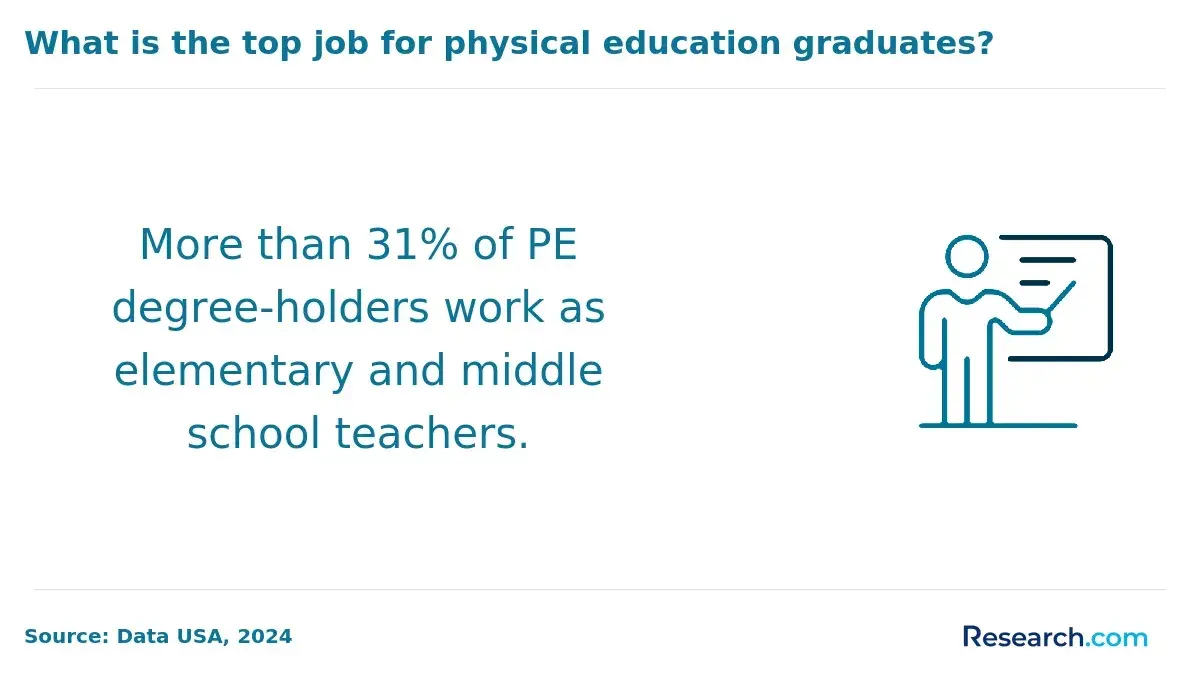
Becoming a physical education teacher in Missouri is a licensing decision as much as a career decision. You need the right degree, supervised classroom experience, state testing, and a Missouri teaching certificate before you can teach PE in most public schools. The path is especially important for people who want to combine fitness, coaching, health education, youth development, and classroom teaching into one profession.
This guide explains how to become a certified physical education teacher in Missouri, including education requirements, licensure steps, timelines, costs, reciprocity, salary expectations, and career growth options. It is written for high school students planning a teaching major, college students choosing a certification track, career changers with an existing bachelor’s degree, and licensed teachers moving to Missouri.
Quick answer: How do you become a PE teacher in Missouri?
- Earn a bachelor’s degree in physical education, kinesiology, exercise science, health education, or a closely related field through a Missouri-approved educator preparation route.
- Complete a state-approved teacher preparation program with fieldwork and supervised student teaching, including the required GPA standards.
- Pass the required Missouri educator assessments for physical education and complete background check requirements.
- Apply to the Missouri Department of Elementary and Secondary Education for certification after your program, transcripts, testing, and recommendation materials are complete.
- If you already hold an active teaching license from another state, Missouri’s reciprocity process may allow you to receive a comparable certificate after documentation and background review.
- Education requirements for Missouri PE teachers
- Skills Missouri PE teachers need
- Missouri PE teacher licensing rules
- Step-by-step certification process
- License transfer for out-of-state teachers
- Timeline to become a Missouri PE teacher
- Career advancement options
- Cost of becoming a PE teacher in Missouri
- Scholarships and financial aid
- Demand for Missouri PE teachers
- Average PE teacher salary in Missouri
What are the education requirements to become a physical education teacher in Missouri?
Missouri public school PE teachers generally need a bachelor’s degree, completion of an approved educator preparation program, field experience, student teaching, and successful completion of state certification requirements. The degree should prepare candidates to teach movement skills, fitness concepts, health-related content, classroom safety, assessment, and age-appropriate instruction.
| Requirement | What it means for PE teacher candidates in Missouri | Why it matters |
| Bachelor’s degree | Most candidates major in physical education, kinesiology, exercise science, health education, or a closely related field. | The degree builds the academic foundation for teaching movement, fitness, wellness, and student development. |
| Content coursework | Missouri PE teacher degree and training standards typically include at least 30 semester hours in areas such as movement science, pedagogy, and child development. | Schools need teachers who can teach more than sports; PE also includes motor learning, fitness planning, safety, and inclusive instruction. |
| State-approved educator preparation | Candidates complete a program approved by the Missouri State Board of Education, often within the bachelor’s degree. | Approval matters because non-approved programs may not lead directly to Missouri certification. |
| Practicum and fieldwork | Some programs require 125–150 practicum hours in school settings before full-time student teaching. | Early classroom exposure helps candidates learn how PE instruction works with different grade levels and student needs. |
| Student teaching | Programs commonly include a minimum of 12 weeks of supervised student teaching. | Student teaching is where candidates practice planning lessons, managing groups, assessing students, and working with a mentor teacher. |
| GPA standards | Missouri requires a cumulative GPA of 2.75 or higher for program completion, plus a minimum 3.00 GPA in professional and certification coursework. | GPA standards are used to document academic readiness for certification and classroom practice. |
Students comparing degree options should verify that the program is approved for Missouri teacher certification before enrolling. A general exercise science degree may be useful, but it may not include the teacher preparation, student teaching, and certification recommendation needed for public school employment.
A master’s degree is not normally the entry requirement for initial PE certification, but it can support advancement later. Teachers considering long-term earnings or leadership roles may want to review education-related paths associated with higher-paying master’s-level education careers.
What skills are essential for physical education teachers in Missouri?
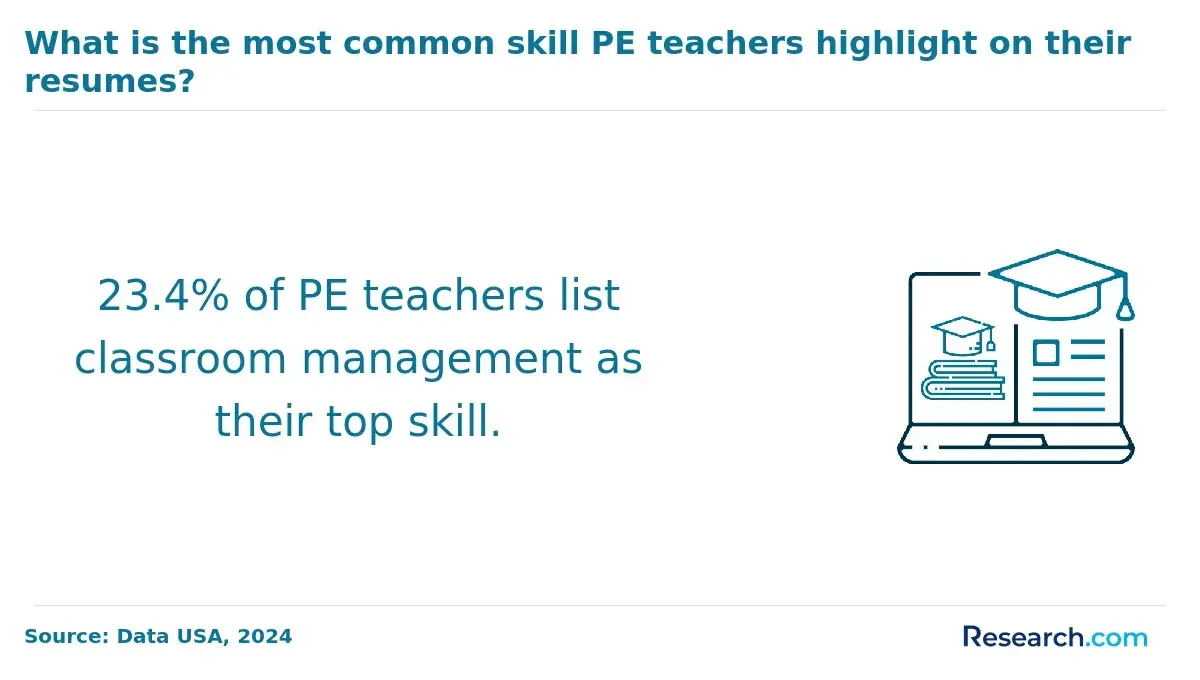
Physical education teachers need a wider skill set than athletic ability. The job combines instruction, safety supervision, assessment, motivation, classroom management, inclusion, and collaboration with families and school staff. Strong PE teachers can adapt one lesson for students with different fitness levels, disabilities, cultural backgrounds, confidence levels, and prior sports experience.
| Skill | How it shows up in PE classrooms | Why Missouri schools value it |
| Clear communication | Explaining rules, demonstrating movement, giving corrective feedback, and communicating with parents and colleagues. | PE settings can be noisy, fast-moving, and safety-sensitive, so instructions must be direct and easy to follow. |
| Classroom and group management | Organizing equipment, forming groups, preventing unsafe behavior, and keeping students engaged. | One poorly managed activity can create safety risks or exclude students who need more support. |
| Inclusive instruction | Modifying activities for students with disabilities, injuries, low confidence, or limited prior experience. | PE must serve all students, not only students who already enjoy sports. |
| Fitness and health knowledge | Teaching movement skills, physical literacy, fitness planning, health concepts, and lifelong activity habits. | Missouri PE teachers support student wellness, not just competitive athletic performance. |
| Assessment skills | Measuring participation, skill development, effort, knowledge, and progress fairly. | Good assessment helps PE earn credibility as an academic subject with learning goals. |
| Collaboration | Working with classroom teachers, special education staff, nurses, counselors, coaches, and administrators. | Student health, behavior, attendance, and confidence often require a team approach. |
Technology is also changing PE instruction. Teachers may use fitness apps, wearable devices, digital gradebooks, online lesson resources, and video analysis tools. AI can help draft lesson variations or organize assessment rubrics, but it cannot replace judgment about student safety, inclusion, motivation, and real-time classroom decisions.
Educators who want to broaden their school-based expertise may also explore related professional learning areas, including online library science degree programs for those interested in instructional resources, media literacy, and school support roles beyond PE.
Do PE teachers in Missouri need a teaching license?
Yes. A valid Missouri teaching certificate is required for most public school physical education teaching positions. Licensure confirms that a candidate has completed the academic preparation, supervised teaching experience, assessment requirements, and background checks expected for classroom educators.
For public schools, candidates typically need a bachelor’s degree, an approved teacher preparation program, student teaching, minimum GPA requirements, required educator assessments, and a completed background check. The original pathway may include references to the Missouri General Education Assessment, the Missouri Educator Gateway Assessments, the Missouri Content Assessment for physical education, MoGEA, MEGA, MoCA, or Praxis II depending on the source and timing. Because testing names and vendors can change, candidates should confirm the current exam list directly with the Missouri Department of Elementary and Secondary Education before registering.
Private schools and charter schools may have more flexible hiring rules. Some private schools prefer licensed teachers but may consider candidates with relevant degrees, coaching experience, or subject knowledge. Charter school rules can vary by school and position. However, a full state teaching certificate usually provides stronger job mobility, clearer salary placement, and access to a wider range of public school openings.
How do you get certified as a PE teacher in Missouri?
The Missouri PE teacher certification process is best understood as a sequence: choose the correct program, complete the preparation requirements, pass assessments, finish background clearance, and submit the certification application. Skipping the program approval check is one of the most expensive mistakes a candidate can make.
- Choose a Missouri-approved certification pathway. Select a bachelor’s program or post-baccalaureate route that is approved for physical education teacher preparation. Confirm that the program leads to the certification area you want, such as K–12 physical education.
- Complete the degree and teacher preparation curriculum. Coursework usually covers movement science, PE methods, child and adolescent development, classroom management, assessment, curriculum planning, and inclusive teaching.
- Finish field experiences and student teaching. Candidates gain supervised experience in schools before taking responsibility for planning and teaching under a mentor educator.
- Meet GPA and testing requirements. Missouri requires a cumulative GPA of 2.75 or higher and a minimum 3.00 GPA in professional and certification coursework. Candidates also complete the required Missouri educator assessments for PE certification.
- Complete background check requirements. Background screening is part of the certification process and may also be required for field placements before certification.
- Submit the certification application to DESE. The application generally includes official transcripts, program recommendation, test results, and background check documentation.
- Accept an initial teaching position and continue professional development. After certification, new teachers build experience, complete district expectations, and may later pursue endorsements, graduate study, coaching roles, or leadership positions.
| Candidate type | Most likely route | Best fit |
| High school graduate or first-time college student | Bachelor’s degree with embedded teacher preparation | Students who know early that they want to teach PE in Missouri schools. |
| College student in a non-teaching exercise science major | Transfer into an approved teacher preparation track or add post-baccalaureate certification later | Students who want public school licensure but started in a non-certification major. |
| Career changer with a bachelor’s degree | Alternative, post-baccalaureate, or accelerated certification route | Adults who already hold a degree and want to enter teaching without completing another full undergraduate program. |
| Licensed teacher in another state | Missouri reciprocity application | Teachers relocating to Missouri with an active out-of-state certificate in good standing. |
One Missouri PE teacher described the certification stage as demanding because coursework, exam preparation, and student teaching overlapped. The practical teaching experience was the most valuable part because it showed how quickly lesson plans must be adjusted for safety, motivation, and student ability. That is the main purpose of certification: not just to verify knowledge, but to prepare candidates for real classrooms.
Can out-of-state teachers transfer their license to Missouri for PE teaching?
Missouri has a broad reciprocity process for educators who already hold valid teaching credentials from another state. A PE teacher with an active out-of-state license in good standing can generally apply for a comparable Missouri certificate by documenting current certification, submitting official transcripts, and completing the required background check.
This can make relocation easier because many candidates do not have to restart a full teacher preparation program before seeking Missouri employment. Even so, reciprocity is not automatic in the practical sense: DESE still reviews the file, confirms the certificate area, evaluates documentation, and determines the appropriate Missouri credential.
Teachers moving to Missouri should also compare salary schedules, benefits, coaching stipends, cost of living, and district-level demand before relocating. Missouri may reduce regulatory barriers for licensed teachers, but compensation and local hiring conditions still vary widely by district.
How long does it take to become a PE teacher in Missouri?
The traditional route usually takes about 4.5 to 5 years from the start of college through degree completion, student teaching, testing, background review, and certification processing. Candidates who already have a bachelor’s degree may be able to qualify faster through alternative or accelerated routes, often in 12–24 months depending on the program and requirements.
| Stage | Typical time | What happens during this stage |
| Bachelor’s degree | About four years of full-time study | Students complete general education, PE content coursework, education classes, and early school-based experiences. |
| Teacher preparation and student teaching | One semester, commonly 12–16 weeks for full-time student teaching | Candidates teach under supervision, plan lessons, manage classes, and receive formal evaluation. |
| Certification exams | A few months for preparation, scheduling, and completion | Candidates complete Missouri-required assessments connected to physical education certification. |
| Background check and application processing | Several weeks to a few months | DESE reviews documentation, background clearance, transcripts, and program recommendation materials. |
| Accelerated or alternative route | 12–15 months for options such as “Teach in 12,” or about two years for some concurrent teaching-and-study pathways | Career changers combine intensive coursework, practicum, and certification requirements after already earning a bachelor’s degree. |
If cost and flexibility are major concerns, compare approved options carefully before enrolling. A helpful next step is reviewing affordable online education degree programs, then confirming whether any program you consider meets Missouri certification requirements for physical education.
How can PE teachers in Missouri advance their careers?
After certification, PE teachers can advance by gaining experience, adding endorsements, taking coaching or athletic leadership roles, pursuing graduate education, or moving into curriculum, wellness, or administration. The best path depends on whether the teacher wants to stay student-facing, increase pay, specialize, or move into leadership.
| Advancement option | When it makes sense | Possible career benefit |
| Coaching or athletic department roles | You enjoy sports leadership, competition schedules, and working with student-athletes outside the regular school day. | May provide leadership experience, stipends, and stronger visibility in the district. |
| Adapted physical education specialization | You want to serve students with disabilities and design more inclusive movement programs. | Can make you more valuable in districts prioritizing inclusive services. |
| Health education or wellness initiatives | You want to connect PE with nutrition, mental health, prevention, and lifelong wellness. | Can open opportunities in health curriculum, student wellness programs, or district committees. |
| Master’s degree in education or teaching | You want higher-level instructional skills, leadership preparation, or salary schedule movement where recognized by the district. | May support advancement, though pay effects depend on the district salary schedule. |
| Administration or curriculum leadership | You want to move beyond the gym into school or district decision-making. | Can lead toward department chair, curriculum coordinator, assistant principal, or principal pathways if additional requirements are met. |
Professional development should be planned, not random. Before paying for a credential, ask whether it is recognized by your district, whether it supports certification renewal or advancement, and whether it aligns with the type of role you actually want. Teachers comparing broader Missouri teaching timelines can review how long it takes to become a teacher in Missouri for context across educator pathways.
How much does it cost to become a PE teacher in Missouri?
The total cost depends on the institution, residency status, program length, whether you already hold a bachelor’s degree, and how much financial aid you receive. Tuition is usually the largest expense, but exams, background checks, materials, transportation for field placements, and certification fees should also be included in your budget.
| Cost category | Typical amount stated for Missouri candidates | Planning advice |
| Bachelor’s degree tuition | Public universities in Missouri typically charge between $8,000 and $12,000 per year for in-state students; private institutions can cost significantly more. | Compare total cost of attendance, not tuition alone. Include housing, transportation, fees, and time away from work. |
| Alternative or post-baccalaureate teacher preparation | Programs may add $5,000 to $15,000 in tuition and fees. | This route may be more efficient if you already have a bachelor’s degree, but only if the program leads to Missouri certification. |
| Physical Education content exam | $73 | Budget for retesting only if needed, and verify current fees before registering. |
| Missouri General Education Assessment | $49 | Confirm whether this assessment applies to your specific route and admission stage. |
| Teacher certificate application | About $100 | Keep copies of transcripts, program recommendations, and testing records to avoid delays. |
| Background check | Approximately $42 | You may need clearance before field placements as well as for certification. |
| Books and instructional materials | $500 to $1,000 annually | Ask programs about used materials, digital access, and equipment requirements before the semester starts. |
Graduate study is optional for initial certification, but some teachers later use it for advancement. If you are comparing future options, review low-cost online master’s degrees in teaching and check whether your district recognizes graduate credits on its salary schedule.
Are there scholarships for physical education teaching students in Missouri?
Yes. PE teaching students in Missouri may be able to use federal aid, state aid, institutional scholarships, teaching grants, loan forgiveness programs, and awards tied to academic merit, leadership, financial need, or diversity. The key is to apply early and verify eligibility each year, because funding rules can differ by institution and program.
- Federal and state aid: Completing the FAFSA is the starting point for federal grants, loans, work-study, and Missouri aid such as the Access Missouri Financial Assistance Program for eligible undergraduates.
- College and department scholarships: Missouri institutions may offer awards for education majors, physical education majors, athletes entering teaching, or students with strong academic records.
- Teaching grants and loan forgiveness: Programs such as the TEACH Grant and Public Service Loan Forgiveness may help eligible educators, but service obligations and federal rules must be understood before accepting funds.
- Merit, leadership, and diversity awards: Some scholarships support students from underrepresented backgrounds, future teachers in high-need communities, or students with demonstrated leadership.
A Missouri PE teacher who graduated locally said financial aid reduced the pressure to work excessive hours while completing coursework and field placements. The practical lesson is clear: ask the financial aid office, the school of education, and the PE department about separate scholarship applications rather than assuming the FAFSA is the only step.
Is there demand for physical education teachers in Missouri?
Missouri has nearly 4,000 active PE educators statewide, and demand is shaped by student enrollment, district budgets, retirements, wellness priorities, and local hiring conditions. Openings may be more visible in larger districts such as Kansas City, St. Louis, and Springfield, while rural and underserved districts may face persistent challenges attracting certified teachers.
Demand also depends on how flexible a candidate is. Schools may prefer PE teachers who can coach, teach health, support wellness initiatives, manage large groups safely, or work across multiple grade levels. Private and charter schools may combine PE with coaching or other student activity responsibilities.
The strongest candidates usually bring more than certification. They show evidence of inclusive teaching, classroom management, fitness knowledge, assessment skills, and the ability to connect PE with broader student wellness. Teachers considering graduate study for long-term advancement can compare online master’s in education options and requirements before committing to a program.
What is the average salary of a PE teacher in Missouri?
The average salary for physical education teachers in Missouri is approximately $60,840 per year, about 1% below the national average for this profession. Individual salaries vary by district, experience, education level, coaching responsibilities, benefits, and local salary schedules.
| Salary factor | How it affects PE teacher pay in Missouri |
| Experience | Entry-level salaries may begin near $40,434 in certain districts, while experienced educators can earn upwards of $77,000 annually. |
| Education level | A master’s degree, doctorate, graduate credits, or specialized credentials may increase pay if the district salary schedule rewards additional education. |
| School type | Public schools often use structured salary schedules and benefits, while private school pay can vary more widely. |
| Location | Urban areas such as St. Louis average around $51,627, while rural districts may offer different pay levels based on budgets and local cost conditions. |
| Additional duties | Coaching, athletics coordination, wellness committees, or extracurricular responsibilities may add stipends depending on the district. |
Salary should be evaluated with benefits, pension participation, health insurance, contract length, coaching stipends, commute, and cost of living. A higher salary in one district may not automatically mean a better financial outcome if housing, transportation, workload, or unpaid extra duties are significantly higher.
What do Missouri PE teachers say about the career?
Accounts from Missouri PE teachers often emphasize three themes: the work is active and relationship-driven, classroom management matters as much as sports knowledge, and community context shapes the job. Teachers who started after programs connected with Jefferson City Academy, Lincoln Prep’s PE program, and local Missouri schools described the career as meaningful because they could influence student confidence, teamwork, discipline, and long-term health habits.
- Dianna emphasized the value of community support and the chance to see students gain confidence through a structured PE curriculum.
- Robbie described the transition from certification into a Missouri school as challenging but professionally rewarding, especially when adapting wellness activities for different student groups.
- Stefano highlighted the usefulness of Missouri’s outdoor spaces and local culture when designing lessons that connect physical activity with teamwork and environmental awareness.
These perspectives are helpful, but they should not replace practical research. Before choosing this career, candidates should observe PE classes, speak with certified teachers, review district salary schedules, and ask programs how they prepare students for safety, inclusion, and classroom management.
Related Articles for Nearby States
- 2027 How to Become a Physical Education Teacher in Kansas
- 2027 How to Become a Physical Education Teacher in Iowa
- 2027 How to Become a Physical Education Teacher in Nebraska
- 2027 How to Become a Physical Education Teacher in Arkansas
- 2027 How to Become a Physical Education Teacher in Oklahoma
- 2027 How to Become a Physical Education Teacher in Illinois
- 2027 How to Become a Physical Education Teacher in Kentucky
- 2027 How to Become a Physical Education Teacher in Tennessee
- 2027 How to Become a Physical Education Teacher in Indiana
- 2027 How to Become a Physical Education Teacher in South Dakota
Common mistakes to avoid when preparing for Missouri PE certification
- Choosing a degree that does not lead to certification: A fitness or exercise science major may not include approved teacher preparation. Always confirm certification alignment before enrolling.
- Looking only at tuition: Certification exams, background checks, transportation, student teaching schedules, materials, and unpaid fieldwork can affect total cost.
- Assuming online automatically means approved: Online coursework can be useful, but the program still must meet Missouri certification requirements and include the required field experiences.
- Waiting too long to prepare for testing: Certification exams can delay graduation or hiring if candidates do not plan ahead.
- Ignoring student teaching placement quality: A strong mentor and varied school experience can be more valuable than convenience alone.
- Assuming salary outcomes are guaranteed: Pay depends on district schedules, experience, education level, location, and extra duties.
- Overlooking reciprocity details: Out-of-state teachers should not assume approval until DESE reviews their license, transcripts, and background check.
Questions to ask before choosing a Missouri PE teacher preparation program
- Is this program approved for Missouri physical education teacher certification?
- Which grade levels will I be eligible to teach after completing the program?
- How many fieldwork and practicum hours are required before student teaching?
- Where are student teaching placements usually located?
- What are the program’s GPA requirements for admission, continuation, and completion?
- Which Missouri educator assessments will I need, and when should I take them?
- Does the program support career changers or only traditional undergraduate students?
- What scholarships are available through the education department or PE program?
- How does the program prepare candidates for adapted physical education and inclusive instruction?
- What percentage of graduates receive certification recommendations and find teaching positions?
Key Insights
- Missouri PE teachers in public schools generally need a bachelor’s degree, approved teacher preparation, student teaching, state assessments, a background check, and DESE certification.
- The traditional pathway usually takes about 4.5 to 5 years, while candidates who already hold a bachelor’s degree may qualify through accelerated or alternative routes in 12–24 months.
- Program approval is the most important enrollment check. A related major is not enough if it does not lead to Missouri teacher certification.
- The average Missouri PE teacher salary is approximately $60,840 per year, but actual pay varies by district, experience, education, school type, location, and extra duties.
- Career flexibility improves when PE teachers can also coach, teach health, support adapted physical education, lead wellness programs, or pursue graduate study.
- Financial planning should include tuition, certification exams, background checks, books, travel to placements, and the possibility of unpaid student teaching time.
- Out-of-state licensed PE teachers may benefit from Missouri reciprocity, but they still need DESE review, official documents, and background clearance.
References:
- Physical Education | Missouri Department of Elementary and Secondary Education https://dese.mo.gov/educator-certification-subject-areas/physical-education
- Physical Education, K-12 Degree | UMSL https://www.umsl.edu/degrees/bachelors/physical-education.html
- Physical Education Degree | Bachelor of Science in P.E. https://www.sbuniv.edu/academics/programs/physical-education.php
- How to Become a PE Teacher in Missouri | Requirements for PE Teacher Jobs in MO https://www.peteacheredu.org/missouri/
- Physical Education - Missouri Valley College https://www.moval.edu/academics/academic-schools/school-of-education-social-sciences/physical-education/
- Graduate education may support advancement into some education roles: https://research.com/careers/best-highest-paying-masters-in-education-jobs
- Bachelor’s Degree of Physical Education - K–12 https://www.ucmo.edu/academics/programs/majors/physical-education-bs-43-817-option-elementary-secondary-cert-k-12/_nav.inc
- How to Become a Physical Education Teacher https://www.240tutoring.com/resources/becoming-a-teacher/how-to-become-a-physical-education-teacher/
- How to Become a Teacher in Missouri - Step by Step Guide 2025 | Teachers of Tomorrow https://www.teachersoftomorrow.org/blog/insights/how-to-become-a-teacher-in-missouri/
- Missouri State Teacher Certification Guide | All Education Schools https://www.alleducationschools.com/teacher-certification/missouri/
Other Things You Should Know About Becoming a Physical Education Teacher in Missouri
Missouri teacher candidates must complete a criminal background check before certification, including fingerprint-based screening through the Missouri State Highway Patrol and the FBI. School districts may also require additional local screening before student teaching or employment, and any disqualifying criminal history can delay licensure.
Missouri does offer alternative certification routes for aspiring Physical Education (PE) teachers, allowing candidates who hold a bachelor’s degree but lack traditional teacher preparation to enter the profession. These alternative pathways typically require candidates to complete a state-approved program or coursework while teaching under provisional certification. This flexible approach helps address teacher shortages and provides opportunities for career changers to become licensed PE educators. Overall, Missouri’s alternative certification options make it feasible for qualified individuals to pursue PE teaching without completing a conventional education degree upfront.
Missouri requires aspiring physical education teachers to complete a student teaching internship, which typically involves a full semester (approximately 12 weeks) of practical teaching experience in a school. This hands-on experience is a critical component of Missouri's teacher education programs.





![2027 Best Advanced Standing Online MSW Programs [CSWE Accredited] thumbnail](/uploads/Online_Advanced_Standing_MSW_301dbd5368.jpg)


