2027 How to Become a Middle School Math Teacher in California: Requirements & Certification

Co-Founder and Chief Data Scientist
Becoming a middle school math teacher in California can be a practical career move if you enjoy working with early adolescents, explaining abstract ideas clearly, and helping students build confidence in math. The opportunity is real: in the 2022-23 academic year, California issued 14,636 new teaching credentials, but more than 5,100 teaching positions, including middle school math roles, were still unfilled. At the same time, the path is not automatic. You must choose the right credential route, meet subject-matter requirements, complete teacher preparation, pass required checks or exams, and plan for the cost and time involved.
This guide explains the California pathway step by step, including education requirements, credential options, student teaching and internship routes, salary expectations, classroom responsibilities, professional development, common mistakes, and long-term career options. It is designed for prospective teachers comparing routes into the profession, career changers considering math education, and students deciding whether to start with an education or mathematics degree.
Quick Answer: How do you become a middle school math teacher in California?
To teach middle school math in California public schools, you generally need a bachelor’s degree, subject-matter preparation in mathematics, a California-approved teacher preparation program, background clearance, and a teaching credential issued by the Commission on Teacher Credentialing. Candidates commonly pursue either a Mathematics credential or a Foundational-Level Mathematics credential, depending on the math courses they want to teach. Many candidates also need to pass the CSET in mathematics or satisfy subject-matter competency through an approved route.
| Decision Point | What It Means for You | Why It Matters |
| Credential type | Choose between Mathematics and Mathematics (Foundational Level). | The credential determines which math courses you may be assigned to teach. |
| Degree background | A math degree is useful but not always required if you can prove subject competency. | Career changers may qualify through testing or approved coursework instead of starting over. |
| Program format | Traditional, post-baccalaureate, blended, and intern programs may be available. | Your route affects cost, timeline, fieldwork, and whether you can earn income while training. |
| Location | District salaries and cost of living vary across California. | A higher salary in an urban district may still feel limited if housing costs are high. |
| Long-term credential | A Preliminary Teaching Credential is valid for five years; teachers later work toward a Clear Teaching Credential. | You need to plan beyond the first job offer to remain credentialed. |
Key points to know before you start
- California continues to face shortages in middle school math classrooms. In 2022-23, only 1,089 new mathematics teaching credentials were issued, while many districts continued trying to fill vacancies.
- Salary figures vary by source, district, and location. One commonly cited estimate places the average salary for middle school math teachers in California at approximately $70,000 per year, while other salary data in this guide reports higher district-specific averages.
- The employment outlook is described as favorable, with projections indicating growth of about 5% over the next decade, partly because schools need qualified educators who can support math proficiency across a diverse student population.
- California’s cost of living is a major planning factor, especially in areas such as San Francisco and Los Angeles. Compare salary offers against housing, transportation, retirement contributions, and health benefits.
- Most candidates should expect to complete a bachelor’s degree, a teacher preparation program, subject-matter verification such as the CSET in mathematics, and California credentialing requirements before leading a public school classroom independently.
- Steps to become a California middle school math teacher
- Education requirements and degree choices
- Certification, exams, and credential options
- Student teaching, internships, and classroom experience
- California math standards and curriculum expectations
- Job market, salary, and cost-of-living considerations
- Professional development and continuing education
- Classroom management and effective math instruction
- Career growth and specialization options
- Legal and ethical responsibilities
- Support systems for new teachers
- Related teaching pathways to compare
- Future trends in California middle school math teaching
- Using an online associate degree as a starting point
- Alternative career paths for middle school math teachers
- Burnout prevention and long-term well-being
- Financial planning for credentialing
- Digital technology in math instruction
- Multi-subject certification and instructional flexibility
- Cross-disciplinary learning and arts integration
- Special education strategies for math classrooms
- Common challenges and practical solutions
- Credential renewal and maintenance
What are the steps to becoming a middle school math teacher in California?
The California route is structured to confirm two things: that you understand the mathematics you will teach and that you know how to teach middle school students effectively. The exact sequence can vary by program, but most candidates move through the same major stages.
- Earn a bachelor’s degree from an accredited college or university. A degree in math can make subject preparation more direct, but it is not the only option. Candidates with other majors may still qualify if they complete the required subject-matter pathway. If you are comparing undergraduate options, mathematics degree programs can help you understand the academic preparation behind the subject.
- Choose the right math credential area. California recognizes two subject areas that may apply to middle school math: Mathematics and Mathematics (Foundational Level). The better choice depends on the level of math you plan to teach and the assignments available in your district.
- Complete a CTC-approved teacher preparation program. A California-approved program combines education coursework, field experiences, supervised teaching, and preparation aligned with state expectations. The state’s general teaching credentials requirements explain the credential categories and baseline requirements.
- Demonstrate basic skills and mathematics subject competency. Many candidates do this through the CBEST and CSET in Mathematics, although alternative methods may be available depending on your academic record and program.
- Complete fingerprinting and background clearance. California requires fingerprinting and background checks through the California Department of Justice and the Federal Bureau of Investigation before candidates can be cleared to work with students.
- Apply for the Preliminary Teaching Credential. After completing education, examination, program, and clearance requirements, candidates apply through the CTC. The Preliminary Teaching Credential is valid for five years.
- Work toward the Clear Teaching Credential. During the preliminary period, teachers complete induction, mentoring, and professional growth requirements to advance to the Clear Teaching Credential. In the academic year 2022-23, 897 preliminary and clear credentials were awarded in mathematics and 189 for foundational level mathematics.
| Stage | Main Task | Best Question to Ask |
| Before enrollment | Verify that your school and credential program are properly accredited and approved. | Will this program qualify me for the California math credential I want? |
| During degree study | Build strong math content knowledge and complete any required education prerequisites. | Will my coursework help me satisfy subject-matter competency? |
| Teacher preparation | Complete pedagogy courses, supervised fieldwork, and student teaching. | How much classroom experience will I receive before applying for jobs? |
| Credential application | Submit required documentation, exam results, and background clearance. | What fees, forms, and deadlines should I plan for? |
| First years of teaching | Complete induction and move from preliminary to clear credential status. | What district support is available for new teachers? |
Costs can include tuition, testing fees, credential application fees, fingerprinting expenses, and unpaid or reduced-paid fieldwork time. Before committing to a route, compare not only tuition but also the length of the program, student teaching schedule, transfer credit policy, and whether paid intern options are available.
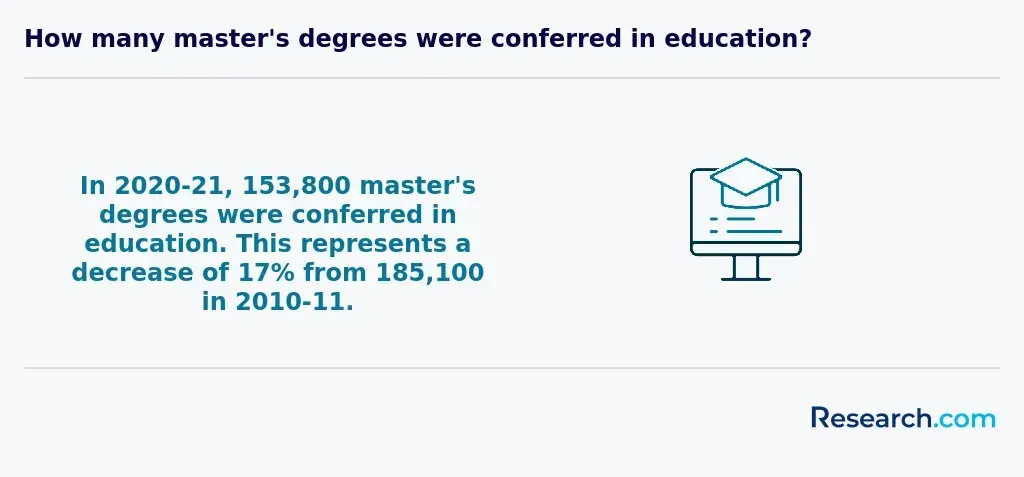
What are the educational requirements for becoming a middle school math teacher in California?
California requires prospective middle school math teachers to meet both general education and professional preparation standards. The bachelor’s degree is the baseline, but the details of your coursework and the approval status of your teacher preparation program matter just as much.
- A bachelor’s degree is required. The degree must come from an institution that California recognizes for credentialing purposes. Some candidates major in mathematics, applied mathematics, statistics, or education with strong math coursework. Others begin in a different field and later complete subject-matter requirements.
- Math coursework should be strong enough to support classroom teaching. Middle school teachers need more than procedural fluency. Coursework in algebra, geometry, calculus, statistics, and related areas helps teachers explain concepts, diagnose misconceptions, and connect topics across grade levels.
- Pedagogy courses prepare you to teach, not just solve problems. Teacher preparation programs cover lesson design, adolescent development, assessment, classroom management, equity, literacy in the content area, and strategies for supporting multilingual learners and students with disabilities.
- Program type should fit your background. California candidates may consider blended undergraduate pathways, post-baccalaureate credential programs, or alternative/intern routes. A blended pathway may suit students who know early that they want to teach, while a post-baccalaureate route may fit career changers or graduates who decide later.
- Accreditation and state approval are nonnegotiable. A low-cost or flexible program is not a good deal if it does not meet California credential requirements. Confirm regional accreditation for the institution and CTC approval for the credential program before enrolling.
- Subject-matter competency must be documented. Candidates may complete an approved subject matter program or pass the CSET in mathematics, depending on their pathway and current state options.
| Educational Route | Best Fit | Trade-Offs |
| Math bachelor’s degree plus credential program | Students who want deep subject preparation before teaching | Strong content background, but may require separate credential-year planning |
| Education-focused bachelor’s pathway with math preparation | Students who want early field experience and a direct teaching focus | Convenient if approved, but confirm it leads to the correct California credential |
| Post-baccalaureate credential program | Graduates and career changers who already hold a bachelor’s degree | Focused route, but tuition and unpaid student teaching may affect finances |
| Intern credential route | Candidates ready to teach while completing requirements | Paid classroom experience, but the workload can be intense |
Aspiring teachers should avoid choosing unrelated programs simply because they are convenient. For example, career information about fields such as interior design entry-level jobs may be useful for broader career exploration, but it will not replace California’s math teacher credential requirements.
What is the certification and licensing process for a middle school math teacher in California?
The Commission on Teacher Credentialing oversees teacher licensing in California. For middle school math, the central decision is whether you need the Foundational-Level Mathematics credential or the full Mathematics credential.
| Credential Option | What It Generally Supports | Who Should Consider It |
| Mathematics (Foundational Level) | General and introductory mathematics assignments | Candidates focused primarily on middle school or foundational math courses |
| Mathematics | A broader range of mathematics courses, including advanced math assignments | Candidates who want maximum flexibility, including possible high school math teaching |
The licensing process typically includes the following requirements:
- Degree verification: You must document completion of a bachelor’s degree. A math or related major is helpful, but candidates from other fields may qualify through approved subject-matter options.
- Teacher preparation: You must complete a CTC-approved program that covers instructional methods, curriculum planning, assessment, student development, classroom management, and supervised practice.
- Subject-matter proof: Many candidates pass the CSET in mathematics. Others may qualify through approved coursework or subject matter programs, depending on current state rules and their preparation pathway.
- Basic skills requirement: Candidates may satisfy this through the CBEST or other accepted methods.
- Background clearance: Fingerprinting and state/federal background checks are required before working with students.
- Credential application: Once program, testing, and clearance requirements are complete, you apply for the Preliminary Teaching Credential through the CTC.
Licensure planning should begin before you enroll in a program. Ask the school exactly which credential it recommends for middle school math, whether it prepares candidates for CSET subtests, and how it supports the move from preliminary to clear credential status. If you are comparing education routes outside mathematics, resources on other fields, such as history degree specializations, can help you see how subject preparation differs by discipline.
How important is teaching experience and what are the internship opportunities for middle school math teachers in California?
Teaching experience is one of the most important parts of becoming a strong middle school math teacher. Math knowledge matters, but students also need a teacher who can explain ideas in multiple ways, keep a classroom focused, respond to frustration, and build confidence in learners who may already believe they are “not math people.”
Why classroom experience matters
- It turns theory into practice. Fieldwork shows you how lesson plans work with real students, time limits, interruptions, and mixed ability levels.
- It strengthens classroom management. Middle school students need routines, consistency, and relationship-based discipline. These skills improve through practice.
- It helps you learn student thinking. Experience makes it easier to spot common errors, misconceptions, and gaps in prior knowledge.
- It supports hiring readiness. Districts often prefer candidates who can discuss actual classroom examples, not only coursework.
- It contributes to credentialing. Student teaching, internships, and supervised practice are commonly built into California-approved preparation programs.
Common ways to gain teaching experience
- Student teaching through a university program: Most traditional credential programs place candidates in classrooms under the supervision of an experienced teacher.
- District or university intern programs: Approved intern pathways may allow candidates to teach as paid interns while completing credential requirements.
- Teach for America placements: Candidates committed to under-resourced schools may explore this competitive route, which includes training and support.
- School district internships: Some California districts operate their own internship structures with mentoring and professional learning. In the previous academic year, the CTC issued more than 200 internship credentials for aspiring mathematics teachers.
- Substitute teaching: Substitute work can expose candidates to different grade levels, school cultures, classroom routines, and student needs.
| Experience Option | Primary Benefit | Risk or Challenge |
| Traditional student teaching | Structured supervision and gradual responsibility | May be unpaid or difficult to balance with work |
| Paid intern credential route | Income while completing requirements | High workload because you are teaching while still training |
| Substitute teaching | Flexible exposure to schools and classroom management | Less consistent mentoring and curriculum ownership |
| Tutoring or after-school programs | Practice explaining math to individual students or small groups | Does not fully replicate full-classroom teaching demands |
If you are unsure which experience route is right for you, ask programs how many hours of fieldwork they require, where placements occur, whether mentor teachers are trained, and how candidates are evaluated before recommendation for the credential.
What are the California standards and curriculum requirements for teaching middle school math?
California middle school math instruction is aligned with the California Common Core State Standards for Mathematics. These standards emphasize reasoning, conceptual understanding, problem-solving, mathematical communication, and the ability to apply math in unfamiliar situations. For teachers, this means instruction should go beyond memorized procedures and help students understand why methods work.
Core middle school math areas include:
- Number sense and operations: Students build fluency with rational numbers, proportional reasoning, and numerical relationships.
- Algebraic thinking: Instruction develops understanding of patterns, expressions, equations, functions, and relationships.
- Geometry and measurement: Students analyze shapes, spatial relationships, area, volume, and measurement concepts.
- Data analysis and probability: Students learn to represent, interpret, and reason from data while building early statistical thinking.
California teachers should use state frameworks, district pacing guides, adopted instructional materials, and assessment data to plan lessons. The strongest math classrooms combine explicit instruction, discussion, modeling, practice, feedback, and opportunities for students to explain their reasoning. Teachers should also understand how middle school math connects to later courses, especially algebra readiness and high school graduation pathways.
Professional growth becomes important because standards, instructional materials, and assessment practices can evolve. Teachers who later want to move into leadership, research, or district-level roles may explore advanced education options; for example, information on doctorate in education salary outcomes can help experienced educators compare long-term academic and administrative pathways.
Top Fields of Study for Doctorate Degree Holders

What is the job market like and what are the salary expectations for middle school math teachers in California?
California’s job market for middle school math teachers is shaped by three forces: ongoing teacher shortages, district budget conditions, and regional cost differences. Demand is generally strongest for candidates who can teach math confidently, support diverse learners, and adapt to district curriculum and assessment expectations.
Salary information varies by source and district. One estimate places the average salary for middle school math teachers in California at approximately $81,032 annually. District-level examples include about $82,068 in the Salinas Union High School District and up to $89,613 per year in Los Angeles Unified School District. Other reported salary ranges cite $60,000 to $80,000 annually, depending on experience and district. These figures should be treated as planning references, not guarantees.
| Salary Factor | How It Can Affect Pay | What to Check Before Accepting a Job |
| District location | Urban districts may offer higher salaries, but living costs may also be higher. | Compare salary schedules with rent, commute, and local taxes. |
| Years of service | Public school salary schedules often increase with experience. | Ask how prior teaching or related experience is credited. |
| Education level | Additional approved units or graduate degrees may affect salary placement. | Review the salary schedule columns and documentation rules. |
| Credential and shortage area | Math is often a high-need area, which may improve hiring prospects. | Ask whether incentives, stipends, or support programs are available. |
| Benefits | Health insurance, retirement, and paid leave can add substantial value. | Compare the full compensation package, not just base pay. |
The outlook is described as positive for educators in STEM subjects and for teachers who hold advanced qualifications. However, school hiring is still affected by state and local funding, enrollment shifts, and district staffing decisions. Before relocating for a job, review the district salary schedule, union contract, induction support, class size expectations, and commute realities.
Some educators who are interested in adjacent student-support roles may compare teaching with related graduate pathways, such as affordable online speech-language pathology programs, especially if they want to work in schools but not necessarily as classroom math teachers.
-
: "
One California teacher described the career decision this way: the need for math teachers reduced her worries about job security, and district pay in an urban area made the path more financially realistic than she first expected.
"
What professional development and continuing education opportunities are available for middle school math teachers in California?
Professional development is not just a renewal task. For middle school math teachers, it is how you keep lessons current, improve student engagement, respond to new assessment expectations, and build the skills needed for leadership or specialization.
- State professional learning resources: California educators can search professional learning opportunities by topic, date, and location through state and regional resources.
- County and district workshops: County offices of education, districts, and universities often provide training on math instruction, data use, standards alignment, assessment, and classroom technology.
- Continuing education units: Teachers may complete approved coursework, workshops, conferences, or other professional learning activities as part of credential maintenance and career growth.
- Math educator organizations: Professional associations can provide conferences, lesson resources, networking, mentoring, and updates on instructional practice.
- Graduate study and added authorizations: Some teachers pursue master’s degrees, administrative credentials, special education preparation, or additional subject credentials to expand their options.
| Professional Development Goal | Useful Activity | Career Benefit |
| Improve daily instruction | Workshops on discourse, assessment, and problem-based learning | Stronger lessons and better student participation |
| Support diverse learners | Training in differentiation, special education, and English learner strategies | More inclusive classrooms and fewer unsupported students |
| Prepare for leadership | Instructional coaching, curriculum committees, or graduate coursework | Pathway to department chair, coach, or administrator roles |
| Use technology well | Training on adaptive tools, digital assessments, and classroom platforms | Better data use and more targeted intervention |
What are effective classroom management strategies and teaching methods for middle school math teachers in California?
Middle school math teaching requires both structure and flexibility. Students ages 11 to 14 are developing independence, identity, peer awareness, and abstract reasoning at the same time. A successful teacher creates a classroom where students know what to do, feel safe making mistakes, and receive enough support to tackle challenging math.
Classroom management practices that matter
- Teach routines explicitly. Students should know how to enter class, start warm-ups, use materials, ask for help, work in groups, and transition between activities.
- Set expectations early and revisit them often. Rules are more effective when paired with modeling, practice, and consistent follow-through.
- Build relationships before problems escalate. Students are more likely to persist in hard tasks when they believe the teacher respects them and notices their effort.
- Use positive reinforcement strategically. Acknowledge productive habits such as explaining reasoning, revising work, helping peers appropriately, and staying engaged during struggle.
- Respond to errors as information. In math, mistakes reveal thinking. Treating them as part of learning helps reduce avoidance and anxiety.
Teaching methods that support math learning
- Connect concepts to real situations. Budgeting, sports statistics, maps, recipes, design, and data from everyday life can make abstract ideas easier to understand.
- Use multiple representations. Tables, graphs, equations, diagrams, number lines, manipulatives, and verbal explanations help students access the same concept in different ways.
- Balance direct instruction with inquiry. Students often need clear modeling first, followed by guided practice, discussion, and application.
- Differentiate without lowering expectations. Provide scaffolds, sentence frames, visuals, small-group support, and enrichment while keeping grade-level goals visible.
- Use technology with purpose. Digital tools should support feedback, visualization, practice, or assessment rather than simply replacing paper tasks.
What are the career advancement opportunities and specializations for middle school math teachers in California?
Middle school math teaching can lead to several career directions. Some teachers remain in the classroom and become highly skilled lead teachers. Others move into coaching, curriculum, administration, teacher preparation, or specialized student-support roles.
| Advancement Path | Typical Next Step | Best Fit |
| Department chair | Lead math team meetings, coordinate pacing, and support colleagues | Teachers who enjoy collaboration and school-level leadership |
| Instructional coach | Support teachers with lesson design, data analysis, and classroom practice | Strong teachers who like mentoring adults |
| Curriculum specialist | Develop or evaluate math materials and assessments | Teachers interested in standards, sequencing, and instructional design |
| Administrator | Earn an administrative credential and move toward assistant principal or principal roles | Educators who want broader school leadership responsibility |
| Specialized teacher | Add expertise in special education, gifted education, or English learner support | Teachers who want to serve specific student populations more effectively |
| Advanced certification | Pursue recognitions such as National Board Certification in Mathematics | Experienced teachers seeking professional distinction |
Specialization can also improve day-to-day effectiveness. A math teacher with strong English learner strategies can improve student explanations. A teacher trained in special education can build better scaffolds. A teacher with curriculum expertise can help a department align instruction across grade levels.
-
: "
A California educator who moved from classroom teaching into leadership described the transition as demanding but worthwhile because it allowed her to influence curriculum decisions beyond a single classroom.
"
What legal and ethical considerations must California middle school math teachers follow?
California teachers work under legal, professional, and ethical obligations designed to protect students and ensure fair access to education. These responsibilities begin before employment and continue throughout a teacher’s career.
- Maintain a valid credential. Public school teachers must hold the appropriate California credential for their assignment.
- Protect student safety. Teachers are mandated reporters and must report suspected child abuse or neglect to the proper authorities.
- Support students with disabilities. Teachers must follow legal requirements tied to IDEA, Section 504 plans, and individualized supports.
- Create an equitable classroom. Ethical teaching includes fair grading practices, inclusive participation, culturally responsive instruction, and access to challenging math for all students.
- Prevent bullying and harassment. California school environments must be safe and supportive. Teachers play a direct role in noticing, documenting, and responding to harmful behavior.
- Protect privacy. Student records, grades, disability information, and family circumstances must be handled carefully and professionally.
Legal compliance is not separate from good teaching. A classroom with clear expectations, documented support, respectful communication, and consistent procedures is usually safer, more inclusive, and more effective for learning.
What resources and support are available for new middle school math teachers in California?
New teachers should not try to navigate the first years alone. California districts and professional organizations offer support systems that can reduce stress, improve instruction, and help teachers complete credential requirements.
- Mentor and induction programs: New teachers commonly work with mentors as they move from a preliminary credential toward a clear credential.
- Professional learning communities: Math teams and grade-level teams help teachers review student data, share lessons, calibrate expectations, and solve classroom problems.
- Math education organizations: Groups such as the California Mathematics Council can provide conferences, professional learning, and networking.
- Teacher associations: Organizations including the California Teachers Association and California Federation of Teachers may offer advocacy, professional resources, and member support.
- Instructional material repositories: Teachers can use district-approved materials, California Department of Education resources, and vetted lesson platforms to build standards-aligned instruction.
- Online educator communities: Forums and professional networks can be helpful for lesson ideas and troubleshooting, but teachers should verify that resources align with California standards and district expectations.
How does California foster collaboration among middle school math teachers?
Collaboration helps math teachers move beyond isolated lesson planning. In California, teachers often work together through school teams, district initiatives, county offices of education, and statewide professional learning networks.
- Professional learning communities: PLCs allow teachers to review student work, compare assessment results, adjust instruction, and align expectations across classrooms.
- Workshops and conferences: Regional and statewide events give teachers opportunities to learn instructional strategies, discuss curriculum changes, and connect with peers.
- Online sharing spaces: Digital communities make it easier to exchange lesson plans, intervention tools, videos, and reflections across schools and districts.
Strong collaboration is especially useful in math because students often arrive with uneven preparation. When teachers share data and strategies, schools can respond more consistently to learning gaps.
What other teaching pathways can inform your career as a California middle school math teacher?
Comparing teaching pathways can help you understand how credentialing, classroom expectations, and grade-level responsibilities differ. For example, reviewing elementary school teacher requirements in Kentucky can show how certification structures vary by state and grade level.
California candidates may also benefit from studying related teaching roles, including elementary, high school, special education, and STEM-focused pathways. These comparisons can clarify whether middle school math is the right fit or whether another age group or subject area better matches your strengths.
What future trends are influencing middle school math teaching in California?
Middle school math classrooms are being affected by digital learning tools, data-informed instruction, stronger attention to equity, and the need to prepare students for advanced STEM coursework. Adaptive learning platforms, AI-supported feedback tools, and interactive displays can help teachers identify student needs faster, but they do not replace strong lesson design or teacher judgment.
Cross-disciplinary teaching is also gaining attention. A math teacher can borrow useful approaches from writing, science, history, and the arts to help students explain reasoning and analyze patterns. Educators who want to compare teaching strategies across subjects may find lessons from the pathway to becoming a high school history teacher in California.
Is an Online Associate Degree a Strategic First Step?
An online associate degree in education may be useful for students who want a lower-cost, flexible start before transferring into a bachelor’s degree program. It can introduce educational foundations, child development, and classroom concepts. However, an associate degree alone does not qualify someone to become a California middle school math teacher.
If you start with this route, confirm transferability early. Ask whether credits apply to a bachelor’s degree, whether the receiving institution is accredited, and whether the eventual pathway leads to a CTC-approved teacher preparation program. Students comparing early education pathways can review the best rated online associate in education program options as part of broader planning.
What other career paths can middle school math teachers in California consider?
Middle school math teachers build skills that transfer to several education-related careers. They understand curriculum, assessment, adolescent learning, communication, and problem-solving. Those strengths can support roles in tutoring, educational consulting, instructional design, curriculum development, school administration, intervention coordination, and teacher coaching.
Some teachers also move to different grade levels or student populations. For example, a teacher interested in early childhood development may compare the pathway for how to become a preschool teacher in California. Others may move upward into high school math, where the content expectations are broader and often more specialized.
What strategies can help prevent teacher burnout and support long-term well-being?
Teacher burnout is a real risk, especially for new teachers managing lesson planning, grading, behavior, family communication, credential requirements, and induction tasks at the same time. Prevention requires both personal boundaries and school-level support.
- Use planning systems that reduce repetition. Build reusable lesson structures, assessment templates, and intervention routines.
- Protect nonworking time when possible. Teachers need recovery time to sustain patience, clarity, and energy.
- Ask for help early. Mentors, department chairs, counselors, and administrators can help address recurring classroom or workload issues.
- Collaborate instead of creating everything alone. Shared planning reduces workload and improves consistency across classrooms.
- Consider related pathways if your interests shift. Exploring how to become an elementary teacher in California can help educators compare different classroom environments and developmental stages.
How can financial planning optimize the credentialing process?
Credentialing can involve tuition, testing, fingerprinting, application fees, textbooks, transportation, and potential lost income during student teaching. A smart financial plan can reduce stress and help you choose a route that fits your situation.
- Compare total cost, not just tuition. Include fees, commute costs, exam costs, and unpaid placement time.
- Ask about grants, scholarships, and district support. Shortage-area candidates may find targeted assistance depending on location and program.
- Check transfer policies before starting coursework. Lost credits can add time and cost.
- Evaluate paid intern options carefully. Earning income while training can help, but the workload may be heavier than a traditional route.
- Plan for the clear credential stage. Your first credential is not the end of the process.
For a deeper cost-focused comparison, review Research.com’s guide to the cheapest way to get a teaching credential in California.
What role does digital technology play in enhancing middle school math instruction?
Technology can make math instruction more responsive when it is used intentionally. Adaptive platforms can provide practice at different levels, virtual manipulatives can make abstract concepts visible, and digital assessments can help teachers identify patterns in student errors. AI-supported tools may also help with feedback, practice generation, and data review, but teachers still need to verify accuracy and protect student privacy.
The best digital tools serve a clear instructional purpose. They help students visualize, practice, explain, or receive feedback. They should not replace teacher modeling, discussion, hands-on reasoning, or careful assessment. Teachers interested in broader math teaching options can compare requirements for how to become a high school math teacher in California.
How does multi-subject certification enhance instructional effectiveness in middle school math?
Additional subject preparation can make a math teacher more flexible and more effective. Middle school students often need help reading word problems, writing explanations, discussing reasoning, and connecting math to other subjects. A teacher with broader instructional skills can support these needs more naturally.
For example, English preparation can strengthen academic vocabulary, argumentation, and written explanations in math. Teachers considering added subject expertise may review California English teacher certification requirements to understand how another credential area could complement math instruction.
How can cross-disciplinary learning, including arts integration, enhance math teaching effectiveness?
Arts integration can help students see patterns, symmetry, rhythm, proportion, geometry, and structure in concrete ways. Visual art can support geometric reasoning; music can illustrate patterns and ratios; drama can help students explain processes and mathematical arguments aloud.
This approach is most useful when it strengthens the math objective rather than distracting from it. Teachers who want to understand how arts-based preparation differs from math preparation can explore music teacher education requirements in California.
How can integrating special education strategies enhance classroom effectiveness?
Special education strategies can improve instruction for all students, not only those with formal plans. Clear directions, visual models, chunked tasks, frequent checks for understanding, structured notes, and individualized feedback can make math more accessible without reducing rigor.
Middle school math teachers should understand how to follow IEPs and 504 plans, collaborate with special education staff, and document accommodations. Educators who want deeper expertise can compare the pathway for how to become a special education teacher in California.
What are the common challenges and how can they be addressed?
California middle school math teachers often face uneven student preparation, math anxiety, large class demands, technology changes, curriculum pacing pressure, and diverse language and learning needs. These challenges are manageable when teachers plan proactively.
| Common Challenge | Why It Happens | Better Response |
| Wide skill gaps | Students enter middle school with different levels of prior mastery. | Use diagnostic checks, small-group reteaching, and targeted practice. |
| Math anxiety | Students may have repeated negative experiences with math. | Normalize mistakes, use low-stakes practice, and celebrate reasoning. |
| Rushed pacing | Teachers must cover required standards within limited instructional time. | Prioritize essential standards and use assessment data to adjust plans. |
| Technology overload | Schools may adopt multiple platforms with different purposes. | Choose tools that directly support feedback, visualization, or intervention. |
| Resource organization | Teachers manage lessons, assessments, data, accommodations, and communication. | Use consistent filing systems and shared team resources. |
Teachers who enjoy organizing learning materials, curating resources, and supporting information literacy may also find ideas from related education-adjacent fields such as library science degree jobs.
Common mistakes to avoid when choosing a California math teacher pathway
- Choosing a program without confirming CTC approval. Flexibility and low tuition do not matter if the program does not lead to the credential you need.
- Assuming a math degree automatically equals certification. A bachelor’s degree supports subject knowledge, but California still requires teacher preparation and credentialing.
- Ignoring the difference between credential types. Foundational-Level Mathematics and full Mathematics credentials may lead to different teaching assignments.
- Focusing only on salary. Compare benefits, cost of living, commute, class size, induction support, and salary schedule growth.
- Underestimating student teaching demands. Fieldwork can make outside employment difficult, so plan financially before placement begins.
- Relying only on rankings or advertisements. Ask direct questions about pass rates, placement support, mentor quality, and credential recommendation timelines.
- Assuming all online coursework transfers. Verify transfer credit and credential eligibility in writing before enrolling.
What are the essential steps for maintaining and renewing teaching credentials?
Credential maintenance should be part of your career plan from the first year. California teachers who begin with a Preliminary Teaching Credential must complete requirements to move to a Clear Teaching Credential within the five-year validity period. This commonly includes induction, mentoring, and professional growth activities.
- Track credential deadlines. Know the issue date and expiration date of your preliminary credential.
- Complete induction requirements. Work with your district or approved induction provider to satisfy clear credential expectations.
- Keep documentation organized. Save records of professional learning, program completion, and credential correspondence.
- Stay aligned with current standards. Professional growth should reflect changes in curriculum, assessment, technology, and student support practices.
- Review state guidance before making changes. If you change districts, roles, or subjects, confirm how the move affects your credential.
For a broader explanation of California credential categories and compliance expectations, see Research.com’s guide to teaching certificate requirements in California.
What do graduates have to say about becoming a middle school math teacher in California?
- Megan describes California middle school math teaching as deeply meaningful because the diversity of students brings many perspectives into the classroom. She values professional development and says the most satisfying moments come when students finally understand difficult concepts. - Megan
- Ellen says the work is rewarding because she can help young students see math as useful and engaging. She points to technology resources and curriculum support as important tools in keeping students motivated. - Ellen
- Marcus emphasizes the collaborative culture among educators. He appreciates being able to adapt instruction for different learners and credits administrative support and ongoing training with making the profession sustainable. - Marcus
Key Insights
- California middle school math teaching can be a strong opportunity because shortages remain, but candidates must still complete a structured credentialing process.
- The usual route includes a bachelor’s degree, subject-matter verification in mathematics, a CTC-approved teacher preparation program, background clearance, and a Preliminary Teaching Credential.
- Choosing the correct credential matters. Foundational-Level Mathematics may fit many middle school assignments, while the full Mathematics credential can offer broader teaching flexibility.
- Salary should be evaluated alongside cost of living, district benefits, induction support, and salary schedule rules. Reported figures include approximately $70,000 per year, approximately $81,032 annually, and district examples such as $82,068 and up to $89,613.
- Classroom experience is essential. Student teaching, internships, substitute work, and tutoring help candidates build the management and instructional skills that coursework alone cannot provide.
- Technology, AI-supported tools, and adaptive platforms can strengthen instruction when used for clear learning purposes, but they do not replace teacher judgment or strong math pedagogy.
- The biggest mistakes are enrolling in an unapproved program, overlooking credential type, ignoring total cost, and assuming salary outcomes are guaranteed.
- Long-term success depends on completing induction, maintaining credential compliance, continuing professional development, and building support systems that reduce burnout.
Related Articles for Nearby States
- 2027 How to Become a Middle School Math Teacher in Nevada: Requirements & Certification
- 2027 How to Become a Middle School Math Teacher in Oregon: Requirements & Certification
- 2027 How to Become a Middle School Math Teacher in Arizona: Requirements & Certification
- 2027 How to Become a Middle School Math Teacher in Idaho: Requirements & Certification
- 2027 How to Become a Middle School Math Teacher in Utah: Requirements & Certification
- 2027 How to Become a Middle School Math Teacher in Washington: Requirements & Certification
- 2027 How to Become a Middle School Math Teacher in New Mexico: Requirements & Certification
- 2027 How to Become a Middle School Math Teacher in Colorado: Requirements & Certification
- 2027 How to Become a Middle School Math Teacher in Montana: Requirements & Certification
- 2027 How to Become a Middle School Math Teacher in Texas: Requirements & Certification
References:
- California Department of Education. Professional learning opportunities. California Department of Education. Retrieved September 3, 2024.
- California State University Stanislaus. Steps to becoming a Mathematics teacher. California State University Stanislaus. Retrieved September 3, 2024.
- Commission on Teacher Credentialing. California educator assignment monitoring. Commission on Teacher Credentialing. Retrieved September 3, 2024.
- Commission on Teacher Credentialing. California educator supply. Commission on Teaching Credentialing. Retrieved September 3, 2024.
- Glassdoor. How much does a middle school math teacher make in California? Glassdoor.com. Retrieved September 3, 2024.
- U.S. Bureau of Labor Statistics. Occupational outlook handbook: Middle school teachers. U.S. Bureau of Labor Statistics. Retrieved September 3, 2024.
Other Things You Should Know About Becoming a Middle School Math Teacher in California
Applicants must submit fingerprints through Live Scan or hard cards so the California Commission on Teacher Credentialing can complete a criminal background check. Clearance is required before a teaching credential is issued. Most school districts also require separate district-level screening before hiring.
Aspiring middle school math teachers in California must pass the California Basic Educational Skills Test (CBEST) and the California Subject Examinations for Teachers (CSET) in Mathematics to obtain certification in 2027. These exams assess competency in math and general educational skills.
The California Commission on Teacher Credentialing (CTC) is responsible for issuing teaching credentials. Middle school math teachers must apply to the CTC for certification, completing necessary exams and educational requirements as specified by the state of California.