2027 Cheapest Way to Get a Teaching Credential in Virginia: Requirements & Certification

Co-Founder and Chief Data Scientist
Cheapest Way to Get a Teaching Credential in Virginia: Practical 2026 Guide
The lowest-cost route to a Virginia teaching credential depends on where you are starting: no degree, a completed bachelor’s degree, an out-of-state license, foreign credentials, or industry experience. A recent high school graduate may save the most by starting at community college and transferring, while a career changer may spend less through an approved alternative licensure pathway that allows them to work while completing requirements.
This guide explains the most affordable ways to become a teacher in Virginia, what costs to expect, how online and alternative programs work, how reciprocity can reduce duplicate coursework, and what mistakes can make the process more expensive than it needs to be. It is designed for prospective teachers, career changers, out-of-state educators, international applicants, and current teachers trying to protect or renew their license.
Quick Answer: What Is the Cheapest Way to Get a Teaching Credential in Virginia?
For many candidates, the cheapest path is one of three options: complete the first 60 credit hours at a community college before transferring to a public university, use a Virginia-approved alternative licensure route if you already hold a bachelor’s degree, or apply through reciprocity if you already have a valid out-of-state teaching license. The best option depends on your prior education, target grade level, subject area, and whether you need a full degree, a teacher preparation program, testing, or only Virginia licensure review.
| Starting point | Lowest-cost strategy | Why it may save money |
| No bachelor’s degree yet | Begin at community college, then transfer to a public university | Community college tuition is often lower, and students can complete foundational coursework before paying four-year tuition rates. |
| Bachelor’s degree in a non-education field | Consider an approved alternative certification route | Some pathways allow candidates to complete preparation while working toward licensure. |
| Current out-of-state licensed teacher | Apply for licensure by reciprocity | Virginia may recognize existing credentials, reducing repeated coursework or testing. |
| Industry professional | Review Technical Professional License options | Individuals with a high school diploma and relevant work experience may qualify for a pathway that does not require the same academic route as traditional teaching roles. |
| Internationally educated applicant | Start with credential evaluation and confirm state requirements before enrolling | Verifying degree equivalency first can prevent paying for coursework that does not apply to Virginia licensure. |
Key Things You Should Know Before Choosing a Virginia Teacher Credential Path
- The cheapest route is not the same for everyone. Your prior credits, degree status, work experience, license history, and subject area determine which path costs least.
- Alternative certification can reduce upfront costs for career changers. Virginia offers routes that may be more affordable than completing a second full degree.
- The Technical Professional License can be a lower-cost option for qualified industry professionals. It may be available to individuals with a high school diploma and relevant occupational experience.
- Testing, background checks, and application fees matter. Even when tuition is low, exam fees, licensure fees, fingerprinting, and materials can add up.
- Online programs can help, but they must meet Virginia requirements. Do not assume every online education program leads to Virginia teacher licensure.
- Financial aid can change the real cost. Scholarships, grants, and employer-supported options may make a higher-listed program more affordable than it first appears.
- What does it cost to become a teacher in Virginia?
- Can international applicants get a Virginia teaching license?
- Can you earn a Virginia teaching credential online?
- Can out-of-state teachers work in Virginia?
- How long do Virginia teachers need to teach to qualify for retirement benefits?
- What happens when a Virginia teaching license expires?
- How many credits are usually required for a Virginia teaching credential?
- How much do Virginia teachers earn?
- What other education careers can Virginia teachers consider?
- How can early childhood education credentials support a Virginia teaching career?
- What is the job outlook for teachers in Virginia?
- What does a Virginia teacher career path look like?
- How can middle school specialization support career growth?
- How do public and private school teaching jobs differ in Virginia?
- Why do communication skills matter for Virginia teachers?
- How can high school teaching specialization help?
- How can history specialization advance a teaching career?
- How do certification requirements affect cost and advancement?
- How can online elementary education programs help Virginia teachers?
- How can music education specialization support advancement?
- How can kindergarten specialization support advancement?
- How can professional networking help Virginia teachers? Specialization options Online options History pathway Communication skills School setting comparison Career path Additional considerations
How much does it cost to become a teacher in Virginia?
The total cost of becoming a teacher in Virginia usually comes from several categories: degree tuition, teacher preparation coursework, certification exams, licensure application fees, background checks, books, transportation, and living expenses. The largest cost is typically the bachelor’s degree, but candidates who already have college credits or a completed degree may be able to reduce the cost substantially.
| Cost category | Amount stated | How to control the cost |
| Bachelor’s degree at a public Virginia university | Between $10,000 and $30,000 annually for in-state students | Compare in-state public options, transfer policies, and whether the program includes teacher preparation. |
| Community college pathway | Annual costs ranging from $4,000 to $8,000 | Complete general education and lower-division coursework before transferring. |
| Certification exams | Each test generally costs between $100 and $200 | Plan for VCLA, PRAXIS II Subject tests, and any preparation materials before registering. |
| Licensure application | $100 for in-state applicants and $150 for those from out of state | Submit a complete application to avoid delays or repeat documentation costs. |
| Background check | Approximately $50 to $100 | Confirm the required provider and process before paying. |
If you have not started college, a community college-to-university transfer plan is often one of the most affordable routes. If you already hold a bachelor’s degree, paying for another full undergraduate program may not be necessary; an approved alternative certification pathway may be more efficient. If you are comparing options beyond Virginia, Research.com also has a guide to Illinois teaching credentials.
Cost-saving steps before you enroll
- Confirm the program is approved for Virginia licensure. A low tuition price is not helpful if the program does not meet state requirements.
- Ask whether student teaching is included. Some programs list tuition separately from clinical or field placement costs.
- Calculate the full cost, not only tuition. Add testing, application fees, background checks, transportation, textbooks, and lost work hours.
- Compare transfer credit policies. A school with slightly higher tuition may cost less overall if it accepts more credits.
- Apply for education-specific scholarships and grants early. Funding deadlines may come before admission deadlines.
Can a foreigner get a Virginia teaching license?
Yes. A foreign national may pursue a Virginia teaching license, but the process usually begins with verifying international academic credentials and determining whether the applicant’s education matches Virginia standards. The most expensive mistake is enrolling in additional coursework before confirming how Virginia will evaluate prior education.
- Credential evaluation comes first. Applicants with degrees earned outside the United States generally need an academic evaluation. Services connected with organizations such as the National Association of Credential Evaluation Services (NACES) or the Association of International Credentials Evaluators (AICE) are commonly used because recognized evaluations are more likely to be accepted in licensure review.
- A state-approved teacher preparation program may still be required. If the foreign degree does not include an approved teacher preparation component, additional coursework or clinical preparation may be necessary. Online options can sometimes reduce relocation and commuting costs.
- A one-year local eligibility license may help some applicants work while completing requirements. This can reduce financial pressure by allowing candidates to earn income during the transition to full licensure.
- Reciprocity may apply in limited cases. If an educator already holds a valid teaching license from another country, Virginia may review that credential as part of the licensing process, though candidates should not assume automatic approval.
Questions international applicants should ask before paying for a program
- Will my foreign degree meet Virginia’s bachelor’s degree requirement after evaluation?
- Does my prior teacher preparation satisfy Virginia expectations?
- Which exams, if any, will I need?
- Can I work under a provisional or local eligibility option while completing remaining requirements?
- Will the program help arrange any required field experience in Virginia?
Can I get my teaching credential online in Virginia?
Yes, some Virginia teaching credential requirements can be completed through online or hybrid programs, but the program must align with Virginia Department of Education licensure requirements. Online study can lower commuting and relocation costs, but it does not eliminate state requirements such as approved preparation, exams, field experience, and application review.
- A bachelor’s degree is still the foundation. Virginia requires a bachelor’s degree from an accredited institution for standard teaching licensure. Students who need to choose a major can compare education degree programs to understand common degree types and career outcomes.
- Teacher preparation must be approved. An online degree alone is not enough if it does not include the required preparation pathway for Virginia licensure.
- Praxis exams may be required. Fees vary by test and typically range from $90 to $209, depending on the assessment.
- The licensure application can be handled largely online. Candidates still need to submit accurate documentation, transcripts, test results, and any required background information.
- Alternative certification may be available for non-education majors. Career changers with bachelor’s degrees should compare alternative routes before paying for a second degree.
| Online credential option | Best for | What to verify |
| Online bachelor’s in education | Students who do not yet have a degree | Accreditation, Virginia approval, field placement support, and transfer credit acceptance |
| Online teacher preparation program | Bachelor’s degree holders changing careers | Whether the program satisfies Virginia alternative licensure requirements |
| Online endorsement coursework | Licensed teachers adding subject areas | Whether credits apply to the specific endorsement sought |
| Online professional development | Current teachers renewing licenses | Whether activities count toward required professional development points |
Students comparing flexible options can also review Research.com’s broader guide to education degree programs.
Can I teach in Virginia with an out-of-state credential?
Yes. Teachers who hold a valid out-of-state license may be able to use Virginia’s licensure by reciprocity process. This can be one of the most cost-effective routes because it may reduce repeated coursework or duplicative preparation, although Virginia still reviews each applicant’s documentation.
- You need a current out-of-state teaching license. The credential should be valid, active, and free of deficiencies at the time of application.
- Your preparation program matters. Virginia reviews whether you completed a state-approved teacher preparation program from a recognized institution.
- You must submit a complete application packet. This usually includes official transcripts, license verification, and sometimes employment verification.
- Review time may be relatively short after submission. Applicants can generally expect feedback within 15 business days after a complete application is submitted.
- Military spouses may receive added flexibility. Virginia offers options for military spouses who hold a valid out-of-state license, including applying without the usual service requirements or assessments.
Graduates of programs accredited by the Council for the Accreditation of Educator Preparation may find the review process more straightforward, but candidates should still confirm the exact documentation Virginia requires. If you need additional coursework, compare online options carefully and make sure each course supports your licensure goal rather than simply adding credits.
For candidates comparing broader online preparation options, Research.com’s online education programs ranking can help identify program formats to investigate further.
How many years do you have to teach in Virginia to retire?
Virginia’s retirement system requires a minimum of five years of service to qualify for pension benefits. This does not mean every teacher retires after five years; rather, five years is an important vesting threshold for pension eligibility. Teachers should review current Virginia Retirement System rules and district-specific benefits before making long-term financial decisions.
For cost-conscious future teachers, retirement benefits are part of the broader return-on-investment calculation. A lower-cost credential path can reduce debt, while stable employment and benefits may improve long-term financial security.
How retirement considerations affect your credential decision
- Lower debt gives you more flexibility. If you reduce credentialing costs, you may have more freedom to remain in teaching even when starting salaries are modest.
- Public school benefits can be part of total compensation. Salary is only one piece of the employment package.
- Reciprocity can protect prior career progress. If you are moving from another state, ask how your years of experience may affect salary placement and benefits.
- Alternative licensure may help career changers start earning sooner. Working while completing requirements can reduce the financial burden of entering education.
What happens if my Virginia teaching credential expires?
An expired Virginia teaching credential can interrupt your ability to work in public schools. Renewal is usually easier and less expensive when handled before expiration, so teachers should track deadlines, professional development points, and required training well in advance.
- Renewal application: Teachers must submit a renewal application to the Virginia Board of Education and pay any applicable fee for the license type.
- Professional development points: Teachers with a Postgraduate Professional or Collegiate Professional License need 270 points over a decade. Holders of a five-year renewable license must earn 180 points within that timeframe.
- Possible assessment requirements: If a credential has been expired for over three years, the teacher may need to retake certain assessments.
- Documentation: Educators must provide records showing completed professional development activities and any required assessments.
- Emergency training: Teachers must complete training in emergency first aid, CPR, and the use of automated external defibrillators according to national guidelines.
How to avoid expensive renewal problems
- Keep a running file of professional development certificates instead of trying to collect them at the deadline.
- Confirm whether each workshop, course, or training activity counts before paying.
- Start renewal planning early enough to avoid rush fees, missed employment opportunities, or retesting.
- Ask your district licensure contact to review your progress before your credential expires.
How many units is a Virginia teaching credential?
Virginia does not usually describe teacher preparation in “units” the way some states do. For most traditional candidates, the pathway centers on completing approximately 120 credit hours through a bachelor’s degree from an accredited institution, including a teacher preparation program that meets state standards.
A lower-cost approach is to complete an associate’s degree first. An associate’s degree typically requires around 60 credit hours and can cover general education or introductory coursework before transferring to a four-year university.
| Credential stage | Credit amount stated | Cost strategy |
| Associate’s degree pathway | Around 60 credit hours | Use community college to complete lower-cost transferable coursework. |
| Bachelor’s degree with teacher preparation | Approximately 120 credit hours | Transfer efficiently and avoid retaking courses that do not apply to licensure. |
| Licensure assessments and application | Not measured in credit hours | Budget separately for exams, background checks, and application fees. |
Before enrolling, ask the receiving university for a written transfer evaluation. Losing credits during transfer can turn a cheap route into an expensive one.
How much do teachers in Virginia make?
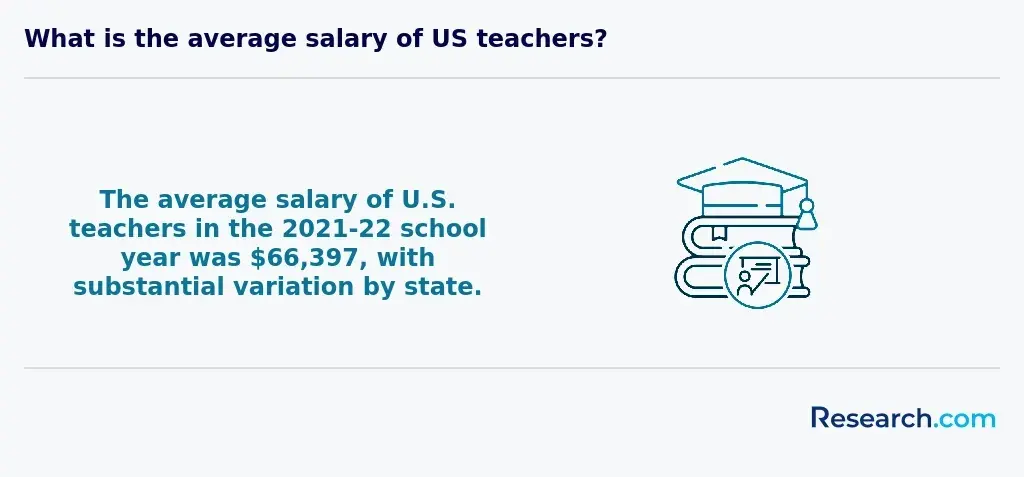
As of 2023, public school teachers in Virginia earn an average annual salary of around $58,000. Entry-level teachers can expect to earn approximately $45,000, while experienced teachers in some urban settings or specialized roles may earn over $75,000. Actual pay depends on district salary schedules, education level, endorsements, experience, and job responsibilities.
- Starting pay varies by district. Salary schedules differ, so compare specific school divisions rather than relying only on statewide averages.
- Experience usually increases pay. Many districts use structured pay scales tied to years of service and credentials.
- Advanced degrees can affect salary. A master’s degree can increase annual earnings by $5,000 to $10,000, depending on the district and pay scale.
- High-need fields may improve opportunities. Teachers in areas such as STEM or special education may have stronger prospects because of demand for qualified educators.
- Additional endorsements can support advancement. Extra credentials may open doors to leadership, specialist, or administrative roles.
How to evaluate salary against credential cost
- Estimate total program cost, including fees and exams.
- Compare that cost with likely starting salaries in the districts where you plan to work.
- Ask whether your degree level affects pay placement.
- Consider whether your endorsement area is in demand locally.
- Factor in benefits, retirement eligibility, and commute costs.
What other career options are available to educators in Virginia?
A teaching credential can lead to classroom roles, but educators may also move into specialized student support, instructional design, curriculum development, school leadership, or related clinical fields. One example is speech-language pathology, which has its own education, supervised clinical experience, and licensing requirements. Educators considering that route can review Research.com’s guide to earning an SLP license in Virginia.
How Can Early Childhood Education Credentials Enhance My Career in Virginia?
Early childhood credentials can be valuable for educators who want to work with young learners in preschool, prekindergarten, childcare, and early learning environments. These credentials typically emphasize child development, age-appropriate instruction, family communication, and classroom routines for early learners. If you are focused on this age group, review the steps for how to become a preschool teacher in Virginia.
What is the job outlook of teachers in Virginia?
Virginia’s education labor market includes both traditional classroom roles and specialized positions. Projections indicate that Virginia will see an overall employment increase of 10.1% by 2026. Within education, elementary school teachers are expected to gain nearly 4,000 new positions, while secondary school teachers are projected to add about 3,000 jobs. The educational services sector is anticipated to add over 41,000 jobs by 2026.
- Elementary and secondary teaching remain major pathways. These roles account for many new teaching opportunities.
- Special education and career/technical education can be strong options. Specialized endorsements may improve marketability.
- Pay differs by level and district. The median annual salary for elementary school teachers is around $64,090, while secondary school teachers can expect approximately $64,230.
- Location matters. Urban, suburban, and rural districts may have different hiring needs, salary schedules, and living costs.
The job outlook should influence, but not fully determine, your credential choice. Choose an endorsement that fits both labor market demand and your ability to teach the subject effectively.
What is the career path of a teacher in Virginia?
A Virginia teacher’s career path often begins with a bachelor’s degree, an approved teacher preparation program, required exams, and state licensure. After entering the classroom, teachers may remain in direct instruction, add endorsements, move into mentoring or department leadership, pursue administrative credentials, or transition into curriculum, policy, or education technology roles.
| Career stage | Typical focus | Decision point |
| Preparation | Degree, teacher preparation, testing, field experience | Choose the lowest-cost approved route that leads to your target endorsement. |
| Entry-level teaching | Classroom instruction, lesson planning, classroom management | Look for strong mentoring, not only the highest starting salary. |
| Experienced teacher | Curriculum leadership, mentoring, specialized instruction | Decide whether to deepen subject expertise or move toward leadership. |
| Advanced roles | Instructional coordination, administration, district roles, advocacy | Evaluate whether additional degrees or certifications are worth the cost. |
- Stay in the classroom. Many teachers build long careers by becoming highly skilled instructional leaders while continuing to teach students directly.
- Move into school leadership. Experienced teachers may become department heads, instructional coordinators, mentors, or administrators.
- Work at the district level. Curriculum directors and specialists can influence instruction across multiple schools.
- Enter policy or advocacy. Some educators work with government agencies, nonprofits, or professional organizations.
- Create education resources. Teachers may develop curriculum, training materials, or instructional technology tools.
How Can Specializing in Middle School Teaching Enhance My Career in Virginia?
Middle school specialization can help teachers focus on the academic and developmental needs of early adolescents. This path is especially relevant for educators who enjoy subject teaching, student transition support, and classroom management for grades between elementary and high school. Candidates interested in mathematics can review middle school math teacher requirements in Virginia.
Common Mistakes That Make a Virginia Teaching Credential More Expensive
| Mistake | Why it costs more | Better approach |
| Choosing the cheapest tuition without checking approval | You may complete credits that do not lead to Virginia licensure. | Verify state approval and accreditation before enrolling. |
| Ignoring transfer policies | Lost credits can add semesters of tuition. | Get a written transfer plan from both schools. |
| Assuming online means licensure-ready | Some online programs are education-related but not designed for Virginia teacher licensure. | Ask specifically whether the program leads to the endorsement you want in Virginia. |
| Underbudgeting for exams and fees | Testing, licensure applications, and background checks can create surprise costs. | Build a full budget before starting the program. |
| Waiting too long to renew a license | An expired credential may require additional documentation or assessments. | Track professional development points every year. |
| Relying only on rankings | A highly ranked program may not be the best financial fit. | Compare total cost, approval status, field placement, outcomes, and schedule flexibility. |
What are the differences between public and private school teaching in Virginia?
Public and private school teaching jobs in Virginia can differ in licensure expectations, salary structure, curriculum flexibility, benefits, class size, and hiring process. The right setting depends on your teaching philosophy, financial goals, desired autonomy, and long-term career plans.
Public school teaching in Virginia
Public schools follow state standards, accountability systems, and district policies. Teachers typically work within formal salary schedules, and public school roles may include stronger retirement and benefits structures. Public school teaching also usually requires meeting state licensure requirements.
Private school teaching in Virginia
Private schools may offer more flexibility in curriculum, instructional style, and school culture. Class sizes may be smaller, but salaries and benefits can vary widely by institution. Credential expectations may also differ from public schools. Candidates exploring this route can review private school teacher requirements in Virginia.
| Factor | Public school | Private school |
| Licensure | Typically tied closely to state requirements | May vary by school |
| Curriculum | Aligned with state and district standards | Often more institution-specific |
| Pay structure | Usually based on salary schedules | Can vary significantly |
| Benefits | Often more standardized | Depends on the employer |
| Classroom autonomy | May be shaped by district requirements | May allow more instructional flexibility |
How Can Strengthening Communication Skills Propel My Teaching Career in Virginia?
Communication skills affect nearly every part of teaching: explaining content clearly, managing classroom expectations, working with families, collaborating with colleagues, and documenting student progress. Teachers who want formal communication training while balancing work may compare options such as an accelerated communications degree online, especially if they are interested in leadership, advising, training, or school-community roles.
How Can Specializing in High School Teaching Propel My Career in Virginia?
High school teaching specialization can strengthen subject expertise and prepare educators to teach older students, design advanced coursework, mentor students on college and career planning, and participate in department leadership. Teachers interested in secondary social studies can review how to become a high school history teacher in Virginia.
How Can Specializing in History Advance My Teaching Career in Virginia?
History specialization can help teachers build deeper content knowledge, stronger research-based instruction, and more engaging lessons around primary sources, civic understanding, and historical interpretation. Candidates focused on this subject can review how to become a history teacher in Virginia.
How Do Virginia Certification Requirements Influence Credentialing Costs and Career Growth?
Certification requirements shape both upfront costs and long-term career options. Required coursework, assessments, endorsement rules, and renewal obligations can affect how much you spend and how quickly you can move into the classroom. Reviewing Virginia teacher certification requirements before choosing a program can help you avoid unnecessary credits, missed tests, or delayed licensure.
How Can Online Elementary Education Programs Enhance My Teaching Career in Virginia?
Online elementary education programs can be useful for students who need flexibility, especially working adults and transfer students. The key is to confirm that the program supports Virginia licensure, includes appropriate field experience, and prepares candidates for the grade level they want to teach. To compare options, review Research.com’s guide to the best online elementary schools.
How Can Specializing in Music Education Advance My Teaching Career in Virginia?
Music education specialization prepares teachers to lead performance-based learning, teach theory and technique, manage ensembles, and support creative development. Because music teaching can require subject-specific preparation, candidates should review music teacher education requirements in Virginia before enrolling in a program.
How Can Specializing in Kindergarten Teaching Propel My Teaching Career in Virginia?
Kindergarten specialization focuses on early literacy, numeracy, social-emotional development, classroom routines, and age-appropriate assessment. Teachers who want to work with young children should understand how early childhood preparation, elementary education requirements, and state licensure expectations connect. Research.com’s guide to How to become a kindergarten teacher in Virginia? explains this pathway in more detail.
How Can Building a Professional Networks Accelerate My Teaching Career in Virginia?
Professional networks can help aspiring teachers find mentors, learn which districts are hiring, identify affordable preparation programs, and understand endorsement needs before committing money. Networking is especially helpful for career changers and online students who may not have as many in-person connections. To connect credential planning with a broader career strategy, see Research.com’s guide on how to become a teacher in Virginia.
How to Choose the Most Affordable Virginia Teaching Credential Path
- Identify your starting point. Determine whether you need a bachelor’s degree, teacher preparation only, reciprocity review, endorsement coursework, or renewal.
- Choose your target license area. Elementary, secondary, special education, technical education, music, early childhood, and other areas can have different requirements.
- Verify approval before enrollment. Confirm that the program is accepted for Virginia licensure.
- Request a full cost estimate. Include tuition, fees, exams, background checks, materials, transportation, and unpaid fieldwork.
- Compare time to completion. A program that costs less per credit may cost more if it takes longer or accepts fewer transfer credits.
- Ask about field placement support. Online students should confirm how student teaching or clinical requirements are arranged.
- Search for aid tied to education careers. Look for scholarships, grants, district support, and employer benefits.
- Plan for renewal from the start. Keep records of professional development so your credential remains active.
Questions to Ask Schools Before Enrolling
- Is this program approved for Virginia teacher licensure?
- Which endorsement areas does the program prepare students for?
- What exams will I need, and when should I take them?
- How much will I pay beyond tuition?
- How many of my transfer credits will count toward completion?
- Does the program arrange student teaching or field experience in Virginia?
- Can I complete requirements while working?
- What support is available for licensure paperwork?
- What happens if I move to another state after earning the credential?
- What financial aid, scholarships, or grants are available for education students?
Key Insights
- The cheapest path depends on your background. Community college transfer works well for first-time college students, while alternative licensure may be better for bachelor’s degree holders.
- Do not pay for a program until you confirm Virginia licensure alignment. Accreditation and state approval matter more than a low advertised price.
- Budget beyond tuition. Exams, background checks, application fees, books, transportation, and fieldwork can affect the real cost.
- Reciprocity can save time and money. Out-of-state licensed teachers should explore Virginia licensure by reciprocity before enrolling in additional coursework.
- Online programs can reduce indirect costs, but they are not automatically cheaper or licensure-ready. Confirm field placement, endorsement fit, and state approval.
- Renewal planning protects your investment. Maintaining professional development records can prevent delays, retesting, or employment interruptions.
- Salary and job outlook should guide ROI decisions. Virginia public school teachers earn an average annual salary of around $58,000 as of 2023, but district, specialization, degree level, and experience all affect earnings.
Related Articles for Nearby States
- 2027 Cheapest Way to Get a Teaching Credential in West Virginia: Requirements & Certification
- 2027 Cheapest Way to Get a Teaching Credential in Maryland: Requirements & Certification
- 2027 Cheapest Way to Get a Teaching Credential in North Carolina: Requirements & Certification
- 2027 Cheapest Way to Get a Teaching Credential in Tennessee: Requirements & Certification
- 2027 Cheapest Way to Get a Teaching Credential in Kentucky: Requirements & Certification
- 2027 Cheapest Way to Get a Teaching Credential in Pennsylvania: Requirements & Certification
- 2027 Cheapest Way to Get a Teaching Credential in South Carolina: Requirements & Certification
- 2027 Cheapest Way to Get a Teaching Credential in Ohio: Requirements & Certification
- 2027 Cheapest Way to Get a Teaching Credential in Delaware: Requirements & Certification
- 2027 Cheapest Way to Get a Teaching Credential in New Jersey: Requirements & Certification
References:
- teachercertificationdegrees.com (30 Mar 2011). Virginia Teacher Certification and Career Guide. https://www.teachercertificationdegrees.com/certification/virginia
- bluefield.edu (06 Jul 2021). 6 Steps to Becoming a Teacher in Virginia. https://www.bluefield.edu/blog/steps-become-teacher-virginia/
- doe.virginia.gov (n.d.). Virginia Department of Education. https://www.doe.virginia.gov/teaching-learning-assessment/teaching-in-virginia/licensure
- accreditedschoolsonline.org (18 Mar 2024). How To Get a Teaching Credential. https://www.accreditedschoolsonline.org/education/certification/
- law.lis.virginia.gov (18 Sep 2024). Part III. Licensure. https://law.lis.virginia.gov/admincodefull/title8/agency20/chapter23/partIII/
- teacherpensions.org (23 Oct 2020). Calculating Teacher Pension Wealth in Virginia. teacherpensions.org https://www.teacherpensions.org/state/virginia
- salary.com (27 Aug 2024). Public School Teacher Salary in Virginia. https://www.salary.com/research/salary/benchmark/public-school-teacher-salary/va
- virginiaworks.com (n.d.). High-Growth Occupations by Educational Attainment:. https://www.virginiaworks.com/_docs/Publications/LMI-Publications/VA-Jobs-Outlook/PDF/2026-Jobs-Outlook.pdf
- teach.org (n.d.). Find Your Teacher Career Path. https://www.teach.org/explore/career-paths
Other Things You Should Know About Getting a Teaching Credential in Virginia
The Virginia Department of Education (VDOE) issues teaching licenses and approves educator preparation programs in Virginia. Applicants must meet VDOE requirements, including a bachelor’s degree, approved preparation, and passing required exams such as the Praxis tests for most endorsements.
In 2027, aspiring teachers in Virginia can pursue provisional licensing or enrollment in a state-approved educator preparation program. Options may include online programs or attending community colleges that offer educator tracks at lower tuition rates. Eligibility for financial aid or scholarships can further reduce costs.