Research.com is an editorially independent organization with a carefully engineered commission system that’s both transparent and fair. Our primary source of income stems from collaborating with affiliates who compensate us for advertising their services on our site, and we earn a referral fee when prospective clients decided to use those services. We ensure that no affiliates can influence our content or school rankings with their compensations. We also work together with Google AdSense which provides us with a base of revenue that runs independently from our affiliate partnerships. It’s important to us that you understand which content is sponsored and which isn’t, so we’ve implemented clear advertising disclosures throughout our site. Our intention is to make sure you never feel misled, and always know exactly what you’re viewing on our platform. We also maintain a steadfast editorial independence despite operating as a for-profit website. Our core objective is to provide accurate, unbiased, and comprehensive guides and resources to assist our readers in making informed decisions.

2026 How to Become a Speech Language Pathologist in Virginia: Requirements & Certification

Imed Bouchrika, PhD

by Imed Bouchrika, PhD

Co-Founder and Chief Data Scientist

Table of Contents
  1. Steps to become a speech-language pathologist in Virginia
  2. Minimum education required for Virginia SLP licensure
  3. What speech-language pathologists do day to day
  4. Virginia certification and licensing process
  5. Legal and ethical rules SLPs must follow in Virginia
  6. Speech-language pathologist salary in Virginia
  7. Virginia SLP job market and demand
  8. Career growth and advancement options
  9. How collaboration can strengthen an SLP career
  10. Additional credentials that may improve SLP career options
  11. Technology and telepractice in Virginia SLP work
  12. Challenges to expect as a Virginia SLP
  13. Dual-career opportunities for SLPs
  14. Research and technology trends shaping SLP practice
  15. Virginia policy issues SLPs should monitor
  16. How SLP compares with related fields
  17. Alternative careers to speech-language pathology in Virginia
  18. Working with school counselors as an SLP
  19. How advanced certifications can support career growth
  20. Mentorship and networking for SLP career advancement
  21. Mental health support in SLP practice
  22. Return to mentorship and networking guidance
  23. Return to advanced certification guidance
  24. Return to alternative career options
  25. Return to related-field comparison
  26. Return to common SLP challenges
  27. Additional Virginia SLP resources

How can you become a speech language pathologist in Virginia?

The path to becoming a speech-language pathologist in Virginia is structured, and each step matters. Employers and licensing boards look for evidence that you have completed graduate-level training, developed clinical judgment, passed required exams, and can practice safely with children or adults who have communication, language, fluency, voice, cognitive-communication, or swallowing needs.

StepWhat you need to doDecision tip
1. Complete prerequisite educationEarn a bachelor’s degree, usually in communication sciences and disorders or a related field, and complete any required prerequisite courses.If your undergraduate major is unrelated, ask graduate programs whether they require a leveling sequence before admission.
2. Earn a graduate degreeComplete a master’s degree in speech-language pathology from an accredited institution. Virginia options include programs at the University of Virginia and James Madison University.Compare clinical placements, accreditation, Praxis preparation, tuition, and graduate outcomes before applying.
3. Build supervised clinical experienceComplete practicum, internship, and supervised clinical experiences required by your program and licensing pathway.Look for placements in the setting where you may want to work, such as schools, hospitals, early intervention, or rehabilitation.
4. Pass the required examinationTake and pass a qualifying examination recognized by the appropriate accrediting or licensing body.Ask each program how it supports exam preparation and what resources are available for students who need remediation.
5. Apply for Virginia licensureSubmit required documentation to the Virginia Board of Audiology and Speech-Language Pathology, including education records, exam results, clinical experience, and disciplinary history when applicable.Start collecting official documents early because incomplete applications can delay your start date.
6. Prepare for employmentCreate a targeted resume that highlights clinical populations, assessment tools, therapy methods, documentation experience, and specialized training.Customize applications by setting; a school district resume should not read the same as a hospital resume.
7. Maintain your licenseComplete ongoing professional development. Virginia requirements are described as ten hours of continuing education annually, with a maximum of thirty hours over three years, and a current ASHA Certificate of Clinical Competence may satisfy this requirement.Confirm current renewal rules directly with the Virginia Board before each renewal cycle.

If flexibility is important, online or hybrid programs may be worth exploring, but they still need to meet clinical and accreditation expectations. A good starting point is Research.com’s guide to affordable online SLP degrees, especially if cost and schedule are major concerns.

What is the minimum educational requirement to become a speech language pathologist in Virginia?

The minimum professional education for a clinical speech-language pathologist in Virginia is a master’s degree in speech-language pathology. A bachelor’s degree helps you enter the pipeline, but the graduate degree provides the specialized academic and clinical preparation needed for professional practice.

  • Typical degree path: Most students complete a four-year bachelor’s degree followed by a two-year master’s program, making the common timeline approximately six years.
  • Graduate coursework: Master’s programs commonly cover anatomy and physiology of speech and hearing, language development, speech disorders, clinical methods, assessment, intervention planning, and related topics.
  • Clinical preparation: Supervised practicum and internship experiences are essential because SLPs must learn to evaluate clients, write treatment plans, deliver therapy, document progress, and collaborate with other professionals.
  • Program cost: The average cost of a master’s program in speech-language pathology ranges from $30,000 to $60,000, depending on factors such as public or private status and residency.
  • Accreditation: Prospective students should look for programs accredited by the Council on Academic Accreditation in Audiology and Speech-Language Pathology (CAA). Accreditation is important because it affects licensure readiness, employer confidence, and eligibility for professional certification.
  • Advanced study: A PhD can support research, university teaching, or highly specialized work, but it is not required for most clinical SLP roles.
  • Virginia program example: The University of Virginia offers a respected master’s program in Communication Sciences and Disorders, and James Madison University is also known for graduate-level SLP preparation.

Students who want a broader explanation of the national pathway can review Research.com’s guide on how long it takes to become a speech pathologist.

Questions to ask before choosing a Virginia SLP program

  • Is the program accredited by the Council on Academic Accreditation in Audiology and Speech-Language Pathology?
  • Does the curriculum prepare students for Virginia licensure and the qualifying examination?
  • What clinical placements are available in schools, hospitals, rehabilitation centers, private practice, or early intervention?
  • How does the program support students who need prerequisite coursework?
  • What is the total cost after tuition, fees, clinical placement expenses, commuting, books, and exam costs?
  • Does the program offer assistantships, scholarships, tuition support, or part-time options?
  • Are online students responsible for finding local clinical placements, or does the school arrange them?

What does a speech language pathologist do?

Speech-language pathologists assess, diagnose, and treat communication and swallowing disorders. The Bureau of Labor Statistics describes SLPs as professionals who work with people who have speech, language, voice, fluency, and related disorders. In Virginia, that can mean supporting a preschool child with delayed language, helping a student participate more fully in class, treating an adult recovering from a stroke, or working with patients who have cognitive-communication or swallowing difficulties.

Common SLP responsibilities

  • Evaluate clients or students to identify communication, language, speech, voice, fluency, cognitive-communication, or swallowing concerns.
  • Create individualized treatment plans based on assessment results, client goals, family input, and the service setting.
  • Deliver therapy using evidence-informed strategies and adapt activities as clients progress.
  • Collaborate with families, teachers, physicians, occupational therapists, psychologists, counselors, and other professionals.
  • Document goals, services, progress, eligibility decisions, and treatment changes accurately.
  • Participate in meetings such as individualized education plan meetings in school settings.
  • Educate families and caregivers so skills can be reinforced outside therapy sessions.

Skills that matter in SLP work

  • Clear communication: SLPs must explain clinical findings and therapy strategies in language that families, educators, and healthcare teams can understand.
  • Patience and empathy: Progress may be slow, especially when clients are anxious, medically fragile, or frustrated by communication barriers.
  • Analytical thinking: Strong clinicians interpret assessment results, observe patterns, and adjust treatment when a strategy is not working.
  • Creativity: Effective therapy often requires engaging activities that match the client’s age, culture, goals, and motivation.
  • Organization: Caseload management, documentation, scheduling, and compliance demands are major parts of the job.
Work settingTypical clientsWhat the SLP may focus on
Public schoolsChildren and adolescentsSpeech sound disorders, language needs, fluency, social communication, IEP services, classroom participation
HospitalsPatients with medical or neurological conditionsSwallowing, cognitive-communication, voice, stroke recovery, interdisciplinary care
Rehabilitation centersAdults recovering from illness or injuryFunctional communication, swallowing safety, cognition, caregiver training
Private practiceChildren, adults, or specialty populationsTargeted therapy, evaluations, family coaching, niche services
Early interventionInfants and toddlersLanguage development, feeding concerns, parent coaching, developmental support

One Virginia SLP described the work this way: helping people communicate is not just about sounds and words; it is about giving clients a practical way to participate in school, work, family, and community life. That perspective is useful for anyone considering the profession because the career is both clinical and deeply human.

What is the certification and licensing process for a speech language pathologist in Virginia?

Virginia SLP licensure is handled through the Virginia Board of Audiology and Speech-Language Pathology. Candidates should treat licensure as a document-heavy process: you must show that your education, examination, clinical preparation, and professional history meet state expectations.

Core licensing requirements to understand

  • Professional certification: Candidates may need a current and unrestricted Certificate of Clinical Competence from the American Speech-Language-Hearing Association or a recognized accrediting body. Verification may be required through a certified letter issued within six months before applying for licensure.
  • Qualifying examination: Applicants must pass an examination accepted by the Virginia Board of Audiology and Speech-Language Pathology or the relevant accrediting body.
  • Online application: Applicants complete the licensing process online and choose the correct application type, such as initial licensure or transition from provisional to full licensure.
  • Clinical experience documentation: Applicants should be ready to provide proof of supervised clinical training and other required experience.
  • Background review: Background checks and fingerprinting are commonly part of the process, especially because SLPs often work with children, patients, and vulnerable populations.
  • Fees: Applicants should plan for application fees, examination fees, and background-check costs. Current amounts should be verified before applying because fee structures may change.
  • Reciprocity: SLPs licensed in another state may use Virginia’s reciprocity option if they provide required documentation of licensure, continuing education, and active practice in the previous jurisdiction.
  • School practice: Those planning to work in Virginia public schools may need a separate school speech-language pathologist license. This pathway is tied to holding a master’s degree in speech-language pathology.

If you are comparing graduate programs and want a broader view of options, Research.com’s speech-language pathology master’s rankings can help you identify programs to investigate further. Rankings should not replace your own review of accreditation, clinical placements, costs, and Virginia licensure alignment.

Licensure checklist for applicants

  • Request official graduate transcripts early.
  • Keep records of supervised clinical experiences and fellowship documentation.
  • Save exam score reports and certification verification letters.
  • Review Virginia Board instructions before paying fees.
  • Confirm whether your intended role requires healthcare licensure, school licensure, or both.
  • Check renewal and continuing education rules directly with the Virginia Board.
Are the employed SLPs fully certified?

What ethical and legal guidelines should you observe as a speech language pathologist in Virginia?

Speech-language pathologists in Virginia work with sensitive health, education, and developmental information. Ethical practice is not optional; it protects clients, families, employers, and the professional license you worked to earn.

Legal responsibilities

  • Hold the correct license: SLPs must meet Virginia Board of Audiology and Speech-Language Pathology requirements before practicing. The pathway includes graduate education, required testing, and supervised clinical preparation.
  • Maintain continuing education: Virginia continuing education is described in the article record as 30 hours of continuing education every two years, while other licensure summaries describe ten hours annually with a maximum of thirty hours over three years. Because renewal rules can change or vary by credential, verify the current standard directly with the Virginia Board before renewal.
  • Practice within scope: SLPs should provide services only in areas where they are trained and competent, and refer clients when needs fall outside their expertise.

Confidentiality and records

  • Follow HIPAA when applicable: Healthcare records and protected health information require safeguards for privacy and secure communication.
  • Follow education privacy rules when applicable: School-based SLPs must handle student records carefully and coordinate with district policies.
  • Document accurately: Notes should reflect services delivered, progress, clinical reasoning, and any changes to goals or plans.

Common ethical issues

  • Dual relationships: Personal relationships with clients or families can create conflicts of interest, especially in small communities.
  • Equitable service access: High caseloads, staffing gaps, and limited resources can make it difficult to deliver services fairly across all students or clients.
  • Informed decision-making: Clients and families should understand the purpose, risks, limitations, and expected benefits of assessments and interventions.
  • Mandatory reporting: SLPs may have obligations to report suspected abuse or neglect, especially when working with minors or vulnerable adults.

The safest approach is to use the Virginia Board, employer policies, and professional association guidance as your primary references. When in doubt, document your reasoning, consult a supervisor or compliance officer, and avoid making assumptions about confidentiality, consent, or scope of practice.

How much can you earn as a speech language pathologist in Virginia?

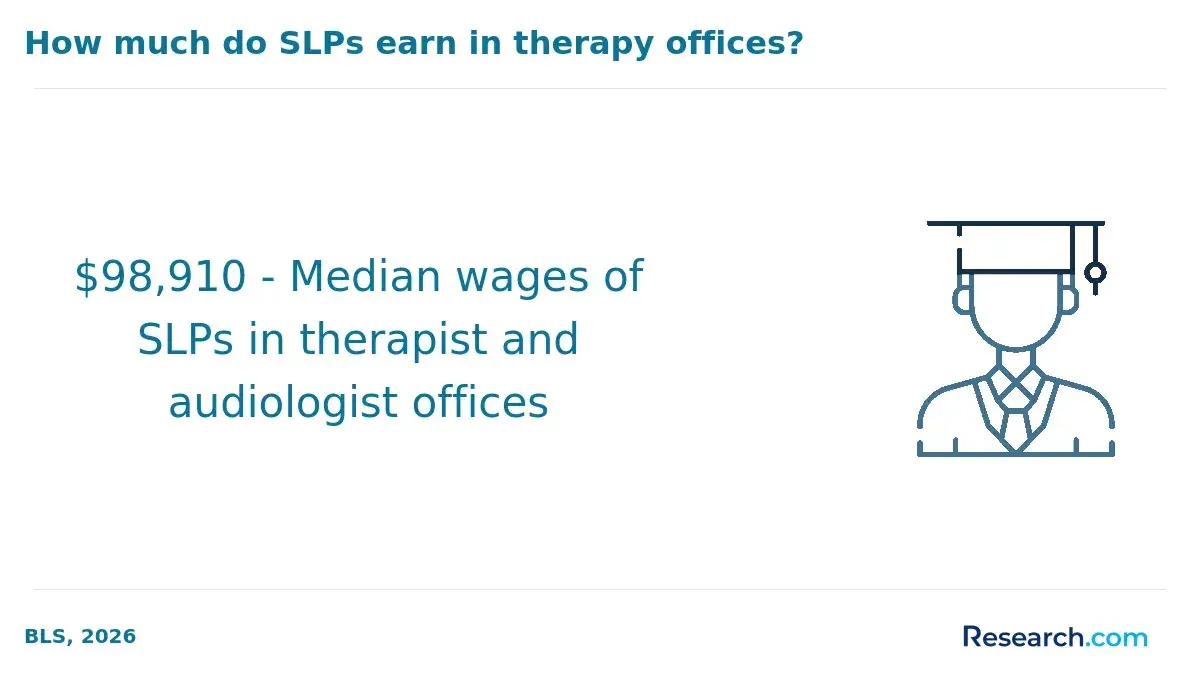
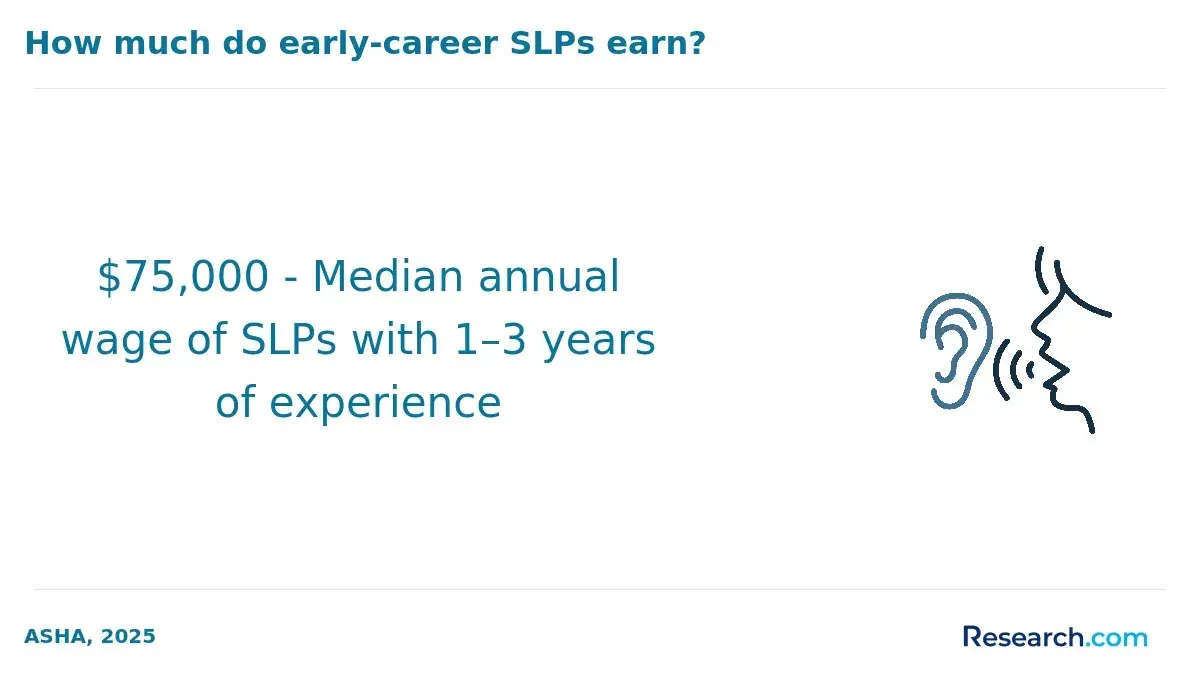
Speech-language pathologists in Virginia earn an average salary of approximately $82,000 per year, with a median salary around $80,000. Entry-level positions start around $60,000. Nationally, the average salary for SLPs is about $80,000, and the national median salary is about $79,000. These figures are useful benchmarks, but they should not be treated as guaranteed outcomes.

Factors that influence SLP pay in Virginia

FactorHow it can affect earningsWhat to evaluate
LocationNorthern Virginia, Richmond, and Virginia Beach may offer different salary levels because of demand and cost of living.Compare salary with housing, commuting, and benefits, not salary alone.
Work settingHealthcare, schools, private practice, research, and rehabilitation settings can pay differently.Ask about caseload, schedule, documentation expectations, and paid time off.
ExperienceSupervisory, specialized, and advanced clinical roles may offer higher compensation.Look for employers that support professional development and advancement.
SpecializationAreas such as swallowing, pediatric communication, fluency, voice, or geriatric care may strengthen marketability.Consider whether certification costs and training time match your career goals.
BenefitsHealth insurance, retirement contributions, continuing education stipends, and school-year schedules can change total compensation.Calculate the full package before accepting an offer.

Top-earning industries and locations mentioned for Virginia SLPs

  • Healthcare and social assistance: Hospitals and rehabilitation centers may offer strong pay because of clinical demand and medical complexity.
  • Educational services: Schools remain a major employer, particularly for SLPs who work with children with special needs.
  • Research and development: Research facilities and universities may offer higher earnings for professionals involved in studies, teaching, or specialized work.
  • Northern Virginia: Arlington and Fairfax are associated with higher salaries but also higher living costs.
  • Richmond: The state capital has a strong employment base and competitive compensation opportunities.
  • Virginia Beach: The area offers employment opportunities connected to healthcare facilities and a diverse population.

Before accepting a role, ask for the caseload, service model, productivity expectations, travel requirements, documentation time, mentorship availability, paid continuing education, and whether salary is paid year-round or based on a school-year calendar.

What is the job market like for a speech language pathologist in Virginia?

The Virginia job market for speech-language pathologists is generally favorable, but it is not identical across the state. Rural districts may struggle to fill positions, while competitive urban markets can attract many qualified applicants. According to the U.S. Bureau of Labor Statistics, employment for SLPs is projected to grow by 25% from 2019 to 2029, which is much faster than the average for all occupations.

What is driving demand?

  • Aging population: More adults need services related to stroke, neurological conditions, cognitive-communication challenges, and swallowing.
  • School-based needs: Public schools continue to need qualified SLPs for evaluations, IEP services, early intervention, and communication support.
  • Greater awareness: Families, educators, and healthcare providers are more aware of speech and language disorders and the value of early services.
  • Rural access gaps: Shortages outside major metro areas can create openings for new graduates willing to work in underserved regions.

How competitive is the market?

The market is strongest for candidates who can show clear clinical experience, strong documentation skills, flexibility across populations, and readiness to collaborate. Competition can be more intense in Northern Virginia because many applicants are drawn to the region’s employment base, but the higher cost of living should be part of the decision.

One Virginia SLP described weighing job prospects against expenses after graduating from James Madison University. The demand was real, but Northern Virginia’s cost of living changed the financial calculation. That kind of trade-off is common: the best job is not always the highest advertised salary.

What career and advancement opportunities are available for a speech language pathologist in Virginia?

Speech-language pathology offers several career paths in Virginia. Many SLPs begin in direct-service roles, then move into specialization, supervision, program leadership, consulting, private practice, research, or teaching.

Career stageCommon roleWhat advancement may involve
Entry levelSchool SLP, clinical fellow, rehabilitation SLP, early intervention providerBuilding caseload management, documentation, assessment, therapy, and collaboration skills
Experienced clinicianSpecialist in pediatrics, swallowing, fluency, voice, cognitive-communication, or autism-related communication needsAdditional training, advanced certifications, mentorship, and more complex cases
Lead or supervisory roleLead SLP, clinical supervisor, school-based coordinator, department leadStaff mentoring, program development, quality review, compliance oversight, and team training
Administrative roleClinic manager, district program leader, healthcare department administratorBudgeting, hiring, policy implementation, service delivery planning, and strategic leadership
Alternative or expanded rolePrivate practitioner, consultant, researcher, university instructorBusiness development, scholarship, teaching, consulting contracts, or advanced graduate study

The Bureau of Labor Statistics reported that the median annual wage for speech-language pathologists was approximately $84,140 in 2022, and salaries can increase for professionals who move into supervisory or administrative positions. Professionals interested in adjacent clinical education may also compare speech and hearing pathways through Research.com’s guide to an online master’s in audiology.

Is becoming an SLP in Virginia worth it?

For students who want a healthcare-adjacent or education-focused career with strong human impact, SLP can be worth the time and cost. It is a less direct fit for people who want minimal paperwork, predictable caseloads, or a short training path. The strongest candidates enter the field with realistic expectations: graduate school is demanding, licensure requires documentation, and the job can involve emotional labor, but the work can also offer meaningful client relationships and multiple career settings.

How many SLPs work in schools?

How can interdisciplinary collaboration boost your career as an SLP in Virginia?

SLPs rarely work in isolation. In schools, they coordinate with teachers, school counselors, school psychologists, administrators, and families. In healthcare, they may work with physicians, nurses, occupational therapists, physical therapists, dietitians, psychologists, and social workers. Collaboration can improve clinical decisions because communication challenges often connect with learning, behavior, cognition, physical function, and emotional well-being.

For SLPs who enjoy education settings, understanding how classroom professionals are trained can improve collaboration. Research.com’s guide on how to become an elementary school teacher in Virginia can provide useful context on the preparation and responsibilities of teaching partners.

What additional credentials can boost my SLP career in Virginia?

Additional credentials can help SLPs demonstrate deeper competence in specialized areas, especially when pursuing leadership, private practice, clinical specialization, or competitive healthcare roles. Examples include advanced training in voice disorders, pediatric communication, fluency, swallowing, or other focused practice areas. Research.com’s overview of SLP certifications can help you compare credentials and decide whether a certification aligns with your goals.

What role does technology and telepractice play in advancing SLP careers in Virginia?

Technology is changing how SLPs document care, deliver services, collaborate with teams, and reach clients who may not have local access to specialists. Telepractice can be especially relevant for rural communities, school districts with staffing shortages, and clients who need flexible service delivery. However, telepractice also raises questions about privacy, consent, client suitability, platform security, and state rules.

SLPs who want to use telepractice should become comfortable with digital assessment tools, remote therapy engagement strategies, secure records, and troubleshooting technology barriers. This is similar to other information-centered careers where digital access and user support are now central; for example, Research.com explains technology-focused professional shifts in its guide on how to become a librarian in Virginia.

What challenges should you consider as a speech language pathologist in Virginia?

Speech-language pathology can be rewarding, but prospective students should understand the pressure points before committing to graduate school. The work is clinically important, but it can also be demanding, especially in high-need districts or understaffed settings.

ChallengeWhy it mattersHow to prepare
High caseloadsSome SLPs in Virginia report managing caseloads that can exceed 60 students, which can limit individualized attention and increase burnout risk.Ask employers about caseload averages, workload models, documentation time, and support staff.
Administrative burdenIEPs, progress notes, evaluations, meetings, and compliance paperwork can reduce direct therapy time.Build documentation habits early and learn efficient systems during clinical placements.
Limited resourcesSome settings may lack therapy materials, assessment tools, or adequate staffing.Choose programs with strong clinical preparation and learn low-cost, evidence-informed intervention strategies.
Unqualified personnel concernsWhen services are delivered by people without proper qualifications, families may receive inconsistent support.Know your scope, advocate for professional standards, and communicate clearly with administrators.
Diverse client needsSLPs may serve clients with very different diagnoses, ages, languages, cultures, and goals.Prioritize continuing education and seek mentorship in unfamiliar clinical areas.

If tuition is a major barrier, compare accredited programs carefully and consider Research.com’s list of affordable speech pathology master’s programs. Cost matters, but accreditation, clinical placement quality, and licensure fit matter just as much.

Common mistakes to avoid

  • Choosing a program without confirming accreditation. Accreditation can affect licensure readiness and employer confidence.
  • Looking only at tuition. Fees, travel, clinical placement costs, exam costs, books, and lost work hours can change total cost.
  • Assuming every online program works for Virginia licensure. Always confirm the program’s clinical and licensing alignment with Virginia requirements.
  • Ignoring cost of living. A higher salary in Northern Virginia may not go as far as a slightly lower salary in a more affordable region.
  • Relying only on rankings. Rankings can help you build a school list, but your final decision should include accreditation, placements, outcomes, cost, and support.
  • Assuming salary outcomes are guaranteed. Pay depends on setting, location, experience, benefits, and negotiation.
  • Waiting too long to plan documentation. Licensure applications require records, and missing documents can slow employment.

How can exploring dual-career opportunities enhance my SLP practice in Virginia?

Some SLPs build broader careers by combining speech-language pathology with related expertise in education, psychology, counseling, assistive technology, research, or program administration. This can expand career flexibility and help clinicians understand clients more holistically. For example, SLPs who work closely with students may benefit from learning how student evaluation and behavioral support are approached in related professions; Research.com’s guide on how to become a school psychologist in Virginia offers helpful context.

What innovative research and technology trends are shaping SLP practice in Virginia?

SLP practice is increasingly influenced by digital diagnostics, artificial intelligence, virtual reality, remote monitoring, and data-driven outcome tracking. These tools do not replace clinical judgment, but they can help clinicians measure progress, personalize therapy, support telepractice, and coordinate care. SLPs should evaluate new tools carefully: ask whether they are evidence-informed, accessible, secure, appropriate for the client population, and compliant with relevant privacy rules.

Language, literacy, and communication overlap with education in many settings. SLPs who want to better understand instructional roles can review Research.com’s guide on how to become an English teacher in Virginia.

What legislative policies should SLPs monitor in Virginia?

Virginia SLPs should stay alert to policy changes that affect licensure renewal, school service delivery, telepractice, Medicaid or insurance reimbursement, caseload expectations, special education compliance, workplace standards, and documentation rules. State regulations and employer policies can affect both clinical practice and daily workload.

Practical ways to stay informed include checking the Virginia Board of Audiology and Speech-Language Pathology, following Virginia Department of Education updates, participating in professional associations, attending approved continuing education, and reviewing employer compliance guidance. SLPs who collaborate with mental health and assessment professionals may also find useful academic context in Research.com’s resource on the best psychology schools in Virginia.

How does specializing as an SLP in Virginia compare to other similar fields?

Speech-language pathology overlaps with audiology, occupational therapy, special education, school psychology, counseling, and teaching, but the SLP role is distinct. SLPs focus on communication and swallowing, while related professions address hearing, motor function, learning access, mental health, academic instruction, or daily living skills.

FieldMain focusHow it differs from SLPWhen it may be a better fit
Speech-language pathologySpeech, language, voice, fluency, cognitive-communication, and swallowingCombines clinical assessment, therapy, documentation, and collaboration across health and education settingsYou want a clinical communication-focused career with options in schools, healthcare, and private practice
AudiologyHearing and balanceFocuses more directly on hearing assessment, hearing technology, and auditory systemsYou are more interested in hearing science and diagnostic equipment
Occupational therapyDaily living, motor skills, sensory needs, and functional independenceTargets functional participation through physical, sensory, and adaptive strategiesYou want to support independence and daily activities more than communication
Special education teachingInstruction and learning access for students with disabilitiesProvides broad academic and classroom support rather than clinical speech-language treatmentYou want to teach and manage classroom learning plans
School counselingAcademic, social, emotional, and career supportAddresses student well-being and planning rather than communication disordersYou want a student support role centered on counseling and guidance

If you are drawn to school-based disability services but want a broader instructional role, Research.com’s guide on how to become a special education teacher in Virginia can help you compare responsibilities and credential requirements.

What Other Career Paths Should You Consider as an Alternative to Being a Speech Language Pathologist in Virginia?

If you are interested in communication, child development, learning support, or rehabilitation but are unsure about SLP graduate school, compare alternatives before applying. Teaching, occupational therapy, special education, school counseling, mental health counseling, audiology, and school psychology can all involve meaningful work with children or individuals with developmental, learning, or communication needs.

  • Teaching: A better fit if you want to lead classroom instruction and support academic growth. Research.com’s resource on the types of teaching certificates in Virginia can help you understand credential options.
  • Occupational therapy: A strong option if you are more interested in motor skills, sensory processing, daily living, and functional independence.
  • Special education: A practical alternative if you want to support students with varied learning and developmental needs in classrooms.
  • Counseling or school psychology: A better match if your primary interest is emotional, behavioral, academic, or mental health support.
  • Audiology: A related path if hearing and auditory systems interest you more than language and speech intervention.

How can collaborating with school counselors enhance my SLP practice in Virginia?

School counselors can help SLPs understand the emotional, academic, and social context behind a student’s communication needs. Collaboration may improve referrals, classroom supports, family communication, transition planning, and interventions for students whose communication challenges affect confidence, peer relationships, or participation. To better understand this partner role, review Research.com’s guide on how to become a school counselor in Virginia.

How can obtaining advanced certifications benefit my career as an SLP in Virginia?

Advanced certifications can strengthen credibility, deepen clinical skill, and signal commitment to professional growth. They may be especially useful for SLPs who want to specialize, supervise, move into private practice, or compete for advanced clinical roles. The Certificate of Clinical Competence is one widely recognized credential, and Research.com explains its value in what is a CCC SLP and why its important.

Before paying for any credential, ask whether it is recognized by employers, relevant to your setting, supported by evidence, and worth the cost in relation to your career goals.

How can mentorship and professional networking accelerate my career advancement as an SLP in Virginia?

Mentorship can shorten the learning curve for new SLPs, especially in settings with high caseloads, complex documentation, or limited resources. A strong mentor can help you interpret licensure expectations, prepare for difficult meetings, strengthen clinical reasoning, and avoid early-career burnout. Networking also helps SLPs learn about job openings, supervision opportunities, policy changes, continuing education, and specialized training.

SLPs who work with families, couples, or clients affected by broader communication and relational challenges may benefit from understanding adjacent therapeutic professions. Research.com’s guide on how to become a MFT in Virginia offers context on another helping profession in the state.

How Can Integrating Mental Health Support Enhance My SLP Practice in Virginia?

Communication challenges can affect confidence, social participation, academic performance, family stress, and emotional well-being. SLPs are not mental health counselors unless separately trained and licensed, but they can collaborate with mental health professionals, screen for concerns within their scope, and refer clients when emotional or behavioral needs require additional support.

This collaborative approach is especially useful in schools, rehabilitation, and pediatric practice. For related career context, Research.com’s guide to mental health counselor requirements in Virginia explains a complementary professional pathway.

What do speech language pathologists say about their careers in Virginia?

My SLP work in Virginia has been meaningful because I serve clients with different backgrounds, needs, and goals. Helping a child say a first word or helping someone regain speech after an injury reminds me why the profession matters. Community resources and professional support make it easier to provide thoughtful care. Mila

Collaboration is one of the best parts of practicing in Virginia. I work with occupational therapists, psychologists, educators, and families, and that team approach improves client outcomes. Early intervention services are especially rewarding because small gains can change a child’s developmental path. Levi

I appreciate the balance this career can offer in Virginia. The work is intellectually demanding, but many roles provide enough flexibility to maintain a life outside therapy sessions. Having access to outdoor spaces and recreational activities helps me reset after demanding weeks. Jennie

Key Insights

  • A master’s degree is the central requirement. In Virginia, aspiring SLPs need graduate-level speech-language pathology preparation, supervised clinical experience, and licensure readiness.
  • Licensure planning should start before graduation. Keep transcripts, clinical records, exam results, certification letters, and background-check requirements organized early.
  • Virginia offers opportunity, but geography matters. Demand is strong, especially in rural areas, while Northern Virginia may offer higher salaries alongside higher living costs.
  • Schools and healthcare settings offer different trade-offs. Schools may involve IEPs and large caseloads; healthcare roles may involve medically complex cases, productivity expectations, and interdisciplinary care.
  • Salary should be evaluated as a total package. Compare pay with benefits, continuing education support, caseload, schedule, commute, and cost of living.
  • Accreditation is nonnegotiable when choosing a program. Do not enroll without confirming that the program supports Virginia licensure and clinical placement requirements.
  • Technology is expanding access, but compliance still matters. Telepractice can improve reach, especially in underserved areas, but SLPs must understand privacy, consent, and state practice rules.
  • The strongest SLP careers are built through continuous learning. Mentorship, advanced credentials, collaboration, and specialization can improve clinical confidence and advancement options.

References:

  • ASHA. (2023). SLP Health Care Survey report: Workforce trends, 2005–2023. asha.org.
  • campusexplorer.com (n.d.). Speech-Language Pathologists Overview. campusexplorer.com.
  • Data USA. (2023). Speech-Language Pathology. datausa.io.
  • dhp.virginia.gov (25 Oct 2019). Application Wizard - Speech-Language Pathologist. dhp.virginia.gov.
  • dhp.virginia.gov (25 Oct 2024). The Virginia Board of Audiology and Speech-Language Pathology consists of a 7-member Board, as well as administrative, enforcement, licensing, and support staff. dhp.virginia.gov.
  • doe.virginia.gov (01 Jul 2014). Licensing of Speech-Language Pathologist. doe.virginia.gov.
  • doe.virginia.gov (n.d.). Speech Language Pathologists Professional Development. doe.virginia.gov.
  • doe.virginia.gov (n.d.). Speech-Language Impairment. doe.virginia.gov.
  • speechpathologygraduateprograms.org (30 Aug 2016). How to Become a Speech Therapist in Virginia. speechpathologygraduateprograms.org.
  • townhall.virginia.gov (07 Jul 2009). Evaluation: Interpretation of Assessment. townhall.virginia.gov.
  • usphs.gov (n.d.). Speech-Language Pathologist. usphs.gov.
  • vhwda.org (n.d.). What do Audiologists and Speech-Language Pathologists do?. vhwda.org.

Other Things You Should Know About Becoming a Speech Language Pathologist in Virginia

What are the requirements to become a licensed speech language pathologist in Virginia in 2026?

To become a licensed speech language pathologist in Virginia in 2026, you must complete a master's degree in speech-language pathology from an accredited institution, pass the Praxis exam, complete a clinical fellowship, and apply for licensure with the Virginia Board of Audiology and Speech-Language Pathology.

What degree is required to become a speech language pathologist in Virginia in 2026?

To become a speech-language pathologist in Virginia in 2026, candidates must earn a master's degree in speech-language pathology from a program accredited by the Council on Academic Accreditation in Audiology and Speech-Language Pathology (CAA). This degree is mandatory to meet state licensure requirements.

How often must a Speech Language Pathologist renew their license in Virginia in 2026?

In Virginia, Speech Language Pathologists must renew their licenses every two years. Renewal involves completing continuing education units and paying a renewal fee. Requirements are periodically updated, so check with the Virginia Board of Audiology and Speech-Language Pathology for the latest information.

What are the renewal requirements for a Speech Language Pathologist license in Virginia in 2026?

In 2026, Speech Language Pathologists in Virginia must renew their licenses biennially. Renewal requires completing 30 continuing education hours, including at least 15 hours directly related to clinical practice. It's crucial to ensure all continuing education is from approved providers to maintain licensure.

Related Articles
2026 How to Become a Speech Language Pathologist in Tennessee: Requirements & Certification thumbnail
2026 How to Become a Speech Language Pathologist in New Hampshire thumbnail
Careers JUN 17, 2026

2026 How to Become a Speech Language Pathologist in New Hampshire

by Imed Bouchrika, PhD
2026 How to Become a Speech Language Pathologist in Rhode Island: Requirements & Certification thumbnail
2026 How to Become a Speech Language Pathologist in Hawaii: Requirements & Certification thumbnail
2026 How to Become a Speech Language Pathologist in Florida: Requirements & Certification thumbnail
2026 Highest Paying Speech Pathology Jobs and Careers thumbnail
Careers JUN 16, 2026

2026 Highest Paying Speech Pathology Jobs and Careers

by Imed Bouchrika, PhD

Recently Published Articles

Newsletter & Conference Alerts

Research.com uses the information to contact you about our relevant content.
For more information, check out our privacy policy.

Newsletter confirmation

Thank you for subscribing!

Confirmation email sent. Please click the link in the email to confirm your subscription.