Research.com is an editorially independent organization with a carefully engineered commission system that’s both transparent and fair. Our primary source of income stems from collaborating with affiliates who compensate us for advertising their services on our site, and we earn a referral fee when prospective clients decided to use those services. We ensure that no affiliates can influence our content or school rankings with their compensations. We also work together with Google AdSense which provides us with a base of revenue that runs independently from our affiliate partnerships. It’s important to us that you understand which content is sponsored and which isn’t, so we’ve implemented clear advertising disclosures throughout our site. Our intention is to make sure you never feel misled, and always know exactly what you’re viewing on our platform. We also maintain a steadfast editorial independence despite operating as a for-profit website. Our core objective is to provide accurate, unbiased, and comprehensive guides and resources to assist our readers in making informed decisions.

2026 How to Become a Speech Language Pathologist in West Virginia: Requirements & Certification

Imed Bouchrika, PhD

by Imed Bouchrika, PhD

Co-Founder and Chief Data Scientist

Table of Contents
  1. How to become a speech-language pathologist in West Virginia
  2. Minimum education requirements for West Virginia SLPs
  3. What speech-language pathologists do
  4. West Virginia SLP licensing and certification process
  5. Ethical and legal responsibilities for SLPs
  6. Speech-language pathologist salary in West Virginia
  7. Job market for SLPs in West Virginia
  8. Career growth and advancement options
  9. Professional development for SLPs
  10. How compensation trends affect career planning
  11. Moving from clinical practice into leadership
  12. How to choose a speech-language pathology degree program
  13. Using school psychology skills in an SLP career
  14. Financial challenges and cost-planning strategies
  15. Challenges of working as an SLP in West Virginia
  16. Why interdisciplinary work matters for SLPs
  17. Related career paths for West Virginia SLPs
  18. How school counseling training can support SLP practice
  19. How family therapy concepts can support client outcomes
  20. How psychology can strengthen SLP practice
  21. How mental health counseling can complement SLP work
  22. References and sources

How can you become a speech language pathologist in West Virginia?

The West Virginia SLP pathway follows a clear sequence: complete the right degree, build clinical experience, pass required exams, apply for state licensure, and continue professional learning after you begin practice. The details matter because choosing the wrong program or overlooking school-based requirements can delay your ability to work.

StepWhat You Need to DoWhy It Matters
1. Complete prerequisite educationEarn a bachelor’s degree and complete any required undergraduate coursework in communication sciences and disorders.Graduate programs often expect preparation in speech, language, hearing, anatomy, development, and related areas.
2. Earn an accredited master’s degreeComplete a Master of Science or comparable graduate degree in speech-language pathology from an accredited institution.A master’s degree is the minimum professional education level for SLP licensure.
3. Complete supervised clinical trainingFinish required practicum and fellowship hours under supervision.Clinical training prepares you to evaluate and treat clients safely and independently.
4. Pass required examsTake the Praxis Speech-Language Pathology Examination and the Jurisprudence Exam.These exams confirm professional knowledge and understanding of West Virginia rules.
5. Apply for state licensureSubmit documentation to the West Virginia Board of Examiners for Speech-Language Pathology and Audiology.You must be licensed before practicing independently as an SLP in the state.
6. Maintain your licenseComplete continuing education and renew your license as required.Ongoing learning keeps your practice current and compliant.
  • Choose an accredited graduate program. West Virginia University and Marshall University are notable in-state options for students pursuing speech-language pathology training. Students who need more flexibility may also compare affordable online speech therapy master’s programs, but they should verify accreditation, clinical placement support, and West Virginia licensure alignment before enrolling.
  • Prepare for competitive admissions. Graduate programs typically review GPA, prerequisite coursework, letters of recommendation, relevant experience, and readiness for clinical training. A background in communication sciences and disorders can strengthen your application, although requirements vary by program.
  • Plan for the Praxis exam early. The Praxis Speech-Language Pathology Examination is a major licensing milestone. Students should use graduate coursework, clinical practicum feedback, and structured review materials to prepare.
  • Understand school-based requirements. Candidates who want to work in West Virginia public schools may need additional documentation, such as a Provisional Student Support Certificate for supervised school practice.
  • Build a targeted job-search portfolio. Your resume should highlight clinical placements, populations served, assessment tools used, therapy approaches, telepractice exposure, and collaboration with families, teachers, or medical teams.

For most students, the best strategy is to work backward from the setting where they want to practice. A hospital-focused student should seek strong medical SLP and swallowing experience, while a school-focused student should prioritize pediatric language, IEP collaboration, and school placement opportunities.

What is the minimum educational requirement to become a speech language pathologist in West Virginia?

The minimum education requirement for becoming a licensed speech-language pathologist in West Virginia is a master’s degree in speech-language pathology from an accredited program. A bachelor’s degree is normally required before graduate admission, but the undergraduate major does not always have to be communication sciences and disorders if the applicant completes required prerequisites.

  • Typical timeline: Students usually complete a four-year bachelor’s degree followed by a two- to three-year master’s program. In total, the education path often takes approximately six to seven years before full professional entry.
  • Common prerequisite and graduate topics: Coursework often includes phonetics, anatomy and physiology of the speech mechanism, language acquisition, diagnostic audiology, speech sound disorders, language disorders, fluency, voice, swallowing, assessment, and intervention planning.
  • Estimated graduate cost: The financial commitment for a master’s degree can range from $20,000 to $50,000, depending on institution, format, location, and fees.
  • Clinical education: Graduate programs include supervised clinical experiences that prepare students to evaluate, diagnose, and treat speech, language, communication, and swallowing disorders.
  • Accreditation requirement: Students should choose programs recognized by the American Speech-Language-Hearing Association Council on Academic Accreditation (CAA), because accreditation is tied to eligibility for licensure and professional certification.
  • In-state option: West Virginia University offers a master’s degree in speech-language pathology with a curriculum designed to prepare students for professional practice.

Students comparing programs should not focus only on tuition. Clinical placement quality, faculty expertise, licensure alignment, cohort size, Praxis preparation, and support for rural or telepractice experiences can all affect career readiness. For a broader overview of national training expectations, review this guide to speech pathologist qualifications.

Program FactorWhy It MattersQuestion to Ask
CAA accreditationLicensure eligibility depends on completing an appropriate accredited program.Is the program currently recognized by the American Speech-Language-Hearing Association Council on Academic Accreditation?
Clinical placementsPlacements shape your practical experience and job readiness.Where do students complete practicum hours, and who arranges placements?
School vs. medical preparationDifferent settings require different clinical strengths.Does the program offer pediatric, medical, swallowing, adult neurogenic, and school-based experiences?
Online or campus formatFlexibility can help working students, but clinical requirements remain in person or supervised.How are local clinical placements approved and monitored?
Total costTuition is only part of the investment.What are the full costs, including fees, travel, materials, background checks, and exam fees?

What does a speech language pathologist do?

A speech-language pathologist evaluates, diagnoses, and treats communication and swallowing disorders. SLPs work with infants, children, adolescents, adults, and older adults. Their clients may have speech delays, language impairments, voice disorders, fluency disorders, cognitive-communication challenges, social communication needs, or swallowing difficulties.

In daily practice, an SLP may test a child’s language development, help a stroke survivor regain communication skills, support a student who stutters, train a patient in safe swallowing strategies, teach families home practice techniques, or collaborate with teachers and physicians on a care plan. The role combines clinical science, coaching, documentation, and teamwork.

Common SLP Responsibilities

  • Assessment: Conduct screenings and formal evaluations to understand a client’s communication or swallowing needs.
  • Diagnosis: Interpret results and identify disorders affecting speech, language, voice, fluency, cognition, or swallowing.
  • Treatment planning: Create individualized goals and therapy plans based on evidence, client needs, and setting requirements.
  • Therapy delivery: Provide direct intervention in schools, hospitals, clinics, rehabilitation centers, private practices, homes, or telepractice settings.
  • Family and caregiver education: Teach strategies that help clients practice skills outside therapy sessions.
  • Interdisciplinary collaboration: Work with teachers, physicians, occupational therapists, physical therapists, psychologists, nurses, and social workers.
  • Documentation: Maintain clinical records, progress notes, IEP documentation, treatment plans, and compliance reports.

Skills That Matter Most

  • Clear communication: SLPs must explain complex findings in language clients, families, educators, and healthcare teams can understand.
  • Empathy and patience: Progress can be gradual, especially for clients managing long-term or complex conditions.
  • Analytical thinking: Strong clinicians connect assessment data, observation, history, and client goals into practical treatment plans.
  • Creativity: Effective therapy often requires adapting materials, activities, and strategies to keep clients engaged.
  • Cultural responsiveness: West Virginia SLPs may work with diverse rural, urban, socioeconomic, and family contexts.
  • Technology readiness: Teletherapy, digital documentation, augmentative and alternative communication tools, and remote collaboration are increasingly relevant.

In West Virginia, teletherapy is especially important because rural access barriers can make traditional in-person care difficult. Technology does not replace clinical judgment, but it can extend services to clients who might otherwise face long travel times or limited provider availability.

What is the certification and licensing process for a speech language pathologist in West Virginia?

West Virginia licensure is administered by the West Virginia Board of Examiners for Speech-Language Pathology and Audiology. Candidates should confirm current requirements directly with the board before applying, because licensing rules, forms, fees, and documentation requirements can change.

West Virginia SLP Licensure Requirements

  • Supervised practicum: Candidates must complete 400 hours of supervised clinical practicum. Of these, 375 hours must involve direct patient interaction, while the remaining hours may include related disorders and audiology.
  • Clinical Fellowship: Candidates complete a Clinical Fellowship consisting of 1,260 hours of supervised, paid work experience. The fellowship may be completed full time or part time, and at least 80% of the time must be dedicated to direct clinical contact.
  • Praxis examination: Candidates must pass the Praxis Speech-Language Pathology Examination. The minimum passing score is 162. The exam fee is $146, with additional costs for phone registration.
  • Jurisprudence Exam: Candidates must pass an online 55-question exam covering West Virginia laws and regulations. Scores are sent directly to the licensing board.
  • Background check: A state and federal background check is required. Candidates begin the fingerprinting process through IdentoGo using the applicable service code.
  • License application: Applicants submit proof of education, exam scores, supervised experience, and other required documentation to the West Virginia Board.
  • Renewal and continuing education: The initial license is typically valid for two years. Licensees must complete 20 clock hours of education every two years to maintain licensure.

Students should create a licensure checklist before graduation. Missing documentation, delayed exam scores, or incomplete clinical verification can slow the transition from graduate student to licensed clinician. Candidates comparing graduate options can start by reviewing speech-language pathology degree programs and then confirming whether each program supports West Virginia licensing requirements.

RequirementAmount or StandardPlanning Tip
Clinical practicum400 hours total; 375 hours in direct patient interactionTrack hours carefully and keep supervisor documentation organized.
Clinical Fellowship1,260 hours of supervised, paid work experienceConfirm that the position and supervisor meet West Virginia requirements before accepting.
Praxis examMinimum passing score of 162; fee of $146Schedule the exam early enough to avoid delaying licensure.
Jurisprudence Exam55 online questions about state laws and rulesReview state regulations before testing.
Continuing education20 clock hours every two yearsChoose CE that supports your setting, specialty, and licensure renewal.
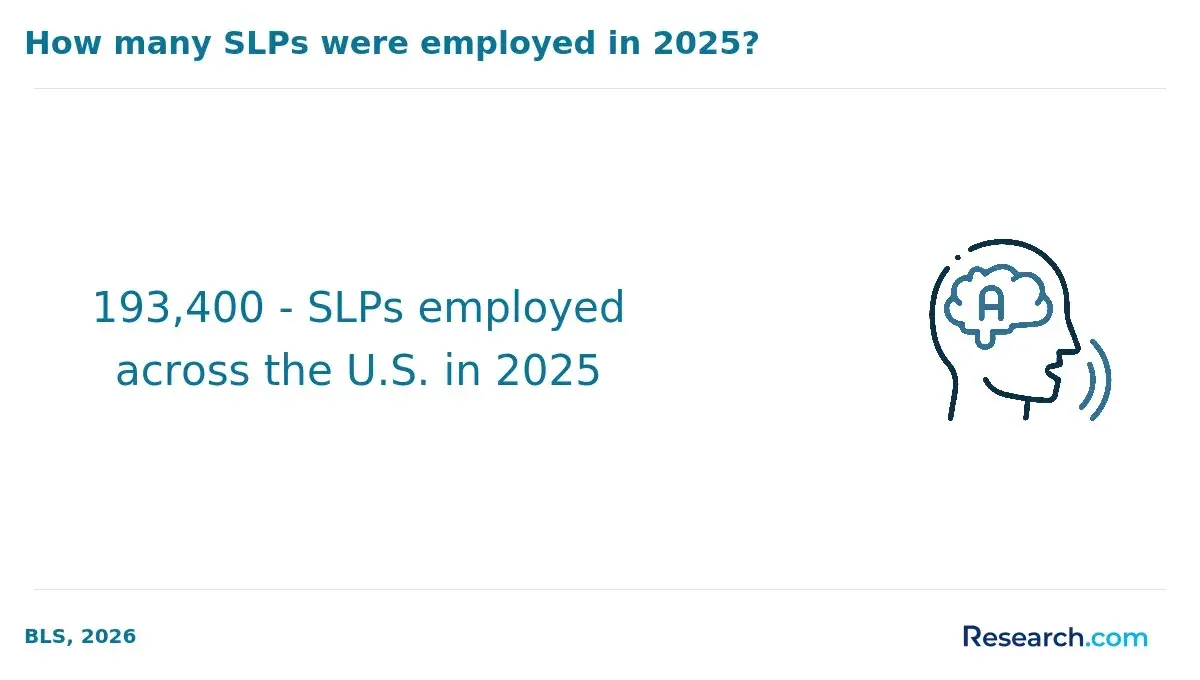
How many certified SLPs and audiologists are there?

What ethical and legal guidelines should you observe as a speech language pathologist in West Virginia?

SLPs in West Virginia must practice within state law, professional standards, employer policies, and client privacy rules. Ethical practice is not limited to avoiding misconduct. It also means serving clients competently, recognizing when referral is needed, documenting accurately, and treating clients fairly regardless of location, disability, income, or background.

Legal Responsibilities

  • Hold the correct license: SLPs must maintain an active license issued through the West Virginia Board of Speech-Language Pathology and Audiology.
  • Stay within scope of practice: Assessment, diagnosis, and treatment must match the professional scope allowed for speech-language pathologists. Working outside that scope can create legal and client-safety risks.
  • Meet school or healthcare documentation rules: School-based SLPs may need IEP documentation, while healthcare SLPs may need medical necessity, treatment, and billing documentation.

Confidentiality and Data Protection

Client privacy is central to SLP practice. West Virginia SLPs must follow confidentiality requirements, including the Health Insurance Portability and Accountability Act (HIPAA) when applicable.

  • Protect patient records: Client information should be shared only with appropriate consent or legal authorization.
  • Use secure communication systems: SLPs should protect records, assessment results, therapy notes, and telepractice communications from unauthorized access.
  • Be careful with school records: School-based providers must understand how student privacy rules interact with clinical and educational documentation.

Common Ethical Issues

  • Resource limitations: Rural or underfunded settings may lack specialized materials, interpreters, equipment, or referral options. SLPs must still provide responsible care and advocate for appropriate support.
  • High caseloads: Large caseloads can pressure clinicians to reduce service quality. Ethical practice requires honest documentation and communication about service needs.
  • Telepractice boundaries: Remote services require privacy, appropriate technology, informed consent, and clinical judgment about whether teletherapy is suitable for the client.
  • Mandated reporting: SLPs are mandated reporters for suspected abuse or neglect and must act promptly when reporting duties apply.

Joining professional networks, monitoring state board updates, and participating in continuing education can help SLPs stay compliant as telepractice rules, documentation standards, and technology use evolve.

How much can you earn as a speech language pathologist in West Virginia?

Speech-language pathologists in West Virginia earn an average salary of approximately $66,000 per year, with a median salary around $64,000. The national average is about $80,000 annually. Salary varies by setting, location, experience, specialty, schedule, and whether the role includes supervision, travel, or hard-to-fill service areas.

Salary Snapshot

  • Average salary in West Virginia: $66,000
  • Median salary in West Virginia: $64,000
  • National average salary: $80,000

Settings That May Affect Earnings

  1. Healthcare and social assistance: Hospitals, rehabilitation centers, skilled care environments, and outpatient clinics often pay competitively because they require medical documentation, complex cases, and sometimes swallowing expertise.
  2. Educational services: Public and private schools employ many SLPs, especially for early intervention, language support, articulation, fluency, and IEP-related services.
  3. Government roles: State and local agencies may offer structured benefits, retirement plans, and stable employment arrangements.

West Virginia Locations to Watch

  1. Charleston: As the state capital, Charleston may offer school, healthcare, and agency-based opportunities.
  2. Morgantown: Its university and healthcare presence can create both clinical and academic-adjacent opportunities.
  3. Huntington: Healthcare growth and regional service needs can support demand for SLPs.

When comparing offers, look beyond base pay. Benefits, retirement contributions, paid time off, continuing education support, supervision quality, caseload size, documentation expectations, travel requirements, and loan repayment opportunities can change the true value of a job.

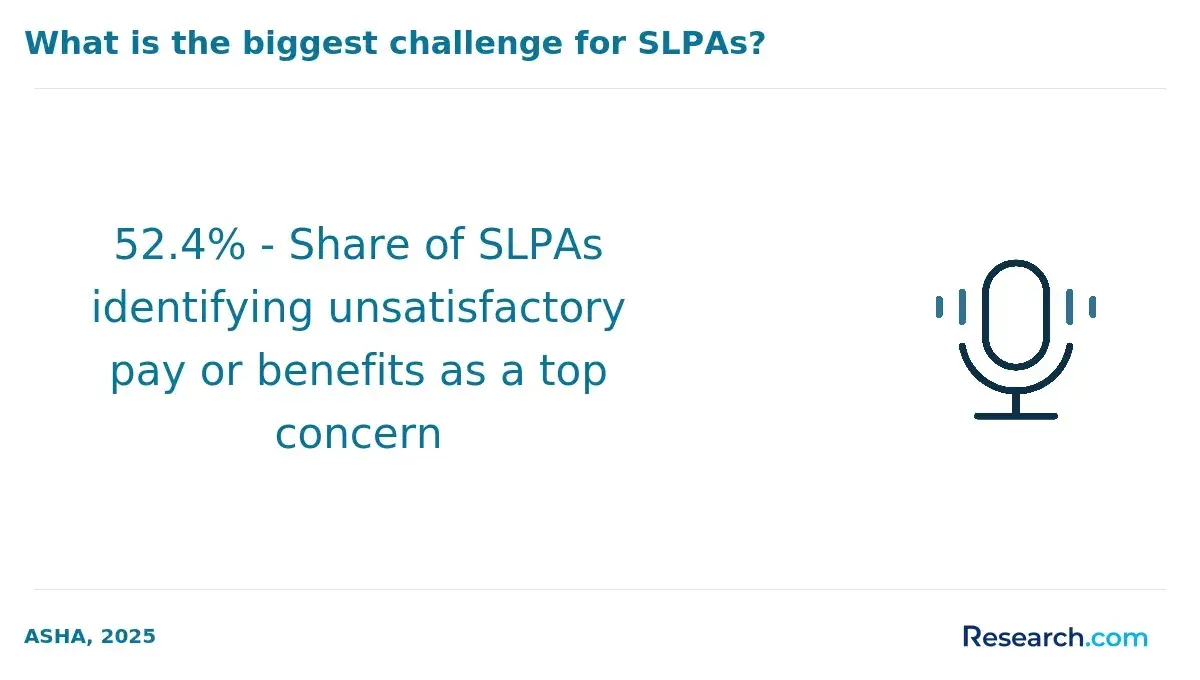
What is the top-paying industry for SLPs?

What is the job market like for a speech language pathologist in West Virginia?

The job market for SLPs in West Virginia is strongest where speech-language services are essential but provider availability is limited. Schools, healthcare facilities, rehabilitation providers, early intervention programs, private practices, and teletherapy organizations are common employers. According to the U.S. Bureau of Labor Statistics, employment of SLPs is projected to grow by 25% from 2019 to 2029, much faster than average for all occupations.

  • Schools remain a major employer. School-based SLPs support students with speech sound disorders, language delays, fluency disorders, social communication needs, and communication goals in IEPs.
  • Healthcare roles may require specialized skills. Medical settings often value experience with swallowing, cognitive-communication disorders, neurological conditions, and interdisciplinary care.
  • Rural need can create opportunity. Rural areas may have fewer applicants and more unfilled roles, but jobs can involve travel, broad caseloads, and limited specialty support.
  • Urban competition may be stronger. Areas such as Charleston and Morgantown can attract more applicants because they offer larger healthcare systems and educational institutions.
  • Telepractice is changing access. Remote service delivery may help reach clients in underserved areas, although it requires appropriate technology, privacy safeguards, and clinical judgment.
Work SettingBest Fit ForTrade-Offs to Consider
Public schoolsSLPs who enjoy child development, IEP teamwork, and academic supportCaseload size, paperwork, school calendar, and special education compliance demands
Hospitals and rehabilitation centersSLPs interested in adult neurogenic disorders, swallowing, and medical teamsHigher clinical complexity, documentation pressure, and possible weekend or variable schedules
Private practiceSLPs who want varied clients, flexibility, or entrepreneurshipBusiness operations, billing, referrals, and income variability
TeletherapySLPs comfortable with technology and remote service deliveryTechnology barriers, privacy requirements, and limits for clients who need hands-on support
Rural community practiceSLPs who value access-focused work and broad community impactTravel, limited referral networks, and wide-ranging caseload needs

What career and advancement opportunities are available for a speech language pathologist in West Virginia?

SLPs in West Virginia can build careers in direct care, supervision, program leadership, telepractice, consulting, research, and education. Advancement usually depends on clinical expertise, documentation quality, leadership ability, specialization, and willingness to serve high-need settings.

  • Entry-level roles: New graduates often begin in schools, hospitals, rehabilitation centers, outpatient clinics, or private practices. Early roles focus on assessment, therapy delivery, documentation, and learning how to manage caseloads.
  • Specialized clinical roles: Experienced SLPs may focus on pediatric language, autism-related communication, fluency, augmentative and alternative communication, swallowing, voice, neurogenic communication disorders, or teletherapy.
  • Mid-level leadership: SLPs can become lead clinicians, clinical supervisors, program coordinators, or school district service leads. These roles require mentoring, scheduling, compliance awareness, and quality improvement skills.
  • Senior leadership: With experience, SLPs may become department heads, clinical directors, special education administrators, or service-line leaders responsible for staffing, budgets, policies, and program outcomes.
  • Alternative pathways: Telehealth, consulting, community outreach, higher education, training, and research can appeal to SLPs who want to expand beyond traditional caseload-based work.

Professionals who want to compare flexible education options can review audiology and speech pathology master’s programs online, especially if they need a pathway that accommodates work, family, or rural residence. Always confirm accreditation and clinical placement support before enrolling.

How can ongoing professional development boost your career as an SLP in West Virginia?

Continuing education is more than a license-renewal task. It can help West Virginia SLPs move into better roles, serve more complex clients, and respond to changes in school policy, healthcare documentation, telepractice, and treatment technology. Workshops, conferences, specialty training, supervision experience, and association involvement can all strengthen clinical judgment and professional visibility.

SLPs working in schools may also benefit from understanding how teachers plan instruction, manage classrooms, and support literacy development. For professionals interested in education-centered collaboration, this guide on how to become an elementary school teacher in West Virginia can provide useful context.

How do compensation trends influence career planning for SLPs in West Virginia?

Compensation should shape—not control—your career plan. A lower salary can still be workable if the job offers strong benefits, manageable caseloads, continuing education funding, retirement contributions, or a lower cost of living. A higher-paying position may be less attractive if it involves excessive travel, weak supervision, unsustainable productivity expectations, or limited growth.

SLPs should compare salary by setting, region, experience, specialty, and credentials. Understanding the value of advanced credentials can also support negotiation and long-term planning. For related salary context, review Research.com’s article on CCC-SLP salary.

How can you transition from clinical practice to leadership roles in West Virginia?

Moving from direct therapy into leadership requires a shift in focus. Instead of managing only your own caseload, you may oversee staffing, compliance, budgets, service delivery models, data reporting, and training. Strong leaders understand both client care and organizational constraints.

  • Build supervision skills: Mentor students, clinical fellows, or assistants when qualified and permitted.
  • Learn program operations: Understand scheduling, referrals, service delivery models, and documentation systems.
  • Use data: Track outcomes, caseload trends, service gaps, and quality indicators.
  • Develop communication across departments: Leadership roles require collaboration with administrators, physicians, educators, families, and community partners.

Some SLPs also explore nonclinical information, education, or community-based roles. For example, professionals considering broader public-service or academic environments may review how to become a librarian in West Virginia as a related career-planning resource.

What factors should you consider when choosing your degree program for speech language pathology?

The right program is the one that prepares you for licensure, supports your clinical goals, fits your budget, and helps you graduate without avoidable delays. Rankings and reputation can be useful, but they should not replace a careful review of accreditation, clinical placements, student outcomes, and cost.

Decision AreaWhat to Look ForWarning Sign
AccreditationCAA-recognized speech-language pathology programUnclear accreditation status or vague licensure language
Clinical placement supportDocumented process for securing and supervising placementsStudents must find all placements without meaningful program help
Licensure alignmentProgram explains how graduates meet West Virginia requirementsProgram cannot confirm state-specific eligibility
FormatCampus, hybrid, or online model that fits your scheduleOnline flexibility advertised without clear clinical requirements
Cost and aidTransparent tuition, fees, aid, assistantships, and loan optionsOnly tuition is listed while major fees are unclear
Career fitPlacements and faculty expertise match your goalsLimited exposure to your preferred population or setting

Students still completing undergraduate preparation can compare options such as the best online bachelor of audiology and speech language pathology to understand possible starting points before graduate study.

Can transitioning to school psychology complement your SLP career in West Virginia?

School psychology and speech-language pathology are distinct professions, but they overlap in school-based student support. An SLP who understands psychological assessment, behavior, learning challenges, and intervention planning can collaborate more effectively with school psychologists and special education teams.

This does not mean an SLP can practice as a school psychologist without separate training and certification. Professionals considering a formal transition should review the education and credentialing pathway for how to become a school psychologist in West Virginia.

What financial challenges and opportunities should you consider?

Speech-language pathology requires a major upfront investment because independent practice requires graduate education, clinical training, exams, and licensure. Students should estimate the full cost before enrolling, not just advertised tuition.

  • Calculate total program cost: Include tuition, fees, books, travel to clinical sites, background checks, exam fees, technology, and living expenses.
  • Ask about assistantships and scholarships: Some programs may offer funding, but availability varies.
  • Consider work limitations: Clinical placements can make full-time employment difficult during graduate school.
  • Compare debt to expected earnings: Use the West Virginia average salary of approximately $66,000 as one reference point, while recognizing that individual salaries vary.
  • Investigate service-based support: Some education or healthcare roles may offer repayment, stipends, or incentives, but terms should be verified with the employer or program.

Some professionals broaden their career flexibility through education-related credentials or related fields. For example, those interested in classroom-based communication and literacy work may review how to become an English teacher in West Virginia.

What challenges should you consider as a speech language pathologist in West Virginia?

Speech-language pathology can be deeply rewarding, but it is not an easy career. In West Virginia, challenges often relate to caseload size, rural access, limited resources, documentation demands, and the need to serve clients with diverse and complex needs.

  • High caseloads: School and community providers may manage large caseloads, which can limit planning time and increase stress.
  • Administrative workload: Documentation, meetings, billing, compliance reports, progress notes, and IEP paperwork can take substantial time away from direct therapy.
  • Resource constraints: Some schools and facilities may lack updated materials, testing tools, assistive technology, or specialty referral options.
  • Rural access barriers: Travel distance, broadband limitations, provider shortages, and limited specialty services can complicate care delivery.
  • Unqualified service providers: When individuals offer speech-related services without proper training, families may become confused about professional standards and evidence-based care.
  • Broad client needs: SLPs may work with clients across ages, diagnoses, cultures, literacy levels, and family situations, requiring continuous learning.
  • Burnout risk: The emotional and administrative demands of the job can be high, especially when support systems are weak.

The best preparation is to choose strong clinical training, ask employers direct questions about workload, seek mentorship, and use continuing education strategically. Students comparing graduate training options may find it helpful to review the top audiology and speech pathology grad schools.

How does the interdisciplinary nature of the profession impact speech language pathologists in West Virginia?

SLPs rarely work in isolation. In schools, they collaborate with teachers, special education staff, school psychologists, counselors, administrators, and families. In healthcare, they coordinate with physicians, nurses, occupational therapists, physical therapists, dietitians, social workers, and caregivers. This teamwork is especially important in West Virginia communities where one provider may need to coordinate across multiple roles and service systems.

In school settings, collaboration often centers on Individualized Education Programs, classroom communication demands, literacy development, and student participation. SLPs who want to understand educator roles more deeply can review how to become a special education teacher in West Virginia.

In medical settings, interdisciplinary practice can be essential for clients with neurological conditions, swallowing disorders, traumatic brain injury, progressive disease, or complex recovery needs. The SLP’s communication and swallowing expertise becomes more valuable when integrated into a broader care plan.

What other career paths can speech language pathologists in West Virginia consider?

SLPs who want to expand or redirect their careers can consider related roles in education, administration, audiology, counseling-adjacent collaboration, assistive technology, higher education, consulting, and program leadership. Some may remain licensed SLPs while adding specialized training; others may pursue a separate credential for a new profession.

  • Education roles: Teaching, special education support, literacy intervention, instructional coaching, or school administration may appeal to SLPs who enjoy academic environments.
  • Audiology-related pathways: SLPs with strong interest in hearing, communication access, and auditory processing may explore additional graduate training.
  • Assistive technology: Experience with augmentative and alternative communication can lead to consulting or specialized support roles.
  • Program administration: Experienced clinicians may move into district, clinic, nonprofit, or healthcare management.
  • Policy and advocacy: SLPs can support access to services, rural care models, and disability rights through public agencies or professional associations.

For SLPs considering education credentials, Research.com’s guide to the types of teaching certificates in West Virginia can help clarify possible routes.

How can pursuing school counseling training benefit your SLP career in West Virginia?

School counseling training can help SLPs better understand student mental health, family stressors, behavior, academic planning, and referral systems. While counseling is a separate profession with its own credentialing requirements, the perspective can improve collaboration in schools and support more complete student service plans.

SLPs interested in formal school counseling credentials should review how to become a school counselor in West Virginia before assuming that SLP training transfers directly.

Can integrating marriage and family therapy approaches enhance client outcomes in West Virginia?

Family systems can strongly influence communication progress. A child’s home practice, caregiver stress, family routines, and communication patterns can affect therapy outcomes. SLPs do not need to become marriage and family therapists to use family-centered communication strategies, but formal therapy practice requires separate qualifications.

Professionals who want deeper training in family systems should review the pathway for how to become a MFT in West Virginia. For SLPs, the practical takeaway is to involve caregivers respectfully, set realistic home goals, and refer families to qualified mental health professionals when needs exceed the SLP scope of practice.

Can integrating psychology enhance your SLP practice in West Virginia?

Psychology can strengthen SLP practice by improving understanding of behavior, learning, motivation, attention, trauma, emotional adjustment, and cognitive development. These factors often affect communication performance, especially in school-based, neurogenic, developmental, and rehabilitation cases.

SLPs should remain within their professional scope, but psychology-informed collaboration can improve assessment interpretation and treatment planning. Those considering additional academic study can explore the best psychology schools in West Virginia.

How can mental health counseling complement your SLP practice in West Virginia?

Mental health counseling knowledge can help SLPs recognize emotional and psychosocial factors that affect communication therapy. Anxiety, social isolation, grief, bullying, caregiver stress, and frustration can influence participation and progress. SLPs should not provide mental health counseling unless separately qualified, but they can collaborate with counselors and make appropriate referrals.

For professionals considering a separate counseling pathway, Research.com outlines mental health counselor requirements in West Virginia.

Common Mistakes to Avoid When Planning an SLP Career in West Virginia

MistakeWhy It Can Hurt YouBetter Approach
Choosing a program without checking accreditationYou may not qualify for licensure if the program does not meet required standards.Verify CAA recognition and state licensure alignment before applying.
Looking only at tuitionFees, travel, clinical placement costs, and exam costs can change affordability.Estimate the full cost of attendance and compare financial aid options.
Assuming online means fully remoteClinical requirements still require supervised client experience.Ask how practicum placements are arranged and approved.
Ignoring school-specific requirementsSchool-based work may involve additional documentation or credential expectations.Confirm public school requirements before graduation.
Accepting a job without asking about caseloadLarge caseloads and weak support can lead to burnout.Ask about caseload size, paperwork, supervision, materials, and scheduling.
Assuming salary outcomes are guaranteedPay varies by region, employer, setting, and experience.Compare total compensation, benefits, and workload before deciding.

What do speech language pathologists say about their careers in West Virginia?

Working as a speech-language pathologist in West Virginia can feel especially meaningful because communities are closely connected. Collaboration with local schools and healthcare providers often becomes part of daily practice, and therapy can make a visible difference for clients who have limited access to services. Rose

School-based practice in West Virginia offers steady opportunities to help children with speech and language delays. The professional network can also support ongoing learning, especially as technology and service models continue to change. Jamie

The variety of clients is one of the strengths of practicing in the state. Teletherapy is also expanding possibilities for reaching clients in remote areas, although clinicians still need to evaluate whether remote care is appropriate for each case. Hanah

Key Insights

  • A master’s degree is required. West Virginia SLPs need a graduate degree in speech-language pathology from an accredited program; a bachelor’s degree alone is not enough for independent practice.
  • Licensure requires multiple steps. Candidates complete 400 practicum hours, a 1,260-hour Clinical Fellowship, the Praxis exam, the Jurisprudence Exam, a background check, and a state license application.
  • Accreditation should be your first program filter. Programs recognized by the American Speech-Language-Hearing Association Council on Academic Accreditation are essential for licensure planning.
  • West Virginia offers opportunity, especially in high-need areas. Rural shortages, school demand, healthcare needs, and teletherapy growth can create openings for well-prepared clinicians.
  • Salary must be evaluated with cost of living and benefits. The state average of approximately $66,000 is below the national average of around $80,000, but housing costs are about 20% lower than the national average.
  • Work setting affects your career experience. Schools, hospitals, private practices, rural service roles, and teletherapy jobs differ sharply in caseload, documentation, schedule, and required skills.
  • Do not choose a program or job based on one factor. Accreditation, clinical placements, licensure alignment, total cost, supervision, caseload, and long-term advancement matter more than reputation or salary alone.

References:

  • ASHA. (2023). Education and certification trends in communication sciences and disorders (CSD). ASHA.
  • ASHA. (n.d.). West Virginia Licensing Requirements for Audiologists and Speech-Language Pathologists. ASHA.
  • campusexplorer.com (n.d.). Speech-Language Pathologists Overview. campusexplorer.com.
  • catalog.wvu.edu (n.d.). Speech-Language Pathology, M.S. catalog.wvu.edu.
  • National Institute on Deafness and Other Communication Disorders. (2023). Quick Statistics About Voice, Speech, Language, and Swallowing. NIDCD.
  • research.com (23 Oct 2024). 2024 Most Popular Speech Pathology Degree Programs Ranking in West Virginia. research.com.
  • slpjobs.com (09 Oct 2020). Speech-Language Pathologist Jobs in West Virginia. slpjobs.com.
  • speechpathologistprograms.com (19 Mar 2024). West Virginia Speech-Language Pathologist Licensure Guide - 2024. speechpathologistprograms.com.
  • speechpathologygraduateprograms.org (03 Nov 2016). How to Become a Speech Therapist in West Virginia. speechpathologygraduateprograms.org.
  • speechpathologygraduateprograms.org (07 Dec 2011). Speech-Language Pathologist Jobs. speechpathologygraduateprograms.org.
  • wvspeechandaudiology.com (18 Oct 2024). Notice of Agency Approval of Proposed Rule 29CSR1. wvspeechandaudiology.com.
  • wvspeechandaudiology.com (n.d.). Speech-language pathology and audiology assistants; supervision requirements. wvspeechandaudiology.com.

Other Things You Should Know About Becoming a Speech Language Pathologist in West Virginia

What are the requirements to become a speech language pathologist in West Virginia in 2026?

In 2026, aspiring speech-language pathologists in West Virginia must earn a master's degree in speech-language pathology, complete a supervised clinical fellowship, pass the Praxis exam, and apply for a state license through the West Virginia Board of Examiners for Speech-Language Pathology and Audiology.

What is the process for obtaining certification as a speech-language pathologist in West Virginia in 2026?

To gain certification in West Virginia in 2026, you must earn a master's degree in speech-language pathology, complete a clinical fellowship, and pass the Praxis exam. Licensure also requires maintaining continuing education and adhering to renewal processes. Joining the ASHA provides additional professional benefits.

Do you need a license to become a speech language pathologist?

To become a speech-language pathologist (SLP) in West Virginia, obtaining a license is not just advisable; it is legally required. Practicing without a license can lead to severe legal ramifications, including fines, civil penalties, and potential criminal charges. For instance, an unlicensed individual providing therapy could face lawsuits from clients or their families, resulting in financial and reputational damage.

To navigate the licensing process effectively, aspiring SLPs should consider the following steps:

  • Educational Requirements: Complete a master’s degree in speech-language pathology from an accredited program.
  • Clinical Experience: Accumulate supervised clinical hours, which are essential for practical training.
  • Examination: Pass the Praxis Examination in Speech-Language Pathology to demonstrate competency.

Looking ahead, the field of speech-language pathology in West Virginia is poised for growth, driven by advancements in teletherapy and technology. As remote services become more prevalent, SLPs may find themselves working with clients across state lines, necessitating an understanding of varying licensing requirements. Furthermore, the integration of artificial intelligence in diagnostic tools could revolutionize treatment approaches, allowing for more personalized care.

In this evolving landscape, staying informed about legal and technological changes will be crucial for future SLPs, ensuring they remain compliant and effective in their practice.

Related Articles
2026 How to Become a Speech Language Pathologist in Delaware thumbnail
Careers JUN 17, 2026

2026 How to Become a Speech Language Pathologist in Delaware

by Imed Bouchrika, PhD
2026 How to Become a Speech Language Pathologist in Washington thumbnail
Careers JUN 17, 2026

2026 How to Become a Speech Language Pathologist in Washington

by Imed Bouchrika, PhD
2026 How to Become a Speech Language Pathologist in Idaho: Requirements & Certification thumbnail
2026 How to Become a Speech Language Pathologist in Arkansas thumbnail
Careers JUN 17, 2026

2026 How to Become a Speech Language Pathologist in Arkansas

by Imed Bouchrika, PhD
2026 How to Become a Speech Language Pathologist in Colorado: Requirements & Certification thumbnail
2026 How to Become a Speech Language Pathologist in Iowa thumbnail
Careers JUN 17, 2026

2026 How to Become a Speech Language Pathologist in Iowa

by Imed Bouchrika, PhD

Recently Published Articles

Newsletter & Conference Alerts

Research.com uses the information to contact you about our relevant content.
For more information, check out our privacy policy.

Newsletter confirmation

Thank you for subscribing!

Confirmation email sent. Please click the link in the email to confirm your subscription.