2027 Cheapest Way to Get a Teaching Credential in West Virginia: Requirements & Certification

Co-Founder and Chief Data Scientist
Getting a teaching credential in West Virginia can be affordable, but the cheapest route depends on your starting point: whether you already have a bachelor’s degree, whether you need a full education degree, whether you want to teach in a public or private school, and whether you can work while completing certification requirements. The lowest-cost option is not always the best option if it delays licensure, fails to meet West Virginia Department of Education requirements, or limits the grade levels and subjects you can teach.
This guide explains how to compare traditional teacher preparation programs, alternative certification, online programs, out-of-state credential transfer, renewal requirements, salary expectations, and career paths in West Virginia. It is written for prospective teachers, career changers, out-of-state educators, international applicants, and current teachers trying to keep certification costs under control.
Quick Answer: What is the cheapest way to get a teaching credential in West Virginia?
The most affordable route is usually one of three options: complete a state-approved teacher preparation program at an in-state public institution, start at a community college before transferring to a four-year program, or use an alternative certification pathway if you already hold a bachelor’s degree. Candidates should also budget for Praxis exams, the $35 initial license application fee, fingerprinting, background checks, transcripts, and possible renewal coursework.
If you already have a bachelor’s degree, alternative certification may reduce both time and upfront tuition costs because it can allow you to begin teaching in a high-need area while completing certification requirements. If you do not have a degree yet, the most cost-conscious path is often to complete lower-division credits at a community college, transfer to a state-approved four-year educator preparation program, and use scholarships, grants, and transfer credits strategically.
Key Things You Should Know About the Cheapest Way to Get a Teaching Credential in West Virginia
- West Virginia has 19 institutions that offer teacher preparation programs, giving candidates multiple traditional routes to licensure through approved colleges and universities.
- Praxis exam fees are a required cost for many candidates and typically range from $90 to $150 each, depending on the test.
- The initial application fee for a West Virginia teaching license is $35, which should be included in your certification budget.
- Alternative certification can be a lower-cost route for people who already hold a bachelor’s degree and want to teach in areas where districts need qualified educators.
- Your intended grade level and subject area matter. Elementary education, special education, secondary subjects, music, history, math, and early childhood pathways can have different coursework and assessment requirements.
- Out-of-state teachers may be able to use prior credentials, but they must still meet West Virginia requirements for accreditation, program approval, GPA, testing, or exemption criteria.
- International applicants can pursue licensure, but they should plan for credential evaluation, application documentation, and background verification requirements.
- Online programs can reduce commuting and scheduling costs, but they still need to be accredited and accepted for West Virginia certification.
- Additional costs such as fingerprinting, background checks, transcripts, testing preparation, and renewal coursework can affect the true total cost.
- The best choice is the one that meets West Virginia Department of Education standards at the lowest total cost, not simply the program with the lowest advertised tuition.
- How much does it cost to become a teacher in West Virginia?
- Can a foreigner get a West Virginia teaching license?
- Can I get my teaching credential online in West Virginia?
- Can I teach in West Virginia with an out of state credential?
- How many years do you have to teach in West Virginia to retire?
- What happens if my West Virginia teaching credential expires?
- How many units is a West Virginia teaching credential?
- How much do teachers in West Virginia make?
- What is the job outlook of teachers in West Virginia?
- What is the career path of a teacher in West Virginia?
- What alternative careers can teachers pursue in West Virginia?
- Can earning an advanced degree accelerate my teaching career in West Virginia?
- What are the differences between public and private school teaching in West Virginia?
- How can I start my career as a kindergarten teacher in West Virginia?
- What are the advantages of a preschool teaching credential in West Virginia?
- What Opportunities Exist for Ongoing Professional Development in West Virginia?
- How can I become a high school history teacher in West Virginia?
- How can I specialize in history teaching in West Virginia?
- How can I navigate music teacher education requirements in West Virginia?
- How can I enhance my digital teaching readiness in West Virginia?
- What are the detailed West Virginia teacher certification requirements?
How much does it cost to become a teacher in West Virginia?
The total cost of becoming a teacher in West Virginia depends on the route you choose. A first-time college student usually pays for a degree program, testing, application fees, and background-related requirements. A career changer who already has a bachelor’s degree may be able to reduce costs through an alternative certification route. An out-of-state teacher may avoid repeating a full preparation program if prior credentials meet West Virginia standards.
| Cost Area | What to Expect | How to Keep It Lower |
| Tuition | West Virginia has 19 institutions with teacher preparation programs. Costs vary by institution, degree level, residency status, and delivery format. | Compare in-state public colleges, begin at a community college, confirm transfer agreements, and apply for grants or scholarships before borrowing. |
| Praxis exams | Required Praxis tests commonly cost between $90 and $150 each. | Use free test-prep materials, take practice tests early, and avoid retakes by matching the correct exam to your endorsement area. |
| Initial license application | The initial West Virginia teaching license application fee is $35. | Prepare documents carefully before submitting so you do not delay the process or create additional transcript and documentation expenses. |
| Background-related requirements | Fingerprinting and background checks are necessary for licensure and may vary by district or requirement. | Ask your program or district which vendor and process to use before paying fees. |
| Living and commuting costs | Cost pressures can vary based on whether you attend online, commute, relocate, or complete student teaching away from home. | Consider online or hybrid coursework when approved, and plan student teaching placements early. |
| Alternative certification | Candidates with a bachelor’s degree may qualify for a route that allows them to complete certification requirements while moving toward classroom employment. | Confirm that the program is recognized by West Virginia and aligned with the subject and grade level you want to teach. |
The cheapest path is usually the one that uses the credits and credentials you already have. If you are starting from zero college credit, community college plus transfer can be cost-effective. If you already have a bachelor’s degree, alternative certification may be faster and less expensive than earning a second undergraduate degree. If you are still exploring education roles broadly, Research.com’s guide to careers in educational leadership can help you understand longer-term options beyond the classroom.
Best low-cost routes by student type
| Your Situation | Likely Lowest-Cost Route | What to Verify First |
| No bachelor’s degree yet | Community college credits followed by transfer into an approved in-state educator preparation program. | Transferability, accreditation, student teaching requirements, and licensure alignment. |
| Bachelor’s degree in another field | Alternative certification in an approved subject or shortage area. | District eligibility, required coursework, Praxis exams, and whether employment is required before certification. |
| Current out-of-state teacher | Apply through West Virginia’s out-of-state credential process. | Regional accreditation, state-approved preparation program, GPA, exam requirements, and license status. |
| International applicant | Credential evaluation followed by WVDE certification application and any required testing or coursework. | Transcript evaluation, Social Security number requirements, background verification, and program equivalency. |
| Working adult | Accredited online or hybrid teacher preparation program accepted by West Virginia. | Field placement logistics, state approval, tuition structure, and testing requirements. |
Can a foreigner get a West Virginia teaching license?
Yes. A foreign-trained educator can pursue a West Virginia teaching license, but the process requires documentation that shows the applicant’s education is comparable to U.S. standards and meets state certification requirements. The most important cost-control step is to understand the documentation requirements before paying for evaluations, transcripts, translations, or applications.
- Start with credential evaluation: International academic records generally must be reviewed by an appropriate evaluation service so West Virginia can determine whether the education meets U.S. expectations.
- Prepare official records early: Delays often happen when applicants submit incomplete transcripts, missing translations, or unofficial documents.
- Use the electronic application process: West Virginia’s certification process is handled digitally, so applicants should maintain a reliable email address and monitor application updates closely.
- Plan for Social Security number requirements: A Social Security number is part of the verification process connected to National Association of State Directors of Teacher Education and Certification checks.
- Compare approved preparation options: If additional coursework is required, local public universities, community colleges, and online programs may offer more affordable options than private or non-approved programs.
Foreign applicants interested in specialized subjects should also compare the cost and recognition of subject-specific programs. For example, candidates exploring physical education may find useful program research in Research.com’s online physical education degree rankings. The key is to avoid spending money on coursework before confirming that it supports West Virginia licensure.
Can I get my teaching credential online in West Virginia?
Yes, you can complete parts of the teacher credential pathway online in West Virginia, and some accredited programs are designed for working adults. However, “online” does not remove all in-person requirements. Most teaching pathways still include supervised classroom experience, student teaching, field placements, testing, and background checks.
Online programs can be cost-effective because they may reduce commuting, relocation, and scheduling costs. They are only a smart choice if they are accredited, aligned with West Virginia Department of Education requirements, and able to arrange field experience where you live.
- Check state approval first. Do not enroll until you know the program can lead to the West Virginia license and endorsement you want.
- Confirm accreditation. Accreditation affects licensure eligibility, transfer credit, employer recognition, and financial aid access.
- Ask about field placements. Online coursework may be flexible, but clinical practice usually must occur in an approved classroom setting.
- Compare total cost, not only tuition. Include technology fees, books, testing, travel to placements, transcript fees, and application expenses.
- Prepare for Praxis exams early. Praxis requirements vary by teaching area, and retesting can add avoidable cost.
- Use financial aid carefully. Scholarships, grants, and federal aid can reduce costs, but borrowing should be compared against expected salary and timeline to employment.
If you are comparing online undergraduate education programs, Research.com’s guide to top online education bachelor's degrees can help you evaluate flexible options. Use rankings as a starting point, not a substitute for confirming West Virginia licensure eligibility.
Can I teach in West Virginia with an out of state credential?
Yes, an educator with an out-of-state credential may be able to teach in West Virginia, but approval is not automatic. West Virginia reviews whether your degree, preparation program, grades, testing, and license history meet state requirements.
- Accredited degree: Your degree must come from a regionally accredited institution.
- Approved preparation program: The educator preparation program must have been approved by the education agency in the state where you completed it.
- Minimum GPA: A Provisional Professional Teaching Certificate requires a minimum GPA of 2.5 for a bachelor’s degree or 3.0 for a master’s degree.
- Testing: You must pass the applicable Praxis exams or qualify for an exemption listed in West Virginia’s licensure testing directory.
If your out-of-state license expired within the last five years, you may be eligible for a Statement of Eligibility. That can help you pursue public school positions in approved endorsement areas. After employment, you may apply for a Provisional Teaching Certificate and later move toward a Professional Teaching Certificate after meeting additional West Virginia Board of Education requirements.
For educators with Career and Technical Education credentials, the rules can differ, so review the specific WVBE policies before assuming a credential will transfer. If you are also considering education-adjacent roles, Research.com’s overview of library science career opportunities may be useful for comparing school-based career paths.
How many years do you have to teach in West Virginia to retire?
Teacher retirement in West Virginia is tied to the Teachers’ Retirement System and depends on eligibility rules such as service credit, age, employment history, and the specific retirement plan provisions that apply to you. Because retirement eligibility can change based on individual circumstances, teachers should verify their status directly with the appropriate retirement office instead of relying on a general estimate.
When evaluating the affordability of becoming a teacher, retirement benefits should be part of the long-term return-on-investment calculation. A low-cost credential can help reduce debt, but pension eligibility, salary progression, health benefits, and years of service all affect the financial value of the career over time.
Questions to ask before choosing a credential route
- Will this route qualify me for public school employment in West Virginia?
- Will years taught while on a provisional or alternative certificate count toward the benefits I expect?
- How does my starting salary compare with the debt I may take on?
- Does the school district offer mentoring, tuition support, or professional development?
- How will additional endorsements or graduate credits affect salary placement?
What happens if my West Virginia teaching credential expires?
If your West Virginia teaching credential expires, you may lose the legal authorization needed to continue teaching until renewal requirements are completed. This can affect employment, contract renewal, and your ability to move between districts. The lowest-cost strategy is prevention: track expiration dates, complete renewal requirements early, and keep documentation organized.
One renewal option is to complete six semester hours of relevant college coursework after initial certification. The coursework should connect to the public school curriculum and must maintain a minimum GPA of 3.0. Another option is to complete two e-learning courses through the West Virginia Department of Education. Those e-learning courses may be less expensive, but they do not count toward salary advancement.
| Renewal Option | Cost Consideration | Important Trade-Off |
| Six semester hours of college coursework | Tuition varies by institution and course format. | Can support professional growth and may be useful for salary advancement depending on district policy. |
| Two WVDE e-learning courses | Often a more budget-conscious option than college coursework. | Does not contribute to salary advancement. |
| Waiting until expiration | Can create urgent costs, employment risk, and administrative delays. | May interrupt your ability to teach legally. |
Waivers are generally reserved for exceptional circumstances, and not knowing the rules is not treated as a strong reason for missing requirements. Teachers should contact the WVDE certification section, their district human resources office, or their school administrator well before expiration.
How many units is a West Virginia teaching credential?
West Virginia does not define a teaching credential only by a single number of “units.” The credits you need depend on the degree and certification pathway. In general, an associate degree requires at least 60 credit hours, while a bachelor’s degree is commonly around 120 credit hours. For most public school teaching roles, candidates need a bachelor’s degree plus completion of an approved teacher preparation program and any required exams or clinical experiences.
Credit planning matters because excess credits can increase cost without improving licensure eligibility. Before enrolling, ask an advisor to map every required course to your intended endorsement area.
How to avoid paying for unnecessary credits
- Choose the endorsement first. Decide whether you want elementary, secondary, special education, early childhood, music, history, math, or another certification area before selecting courses.
- Use transfer credits strategically. Community college credits can reduce cost, but only if they transfer into the approved bachelor’s program.
- Confirm program approval. A low-cost degree that does not meet West Virginia licensure standards can become expensive if you must complete additional coursework later.
- Ask for a degree audit. A written plan helps you identify required courses, field experiences, and testing checkpoints.
- Compare online and campus fees. Online tuition may be competitive, but technology or placement fees can change the total cost.
How much do teachers in West Virginia make?
As of August 2024, public school teachers in West Virginia earn approximately $36,102 to $74,910 per year, with a median salary around $52,743. Pay varies by district, experience, education level, subject area, and local salary schedule. Teachers in Weirton earn about $57,080, while teachers in Wheeling earn around $57,373. In Adrian, salaries are closer to $51,571, and in Alkol they are around $52,040.
| Factor | How It Can Affect Pay |
| Experience | Teachers with more years in the classroom generally move up the salary schedule. |
| Education level | A master’s degree or additional graduate credits may improve salary placement in some districts. |
| Specialization | High-demand fields such as STEM or special education may improve hiring prospects or compensation opportunities. |
| Location | Urban and higher-paying districts may offer stronger salaries than smaller communities. |
| Endorsements | Additional endorsements can increase flexibility and make a candidate more competitive. |
Salary should be compared with the full cost of credentialing. A lower-cost route can improve your financial position if it still leads to the endorsement, district, and salary schedule you want. A more expensive route may be worth considering only if it clearly improves licensure speed, placement options, or long-term advancement.
What is the job outlook of teachers in West Virginia?
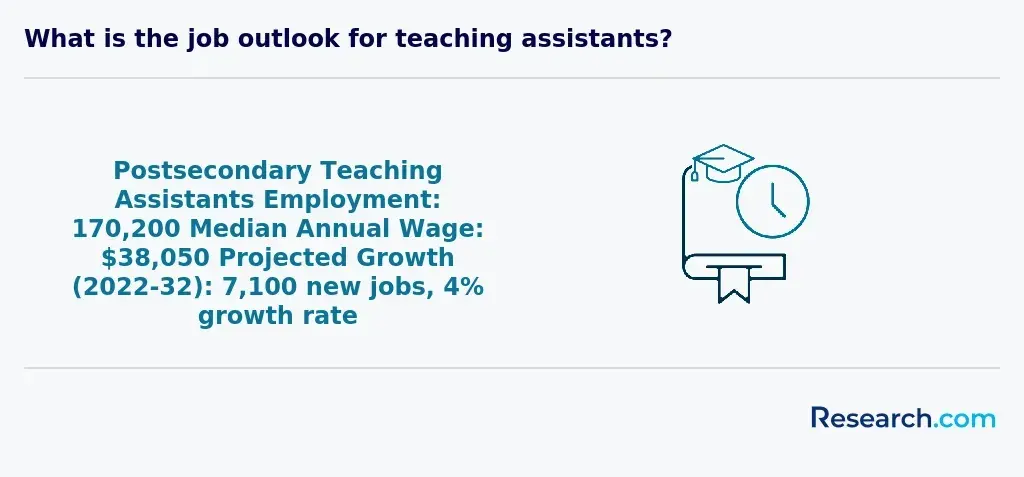
Job outlook depends heavily on the teaching field. For self-enrichment teachers in West Virginia, employment is projected to rise from approximately 740 in 2020 to around 910 by 2030. That represents 23% growth, with an estimated 110 openings each year. Nationally, growth for self-enrichment teachers is projected at 3% from 2022 to 2032.
This does not mean every teaching specialty in West Virginia has the same outlook. Shortage areas, rural districts, special education, STEM, and subject-specific needs can differ by region and school system. Candidates should speak directly with local districts before choosing an endorsement because district demand can affect job prospects, alternative certification options, and hiring timelines.
How to use job outlook when choosing a credential
- Ask districts which subjects and grade levels are hardest to fill.
- Compare the cost of each pathway with the likelihood of employment after completion.
- Consider adding an endorsement only if it improves employability and does not add excessive cost.
- Look beyond statewide trends and examine the counties where you are willing to work.
- Do not assume projected growth guarantees an individual job offer.
What is the career path of a teacher in West Virginia?
A teaching career in West Virginia can begin in several ways and expand into classroom leadership, administration, curriculum work, instructional coaching, or specialized support roles. The best route depends on whether you are a first-time student, a career changer, or already licensed elsewhere.
| Career Stage | Typical Focus | Cost-Smart Move |
| Preparation | Complete an approved degree, alternative pathway, or out-of-state credential review. | Choose the shortest approved route that fits your background and endorsement goal. |
| Initial teaching | Build classroom management, lesson planning, assessment, and family communication skills. | Use district mentoring and free professional development before paying for extra credentials. |
| Skill expansion | Add endorsements, specialize in high-need subjects, or complete graduate coursework. | Choose credentials that affect salary placement or hiring options. |
| Leadership | Move into mentor teacher, lead teacher, instructional coach, or department leadership roles. | Ask whether your district supports tuition reimbursement or leadership training. |
| Administration or advanced roles | Pursue principal, district administrator, curriculum, or higher education-related positions. | Compare graduate program cost with salary schedule benefits and promotion requirements. |
How can I become a middle school math teacher in West Virginia?
To become a middle school math teacher in West Virginia, you need preparation that combines mathematics content knowledge, adolescent learning strategies, classroom management, assessment methods, and supervised teaching experience. Candidates should make sure any program they choose is approved for the correct grade band and math endorsement. A low-cost program is only useful if it prepares you for the required exams and leads to the license area schools recognize. For a role-specific guide, review Research.com’s overview of middle school math teacher requirements in West Virginia.
What do teachers say about low-cost credential routes in West Virginia?
-
: "
“I was amazed at how affordable the online programs were in West Virginia. I completed my teaching credential for a fraction of what I expected to pay. The flexibility allowed me to work part-time while studying, which was a huge relief financially. I felt empowered knowing I could achieve my dream without drowning in debt.” – Mara
"
-
: "
“Getting my teaching credential cheaply in West Virginia was a game-changer for me. The state offers various grants and scholarships that made the process much more accessible. I never thought I could become a teacher without incurring massive student loans. Now, I’m in a classroom, inspiring kids every day, and I’m so grateful for the opportunities I had.” – Tony
"
-
: "
“I was initially worried about the quality of education I would receive from a low-cost program, but I was pleasantly surprised. The instructors were experienced and genuinely invested in my success. The affordable credentialing process allowed me to focus on what truly matters—teaching and making a difference in my students' lives.” – Riley
"
What alternative careers can teachers pursue in West Virginia?
Teachers who want to use their classroom experience outside a traditional teaching role can consider student support, curriculum, training, school administration, library services, educational technology, nonprofit education, or communication-focused careers. One option is speech-language pathology, which involves helping students improve communication skills. To pursue an SLP license in West Virginia, candidates typically need a master’s degree in speech-language pathology and must meet state-specific requirements.
Alternative careers can be a good fit for teachers who enjoy education but want a different daily routine, a specialized student-support role, or a path with different graduate education requirements. Before switching, compare the cost of additional education with licensing rules, expected salary, and the type of students or clients you want to serve.
Can earning an advanced degree accelerate my teaching career in West Virginia?
An advanced degree can support career growth, but it should be chosen carefully. A master’s degree may help teachers qualify for leadership roles, deepen instructional expertise, move toward higher education or administration, or improve salary placement where district pay schedules reward graduate education. However, graduate tuition can be substantial, so teachers should compare program cost with actual district salary benefits and promotion requirements before enrolling.
For educators who need flexibility, Research.com’s guide to the best online higher education masters degree program can help compare online graduate options. The strongest choice is not automatically the highest-ranked program; it is the program that fits your career goal, schedule, licensure needs, and budget.
What are the differences between public and private school teaching in West Virginia?
Public and private school teaching can both be rewarding, but the requirements, work environment, benefits, and hiring standards may differ. Public schools generally follow state curriculum rules, licensure requirements, public salary schedules, and state accountability systems. Private schools may have more flexibility in curriculum, hiring, religious or mission-based instruction, class structure, and instructional approach.
| Category | Public Schools | Private Schools |
| Credential expectations | State licensure is typically required for teaching roles. | Requirements vary by school; some may value subject expertise or other qualifications. |
| Curriculum | Generally aligned with state standards and public accountability requirements. | May allow more autonomy depending on the school’s mission and governance. |
| Pay and benefits | Often tied to district salary schedules, benefits, and pension systems. | Compensation and benefits vary by institution. |
| Classroom environment | May include broader public service obligations and diverse student populations. | May offer smaller settings or specialized educational models, depending on the school. |
| Best fit for | Teachers who want state-recognized credentials, public system benefits, and defined advancement structures. | Teachers who prefer mission-driven environments, specialized subjects, or more curricular flexibility. |
Candidates considering private schools should review private school teacher requirements in West Virginia before assuming state certification is or is not required. The cheapest credential route may differ depending on whether your goal is public school licensure or private school employment.
How can I start my career as a kindergarten teacher in West Virginia?
Kindergarten teaching requires preparation in early literacy, early numeracy, child development, classroom routines, family communication, and age-appropriate assessment. Because kindergarten sits at an important transition point between early childhood and elementary education, candidates should verify that their chosen program prepares them for the correct grade level and endorsement. For a step-by-step career guide, review how to become a kindergarten teacher in West Virginia.
What are the advantages of a preschool teaching credential in West Virginia?
A preschool teaching credential can help educators specialize in early childhood learning, developmental milestones, play-based instruction, early intervention, and family engagement. It may also support roles in public preschool programs, private early learning centers, and community-based education settings. For candidates focused on affordability, the main question is whether the credential aligns with the exact age group and employer type they want. Research.com’s guide to how to become a preschool teacher in West Virginia explains the pathway in more detail.
What Opportunities Exist for Ongoing Professional Development in West Virginia?
Professional development helps teachers maintain certification, improve instruction, adopt new classroom technologies, and prepare for leadership. West Virginia teachers may access training through districts, state-sponsored learning, local education agencies, universities, conferences, and online modules. The most cost-effective professional development is the kind that satisfies renewal requirements, improves classroom performance, or supports salary and career advancement.
Teachers should also look for interdisciplinary learning that can strengthen lessons and student engagement. For example, educators interested in creative teaching, visual learning, or arts integration may find useful ideas in Research.com’s overview of career pathways related to arts.
How can I become a high school history teacher in West Virginia?
High school history teachers need subject depth, secondary teaching methods, classroom discussion skills, assessment strategies, and the ability to connect historical content to civic understanding and critical thinking. Candidates should choose a program that prepares them for both secondary education requirements and the correct history or social studies endorsement. For a focused pathway, review how to become a high school history teacher in West Virginia.
How can I specialize in history teaching in West Virginia?
History teachers can specialize by deepening content knowledge, adding relevant endorsements, attending subject-area professional development, developing local history curriculum, or pursuing graduate coursework. Specialization can make lessons stronger and may improve competitiveness for secondary roles, but candidates should avoid paying for extra credentials unless they clearly support licensure, hiring, or advancement. Research.com’s guide to how to become a history teacher in West Virginia provides more detail on this teaching path.
How can I navigate music teacher education requirements in West Virginia?
Music education requires both artistic ability and teacher preparation. Candidates usually need training in performance, music theory, pedagogy, classroom management, curriculum planning, and assessment. Because music teaching may involve multiple grade levels, ensembles, general music classes, and performance-based instruction, students should verify that a program leads to the correct endorsement before enrolling. For a role-specific overview, see Research.com’s guide to music teacher education requirements in West Virginia.
How can I enhance my digital teaching readiness in West Virginia?
Digital teaching skills are now part of effective instruction, even for educators who teach primarily in person. Teachers may need to manage learning platforms, support virtual assignments, use assessment technology, communicate with families online, and design accessible digital materials. Low-cost ways to build these skills include district workshops, WVDE e-learning options, webinars, micro-credentials, and practice with common classroom tools.
If your goal is to teach online or become more effective in blended environments, review Research.com’s guide to how to become a teacher in West Virginia. Make sure any digital teaching credential or training you choose is relevant to your actual role and not just an expensive add-on.
What are the detailed West Virginia teacher certification requirements?
West Virginia teacher certification generally requires approved academic preparation, verified transcripts, required assessments, background checks, and practical teaching experience. The details depend on whether you are a traditional candidate, alternative certification candidate, out-of-state educator, international applicant, or current teacher renewing a credential.
Before paying tuition or testing fees, candidates should confirm the exact certificate type and endorsement they need. The safest way to reduce cost is to avoid wrong turns: non-approved programs, unnecessary classes, incorrect Praxis exams, missed renewal deadlines, or credentials that do not match the desired job. For a full requirements breakdown, review West Virginia teacher certification requirements.
Common mistakes that make teacher certification more expensive
| Mistake | Why It Costs More | Better Approach |
| Choosing the cheapest tuition without checking state approval | You may complete credits that do not lead to West Virginia licensure. | Verify accreditation and licensure alignment before enrolling. |
| Ignoring transfer credit rules | Credits may not apply to the bachelor’s or certification program. | Get a written transfer evaluation before starting courses. |
| Taking the wrong Praxis exam | Wrong exams create retesting fees and licensing delays. | Match every exam to your endorsement and WVDE requirements. |
| Assuming online programs are automatically accepted | Some online programs may not meet West Virginia certification standards. | Ask the program directly whether graduates qualify for West Virginia licensure. |
| Waiting until a credential expires | Late renewal can threaten employment and create urgent costs. | Track expiration dates and complete renewal work early. |
| Looking only at starting salary | You may overlook benefits, pension rules, salary schedules, and advancement options. | Compare total career value, not just first-year pay. |
| Relying only on rankings | A highly ranked program may not be the lowest-cost or best-fit option. | Use rankings as one input alongside cost, approval, placement, and licensure fit. |
Key Insights
- The cheapest way to become a teacher in West Virginia depends on your starting point. Community college transfer can help first-time students, while alternative certification may be more affordable for bachelor’s degree holders.
- Low tuition is not enough. A program must be accredited, state-approved, and aligned with the grade level and subject you want to teach.
- Praxis exams, fingerprinting, background checks, transcripts, and renewal requirements should be included in your total cost estimate.
- Out-of-state and international candidates may avoid repeating unnecessary coursework if they document credentials correctly and meet West Virginia requirements.
- Online programs can reduce commuting and scheduling costs, but they still need field placements and state-recognized preparation.
- As of August 2024, West Virginia public school teachers earn about $36,102 to $74,910 per year, with a median salary around $52,743.
- For self-enrichment teachers in West Virginia, employment is projected to grow from approximately 740 in 2020 to around 910 by 2030, with 110 estimated openings each year.
- The best financial decision is to choose the lowest-cost approved route that gets you licensed for the subject, grade level, district, and long-term career path you actually want.
Related Articles for Nearby States
- 2027 Cheapest Way to Get a Teaching Credential in Virginia: Requirements & Certification
- 2027 Cheapest Way to Get a Teaching Credential in Ohio: Requirements & Certification
- 2027 Cheapest Way to Get a Teaching Credential in Kentucky: Requirements & Certification
- 2027 Cheapest Way to Get a Teaching Credential in Pennsylvania: Requirements & Certification
- 2027 Cheapest Way to Get a Teaching Credential in Maryland: Requirements & Certification
- 2027 Cheapest Way to Get a Teaching Credential in North Carolina: Requirements & Certification
- 2027 Cheapest Way to Get a Teaching Credential in Tennessee: Requirements & Certification
- 2027 Cheapest Way to Get a Teaching Credential in Indiana: Requirements & Certification
- 2027 Cheapest Way to Get a Teaching Credential in South Carolina: Requirements & Certification
- 2027 Cheapest Way to Get a Teaching Credential in Georgia: Requirements & Certification
References:
- accreditedschoolsonline.org (18 Mar 2024). How To Get a Teaching Credential. accreditedschoolsonline.orghttps://www.accreditedschoolsonline.org/education/certification/
- bestcolleges.com (03 Nov 2023). How to Become a Teacher in West Virginia. bestcolleges.comhttps://www.bestcolleges.com/education/certification/west-virginia/
- NCES. (2023). Report on the Condition of Education 2023. https://nces.ed.gov/pubs2023/2023144.pdf
- onetonline.org (09 Aug 2024). West Virginia Employment Trends 25-3021.00 - Self-Enrichment Teachers. onetonline.orghttps://www.onetonline.org/link/localtrends/25-3021.00?st=WV
- salary.com (27 Aug 2024). Public School Teacher Salary in West Virginia.salary.comhttps://www.salary.com/research/salary/benchmark/public-school-teacher-salary/wv
- SmartAsset. (2024). Minimum Income Needed to Support Different Family Types by State – 2024 Study. https://smartasset.com/data-studies/family-minimum-income-state-2024
- teach.org (n.d.). Find Your Teacher Career Path. teach.orghttps://www.teach.org/explore/career-paths
- teachwv.com (n.d.). Out of State Program Requirements. teachwv.com https://teachwv.com/make-a-gameplan/out-of-state-program-requirements/
- wvde.us (03 Jan 2018). Certification Info. wvde.ushttps://wvde.us/certification/certification-info/
- wvea.org (28 May 2024). Don’t let your teaching credentials expire. wvea.orghttps://wvea.org/dont-let-your-teaching-credentials-expire/
- wvretirement.com (01 Jul 1941). Consolidated Public Retirement Board. wvretirement.comhttps://www.wvretirement.com/TRS.html
Other Things You Should Know About Getting a Teaching Credential in West Virginia
For those eager to enter the teaching profession in West Virginia, the quickest path to a teaching credential is through alternative certification programs. These innovative programs are designed for individuals who already hold a bachelor’s degree in a non-education field and can be completed in as little as one year.
- Accelerated Programs: Many universities offer accelerated routes that combine coursework with hands-on teaching experience.
- Online Options: Online programs are increasingly popular, allowing flexibility for working professionals.
- Residency Programs: Some districts offer residency programs, where candidates teach under supervision while completing their certification.
With the demand for teachers rising, these pathways not only expedite the process but also align with the evolving educational landscape in West Virginia.
The most affordable way to get a teaching credential in West Virginia in 2027 is through alternative certification programs like Teach For America or Transition to Teaching. These programs often provide cost-effective paths and may even offer financial incentives while meeting certification requirements.
The most affordable way to obtain a teaching credential in West Virginia in 2027 is typically through alternative certification programs. West Virginia University and Marshall University offer programs that are cost-effective and allow individuals with a bachelor's degree in any field to gain certification while teaching.