2027 How to Become a Preschool Teacher in Vermont: Requirements & Certification

Co-Founder and Chief Data Scientist
Becoming a preschool teacher in Vermont means making several decisions in the right order: what degree to pursue, which licensure route fits your background, how to document your classroom experience, and how to keep your credential active after you begin teaching. The process can feel unclear because requirements differ by setting, prior education, and whether you enter through a traditional preparation program or an alternative route such as Peer Review.
This guide explains the major Vermont preschool teacher requirements for aspiring educators, teaching assistants, career changers, and current early childhood professionals who want to move into licensed roles. You will learn how degrees, testing, background checks, professional development, specializations, financial aid, and public versus private preschool settings affect your path.
Key Insights
- Vermont preschool teachers should first identify the setting they want to work in because public, private, childcare-based, and specialized programs may have different credential expectations.
- A bachelor's degree in early childhood education or a related field is the stronger long-term option for licensed preschool teaching roles, while an Associate's Degree in Early Childhood Education can support entry-level work.
- Peer Review can be a valuable alternative route for experienced teaching assistants and career changers, but it requires strong portfolio evidence and careful preparation.
- Licensure planning should include Praxis exams, transcripts, supervised teaching documentation, fingerprinting, background checks, application fees, and renewal requirements.
- Do not choose a program based only on cost or convenience. Confirm accreditation, Vermont licensure alignment, field placement support, transfer policies, and total expenses.
- Specializations in early childhood special education, bilingual education, STEM, curriculum development, Montessori, Reggio Emilia, art, or music can strengthen classroom practice and career mobility.
- The Vermont preschool teacher job outlook is described as positive, with a projected growth rate of approximately 10% over the next five years, but opportunities may vary between urban and rural communities.
- The best next step is to compare your current education and experience against Vermont licensure pathways, then contact programs or the Vermont Agency of Education before enrolling or applying.
Quick Answer: How Do You Become a Preschool Teacher in Vermont?
In Vermont, preschool teachers generally need an early childhood education background, supervised teaching experience, and a state-issued license when working in roles that require educator licensure. The Vermont Agency of Education oversees licensing. Common steps include earning an appropriate degree, completing a state-approved educator preparation program or qualifying through an alternative route, passing required Praxis exams, submitting transcripts and documentation, completing fingerprinting and a background check, and meeting continuing professional development requirements after licensure.
Key Things You Should Know About Becoming a Preschool Teacher in Vermont
- Licensing administrative body: The Vermont Agency of Education (AOE) oversees teacher licensure, including standards for educators who teach young children in licensed public school settings.
- Typical education requirement: Candidates are generally expected to hold at least a bachelor's degree in early childhood education or a closely related field and complete a state-approved educator preparation program with supervised student teaching.
- Testing requirement: Candidates are required to pass the Praxis Core Academic Skills for Educators tests in reading, writing, and mathematics, along with the Praxis Subject Assessment specific to early childhood education.
- Application documentation: Applicants should be prepared to submit official transcripts, passing exam scores, evidence of student teaching or equivalent preparation, a completed application, and background check materials, including fingerprinting.
- Ongoing professional learning: Licensed preschool teachers must complete continuing education to keep their license active, including a minimum of 30 professional development hours every three years.
- What degree do Vermont preschool teachers need?
- What alternative certification options are available?
- How do you apply for a Vermont preschool teaching license?
- What continuing education is required?
- What preschool teaching specializations can you pursue?
- How can Vermont preschool teachers move up professionally?
- How do Vermont regulations shape preschool classrooms?
- What is the job outlook for preschool teachers in Vermont?
- What skills matter most in Vermont preschool classrooms?
- What challenges should new preschool teachers expect?
- What employment trends are affecting Vermont early childhood education?
- What is the most affordable way to earn a Vermont teaching credential?
- How can speech pathology knowledge support preschool teaching?
- What financial aid can aspiring preschool teachers use?
- How do public and private preschool teaching paths compare?
- Why consider an online education degree?
- How can affordable online degrees reduce the cost of preparation?
- How can art integration support preschool learning?
- How can preschool teachers prepare for special education roles?
- Can Vermont certification requirements slow early career growth?
- How can preschool teachers introduce STEM concepts?
- How can music strengthen preschool instruction?
- Can preschool teachers transition to middle school teaching?
- How do mentorship and networking support career growth?
What degree do I need to become a preschool teacher in Vermont?
The degree you need depends on the preschool setting and whether the position requires a Vermont educator license. For many early childhood roles, an Associate's Degree in Early Childhood Education (ECE) can prepare you for entry-level work. For licensed preschool teaching positions, especially in public school settings, Vermont typically expects a bachelor's degree in early childhood education or a related field, plus completion of an approved educator preparation pathway.
| Education option | Typical use | Best fit | Decision point |
| Associate's Degree in Early Childhood Education | Builds foundational knowledge in child development, classroom routines, and early learning activities | Students seeking entry-level preschool or childcare roles | May not be enough for licensed public preschool teaching positions |
| Bachelor's Degree in Early Childhood Education or related field | Provides deeper preparation in pedagogy, assessment, curriculum, and supervised teaching | Aspiring licensed preschool teachers | Often the stronger route if your goal is long-term advancement or public school employment |
| Alternative route or Peer Review | Allows qualified candidates to document competencies outside a traditional educator preparation program | Career changers, experienced teaching assistants, or educators with relevant experience | Requires strong documentation and careful alignment with Vermont standards |
- Why early childhood education matters: ECE programs teach how young children grow socially, emotionally, cognitively, and physically. That knowledge helps teachers create play-based, developmentally appropriate learning experiences.
- Why accreditation matters: Before enrolling, verify that the program is accredited and accepted for Vermont licensure. A low-cost or convenient program can become expensive if it does not meet state requirements.
- Associate's versus bachelor's degree: An Associate's Degree typically takes two years and can qualify graduates for some entry-level preschool settings. A Bachelor's Degree typically takes four years and may support licensure, leadership, or specialized early childhood roles.
- Salary and advancement considerations: According to the Vermont Department of Labor, preschool teachers with a Bachelor's Degree can earn approximately 20% more than those with an Associate's Degree. Actual pay depends on employer type, location, experience, and responsibilities.
If you are comparing degree routes, look beyond tuition. Ask whether the program includes field placements in early childhood settings, prepares students for Praxis exams, and has experience supporting Vermont licensure applicants.
What are alternative certification programs for becoming a preschool teacher in Vermont?
Vermont offers an alternative route for candidates who have not completed a traditional educator preparation program. The main option is the Peer Review process, which allows applicants to demonstrate that they meet Vermont teaching competencies through a portfolio and professional evaluation.
How Vermont Peer Review works
Through Peer Review, candidates assemble a portfolio showing evidence of their teaching knowledge, classroom experience, lesson planning, assessment ability, and understanding of student development. Experienced educators review the portfolio and interview the candidate to determine whether the evidence supports licensure.
Traditional licensure versus alternative certification
| Pathway | How it works | Who it may help | Main risk |
| Traditional educator preparation program | Complete college coursework, field experiences, and student teaching through an approved program | Students beginning their teaching preparation from the start | Can take longer if you already have related experience |
| Peer Review alternative route | Document competencies through a portfolio and interview | Experienced teaching assistants, career changers, and educators with substantial relevant background | Weak or incomplete evidence can delay approval |
| Transcript evaluation | Uses prior coursework to assess whether requirements have been met | Candidates with education coursework but no completed Vermont-approved program | May reveal gaps requiring additional study |
Why classroom experience matters
Internships, assistant teaching, substitute work, volunteer experience, and paid early childhood positions can strengthen a Peer Review portfolio. Candidates should document what they did, the age group served, instructional strategies used, and how their work aligns with Vermont teaching standards.
Can teaching assistants become licensed preschool teachers?
Yes, teaching assistants may be strong candidates for Peer Review if they have substantial classroom experience and can show growth in planning, instruction, family communication, and child assessment. Attending Peer Review clinics and pursuing additional professional development can help fill gaps before applying.
Are there online or fast-track supports?
Vermont offers online Peer Review clinics that explain portfolio expectations and help candidates prepare for review. These clinics do not eliminate licensure requirements, but they can make the process easier to understand for working adults. If you are still comparing education with other career fields, Research.com also provides information on interior design career options.
How do you get a preschool teaching license in Vermont?
To get a preschool teaching license in Vermont, start by identifying which licensure route matches your background. The route you choose affects the documents you need, the review process, and the timeline.
Step-by-step licensing checklist
- Confirm the role requires licensure. Public preschool teaching roles usually have different credential expectations than some private or childcare-based positions.
- Select your pathway. Options may include traditional licensure, reciprocity for out-of-state educators, Peer Review, transcript evaluation, or temporary licensure through employment in a Vermont school.
- Complete required education and training. This typically includes a degree in early childhood education or a related field and supervised teaching preparation.
- Pass required exams. Candidates must complete the Praxis Core Academic Skills for Educators tests and the Praxis Subject Assessment specific to early childhood education.
- Complete fingerprinting and a background check. This is required to help protect children in school and early learning environments.
- Gather documentation. Prepare official transcripts, test results, proof of student teaching or equivalent experience, training records, and any related certifications.
- Submit the application. File the completed application with the required supporting materials.
- Track review and renewal requirements. After approval, monitor your renewal cycle and professional development obligations.
Documents to prepare before applying
- Official college transcripts
- Evidence of completed educator preparation or alternative-route requirements
- Praxis exam results
- Student teaching, internship, or classroom experience documentation
- Fingerprinting and background check confirmation
- Any additional certifications related to early childhood education
What costs should applicants expect?
Costs can vary, so candidates should plan for application fees, background check and fingerprinting expenses, transcript requests, exam fees, and any coursework or training needed to satisfy remaining requirements. If you are preparing for future leadership responsibilities, you may also find Research.com's guide to leadership development for managers useful when thinking about long-term growth.
What are the continuing education requirements for preschool teachers in Vermont?
Continuing education keeps preschool teachers current on child development, instructional practice, safety, inclusion, and family engagement. Vermont preschool teachers should verify the current renewal cycle directly with the Vermont Agency of Education because professional development expectations are tied to licensure status and renewal timing.
One commonly cited requirement is 30 hours of professional development every two years. Another key licensing summary notes a minimum of 30 professional development hours every three years. Because renewal rules can depend on license type and current state policy, teachers should confirm the requirement that applies to their specific credential before the renewal deadline.
Professional development topics that are especially useful
- Child development: Helps teachers understand age-appropriate behavior, learning milestones, and developmental variation.
- Classroom management: Supports predictable routines, positive guidance, and emotionally safe learning environments.
- Inclusive education: Prepares teachers to support children with disabilities and collaborate with specialists.
- Social-emotional learning: Strengthens children’s self-regulation, peer relationships, and problem-solving.
- Family engagement: Helps teachers communicate with families and build continuity between home and school.
How to choose continuing education wisely
Prioritize training that solves real classroom problems. A teacher working with multilingual families may benefit from bilingual education workshops, while a teacher moving toward administration may need coursework in supervision, budgeting, or program leadership.
What specializations are available for preschool teachers in Vermont?
Specializations can help Vermont preschool teachers serve a wider range of children, qualify for more focused roles, and build a stronger advancement path. The best specialization depends on the needs of your community and the type of setting where you want to work.
| Specialization | What it focuses on | When it makes sense |
| Early Childhood Special Education | Supporting young children with disabilities through inclusive strategies and individualized supports | You want to work closely with families, intervention teams, and children with diverse learning needs |
| Bilingual Education | Helping children develop English while valuing and supporting their home languages | Your community serves multilingual families or you want to strengthen inclusive communication |
| Montessori and Reggio Emilia Methods | Child-led inquiry, hands-on exploration, and environments designed around children’s interests | You prefer a classroom model centered on independence, observation, and open-ended learning |
| STEM Education | Early science, technology, engineering, and mathematics through play and investigation | You want to build curiosity, reasoning, and problem-solving into everyday activities |
| Curriculum Development Certification | Designing developmentally appropriate lessons, units, and learning progressions | You are interested in curriculum leadership, coaching, or program improvement |
Teachers interested in disability services and family advocacy can learn more about related special education advocate positions.
How can preschool teachers in Vermont advance their careers?
Career advancement in early childhood education is not limited to leaving the classroom. Vermont preschool teachers can grow by taking on mentoring, curriculum, leadership, advocacy, research, or specialized instructional roles.
Common advancement paths
- Preschool director or administrator: Teachers who pursue leadership coursework, management training, or advanced degrees may move into program administration.
- Trainer or mentor: Experienced educators can support new teachers, lead workshops, or coach colleagues in classroom practice.
- Master's-level educator: A master's in early childhood education can deepen expertise and may support higher-level instructional or leadership opportunities.
- Policy advocate: Teachers can use classroom experience to inform early childhood policy, funding discussions, and statewide professional standards.
- Research or consulting professional: Educators interested in program evaluation, child development, or curriculum can contribute to studies, publications, and advisory work.
Those exploring broader child development roles can review Research.com's guide to child development specialist careers.
How do Vermont state regulations affect preschool teaching?
Vermont regulations shape who can teach, how classrooms are staffed, what safety practices programs must follow, and how children’s progress is monitored. For teachers, these rules affect daily routines as much as licensure paperwork.
- Child-to-teacher ratio: Vermont mandates a child-to-teacher ratio of 10:1 for preschool classrooms, which is designed to support supervision, interaction, and individual attention.
- Health and safety standards: Preschool teachers must follow rules related to sanitation, emergency procedures, child supervision, and safe learning environments.
- Licensing expectations: Educators in licensed teaching roles generally need a state-issued credential, often supported by a bachelor’s degree in early childhood education or a related field.
- Curriculum framework: Vermont’s preschool curriculum expectations emphasize developmentally appropriate practice, play-based learning, and social-emotional growth.
- Assessment and reporting: Teachers may be responsible for documenting student progress and using assessment results to improve instruction.
Before accepting a position, ask the employer which regulations apply to the classroom, what documentation teachers are expected to maintain, and how the program supports compliance.
What is the job outlook for preschool teachers in Vermont over the next 5 years?
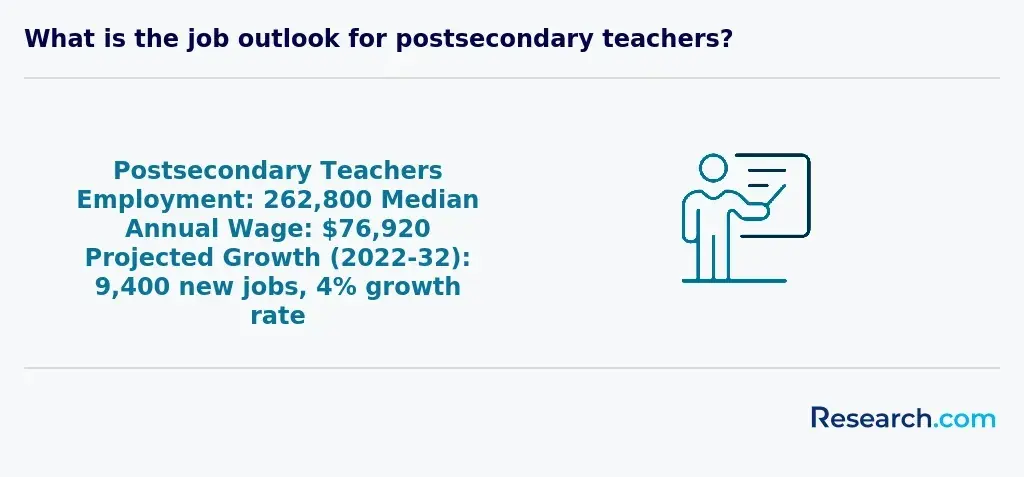
The job outlook for preschool teachers in Vermont is described as promising, with a projected growth rate of approximately 10% over the next five years. Demand is influenced by family needs, early childhood education initiatives, public investment, and local staffing patterns.
Where demand may differ
Urban centers such as Burlington may see stronger demand when preschool enrollment rises and programs expand. Rural communities may have fewer openings, but they can offer close community relationships and opportunities for teachers who value smaller educational settings.
Public versus private employment trends
Public preschool programs may offer more predictable benefits and structured licensure expectations. Private preschools may provide more flexibility in curriculum approach, staffing model, or educational philosophy. Neither path is automatically better; the right choice depends on your credentials, preferred teaching environment, compensation needs, and long-term goals.
How funding affects opportunities
Government funding and early education initiatives can affect whether new preschool classrooms open, existing programs expand, and employers have resources to hire qualified teachers. Economic changes can still influence budgets, but early childhood education is often viewed as an essential community service.
Teachers who want to strengthen their qualifications can compare top early childhood education programs online .
What skills are essential for success as a preschool teacher in Vermont?
Strong preschool teachers combine instructional skill, emotional steadiness, and practical classroom judgment. In Vermont, where programs may serve children across urban, rural, and mixed-age settings, adaptability is especially important.
- Clear communication: Teachers must explain expectations to young children, communicate progress to families, and collaborate with colleagues and specialists.
- Classroom management: Effective preschool teaching depends on routines, positive guidance, transitions, and developmentally appropriate behavior supports.
- Creativity: Young children learn through movement, play, stories, materials, nature, art, and conversation. Teachers need to design activities that are engaging and purposeful.
- Observation and assessment: Teachers should notice developmental patterns, identify strengths and concerns, and adjust instruction for different learning needs.
- Patience and resilience: Preschool classrooms can be joyful and demanding. Teachers need emotional regulation, stamina, and the ability to recover from difficult days.
- Family partnership: Preschool education works best when teachers respect family knowledge, communicate consistently, and build trust.
What are the common challenges faced by preschool teachers in Vermont?
Preschool teaching in Vermont can be deeply rewarding, but new educators should understand the pressures before entering the field. The most common challenges involve workload, behavior support, staffing, family communication, and burnout prevention.
| Common mistake or challenge | Why it creates problems | Better approach |
| Choosing a program without checking licensure alignment | A degree may not meet Vermont requirements for the role you want | Ask the school and Vermont Agency of Education how the program supports licensure |
| Focusing only on tuition | Fees, exams, commuting, unpaid student teaching, and lost work hours can increase total cost | Compare total program cost and available financial aid |
| Underestimating administrative work | Lesson planning, assessment, documentation, and family communication take time | Build systems for weekly planning, progress notes, and parent updates |
| Relying on one behavior strategy | Children respond differently based on age, development, trauma history, and family context | Use positive guidance, observation, routines, and specialist collaboration |
| Ignoring burnout signs | Emotional fatigue can affect teaching quality and retention | Develop boundaries, peer support, planning routines, and self-care habits |
- Use consistent classroom routines to reduce conflict and confusion.
- Set aside planning time for lessons, observations, and family communication.
- Seek professional development in behavior support and inclusive practice.
- Build culturally responsive practices for children from different language and family backgrounds.
- Develop support networks before stress becomes unmanageable.
What employment trends are shaping the field for preschool teachers in Vermont?
Vermont early childhood education is being shaped by workforce demand, state attention to early learning, rural access issues, and the growing use of educational technology. These trends affect both hiring and the skills employers value.
One major trend is the continuing need for qualified preschool educators as families and policymakers place more emphasis on early childhood development. This demand can also create entry points for assistants who want to gain experience before applying for licensed teaching roles. If that is your starting point, see Research.com's guide on how to become a teacher assistant in Vermont.
Rural communities may face hiring and retention challenges because candidates may need to travel farther for jobs, training, or professional networks. At the same time, these communities can offer strong family relationships and meaningful local impact.
Technology is also becoming more common in early childhood programs, especially for documentation, family communication, assessment, and administrative tasks. Preschool teachers do not need to replace play with screens, but they should be comfortable using digital tools responsibly.
What is the most cost-effective way to obtain a teaching credential in Vermont?
The most cost-effective route depends on your starting point. A high school graduate, a teaching assistant with years of classroom experience, and a bachelor’s degree holder changing careers may each need a different path.
| Candidate profile | Potential lower-cost strategy | What to verify |
| New student | Start with an affordable early childhood program and transfer credits toward a bachelor's degree if needed | Transfer policy, accreditation, and Vermont licensure alignment |
| Current teaching assistant | Use work experience to support Peer Review or reduce unnecessary coursework | Whether your experience maps clearly to Vermont competencies |
| Career changer with a degree | Consider transcript evaluation or alternative licensure instead of repeating a full degree | Course gaps, testing requirements, and supervised teaching evidence |
Students comparing lower-cost options can review Research.com's guide to the cheapest teaching credential program in Vermont. Before enrolling anywhere, ask whether the program helps with Praxis preparation, field placements, and Vermont application documentation.
How can integrating speech pathology expertise benefit preschool educators in Vermont?
Speech and language development is central to preschool learning. Teachers who understand basic speech-language milestones can identify concerns earlier, use stronger communication supports, and collaborate more effectively with specialists.
Useful classroom practices may include modeling clear language, using songs and repetition, building vocabulary through play, giving children time to respond, and adapting communication for children with delays. Preschool teachers do not replace licensed speech-language pathologists, but they can support early intervention by noticing patterns and documenting concerns.
Educators interested in a related clinical pathway can explore how to become a speech pathologist in Vermont.
What financial aid options are available for aspiring preschool teachers in Vermont?
Financial aid can make preschool teacher preparation more realistic, especially for students balancing work, family responsibilities, and field placement requirements. Compare grants, scholarships, employer support, and loan options before borrowing.
- Federal and state grants: The Federal Pell Grant is available for eligible students, providing up to $6,495 annually. The Vermont Higher Education Grant can offer up to $12,000 for students pursuing degrees in education.
- Early childhood education scholarships: The Vermont Child Development Division offers scholarships for individuals pursuing degrees in early childhood education.
- Loan forgiveness: The Teacher Loan Forgiveness Program can forgive up to $17,500 of federal student loans for teachers who work in low-income schools for five consecutive years.
- Continuing education support: Programs such as the Vermont Early Childhood Professional Development System provide funding for workshops and training.
- Work-study and employer assistance: Some colleges offer work-study positions, and some employers provide tuition assistance for employees pursuing credentials.
Questions to ask before accepting aid
- Is the aid a grant, scholarship, loan, or work obligation?
- Does it cover tuition only, or can it help with fees, books, testing, or transportation?
- Are there service requirements after graduation?
- Will part-time enrollment change eligibility?
- Does the program qualify for the aid source you want to use?
How Do Public and Private Preschool Teaching Paths Differ in Vermont?
Public and private preschool teaching can feel similar in the classroom but differ in licensure expectations, curriculum oversight, benefits, hiring practices, and advancement routes. Public school positions are more likely to require state educator licensure. Private preschools may use different hiring criteria, particularly when they follow a specialized philosophy such as Montessori, faith-based education, or a child-centered independent model.
| Factor | Public preschool | Private preschool |
| Credential expectations | Often tied closely to Vermont educator licensure | May vary by employer and program type |
| Curriculum | Usually aligned with district and state expectations | May allow more flexibility or specialized philosophy |
| Compensation and benefits | May offer more structured pay scales and benefits | Can vary widely by school and funding model |
| Best fit | Teachers seeking structured public education careers | Teachers drawn to specialized programs or smaller school communities |
Educators interested in independent or nonpublic settings should review private school teacher requirements in Vermont.
How Can Leadership Training Advance Preschool Teaching Careers in Vermont?
Leadership training can help preschool teachers move into roles such as lead teacher, mentor, curriculum coordinator, center director, or program administrator. These positions require more than strong classroom instruction; they often involve staff supervision, budgeting, compliance, family communication, and strategic planning.
If you want a leadership role, look for programs or professional development that includes early childhood administration, personnel management, conflict resolution, instructional coaching, and program assessment. Teachers comparing flexible degree options can review Research.com's ranking of easiest organizational leadership degree programs.
What resources are available for preschool teachers in Vermont?
Preschool teachers in Vermont can use state agencies, professional associations, local networks, and online training providers to stay current and connected.
- Vermont Agency of Education: Provides information on licensing, educator standards, professional learning, and state education policy.
- Vermont Association for the Education of Young Children (VTAEYC): Offers professional development, advocacy updates, and networking for early childhood educators.
- Child Development Division: Supports early childhood development initiatives, childcare providers, and training-related resources.
- Online professional development: Organizations such as the National Association for the Education of Young Children (NAEYC) offer training on early childhood topics.
- Community networks: Libraries, local education groups, and community centers may host workshops or educator events.
- Grant opportunities: Teachers can look for classroom or program support through organizations such as the Vermont Community Foundation and local education foundations.
What are some of the benefits of obtaining an online education degree for aspiring preschool teachers in Vermont?
An online education degree can be a practical option for Vermont students who need flexibility, especially those already working in childcare or living far from a campus. A Bachelor of Education online program may help students complete coursework while managing work and family obligations.
- Flexible scheduling: Online coursework can make it easier to study while working or completing field experiences locally.
- Relevant tracks: Some programs offer early childhood education concentrations designed for preschool teaching preparation.
- Reduced indirect costs: Online study may lower commuting or relocation costs, though students should still account for fees, books, technology, and field placement requirements.
Before enrolling, confirm whether the online program meets Vermont licensure expectations. Online format alone does not guarantee eligibility for a teaching license.
The Benefits of Affordable Online Degrees for Aspiring Preschool Teachers in Vermont
Affordable online degrees can help aspiring preschool teachers reduce the cost of preparation without leaving the workforce. This can be especially important for students in rural communities or those who need to complete coursework part time.
When an affordable online program makes sense
- You need to keep working: Flexible scheduling can help students maintain income while completing coursework.
- You live far from campus: Online study can reduce travel barriers for students in rural areas.
- You are managing total cost: Lower tuition, reduced commuting, and fewer relocation expenses can make a degree more attainable.
Research.com's guide to a cheap online elementary education degree can help students compare lower-cost education options. However, Vermont preschool teacher candidates should confirm that any elementary or early childhood program aligns with their intended license and age group.
Can Preschool Teachers in Vermont Enhance Learning Through Art Integration?
Art integration can help preschool children express ideas, strengthen fine motor skills, explore emotions, and connect language with sensory experiences. Teachers can use drawing, painting, collage, sculpture, dramatic play, and nature-based art to support development without turning preschool into a worksheet-based environment.
Strong art integration is intentional. A teacher might connect a story to puppet-making, use color mixing to introduce observation, or invite children to represent a nature walk through drawing. Preschool educators who want deeper preparation in visual arts instruction can review how to become an art teacher in Vermont.
How Can Preschool Teachers in Vermont Prepare for Special Education Roles?
Preschool teachers who want to support children with disabilities should build knowledge in inclusive education, early intervention, individualized supports, family collaboration, and behavior strategies. This preparation can improve daily teaching even for educators who do not move into a formal special education role.
Helpful steps include attending workshops on inclusive practice, collaborating with special educators and therapists, learning how to document observations, and studying developmental delays. For role-specific credential guidance, review special education teacher requirements in Vermont.
Are Vermont Teacher Certification Requirements a Barrier to Early Career Growth?
Certification requirements can feel like a barrier when candidates do not know which pathway fits their background. The real challenge is often planning: choosing a degree that aligns with licensure, documenting experience correctly, passing exams on time, and understanding renewal rules.
Traditional preparation can be efficient for students starting from the beginning. Alternative routes can help experienced candidates avoid repeating unnecessary coursework, but they require strong evidence and careful preparation. For a broader explanation of pathways, see Research.com's guide to Vermont teacher certification requirements.
Can Preschool Teachers in Vermont Integrate Innovative STEM Learning into Their Curriculum?
Yes. Preschool STEM should be hands-on, playful, and age-appropriate. Teachers can introduce science and math through block building, sorting, measuring, water play, ramps, pattern games, nature observation, and simple prediction activities.
The goal is not advanced academics. It is curiosity, language, reasoning, problem-solving, and persistence. Educators who want stronger mathematical foundations can explore a degree in math for broader content knowledge.
Can Preschool Teachers in Vermont Enhance Learning Through Music Integration?
Music supports preschool learning by strengthening rhythm, listening, memory, movement, language, and emotional expression. Teachers can use songs for transitions, clapping patterns for early math, movement activities for self-regulation, and instruments for sensory exploration.
Music does not need to be separate from the curriculum. It can support storytelling, vocabulary, cultural learning, and social participation. Teachers interested in deeper music education credentials can review how to become a music teacher in Vermont.
Can I Transition from Preschool to Middle School Teaching in Vermont?
Preschool teachers can transition to middle school teaching, but they should expect additional requirements. Middle school roles usually require subject-specific preparation, different licensure areas, and stronger content knowledge in the subject taught.
The skills that transfer well include classroom management, relationship-building, lesson planning, and family communication. The main gap is usually subject specialization. For example, a preschool teacher interested in mathematics instruction can review How to be a middle school math teacher in Vermont?.
How Do Mentorship and Networking Opportunities Boost Career Growth in Vermont's Early Childhood Education?
Mentorship helps preschool teachers solve practical classroom problems, understand licensure expectations, and identify advancement opportunities. Networking can also connect teachers with workshops, job openings, advocacy groups, and specialists.
Useful networking options include professional associations, local early childhood coalitions, school district training events, online educator groups, and Peer Review clinics. Teachers considering a broader age range can also explore how to become an elementary teacher in Vermont.
Here's What Preschool Teachers in Vermont Have to Say About Their Career?
-
: "
"Choosing preschool teaching in Vermont changed how I understood community work. I grew up in a small town, and I wanted my career to serve families like the ones I knew. Helping young children become curious, confident learners has been deeply meaningful. Vermont’s early childhood focus helped me find resources and support when I needed them." — Myles
"
-
: "
"I became a preschool teacher because I remembered how powerful my own early teachers were. They made school feel exciting, safe, and full of discovery. Vermont’s close communities and beautiful environment give me many ways to make learning real for children. The work is demanding, but it feels purposeful." — Roland
"
-
: "
"Preschool teaching in Vermont fits my belief that children learn with their whole selves. I enjoy bringing nature into lessons, whether through outdoor walks, farm visits, or seasonal observations. The relationships with children and families are what make the work so rewarding." — Lovely
"
Related Articles for Nearby States
- 2027 How to Become a Preschool Teacher in New Hampshire: Requirements & Certification
- 2027 How to Become a Preschool Teacher in Massachusetts: Requirements & Certification
- 2027 How to Become a Preschool Teacher in New York: Requirements & Certification
- 2027 How to Become a Preschool Teacher in Connecticut: Requirements & Certification
- 2027 How to Become a Preschool Teacher in Rhode Island: Requirements & Certification
- 2027 How to Become a Preschool Teacher in Maine: Requirements & Certification
- 2027 How to Become a Preschool Teacher in New Jersey: Requirements & Certification
- 2027 How to Become a Preschool Teacher in Pennsylvania: Requirements & Certification
- 2027 How to Become a Preschool Teacher in Delaware: Requirements & Certification
- 2027 How to Become a Preschool Teacher in Maryland: Requirements & Certification
References
- education.vermont.gov (n.d.). Peer Review - Alternative Route to Licensure. State of Vermont Agency of Education.
- vtaeyc.org (10 Mar 2023). Advancing ECE As A Profession. Vermont Association for the Education of Young Children.
- preschoolteacher.org (24 Sep 2014). Requirements for Early Childhood Education Jobs in Vermont. PreSchoolTeacher.org.
Other Things You Should Know about Becoming a Preschool Teacher in Vermont
In 2027, renewing a preschool teaching license in Vermont involves completing the required professional development hours, submitting renewal applications through the Vermont Agency of Education, and ensuring all background checks are up-to-date. Renewal may require evidence of ongoing education or training pertinent to early childhood education.
Absolutely! In Vermont, you can pursue a rewarding career as a preschool teacher with an associate's degree in early childhood education. This foundational qualification opens doors to enriching experiences in the classroom, where you can inspire young minds. To become licensed, follow these steps:
- Complete an Associate's Degree: Ensure your program includes coursework in child development and teaching strategies.
- Gain Experience: Engage in hands-on internships or volunteer opportunities in preschool settings.
- Apply for a License: Submit your application to the Vermont Agency of Education, including proof of your degree and experience.
- Pass Required Assessments: Successfully complete any necessary exams to demonstrate your knowledge and skills.
To become a preschool teacher in Vermont in 2027, you need a bachelor's degree in Early Childhood Education or a related field. Additionally, you must complete a state-approved educator preparation program and pass the Praxis exams. Vermont also requires a background check for all educator candidates.