
2027 How to Become a Private School Teacher in Mississippi: Requirements & Certification

Co-Founder and Chief Data Scientist
Becoming a private school teacher in Mississippi is different from entering the public school system. Private schools generally have more flexibility in hiring because they are not required to follow the same state licensure rules that apply to public schools. That flexibility can help career changers, subject-matter experts, and aspiring educators enter the classroom, but it also means each school may set its own expectations for degrees, experience, background checks, faith or mission alignment, and teaching philosophy.
As of the 2021-2022 academic year, Mississippi had approximately 50 private schools serving over 10,000 students, according to the National Center for Education Statistics. These schools often appeal to teachers who want smaller learning communities, specialized curricula, character education, and closer relationships with students and families. This guide explains the education requirements, certification choices, costs, hiring process, salary expectations, career paths, online degree options, and practical questions to ask before pursuing private school teaching in Mississippi.
Quick Answer: How do you become a private school teacher in Mississippi?
To become a private school teacher in Mississippi, you typically need at least a bachelor's degree, a strong command of the subject or grade level you want to teach, and the ability to pass school-required background screening. A state-issued teaching license is not required for private school teachers in Mississippi, although many schools prefer licensed teachers or candidates who have completed an education degree, alternative certification program, or specialized training. Applicants usually submit a resume, transcripts, references, and sometimes a teaching statement or sample lesson.
Key Things You Should Know About Becoming a Private School Teacher
- Mississippi private schools do not have to require a state teaching license, but many still prefer applicants with education coursework, teaching experience, or certification.
- Most applications ask for a resume, academic transcripts, professional references, and evidence that you can teach the grade level or subject area effectively.
- Fingerprinting and background checks are commonly required because schools must evaluate whether candidates can safely work with children.
- Fingerprinting services often cost around $50 to $75, although the exact amount can vary by provider and school process.
- Some private schools may also charge application-related fees, commonly ranging from $25 to $100 depending on institutional policy.
- Education requirements for Mississippi private school teachers
- Licensure, hiring, and renewal expectations
- Can a certificate alone qualify you?
- Average private education costs in Mississippi
- Typical timeline to become a private school teacher
- Cost to prepare for private school teaching
- Job outlook for private school teachers
- Private school teacher salaries in Mississippi
- Career paths available to private school teachers
- How online education degrees can help
- Financial aid options for teacher preparation
- Additional certifications to consider
- Trends affecting private school teaching
- Best education paths for advancement
- How advanced degrees affect career growth
- Contracts and job security in private schools
- Teacher certification paths for private school educators
- Subject-specific certifications that strengthen your profile
- Moving into specialized subject roles
- How online teacher education supports career prospects
- Preschool teacher expectations in Mississippi
- Alternative careers for private school teachers
- Private school teaching compared with elementary education
What are the educational requirements for private school teachers in Mississippi?
Mississippi private schools set their own hiring standards, so requirements can differ widely from one campus to another. Some schools strongly prefer licensed teachers with education degrees, while others may hire candidates who have strong subject expertise, classroom experience, ministry experience, tutoring experience, or professional background in a specialized field.
| Requirement or qualification | How it affects private school hiring in Mississippi |
| Bachelor's degree | A bachelor's degree is usually the baseline credential for full-time teaching roles. Education majors are often competitive, but schools may also consider applicants with degrees in English, mathematics, science, history, music, foreign language, or another teachable subject. |
| Education coursework | Courses in lesson planning, classroom management, child development, assessment, and learning theory can help candidates show that they understand how to teach, not just what to teach. |
| Subject expertise | Private schools hiring for STEM, foreign language, arts, advanced placement, or upper-grade courses may prioritize applicants with strong academic or professional experience in the subject area. |
| Specialized training | Training in dyslexia support, special education, gifted education, reading intervention, or early childhood learning can make a candidate more useful to schools serving students with varied learning needs. |
| State teaching license | A license is not required for Mississippi private school teachers, but many accredited private schools treat licensure as a preferred credential because it signals formal teacher preparation. |
| Continuing education | Workshops, seminars, graduate coursework, and professional development help teachers keep up with instructional methods, classroom technology, and student support practices. |
A bachelor's degree remains the strongest starting point. Candidates who want to work with younger children may compare education programs and related early childhood career opportunities, while candidates aiming for upper-grade subjects should build deep knowledge in the discipline they plan to teach.
Private schools may also value professional development more than formal licensure in certain cases. For example, a school serving students with dyslexia may look closely at whether an applicant has completed targeted training in reading intervention. A school expanding STEM offerings may be more interested in a candidate's mathematics, technology, or science background than in a traditional education major.
One important distinction is that Mississippi private schools are not bound by the same certification mandates as public schools. That does not mean credentials are unimportant. It means the employer decides which credentials matter. Candidates should read each job posting carefully and ask whether the school requires a license, prefers a license, or accepts non-licensed applicants with relevant experience.
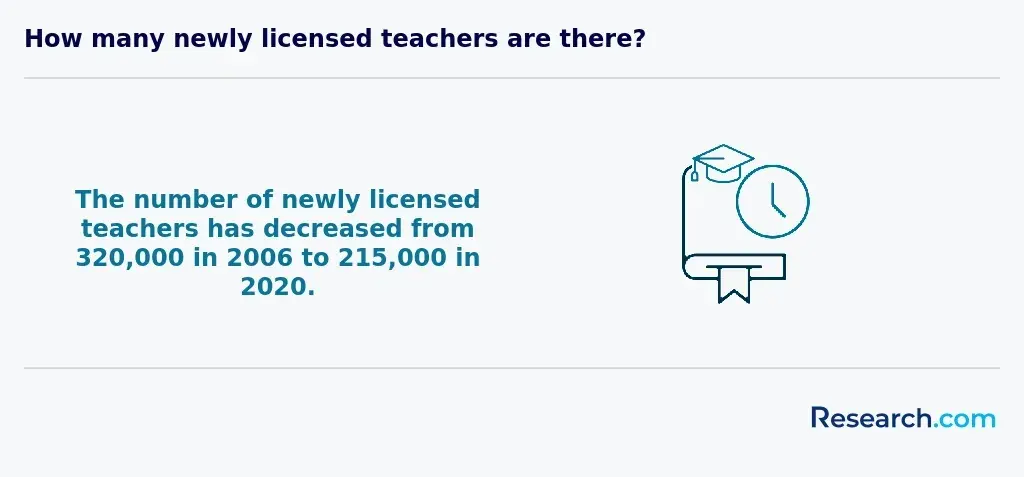
Licensure trends also matter in the broader teaching labor market. The number of licensed teachers went down from 320,000 in 2006 to 215,000 in 2020. For private schools, this can increase interest in alternative hiring routes, but candidates with strong preparation may still stand out.
For aspiring educators, the main lesson is simple: do not assume that “no state license required” means “no preparation required.” Private school principals often want evidence that you can manage a classroom, communicate with parents, plan instruction, support struggling learners, and contribute to the school’s mission.
What is the licensure application and renewal process for private school teachers in Mississippi?
Private school teachers in Mississippi do not follow a single state licensure application and renewal process unless they choose to earn or maintain a Mississippi teaching license. Instead, hiring and renewal expectations are normally handled by the private school itself. This may include annual contracts, performance reviews, background checks, professional development expectations, and school-specific training.
- No mandatory state license: Public school teachers must meet state licensing rules, but private school teachers in Mississippi are not automatically required to hold a state-issued teaching license.
- School-level hiring standards: Many private schools still prefer teachers with a bachelor's degree in education or a closely related field. Some candidates strengthen their credentials through an early education degree, subject-area training, or library science programs online when the role involves library, media, or literacy support.
- Special endorsements: Schools offering advanced coursework, special education support, religious instruction, early childhood programs, or specialized arts and STEM tracks may ask for additional proof of training.
- Background screening: Even without state licensure, schools commonly require fingerprinting, reference checks, and criminal background review before employment.
- Renewal expectations: Job renewal is usually tied to the school contract, teacher performance, enrollment needs, budget, and fit with the school’s educational philosophy.
If you already hold a Mississippi teaching license, maintaining it can make you more mobile. It may also help if you later decide to move into public school teaching, apply for leadership roles, or teach at a private school that prefers licensed educators.
| Scenario | What you should do |
| You want only private school roles | Check each school’s job description and ask directly whether licensure is required, preferred, or optional. |
| You want maximum flexibility | Consider completing a teacher preparation or alternative certification route so you can pursue both private and public school opportunities. |
| You are changing careers | Use your subject expertise as a strength, but add classroom training, substitute teaching, tutoring, or supervised teaching experience. |
| You plan to teach special populations | Pursue focused training in special education, dyslexia, reading intervention, ESL, or early childhood development. |
Can I become a private school teacher in Mississippi with just a certificate?
A certificate may help, but it may not be enough by itself. Some Mississippi private schools may consider candidates with a teaching certificate or specialized credential, especially for hard-to-fill subjects or part-time roles. However, most full-time teaching positions are more competitive when the applicant also has a bachelor's degree, relevant experience, and strong references.
- Degree expectations: A bachelor's degree is commonly preferred because it shows broader academic preparation and may reassure schools and parents that the teacher has college-level expertise.
- Alternative certification options: Candidates who already hold a bachelor's degree in a non-education field may consider routes such as the Master of Arts in Teaching, the Teach Mississippi Institute, or the American Board for Certification of Teacher Excellence. These routes can involve assessments, coursework, and a one-year teaching internship.
- School discretion: A smaller private school may be more flexible if the candidate has strong subject knowledge, classroom presence, or experience working with children.
- Experience matters: Tutoring, coaching, substitute teaching, youth ministry, childcare, camp instruction, or classroom aide work can help demonstrate readiness.
Based on data from the National Center for Education Statistics, regular elementary education is the most common program emphasis among private schools, accounting for 67.9% of the total. That means candidates interested in elementary teaching should be especially prepared to show skill in reading, mathematics foundations, classroom routines, and family communication.
If you have only a certificate, the best strategy is to build a stronger hiring package. Add supervised teaching experience, gather references from education-related work, prepare a sample lesson plan, and be ready to explain how you manage behavior, differentiate instruction, and assess student progress.
What is the average cost of Private education programs in Mississippi?
The cost of private education in Mississippi matters for two groups: families paying tuition and teachers deciding whether private schools can support the programs, salaries, and resources they expect. The average annual tuition for private schools in the state is around $5,958, but the actual amount can be much higher or lower depending on the school’s location, grade level, religious affiliation, facilities, and program offerings.
- School type: Religious private schools often charge less than non-religious private schools, although tuition policies vary by institution.
- Preschool tuition: Private preschool programs can range from $4,000 to $13,000 depending on location, schedule, staffing model, and program quality.
- Extra costs: Families may also pay for uniforms, supplies, technology, meals, field trips, athletics, arts programs, special services, or enrollment fees.
| Cost category | Why it matters to future teachers |
| Tuition revenue | Private school budgets often depend heavily on tuition, which can affect staffing, class size, salaries, and benefits. |
| Program fees | Schools with specialized programs may need teachers who can support arts, STEM, faith-based curriculum, language learning, or student services. |
| Family affordability | Teachers may work closely with families who are making significant financial sacrifices for private education. |
| School resources | Higher tuition does not automatically mean better teacher compensation, so applicants should ask about salary, benefits, supplies, and professional development. |
Prospective teachers should not evaluate a private school only by its tuition level. A school with modest tuition may have a strong culture and supportive leadership, while a school with higher tuition may still have limited benefits or heavy teacher workloads. Ask practical questions during interviews.
How long does it take to become a private school teacher in Mississippi?
The timeline can range from a few months to several years, depending on your current education level and the type of school you want to join. Someone who already has a bachelor's degree and relevant experience may be able to apply immediately. Someone starting without a degree will usually need a longer path.
| Starting point | Possible timeline | Best next step |
| You already have a bachelor's degree | A few months may be enough to prepare applications, complete background checks, and interview. | Build a teaching portfolio, gather references, and apply directly to schools. |
| You have a non-education bachelor's degree | Several months to a year may be needed if you pursue a certificate or alternative certification program. | Consider the Master of Arts in Teaching, Teach Mississippi Institute, or another recognized route. |
| You are beginning with an associate's degree plan | An associate's degree typically takes about two years, but it may not qualify you for many lead teaching roles. | Use the associate path as a stepping stone toward a bachelor's degree. |
| You are starting from no college degree | A bachelor's degree path can add two to four years depending on transfer credits, enrollment status, and program format. | Compare accredited education programs and ask about transfer credit policies. |
| You want to strengthen your resume | Additional months or years may be spent volunteering, tutoring, substitute teaching, or working as an aide. | Gain direct experience with the age group or subject you want to teach. |
Do not rush the process if your preparation is thin. Private schools may have flexible hiring rules, but students still need skilled teachers. A stronger timeline includes classroom exposure, training in lesson design, practice managing groups of students, and clear evidence that you can support learning.
How much does it cost to become a private school teacher in Mississippi?
The cost depends on whether you already have a degree, whether you pursue certification, and whether you need additional coursework. Candidates considering the Teach Mississippi Institute should understand the program’s two-module tuition structure.
- TMI 1: This module costs $1,600 and covers areas such as classroom management, instructional planning, and teaching strategies.
- TMI 2: This module costs $1,300 and includes an internship experience with support from a site mentor.
Together, both modules cost approximately $2,900 in tuition. Candidates should also budget for expenses beyond tuition.
- Testing fees: Praxis Core and Praxis Subject Assessment exams may be required for certain certification routes, and fees can vary.
- Travel costs: Even when coursework is online, required orientations or live seminars may create transportation expenses.
- Books and materials: Textbooks, course resources, classroom supplies, and exam preparation materials can add to the total.
- Endorsements: Additional coursework or testing may be needed if you want endorsements in specialized areas.
Financial aid requires careful attention. TMI is a non-credit program and does not qualify for federal student aid through Free Application for Federal Student Aid (FAFSA). If cost is a concern, compare several preparation options before enrolling and ask whether your target private schools value the credential you are considering.
What is the job outlook for private school teachers in Mississippi?
The job outlook for Mississippi private school teachers depends on enrollment patterns, local school budgets, teacher turnover, subject demand, and family interest in alternatives to public education. According to the National Center for Education Statistics, approximately 10% of students in Mississippi attend private institutions. That continuing private school presence supports ongoing demand for teachers, although openings may be concentrated by region, grade level, and subject.
- Education background: A degree in education or a related field can improve competitiveness. Candidates seeking a lower-cost route may compare affordable online bachelor's in elementary education options.
- Experience: Schools may value prior teaching, tutoring, coaching, substitute teaching, childcare, or volunteer work with children.
- Networking: Relationships with local educators, churches, private school leaders, and community organizations can help candidates learn about openings before they are widely posted.
- Adaptability: Private schools may use distinctive curricula, faith-based missions, classical models, Montessori approaches, college-preparatory tracks, or specialized enrichment programs.
Private school roles can be rewarding for teachers who enjoy community-based education and closer student relationships. Smaller class sizes may allow more individualized instruction, but applicants should still ask about workload, planning time, behavior support, parent expectations, and available classroom resources.
This chart from the National Center for Education Statistics focuses on the base salary of private school teachers. According to the chart, 85% of private school teachers earn more than $70,000.
How much do private school teachers in Mississippi make?
Private school teacher pay in Mississippi can vary by school funding, grade level, subject area, location, experience, degree level, and contract structure. In many cases, private school teachers earn less than public school teachers, and benefits may also differ.
- Average salary range: The average salary for private school teachers in Mississippi generally falls between $30,000 and $45,000 annually.
- Factors that affect pay: A teacher’s degree level, years of experience, subject specialization, leadership duties, and school budget can all influence compensation. Graduate study may help in some settings, including education programs or related options such as low-cost online MFA programs for teachers in writing, arts, or humanities-related roles.
- Benefits: Some private schools may offer fewer or different benefits than public districts, including health insurance, retirement contributions, paid leave, tuition discounts, or professional development support.
| Compensation factor | Question to ask before accepting an offer |
| Base salary | Is the salary annualized, paid over 10 months, or paid over 12 months? |
| Benefits | Does the school provide health insurance, retirement contributions, tuition discounts, or paid leave? |
| Extra duties | Are coaching, clubs, chapel, lunch duty, bus duty, tutoring, or after-school supervision included in the salary? |
| Raises | How are salary increases determined: years of service, performance, degree level, enrollment, or budget? |
| Professional development | Does the school pay for conferences, certification, graduate coursework, or classroom training? |
Salary should not be the only factor, but it should be discussed clearly. A supportive school culture is valuable, yet teachers still need sustainable compensation, transparent expectations, and reasonable workload boundaries.
What career paths are available for Private school teachers in Mississippi?
Private school teaching can lead to several career directions. Some educators remain classroom teachers for many years, while others move into curriculum, student support, school leadership, consulting, or specialized instruction.
- Classroom teacher: This is the core role, focused on teaching a grade level or subject area, planning lessons, assessing progress, and communicating with families.
- Curriculum coordinator: Experienced teachers may help select materials, align instruction, train colleagues, and evaluate curriculum effectiveness.
- School administrator: Teachers with leadership ability and additional preparation may move into roles such as department chair, Dean of Students, division head, or Head of School. Some may also explore related library science professional careers in school media, literacy, and learning resources.
- Specialized instructor: Teachers may focus on special education, gifted instruction, reading intervention, arts, music, STEM, foreign language, or faith-based studies.
- Consultant or trainer: Veteran educators may support other schools through professional development, curriculum design, teacher coaching, or educational consulting.
| Career direction | Best fit for teachers who... | Helpful preparation |
| Lead classroom teacher | Enjoy daily student interaction and long-term classroom relationships. | Education degree, strong classroom management, subject expertise. |
| Specialist teacher | Want to teach a focused area such as music, history, STEM, language, or reading support. | Subject-specific certification, portfolio, advanced coursework. |
| Curriculum role | Like designing learning materials and supporting other teachers. | Curriculum training, assessment knowledge, leadership experience. |
| Administration | Want to manage programs, supervise staff, and shape school policy. | Leadership training, graduate degree, administrative experience. |
| Education consulting | Prefer project-based work, teacher training, or independent practice. | Demonstrated expertise, professional network, strong communication skills. |
How do Mississippi private schools integrate character education into their curriculum?
Many Mississippi private schools treat character formation as part of the educational mission rather than as a separate add-on. This may be especially visible in faith-based schools, but non-religious private schools may also emphasize citizenship, responsibility, service, and ethical decision-making.
- Values-centered instruction: Schools may explicitly teach values such as honesty, respect, responsibility, self-discipline, compassion, and perseverance.
- Service learning: Students may participate in community projects that connect classroom learning with empathy, civic responsibility, and practical problem-solving.
- Community partnerships: Schools may work with local organizations, churches, nonprofits, or civic leaders to reinforce character lessons beyond the classroom.
- Teacher modeling: Private school teachers are often expected to demonstrate the school’s values in communication, discipline, classroom culture, and relationships with families.
How does an online education degree prepare you for a teaching career in Mississippi private school?
An online education degree can be a practical route for adults who need flexibility while preparing for private school teaching. A bachelor of education online degree may help candidates build the academic foundation private schools often look for, especially when paired with field experience or supervised practice.
Advantages of a Bachelor of Education Online for Mississippi Teachers
- Flexible scheduling: Online programs can make it easier to study while working, caring for family, or gaining classroom experience.
- Teacher preparation coursework: Programs may cover classroom management, instructional design, assessment, child development, educational psychology, and teaching methods.
- Practice-based learning: Some programs include field placements, local school partnerships, virtual simulations, or student teaching components.
- Specialization options: Candidates may focus on early childhood education, elementary education, special education, or subject-specific teaching depending on program availability.
Before enrolling, confirm accreditation, field placement requirements, transfer credit policies, total cost, and whether the program supports the type of teaching role you want. If you may later pursue public school teaching, ask whether the online program meets Mississippi licensure requirements.
What are the financial aid options for private school teacher preparation in Mississippi?
Teacher preparation can be affordable or expensive depending on the path. Private school candidates should compare tuition, fees, exam costs, materials, and the value of the credential before committing. Financial aid options may be more limited for non-credit programs, so it is important to verify eligibility rather than assume federal aid applies.
- Scholarships and grants: Students pursuing education degrees or teaching credentials may find support through state-level, institutional, private, or foundation-based awards.
- Employer reimbursement: Some private schools may help pay for professional development, endorsements, or coursework when the training supports the teacher’s role.
- Lower-cost credential routes: Candidates comparing preparation options may review the cheapest teaching credential program in Mississippi to understand more affordable pathways.
- Tax benefits: Educators may be able to use applicable deductions or credits for qualifying education-related expenses, certification fees, or classroom supplies, depending on current tax rules and individual eligibility.
Ask every program for a complete cost breakdown in writing. Tuition is only one part of the price. Fees, testing, books, travel, lost work time, and unpaid field placements can change the real cost of becoming job-ready.
What additional certifications should private school teachers consider in Mississippi?
Additional certifications can help private school teachers compete for specialized roles, support diverse learners, and adapt to changing classroom expectations. Useful areas may include special education, dyslexia intervention, STEM integration, educational technology, curriculum design, bilingual education, early childhood education, and reading instruction.
Teachers who want to support students with disabilities or learning differences may benefit from reviewing pathways such as how to become a special education teacher in Mississippi. Even when a private school does not require a specific endorsement, specialized training can improve classroom effectiveness and make a candidate more valuable to the school.
What emerging trends are shaping private school teaching in Mississippi?
Private school teaching in Mississippi is being shaped by several practical trends: greater use of digital tools, increased attention to individualized instruction, demand for teachers who can support varied learning needs, and interest in flexible credentialing options. Teachers who can combine strong classroom fundamentals with technology, assessment literacy, and family communication are likely to be more competitive.
Online education is also changing how teachers prepare and upskill. Cost-conscious candidates may compare cheapest online teaching degree options, especially if they need to continue working while completing coursework. However, online convenience should not replace due diligence. Always verify accreditation, field experience requirements, and licensure alignment if public school teaching may be part of your future plan.
What are the best educational paths for advancing as a private school teacher in Mississippi?
Advancement depends on your goal. A teacher who wants to become a stronger classroom instructor may choose a different path than someone aiming for administration, specialized instruction, or curriculum leadership.
- Master's degree in education: Graduate study can deepen knowledge of pedagogy, assessment, curriculum design, research, and instructional leadership.
- Specialized certifications: Endorsements in special education, ESL, educational technology, reading, or subject-specific fields can expand the roles a teacher can fill.
- Leadership and administration programs: Teachers preparing for department chair, principal, or school leadership roles may benefit from training in supervision, school law, budgeting, policy, and strategic planning. Those considering senior leadership may compare educational leadership PhD programs online.
- Online degree programs: Online study can help working teachers pursue additional credentials without leaving their current school.
- Workshops and continuing education: Short courses can quickly improve skills in classroom technology, student engagement, assessment, behavior support, and differentiated instruction.
| Goal | Recommended education path |
| Improve classroom teaching | Workshops, graduate education courses, mentoring, and instructional coaching. |
| Teach a specialized subject | Subject-area coursework, portfolio development, and relevant certification. |
| Support students with learning needs | Special education, dyslexia, reading intervention, or inclusive education training. |
| Move into leadership | Master’s or doctoral study in educational leadership, plus school-based leadership experience. |
| Increase career flexibility | State licensure, alternative certification, and credentials recognized beyond one school. |
How Does an Advanced Degree Impact Your Career Growth?
An advanced degree can help private school teachers qualify for leadership roles, teach more specialized courses, strengthen instructional practice, and demonstrate long-term professional commitment. It may also improve mobility if a teacher later applies to public schools, independent schools with stricter hiring standards, or administrative positions.
An online master's in education can be especially useful for teachers who want to keep working while developing advanced skills in curriculum, research, assessment, technology integration, or instructional leadership. The return on investment depends on cost, salary policies, promotion opportunities, and whether the school rewards graduate credentials.
How Are Contracts and Job Security Managed for Private School Teachers in Mississippi?
Private school teachers in Mississippi usually work under school-specific contracts rather than public district employment systems. Contracts may be annual, fixed-term, or renewable based on enrollment, budget, performance, school needs, and administrative decisions.
- Read the full contract: Review salary, pay schedule, benefits, duties, calendar, leave policies, renewal language, and termination provisions.
- Clarify extra responsibilities: Ask whether coaching, clubs, supervision, religious activities, tutoring, or events are required.
- Understand evaluation: Find out how performance is measured and who conducts observations or reviews.
- Ask about renewal timing: Know when teachers are notified about contract renewal or nonrenewal.
- Discuss professional growth: Ask whether the school funds conferences, certification, graduate coursework, or training.
Teachers considering both private and public options can compare expectations through broader guidance on how to become a teacher in Mississippi.
What are the available teacher certification paths for private school educators in Mississippi?
Private school educators are not required to follow one certification path, but earning recognized credentials can strengthen credibility and career flexibility. Certification may be especially useful for teachers who want to work in accredited private schools, move into public schools later, teach specialized subjects, or pursue leadership roles.
Common options include traditional teacher preparation, alternative certification for bachelor’s degree holders, graduate-level teaching programs, subject-area endorsements, and specialized credentials. Candidates comparing options should review the types of teacher certification in Mississippi to understand which pathways match their background and career goals.
Here’s What Graduates Have to Say About Becoming a Private School Teacher in Mississippi
-
: "
Teaching in a Mississippi private school gave me the chance to know my students well. Smaller classes made it possible to adjust lessons for individual learners and support growth beyond academics. – Phyllis V.
"
-
: "
Private school teaching changed how I thought about curriculum. I could connect lessons to Mississippi history and local culture, which made learning feel more meaningful for my students. – Jim H.
"
-
: "
I was drawn to private education because character development was part of the mission. Helping students practice respect, responsibility, and compassion has been one of the most meaningful parts of my work. – Monica B.
"
What subject-specific certifications can enhance your teaching profile in Mississippi?
Subject-specific training can make a private school teacher more competitive, especially in schools that offer specialized programs or need teachers who can teach more than one area. Certifications or endorsements in arts, sciences, music, history, mathematics, foreign language, technology, reading, or special education can strengthen a candidate’s profile.
For example, teachers interested in arts instruction can explore music teaching qualifications in Mississippi. Subject-specific credentials can also support interdisciplinary programs, electives, enrichment courses, and advanced instruction.
How can private school teachers transition to specialized subject roles in Mississippi?
Teachers can move into specialized roles by combining classroom experience with focused coursework, mentoring, certification, and evidence of subject expertise. A general classroom teacher who wants to teach history, music, STEM, language, or reading intervention should first identify the credential or experience the target school values most.
- Choose the subject area you want to teach and review private school job postings for common requirements.
- Complete relevant coursework, workshops, or certification aligned with that subject.
- Create sample units, lesson plans, assessments, or student work examples that show your teaching approach.
- Ask your current school for opportunities to teach electives, lead clubs, tutor students, or pilot specialized lessons.
- Use references who can speak directly to your subject knowledge and teaching effectiveness.
Teachers interested in history instruction can review guidance on how to become a history teacher in Mississippi to understand preparation options for that subject pathway.
How Can Online Teacher Education Enhance Career Prospects in Mississippi?
Online teacher education can help Mississippi educators add credentials, update skills, and prepare for new roles without leaving the workforce. These programs may include coursework in instructional technology, curriculum design, assessment, classroom management, and subject-specific teaching methods.
Online learning is most valuable when it leads to a credential schools recognize and includes practical application. Before enrolling, check accreditation, total cost, field placement requirements, faculty support, student teaching expectations, and whether the program supports your long-term goals. For a broader overview, review how to become a teacher online in Mississippi.
Common Mistakes to Avoid
- Assuming licensure never matters: A state license is not required for Mississippi private school teaching, but some schools still prefer or require it.
- Choosing a program without checking accreditation: Accreditation affects credibility, transfer options, financial aid eligibility, and future licensure opportunities.
- Focusing only on tuition: Testing, books, travel, fees, and unpaid fieldwork can significantly change the total cost.
- Ignoring contract details: Private school contracts can vary, so review duties, benefits, renewal terms, and termination language before signing.
- Relying only on passion: Enthusiasm matters, but schools also need evidence of classroom management, planning, assessment, and communication skills.
- Assuming salary outcomes are guaranteed: Pay varies by school, budget, experience, subject area, and contract terms.
- Overlooking future mobility: If you may later teach in public schools, choose preparation that can support licensure.
Questions to Ask Before Applying to a Mississippi Private School
- Does the school require, prefer, or not consider state teaching licensure?
- What degree, certification, or subject-area background is expected for this role?
- What background check, fingerprinting, or child safety training is required?
- How many students are typically in each class?
- What curriculum does the school use, and how much freedom do teachers have to adapt it?
- What is the salary range, pay schedule, and benefits package?
- Are extra duties included in the contract?
- How are teachers evaluated and supported?
- Does the school pay for professional development or graduate coursework?
- When are contracts renewed, and what factors affect renewal?
Key Findings
- Mississippi private school teachers are not required to hold a state-issued teaching license, giving schools more flexibility in hiring.
- A bachelor's degree, relevant experience, and strong subject knowledge are still important because many private schools prefer well-prepared candidates.
- Applications commonly include a resume, cover letter, transcripts, references, and proof of qualifications.
- Fingerprinting and background checks are standard safety steps. Fingerprinting can vary in cost but generally ranges from $50 to $100.
- Additional background check fees may apply depending on the provider or school process.
What are the unique preschool teacher requirements in Mississippi?
Private preschool teachers in Mississippi are often evaluated differently from K-12 teachers because early childhood education requires specialized knowledge of young children’s development. Schools may look for training in play-based learning, early literacy, classroom routines, safety, social-emotional development, and age-appropriate curriculum.
Candidates should be ready to show that they can create a nurturing environment, communicate with families, and support developmental milestones. For more detailed guidance, review preschool teacher requirements in Mississippi.
What alternative careers can private school teachers pursue in Mississippi?
Private school teachers build transferable skills in communication, instruction, planning, assessment, leadership, and student support. Those skills can apply to careers in curriculum development, tutoring, instructional design, education consulting, corporate training, childcare administration, school admissions, nonprofit education programs, or academic advising.
Teachers interested in student communication and language development may also consider how to become a speech pathologist in Mississippi. That path requires additional education and certification, but it may appeal to educators who want a specialized student-support role.
What distinguishes private school teaching from elementary education in Mississippi?
Private school teaching in Mississippi is usually defined by school-level autonomy. Private schools can set their own hiring standards, curriculum priorities, faith or mission expectations, and classroom practices. Public elementary education, by contrast, requires compliance with state licensure rules, public accountability systems, and district policies.
This difference affects teacher preparation, job security, evaluation, curriculum flexibility, and long-term mobility. Candidates comparing private school teaching with public elementary teaching should review how to become an elementary school teacher in Mississippi to understand the public school certification route.
Related Articles for Nearby States
- 2027 How to Become a Private School Teacher in Louisiana: Requirements & Certification
- 2027 How to Become a Private School Teacher in Alabama: Requirements & Certification
- 2027 How to Become a Private School Teacher in Arkansas: Requirements & Certification
- 2027 How to Become a Private School Teacher in Tennessee: Requirements & Certification
- 2027 How to Become a Private School Teacher in Florida: Requirements & Certification
- 2027 How to Become a Private School Teacher in Missouri: Requirements & Certification
- 2027 How to Become a Private School Teacher in Georgia: Requirements & Certification
- 2027 How to Become a Private School Teacher in Kentucky: Requirements & Certification
- 2027 How to Become a Private School Teacher in Texas: Requirements & Certification
- 2027 How to Become a Private School Teacher in Indiana: Requirements & Certification
Key Insights
- Private school teaching in Mississippi is flexible, but not informal. Schools may not require state licensure, yet they still expect teachers to demonstrate competence, professionalism, and student safety readiness.
- A bachelor's degree is the safest baseline credential. A certificate alone may help in limited cases, but degree-level preparation and classroom experience make applicants more competitive.
- Costs vary by route. Teach Mississippi Institute tuition totals approximately $2,900 for TMI 1 and TMI 2, but testing, materials, travel, and endorsement costs can increase the total.
- Salary should be evaluated alongside workload and benefits. The average salary for private school teachers in Mississippi generally falls between $30,000 and $45,000 annually, but contracts and benefits differ by school.
- Online education degrees can be useful if they are accredited, practical, and aligned with your goals. If you may later pursue public school teaching, verify licensure compatibility before enrolling.
- The strongest candidates bring more than credentials. Private schools often value mission fit, classroom management, family communication, subject expertise, and the ability to support students in smaller learning communities.
References:
- Allegretto, S. (2022, August 16). The teacher pay penalty has hit a new high: Trends in teacher wages and compensation through 2021. Economic Policy Institute. https://www.epi.org/publication/teacher-pay-penalty-2022/
- GITNUX. (2023, March 21). Education Industry 2023: Statistics And Trends • GITNUX.
- Pepperdine GSEP. (2023, February 21). How Much Could a Master’s Degree Increase Your Teaching Salary?
Other Things You Need to Know About How to Become a Private School Teacher in Mississippi
Private school teachers in Mississippi are not required to have a state teaching license in 2027. However, individual schools may set their own educational and certification requirements, so it’s important to check with each school directly for specific criteria.
In 2026, teaching at a private school in Mississippi typically offers smaller class sizes, greater autonomy in teaching methods, and potentially more supportive parent and community interactions. Salaries may vary, but private schools often provide unique professional development opportunities and a strong focus on holistic education.


