
2027 How to Become a Teacher in Maine – What Degree Do You Need to Be a Teacher

Co-Founder and Chief Data Scientist
Becoming a teacher in Maine means making several connected decisions: what grade or subject you want to teach, which preparation program fits your background, how you will meet Maine Department of Education requirements, and whether the salary, job market, and working conditions align with your long-term goals. The state employed more than 14,800 teachers in Maine's PreK-12 system serving 173,812 students since 2024, yet it continues to report teacher shortages in multiple areas (National Center for Education Statistics, 2024; Maine Department of Education, 2024).
This guide explains how to become a teacher in Maine, including education requirements, licensure pathways, application steps, renewal rules, shortage areas, salary expectations, and ways to choose a teacher preparation program. It also includes a Research.com-reviewed list of campus-based education programs in Maine. Programs offering online teaching degrees are not included in the ranked list, although online and hybrid options are discussed later for readers who need more flexibility.
How to Become a Teacher in Maine Table of Contents
- Maine education workforce and job market overview
- Education requirements for becoming a teacher in Maine
- Maine teacher licensure application and renewal process
- Top education programs in Maine for 2027
- High-demand teaching areas in Maine and how to specialize
- Types of Maine teaching certificates
- Special education teacher certification in Maine
- Tuition costs and financial aid options for teacher education
- Benefits and trade-offs of teaching in Maine
- Online colleges for teaching degrees in Maine
- Private school teacher requirements in Maine
- How an advanced degree can expand education career options
- How to become an English teacher in Maine
- Substitute teaching in Maine
- Other education career roles in Maine
- Kindergarten teacher requirements in Maine
- Completing teacher certification online in Maine
- How to make the Maine teacher certification process smoother
Quick Answer: How Do You Become a Teacher in Maine?
To become a public school teacher in Maine, you generally need a bachelor’s degree, completion of an approved teacher preparation program or equivalent coursework, required assessments such as Praxis I and Praxis II when applicable, a criminal history background check, and a successful application through the Maine Educator Information System. Candidates may qualify through an approved Maine program, transcript analysis, or an out-of-state certificate pathway.
| Step | What You Need to Do | Why It Matters |
| 1. Choose a teaching area | Select the grade level, subject, or specialization you want to teach. | Your choice determines the endorsement, coursework, fieldwork, and exams you may need. |
| 2. Earn a bachelor’s degree | Complete an education degree or a degree that supports your endorsement area. | Maine teacher certification typically requires proof of bachelor’s-level preparation. |
| 3. Complete teacher preparation | Finish an approved program or meet requirements through transcript analysis. | This verifies that you have classroom training, pedagogical coursework, and supervised experience. |
| 4. Pass required assessments | Submit required test scores, such as Praxis I and Praxis II when applicable. | Assessments help document readiness to teach in the requested endorsement area. |
| 5. Apply through MEIS | Create an account, upload records, complete the application, and pay the required fee. | The Maine Department of Education uses MEIS to process educator certification applications. |
| 6. Renew on time | Complete renewal requirements before your certificate expires. | Professional certificates are valid for five years and require continuing education or in-service training. |
Overview of the Education Industry in Maine
Maine’s teacher labor market is shaped by a mix of rural staffing needs, subject-area shortages, early-career support, and salary competitiveness concerns. Along with general education needs, Maine reported eleven PreK-12 teacher shortage areas for SY 2024-2025 (Maine Department of Education, 2024). Shortage areas include early childhood, middle school science, ESOL, and mathematics at the middle and secondary levels.
For new teachers, Maine has a notable support structure. According to Learning Policy Institute data cited for 2024, 91% of early-career teachers in Maine are assigned mentors during their first year, compared with a national average of 82.1%. Maine also exceeds the national average for giving teachers release time from classroom duties to participate in professional development, with 73.5% of teachers receiving this support compared with 66% nationally.
Job Outlook for Teachers in Maine
Recent projections place the average growth rate for PreK-12 teaching roles in Maine at 1.7% (Projections Central, 2024). Preschool teaching positions have the highest projected growth among the roles listed, at 3.3%, followed by high school teachers at 2.0%, middle school teachers at 1.1%, and grade school teachers at 0.9%. For national context, the U.S. Bureau of Labor Statistics reported a 1.0% national average for 2023 to 2033.
Job security concerns tied to state or local test performance appear lower in Maine than nationally. The reported test-related job security concern rate is 4%, compared with a national average of 7%. This measure reflects the share of teachers who worry that school test outcomes may affect their employment stability.
Salary Expectations
The average starting salary for teachers in Maine is around $41,400 per year (National Education Association, 2024), which is below the national average of $44,530. Wage competitiveness is also below the national level at 74.5%, meaning the average weekly earnings of public school teachers in Maine equal 74.5% of the estimated weekly earnings of other college-educated workers in the state. This salary gap is one reason prospective teachers should evaluate cost of living, debt, district salary schedules, benefits, and advancement options before committing to a program.
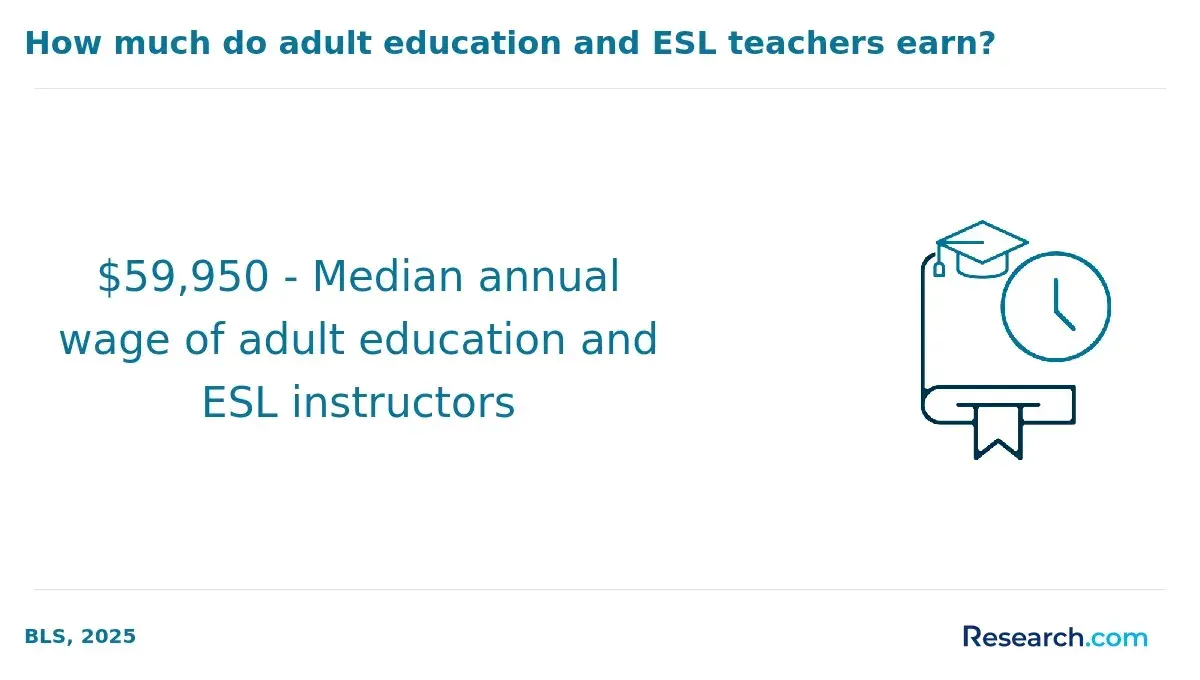
Among the lower-compensated teaching occupations in Maine are preschool teachers ($39,630), special education preschool teachers ($45,510), and self-enrichment teachers ($45,460), based on U.S. Bureau of Labor Statistics data cited for 2024. These figures are below the state’s annual average income of $59,330. The highest-paying teaching occupations listed are postsecondary roles, including economics teachers ($118,500), political science teachers ($107,350), and physics teachers ($102,480). Candidates who want to stay in education but pursue higher earnings may eventually consider graduate study, higher education teaching, administration, or specialized roles.
Institutional Efforts for Higher Ed Faculty Development Access

Educational Requirements for Teachers in Maine
The standard route to Maine teacher certification starts with a bachelor’s degree and teacher preparation aligned with the grade level or subject you plan to teach. However, Maine also provides pathways for candidates who completed nontraditional coursework or already hold an out-of-state teaching credential.
Core Education Steps for Becoming a Teacher in Maine
- Choose your teaching endorsement area: Decide whether you want to teach early childhood, elementary, middle school, secondary education, special education, ESOL, or another field. This decision affects your required coursework, assessments, and field placement.
- Complete a bachelor’s degree: Most candidates earn a bachelor’s degree in education or in a subject area connected to their intended teaching role. Choose a major that supports both certification and long-term employability. Interest matters, too; a field that fits your strengths can feel more manageable than choosing based only on perceived difficulty, even when comparing options such as one of the easiest college majors to study.
- Finish a teacher preparation program: A state-approved educator preparation program gives you the instructional methods, assessment training, classroom management strategies, and supervised field experience needed for certification. Maine’s Department of Education maintains a list of approved programs. Career changers with a non-education bachelor’s degree may use a preparation program or transcript analysis pathway to move into teaching.
- Meet testing requirements: The common certification route includes a bachelor’s degree in education and passing required exams such as Praxis I and Praxis II, depending on the endorsement and current state requirements.
| Candidate Type | Best-Fit Route | What to Check Before Applying |
| First-time college student | Bachelor’s degree with approved teacher preparation | Program approval, field placement access, endorsement alignment, and graduation requirements |
| Career changer with a bachelor’s degree | Teacher preparation program or transcript analysis | Missing coursework, required exams, student teaching or field experience, and timeline |
| Licensed teacher from another state | Out-of-state applicant pathway | Certificate equivalency, background check, transcripts, and test score documentation |
| Working adult needing flexibility | Hybrid or online-aligned preparation where approved | Whether the program meets Maine certification rules and includes approved field experience |
Pathways to Licensing: How to Become a Teacher in Maine
Maine recognizes three main routes to educator certification eligibility:
- Pathway 1: Approved Teacher Preparation Program. This route is for candidates who complete a Maine Department of Education-approved educator preparation program at a Maine higher education institution. Applicants submit an official transcript and an approved program verification form.
- Pathway 2: Transcript Analysis. Candidates who did not graduate from a formal teacher preparation program may qualify if their academic record, testing, and experience meet the requirements for a specific endorsement. Applicants provide an official transcript showing the bachelor’s degree and relevant coursework, along with Praxis scores for completed exams.
- Pathway 3: Out-of-State Applicant. Teachers who hold an equivalent certificate from another U.S. state, territory, or foreign country may apply to teach in Maine through this route. Required materials include a criminal history background check, current teaching certificate, academic transcripts, and applicable test results.
Maine Licensure Application and Renewal Process for Teachers
After completing the education, testing, and background-check requirements, you can submit your teacher certification application to the Maine Department of Education. The most common delays come from missing transcripts, incomplete verification forms, outdated test records, or unclear endorsement selections.
Application Process: How to Become a Teacher in Maine
- Create your MEIS account: Begin by setting up a Maine Educator Information System (MEIS) account.
- Review your transcript and program records: Check whether your transcript identifies the approved program you completed. If it does not, prepare the approved program verification form before submitting your application.
- Upload supporting documents: Add required materials such as test scores, contact hours, transcripts, and verification forms in PDF format when prompted.
- Pay the application fee: The initial teacher application fee is $100 and is nonrefundable. Build this cost into your certification budget along with testing, transcripts, and background-check expenses.
Renewal Process: Maintaining Your Teacher's License
Maine professional teacher certificates are valid for five years. Renewal requires six (6) semester hours of study or 90 hours of in-service training focused on improving teaching performance. Educators employed by a school administrative unit must provide SAU verification; those not employed by one must submit appropriate documentation. Renewal hours or credits must be earned during the preceding five years and cannot have been used for an earlier renewal.
List of the Top Education Programs in Maine for 2027
A strong teacher preparation program should do more than award credits. It should help you meet Maine certification requirements, complete supervised fieldwork, prepare for assessments, build classroom confidence, and connect with hiring districts. Research.com reviewed campus-based education programs in Maine using factors such as student outcomes, faculty expertise, student services, and professional preparation support.
| Program | Best For | Credits | Accreditation |
| University of Maine – BS in Secondary Education | Students planning to teach middle or high school subjects | 120 | CAEP |
| University of Maine at Farmington – BS in Early Childhood Education | Future early childhood educators | 120 | CAEP |
| University of Southern Maine – BS in Elementary Education | Prospective elementary school teachers | 120 | CAEP |
| University of Maine at Augusta – BS in Elementary Education | Students seeking elementary, early childhood, or special education concentrations | 120 | NECHE |
| University of Maine at Fort Kent and University of Maine at Presque Isle – BS in Secondary Education | Secondary education students seeking a collaborative university program | 120 | NECHE |
1. University of Maine – BS in Secondary Education
The University of Maine offers a BS in Secondary Education for students preparing to teach at the secondary level. The program combines subject-area preparation, teaching methods, and classroom experience so graduates can enter certification and employment processes with a clear secondary education focus.
- Program Length: 4 years
- Required Credits to Graduate: 120
- Concentrations: English, French, Spanish, Life Sciences, Mathematics, Physical Sciences, and Social Studies
- Tuition Cost: $9,240 (in-state); $30,030 (out-of-state)
- Accreditation: Council for the Accreditation of Educator Preparation (CAEP)
2. University of Maine at Farmington – BS in Early Childhood Education
The University of Maine at Farmington offers a BS in Early Childhood Education for students who want to work with young children. The curriculum emphasizes child development, early learning methods, and applied experience in educational settings. The program is also available off campus at Southern Maine Community College (SMCC) and includes a blend of face-to-face sessions and early childhood education online classes.
- Program Length: 4 years
- Required Credits to Graduate: 120
- Tuition Cost: $9,216 (in-state); $20,640 (out-of-state)
- Accreditation: Council for the Accreditation of Educator Preparation (CAEP)
3. University of Southern Maine – BS in Elementary Education
The University of Southern Maine offers a BS in Elementary Education designed for students preparing to teach in elementary classrooms. The program focuses on developmentally appropriate instruction, subject integration, classroom practice, and preparation for the responsibilities of elementary teaching.
- Program Length: 4 years
- Required Credits to Graduate: 120
- Concentrations: English, Geography-Anthropology, History, Liberal Studies Humanities, Mathematics, and Science
- Tuition Cost: $8,071 (in-state); $23,070 (out-of-state)
- Accreditation: Council for the Accreditation of Educator Preparation (CAEP)
4. University of Maine at Augusta – BS in Elementary Education
The University of Maine at Augusta offers a BS in Elementary Education with concentrations that support several elementary and early education goals. The program emphasizes applied classroom skills and digital literacy. UMA also offers online certificate options for teaching assistants, although UMA and affiliated community colleges do not offer an associate degree in education online.
- Program Length: 4 years
- Required Credits to Graduate: 120
- Concentrations: Early Childhood Teacher, Early Elementary, Elementary, and Special Education
- Tuition Cost: $7,350 (in-state); $17,760 (out-of-state)
- Accreditation: New England Commission of Higher Education (NECHE)
5. University of Maine at Fort Kent and University of Maine at Presque Isle – BS in Secondary Education
The University of Maine at Fort Kent and the University of Maine at Presque Isle jointly offer a BS in Secondary Education. This collaborative program is built for students who want focused preparation in secondary subjects and practical teaching experience.
- Program Length: 4 years
- Required Credits to Graduate: 120
- Concentrations: Science, English, Mathematics, and Social Studies
- Tuition Cost: $7,350 (in-state); $11,760 (out-of-state)
- Accreditation: New England Commission of Higher Education (NECHE)
What specific areas of teaching are in high demand in Maine, and how can I specialize in those areas?
Maine’s reported shortage areas include early childhood, middle school science, ESOL, and mathematics at the middle and secondary levels. If you want to improve your hiring prospects, choose a preparation program and endorsement that align with one of these needs rather than selecting a broad path without a clear labor-market match.
- Early childhood: Look for programs with coursework in child development, literacy foundations, family engagement, and supervised placements with young learners.
- Middle school science: Choose a program that combines science content knowledge with adolescent teaching methods and classroom lab safety practices.
- ESOL: Seek coursework or endorsements focused on English learners, language acquisition, culturally responsive teaching, and assessment.
- Mathematics: Prioritize programs with strong content preparation and methods courses for middle or secondary mathematics instruction.
If your goal is elementary education specifically, review the dedicated pathway for how to become an elementary school teacher in Maine. Elementary preparation can be a strong option, but candidates should still verify whether their program leads to the endorsement they need.
What opportunities are there for teachers to advance their careers in Maine?
Teaching can lead to more than a single classroom role. In Maine, educators may build careers through specialization, graduate study, leadership responsibilities, or movement into support and administrative positions.
| Career Growth Option | When It Makes Sense | Potential Outcome |
| Advanced degree | You want deeper expertise or eligibility for leadership, curriculum, or postsecondary roles. | Broader career options and possible movement beyond entry-level classroom work. |
| High-demand endorsement | You want to improve employability in areas such as special education, ESOL, STEM, or early childhood. | Access to shortage-area positions and specialized teaching assignments. |
| Administrative pathway | You have leadership experience and want to influence school operations or policy. | Roles such as assistant principal, principal, or district administrator. |
| National Board Certification | You want a respected professional credential recognizing advanced teaching practice. | Stronger professional recognition and potential salary-related benefits where available. |
| Ongoing professional development | You want to keep your practice current and meet renewal expectations. | Improved instruction, stronger collaboration, and a more competitive professional profile. |
What are the types of teaching certificates available in Maine?
Maine’s certification structure supports new teachers, experienced educators, and candidates who are still completing certain requirements. The right certificate depends on your preparation status, experience, and endorsement area.
- Provisional Certificate: This certificate is commonly issued to beginning teachers who meet foundational requirements, such as completing an approved preparation program and required exams. It is valid for two years.
- Professional Certificate: Educators with at least two years of Maine teaching experience may apply for this certificate. It is renewed every five years and requires continuing professional development, including six semester hours of study or 90 clock hours of approved in-service training.
- Conditional Certificate: This one-year certificate may apply to individuals who have not yet met every requirement for a Provisional Certificate. Holders must work toward the remaining qualifications during the certificate period.
- Targeted Need Certificates and Endorsements: These options help address staffing shortages in areas such as ESOL or special education. Endorsements can expand the scope of an existing credential.
Before choosing a route, compare the types of teaching certificates in Maine and confirm which credential fits your education level, experience, and intended teaching role.
How can I obtain special education teacher certification in Maine?
Special education certification generally requires bachelor’s-level preparation, special education coursework, field experiences with students who have individualized learning needs, and applicable assessments. Because special education teachers often collaborate with families, specialists, and general education teachers, strong preparation in assessment, behavior support, instructional adaptation, and legal responsibilities is important.
Use Maine-specific guidance for special education teacher certification in Maine to confirm endorsement requirements, fieldwork expectations, and documentation before enrolling in a program.
How can I manage tuition costs and financial aid options for teacher education in Maine?
Do not compare teacher education programs by tuition alone. The lowest sticker price is not always the lowest total cost if a program delays graduation, limits transfer credits, requires unpaid travel for fieldwork, or does not align cleanly with certification requirements.
- Compare total attendance costs: Include tuition, fees, books, transportation, testing, application fees, background checks, and unpaid student teaching time.
- Ask about transfer credits: A school with generous transfer policies may reduce both time and cost.
- Check certification alignment: Paying for coursework that does not apply to your endorsement can create expensive delays.
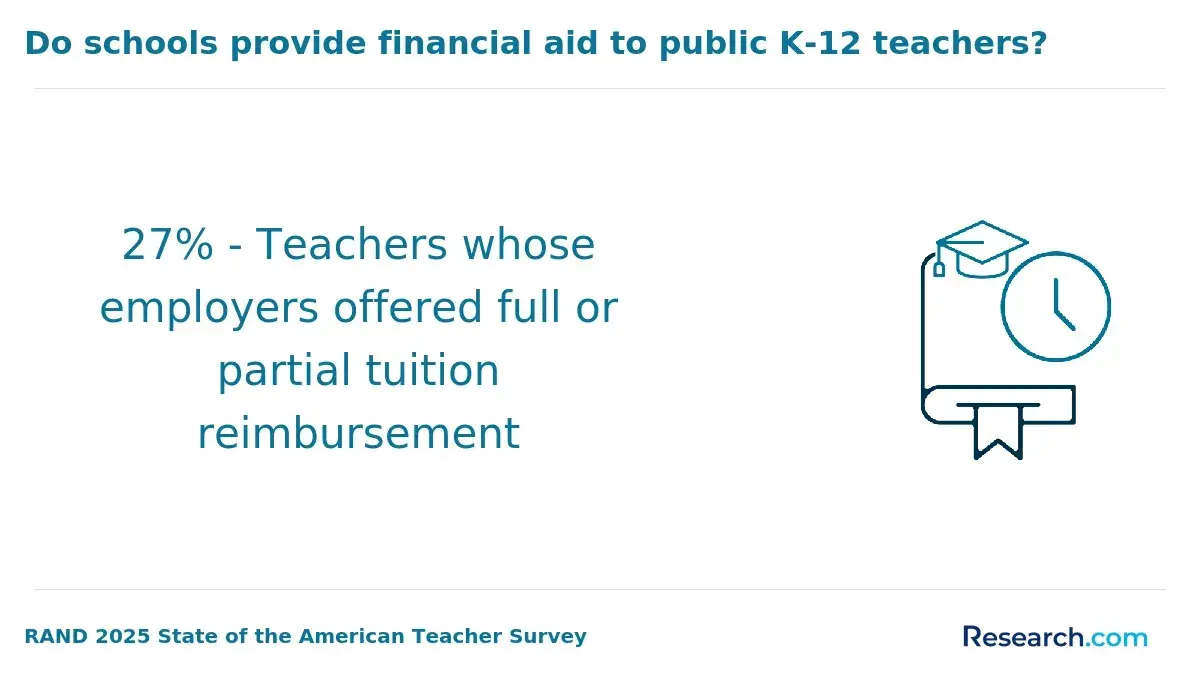
- Review aid options early: Complete financial aid steps before deadlines and ask institutions about scholarships, grants, and teacher preparation support.
- Consider flexible study only if it fits your goal: Online or hybrid programs can help working adults, but they must still meet Maine certification and fieldwork requirements.
Educators who want to add communication or writing strengths to their teaching profile may also compare affordable related programs, such as the cheapest online creative writing degree, but should avoid unrelated credentials unless they clearly support a teaching or advancement goal.
What are the benefits of teaching in Maine?
Teaching in Maine can be attractive for candidates who value community impact, new-teacher mentoring, professional development, and opportunities in shortage areas. It is not the best fit for everyone, especially those whose primary decision factor is maximum earnings.
| Potential Benefit | What It Means for Teachers | What to Verify |
| Mentoring for early-career teachers | New teachers may receive structured support during the transition into classroom work. | Ask districts how mentoring is assigned and how often mentors meet with new teachers. |
| Professional development access | Teachers may receive release time to participate in training and skill development. | Review district policies, funding, and renewal support. |
| Shortage-area opportunities | Candidates in early childhood, ESOL, math, science, or special education may find stronger demand. | Confirm current district openings and endorsement requirements. |
| Community-focused work | Rural and small-community schools can offer close relationships with families and students. | Consider commute, resources, class assignments, and support services. |
| Benefits beyond salary | Compensation may include health insurance, retirement benefits, and paid leave. | Compare district salary schedules and benefits, not just statewide averages. |
If you need a flexible route into the field, online accredited colleges may help you compare institutions, but licensure alignment should remain your first priority.
What are the best online colleges for teaching degrees in Maine?
Online teaching degrees can be useful for working adults, paraprofessionals, career changers, and students who cannot relocate. However, teacher certification is not fully online in a practical sense because approved preparation usually includes fieldwork, observation, or student teaching in real classrooms.
When comparing online options, ask whether the program is accredited, whether it is approved for Maine certification, how field placements are arranged, whether Praxis preparation is included, and whether the program leads to the exact endorsement you need. A general education degree may not be enough if it does not satisfy Maine Department of Education requirements.
For broader program comparisons, review Best online colleges for teaching degrees and then confirm Maine-specific certification details with the institution and the Maine Department of Education.
How do I meet private school teacher requirements in Maine?
Private schools may set requirements that differ from public school certification rules. Many private schools expect at least a bachelor’s degree, and some place strong weight on subject expertise, classroom experience, faith or mission alignment, references, or a teaching portfolio. State licensure may be preferred or required by some institutions, but expectations vary by school.
If you are considering this route, review job postings carefully and compare them with private school teacher requirements in Maine. Ask each school whether certification is required, preferred, or optional before investing in additional coursework.
How can earning an advanced degree enhance my career opportunities in Maine?
An advanced degree can help Maine educators move into specialized teaching, curriculum work, administration, higher education, instructional leadership, or research-related roles. It can also deepen expertise in areas such as special education, literacy, educational technology, or school leadership.
Graduate study is most valuable when it connects directly to a career goal. Before enrolling, ask whether the degree supports certification, salary advancement, leadership eligibility, or a specific role you want. Flexible options such as online higher education master's programs may be useful for educators who want to continue working while expanding credentials.
How can I become an English teacher in Maine?
To become an English teacher in Maine, candidates typically need a bachelor’s degree with English education preparation, coursework in literature and composition, teaching methods for language arts, classroom management training, and completion of state certification requirements. Subject-area testing may also be required.
Because English teaching involves reading instruction, writing development, discussion facilitation, and assessment of student work, choose a program that balances content knowledge with practical classroom strategies. For a role-specific roadmap, review how to become an english teacher in Maine.
Can I become a substitute teacher in Maine?
Yes. Substitute teaching can be a practical way to gain classroom experience, test whether teaching fits your strengths, and build relationships with districts before pursuing full certification. Requirements are typically more limited than those for fully licensed teachers and may include academic verification, a background check, district application steps, and orientation.
Because districts may have different expectations, check the local school administrative unit before applying. For a state-focused overview, see the guide to Maine substitute teacher requirements.
What other educational career roles can I pursue in Maine?
If you are interested in education but unsure about classroom teaching, Maine offers other school and learning-focused roles. Options may include curriculum specialist, instructional coordinator, teaching assistant, school librarian, education administrator, student support professional, or postsecondary instructor depending on your education and credentials.
These roles have different requirements, so do not assume a teaching certificate automatically qualifies you for every education job. For example, if you are drawn to information access, research support, and literacy services, explore how to be a school librarian in Maine.
What are the kindergarten teacher requirements in Maine?
Kindergarten teachers in Maine generally need bachelor’s-level preparation in early childhood or childhood education, with coursework in child development, early literacy, age-appropriate instruction, and classroom management. Student teaching or supervised fieldwork in an early childhood or kindergarten setting is especially important because kindergarten requires both academic instruction and developmental support.
For a focused certification guide, review kindergarten teacher requirements in Maine before selecting a program or endorsement route.
Can I complete my teacher certification online in Maine?
You may be able to complete some teacher preparation coursework online, but you should expect in-person field experiences, observations, or student teaching to be part of certification preparation. The key question is not whether a program is online; it is whether the program is approved, accredited, and aligned with Maine certification requirements.
Before enrolling, ask the provider how it arranges local placements in Maine, whether it prepares students for required assessments, and which endorsement the program supports. For more detail, see how to become a teacher online in Maine.
How can I streamline my teacher certification process in Maine?
The fastest certification process is usually the one with the fewest avoidable errors. Start by reviewing teacher certification requirements in Maine, then create a checklist for transcripts, program verification, test scores, background checks, endorsement documents, contact hours, and application fees.
- Confirm your endorsement before enrolling: Do not assume that any education degree leads to the teaching area you want.
- Use Maine-approved programs when possible: Approved preparation can simplify documentation compared with piecing together requirements later.
- Keep digital copies of every document: Save transcripts, score reports, verification forms, and professional development records as PDFs.
- Check deadlines early: Student teaching, testing, and certification processing can take longer than expected.
- Contact the Maine Department of Education or your program advisor: Ask specific questions before submitting an incomplete application.
Common Mistakes to Avoid When Becoming a Teacher in Maine
| Mistake | Why It Can Hurt You | Better Approach |
| Choosing a program before checking approval | You may complete coursework that does not satisfy certification requirements. | Verify approval and endorsement alignment before enrolling. |
| Looking only at tuition | Fees, testing, travel, books, and unpaid fieldwork can change the real cost. | Compare total cost of attendance and time to completion. |
| Assuming online equals easier certification | Online coursework may still require local field placements and state-specific requirements. | Ask how the program handles Maine-based field experience and licensure documentation. |
| Ignoring shortage areas | A broad credential may not match the strongest hiring demand. | Consider early childhood, ESOL, math, science, or special education if they fit your strengths. |
| Waiting to organize documents | Missing transcripts or test scores can delay certification. | Create a certification folder before your final semester or application period. |
| Assuming salary outcomes are guaranteed | Pay varies by district, experience, degree level, and contract terms. | Review district salary schedules and benefits before accepting a position. |
Are you ready to become a teacher in Maine?
Teaching in Maine can be a strong fit if you want community-centered work, value early-career support, and are open to serving in shortage areas. It may be less appealing if salary competitiveness is your top priority or if you are not prepared for the workload that can come with staffing shortages.
Before committing, compare the realities: Maine offers mentoring and professional development advantages, but starting salaries are below the national average cited in this guide, and wage competitiveness remains a concern. The best decision is not simply “Should I teach?” but “Which teaching role, endorsement, program, and district make the most sense for my goals?”
Teaching can also become a foundation for other education careers. Over time, educators may move into administration, curriculum leadership, higher education, school library work, special education leadership, or roles such as specialize as an educational psychologist.
Key Insights
- Maine needs teachers, but demand is uneven: Reported shortage areas include early childhood, middle school science, ESOL, and mathematics at the middle and secondary levels.
- The standard route is clear: Most public school teachers need a bachelor’s degree, teacher preparation, required assessments, a background check, and a Maine Department of Education application.
- There are three main licensure pathways: Candidates may qualify through an approved teacher preparation program, transcript analysis, or an out-of-state applicant route.
- New-teacher support is a meaningful advantage: Maine reports higher-than-national rates for first-year mentoring and release time for professional development.
- Salary should be evaluated carefully: Maine’s average starting teacher salary is around $41,400, below the national average of $44,530, and wage competitiveness is reported at 74.5%.
- Program choice affects certification speed: Choose a program that is approved, accredited, aligned with your endorsement, and able to support field placements and testing preparation.
- Renewal planning matters: Maine professional certificates are valid for five years and require six semester hours of study or 90 hours of in-service training for renewal.
Related Articles for Nearby States
- 2027 How to Become a Teacher in New Hampshire – What Degree Do You Need to Be a Teacher?
- 2027 How to Become a Teacher in Massachusetts – What Degree Do You Need to Be a Teacher
- 2027 How to Become a Teacher in Vermont – What Degree Do You Need to Be a Teacher?
- 2027 How to Become a Teacher in Connecticut – What Degree Do You Need to Be a Teacher?
- 2027 How to Become a Teacher in Rhode Island – What Degree Do You Need to Be a Teacher?
- 2027 How to Become a Teacher in New York – What Degree Do You Need to Be a Teacher?
- 2027 How to Become a Teacher in New Jersey – What Degree Do You Need to Be a Teacher
- 2027 How to Become a Teacher in Pennsylvania – What Degree Do You Need to Be a Teacher?
- 2027 How to Become a Teacher in Delaware – What Degree Do You Need to Be a Teacher
- 2027 How to Become a Teacher in Maryland – What Degree Do You Need to Be a Teacher?
References:
- Ash, A. M. (2025, September 24). Teachers Who Collaborate, Learn at Work Are More Satisfied. Gallup. https://news.gallup.com/poll/695492/teachers-collaborate-learn-work-satisfied.aspx
- EDUCAUSE. (2025). Findings From The 2025 Teaching and Learning Workforce Report. https://events.educause.edu/-/media/files/events/webinar/2025/web2513/slides.pdf
- Learning Policy Institute. (2025, July). An Overview of Teacher Shortages: 2025 Fact Sheet. https://learningpolicyinstitute.org/media/4764/download?inline&file=Teacher_Shortages_Overview_2025_FACTSHEET.pdf
- Steiner, E. D., Levine, P. R., Doan, S., & Woo, A. (2025). Teacher WellBeing, Pay, and Intentions to Leave in 2025. RAND. https://www.rand.org/pubs/research_reports/RRA1108-16.html
- U.S. Bureau of Labor Statistics. (2025, August 8). Occupational projections, 2024–2034, and worker characteristics, 2024. Retrieved February 2026, from https://www.bls.gov/emp/tables/occupational-projections-and-characteristics.htm
Other Things You Should Know About Becoming a Teacher in Maine
To become a teacher in Maine, you need to earn a bachelor's degree in education or a related field and complete an accredited teacher preparation program. You must also pass the Praxis I and Praxis II exams.
In Maine, teaching licenses are typically valid for five years. To renew your license, you must complete at least six credits of professional development or continuing education. It's important to check the Maine Department of Education for the most current renewal requirements as they may be subject to change.
There are three pathways to licensure in Maine: completing an approved teacher preparation program, transcript analysis for those who did not complete a formal program, and out-of-state applicant endorsement for those with an equivalent certificate from another state or country.
To renew your teaching license in Maine, you must complete six semester hours of study or 90 hours of in-service training within the preceding five years, focusing on areas related to teaching performance.
In 2027, individuals seeking to become teachers in Maine must hold at least a bachelor's degree in education or a closely related field. Completion of a state-approved teacher preparation program and passing specific content area examinations are also required for licensure.
To apply for a teaching license in Maine in 2027, you must first complete an accredited teacher preparation program. Then, apply through the Maine Department of Education’s online portal, submitting transcripts, passing relevant exams, and undergoing a background check.
Top education programs in Maine include the University of Maine’s BS in Secondary Education, the University of Maine at Farmington’s BS in Early Childhood Education, and the University of Southern Maine’s BS in Elementary Education, among others. These programs are ranked based on student outcomes, faculty expertise, and support services.


