2027 Accredited Online Music Education Degree Programs for Working Adults: Flexible, Part-Time, and Self-Paced Options

Co-Founder and Chief Data Scientist
Choosing an online music education degree is really a scheduling, licensure, and cost decision. NCES distance education data published in 2024 show that more than half of U.S. postsecondary students took at least one online course, making flexible study a mainstream option rather than a backup plan.
This guide is for working adults who need accredited online Music Education programs that can fit jobs, family responsibilities, rehearsals, and fieldwork. You will learn how to compare accreditation, part-time pacing, self-paced coursework, transfer credits, tuition, and career fit before enrolling.
Key Things You Should Know
- Choose a regionally or nationally accredited institution, then confirm whether the program supports teacher licensure in your state, online format alone does not make a degree licensure-eligible.
- Part-time online music education programs commonly take 3 to 6 years depending on degree level and transfer credits, while full-time bachelor's pathways are often planned around 4 years and master's pathways around 1 to 2 years.
- Working adults should plan for roughly 10 to 20 weekly study hours in part-time terms, more during methods courses, ensembles, practicum, or student teaching; generous transfer policies may reduce total credits and tuition.
What Is an Accredited Online Music Education Degree Program and Why Does Accreditation Matter?
An accredited online music education degree program is a college program delivered fully or mostly online that prepares students to teach music, design music curricula, lead ensembles, assess student learning, and use music technology in educational settings. Depending on the level, it may lead to a bachelor's degree for first-time teacher preparation, a master's degree for licensed teachers seeking advancement, or a non-licensure graduate degree for community, private studio, or higher education-related work.
Accreditation is the quality-control layer that helps determine whether your degree is recognized by employers, graduate schools, financial aid agencies, and state licensing boards. At minimum, the college or university should hold institutional accreditation from an agency recognized by the U.S. Department of Education or the Council for Higher Education Accreditation. Programmatic accreditation, such as recognition connected to music, teacher preparation, or educator accreditation bodies, can add another signal of quality, but it does not automatically replace state licensure approval.
For working adults, the most important distinction is institutional accreditation versus licensure alignment. A school may be accredited and still offer a music education program that does not meet your state's teacher certification requirements. Before enrolling, verify the following directly with the school and your state education agency:
- Confirm the institution's accreditation status in a recognized federal or CHEA database.
- Ask whether the music education program is designed for initial teacher licensure, advanced teacher preparation, or non-licensure professional development.
- Check whether student teaching, practicum, background checks, and testing requirements can be completed in your home state.
- Request written disclosure about whether the program meets educator licensure requirements where you plan to teach.
A common mistake is assuming that "online," "accredited," and "teacher certification" mean the same thing. They do not. Accreditation supports legitimacy, but teacher certification is controlled by state rules, and those rules can affect your field placement, exams, endorsements, and eligibility for public school employment.
Which Flexible Music Education Degree Formats Are Best for Working Adults: Part-Time, Full-Time, or Self-Paced?
The best format depends on how predictable your schedule is, how quickly you want to graduate, and whether the program includes live rehearsals, teaching demonstrations, or field placements. Music education is less likely than some lecture-only majors to be completely self-paced because performance assessment and teaching practice often require deadlines, video submissions, live feedback, or supervised classroom hours.
The table below compares common online formats so you can match a program structure to your work schedule instead of relying on broad claims like "flexible" or "adult-friendly."
| Format | Best fit | Typical workload pattern | Trade-off |
| Part-time asynchronous | Adults working full time with steady weekly availability. | Usually fewer courses per term with weekly deadlines | Slower completion, but easier to sustain |
| Full-time online | Adults with reduced work hours, strong support at home, or urgent career goals. | Multiple courses at once, often with heavier reading, practice, and project loads | Faster progress, but higher burnout risk |
| Self-paced or competency-based | Students with prior experience, strong discipline, and irregular schedules. | Progress may depend on assessments rather than weekly class meetings | May have term limits, assessment windows, or less peer interaction |
| Synchronous online | Students who benefit from live discussion, conducting feedback, or cohort accountability. | Scheduled evening or weekend class meetings | Less flexible for shift workers or caregivers |
| Hybrid or low-residency | Students who can travel occasionally for workshops, ensembles, or summer intensives. | Online coursework plus required campus or site visits | Stronger hands-on experience, but travel adds cost and time |
Part-time study is usually the safest option for adults with full-time jobs because it lowers weekly pressure and gives more room for practice, lesson planning, observation hours, and family responsibilities. Full-time study can make sense if you can temporarily reduce work hours or if your employer supports your schedule.
Self-paced coursework can be attractive, but it is not automatically easier. Before choosing it, ask whether music methods, conducting, technology labs, practicums, and student teaching are also self-paced or only the general education courses are. Adults comparing other flexible graduate options, such as online MFT programs accredited for professional practice, will notice a similar pattern: the more a program leads to licensure or supervised practice, the less likely it is to be completely deadline-free.
What Are the Admission Requirements for Accredited Online Music Education Degree Programs?
Admission requirements vary by degree level, school selectivity, and whether the program leads to teacher licensure. Online music education programs often look at both academic readiness and musical preparation because students need to handle college-level coursework, pedagogy, performance expectations, and supervised teaching.
The most common requirements fall into several categories. Review them early because working adults may need extra time to gather transcripts, schedule auditions, refresh theory skills, or document previous teaching experience.
- Undergraduate admission: high school diploma or equivalent, transcripts, possible minimum GPA, placement testing, and sometimes an audition or music theory assessment.
- Transfer admission: college transcripts, minimum transferable credits, course equivalency review, and possible portfolio or performance evidence.
- Graduate admission: bachelor's degree, transcripts, minimum GPA, resume, statement of purpose, letters of recommendation, and teaching license if the program is for current educators.
- Music-specific requirements: audition recordings, conducting samples, theory placement, piano proficiency, ensemble background, or evidence of musicianship.
- Licensure-track requirements: background check, field placement eligibility, state testing plan, and confirmation that your location supports supervised student teaching.
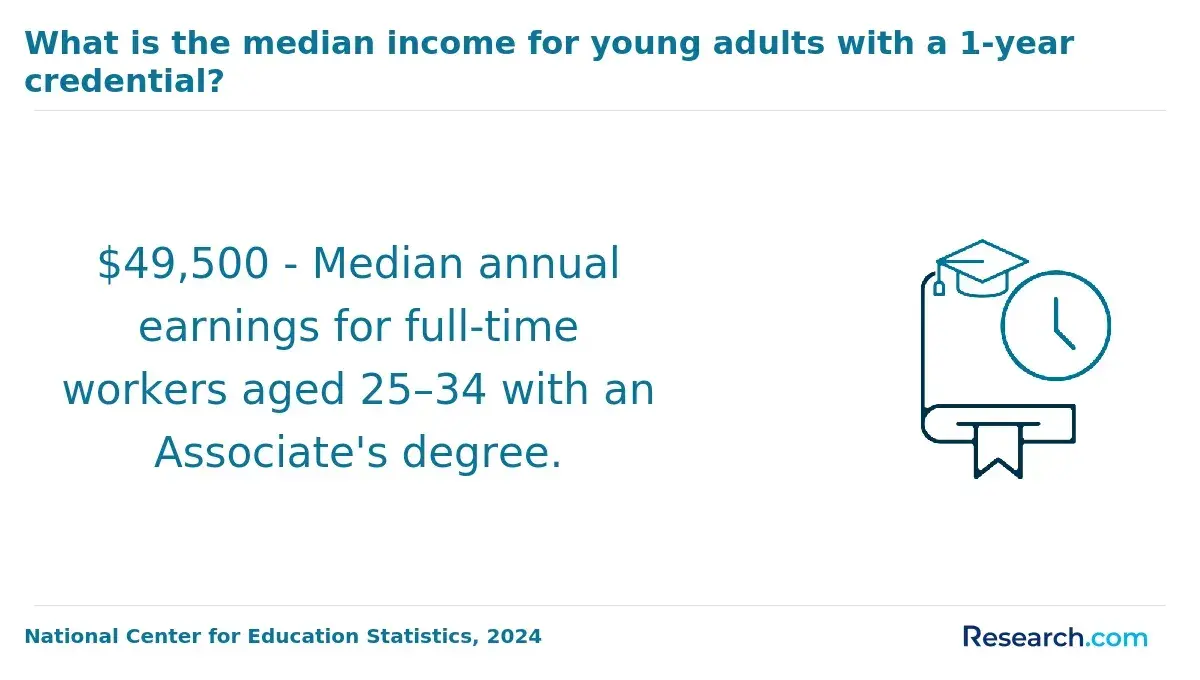
If you are returning to college after a long break, do not assume you must start from zero. Many adult learners begin with lower-cost transfer credits, an associate degree, or general education coursework before moving into a bachelor's program. If you are still exploring entry points, a guide on what is the easiest associate degree to get can help you understand how transfer-friendly starting points may reduce time and cost.
The biggest red flag is an admissions process that skips discussion of musicianship, fieldwork, or licensure requirements for a teacher-preparation degree. A legitimate online program can be convenient, but it should still ask enough questions to confirm you are prepared for the academic, musical, and classroom-based parts of the degree.
How Much Does an Online Music Education Degree Cost, and What Financial Aid Options Are Available?
The cost of an online music education degree depends on degree level, residency status, public versus private tuition, transfer credits, fees, and whether you must travel for intensives or student teaching. College Board's 2024 pricing report lists average published tuition and fees for public four-year in-state students at $11,610 for the academic year, while private nonprofit four-year institutions average much higher. That benchmark is useful because many online programs still price by institution type, even when students study remotely.
Music education students should look beyond tuition because program-specific expenses can be meaningful. Common cost categories include:
- Tuition charged per credit, per term, or through a flat online rate.
- Online learning, technology, graduation, transcript, and assessment fees.
- Music software, notation tools, recording equipment, headphones, microphones, or digital audio workstations.
- Instrument maintenance, accompanist fees, audition recordings, or ensemble-related costs.
- Travel, lodging, and missed work time for campus residencies, field placements, or student teaching.
- Licensure exam, background check, fingerprinting, and certification application fees.
Financial aid can include federal grants, federal student loans, scholarships, institutional aid, military education benefits, employer tuition assistance, and payment plans. The 2024-25 maximum federal Pell Grant is $7,395 for eligible undergraduates, which can materially reduce out-of-pocket cost but usually will not cover the full price of a four-year degree.
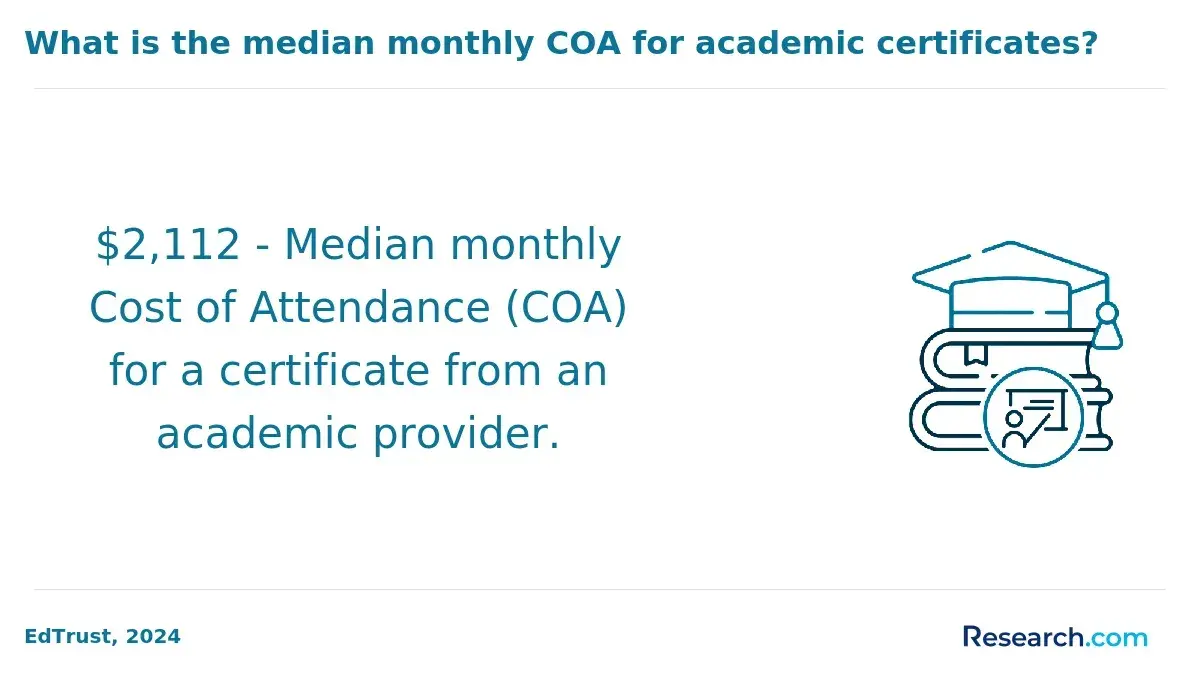
Use net price rather than sticker price when comparing schools. Adults comparing affordability across disciplines may find it helpful to review how cost-focused guides, such as a cheapest online history master's degree comparison, separate tuition from fees, residency rules, and program length. The same logic applies to music education: the lowest per-credit tuition is not always the lowest total cost if the program requires more credits, travel, or repeated terms.
How Long Does It Take to Complete an Online Music Education Degree, and Can Transfer Credits Help You Graduate Faster?
Completion time depends on your starting point, enrollment intensity, transfer credits, and whether the program includes licensure fieldwork. A first-time bachelor's student often follows a four-year full-time plan, while a part-time adult learner may need longer. Graduate programs for licensed teachers can sometimes be completed more quickly, especially when they do not include initial certification requirements.
The table below summarizes realistic timeline patterns for working adults. Use it as a planning tool, not a promise, because course sequencing, practicum availability, and state requirements can change the actual timeline.
| Student situation | Common path | Approximate completion pattern | What can speed it up |
| No prior college credits | Online bachelor's in music education | About 4 years full time; longer part time | Summer terms, careful course sequencing, eligible prior learning. |
| Associate degree or substantial transfer credit | Bachelor's completion pathway | Often 2 to 3 years if major prerequisites align | Generous transfer policy and accepted music coursework. |
| Licensed teacher seeking advancement | Online master's in music education | Often 1 to 2 years full time; 2 to 3 years part time | Accelerated terms and year-round enrollment. |
| Career changer seeking initial licensure | Post-baccalaureate or master's with certification | Varies widely because fieldwork and student teaching are required | Local placement support and accepted prerequisites. |
Transfer credits can help you graduate faster, but music education transfer is not always simple. General education courses often transfer more easily than applied lessons, conducting, methods, ensembles, or education courses tied to state standards. Ask for an official transfer evaluation before committing, not after enrollment.
Adults looking at accelerated pathways should compare speed with workload. Fields such as accelerated social work programs show the same trade-off: shorter calendars can reduce time away from career goals, but they may compress assignments, fieldwork, and advising milestones into a demanding schedule. For music education, accelerated study is only practical if your work and family schedule can absorb the added practice, teaching, and assessment load.
What Should You Look for When Comparing Accredited Online Music Education Degree Programs?
When comparing accredited online music education programs, focus on fit, evidence, and constraints. A strong program should be clear about accreditation, licensure alignment, course delivery, fieldwork, faculty expertise, cost, and student support. If a school cannot answer those questions in writing, keep looking.
Use the following checklist when speaking with admissions advisors or program directors. It is designed to help working adults avoid enrolling in a program that looks flexible online but becomes unmanageable later.
- Verify institutional accreditation through a recognized accreditation database.
- Ask whether the program is approved for teacher licensure in your state or only in the school's state.
- Request the exact course schedule, including which classes are asynchronous, synchronous, hybrid, or self-paced.
- Ask how often required courses are offered and whether missing one course delays graduation by a full year.
- Confirm whether field placements can be completed near your home or workplace.
- Request a full cost estimate that includes fees, technology, travel, and licensure expenses.
- Ask for transfer-credit rules in writing, especially for music theory, applied lessons, ensembles, and education courses.
- Review student support, advising availability, career services, and access to faculty feedback on performance or teaching videos.
Common mistakes include choosing a school based only on tuition, assuming asynchronous means no deadlines, ignoring student teaching logistics, and failing to check whether the program fits your state's certification rules. Licensure-focused programs in other fields, such as online speech pathology programs masters, also require careful review of accreditation, supervised practice, and state eligibility; music education deserves the same level of due diligence.
A practical rule: if you plan to teach in K-12 public schools, start with licensure and field placement requirements. If you already teach and want salary advancement or professional growth, start with accreditation, employer recognition, cost, and schedule fit.
What Career Opportunities and Salary Potential Can You Expect With a Music Education Degree?
A music education degree can support careers in K-12 teaching, private instruction, community music, curriculum development, arts administration, and, with further qualifications, higher education. Career outcomes depend heavily on licensure, teaching experience, location, school district budgets, and whether the role is full time, part time, or contract-based.
BLS May 2024 wage data place the median annual wage for high school teachers at about $64,000, while postsecondary art, drama, and music teachers report a higher median wage. These figures are useful benchmarks, but they should not be treated as automatic outcomes because public school salary schedules, union contracts, graduate credits, and geographic cost of living can change compensation significantly.
The table below outlines common paths and the type of preparation typically expected. It can help you decide whether you need initial licensure, an advanced degree, or a non-licensure music education credential.
| Career path | Typical responsibilities | Credential considerations |
| K-12 music teacher | Teach general music, choir, band, orchestra, theory, or music appreciation. | Usually requires state teacher certification and field experience. |
| Private studio instructor | Teach individual or small-group lessons, prepare recitals, coach auditions. | Degree can strengthen credibility, but licensure may not be required. |
| Community music educator | Lead youth ensembles, nonprofit programs, workshops, or outreach classes. | Experience, musicianship, and teaching portfolio often matter. |
| Curriculum or instructional specialist | Develop lessons, assessments, district music standards, or digital content. | Teaching experience and graduate study may be preferred. |
| Postsecondary instructor | Teach college-level music education, methods, theory, or applied music. | Often requires graduate degree; tenure-track roles may require advanced credentials. |
Is the degree worth it? It can be worth it if it leads to the credential you need, fits your work schedule, and improves your teaching or advancement options without creating unsustainable debt. It may not be the best investment if your target role does not require a degree, if the program does not meet licensure requirements, or if the schedule forces you to reduce income more than you can afford.
How Can Working Adults Balance a Music Education Degree With Full-Time Work and Family Responsibilities?
Balancing a music education degree with full-time work requires more than motivation. Music courses often involve listening assignments, practice time, lesson planning, peer feedback, video recording, and teaching observations. That makes time management more complex than in programs built only around reading and discussion boards.
Start by estimating your real weekly availability before you choose a course load. The following steps can help you avoid overcommitting in the first term:
- Block fixed obligations first, including work hours, commuting, childcare, rehearsals, and sleep.
- Add predictable study windows of 60 to 120 minutes rather than relying only on weekends.
- Ask the program for sample syllabi so you can estimate practice, recording, and project time.
- Take fewer credits in the first term if you have been out of school for several years.
- Schedule field observation hours early, especially if your job hours overlap with K-12 school days.
- Use employer tuition assistance or flexible scheduling if available, but confirm reimbursement rules before enrolling.
Asynchronous courses work well for adults who can study early mornings, evenings, or weekends, but they still have deadlines. Synchronous courses may be harder for shift workers, yet they can provide structure and immediate feedback. Self-paced courses can help if your work schedule changes frequently, but they require strong self-monitoring because no one may be reminding you to submit work every week.
A realistic first-term strategy is to take one music-intensive course and one less performance-heavy course, if the curriculum allows it. That balance can protect your practice time and reduce the risk of falling behind during busy work or family periods.
What Student Support Services and Online Learning Resources Should You Expect From a Music Education Degree Program?
Strong online student support is especially important in music education because students need academic advising, teaching feedback, technology help, and sometimes local placement coordination. A program that works well for working adults should not require you to solve every scheduling or fieldwork issue alone.
Before enrolling, ask whether the school provides the following resources and when they are available. Evening and weekend access can matter as much as the service itself.
- Dedicated academic advising for part-time and transfer students.
- Licensure advising for your state, including testing and student teaching requirements.
- Online library access to music journals, scores, recordings, and research databases.
- Technology support for learning platforms, video submissions, notation software, and audio recording tools.
- Faculty feedback on conducting, lesson delivery, performance, or teaching demonstration videos.
- Tutoring or review support for music theory, aural skills, writing, and research methods.
- Career services for resumes, teaching portfolios, interview preparation, and district hiring timelines.
- Accessibility services for students who need accommodations in online or field-based settings.
One red flag is a program that advertises flexibility but offers advising only during standard business hours. Working adults often need quick answers outside the workday, especially when registration deadlines, placement paperwork, or financial aid forms are due.
Good support also includes clear technology expectations. Ask whether you need specific software, microphones, webcams, MIDI keyboards, notation tools, or high-speed internet for performance uploads. These requirements may not be expensive individually, but they can affect your total budget and your ability to complete assignments on time.
Do Online Music Education Degree Programs Include Internships, Practicums, or Other Hands-On Learning Requirements?
Many online music education programs include hands-on learning because teaching music is a practice-based profession. Even when lectures, readings, discussions, and exams are online, students may still complete field observations, practicum hours, student teaching, performance assessments, or video-based teaching demonstrations.
The type of hands-on requirement depends on whether the program leads to initial teacher certification, supports already licensed teachers, or focuses on non-licensure professional development. The table below explains the main differences.
| Requirement | Where it may happen | Why it matters |
| Field observation | Local schools, approved classrooms, or recorded teaching settings. | Helps students connect pedagogy to real classroom practice. |
| Practicum | Supervised school or community music setting. | Builds early teaching experience before full student teaching. |
| Student teaching | Approved K-12 placement, often during school-day hours. | Usually required for initial teacher licensure. |
| Performance or conducting assessment | Recorded submission, live online session, or residency. | Shows musicianship and instructional skill. |
| Residency or intensive | Campus or designated site. | May support ensemble work, conducting, workshops, or peer collaboration. |
Working adults should pay special attention to student teaching because it can be the least flexible part of the degree. It may require daytime availability, a multiweek placement, background checks, and coordination with a school district. If you work full time, ask whether student teaching can be completed while employed, whether your current school can serve as a placement, and whether unpaid leave may be necessary.
Do not enroll until you know who arranges placements. Some programs actively coordinate with approved sites, while others expect students to identify local schools. That difference can determine whether the program is practical for adults who cannot relocate or leave their current job.
Other Things You Should Know About Music Education
Possibly, but only if the program is approved for the type of teacher licensure you need and you complete required fieldwork or student teaching. A fully online coursework format does not remove state certification requirements.
You usually need solid musicianship, but expectations vary by level and program. Many schools assess applicants through auditions, recordings, theory placement, or prior teaching experience rather than requiring professional-level performance credentials.
They can be respected when the institution is accredited, the program meets licensure standards, and the graduate can demonstrate teaching ability. Districts typically care more about certification, classroom readiness, and relevant experience than whether every course was online.
A music education degree can still help by strengthening pedagogy, lesson planning, assessment, and credibility with families or studios. However, private teaching may not require state licensure, so compare the degree cost with your actual business or teaching goals.
References
- Self-Paced Learning | Flexibility & Efficiency for the Modern Workplace https://kashida-learning.com/self-paced-learning-flexibility-for-the-modern-workplace/
- Asynchronous Education vs Fixed Schedule Online Classes: Which Works for Working Professionals https://puie.ac/asynchronous-education-vs-fixed-schedule-online-classes-which-works-for-working-professionals/
- Financial Aid for Adult Learners - CFWV.com https://www.cfwv.com/adult-learners/financial-aid-for-adults/
- Types of Financial Aid for Online Colleges https://www.umassglobal.edu/blog-news/types-financial-aid-online-colleges
- Should you study music online or in person? - Wisseloord https://wisseloord.org/uncategorized/should-you-study-music-online-or-in-person
- News Archive https://www2.naz.edu/news/archive/2026/February/921/nazareth-launches-online-music-education-master-s-degree
- What Is Self-Paced Learning? Benefits, Examples and Best Practices https://www.d2l.com/blog/self-paced-learning/
- Adult Learner Resources https://applymontana.mus.edu/resources/for-adult-learners/index.html
- How to know if online music certifications are right for you https://www.interlochen.org/stories/how-to-know-if-online-music-certifications-are-right-for-you
- What Can You Do with a Music Degree? https://majoringinmusic.com/what-can-you-do-with-a-music-degree/